مقدمه
دقت ابعادی شاخص فنی اصلی است که نرخ صلاحیت را تعیین می کند, قابلیت تعویض و عملکرد خدمات اجزای ریخته گری سرمایه گذاری.
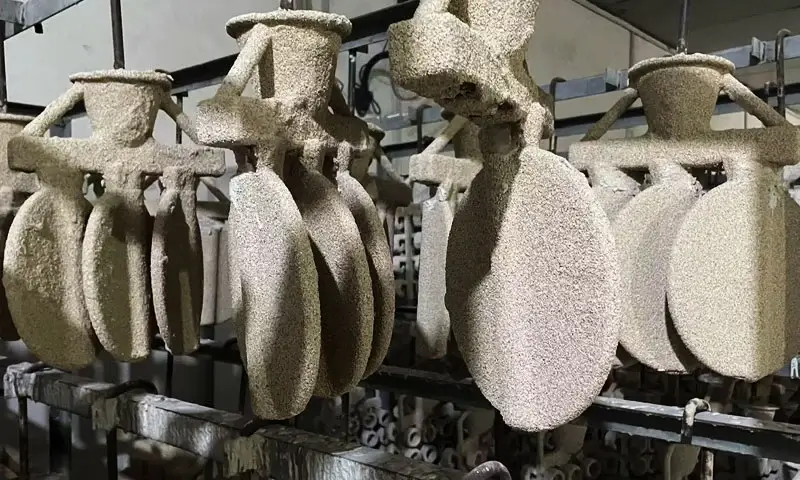
در تولید صنعتی ریخته گری دقیق مدرن, اکثر عیوب خارج از تحمل قطعات ریخته گری تمام شده از خطاهای قالب موم یا پارامترهای ریخته گری ناشی نمی شوند., اما از تغییر شکل کنترل نشده در فرآیند ساخت پوسته.
متفاوت از شناخت سنتی تک پیوندی, انحراف ابعادی ناشی از پوسته سازی یک پیشرونده است, پوشش پوششی رفتار انتقال غیرخطی و زنجیره کامل, خشک کردن, موهای زائد, شلیک در دمای بالا, و انجماد ریخته گری.
هر تغییر ساختاری ظریف, نوسان تنش و تغییر شکل حجم پوسته سرامیکی در هر پیوند فرآیندی به حفره ریخته گری نهایی منتقل و حتی تقویت می شود..
پارامترهای غیر منطقی پوسته سازی باعث ایجاد تنش پسماند می شود, انقباض ناهموار, تغییر شکل شوک حرارتی و انتقال فاز ناهمزمان پوسته, تشکیل خطاهای ابعادی تجمعی.
این مقاله به طور سیستماتیک مکانیسم تکامل ابعادی پوستههای سرامیکی را در کل گردش کار پوستهسازی تحلیل میکند., تأثیر مستقل هر مرحله فرآیند و اثر غیرخطی جفت چند عاملی را نشان می دهد,
و استراتژی های پیشرفته کنترل دقیق و مکانیزم های بهینه سازی تقویت فیبر را خلاصه می کند, ارائه پشتیبانی نظری معتبر و راهنمایی صنعتی برای تولید ریخته گری سرمایه گذاری با دقت بالا.
1. دقت ابعادی در ریخته گری سرمایه گذاری: دیدگاه سیستمی
دقت ابعادی یکی از مهم ترین شاخص های کیفیت در ریخته گری سرمایه گذاری.
مستقیماً روی مونتاژ اجزا تأثیر می گذارد, الزامات کمک هزینه ماشینکاری, قابلیت تعویض محصول, و هزینه کلی ساخت.
در حالی که دقت ابعادی اغلب با دقت الگوی موم یا کنترل انقباض آلیاژ مرتبط است, واقعیت بسیار پیچیده تر است.
دقت ابعادی ریخته گری سرمایه گذاری نتیجه الف است سیستم انتقال ابعادی چند مرحله ای, که در آن هر مرحله فرآیند به هندسه نهایی ریخته گری کمک می کند.
بر خلاف ماشینکاری, که در آن ابعاد به طور مستقیم توسط ابزار برش تولید می شود, ریخته گری سرمایه گذاری بر زنجیره ای از تحولات مادی متکی است.
ابعاد ریخته گری نهایی به تدریج از طریق الگوی موم منتقل و اصلاح می شود, پوسته سفالی, فلز مذاب, فرآیند انجماد, و مرحله خنک سازی.
هر گونه انحراف ابعادی که در مرحله قبلی معرفی شده است ممکن است تقویت شود, جبران کرد, یا در طی عملیات های بعدی مجددا توزیع می شود.
زنجیره انتقال کامل ابعادی
تکامل ابعادی ریخته گری سرمایه گذاری را می توان به صورت خلاصه کرد:
طراحی ابزار ← الگوی موم ← تشکیل پوسته ← موم زدایی ← شلیک پوسته ← ریختن فلز ← انجماد ← خنک کننده ← ریخته گری نهایی
هر مرحله تغییرات ابعادی خود را دارد:
- ابزار، خط پایه ابعادی اولیه را تعیین می کند.
- تزریق موم باعث انقباض حرارتی و تغییر شکل الگو می شود.
- پوسته سازی حفره قالب واقعی را ایجاد می کند که هندسه ریخته گری را تعریف می کند.
- موم زدایی ممکن است باعث انبساط یا اعوجاج پوسته تحت شوک حرارتی شود.
- پخت باعث زینترینگ سرامیکی می شود, رهایی از استرس, و تغییرات ابعادی.
- انجماد فلز باعث انقباض آلیاژ می شود.
- خنک کننده باعث ایجاد انقباض حرارتی و تغییر شکل تنش پسماند می شود.
بنابراین, دقت ابعادی توسط یک پارامتر فرآیند واحد کنترل نمی شود، بلکه توسط تعامل تجمعی متغیرهای متعدد در طول چرخه تولید کنترل می شود..
چرا ساختن پوسته نقش اصلی را ایفا می کند؟
در میان تمام مراحل فرآیند, پوسته سازی موقعیت منحصر به فردی را اشغال می کند زیرا به عنوان پل فیزیکی بین الگوی موم و فلز مذاب عمل می کند..
پوسته سرامیکی مسئول بازتولید هندسه مجموعه موم و در عین حال حفظ ثبات ابعادی در طول پردازش در دمای بالا است..
هر گونه تغییر ابعادی ایجاد شده در طول تولید پوسته به طور مستقیم ابعاد حفره قالب را تغییر می دهد, که متعاقباً بر هندسه خود ریخته گری تأثیر می گذارد.
بر خلاف خطاهای الگوی مومی, که اغلب به راحتی قابل اندازه گیری و اصلاح است, تغییرات ابعادی مربوط به پوسته اغلب در ساختار سرامیکی پنهان می شود و تنها پس از بازرسی ریخته گری آشکار می شود..
به همین دلیل, پوسته سازی اغلب به عنوان بحرانی ترین مرحله انتقال ابعادی در کل فرآیند ریخته گری سرمایه گذاری در نظر گرفته می شود.
دقت ابعادی یک مفهوم پویا به جای ایستا است
یک تصور غلط رایج این است که دقت ابعاد صرفاً به دقت ابعادی حفره قالب بستگی دارد..
در واقعیت, هم پوسته و هم ریخته گری به صورت پویا در طول تولید پاسخگو هستند.
در طول ساخت, پوسته تجربه می کند:
- انقباض خشک شدن
- انبساط حرارتی
- انباشت استرس
- رهایی از استرس
- تبدیل فاز سرامیکی
- خزش با دمای بالا
- برهمکنش مکانیکی با فلز در حال انجماد
در عین حال, ریخته گری انجام می شود:
- انقباض مایع
- انقباض انجماد
- انقباض حرارتی حالت جامد
- تشکیل تنش پسماند
ابعاد نهایی از تعامل بین این دو سیستم در حال تکامل به جای یک هندسه قالب ثابت پدید می آیند..
اهمیت ثبات ابعادی نسبت به دقت ابعادی
در ساخت دقیق مدرن, ثبات ابعادی اغلب ارزشمندتر از دقت ابعادی مطلق است.
فرآیند ریخته گری که قادر به تولید مداوم قطعات با انحراف ابعادی قابل پیش بینی است را می توان از طریق تنظیمات ابزار جبران کرد..
با این حال, فرآیندی که نوسانات ابعادی تصادفی را از دسته ای به دسته دیگر ایجاد می کند، کنترل آن دشوار و اصلاح آن پرهزینه می شود..
بنابراین, هدف اصلی بهینه سازی پوسته سازی صرفاً دستیابی به ابعاد اسمی نیست, اما ایجاد یک مکانیسم انتقال ابعادی پایدار و تکرارپذیر در طول تولید.
اثرات جفت چند عاملی
یکی از بزرگترین چالشها در کنترل ابعادی ریختهگری سرمایهگذاری، وجود اثرات کوپلینگ چندعاملی است. پارامترهای فرآیند فردی به ندرت مستقل عمل می کنند.
به عنوان مثال:
- ضخامت ناهموار دوغاب می تواند رفتار خشک کردن را تغییر دهد.
- خشک شدن ناهموار می تواند استرس پسماند ایجاد کند.
- تنش پسماند می تواند بر تغییر شکل پوسته در حین شلیک تأثیر بگذارد.
- اعوجاج پوسته شلیک شده می تواند هندسه حفره را تغییر دهد.
- هندسه حفره اصلاح شده رفتار انقباض ریخته گری را تغییر می دهد.
در نتیجه, یک انحراف کوچک در طول تشکیل پوسته ممکن است در نهایت یک خطای ابعادی نامتناسب بزرگ در ریختهگری تمام شده ایجاد کند..
این رابطه غیرخطی توضیح میدهد که چرا مشکلات ابعادی اغلب حتی زمانی که متغیرهای فرآیند منفرد به نظر میرسد در مشخصات هستند، همچنان ادامه دارند..
یک رویکرد مهندسی سیستم
ریخته گری سرمایه گذاری مدرن به طور فزاینده ای کنترل ابعادی را به عنوان یک چالش مهندسی سیستم به جای یک کار بهینه سازی تک فرآیندی در نظر می گیرد.. تولید کنندگان پیشرفته ادغام می شوند:
- کنترل رئولوژی دوغاب
- پایش محیط زیست
- تجزیه و تحلیل تغییر شکل پوسته
- بهینه سازی منحنی شلیک
- کنترل فرآیندهای آماری
- فناوری های شبیه سازی عددی
برای مدیریت تغییرات ابعادی در کل زنجیره فرآیند.
تحت این رویکرد, پوسته سازی دیگر صرفاً به عنوان یک عملیات قالب سازی تلقی نمی شود.
در عوض, تبدیل به یک فرآیند مهندسی ابعاد بحرانی می شود که تعیین می کند هدف طراحی با چه دقتی به یک جزء فلزی تمام شده تبدیل می شود..
2. مرحله پوشش: انحرافات بعدی اولیه ناشی از رفتار رئولوژیکی دوغاب
خطای ابعادی اولیه پوسته های ریخته گری سرمایه گذاری در لحظه پوشش سطح اولیه شکل می گیرد.
خواص رئولوژیکی دوغاب نسوز عامل تعیین کننده ای است که بر یکنواختی ضخامت پوشش تأثیر می گذارد.,
و ویسکوزیته نامعقول دوغاب و محتوای جامد به طور مستقیم باعث ایجاد ضخامت ناهموار پوشش محلی می شود و خطر پنهان تغییر شکل پوسته بعدی را ایجاد می کند..
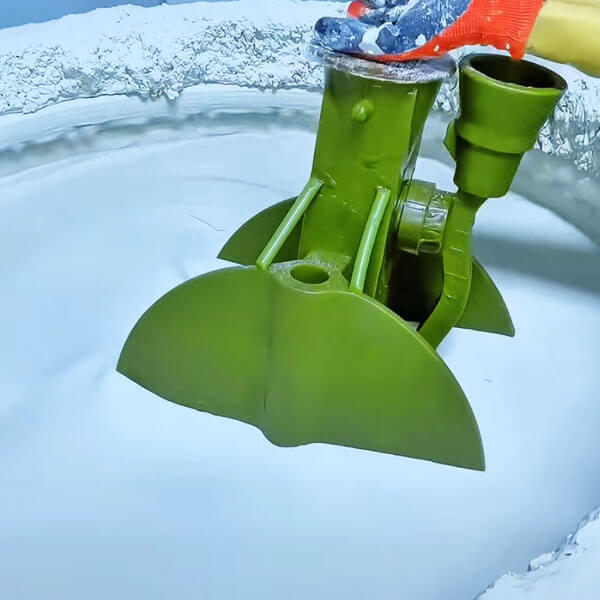
هنگامی که محتوای جامد دوغاب بیش از حد کم باشد و ویسکوزیته کمتر از 300 mPa·s, دوغاب سیالیت فوق العاده بالایی روی سطح الگوی مومی نشان می دهد.
مقدار زیادی از دوغاب در شیارهای پایینی قالب های موم پیچیده تجمع می یابد, ضخامت پوشش محلی را بیش از 40% بالاتر از ارزش طراحی.
در مقابل, افتادگی شدید دوغاب در گوشه های تیز بالایی رخ می دهد, که در آن تنها ضخامت پوشش واقعی است 30% از پارامتر استاندارد.
این ناهماهنگی شدید ضخامت باعث می شود نرخ انقباض خشک شدن متفاوت در موقعیت های مختلف پوسته ایجاد شود, ایجاد تنش پسماند داخلی ناهموار در داخل پوسته سبز.
برعکس, محتوای جامد بیش از حد با ویسکوزیته بیش از حد 1200 mPa·s منجر به سیالیت پوشش ضعیف می شود.
دوغاب نمی تواند به طور یکنواخت سطوح منحنی پیچیده و شیارهای کوچک الگوی مومی را بپوشاند., ایجاد ریز چاله های عظیم بر روی دیواره داخلی پوسته و در نتیجه ابعاد حفره محلی بزرگ.
تأیید صنعتی ثابت می کند که محدوده ویسکوزیته بهینه برای پوشش پوسته دقیق است 600-800 mPa·s, که انحراف ضخامت پوشش تمام موقعیت های پوسته را در محدوده 0.05 ± میلی متر کنترل می کند.
افزودن سورفکتانتهای کمی برای تنظیم شاخص تیکسوتروپی دوغاب روی 3-4 میتواند نقصهای تجمع موضعی را برطرف کند و یکنواختی پوشش سطوح منحنی پیچیده را بهبود بخشد..
برای الگوهای مومی با شیارهای داخلی عمیق, اثر تجمع دوغاب به طور قابل توجهی بزرگتر می شود.
فرآیندهای سنتی پوسته سازی بدون کنترل دقیق رئولوژیکی اغلب باعث انحراف ضخامت پوشش موضعی بیش از حد می شوند. 1 میلی متر در موقعیت های شیار, که دلیل اساسی عدم تحمل ابعادی طولانی مدت ویژگی های ریخته گری شیاردار در تولید انبوه است..
3. مرحله خشک کردن: تغییر شکل انقباض غیر یکنواخت رابط های چند پوششی
پس از هر عمل پوشش و گچ کاری, بایندر سل سیلیس در طول فرآیند خشک کردن تحت تبخیر آب مداوم و واکنش پلی تراکم قرار می گیرد., ایجاد انقباض خشک شدن اجتناب ناپذیر پوسته سرامیکی.
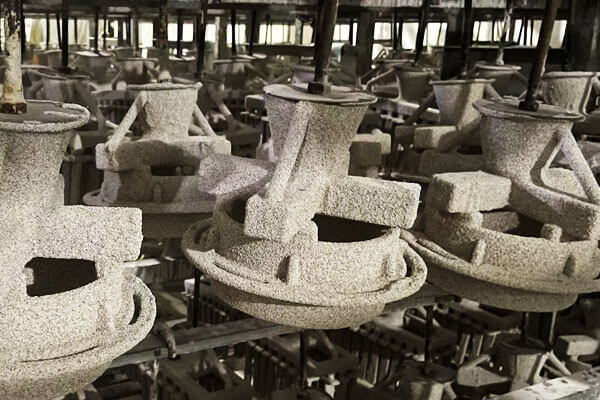
بر خلاف انقباض یکنواخت ایزوتروپیک ایده آل, انقباض واقعی پوسته به شدت تحت تأثیر وضعیت پیوند بین لایه و شرایط محیطی خشک شدن قرار می گیرد.
اندازه دانه شن و ماسه نامعقول لایه پشتی باعث ایجاد ریز منافذ متعدد در سطح مشترک بین لایه سطحی و لایه پشتی می شود., کاهش شدید استحکام پیوند بین لایه ها.
هنگام خشک شدن, لایه سطحی و لایه پشتی به طور مستقل و بدون تغییر شکل هماهنگ منقبض می شوند, ایجاد تنش باقیمانده سطحی بزرگ و ایجاد تاب برداشتن و اعوجاج موضعی پوسته.
همبستگی تصویر دیجیتال (دیک) داده های نظارت بر تغییر شکل کامل میدان، حساسیت محیطی تغییر شکل خشک کردن پوسته را بیشتر تأیید می کند.
توزیع دما نابرابر و سرعت جریان هوای محلی بیش از حد 2 m/s منجر به a خواهد شد 3-تفاوت برابری در سرعت خشک شدن در سراسر سطح پوسته.
مناطقی که به سرعت خشک می شوند از قبل انقباض کامل می شوند, در حالی که مناطق دیر خشک شدن عقب هستند, ایجاد تنش پسماند محدود متقابل در دمای اتاق.
این تنش پنهان به تدریج در مرحله شلیک در دمای بالا آزاد می شود, باعث ایجاد تغییر شکل دائمی غیرقابل پیش بینی پوسته می شود.
فرآیند خشک کردن گرادیان بهینه به طور موثر این مشکل را حل می کند.
با تثبیت محیط خشک کردن در دمای ثابت 24 ± 1 ℃, رطوبت نسبی 5±60%, و سرعت جریان هوا یکنواخت 0.5 اماس, تنش پسماند داخلی پوسته کاهش می یابد 72%,
و تغییر شکل کلی خشک شدن به شدت در داخل کنترل می شود 0.1 میلی متر, تحقق پایداری ابعادی پوسته سبز با ثبات بالا.
4. مرحله موم زدایی: میکرو تغییر شکل پوسته و جابجایی حفره تحت شوک حرارتی
موم زدایی با بخار فشار بالا یک پیوند مهم انتقال از حفره الگوی مومی به حفره پوسته سرامیکی است., در جایی که شوک حرارتی گذرا و نوسان فشار داخلی باعث ایجاد ریز تغییر شکل غیرقابل برگشت پوستههای دیواره نازک میشود..
در فرآیندهای مرسوم موم زدایی سریع, فشار بخار افزایش می یابد 0.6 MPa در داخل 30 ثانیه.
ارتفاع سریع حرارتی باعث انبساط و ذوب آنی موم باقی مانده در داخل پوسته می شود..
سرعت انبساط موم بسیار بیشتر از سرعت خروجی گاز پوسته است, ایجاد فشار داخلی گذرا شدید.
این نیرو پوسته جدار نازک را به سمت بیرون هل می دهد تا انبساط الاستیک پلاستیکی ایجاد کند., که پس از تخلیه موم نمی تواند به طور کامل برگشت کند, منجر به بزرگ شدن دائمی اندازه حفره پوسته می شود.
فقط برای پوسته های بسیار نازک با ضخامت دیواره 2 میلی متر, این اثر تغییر شکل بسیار برجسته است.
آزمایشات تجربی نشان می دهد که افزایش ابعاد دائمی حفره های دیواره نازک موضعی می تواند به 0.3 میلی متر پس از موم زدایی سریع تحت فشار.
اتخاذ الف استراتژی افزایش فشار گرادیان با مدت زمان فشار بیش از 2 دقایقی زمان کافی برای ذوب موم و تخلیه یکنواخت از طریق کانال های اگزوز پوسته را فراهم می کند, به طور کامل از بین بردن ریز تغییر شکل ناشی از فشار داخلی.
پس از کنترل موم زدایی بهینه, انحراف ابعاد حفره به طور پایدار در داخل کنترل می شود 0.08 میلی متر.
علاوه بر این, خاکستر موم ناهموار پس از موم زدایی باعث احتراق متمرکز موضعی در هنگام پخت می شود., ایجاد میدان های دمایی تفاضلی در سطح پوسته و القای بیشتر تغییر شکل ناهمزمان.
تصفیه هوای کم فشار پس از موم زدایی یک فرآیند کمکی ضروری برای حذف خاکستر موم باقیمانده و حفظ ثبات ابعادی بعدی است..
5. مرحله شلیک: تغییر شکل همراه انتقال فاز در دمای بالا و آزادسازی تنش پسماند
درجه حرارت بالا شلیک گلوله تعیین کننده ترین مرحله برای دقت ابعاد حفره نهایی است.
در حین شلیک, بایندر سل سیلیس تبدیل فاز کامل را کامل می کند, گردن های متخلخل بین ذرات سرامیکی تشکیل می شوند, و تمام تنش های پسماند انباشته شده در پوشش, مراحل خشک کردن و موم زدایی به طور همزمان آزاد می شود.
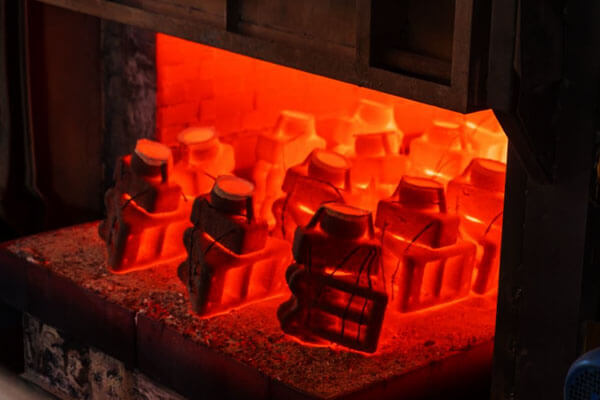
گرمایش سریع سنتی باعث تبدیل فاز معدنی ناهمزمان در داخل پوسته می شود.
تولید سریع فاز مولایت باعث افزایش حجم می شود, در حالی که تبدیل فاز کریستوبالیت باعث کاهش حجم می شود.
نرخ انتقال فاز نامتناسب در موقعیت های مختلف پوسته باعث تاب خوردگی شدید و تغییر شکل نامنظم می شود..
منحنی شلیک تقسیمبندیشده بهینهسازی شده، تبدیل فاز و آزادسازی تنش را به طور موثر هماهنگ میکند: تنظیم یک پلت فرم حفظ حرارت طولانی مدت در دمای 1000 درجه سانتیگراد برای آزادسازی کامل تنش پسماند,
به دنبال آن حرارت آهسته با سرعت 2 درجه در دقیقه تا دمای پخت نهایی 1200 درجه, که تا حد زیادی یکنواختی تغییر شکل کلی پوسته را در دمای بالا بهبود می بخشد.
تقویت کننده فیبر کربن کوتاه برش نوآورانه، پایداری ابعادی پوسته را بیشتر می کند.
اضافه کردن 4 میلی متر الیاف کربن خرد شده در دوغاب پشتی با همزن اولتراسونیک به پراکندگی یکنواختی دست می یابد و یک شبکه تقویتی درهم آمیخته سه بعدی را در داخل ماتریس سرامیکی تشکیل می دهد..
این شبکه حرکت مرز دانه را پین می کند, از رشد غیر طبیعی دانه در دمای بالا جلوگیری می کند, و تغییر شکل باقیمانده در دمای بالا را کاهش می دهد 62%.
نتایج بازسازی سه بعدی CT صنعتی تایید میکند که پوستههای تقویتشده با فیبر کربن دارای توزیع منافذ یکنواخت بدون منافذ بزرگ پیوسته رایج در پوستههای سنتی هستند..
بعد از 2 ساعت حفظ حرارت در 1200 درجه سانتیگراد, نرخ کلی تغییر ابعاد فقط است 0.12%, بسیار پایین تر از 0.32% از پوسته های معمولی, ارائه دقت حفره فوق العاده پایدار برای ریختن و انجماد بعدی.
6. مرحله ریختن و انجماد: تنظیم معکوس انقباض ریخته گری توسط اثر محدودیت پوسته
پوسته سرامیکی یک قالب ثابت کاملاً سفت و سخت در هنگام ریختن آلیاژ و انجماد نیست.
استحکام در دمای بالا و ویژگی های تغییر شکل انعطاف پذیر آن به طور معکوس رفتار انقباض انجماد آلیاژ مذاب را محدود می کند., به طور مستقیم تحمل ابعاد ریخته گری نهایی را تعیین می کند.
این تصور غلط سنتی را که "استحکام پوسته بالاتر برابر با کیفیت ریختهگری بهتر است" را زیر سوال میبرد..
استحکام پوسته بسیار کم در دمای بالا منجر به انقباض همزمان پوسته با ریخته گری در طول انجماد آلیاژ می شود., عدم ایجاد محدودیت موثر.
نرخ واقعی انقباض ریخته گری بسیار بالاتر از مقدار طراحی نظری است, در نتیجه ابعاد کلی ریخته گری کمتر از اندازه است.
در مقابل, استحکام پوسته سفت و سخت فوق العاده بالا انقباض ریخته گری را کاملاً محدود می کند, ایجاد تنش انقباض داخلی عظیم در داخل ریختهگری و ایجاد ترکهای حرارتی و عیوب اعوجاج ساختاری.
داده های تجربی دقیق تأیید می کند که مقاومت خمشی پوسته در دمای بالا بهینه است 3-4 MPa.
در این محدوده, پوسته محدودیت انعطاف پذیر متوسطی را فراهم می کند, کاهش نرخ انقباض انجماد آزاد قطعات ریخته گری توسط 30%.
این به طور موثر انحراف ابعادی را کنترل می کند و از ترک های حرارتی ناشی از محدودیت های سخت جلوگیری می کند., تحقق تعادل بهینه بین اثر محدودیت و ایمنی سازه.
7. مکانیسم جفت چند عاملی پوسته سازی بر روی دقت ابعادی ریخته گری
هر پارامتر فرآیند پوسته سازی به طور مستقل عمل نمی کند.
برهم نهی, هم افزایی و رقابت عوامل متعدد، اثرات تکامل ابعادی غیرخطی پیچیده ای را تشکیل می دهند, که علت اصلی نوسانات نامنظم ابعادی در تولید دسته ای صنعتی هستند.
اثر تقویت غیر خطی انحراف ضخامت پوشش
خطاهای ضخامت پوشش محلی اثرات تقویت هندسی را در فرآیندهای پخت و انجماد ریختهگری در دمای بالا ایجاد میکنند..
زمانی که ضخامت پوشش محلی از مقدار طراحی بیشتر شود 50%, نرخ خنک کننده پوسته منطقه ای کاهش می یابد 40% در حین شلیک, ایجاد تنش باقیمانده حرارتی اضافی.
انحراف حفره پوسته تقویت می شود 2.3 بارها, و خطای ابعادی ریخته گری نهایی می رسد 3.1 برابر انحراف پوشش اولیه.
این تقویت غیرخطی به ویژه در ریخته گری های پیچیده شیار عمیق برجسته است.
نقص های جزئی انباشت دوغاب در مرحله پوشش به شکل خارج از تحمل ابعادی کشنده شیارهای ریخته گری تبدیل می شود., که نرخ صلاحیت پایین دراز مدت ریخته گری سازه های پیچیده را توضیح می دهد.
کنترل دقیق رئولوژی دوغاب و ضخامت پوشش یکنواخت راه حل های اساسی برای حذف اثرات تقویت هستند..
مکانیسم تثبیت بعدی تقویت فیبر کربن
سیلان کوپل شده 4 الیاف کربن خرد شده میلی متری یک شبکه متقاطع سه بعدی پایدار در ماتریس سل سیلیس تحت پراکندگی اولتراسونیک تشکیل می دهند..
شبکه به بهینه سازی عملکردی دوگانه عملکرد پوسته دست می یابد:
اولی, الیاف کربن ریز ترکها را در داخل پوسته پل میکنند و تنشهای متمرکز در دمای بالا را از طریق بیرون کشیدن الیاف و لغزش سطحی پراکنده میکنند.,
کاهش سرعت خزش در دمای بالا ماتریس سرامیکی با یک مرتبه بزرگی و مهار تغییر شکل ناهموار محلی.
دوم, الیاف کربن در طی شلیک در دمای بالا به آرامی اکسید شده و تخلیه می شوند, ایجاد ریز منافذ بسته به طور یکنواخت در داخل پوسته.
این ریز منافذ فضای تغییر شکل انعطاف پذیری را برای انجماد ریخته گری فراهم می کند, اجتناب از ترک های حرارتی ناشی از صلبیت بیش از حد پوسته و جلوگیری از تغییر شکل بیش از حد ناشی از محدودیت ناکافی, تعادل کامل استحکام و انعطاف پذیری پوسته در دمای بالا.
مشاهده مورفولوژی شکستگی SEM پیوند سطحی محکم بین الیاف کربن و ماتریس سرامیکی را تایید می کند., تحقق پایداری ابعادی طولانی مدت پوسته های با دمای بالا.
انتقال ابعادی زنجیره کامل و برهم نهی کوپلینگ
ریخته گری سرمایه گذاری یک کامل را تشکیل می دهد زنجیره انتقال ابعادی تمام فرآیند: اندازه اولیه قالب موم → اندازه پوشش پوسته مرطوب → اندازه حفره موم زدایی → اندازه حفره پوسته پخته → اندازه ریخته گری نهایی.
هر پیوند فرآیند دارای یک ضریب انتقال ابعادی ثابت است. انحرافات از فرآیندهای فردی در مراحل بعدی روی هم قرار می گیرند و همراه می شوند.
زمانی که خطاهای چندین لینک در یک جهت باشد, برهم نهی تجمعی رخ می دهد, منجر به عدم تحمل ابعادی شدید ریخته گری می شود.
زمانی که انحرافات مخالف هستند, افست متقابل ممکن است ابعاد واجد شرایط را به طور تصادفی تولید کند.
این مکانیسم باعث نوسانات نامنظم ابعاد و ثبات دسته ای ضعیف در تولید سنتی می شود.
فقط کنترل دقیق کمی هر گره در زنجیره انتقال می تواند دقت ابعاد دسته ای را تثبیت کند..
8. تقویت غیر خطی خطاهای ابعادی
یکی از چالش برانگیزترین جنبه های کنترل ابعادی در ریخته گری سرمایه گذاری این است که انحرافات ابعادی در طول فرآیند در یک رابطه ساده یک به یک منتشر نمی شوند..
در عوض, بسیاری از تغییرات ابعادی الف را نشان می دهند اثر تقویت غیر خطی, جایی که یک انحراف به ظاهر جزئی ایجاد شده در طول ساخت پوسته می تواند به خطای ابعادی بزرگتر در ریخته گری نهایی تبدیل شود..
این پدیده توضیح میدهد که چرا ریختهگریها گاهی اوقات از حد تحمل فراتر میروند، حتی زمانی که به نظر میرسد پارامترهای فرآیند فردی به خوبی کنترل میشوند..
بنابراین درک مکانیسم های پشت تقویت ابعادی برای تولید ریخته گری دقیق ضروری است.
چرا خطاهای ابعادی تقویت می شوند؟
فرآیند ریختهگری سرمایهگذاری شامل مراحل مختلفی از تبدیل مواد است, دوچرخه سواری حرارتی, و توزیع مجدد استرس.
هر مرحله می تواند تغییرات ابعادی معرفی شده در مراحل قبلی را بزرگنمایی کند.
یک مسیر انتقال بعدی معمولی ممکن است دنبال شود:
تغییر ضخامت دوغاب محلی
→ انقباض خشک شدن ناهموار
→ تجمع استرس پسماند
→ اعوجاج پوسته در هنگام شلیک
→ تغییر ابعاد حفره
→ تغییرات انقباض ریخته گری
→ انحراف بعد نهایی
زیرا هر مرحله با مرحله قبلی در تعامل است, خطاهای ابعادی اغلب به جای ثابت ماندن رشد می کنند.
به عنوان مثال, افزایش ضخامت پوسته موضعی تنها 0.2 میلی متر ممکن است در نهایت منجر به انحراف ابعاد ریخته گری چندین برابر بزرگتر پس از پخت و انجماد شود.
تغییرات ضخامت پوسته و اثر تقویت آنها
ضخامت پوسته غیر یکنواخت یکی از رایج ترین منابع ناپایداری ابعادی است.
هنگامی که دوغاب بیش از حد در داخل انباشته می شود:
- فرورفتگی های عمیق
- گوشه های داخلی
- کانال های باریک
- انتقال های سطحی پیچیده
مناطق آسیب دیده کندتر از مناطق اطراف خشک می شوند.
این ایجاد می کند:
- انقباض دیفرانسیل
- توزیع نابرابر تنش
- اعوجاج پوسته موضعی
در حین شلیک, این تنش های پسماند آزاد می شوند, باعث تغییر شکل بیشتر می شود. هندسه حفره حاصل ممکن است به میزان قابل توجهی از ابعاد الگوی مومی اصلی منحرف شود.
برای قطعات پیچیده هوافضا یا توربین, تغییرات موضعی ضخامت پوسته می تواند به یکی از دلایل اصلی عدم انطباق ابعادی تبدیل شود.
حافظه استرس باقیمانده در پوسته
پوسته های سرامیکی دارای نوعی "حافظه استرس" هستند..
اگرچه ممکن است یک پوسته پس از خشک شدن از نظر ابعادی پایدار به نظر برسد, تنش های پسماند داخلی در داخل سازه محبوس می شوند.
هنگامی که پوسته متحمل می شود:
- گرمایش سریع
- موهای زائد
- تف جوشی
- شلیک در دمای بالا
این تنش ها به تدریج رها می شوند.
فرآیند انتشار اغلب باعث می شود:
- تاب برداشتن
- گسترش محلی
- رانش ابعادی
- اعوجاج هندسی
مهمتر, تغییر شکل حاصل اغلب غیرخطی است و پیشبینی آن از طریق روشهای بازرسی مرسوم دشوار است.
اثرات جفت حرارتی و ساختاری
هنگامی که اثرات حرارتی با هندسه پوسته تعامل داشته باشند، تقویت ابعادی مهمتر میشود.
مثالها عبارتند از:
- بخش های نازک سریعتر از مقاطع ضخیم گرم می شوند
- گوشه های تیز با شیب حرارتی بالاتر
- هندسه های نامتقارن مسیرهای گسترش ناهموار را ایجاد می کنند
با افزایش دما در هنگام شلیک, این تفاوتهای محلی الگوهای تغییر شکل پیچیدهای ایجاد میکنند که میتوانند ابعاد حفره را فراتر از آنچه محاسبات ساده انبساط حرارتی پیشبینی میکنند، تغییر دهند..
در نتیجه, قطعات ریخته گری با هندسه های پیچیده عموماً نسبت به اجزای متقارن ساده در برابر انحرافات ابعادی تقویت شده آسیب پذیرتر هستند..
تعامل بین رفتار پوسته و انجماد فلز
تقویت ابعادی پس از ورود فلز مذاب به قالب متوقف نمی شود.
در طول انجماد, پوسته و ریخته گری به صورت مکانیکی با هم تعامل دارند.
اگر سفتی پوسته به صورت موضعی متفاوت باشد:
- برخی از مناطق به شدت انقباض را مهار می کنند
- مناطق دیگر اجازه انقباض نامحدود را می دهند
این محدودیت ناسازگار می تواند تغییرات ابعادی موضعی ایجاد کند که انحرافات موجود را بیشتر می کند.
بنابراین, ابعاد ریختهگری نهایی اغلب نتیجه مکانیسمهای تقویتکننده چندگانه است که به طور همزمان عمل میکنند.
چالش پیش بینی پذیری
یکی از ویژگی های مهم تقویت ابعادی غیرخطی این است که رابطه بین علت و معلول به ندرت متناسب است.
به عنوان مثال:
- الف 10% افزایش ضخامت پوسته ممکن است ایجاد کند 30% انحراف ابعادی.
- افزایش اندک در جریان هوای خشک شدن ممکن است تغییر شکل پوسته را دو برابر کند.
- یک تغییر جزئی دمای پخت ممکن است باعث ایجاد اعوجاج هندسی قابل توجهی شود.
این رفتار غیرخطی توضیح میدهد که چرا تنظیمات تجربی به تنهایی اغلب در حل مشکلات دقت ابعادی مکرر ناکام هستند..
تنها با درک مکانیسم انتقال ابعادی کامل، سازندگان می توانند تغییرات ابعادی را به طور موثر کنترل کنند.
9. رویکردهای پیشرفته برای بهبود دقت ابعادی
همانطور که الزامات ابعادی به طور فزاینده ای در هوافضا سخت تر می شوند, پزشکی, انرژی, خودرو, و صنایع مهندسی دقیق, تنظیمات سنتی فرآیند آزمون و خطا دیگر کافی نیستند.
سازندگان ریختهگری سرمایهگذاری مدرن، فناوریهای پیشرفته و روشهای کنترل فرآیند سیستماتیک را برای دستیابی به سطوح بالاتری از دقت و ثبات ابعادی اتخاذ میکنند..
تمرکز از تصحیح خطاهای ابعادی پس از ریختهگری به جلوگیری از تشکیل آنها در طول فرآیند پوستهسازی تغییر کرده است..
کنترل دقیق رئولوژی دوغاب
اساس دقت ابعادی با پایداری دوغاب شروع می شود.
سیستم های مدرن پوسته سازی به دقت نظارت می کنند:
- ولادی
- تراکم
- محتوای جامد
- مقدار pH
- دما
- رفتار تیکسوتروپیک
خواص دوغاب پایدار تضمین می کند:
- ضخامت پوشش یکنواخت
- تولید مثل سطحی ثابت
- کاهش تنوع ضخامت پوسته
- تکرارپذیری ابعادی بهبود یافته
سیستم های خودکار مدیریت دوغاب به طور فزاینده ای برای حذف تنوع وابسته به اپراتور استفاده می شود.
فناوری خشک کردن کنترل شده
خشک شدن یکی از تاثیرگذارترین مراحلی است که بر تغییر شکل پوسته تاثیر می گذارد.
سیستم های خشک کن پیشرفته استفاده می کنند:
- محفظه های دمای ثابت
- محیط های کنترل شده با رطوبت
- توزیع یکنواخت جریان هوا
- نظارت بر محیط زیست در زمان واقعی
هدف این است که اطمینان حاصل شود که تمام مناطق پوسته با نرخ های مشابه خشک می شوند.
با به حداقل رساندن انقباض دیفرانسیل, سازندگان می توانند به طور قابل توجهی تجمع تنش پسماند را کاهش دهند و پایداری ابعادی پوسته را بهبود بخشند.
استراتژی های موم زدایی بهینه
تغییر شکل ناشی از موم زدایی را می توان از طریق بهبود مدیریت حرارتی به حداقل رساند.
رویکردهای کلیدی شامل:
افزایش تدریجی فشار
افزایش فشار کنترل شده استرس داخلی ناشی از انبساط سریع موم را کاهش می دهد.
توزیع متعادل حرارت
توزیع یکنواخت بخار شوک حرارتی موضعی را به حداقل می رساند.
طراحی تهویه بهبود یافته
مسیرهای زهکشی موم بهینه، افزایش فشار داخلی را کاهش می دهد و خطر اعوجاج پوسته را کاهش می دهد.
این اقدامات به حفظ هندسه حفره در طول چرخه موم زدایی کمک می کند.
سیستم های مواد پوسته پیشرفته
نوآوری مواد نقش مهمی را در کنترل ابعاد ایفا می کند.
سیستم های پوسته مدرن ممکن است شامل شوند:
- تقویت کننده های سرامیکی با مقاومت بالا
- لایه های پشتیبان تقویت شده فیبر
- فن آوری های بهبود یافته چسب
- فرمولاسیون سرامیکی با انقباض کم
این مواد فراهم می کند:
- پایداری حرارتی بیشتر
- مقاومت در برابر ترک بهبود یافته است
- کاهش تغییر شکل شلیک
- سازگاری ابعادی افزایش یافته
پوسته های سرامیکی تقویت شده با الیاف, به طور خاص, بهبود قابل توجهی در پایداری ابعادی در دمای بالا نشان داده اند.
منحنی های شلیک و پروفیل های حرارتی بهینه شده
به جای تکیه بر برنامه های گرمایش ساده, شلیک پوسته پیشرفته از چرخه های حرارتی مهندسی شده دقیق استفاده می کند.
بهبودهای معمولی عبارتند از:
- برنامه های گرمایش چند مرحله ای
- دوره های نگهدارنده کاهش استرس میانی
- شیب دمایی کنترل شده
- پروفایل های خنک کننده بهینه شده
این استراتژیها به تنشهای پسماند اجازه میدهند به تدریج از بین بروند و در عین حال اعوجاج حرارتی و تغییر شکل مربوط به تبدیل فاز را به حداقل میرسانند..
شبیه سازی دیجیتال و مهندسی پیش بینی
یکی از مهم ترین پیشرفت ها در ریخته گری سرمایه گذاری مدرن، استفاده از ابزارهای شبیه سازی عددی است.
نرم افزارهای پیشرفته می توانند مدل سازی کنند:
- رفتار رسوب دوغاب
- انقباض خشک شدن
- توزیع تنش پوسته
- انبساط حرارتی
- تغییر شکل شلیک
- انقباض انجماد فلز
با پیش بینی تغییرات ابعادی قبل از شروع تولید, مهندسان می توانند به طور فعال پارامترهای فرآیند و عوامل جبران ابزار را بهینه کنند.
این امر کنترل ابعادی را از تصحیح واکنشی به مدیریت پیش بینی تغییر می دهد.
کنترل فرآیند آماری و تولید مبتنی بر داده
ریخته گری های پیشرو در صنعت به طور فزاینده ای از تجزیه و تحلیل داده ها برای نظارت بر عملکرد ابعادی استفاده می کنند.
تکنیک های کلیدی عبارتند از:
- کنترل فرآیندهای آماری (SPC)
- تجزیه و تحلیل قابلیت فرآیند
- ردیابی کیفیت دیجیتال
- نظارت بر فرآیند در زمان واقعی
- بازرسی ابعادی خودکار
این سیستمها انحراف فرآیند را زود تشخیص میدهند و به حفظ ثبات ابعادی بلندمدت در حجمهای بزرگ تولید کمک میکنند.
مهندسی ابعاد یکپارچه
موفقترین استراتژیهای کنترل ابعادی تشخیص میدهند که هیچ بهبود فرآیندی نمیتواند دقت را تضمین کند.
در عوض, دقت ابعادی باید از طریق یک رویکرد مهندسی کاملاً یکپارچه که مختصات را هماهنگ می کند، مدیریت شود:
- تولید الگوی موم
- ساختمان پوسته
- کنترل خشک کردن
- بهینه سازی موم زدایی
- مدیریت شلیک
- جبران انقباض آلیاژ
- شبیه سازی فرآیند
- تایید کیفیت
تنها با کنترل کل زنجیره انتقال ابعادی، سازندگان میتوانند بهطور مداوم به تلورانسهای سخت مورد نیاز قطعات ریختهگری با کارایی بالا دست یابند..
10. نتیجه گیری
پوسته سازی عامل اصلی تعیین کننده دقت ابعادی ریخته گری سرمایه گذاری است, و تأثیر آن در کل فرآیند تولید در حالت کوپلینگ پیشرونده و غیرخطی جریان دارد.
رئولوژی دوغاب اولیه یکنواختی ضخامت پوشش اصلی را کنترل می کند; خشک کردن درجه بندی شده، تنش باقیمانده ناشی از انقباض ناهموار را حذف می کند; موم زدایی گرادیان از تغییر شکل حفره دائمی ناشی از شوک حرارتی جلوگیری می کند;
شلیک بهینه شده در دمای بالا، مختصات انتقال فاز و آزادسازی تنش است; استحکام پوسته همسان در دمای بالا تنظیم دقیق انقباض انجماد ریخته گری را متوجه می شود.
حالت سنتی بهینه سازی فرآیند تک نقطه ای نمی تواند مسائل نوسانات ابعاد دسته ای را حل کند.
تولید ریخته گری سرمایه گذاری با دقت پیشرفته باید به کنترل انتقال ابعادی زنجیره کامل متکی باشد, ترکیب با فناوری تقویت کامپوزیت فیبر کربن, برای حذف اثرات تقویت خطای غیر خطی.
تطبیق منطقی سفتی پوسته و انعطاف پذیری, کنترل دقیق رئولوژی دوغاب, محیط خشک کردن, فشار موم زدایی و منحنی پخت می تواند اساساً دقت ابعاد ریخته گری و قوام دسته ای را بهبود بخشد,
ارائه پشتیبانی فنی قابل اعتماد برای دقت بالا, تولید صنعتی ریخته گری سرمایه گذاری با ثبات بالا و با کیفیت بالا.