

1. Zavedení
UNS C95500 je jedním z nejdůležitějších nikl-hliníkových bronzů v moderním strojírenství, protože kombinuje vysokou pevnost, Vynikající odolnost proti korozi, dobrý výkon při opotřebení, a vysoká spolehlivost služeb v náročných prostředích.
Je široce používán v námořním hardwaru, komponenty ventilu, ložiska, pouzdra, rychlostní stupně, části letadel, a další aplikace, kde běžné slitiny mědi již nestačí.
Slitina je také pozoruhodná tím, že si zachovává užitečnou pevnost při zvýšených teplotách a dobře funguje v mořské vodě a dalších agresivních médiích.
C95500 je obzvláště zajímavý tím, že se nejedná o „jednoúčelovou“ slitinu.
Jedná se o systémovou slitinu: jeho hodnota se objevuje odlišně v závislosti na tom, zda inženýr optimalizuje na korozi, nosit, tlaková těsnost, strukturální zatížení, nebo teplotní stabilita.
2. Co je UNS C95500 Nikl Aluminium Bronze?
UNS C95500 je a litý nikl hliník bronz v rodině měď-hliník-železo-nikl.
Je speciálně formulován pro náročné služby pevnost, nosit odpor, odolnost proti korozi, a houževnatost musí být vyváženy v jedné slitině spíše než optimalizovat samostatně.
V praxi, to řadí C95500 do skupiny vysoce výkonných konstrukčních bronzů používaných pro námořní hardware, komponenty ventilu, pouzdra, rychlostní stupně, a další díly pro těžký provoz.
Na rozdíl od volně obrobitelných mosazí nebo univerzálních bronzů, C95500 není zvolen pro pohodlí.
Je vybrán, protože jeho metalurgické provedení podporuje nosnost v agresivním prostředí, zejména tam, kde je mořská voda, kluzné opotřebení, a dlouhá životnost jsou součástí návrhu.
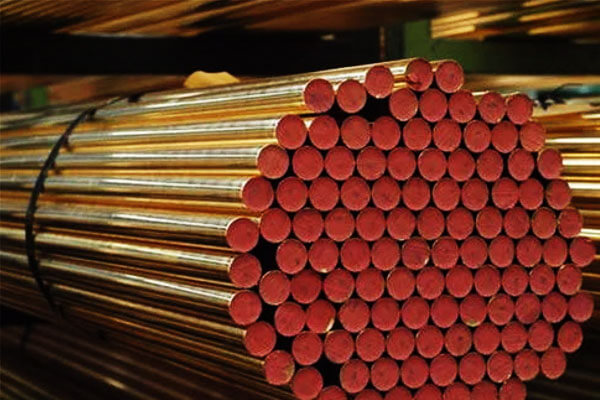
Identita slitiny
C95500 patří mezi C95000–C95999 rodina slitin měď-hliník-železo a měď-hliník-železo-nikl.
Tato rodinná klasifikace je důležitá, protože odlišuje nikl-hliníkové bronzy od běžných mosazí a od cínových bronzů:
slitinový systém je postaven na hliníku jako hlavním zpevňujícím prvku, s přidaným železem a niklem pro zlepšení pevnosti, kontrola struktury, a výkon služby.
V podmínkách specifikace, C95500 je a litý hliníkový bronz spíše než tvářená slitina.
To znamená, že jeho typickou konstrukční úlohou je poskytovat komplexní tvar a vysoký výkon v odlitém nebo tepelně zpracovaném stavu, místo spoléhání se na válcování nebo kreslení k dosažení vlastností.
Chemické složení
Chemické složení podle ASTM B505/B505M-23
| Živel | Složení C95500 |
| Cu | 78.0% min. |
| Fe | 3.0–5,0 % |
| V | 3.0–5,5 % |
| Al | 10.0–11,5 % |
| Mn | až do 3.5% |
| Pojmenované prvky celkem | 99.5% min. |
3. Fyzikální vlastnosti UNS C95500
| Fyzikální / Funkční vlastnost | Metrická jednotka | Císařská jednotka |
| Hustota | 7.53 g/cm³ | 0.272 lb/in³ |
| Specifická hmotnost | 7.53 | 7.53 |
| Elektrická vodivost | 8% IAC | 8% IAC |
| Tepelná vodivost | 41.9 W/m · k | 24.2 Btu/sq ft/h/°F |
| Součinitel tepelné roztažnosti | 15.5 × 10⁻⁶ /° C. | 9 × 10⁻⁶ /°F |
| Měrná tepelná kapacita | 419 J/KG · K. | 0.1 Btu/lb·°F |
| Modul pružnosti | 110 GPA | 16,000 KSI |
| Poissonův poměr | 0.32 | 0.32 |
| Magnetická permeabilita, as-cast | 1.32 | 1.32 |
| Magnetická permeabilita, Teplota TQ50 | 1.2 | 1.2 |
| Bod tání, kapalný | 1054° C. | 1930° F. |
| Bod tání, solidus | 1038° C. | 1900° F. |
4. Mechanické vlastnosti UNS C95500
UNS C95500 je a vysoce pevný nikl hliníkový bronz jehož mechanický výkon je obvykle hodnocen ve dvou publikovaných podmínkách: standard plynulé lití C95500 stav a tepelně zpracovaný C95500HT stav.
Níže uvedené hodnoty jsou reprezentativní vlastnosti při pokojové teplotě uváděné pro formy produktů ASTM B505/B505M-23.
Mechanické vlastnosti kontinuálně litého C95500
| Vlastnictví | Metrická jednotka | Císařská jednotka |
| Pevnost v tahu, min. | 655 MPA | 95 KSI |
| Mez kluzu při 0.5% rozšíření, min. | 290 MPA | 42 KSI |
| Prodloužení v 2 v. (50 mm), min. | 10% | 10% |
| Tvrdost podle Brinella, typický | 208 HBW | 208 HBW |
Mechanické vlastnosti tepelně zpracovaného C95500HT
| Vlastnictví | Metrická jednotka | Císařská jednotka |
| Pevnost v tahu, min. | 758 MPA | 110 KSI |
| Mez kluzu při 0.5% rozšíření, min. | 427 MPA | 62 KSI |
| Prodloužení v 2 v. (50 mm), min. | 8% | 8% |
| Tvrdost podle Brinella, typický | 228 HBW | 228 HBW |
5. Odolnost proti korozi
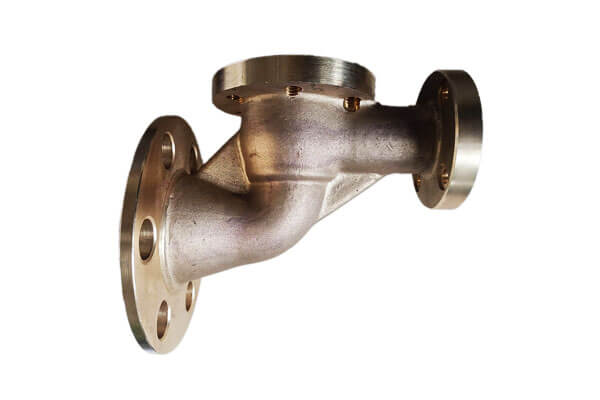
Koroze je jedním z hlavních důvodů, proč je C95500 tak široce používán. Slitina je opakovaně identifikována jako slitina Vynikající odolnost proti korozi, včetně v mořská voda a mořském prostředí.
Používá se také pro zařízení manipulující s mořskou vodou, kyselé důlní vody, neoxidační kyseliny, kapaliny pro průmyslové procesy, aplikace pro čištění odpadních vod, a mořský hardware.
Důvod, proč na tom záleží, není jednoduše „nereziví“. Spíše, C95500 nabízí neobvykle hodnotnou kombinaci: odolnost proti korozi plus odolnost proti opotřebení plus pevnost.
V mořské vodě, mnoho materiálů selhává buď obecnou korozí, kavitace, eroze, nebo dření. C95500 je atraktivní, protože řeší několik těchto poruchových režimů najednou,
proto se objevuje v součástech čerpadel a ventilů, pouzdra, hřídele, servis související s vrtulí, a silně naložený námořní hardware.
Tato odolnost vůči více mechanismům je základem pověsti slitiny.
V náročném servisu, nejcennější materiály nejsou ty, které vynikají jednou izolovanou vlastností, ale ty, které zůstávají stabilní napříč několika mechanismy selhání. C95500 je učebnicovým příkladem tohoto principu.
6. Výrobní perspektiva
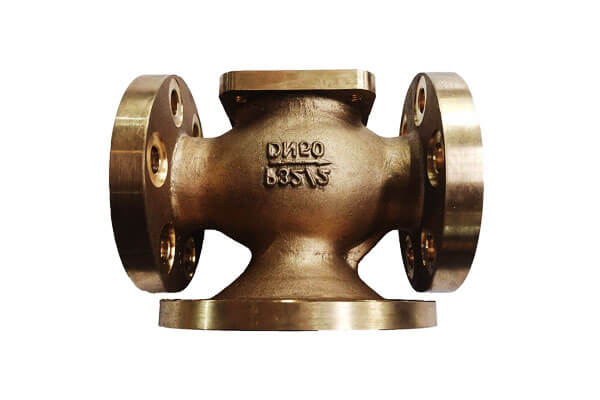
Obsazení: Silná slitina, Ale ne Odpouštějící
UNS C95500 je v podstatě licí slitina, a jeho procesní chování tuto identitu odráží.
Publikovaná data odlévání popisují, že má nízkou výtěžnost odlévání, vysoká tendence k otěru, střední tekutost, střední tendence k plynování, a vysoké smrštění při tuhnutí.
Tato kombinace vypráví velmi jasný inženýrský příběh: C95500 může vyrábět vysoce výkonné odlitky, ale vyžaduje to disciplinované tavné cvičení, design zvukové brány a stoupačky, a pečlivá kontrola oxidace a krmení.
C95500 je vysoce univerzální v odlévací praxi, ale není to shovívavé.
Funguje dobře napříč písek, Shell, keramický, investice, trvalé plísně, kontinuální, a odstředivé lití, přesto každá z těchto cest vyžaduje pečlivou kontrolu krmení, řízení oxidů, a chování při tuhnutí.
Jeho krátký mrazicí rozsah podporuje zvukové odlitky, ale pouze tehdy, když slévárna aktivně brání osypu, vady smršťování, a problémy související s plynem.
Proto je C95500 považován spíše za prémiový odlévaný bronz než za jednoduchý.
Obrábění: Plně obrobitelné, Ale ne volné
C95500 je obrobitelný, ale nejedná se o volně obrobitelnou slitinu mědi.
Jeho publikované hodnocení obrobitelnosti je 50, což jej řadí spíše do kategorie střední obrobitelnosti než do třídy se snadným řezáním.
Slitina má tendenci produkovat stočený třísek, a zveřejněné technické pokyny varují, že to může zablokovat nástroje a vytvořit povrchové nedokonalosti částečným svařováním a trháním, zejména při obrábění děr.
Z toho důvodu, suché řezání, čipová kontrola, a nástrojová strategie záleží mnohem více, než by tomu bylo u volně řezané mosazi.
Užitečná nuance zpracování je ta, když již bylo provedeno těžké obrábění, A odlehčení nízkoteplotního napětí kolem 350 °C po dobu alespoň jedné hodiny se doporučuje před konečným opracováním.
Nejde hlavně o to, aby se slitina snadněji řezala; jde o snížení rizika deformace způsobené zbytkovým napětím a zlepšení konečné rozměrové stability.
Jinými slovy, C95500 lze efektivně obrábět, ale mělo by se k němu přistupovat jako ke strukturálnímu bronzu, který vyžaduje procesní disciplínu, ne jako měkká mosaz.
Svařování: Možné u konkrétních metod, Ale ne univerzálně snadné
Chování při svařování u nikl-hliníkového bronzu je silně ovlivněno ochranným oxidovým filmem bohatým na hliník, který se přirozeně tvoří na povrchu.
Kvůli té oxidové vrstvě, pájení, pájení natvrdo, a svařování kyslíkem a acetylenem se obecně nedoporučuje jako primární spojovací cesty pro tyto slitiny.
Vhodnější svařovací procesy uvedené v technické příručce jsou TIG/GTAW, MIG/GMAW, MMA, svařování elektronovým paprskem, a třecím svařováním.
Publikovaná výrobní data pro C95500 také klasifikují svařování kyslíkem, jak se nedoporučuje, zatímco obloukové svařování v ochranné atmosféře plynu a obloukové svařování povlakovaného kovu jsou uvedeny jako vhodné.
To rozlišení je důležité: C95500 není slitina určená ke svařování, ale také není nesvařitelný.
Může být úspěšně spojen, pokud je zvolen proces s oxidovým chováním, tepelný příkon, a společný design v mysli.
Pro kritické části, kvalifikace svařovacího postupu a správná kontrola tepelně ovlivněných oblastí jsou zásadní, protože rovnováha vlastností slitiny je úzce svázána s její mikrostrukturou.
Tepelné zpracování: Hlavní páka pro výkon
Tepelné zpracování je jedním z nejdůležitějších důvodů, proč je C95500 tak široce používán v náročných službách.
Slitina může být zpracována v a cyklus kalení a temperování že se zvyšuje důkaz pevnosti, konečná pevnost v tahu, síla dopadu, a tvrdost, zatímco tažnost se jen mírně zlepšuje.
Pro litý nikl-hliník bronz typu CuAl10Fe5Ni5, zveřejněný návod popisuje vytápění do 900–950 ° C., drží asi jednu hodinu, kalení vodou, a poté temperování při 600–650 °C po dobu přibližně dvou hodin.
Tato sekvence výrazně zvyšuje pevnost při zachování užitečné houževnatosti.
Stejný pokyn také uvádí důležité praktické omezení: komplikované tvary se mohou během cyklu ohřevu a kalení deformovat, takže geometrie součásti, kapacita pece, a tloušťka průřezu musí být zvážena před zvolením tepelného zpracování.
Jinými slovy, Tepelné zpracování je výkonný nástroj, ale není to zadarmo. Zlepšuje mechanickou obálku slitiny pouze tehdy, když konstrukce součásti toleruje tepelný cyklus.
7. Výhody a nevýhody UNS C95500
Hlavní výhody
Vysoká pevnost s užitečnou tažností.
Vynikající odolnost vůči mořské vodě a agresivním médiím.
Silný výkon proti opotřebení a oděru.
Dobrá schopnost při zvýšených teplotách.
Nejiskřící a nemagnetické
Hlavní Nevýhody
Vysoké počáteční náklady
Obrábění je možné, ale ne snadné.
Odlévání je technicky náročné.
Svařování je procesně citlivé.
Elektrická vodivost je nízká.
8. Aplikace UNS C95500
Marine a Offshore hardware
C95500 je jedním z nejvíce zavedených materiálů pro námořní služby, protože kombinuje odolnost proti korozi mořské vody, pevnost, a opotřebení odporu.
Používá se v potrubní a ventilové systémy mořské vody, námořní hardware, součásti související s vrtulí, poklopy, spojky, Těsnění, a další lodní vybavení.
Vhodnost rodiny slitin pro manipulaci s mořskou vodou je hlavním důvodem její dlouhodobé pověsti v námořním a námořním inženýrství..
Ventil, Čerpadlo, a komponenty řízení toku
Slitina je široce používána pro tělesa ventilu, ventil sedadla, vodítka ventilů, komponenty ventilu, konce čerpací kapaliny, žlázy, matice ucpávky, a těsnicí příruby.
Tyto aplikace těží z kombinace odolnosti proti korozi, nosit odpor, a mechanickou pevností, hlavně tam, kde je voda, procesní tekutiny, nebo jsou přítomny mírně agresivní chemikálie.
Ložiska, Pouzdra, a opotřebitelné díly
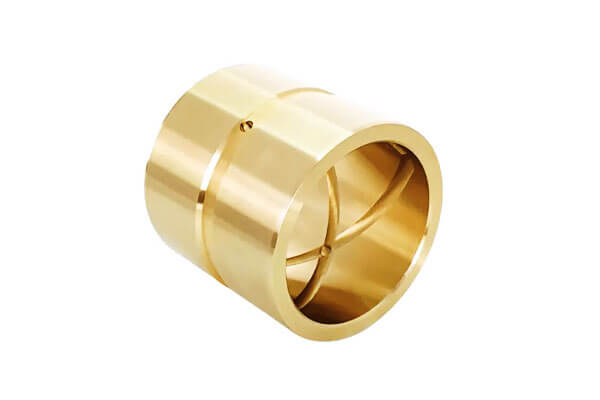
C95500 je často vybírán pro ložiska, pouzdra, opotřebení plechů, vodítka pístů, a části stroje protože dobře funguje při kluzném kontaktu a velkém zatížení.
Jeho odolnost proti opotřebení a houževnatost jej činí vhodným tam, kde dochází k poškození povrchu, dření, nebo abrazivní opotřebení jsou obavy.
Ozubená kola a díly pro přenos výkonu
Slitina se používá v rychlostní stupně, červy, šneková kola, a související převodové komponenty.
Tyto části vyžadují materiál, který snese kontaktní napětí, zachovat rozměrovou stálost, a odolávat opotřebení po dlouhé servisní intervaly. Mechanické vyvážení C95500 z něj dělá praktickou volbu pro takový provoz.
Průmyslové procesy a zařízení pro náročný servis
Slitina se používá v moření zařízení, aplikace čištění odpadních vod, vodítka horkého mlýna, a průmyslového hardwaru.
Tato použití odrážejí schopnost slitiny přežít korozivní média, mechanické zatížení, a opakované servisní cyklování.
V průmyslovém prostředí, tato kombinace může zkrátit intervaly údržby a zlepšit spolehlivost.
Elektrický a speciální hardware
Ačkoli C95500 není slitina elektrické vodivosti, v některých se stále objevuje elektrický hardware a speciální komponenty, kde je spolehlivost konstrukce, odolnost proti korozi, a chování při opotřebení je důležitější než vodivost.
Používá se také v klavírní klávesy a hudební nástroje, kde je užitečná mechanická stabilita a vyrobitelnost slitiny.
9. Závěr
US C95500 nikl-hliníkový bronz je vysoce hodnotná inženýrská slitina, protože kombinuje vlastnosti, které je často obtížné společně získat:
vysoká síla, Vynikající odolnost proti korozi, silná odolnost proti opotřebení, dobrá houževnatost, a provozuschopnost v širokém teplotním rozsahu.
Jeho chemie je pečlivě vyladěna, jeho odlévací chování je náročné, ale zvládnutelné, a jeho odezva na tepelné zpracování dává konstruktérům v případě potřeby další výkonovou páku.
Z praktického hlediska, C95500 je nejlépe chápán jako slitina pro náročné použití.
Nejpůsobivější je tam, kde jsou způsoby selhání smíšené a nemilosrdné – mořská voda, pohybující se náklad, posuvný kontakt, tlaková povinnost, a mechanický servis s dlouhou životností.
Proto zůstává jedním z nejuznávanějších nikl-hliníkových bronzů ve strojírenské praxi.
FAQ
Je C95500 slitina na odlévání nebo tvářená slitina?
C95500 se primárně používá jako a Hlavní slitina, s publikovanými referencemi týkajícími se kontinuálního lití, Obsazení písku, odstředivé lití, a přesné lité formy.
Je C95500 dobrý v mořské vodě?
Ano. Opakovaně je identifikován jako mající Vynikající odolnost proti korozi, včetně odolnost proti slané vodě, což je jeden z hlavních důvodů, proč se používá v námořním hardwaru a ventilových systémech.
Může být C95500 tepelně zpracován?
Ano. Publikovaná technická příručka ukazuje výkon v odlitém i tepelně zpracovaném stavu pro C95500, s tepelným zpracováním dále zvyšuje pevnost.
C95500 se snadno obrábí?
Je obrobitelný, ale ne volné obrábění. Jeho hodnocení obrobitelnosti je 50, jedná se tedy spíše o slitinu se střední obrobitelností než o snadno obrobitelnou.
Jaká je hlavní výhoda C95500 oproti běžným bronzům?
Jeho hlavní výhodou je kombinace vysoká síla, Vynikající odolnost proti korozi, a opotřebení odporu, zejména v drsném mořském nebo průmyslovém prostředí.

