1. Shrnutí
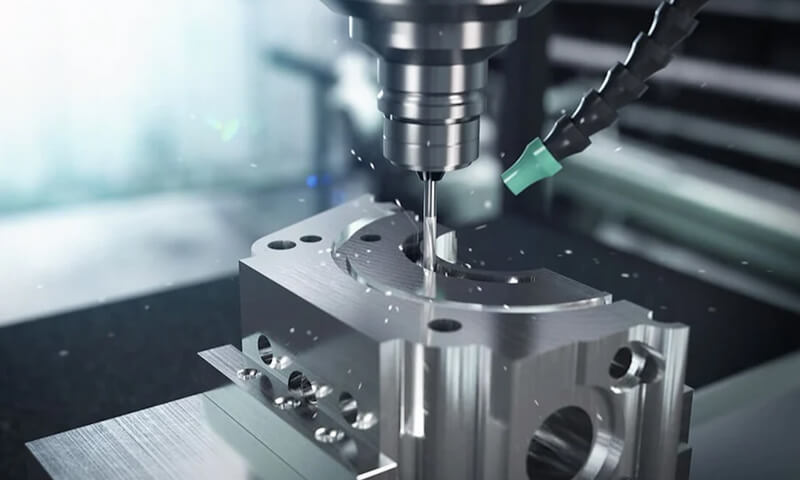
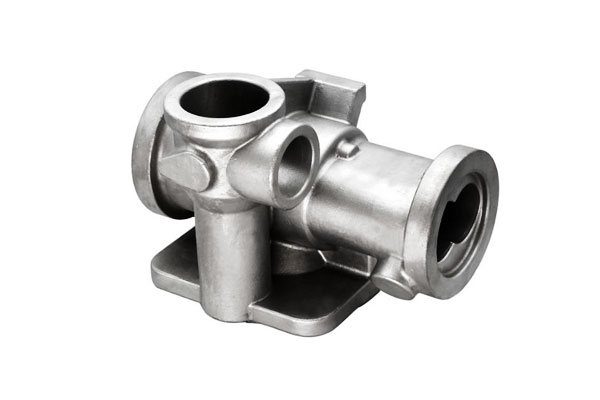
Investiční obsazení (lití do ztraceného vosku) je ceněn pro tvarovou přesnost, tenké řezy a složitá geometrie.
Výběr slitiny je nejdůležitějším konstrukčním rozhodnutím, protože určuje: jaké materiály a postupy tavení/odplyňování musí slévárna používat; chemie granátu a cykly střelby;
strategie krmení a smršťování; dosažitelné mechanické vlastnosti a požadované tepelné zpracování po lití; inspekce a přejímací zkoušky; a v konečném důsledku částečné náklady a dodací lhůta.
Tento článek se zabývá hlavními skupinami slitin běžně odlévaných investičním procesem, porovnává jejich metalurgické chování a implikace zpracování, a poskytuje pragmatické pokyny pro výběr vázané na typické aplikace.
2. Proč je při investičním odlévání důležitý výběr materiálu
Výběr materiálu je nejdůslednějším inženýrským rozhodnutím Investiční obsazení. Určuje nejen provozní výkonnost hotové součásti (pevnost, odolnost proti korozi, Stabilita vysoké teploty, biokompatibilita, hmotnost),
ale také celý výrobní řetězec před a po směru toku: metoda tavení a lití, chemie granátů a střelba, gating/riser strategie, vadné režimy, které je třeba sledovat, požadované tepelné úpravy, inspekční metody, doba cyklu, riziko šrotu a celkové náklady.
3. Rodiny materiálů používané při investičním lití
| Rodina | Běžné známky / příklady | Typická hustota (g·cm⁻3) | Tání / kapalný (° C.) | Pevnost & výklenek |
| Austenitické nerezové oceli | 304, 316L, CF3, CF3M | 7.9 | ~1 400–1 450 | Odolnost proti korozi, snadnost odlévání |
| Precipitační vytvrzovací nerez | 17-4 Ph (AISI 630) | 7.8 | ~1 350–1 420 | Vysoká pevnost po stárnutí |
| Duplex / Super duplex | 2205, 2507 | ~7.8 | ~1 350–1 450 | Vysoká síla + odolnost proti důlkové korozi |
| Martenzitická nerezová / Ocely nástroje | 410/420, H13, 440C | 7.7–7.9 | 1,300–1 450 (se liší) | Nosit, tepelná odolnost (nástroje) |
| Uhlík / Ocely s nízkým plechovkou | 1020–4140, WCB | 7.8 | ~1 420–1 540 | Strukturální, nižší náklady |
Superslitiny na bázi niklu |
Inconel 718, 625, 738 | 8.2–8.4 | 1,350–1 400 (718), kapalina až ~1 400–1 450+ | Síla vysoké teploty, plížit se |
| Slitiny na bázi kobaltu | Co-cr-mo (ASTM F75) | ~8,3–8,9 | ~1 260–1 350 | Nosit, biomedicínské implantáty |
| Slitiny na bázi mědi (bronz/mosaz) | Hliníkový bronz, S-Sn, S námi | 8.4–8.9 | 900–1 080 | Vodivost, nosné plochy |
| Slitiny titanu | TI-6AL-4V | 4.4 | tání ~1,650 | Vysoká pevnost v poměru k hmotnosti, biokompatibilní |
| Hliníkové slitiny | A356 (omezený) | 2.7 | ~580–660 | Lehký, nízká pevnost vs |
| Drahé kovy | 18K zlatý, Sterling Silver, Pt-slitiny | Au 19.3, Ag 10.5 | V tavenině 1,064 | Šperky, Elektrické kontakty |
4. Materiály slévárenských slitin — Stanovení konečného výkonu odlitků
Při výběru slitiny pro odlitek musíte vzít v úvahu soubor vzájemně závislých faktorů: požadované mechanické vlastnosti (pevnost, houževnatost, únava), operační prostředí (teplota, korozivní média),
geometrie (tenké stěny vs masivní sekce), Výroba (tekutost, rozsah mrazu, reaktivita), post-cast zpracování (tepelné zpracování, HIP), potřeby kontroly a náklady.
Odlitky ze slitin železa
1) Uhlíková ocel odlitky
Jaké jsou: nízkolegované oceli, kde je uhlík primárním zpevňujícím prvkem (NAPŘ., AISI 1020–1045, ASTM A216 WCB, ekvivalenty).
Vlastnosti & výkon: Mírná síla, dobrá houževnatost při normalizaci, vynikající obrobitelnost a nízké náklady. Hustota ~7,85 g/cm³.
Úvahy o obsazení: mírný bod tání (~1 420–1 540 °C), dobrá tekutost pro mnoho geometrií, ale náchylná ke smršťování poréznosti v těžkých sekcích.
Konstrukce skořepiny a vtoku musí poskytovat dostatečné krmení. U některých druhů může být problémem tvorba vodíku a grafitu.
Následné zpracování: normalizace, uhasit & zmírnit (v závislosti na ročníku) k dosažení požadované tvrdosti/pevnosti.
Aplikace: Strukturální komponenty, pouzdra, odlitky pro všeobecné strojírenství, kde odolnost proti korozi není kritická.
2) Legovaná ocel odlitky
Jaké jsou: oceli legované Cr, Mo, V, PROTI, atd., ke zlepšení síly, kalitelnost a vlastnosti při zvýšených teplotách (NAPŘ., 4140, 4340 rodinné analogy).
Vlastnosti & výkon: Vyšší pevnost v tahu, odolnost proti únavě a houževnatost než obyčejné uhlíkové oceli; lze tepelně zpracovat na vysokou pevnost.
Úvahy o obsazení: vyšší citlivost na segregaci a praskání za horka s rostoucím obsahem slitiny; je zapotřebí pečlivé vtoky a stoupání; některé slitiny vyžadují pro svou pevnost vakuum nebo deoxidované taveniny.
Následné zpracování: kritické cykly kalení/temperování, kontrola deformace během tepelného zpracování. Může vyžadovat uvolnění napětí a temperování pro vyvážení vlastností.
Aplikace: rychlostní stupně, hřídele, vysoce namáhané konstrukční díly, komponenty ropných polí.
3) Nerezová ocel odlitky
Jaké jsou: slitiny na bázi železa s ≥10,5 % Cr; rodiny zahrnují austenitické (304/316/CF8/CF8M), Martensitic (410/420), Duplex (2205) a precipitační vytvrzování (17-4 Ph).
Vlastnosti & výkon: odolnost proti korozi se pohybuje od obecných (austenitika) na vysokou odolnost vůči chloridům (duplex/superduplex);
mechanické vlastnosti se velmi liší — duplex nabízí vysokou pevnost + Dobrá odolnost proti korozi; 17-4 PH nabízí vysokou pevnost po stárnutí.

Úvahy o obsazení: nerezové taveniny tvoří oxid/strusku; ovládání chemie taveniny, dezoxidace a odstranění vměstků záleží na povrchové úpravě a mechanických vlastnostech.
Smršťování při tuhnutí a náchylnost k roztržení za tepla se u různých druhů liší.
Následné zpracování: rozpouštěcí žíhání, uhasit a stárnout (pro stupně PH); duplex může vyžadovat pečlivé tepelné zpracování, aby byla zachována rovnováha fází. Po obrábění často následuje pasivace a moření.
Aplikace: komponenty chemických závodů, ventily, námořní hardware, sanitární části, Zpracování potravin, zdravotnické prostředky.
Odlitky z neželezných slitin
4) Hliníková slitina odlitky
Jaké jsou: Al-Si, Al-Cu a Al-Mg rodiny (NAPŘ., A356, A357, ADC12, 6061-typ) pro lité komponenty.
Vlastnosti & výkon: nízká hustota (~ 2,7 g/cm³), dobrá měrná síla (po tepelném zpracování u některých slitin), vynikající odolnost proti korozi při správném legování; vynikající tepelná/elektrická vodivost.
Úvahy o obsazení: velmi dobrá tekutost umožňuje tenké stěny a jemné detaily, ale vodíková porozita, oxidové filmy a roztržení za tepla v určitých konformacích jsou klíčovými riziky.
Teploty vypalování skořepin a rozvrhy odparafinování se liší od práce se železem. Řízení vodíku, čistota taveniny a správné vtokové uzávěry jsou zásadní.
Následné zpracování: roztokové tepelné zpracování a umělé stárnutí (T6) pro sílu; někdy HIP pro kritické letecké díly.
Aplikace: Letecké pouzdra, automobilové lehké komponenty, části odvádějící teplo.
5) Měď-základní slitiny (bronz, mosaz, hliníkový bronz)
Jaké jsou: S-Sn (bronz), Cu-Zn (mosaz), s (hliníkový bronz), S námi, a varianty.
Vlastnosti & výkon: Vynikající odolnost proti korozi (zejména Cu-Ni/Al-bronz), dobré ložiskové vlastnosti a tepelná/elektrická vodivost. Hustota ~8,4–8,9 g/cm³.

Úvahy o obsazení: nižší body tání než oceli; vysoká tepelná vodivost ovlivňuje chování při tuhnutí (rychlé chlazení).
Dobrá plynulost umožňuje jemné detaily. Riziko smrštění a praskání za horka závisí na složení slitiny.
Následné zpracování: žíhání pro tažnost, obrábění je často obtížné (otužování práce); povrchová úprava a odzinkování mosazi vystavené určitým prostředím.
Aplikace: námořní hardware, komponenty čerpadla, ložiska, dekorativní a elektrické díly.
6) Titan-slitinové odlitky
Jaké jsou: hlavně Ti-6Al-4V a další slitiny Ti nabízející vysokou specifickou pevnost a biokompatibilitu.
Vlastnosti & výkon: vynikající pevnost v poměru k hmotnosti, odolnost proti korozi a biokompatibilita; nízká hustota (~4,4 g/cm³).

Úvahy o obsazení: vysoce reaktivní tavenina (kyslík, sběr dusíku) — vakuové/argonové tavení a lití potřebné k zamezení křehnutí a vměstků.
Smršťování při tuhnutí a tvorba oxidů vyžaduje specializované materiály pláště a postupy tavení. Výrobní náklady a požadavky na vybavení jsou vysoké.
Následné zpracování: vakuové tepelné zpracování, úleva od stresu, HIP společné pro uzavření pórovitosti kritických součástí. U dílů citlivých na únavu je důležitá povrchová úprava.
Aplikace: konstrukční součásti leteckého průmyslu, lékařské implantáty, vysoce výkonné sportovní zboží.
Odlitky z vysokoteplotních slitin
7) Superslitiny na bázi niklu
Jaké jsou: ni-CR-Co-al-alloys Based Alloys (Inconel, René, Nimonické rodiny) navržena pro pevnost a odolnost proti tečení při zvýšených teplotách (až ~1 000 °C a více pro některé slitiny).
Vlastnosti & výkon: vynikající pevnost při tečení, odolnost proti oxidaci a korozi při vysokých teplotách; hustota kolem 8,2–8,5 g/cm³.

Úvahy o obsazení: dlouhé rozsahy tuhnutí podporují segregaci a defekty smršťování; vakuové indukční tavení, kritické je přísné odplyňování a kontrola inkluze.
Směrové tuhnutí a odlévání monokrystalů jsou specializované varianty pro lopatky turbín (jiný procesní řetězec).
Následné zpracování: komplexní tepelné zpracování rozpouštěním a stárnutím k vývoji γ′ precipitátů; HIP a obrábění jsou běžné. Certifikace pro letecký průmysl vyžaduje přísné NDT.
Aplikace: díly horké sekce plynové turbíny, Aerospace, výroba energie, vysokoteplotní chemické zpracování.
8) Slitiny na bázi kobaltu
Jaké jsou: Co-Cr-Mo a příbuzné kompozice používané tam, kde je požadována odolnost proti opotřebení a při zvýšených teplotách (NAPŘ., stelitová rodina).
Vlastnosti & výkon: dobrá tvrdost za tepla, odolnost proti opotřebení a odolnost proti korozi. Často se používá tam, kde je přítomno kluzné opotřebení při zvýšené teplotě.
Úvahy o obsazení: vysoké teploty tání a citlivost na segregaci; obrábění je náročné kvůli vysoké tvrdosti.
Následné zpracování: řešení/stárnutí (případně), broušení a leštění tribologických povrchů.
Aplikace: těsnění turbíny, ventilová sedla, biomedicínské dentální slitiny (Co-cr), Noste komponenty.
9) Vysokoteplotní slitiny na bázi železa
Jaké jsou: tepelně odolné žehličky (NAPŘ., Fe-Cr-Al, nerezové oceli formulované pro zvýšené teploty).
Vlastnosti & výkon: nákladově efektivní při mírně vysokých teplotách, dobrá odolnost proti oxidaci při vhodném legování.
Úvahy o obsazení & Aplikace: používá se tam, kde jsou vysoké teploty, ale není vyžadována extrémní odolnost proti tečení slitin niklu (NAPŘ., díly pece, některé průmyslové hořáky).
Odlitky ze speciálních slitin
Slitiny drahých kovů (zlato, stříbro, platina)
Jaké jsou: Au, Ag a Pt slitiny pro šperky, přesné kontakty a katalytické použití.
Vlastnosti & výkon: vynikající odolnost proti korozi a estetické vlastnosti; proměnná mechanická pevnost v závislosti na karátu a legování.
Úvahy o obsazení: nízké body tání (zlato ~1 064 °C), Vynikající plynulost; vakuové lití nebo lití s řízenou atmosférou zlepšuje kvalitu povrchu.
Investiční obsazení (Ztracený vosk) je dominantní výrobní cestou pro šperky.
Aplikace: šperky, kontakty elektroniky, dekorativní a speciální chemické použití.
Magnetické slitiny (Al-ni-co, Nd-Fe-B varianty)
Jaké jsou: materiály s permanentními magnety a měkké magnetické slitiny; poznámka: mnoho vysokoenergetických magnetů (Nd-Fe-B) nejsou běžně vyráběny vytavitelným litím, protože jsou typické práškové a konsolidační procesy. Al-Ni-Co lze odlévat.
Vlastnosti & výkon: magnetickou koercitivitou, hustota toku a teplotní stabilita určují vhodnost.
Úvahy o obsazení: magnetické slitiny vyžadují řízené tuhnutí, aby se zabránilo nežádoucím fázím; vyžaduje postmagnetizační zpracování.
Aplikace: senzory, motory, instrumentace.
Slitiny s tvarovou pamětí (Ni-Ti / Nitinol)
Jaké jsou: téměř ekviatomické slitiny niklu a titanu s tvarovou pamětí a superelastickým chováním.
Vlastnosti & výkon: reverzibilní martenzitické transformace produkují velké obnovitelné kmeny; používané v aktuátorech a lékařských zařízeních.
Úvahy o obsazení: Ni-Ti je reaktivní a citlivý na složení; kritické je vakuové tavení a přesné řízení poměru Ni/Ti;
často se vyrábí vytavitelným litím pro složité geometrie, ale běžné jsou součásti práškové metalurgie a C-tvaru. Tepelné zpracování po lití přizpůsobuje transformační teploty.
Aplikace: zdravotnické prostředky (stenty, svorky), akční členy a adaptivní struktury.
5. Závěry
Výběr materiálu je jedním z nejvlivnějších rozhodnutí v investičním lití.
Řídí nejen provozní výkonnost součásti (pevnost, únava, koroze, teplotní schopnost, biokompatibilita, mše)
ale také každý praktický aspekt výroby: metoda tavení, chemie granátů a střelba, vtokové a krmné strategie, pravděpodobné vadné režimy, požadované tepelné zpracování a NDT, náklady a dodací lhůta.
Klíč, žalovatelné závěry:
- Začněte funkcí, ne zvyk. Definujte dominantní ovladače služeb (teplota, koroze, nosit, únavový život, hmotnost, regulační omezení)
a nechat je mapovat do materiální rodiny (NAPŘ., slitiny niklu pro vysokoteplotní tečení, titan pro pevnost k hmotnosti a biokompatibilitu, duplexní nerez pro chloridový provoz, bronzy pro námořní oblečení, drahé kovy pro šperky/elektrické kontakty). - Přizpůsobte schopnosti slévárny poptávce po slitinách. Mnoho slitin (titan, Supermiony, Slitiny kobaltu) vyžadují vakuum nebo inertní tavení, HIP, a pokročilé NDT.
Neuvádějte speciální slitinu, pokud ji nemůže dodat a certifikovat kvalifikovaný dodavatel. - Design a proces jsou vzájemně závislé. Atributy slitiny (rozsah tání, tekutost, srážení, reaktivita, tendence k segregaci, tepelná vodivost) musí být použit k nastavení kompenzace nástroje, konstrukce vtoku/stoupačky, skořápkový systém a plány odpařování/vypalování.
Včasná simulace a pilotní odlitky významně snižují riziko. - Naplánujte si kroky po odlévání dopředu. Tepelné zpracování, HIP, povrchová úprava a obrábění ovlivňují kontrolu rozměrů a náklady.
Pro kritické komponenty, specifikujte tyto kroky v RFQ (a zahrnují akceptační testy a sledovatelnost). - Kontrola kvality podle specifikace. Vyžadovat MTR, záznamy o tepelném zpracování, definované režimy NDT (radiografie/CT pro vnitřní porozitu, ultrazvukové pro tlusté železné profily, penetrační barvivo pro povrchy), a jasně stanovený standard přijetí.
Definujte limity pro pórovitost, vměstky a mechanické vlastnosti. - Zůstatková cena, plán a riziko. Speciální slitiny a přísné akceptační protokoly prodlužují dobu realizace a náklady.
Použijte nejjednodušší slitinu, která splňuje funkční požadavky, a kvalifikujte alternativy, kde je to možné.
Časté časté
Může být jakýkoli kov odlit na vytavitelný materiál?
Mnoho kovů a slitin je vhodných (oceli, nerezové, superslitiny niklu a kobaltu, slitiny mědi, hliník, titan, drahých kovů).
Však, vhodnost závisí na schopnosti slévárny: reaktivní kovy (titan, hořčík) a vysokotavitelné superslitiny vyžadují vakuové/inertní tavení a speciální systémy pláště.
Některé slitiny magnetů a práškové metalurgie nejsou při běžném odlévání vhodné.
Jak si mohu vybrat mezi slitinami, když několik splňuje požadavky na výkon?
Požadavky na hodnost (musíte mít vs žádoucí), poté vyhodnotit vyrobitelnost (schopnost slévárny, potřeba HIP nebo vakuové taveniny), náklady, dodací lhůta a zátěž inspekce.
Pilotní odlitky a analýza nákladů životního cyklu pomáhají vybrat optimální kompromis.
Všechny slitiny potřebují speciální materiály nebo povlaky?
Někteří ano. Reaktivní nebo vysokoteplotní taveniny (NAPŘ., titan, určité superslitiny) může vyžadovat inertní obličejové pláště (zirkon, oxid hlinitý) a řízenou střelbou, aby se zabránilo reakcím kovu s pláštěm.
Prodiskutujte složení skořepiny s vaší slévárnou během návrhu.
Jak volba slitiny ovlivňuje povrchovou úpravu a obrobitelnost?
Kovy jako slitiny mědi a hliník obvykle poskytují vynikající povrchovou úpravu a obrobitelnost; Slitiny niklu a kobaltu se hůře obrábějí a mohou vyžadovat speciální nástroje.
Nerezové oceli se liší – duplex a třídy PH se obrábějí jinak než austenitické. Zahrňte do návrhu přídavky na obrábění a nástroje.
A co koroze a ekologická kompatibilita?
Korozní vlastnosti jsou primárně funkcí chemie slitiny a úpravy po odlévání (tepelná úprava, pasivace, povlak).
Pro agresivní média (chloridy, kyseliny), vyberte slitiny odolné proti korozi (duplexní nerez, slitiny niklu) a vyžadovat příslušné kvalifikační zkoušky (Pitting, SCC).
Ekologické předpisy (NAPŘ., RoHS, omezené prvky) může také ovlivnit výběr slitiny.
O kolik více stojí odlitek ze superslitiny oproti odlitku oceli?
Náklady se značně liší podle slitiny, složitost a následné zpracování.
Superslitiny a reaktivní kovy obvykle stojí několikanásobně více než běžné oceli kvůli drahým surovinám, vakuové pece, HIP, a rozšířené NDT.
Použijte celkové náklady na vlastnictví (materiál + zpracování + inspekce + výtěžek) spíše než samotná cena surové taveniny.