1. Úvod — Proč na prevenci koroze záleží
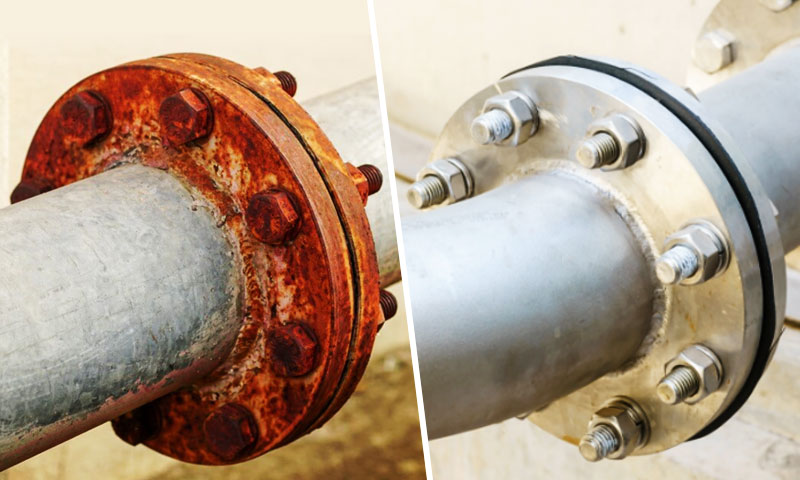
Koroze je přirozená, elektrochemický proces, který degraduje materiály – zejména kovy – když interagují s prostředím.
Globálně, poškození související s korozí spotřebují významnou část rozpočtů na průmyslovou údržbu, ovlivňuje infrastrukturu kritickou z hlediska bezpečnosti, a zkracuje životnost aktiv.
Účinná prevence proti korozi tedy není jedinou technikou, ale a systematická inženýrská strategie která integruje vědu o materiálech, principy designu, kontrola prostředí, a řízení životního cyklu.
Prevence koroze není o jejím úplném odstranění – což je nereálný cíl – ale o zpomalení rychlosti koroze na přijatelnou úroveň, předvídatelné úrovně při zajištění strukturální integrity, bezpečnost, a ekonomická životaschopnost.
2. Materiálově orientovaná prevence: Zásadní zvýšení odolnosti proti korozi
Výběr a optimalizace materiálů jsou základními kroky v prevenci proti korozi.
Volbou materiálů přirozeně odolných vůči korozi nebo úpravou složení materiálů, termodynamický sklon ke korozi může být snížen. Tato část se zaměřuje na dva základní přístupy: výběr materiálu a optimalizace slitiny.

Racionální výběr materiálu na základě podmínek prostředí
Výběr materiálu musí odpovídat konkrétnímu koroznímu prostředí (NAPŘ., koncentrace chloridů, hodnota pH, teplota, tlak) aby byla zajištěna dlouhodobá stabilita.
Mezi klíčové principy a příklady patří:
- Obecné atmosférické prostředí: Uhlíková ocel je nákladově efektivní, ale vyžaduje další ochranu (NAPŘ., malování).
Nízkolegované oceli (NAPŘ., A36 s přídavkem Cu) zlepšit odolnost proti atmosférické korozi 30-50% ve srovnání s obyčejnou uhlíkovou ocelí, vhodné pro stavební konstrukce a mosty. - Prostředí obsahující chloridy (Mořská voda, Solanka): Austenitické nerezové oceli (316L, PREN≈34) odolávat důlkové korozi v médiích s nízkým obsahem chloridů,
zatímco super duplexní nerezové oceli (NAPŘ., CD3MWCuN, DŘEVO>40) a slitiny na bázi niklu (Hastelloy C276) jsou výhodné pro vysoký obsah chloridů, vysokotlaká prostředí, jako jsou podmořská potrubí. - Kyselá/zásaditá média: Pro silně redukující kyseliny (H2SO4), slitiny titanu (TI-6AL-4V) a Hastelloy B2 vykazují vynikající odolnost.
Pro alkalická média (NaOH), slitiny niklu a mědi (Monel 400) překonávají nerezové oceli tím, že se vyhýbají praskání způsobenému hydroxidem. - Vysokoteplotní oxidační prostředí: Slitiny bohaté na chrom (NAPŘ., Inconel 600, Cr=15-17%) tvoří husté Cr₂O₃ pasivní filmy, udržování stability při 800-1000 ℃, vhodné pro komponenty pecí a plynové turbíny.
Zejména, výběr materiálu musí vyvážit odolnost proti korozi, náklady, a zpracovatelnost. Podle NACE SP0108, systém „klasifikace závažnosti koroze“. (mírný, mírný, těžké, extrémní) by měly být použity k přizpůsobení materiálů rizikům pro životní prostředí, vyhnout se nadměrné specifikaci nebo nedostatečné ochraně.
Optimalizace slitin a mikrostrukturní modifikace
Pro scénáře, kde standardní materiály nestačí, modifikace slitiny může zvýšit odolnost proti korozi úpravou chemického složení nebo optimalizací mikrostruktur:
- Přidání legujících prvků: Přidání chrómu (Cr), molybden (Mo), dusík (N), a měď (Cu) na oceli zlepšuje pasivní stabilitu filmu a odolnost proti důlkové korozi.
Například, 2205 Duplexní nerezová ocel (Cr=22 %, Po=3 %, N=0,15 %) dosáhne PREN ve výši 32, překonává 316L v chloridovém prostředí. Wolfram (W) přidání do super duplexních slitin dále zvyšuje odolnost proti vysokoteplotní korozi. - Kontrola mikrostruktury: Tepelné zpracování reguluje velikost zrna, fázové rozdělení, a tvorbou precipitátu pro snížení náchylnosti ke korozi.
Například, roztokové tepelné zpracování nerezových ocelí (1050-1150℃ kalení) zabraňuje karbidu chrómu (Cr23C6) srážky, zabraňuje mezikrystalové korozi (IGC).
Pro uhlíkové oceli, temperování při 600-650 ℃ snižuje zbytková napětí a zlepšuje odolnost proti praskání korozí pod napětím (SCC). - Zlepšení čistoty: Snížení obsahu nečistot (síra, fosfor, kyslík) minimalizuje místa iniciace koroze.
Vakuové tání indukce (VIM) a elektrostruskové přetavování (ESR) snížit obsah síry v superslitinách na ≤ 0,005 %, odstranění sulfidických inkluzí, které spouštějí důlkovou korozi.
3. Nařízení o životním prostředí: Zmírnění faktorů způsobujících korozi
Úprava prostředí služeb za účelem snížení jeho korozivnosti je nákladově efektivní strategie, zejména pro uzavřené nebo ovladatelné systémy.
Tento přístup se zaměřuje na klíčové faktory koroze, jako je vlhkost, kyslík, chloridové ionty, a agresivních chemikálií.
Kontrola vlhkosti a obsahu kyslíku
Vlhkost a kyslík jsou nezbytné pro elektrochemickou korozi (katodovou reakci: O₂ + 2H2O + 4e⁻ → 4OH⁻). Mezi zmírňující opatření patří:
- Odvlhčování: V uzavřených prostorách (NAPŘ., skříně pro elektronická zařízení, skladové sklady), udržování relativní vlhkosti (RH) níže 60% snižuje rychlost koroze 70-80%.
Vysoušedla (silikagelu, molekulární síta) a odvlhčovače se běžně používají; pro přesné součástky, RH je řízena na < 40 % podle ASTM D1735. - Odstranění kyslíku: V systémech s uzavřenou smyčkou (NAPŘ., kotlové vody, ropovody), odvzdušňovače nebo chemické lapače kyslíku (NAPŘ., hydrazin, siřičitan sodný) snížit obsah kyslíku na ≤0,01 ppm, prevence kyslíkem vyvolané důlkové koroze a SCC.
Pro nádrže na skladování oleje, dusíková pokrývka vytěsňuje kyslík, minimalizace vnitřní koroze stěn nádrže.
Snížení agresivních iontů a chemikálií
Chlorid (Cl⁻), sulfid (S²⁻), a kyselé/zásadité částice urychlují korozi rozkladem pasivních filmů nebo podporou chemických reakcí. Klíčové způsoby ovládání:
- Filtrace a čištění: V chladicích systémech s mořskou vodou, reverzní osmóza (RO) nebo iontová výměna odstraňuje chloridové ionty (od 35‰ do ≤500 ppm),
umožňující použití nerezové oceli 316L místo drahých slitin na bázi niklu. V chemických procesech, filtrace aktivním uhlím odstraňuje organické kyseliny a sulfidy. - Úprava pH: Udržování neutrálního až mírně zásaditého pH (7.5-9.0) pro vodné systémy vytváří na kovových površích ochranný hydroxidový film.
Například, přidání čpavku do kotlové vody upraví pH na 8.5-9.5, snížení koroze trubek z uhlíkové oceli 50%. - Přidání inhibitoru: Inhibitory koroze jsou chemické látky, které snižují rychlost koroze tím, že se adsorbují na kovových površích nebo modifikují korozní reakci. Jsou klasifikovány podle mechanismu:
-
- Anodické inhibitory (NAPŘ., chromany, dusičnany) zlepšit tvorbu pasivního filmu, vhodné pro železné kovy v neutrálních médiích.
Však, chromany jsou omezeny nařízením REACH kvůli toxicitě, s inhibitory trojmocného chrómu jako alternativy. - Katodické inhibitory (NAPŘ., soli zinku, fosfáty) zpomalit katodovou reakci, široce používané v systémech chladicí vody (dávkování 10-50 PPM) aby se zabránilo vzniku důlků.
- Smíšené inhibitory (NAPŘ., imidazoliny, polyfosfáty) působí na anodická i katodická místa, nabízí širokospektrální ochranu pro multikovové systémy (ocel, měď, hliník) ve slaných vodách ropných polí.
- Anodické inhibitory (NAPŘ., chromany, dusičnany) zlepšit tvorbu pasivního filmu, vhodné pro železné kovy v neutrálních médiích.
Regulace teploty
Rychlost koroze se obecně zvyšuje s teplotou (Arrheniův zákon), protože vyšší teploty urychlují elektrochemické reakce a snižují účinnost inhibitoru.
Například, v mořské vodě, rychlost koroze uhlíkové oceli se zvýší 2-3x, když teplota stoupne z 25℃ na 60℃. Mezi zmírňující opatření patří:
- Izolační zařízení zabraňující kolísání teplot a kondenzaci (hlavní příčinou lokální koroze).
- Použití inhibitorů odolných vůči vysokým teplotám (NAPŘ., polyaminové deriváty) pro systémy pracující nad 100 ℃.
- Chlazení kritických součástí (NAPŘ., výměníky tepla) udržovat teploty v optimálním rozsahu pro odolnost proti korozi.
4. Ochrana povrchu: Stanovení fyzikálních/chemických bariér
Povrchová ochrana je nejpoužívanější antikorozní metodou, vytvoření bariéry mezi materiálem a prostředím k blokování korozních reakcí.
Je vhodný jak pro nové komponenty, tak pro údržbu během provozu, s různými technologiemi přizpůsobenými různým materiálům a prostředím.
Technologie povlakování
Nátěry se dělí na organické, anorganické, a metalické kategorie, každý s jedinečnými vlastnostmi a aplikacemi:

Organické nátěry:
- Malovat a lak: Alkyd, epoxid, a polyuretanové barvy se běžně používají pro konstrukce z uhlíkové oceli.
Epoxidové povlaky (tloušťka 150-300 μm) nabízí vynikající přilnavost a chemickou odolnost, vhodné pro průmyslová zařízení a potrubí. Polyuretanové vrchní nátěry poskytují UV odolnost, ideální pro venkovní konstrukce. - Práškové barvy: Elektrostaticky nanášený polyesterový nebo epoxidový prášek (vytvrzeno při 180-200 ℃) tvoří hustý film (50-200 μm) bez emisí VOC.
Je široce používán v automobilových součástech, spotřebiče, a architektonické komponenty, s odolností proti solné mlze ≥1000 hodin (ASTM B117). - Polymerové vložky: Hustá guma, polyethylen (PE), nebo fluorpolymer (PTFE) vložky chrání nádrže a potrubí před agresivními chemikáliemi (NAPŘ., kyseliny, rozpouštědla).
PTFE vložky jsou inertní vůči téměř všem chemikáliím, vhodné pro chemické reaktory.
Anorganické povlaky:
- Keramické nátěry: Plazmově stříkaný oxid hlinitý (Al₂o₃) nebo oxid zirkoničitý (ZrO₂) povlaky (tloušťka 200-500 μm) poskytují vynikající odolnost proti opotřebení a vysokoteplotní korozi, používá se v lopatkách plynových turbín a součástech motorů.
- Silikátové nátěry: Silikátové nátěry na vodní bázi tvoří chemickou vazbu s kovovými povrchy, nabízí odolnost proti korozi v prostředí s vysokou vlhkostí.
Jsou to ekologicky šetrné alternativy chromátových povlaků pro hliníkové komponenty.
Kovové povlaky:
- Galvanizující: Žárové zinkování (Tloušťka povlaku Zn 85-100 μm) poskytuje katodovou ochranu uhlíkové oceli, s životností 20-50 let v atmosférickém prostředí. Je široce používán v mostech, ploty, a ocelové konstrukce.
- Elektroplatování/Bezproudové pokovování: Chromování (tvrdý chrom) zvyšuje odolnost mechanických dílů proti opotřebení a korozi, při bezproudovém niklování (Slitina Ni-P) nabízí rovnoměrné pokrytí složitě tvarovaných součástí, vhodné pro letecké spojovací prvky.
- Kovové nátěry s tepelným nástřikem: Zinek nanášený nástřikem, hliník, nebo jejich slitiny poskytují katodickou ochranu pro velké konstrukce (NAPŘ., Offshore platformy).
Hliník-zinkové povlaky (85Al-15Zn) vykazují odolnost proti solné mlze ≥2000 hodin, překonává čisté zinkové povlaky.
Rozhodující pro účinnost nátěru je příprava povrchu (NAPŘ., pískování, chemické čištění) k odstranění oleje, rez, a oxidy, zajištění přilnavosti nátěru.
Podle SSPC-SP 10 (tryskání téměř bílého kovu), drsnost povrchu by měla být 30-75 μm pro optimální přilnutí povlaku.
Chemické konverzní nátěry
Chemické konverzní povlaky tvoří tenký (0.1-2 μm) přilnavý film na kovových površích prostřednictvím chemických reakcí, zvyšuje odolnost proti korozi a slouží jako základní nátěr pro organické nátěry. Běžné typy:
- Chromátové konverzní nátěry: Tradiční povlaky na hliník a zinek, nabízí vynikající odolnost proti korozi, ale omezují to předpisy o životním prostředí.
Konverzní povlaky s trojmocným chromem (ASTM D3933) jsou alternativy, poskytující odolnost proti solné mlze 200-300 Hodiny. - Povlaky přeměny fosfátů: Zinkofosfátové nebo železité fosfátové nátěry se používají jako základní nátěry pro ocelové a hliníkové součásti, zlepšení přilnavosti nátěru a odolnosti proti korozi.
Jsou široce používány v karoseriích automobilů a elektronických skříních. - Eloxování: Pro hliník, Eloxování (kyselina sírová nebo tvrdý elox) tvoří hust (5-25 μm) Film Al₂O₃, výrazně zlepšuje odolnost proti korozi a opotřebení.
Eloxování typu II (dekorativní) a tvrdé eloxování typu III (průmyslový) jsou běžné, s odolností vůči solné mlze až 500 Hodiny.
Katodická a anodická ochrana
Jedná se o metody elektrochemické ochrany, které mění potenciál kovu potlačovat korozní reakce, vhodné pro velké kovové konstrukce (potrubí, tanky, Offshore platformy).
- Katodická ochrana (Cp):
-
- Obětní anoda CP: Připojování aktivnějších kovů (zinek, hliník, hořčík) do chráněné stavby.
Přednostně koroduje obětovaná anoda, polarizace struktury na katodový potenciál.
Používá se v systémech s mořskou vodou (NAPŘ., trupy lodí, Offshore platformy) a zakopané potrubí, s intervaly výměny anody 5-10 roky. - Impressed Current CP: Použití externího stejnosměrného proudu (DC) ke konstrukci (katoda) a inertní anodu (platina, oxid titaničitý).
Je vhodný pro velké konstrukce nebo prostředí s vysokým odporem (NAPŘ., pouštní potrubí), s přesnou kontrolou potenciálu (-0.85 na -1.05 V vs. Cu/CuSO₄ elektroda) aby nedošlo k nadměrné ochraně (vodíková křehkost).
- Obětní anoda CP: Připojování aktivnějších kovů (zinek, hliník, hořčík) do chráněné stavby.
- Anodická ochrana: Použití anodického proudu k pasivaci kovu (NAPŘ., nerez, titan) v kyselých médiích.
Používá se v chemických reaktorech (NAPŘ., nádrže na kyselinu sírovou) kde je možná tvorba pasivního filmu, s přísnou kontrolou proudu a potenciálu pro zachování pasivity.
5. Optimalizace návrhu konstrukce: Vyhýbání se korozním hotspotům
Špatný konstrukční návrh může vytvořit lokalizovaná ohniska koroze (NAPŘ., štěrbiny, stagnující zóny, koncentrace stresu) i s korozivzdornými materiály a ochrannými nátěry.
Optimalizace návrhu se zaměřuje na odstranění těchto hotspotů a usnadnění údržby.
Eliminace štěrbin a stagnujících zón
Štěrbinová koroze se vyskytuje v úzkých mezerách (<0,1 mm) kde vyčerpávání kyslíku a akumulace chloridů vytvářejí agresivní mikroprostředí. Mezi vylepšení designu patří:
- Kde je to možné, použijte místo šroubových spojů sváry; pro šroubové spoje, pomocí těsnění (NAPŘ., EPDM, PTFE) aby se zabránilo tvorbě štěrbin.
- Navrhování s hladkým, zaoblené hrany místo ostrých rohů; vyhýbání se prohlubním, slepé díry, a překrývající se povrchy, které zachycují vlhkost a nečistoty.
- Zajištění správného odvodnění a větrání v uzavřených konstrukcích (NAPŘ., dna nádrží, pouzdra zařízení) aby se zabránilo hromadění stojaté vody.
Minimalizace galvanické koroze
Galvanická koroze nastává, když jsou dva různé kovy v elektrickém kontaktu v elektrolytu, s tím, že aktivnější kov rychle koroduje. Návrhové strategie:
- Výběr kovů s podobnými elektrochemickými potenciály (podle galvanické řady).
Například, párování nerezové oceli 316L s mědí je přijatelné (potenciální rozdíl <0,2 V), při párování uhlíkové oceli s mědí (potenciální rozdíl >0,5 V) vyžaduje izolaci. - Izolace nepodobných kovů nevodivými materiály (NAPŘ., pryž, plastové podložky) k přerušení elektrického kontaktu.
- Použití obětních anod nebo povlaků na aktivnějším kovu k ochraně před galvanickou korozí.
Snížení zbytkového stresu a koncentrace stresu
Zbytková napětí z výroby (svařování, práce za studena) nebo provozní zatížení může vyvolat SCC v korozivním prostředí. Vylepšení designu a procesů:
- Pomocí postupných přechodů (filé, zužuje se) místo prudkých změn průřezu ke snížení koncentrace napětí.
- Provádění tepelného zpracování po svařování (PWHT) ke zmírnění zbytkového napětí (NAPŘ., 600-650℃ pro svary uhlíkové oceli).
- Vyhýbejte se práci za studena 20% pro nerezové oceli, protože zvyšuje napětí a snižuje odolnost proti korozi.
Usnadnění údržby a inspekce
Navrhování konstrukcí umožňujících snadný přístup pro kontrolu, čištění, a údržba povlaku je zásadní pro dlouhodobou prevenci proti korozi. To zahrnuje:
- Instalace inspekčních portů, průlezy, a přístupové plošiny pro velká zařízení.
- Navrhování nátěrových systémů se snadnou opravou (NAPŘ., pomocí kompatibilních opravných barev).
- Začlenění senzorů pro monitorování koroze (NAPŘ., korozní kupóny, elektrické odporové sondy) do přístupných míst.
6. Monitorování koroze a prediktivní údržba
Prevence koroze není jednorázovým opatřením; průběžné monitorování a proaktivní údržba jsou nezbytné pro detekci časných známek koroze a úpravu strategií ochrany.
Tato část pokrývá klíčové technologie monitorování a postupy údržby.
Technologie monitorování koroze
- Nedestruktivní testování (Ndt):
-
- Ultrazvukové testování (UT): Měří tloušťku kovu pro detekci rovnoměrné koroze a důlkové koroze, s přesností až ±0,1 mm. Používá se pro potrubí, tanky, a tlakové nádoby (ASTM A609).
- Testování vířivými proudy (ECT): Detekuje povrchovou a blízkopovrchovou korozi (hloubka ≤5 mm) ve vodivých materiálech, vhodné pro nerezové a hliníkové komponenty (ASTM E2434).
- Rentgenová radiografie (XR): Identifikuje vnitřní korozi a vady svarů, používá se v kritických leteckých a jaderných součástech (ASTM E164).
- Elektrochemické monitorování:
-
- Korozní kupóny: Vystavuje vzorky kovů prostředí po stanovenou dobu, měření ztráty hmotnosti pro výpočet rychlosti koroze (ASTM G1). Jednoduché a cenově výhodné, používané v systémech chladicí vody.
- Lineární polarizační odpor (LPR): Monitorování rychlosti koroze v reálném čase měřením polarizačního odporu, vhodné pro vodní prostředí (ASTM G59).
- Elektrochemická impedanční spektroskopie (EIS): Hodnotí integritu povlaků a pasivních filmů, poskytuje vhled do lokalizovaných korozních mechanismů (ASTM G106).
- Chytré monitorovací systémy: Integrace IoT senzorů, datová analytika, a digitální dvojčata pro sledování koroze v reálném čase.
Například, senzory z optických vláken zabudované do potrubí detekují namáhání způsobené korozí, zatímco bezdrátové korozní sondy přenášejí data do cloudových platforem pro prediktivní analýzu.
Prediktivní a preventivní údržba
Na základě údajů z monitorování, strategie údržby lze optimalizovat, aby se zabránilo neplánovaným odstávkám:
- Preventivní údržba: Pravidelný úklid, opravy nátěrů, doplnění inhibitoru, a výměna anody (pro systémy CP) v plánovaných intervalech.
Například, přemalování ocelových mostů každý 10-15 roky, a každou výměnu obětních anod na lodích 5 roky. - Prediktivní údržba: Používání monitorovacích dat k předvídání postupu koroze a plánování údržby pouze v případě potřeby.
Například, Data LPR mohou předpovědět, kdy tloušťka potrubí dosáhne minimálního povoleného limitu, umožňující cílené opravy. - Analýza kořenových příčin: Vyšetřování poruch koroze k identifikaci základních příčin (NAPŘ., rozpad povlaku, vyčerpání inhibitoru, konstrukční vady) a zavést nápravná opatření.
Podle NACE RP0501, analýza hlavní příčiny by měla zahrnovat testování materiálu, environmentální analýza, a proces revize.
7. Nové trendy a budoucí směry
S pokrokem ve vědě o materiálech, digitální technologie, a udržitelnost, prevence koroze se vyvíjí směrem k účinnější, šetrné k životnímu prostředí, a inteligentní řešení:
- Chytré antikorozní materiály: Samoopravné nátěry (obsahující mikrokapsle léčivých látek) které automaticky opravují škrábance a praskliny, prodloužení životnosti povlaku 2-3x.
Slitiny s tvarovou pamětí, které se přizpůsobují tak, aby se snížila koncentrace napětí a riziko koroze. - Digitalizace a řízení koroze řízené umělou inteligencí: Algoritmy umělé inteligence analyzují rozsáhlá monitorovací data, aby předpovídaly rizika koroze s vysokou přesností, optimalizace plánů údržby a snižování nákladů.
Digitální dvojčata struktur simulují korozní chování za různých podmínek prostředí, umožňující virtuální testování antikorozních strategií. - Zelená prevence proti korozi: Vývoj inhibitorů šetrných k životnímu prostředí (na biologické bázi, biologicky rozložitelné) nahradit toxické chemikálie.
Solárně poháněné systémy CP s vloženým proudem pro vzdálené pobřežní platformy, snížení emisí uhlíku. Recyklovatelné nátěry, které minimalizují odpad při údržbě. - Ochrana rozšířená nanotechnologiemi: Nanokompozitní povlaky (NAPŘ., Nanočástice ZnO v epoxidu) které zlepšují bariérové vlastnosti a odolnost proti korozi.
Nanostrukturované pasivní filmy (prostřednictvím ošetření plazmou) které zvyšují stabilitu v extrémních prostředích.
8. Závěr
Prevence koroze je zásadně a výzva systémového inženýrství, ani jedna technická oprava.
Efektivní kontrola koroze vyžaduje koordinovaná rozhodnutí při výběru materiálu, konstrukční návrh, povrchové inženýrství, kvalita zpracování, provozní podmínky, a dlouhodobá správa aktiv.
Když jsou tyto prvky zarovnány, rychlost koroze může být snížena na předvídatelnou, zvládnutelné úrovně během desetiletí služby.
Nejúspěšnější strategie prevence koroze jsou spíše proaktivní než reaktivní.
Výběr materiálů s vlastní odolností proti korozi, navrhování součástí tak, aby se zabránilo vzniku trhlin a galvanických párů, a použití vhodné povrchové ochrany hned na začátku trvale překonává následné opravy nebo upgrady.
Stejně důležité je uvědomit si, že korozní chování se během provozu vyvíjí: změny v prostředí, načítání, nebo postupy údržby mohou změnit mechanismy degradace a urychlit poškození, pokud nejsou řádně monitorovány.
Průmyslová odvětví stále více kladou důraz na spolehlivost, odpovědnost vůči životnímu prostředí, a dlouhodobý výkon, ochrana proti korozi musí být považována za a základní design a disciplína řízení, nejde pouze o údržbu.
Časté časté
Je možné zcela eliminovat korozi?
Žádný. Koroze je přirozený termodynamický proces. Inženýrské úsilí se zaměřuje spíše na zpomalení koroze na přijatelnou a předvídatelnou míru než na její úplné odstranění.
Proč se u korozivzdorných slitin stále vyskytuje koroze?
Dokonce i slitiny odolné proti korozi mohou selhat, jsou-li vystaveny podmínkám mimo jejich konstrukční obálku, jako jsou vysoké koncentrace chloridů, extrémní teploty, štěrbiny, zbytkové napětí, nebo nesprávná výroba.
Co je nejčastější příčinou předčasného korozního selhání?
Nesprávný výběr materiálu v kombinaci se špatnými konstrukčními detaily – jako jsou štěrbiny, nepodobný kovový kontakt, nebo nepřístupné oblasti pro údržbu – je nejčastější hlavní příčinou.
Jsou nátěry dostatečné pro dlouhodobou ochranu proti korozi?
Povlaky jsou účinnými bariérami, ale jsou náchylné k mechanickému poškození, stárnutí, a nesprávná aplikace. Nejlépe fungují v kombinaci s vhodným výběrem materiálu a dobrým designem.