জলীয় ক্ষয় হল শিল্প জুড়ে ধাতব ক্ষয়ের সবচেয়ে প্রচলিত এবং অর্থনৈতিকভাবে ধ্বংসাত্মক রূপ, সামুদ্রিক, অবকাঠামো, এবং রাসায়নিক প্রক্রিয়াকরণ ক্ষেত্র.
সমস্ত ভেজা ইলেক্ট্রোকেমিক্যাল জারা প্রক্রিয়া জোড়া অ্যানোডিক ধাতব জারণ এবং ক্যাথোডিক হ্রাস প্রতিক্রিয়ার উপর নির্ভর করে.
স্বতন্ত্র ক্যাথোডিক ডিপোলারাইজেশন প্রক্রিয়ার উপর ভিত্তি করে, জলীয় ধাতু জারা কঠোরভাবে দুটি মূল ধরনের মধ্যে শ্রেণীবদ্ধ করা হয়: হাইড্রোজেন বিবর্তন জারা (এইচইসি) এবং অক্সিজেন শোষণ জারা (ওএসি).
এই দুটি জারা মোড প্রায় সমস্ত তরল-ফেজ ধাতু ব্যর্থতার পরিস্থিতি পরিচালনা করে, তবুও তারা বৈদ্যুতিক রাসায়নিক নীতিতে ব্যাপকভাবে ভিন্ন, পরিবেশগত ট্রিগার, প্রতিক্রিয়া গতিবিদ্যা, রূপগত বৈশিষ্ট্য, এবং নিয়ন্ত্রণ কৌশল.
প্রভাবশালী জারা প্রক্রিয়াকে ভুল বিচার করা অকার্যকর অ্যান্টি-জারা ডিজাইনের একটি প্রধান কারণ, অকাল সরঞ্জাম ব্যর্থতা, এবং রক্ষণাবেক্ষণ খরচ বৃদ্ধি.
1. What Is Oxygen Absorption Corrosion?
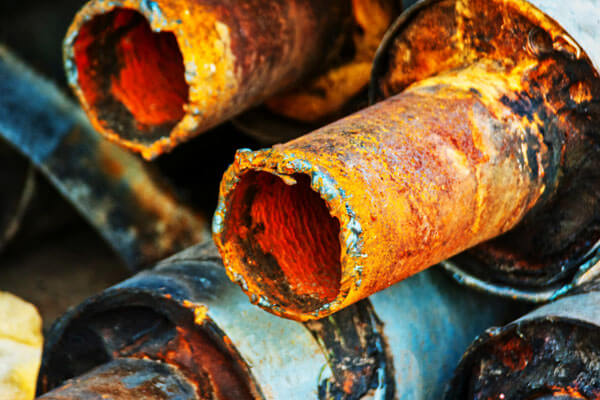
অক্সিজেন শোষণ জারা, আরো সঠিকভাবে বলা হয় অক্সিজেন হ্রাস জারা, জলীয় পরিবেশে কার্বন ইস্পাত এবং অন্যান্য ধাতুকে প্রভাবিত করে সবচেয়ে সাধারণ ইলেক্ট্রোকেমিক্যাল জারা প্রক্রিয়াগুলির মধ্যে একটি.
এটি বিশেষত নিরপেক্ষ এবং হালকা ক্ষারীয় জলে প্রচলিত, যেখানে দ্রবীভূত অক্সিজেন প্রধান ক্যাথোডিক বিক্রিয়াক হিসেবে কাজ করে যা ধাতু দ্রবীভূত করে.
প্রক্রিয়াটি উপেক্ষা করা সহজ কারণ এটি অগত্যা শুরুতে দ্রুত বা নাটকীয় ক্ষতি তৈরি করে না. পরিবর্তে, ক্ষয় অপেক্ষাকৃত ধীরে কিন্তু ক্রমাগত এগিয়ে যেতে পারে.
মাস বা বছর ধরে, এই ধীরে ধীরে ধাতু ক্ষতি প্রাচীর বেধ কমাতে পারে, জারা পণ্য তৈরি করুন, স্থানীয় আক্রমণ শুরু করুন, এবং অবশেষে ফুটো বা ছিদ্রের দিকে পরিচালিত করে.
একটি সহজ প্রকৌশল ব্যাখ্যা হয়:
জল ইলেক্ট্রোলাইট প্রদান করে, দ্রবীভূত অক্সিজেন ক্যাথোডিক প্রতিক্রিয়া বজায় রাখে, এবং ধাতু অ্যানোডিক দ্রবীভূতির মাধ্যমে ইলেকট্রন সরবরাহ করে.
এই কারণেই অক্সিজেনের ক্ষয় বিশেষভাবে গুরুত্বপূর্ণ যেখানে জল বারবার বাতাসের সংস্পর্শে আসে বা ক্রমাগত সঞ্চালিত হয়.
সাধারণ শিল্প পরিবেশের মধ্যে রয়েছে সেন্ট্রাল-এয়ার-কন্ডিশনিং ঠান্ডা-জল ব্যবস্থা, শিল্প শীতল-জল loops, কুলিং টাওয়ার, পৌরসভা এবং বিল্ডিং জল পাইপলাইন, ট্যাঙ্ক, তাপ এক্সচেঞ্জার, এবং বিভিন্ন জল-চিকিত্সা ব্যবস্থা.
যদিও নিরপেক্ষ এবং দুর্বলভাবে ক্ষারীয় জল হল ক্লাসিক পরিবেশ, অক্সিজেন হ্রাস এছাড়াও অম্লীয় অবস্থার অধীনে ক্ষয় অংশগ্রহণ করতে পারে.
ক্রমবর্ধমান অম্লতা সাধারণত ক্যাথোডিক গতিবিদ্যা পরিবর্তন করে এবং সামগ্রিক ক্ষয়কে ত্বরান্বিত করতে পারে, যখন অক্সিজেন হ্রাস হাইড্রোজেন-বিবর্তন প্রতিক্রিয়ার পাশাপাশি কাজ চালিয়ে যেতে পারে.
Where Does Oxygen Absorption Corrosion Occur?
অক্সিজেন-হ্রাস জারা বিকশিত হতে পারে যখনই একটি ধাতব পৃষ্ঠ দ্রবীভূত অক্সিজেন ধারণকারী জলীয় ইলেক্ট্রোলাইটের সংস্পর্শে আসে.
তীব্রতা অক্সিজেনের ঘনত্বের উপর নির্ভর করে, জল রসায়ন, তাপমাত্রা, প্রবাহ, পৃষ্ঠের অবস্থা, এবং অক্সিজেন ধাতু পৌঁছানোর ক্ষমতা.
Central HVAC and Chilled-Water Systems
খোলা বা দুর্বল সঞ্চালন ব্যবস্থা ক্রমাগত জলে অক্সিজেন প্রবর্তন করতে পারে.
পাম্প, সম্প্রসারণ ট্যাংক, মেক আপ জল, ফুটো, এবং রক্ষণাবেক্ষণ কার্যক্রম সমস্ত বায়ু প্রবেশের সুযোগ প্রদান করতে পারে.
কার্বন-ইস্পাত পাইপিং এবং উপাদানগুলি ধীরে ধীরে সাধারণ জারা বিকাশ করতে পারে, মরিচা জমা, এবং অক্সিজেন পর্যাপ্তভাবে নিয়ন্ত্রিত না হলে স্থানীয় আক্রমণ.
Industrial Cooling-Water Systems
কুলিং সিস্টেম প্রায়ই জল সঞ্চালন একত্রিত, উন্নত তাপমাত্রা, দ্রবীভূত লবণ, এবং বাতাসের সাথে ক্রমাগত যোগাযোগ.
কুলিং টাওয়ারগুলি বিশেষভাবে প্রাসঙ্গিক কারণ জল ইচ্ছাকৃতভাবে বায়ুমণ্ডলের সংস্পর্শে আসে.
এটি একটি অবিচ্ছিন্ন অক্সিজেন সরবরাহ তৈরি করে যা কার্বন-ইস্পাত পাইপিংয়ের ক্ষয়কে সমর্থন করতে পারে, তাপ এক্সচেঞ্জার, ট্যাঙ্ক, এবং অন্যান্য ধাতব সরঞ্জাম.
Cooling Towers
কুলিং টাওয়ারগুলি হল ক্লাসিক অক্সিজেন সমৃদ্ধ পরিবেশ কারণ জল বৃহৎ ভূপৃষ্ঠের উপরিভাগে বিতরণ করা হয় এবং বায়ুমণ্ডলীয় বাতাসের সাথে সরাসরি যোগাযোগ করে.
এর সমন্বয়:
বড় জল-বায়ু ইন্টারফেস + ক্রমাগত প্রচলন + দ্রবীভূত লবণ + তাপমাত্রার তারতম্য
জলের রসায়ন এবং জারা নিয়ন্ত্রণ সঠিকভাবে পরিচালিত না হলে ক্ষয়ের জন্য অনুকূল পরিস্থিতি তৈরি করতে পারে.
Municipal and Building Water Systems
জল বিতরণ পাইপ এবং স্টোরেজ সিস্টেমগুলিও অক্সিজেন-সম্পর্কিত ক্ষয় অনুভব করতে পারে, বিশেষ করে যেখানে জল বায়ুযুক্ত থাকে এবং ক্ষয়-প্রবণ ধাতু উপস্থিত থাকে.
নিম্ন-প্রবাহ বিভাগ, মৃত পা, খারাপভাবে নিষ্কাশন অঞ্চল, এবং স্থির জল স্থানীয় অক্সিজেনের ঘনত্বে উল্লেখযোগ্য পার্থক্য তৈরি করতে পারে এবং তাই স্থানীয় ক্ষয় করতে অবদান রাখে.
Ambient-Temperature Pure or Treated Water Systems
এমনকি তুলনামূলকভাবে পরিষ্কার জল স্বয়ংক্রিয়ভাবে অ-ক্ষয়কারী নয়. কম আয়নিক দূষণ ইলেক্ট্রোলাইট পরিবাহিতা হ্রাস করতে পারে, কিন্তু দ্রবীভূত অক্সিজেন এখনও তড়িৎ রাসায়নিক বিক্রিয়ায় অংশগ্রহণ করতে পারে.
ফলে জারা আচরণ ধাতু উপর নির্ভর করে, তাপমাত্রা, অক্সিজেন ঘনত্ব, প্রবাহ অবস্থা, এবং পৃষ্ঠ ফিল্ম.
How Does Oxygen Absorption Corrosion Work?
ক্ষয় প্রক্রিয়াটি সংযুক্ত অ্যানোডিক এবং ক্যাথোডিক প্রতিক্রিয়া নিয়ে গঠিত.
একটি অ্যানোডিক অঞ্চলে, ধাতু ইলেকট্রন হারায় এবং ধাতব আয়ন হিসাবে আশেপাশের জলে প্রবেশ করে.
এই ইলেকট্রনগুলি ধাতব কাঠামোর মধ্য দিয়ে ক্যাথোডিক অঞ্চলের দিকে ভ্রমণ করে, যেখানে দ্রবীভূত অক্সিজেন কমে যায়.
লোহা এবং কার্বন ইস্পাত জন্য, সরলীকৃত ক্রম হল:
ধাতু দ্রবীভূতকরণ → ইলেক্ট্রন মুক্তি → অক্সিজেন হ্রাস → হাইড্রক্সাইড গঠন → ক্ষয়-পণ্য বিকাশ
তাই দ্রবীভূত অক্সিজেন একটি ইলেকট্রন গ্রহণকারী হিসাবে কাজ করে যা অ্যানোডিক দ্রবীভূত প্রতিক্রিয়া অব্যাহত রাখতে দেয়.
এটি ব্যাখ্যা করে কেন ধাতব পৃষ্ঠটি দৃশ্যত স্থিতিশীল দেখালেও জারা চলতে পারে.
ইলেক্ট্রোকেমিক্যাল প্রক্রিয়াটি মাইক্রোস্কোপিক অ্যানোডিক এবং ক্যাথোডিক সাইটগুলিতে ঘটে যা সময়ের সাথে সাথে পরিবর্তন হতে পারে.
ঘটনাক্রমে দৃশ্যমান পণ্য—বাদামী মরিচা, কালো অক্সাইড, কমলা আমানত, বা পুরু জারা নোডুলস- প্রাথমিক ক্ষয় প্রক্রিয়ার পরিবর্তে বৈদ্যুতিক রাসায়নিক বিক্রিয়ার সেকেন্ডারি পণ্য.
Temperature Also Changes Oxygen Corrosion Behavior
তাপমাত্রা প্রতিযোগী প্রভাব আছে.
ক্রমবর্ধমান তাপমাত্রা সাধারণত ইলেক্ট্রোকেমিক্যাল প্রতিক্রিয়া গতিবিদ্যা এবং প্রসারণ-সম্পর্কিত প্রক্রিয়াগুলিকে ত্বরান্বিত করে.
একই সময়ে, বায়ুমণ্ডলীয় চাপে তাপমাত্রা বৃদ্ধির সাথে সাথে পানিতে অক্সিজেনের দ্রবণীয়তা সাধারণত হ্রাস পায়.
ফলস্বরূপ, অক্সিজেন-হ্রাস ক্ষয়ের উপর তাপমাত্রার প্রভাব শুধুমাত্র তাপমাত্রা থেকে অনুমান করা যায় না.
ইঞ্জিনিয়ারিং সিস্টেমের জন্য, এটা বিবেচনা করা প্রয়োজন:
তাপমাত্রা + দ্রবীভূত অক্সিজেন + প্রবাহ + জল রসায়ন + জারা-চলচ্চিত্রের স্থায়িত্ব
কুলিং সিস্টেম এবং হিট এক্সচেঞ্জারগুলির জন্য এটি বিশেষভাবে গুরুত্বপূর্ণ যেখানে সার্কিট জুড়ে জলের তাপমাত্রা উল্লেখযোগ্যভাবে পরিবর্তিত হতে পারে.
Typical Characteristics of Oxygen Absorption Corrosion
| চারিত্রিক | সাধারণ আচরণ |
| সাধারণ পরিবেশ | বায়ুযুক্ত জলীয় সিস্টেম, বিশেষ করে নিরপেক্ষ বা হালকা ক্ষারীয় জল |
| ক্যাথোডিক বিক্রিয়াক | দ্রবীভূত অক্সিজেন |
| জারা হার | প্রায়ই মাঝারি বা অপেক্ষাকৃত ধীর, কিন্তু একটানা |
| প্রধান ঝুঁকি | দীর্ঘমেয়াদী ধাতব ক্ষতি |
| স্থানীয় জারা | দৃঢ়ভাবে ডিফারেনশিয়াল বায়ুচলাচল সঙ্গে যুক্ত |
| সাধারণ আমানত | মরিচা, স্কেল, কাদা, জারা পণ্য |
| সাধারণ ক্ষতি | প্রাচীর পাতলা করা, পিটিং, যক্ষ্মা, ছিদ্র |
| প্রবাহের প্রভাব | অক্সিজেন পরিবহন এবং পৃষ্ঠের ছায়াছবি প্রভাবিত করে |
| অক্সিজেনের প্রভাব | সাধারণত শক্তিশালী |
| ডিয়ারেশন প্রভাব | উল্লেখযোগ্যভাবে অক্সিজেন-হ্রাস কার্যকলাপ কমাতে পারে |
| দীর্ঘমেয়াদী পরিণতি | প্রাচীর বেধ এবং সেবা জীবন হ্রাস |
Core Anti-Corrosion Strategy for Oxygen Absorption Corrosion
কেন্দ্রীয় উদ্দেশ্য হল এমন অবস্থার হ্রাস করা যা অক্সিজেন হ্রাসকে অ্যানোডিক ধাতু দ্রবীভূত করার অনুমতি দেয়।.
Reduce Oxygen Exposure
যেখানে সিস্টেম ডিজাইন অনুমতি দেয়, বায়ু প্রবেশ এবং দ্রবীভূত অক্সিজেন হ্রাস অক্সিজেন-হ্রাস জারা জন্য চালিকা শক্তি কমাতে পারে.
সম্ভাব্য ব্যবস্থার মধ্যে নিয়ন্ত্রিত ডিয়ারেশন অন্তর্ভুক্ত, অপ্রয়োজনীয় বায়ু প্রবেশ করানো কমানো, এবং বায়ুমণ্ডলীয় অক্সিজেনে সঞ্চালিত জলের বারবার এক্সপোজার হ্রাস করা.
Use Corrosion Inhibitors
উপযুক্ত ইনহিবিটারগুলি অ্যানোডিক দ্রবীভূতকরণে হস্তক্ষেপ করতে পারে, ক্যাথোডিক প্রতিক্রিয়া, অথবা উভয়.
নির্বাচন নির্দিষ্ট ধাতু উপর ভিত্তি করে করা আবশ্যক, জল রসায়ন, অপারেটিং তাপমাত্রা, এবং পরিবেশগত প্রয়োজনীয়তা.
Establish Protective Films
কিছু জল সিস্টেমের জন্য, প্রি-ফিল্মিং বা প্যাসিভেটিং ট্রিটমেন্ট আরও সুরক্ষামূলক পৃষ্ঠের অবস্থা তৈরি করতে পারে. কার্যকারিতা উপাদান এবং জল রসায়ন উপর দৃঢ়ভাবে নির্ভর করে.
Control Scale and Sludge
আমানত অপসারণ ডিফারেনশিয়াল-বায়ুকরণ কোষগুলিকে বিকাশ থেকে প্রতিরোধ করতে সহায়তা করে.
জল চিকিত্সা, পরিস্রাবণ, ব্লোডাউন, পরিষ্কার করা, এবং আমানত নিয়ন্ত্রণ তাই পরোক্ষভাবে স্থানীয় অক্সিজেন ক্ষয় কমাতে পারে.
Control Water Chemistry
পিএইচ, ক্ষারত্ব, পরিবাহিতা, ক্লোরাইড, দ্রবীভূত কঠিন পদার্থ, মাইক্রোবায়োলজিকাল কার্যকলাপ, এবং ইনহিবিটর ঘনত্ব সব ক্ষয় আচরণ প্রভাবিত করতে পারে.
pH নিয়ন্ত্রণ গুরুত্বপূর্ণ, কিন্তু অক্সিজেন ক্ষয় একটি সহজ "pH সামঞ্জস্য" সমস্যা হ্রাস করা উচিত নয়.
অক্সিজেনের প্রাপ্যতা এবং ডিফারেনশিয়াল এয়ারেশন গুরুত্বপূর্ণ থাকতে পারে এমনকি যখন pH নির্ধারিত অপারেটিং সীমার মধ্যে থাকে.
2. What Is Hydrogen Evolution Corrosion?
হাইড্রোজেন বিবর্তন জারা একটি ইলেক্ট্রোকেমিক্যাল জারা প্রক্রিয়া যেখানে ক্যাথোডিক প্রতিক্রিয়া একটি ধাতব পৃষ্ঠে হাইড্রোজেন তৈরি করে.
এটি সবচেয়ে দৃঢ়ভাবে অ্যাসিডিক জলীয় পরিবেশের সাথে যুক্ত, যেখানে হাইড্রোজেন আয়নগুলি অ্যানোডিক ধাতু দ্রবীভূত হওয়ার সময় নির্গত ইলেকট্রন গ্রহণ করার জন্য সহজেই উপলব্ধ.
অক্সিজেন-হ্রাস জারা সঙ্গে তুলনা, যা প্রায়ই বায়ুযুক্ত জলে একটি অবিরাম প্রক্রিয়া, হাইড্রোজেন বিবর্তন জারা যথেষ্ট অম্লীয় অবস্থার অধীনে অনেক বেশি আক্রমণাত্মক হতে পারে.
কার্বন ইস্পাত এবং অন্যান্য অনেক সক্রিয় ধাতু জন্য, দ্রবণ pH কমিয়ে আনা অ্যানোডিক দ্রবীভূত হওয়ার হারকে উল্লেখযোগ্যভাবে বৃদ্ধি করতে পারে কারণ ক্যাথোডিক হাইড্রোজেন-বিবর্তন প্রতিক্রিয়া সহজেই এগিয়ে যেতে পারে.
এই কারণেই হাইড্রোজেন বিবর্তন জারা প্রায়শই অ্যাসিড পিকিংয়ের সময় সম্মুখীন হয়, রাসায়নিক পরিষ্কার, descaling, অ্যাসিড-প্রক্রিয়া অপারেশন, অ্যাসিডিক বর্জ্য জল পরিচালনা, এবং নিম্ন-পিএইচ সমাধান জড়িত অন্যান্য প্রক্রিয়া.

একটি সরলীকৃত ব্যবহারিক বর্ণনা হল:
ধাতু ইলেকট্রন হারায়, হাইড্রোজেন আয়ন ঐ ইলেকট্রন গ্রাস করে, এবং হাইড্রোজেন গ্যাস পৃষ্ঠে গঠন করে.
দৃশ্যমান হাইড্রোজেন বুদবুদ তাই ক্ষয়ের কারণ নয়. এগুলি ক্যাথোডিক প্রতিক্রিয়ার একটি পণ্য যা ধাতব অক্সিডেশন চালিয়ে যেতে দেয়.
Occurrence Scenarios
হাইড্রোজেন বিবর্তন বিশেষভাবে গুরুত্বপূর্ণ যখন ইলেক্ট্রোলাইট অ্যাসিডিক হয় বা যখন ধাতু শক্তিশালী ক্যাথোডিক মেরুকরণের শিকার হয়.
সাধারণ পরিস্থিতিতে অন্তর্ভুক্ত:
- অ্যাসিড পিলিং: অ্যাসিড ইস্পাত থেকে অক্সাইড স্কেল অপসারণ করে, কিন্তু অত্যধিক এক্সপোজার বেস মেটাল আক্রমণ করতে পারে.
- রাসায়নিক descaling এবং পরিষ্কার: আমানত অপসারণের জন্য ব্যবহৃত অ্যাসিড দ্রবণগুলি আমানত অপসারণের পরে স্তরটিকে দ্রবীভূত করা চালিয়ে যেতে পারে.
- অ্যাসিডিক বর্জ্য জল সিস্টেম: কম-পিএইচ বর্জ্য জল ক্রমাগত কার্বন-ইস্পাত পাইপিং আক্রমণ করতে পারে, ট্যাঙ্ক, এবং অন্যান্য সরঞ্জাম.
- অ্যাসিডিক প্রক্রিয়া-জল সিস্টেম: খনিজ বা জৈব অ্যাসিড ধারণকারী শিল্প তরল আক্রমনাত্মক ক্ষয় তৈরি করতে পারে.
- ক্যাথোডিক সুরক্ষা: অত্যধিক নেতিবাচক সম্ভাবনা হাইড্রোজেন উত্পাদন বৃদ্ধি করতে পারে, বিশেষ করে উচ্চ শক্তি ইস্পাত উপর.
- ইলেক্ট্রোকেমিক্যাল প্রক্রিয়াকরণ: ইলেক্ট্রোপ্লেটিং এর সময় হাইড্রোজেন বিবর্তিত হতে পারে, ইলেক্ট্রোউইনিং, পিকিং, এবং অন্যান্য ক্যাথোডিক প্রক্রিয়া.
তীব্রতা pH এর চেয়ে বেশি নির্ভর করে. অ্যাসিড ঘনত্ব, তাপমাত্রা, প্রকাশের সময়, অ্যাসিড টাইপ, খাদ রচনা, পৃষ্ঠের অবস্থা, প্রবাহ, এবং ইনহিবিটর কার্যকারিতা জারা হারকে উল্লেখযোগ্যভাবে পরিবর্তন করতে পারে.
জারা প্রক্রিয়া
হাইড্রোজেন বিবর্তন জারা সংযুক্ত অ্যানোডিক এবং ক্যাথোডিক প্রক্রিয়া নিয়ে গঠিত.
অ্যানোডিক সাইটগুলিতে, ধাতু ইলেকট্রন হারায় এবং ইলেক্ট্রোলাইটে দ্রবীভূত হয়.
নির্গত ইলেকট্রনগুলি ধাতুর মধ্য দিয়ে ক্যাথোডিক সাইটগুলির দিকে ভ্রমণ করে, যেখানে হাইড্রোজেনযুক্ত প্রজাতি তাদের গ্রাস করে.
অ্যাসিডিক মিডিয়াতে, ভূপৃষ্ঠে হাইড্রোজেন আয়ন কমে যায়, শেষ পর্যন্ত আণবিক হাইড্রোজেন গঠন. কম অম্লীয় পরিবেশে, জল হ্রাস হাইড্রোজেন উৎস প্রদান করতে পারেন.
সামগ্রিক প্রক্রিয়া তাই বোঝা যেতে পারে:
ধাতব দ্রবীভূতকরণ → ইলেকট্রন স্থানান্তর → হাইড্রোজেন হ্রাস → পৃষ্ঠের হাইড্রোজেন গঠন → হাইড্রোজেন গ্যাস বিবর্তন
Acidic Environment
দৃঢ়ভাবে অম্লীয় দ্রবণে, প্রোটন হ্রাস অনেক সক্রিয় ধাতুতে সহজেই এগিয়ে যেতে পারে.
এটি ক্যাথোডিক প্রতিক্রিয়াকে দ্রুত অ্যানোডিক দ্রবীভূত করার অনুমতি দেয়, যে কারণে কার্বন ইস্পাত অনিয়ন্ত্রিত অ্যাসিড চিকিত্সার সময় খুব দ্রুত ক্ষয় হতে পারে.
Surface Kinetics
হাইড্রোজেন বিবর্তন ধাতব পৃষ্ঠের উপর অত্যন্ত নির্ভরশীল. হাইড্রোজেন অতিরিক্ত সম্ভাবনাময়, অনুঘটক কার্যকলাপ, অক্সাইড ছায়াছবি, অ্যালোয়িং উপাদান, আমানত, এবং পৃষ্ঠের অবস্থা সব প্রতিক্রিয়া হার প্রভাবিত.
ফলস্বরূপ, একই অ্যাসিডের সংস্পর্শে আসা দুটি ধাতু উল্লেখযোগ্যভাবে ভিন্ন জারা আচরণ প্রদর্শন করতে পারে.
Hydrogen Entry into the Metal
সমস্ত পৃষ্ঠ-উত্পন্ন হাইড্রোজেন অগত্যা গ্যাস হিসাবে ছেড়ে যায় না. একটি ভগ্নাংশ পৃষ্ঠে শোষিত থাকতে পারে এবং, উপযুক্ত অবস্থার অধীনে, ধাতু প্রবেশ করুন.
এটি একটি সম্ভাব্য ক্রম তৈরি করে:
Hydrogen generation → adsorption → absorption → diffusion/trapping
For susceptible high-strength steels, absorbed hydrogen can contribute to hydrogen embrittlement or hydrogen-assisted cracking when combined with appropriate stress and microstructural conditions.
গুরুত্বপূর্ণভাবে, hydrogen evolution and hydrogen embrittlement are not synonymous.
Hydrogen evolution supplies a potential source of hydrogen; material susceptibility and hydrogen uptake determine whether significant damage develops.
সাধারণ বৈশিষ্ট্য
Hydrogen evolution corrosion has several characteristics that distinguish it from oxygen-reduction corrosion.
| চারিত্রিক | হাইড্রোজেন বিবর্তন জারা |
| সাধারণ পরিবেশ | Acidic aqueous media; also strongly cathodic conditions |
| ক্যাথোডিক বিক্রিয়াক | Hydrogen ions or water |
| Main Product | Molecular hydrogen |
| জারা হার | Can become extremely high in aggressive acid environments |
| Visible Indication | Hydrogen bubbles may appear on the metal surface |
| Rust Formation | প্রায়শই সীমিত কারণ জারা পণ্য দ্রবীভূত থাকতে পারে বা সরানো যেতে পারে |
| ধাতু ক্ষতি | দ্রুত এবং তুলনামূলকভাবে অভিন্ন হতে পারে |
| প্রধান নিয়ন্ত্রণকারী ফ্যাক্টর | পিএইচ, সম্ভাব্য, তাপমাত্রা, পৃষ্ঠ গতিবিদ্যা, ইলেক্ট্রোলাইট রচনা |
| অক্সিজেনের প্রয়োজনীয়তা | কোনোটিই নয় |
| হাইড্রোজেন গ্রহণ | সম্ভব |
| প্রধান অতিরিক্ত ঝুঁকি | সংবেদনশীল উপকরণগুলিতে হাইড্রোজেন-সহায়ক ক্ষতি |
একটি বিশেষ গুরুত্বপূর্ণ বৈশিষ্ট্য হল যে গুরুতর ক্ষয় অগত্যা প্রচুর পরিমাণে মরিচা তৈরি করে না.
অম্লীয় পরিবেশে, লোহার ক্ষয়কারী পণ্যগুলি ঘন লালচে-বাদামী আমানত গঠনের পরিবর্তে দ্রবীভূত থাকতে পারে যা সাধারণত বায়ুযুক্ত নিরপেক্ষ জলে পরিলক্ষিত হয়.
ফলস্বরূপ, একটি উপাদান তুলনামূলকভাবে পরিষ্কার প্রদর্শিত হতে পারে যখন উল্লেখযোগ্য ভিত্তি-ধাতু ক্ষতি ঘটছে.
Core Anti-Corrosion Strategy
মৌলিক উদ্দেশ্য হল রাসায়নিক এবং ইলেক্ট্রোকেমিক্যাল অবস্থা নিয়ন্ত্রণ করা যা অত্যধিক ধাতু দ্রবীভূত এবং হাইড্রোজেন উৎপাদনের অনুমতি দেয়.
Control Acid Concentration
উদ্দিষ্ট পরিচ্ছন্নতা বা প্রক্রিয়াকরণ উদ্দেশ্য অর্জনের জন্য শুধুমাত্র প্রয়োজনীয় অ্যাসিড ঘনত্ব ব্যবহার করুন. অতিরিক্ত অম্লতা সাবস্ট্রেট আক্রমণকে ত্বরান্বিত করতে পারে.
Limit Exposure Time
অ্যাসিড চিকিত্সার একটি সংজ্ঞায়িত প্রক্রিয়া উইন্ডো থাকা উচিত. একবার স্কেল বা আমানত সরানো হয়েছে, ক্রমাগত এক্সপোজার সমতুল্য প্রক্রিয়া সুবিধা প্রদান না করে বেস-মেটাল ক্ষতি বাড়ায়.
Control Temperature
উচ্চ তাপমাত্রা ইলেক্ট্রোকেমিক্যাল বিক্রিয়া গতিবিদ্যাকে ত্বরান্বিত করতে পারে.
তাই অ্যাসিড পরিষ্কারের কাজটি অপ্রয়োজনীয়ভাবে উচ্চ তাপমাত্রার উপর নির্ভর না করে একটি বৈধ তাপমাত্রা সীমার মধ্যে কাজ করা উচিত.
Use Appropriate Corrosion Inhibitors
ইনহিবিটররা বেস মেটালের উপর অ্যাসিড আক্রমণ কমাতে পারে যখন অ্যাসিডকে তার উদ্দেশ্য পরিষ্কারের কাজ করতে দেয়.
সঠিক ইনহিবিটার এবং ঘনত্ব নির্দিষ্ট অ্যাসিডের জন্য যাচাই করা আবশ্যক, খাদ, এবং অপারেটিং তাপমাত্রা.
Rinse and Neutralize Promptly
অ্যাসিড চিকিত্সার পরে, সঞ্চয়স্থান বা পরবর্তী প্রক্রিয়াকরণের সময় ক্রমাগত আক্রমণ প্রতিরোধ করার জন্য যথাযথ ধুয়ে ফেলা এবং নিরপেক্ষকরণ পদ্ধতির মাধ্যমে অবশিষ্ট অ্যাসিড দ্রুত অপসারণ করা উচিত.
নিয়ন্ত্রণ ক্যাথোডিক সুরক্ষা
সুরক্ষিত কাঠামোর জন্য, সম্ভাব্য নির্দিষ্ট নিয়ন্ত্রণ সীমার মধ্যে বজায় রাখা উচিত. অত্যধিক নেতিবাচক সম্ভাবনা হাইড্রোজেন বিবর্তন বাড়াতে পারে এবং হাইড্রোজেন গ্রহণের ঝুঁকি তৈরি করতে পারে.
উপাদান সংবেদনশীলতা বিবেচনা করুন
যেখানে হাইড্রোজেন উৎপাদন অনিবার্য, উপাদান নির্বাচন হাইড্রোজেন সংবেদনশীলতা জন্য অ্যাকাউন্ট করা উচিত, বিশেষ করে হাইড্রোজেন-সহায়ক ক্র্যাকিং প্রবণ উচ্চ-শক্তির ইস্পাত এবং অন্যান্য সংকর ধাতুগুলির জন্য.
3. অক্সিজেন হ্রাস বনাম. হাইড্রোজেন বিবর্তন জারা: মৌলিক পার্থক্য
যদিও উভয় প্রক্রিয়াই ক্যাথোডিক প্রক্রিয়া যা অ্যানোডিক ধাতব দ্রবীভূতকরণকে সমর্থন করে, তারা তাদের বিক্রিয়ায় মৌলিকভাবে ভিন্ন, পরিবেশগত প্রয়োজনীয়তা, নিয়ন্ত্রণকারী কারণ, জারা আচরণ, এবং প্রতিরোধের কৌশল.
| মূল ফ্যাক্টর | অক্সিজেন হ্রাস জারা | হাইড্রোজেন বিবর্তন জারা |
| সুনির্দিষ্ট মেয়াদ | অক্সিজেন হ্রাস / অক্সিজেন ডিপোলারাইজেশন | হাইড্রোজেন বিবর্তন |
| ক্যাথোডিক বিক্রিয়াক | দ্রবীভূত অক্সিজেন | Hydrogen ions or water |
| সাধারণ পরিবেশ | বায়ুযুক্ত, নিরপেক্ষ বা হালকা ক্ষারীয় জল | অম্লীয় জল বা দৃঢ়ভাবে ক্যাথোডিকলি মেরুকৃত অবস্থা |
| দ্রবীভূত অক্সিজেনের উপর নির্ভরশীলতা | উচ্চ | কোনোটিই নয় |
| পিএইচ প্রভাব | গুরুত্বপূর্ণ, কিন্তু অক্সিজেনের প্রাপ্যতা প্রায়ই গুরুত্বপূর্ণ | শক্তিশালী, বিশেষ করে অ্যাসিডিক দ্রবণে |
| প্রধান ক্যাথোডিক পণ্য | হাইড্রক্সাইড বা জল, pH এবং পথের উপর নির্ভর করে | Molecular hydrogen |
| সাধারণ জারা আচরণ | প্রায়শই ধীরে ধীরে এবং অবিরাম | দ্রুত এবং গুরুতর হতে পারে আক্রমণাত্মক অ্যাসিডিক মিডিয়াতে |
| প্রধান গতিগত সীমাবদ্ধতা | ধাতব পৃষ্ঠে ঘন ঘন অক্সিজেন ভর স্থানান্তর | প্রোটন/জল হ্রাস গতিবিদ্যা এবং পৃষ্ঠ অনুঘটক কার্যকলাপ |
| Deaeration প্রভাব | সাধারণত ব্যাপকভাবে ক্যাথোডিক প্রতিক্রিয়া দমন করে | হাইড্রোজেন বিবর্তন দূর করে না |
ডিফারেনশিয়াল এয়ারেশন |
প্রধান মেকানিজম; স্থানীয় জারা প্রচার করতে পারেন | সংজ্ঞায়িত প্রক্রিয়া নয় |
| সাধারণ জারা চেহারা | মরিচা, অক্সাইড, জারা জমা, পিটিং | প্রায়ই সামান্য প্রচলিত মরিচা; পৃষ্ঠ দ্রুত খোদাই বা দ্রবীভূত হতে পারে |
| গ্যাস গঠন | Not normally characterized by hydrogen gas evolution | Hydrogen bubbles may form |
| Localized Corrosion Potential | High where oxygen concentration gradients exist | Depends more on acid chemistry, পৃষ্ঠের অবস্থা, and local electrochemical conditions |
| Hydrogen Uptake Risk | Generally secondary | Potentially significant for susceptible alloys |
| Typical Industrial Examples | Cooling-water systems, HVAC circulation water, পাইপলাইন, ট্যাঙ্ক, কুলিং টাওয়ার | অ্যাসিড পিলিং, acid cleaning, descaling, acidic wastewater, ক্যাথোডিক সুরক্ষা |
| Primary Control Strategy | Oxygen control, ইনহিবিটার, protective films, deposit management | Acid concentration/time/temperature control, ইনহিবিটার, নিরপেক্ষকরণ, potential control |
| Main Engineering Concern | Long-term wall thinning and localized attack | Rapid metal loss and possible hydrogen-assisted damage |
4. বাস্তব জারা সিস্টেমে অক্সিজেন হ্রাস এবং হাইড্রোজেন বিবর্তন
In actual industrial environments, corrosion rarely follows a perfectly isolated mechanism.
Oxygen reduction and hydrogen evolution can occur simultaneously, compete for cathodic current, অথবা বিভিন্ন অবস্থানে এবং পরিষেবার পর্যায়ে প্রভাবশালী হয়ে উঠুন.
ভারসাম্য দ্রবীভূত অক্সিজেনের উপর নির্ভর করে, পিএইচ, ইলেক্ট্রোড সম্ভাব্য, তাপমাত্রা, ইলেক্ট্রোলাইট রচনা, প্রবাহ অবস্থা, এবং ধাতব পৃষ্ঠের বৈদ্যুতিক রাসায়নিক বৈশিষ্ট্য.
ব্যর্থতা বিশ্লেষণ করার সময় এটি বিশেষভাবে গুরুত্বপূর্ণ. একটি পরিবেশকে কেবল "অক্সিজেন ক্ষয়" বা "অ্যাসিড ক্ষয়" হিসাবে চিহ্নিত করা যথেষ্ট নাও হতে পারে.
স্থানীয় পরিবেশের পরিবর্তনের সাথে সাথে প্রভাবশালী ক্যাথোডিক প্রতিক্রিয়া পরিবর্তিত হতে পারে.
বায়ুযুক্ত নিরপেক্ষ জল: অক্সিজেন হ্রাস সাধারণত প্রাধান্য পায়
খোলা বা অক্সিজেনযুক্ত জল সিস্টেমে, দ্রবীভূত অক্সিজেন ধাতব পৃষ্ঠে সহজেই পাওয়া যায়.
নিরপেক্ষ pH কাছাকাছি অপারেটিং অনেক কার্বন-ইস্পাত সিস্টেমের জন্য, তাই অক্সিজেন হ্রাস একটি গুরুত্বপূর্ণ ক্যাথোডিক প্রক্রিয়া.
সাধারণ উদাহরণ অন্তর্ভুক্ত:
- ইন্ডাস্ট্রিয়াল কুলিং-ওয়াটার সার্কিট
- কুলিং টাওয়ার
- স্টোরেজ ট্যাঙ্ক খুলুন
- HVAC সঞ্চালন সিস্টেম
- পানির পাইপলাইন
- বায়ুমণ্ডলীয় জল ছায়াছবি
এই অবস্থার অধীনে, ক্ষয় প্রায়ই ধীরে ধীরে কিন্তু ক্রমাগত ধাতু ক্ষতি দ্বারা চিহ্নিত করা হয়.
জল সঞ্চালন ক্রমাগত দ্রবীভূত অক্সিজেন পুনরায় পূরণ করতে পারে, যখন আমানত এবং স্থবির অঞ্চলগুলি স্থানীয় অক্সিজেন ঘনত্বের পার্থক্য তৈরি করতে পারে.
প্রধান প্রকৌশল উদ্বেগ হল সাধারণ প্রাচীর পাতলা করা, ডিফারেনশিয়াল-বায়ুকরণ জারা, পিটিং, এবং আমানত-সহায়তা স্থানীয় আক্রমণ.
Deaerated জল: অক্সিজেন অপসারণ ক্যাথোডিক পথ পরিবর্তন করে
ডিয়ারেশন যথেষ্ট পরিমাণে অক্সিজেন হ্রাস দমন করতে পারে, কিন্তু এটা অগত্যা জারা নিষ্কাশন না.
একবার দ্রবীভূত অক্সিজেন দুষ্প্রাপ্য হয়ে যায়, আরেকটি ক্যাথোডিক প্রক্রিয়া ইলেক্ট্রন খরচ সমর্থন করতে পারে.
pH এর উপর নির্ভর করে, সম্ভাব্য, তাপমাত্রা, এবং উপাদান পৃষ্ঠ, জল হ্রাস এবং হাইড্রোজেন বিবর্তন ক্রমবর্ধমান গুরুত্বপূর্ণ হয়ে উঠতে পারে.
এটি একটি গুরুত্বপূর্ণ ইঞ্জিনিয়ারিং পার্থক্য তৈরি করে:
ডিয়ারেশন ধাতুকে বৈদ্যুতিক রাসায়নিকভাবে নিষ্ক্রিয় না করে একটি প্রধান ক্যাথোডিক পথকে সরিয়ে দিতে পারে.
ফলে জারা হার উল্লেখযোগ্যভাবে হ্রাস হতে পারে, কিন্তু অবশিষ্ট ক্যাথোডিক প্রক্রিয়া এখনও বিবেচনা করা আবশ্যক.
এটি বিশেষত বন্ধ শিল্প জল ব্যবস্থায় প্রাসঙ্গিক যেখানে স্টার্টআপের সময় অক্সিজেনের ঘনত্ব ক্রমাগত পরিবর্তিত হতে পারে, শাটডাউন, রক্ষণাবেক্ষণ, বা রাসায়নিক চিকিত্সা.
অ্যাসিডিক এবং বায়ুযুক্ত সমাধান: উভয় প্রতিক্রিয়া সহাবস্থান হতে পারে
একটি অম্লীয় দ্রবণে হাইড্রোজেন আয়ন এবং দ্রবীভূত অক্সিজেন উভয়ই থাকতে পারে.
এই অবস্থার অধীনে, ক্যাথোডিক পৃষ্ঠ সমর্থন করতে পারে:
অক্সিজেন হ্রাস
এবং
হাইড্রোজেন বিবর্তন
একই সময়ে.
কোন বিক্রিয়াটি মোট ক্যাথোডিক কারেন্টে বেশি অবদান রাখে তা ধাতুর পৃষ্ঠের গতিবিদ্যার উপর নির্ভর করে, অক্সিজেন পরিবহন, পিএইচ, এবং ইলেক্ট্রোড সম্ভাব্য.
এক্সপোজারের শুরুতে, একটি অক্সিজেন সমৃদ্ধ অ্যাসিডিক দ্রবণ যথেষ্ট অক্সিজেন-হ্রাস কার্যকলাপ দেখাতে পারে.
যেহেতু অক্সিজেন খরচ হয় বা পরিবহন সীমিত হয়ে যায়, হাইড্রোজেন বিবর্তন অপেক্ষাকৃত বেশি গুরুত্বপূর্ণ হয়ে উঠতে পারে.
এইভাবে, ক্যাথোডিক প্রক্রিয়া সময়ের সাথে বিকশিত হতে পারে:
অক্সিজেন সমৃদ্ধ → মিশ্র ক্যাথোডিক আচরণ → অক্সিজেন-শূন্য → বৃহত্তর হাইড্রোজেন অবদান
This dynamic behavior is particularly relevant in crevices, আমানত, enclosed vessels, and stagnant sections.
ফাটল এবং আন্ডার ডিপোজিট জারা
Crevices provide a classic example of how the local cathodic reaction can change.
এক্সপোজারের শুরুতে, oxygen may be present both inside and outside the crevice.
As the enclosed region consumes oxygen faster than it can be replenished, the oxygen concentration inside the crevice decreases.
The external surface may continue to support oxygen reduction, while the oxygen-depleted crevice becomes relatively anodic.
This creates a localized electrochemical cell:
| অঞ্চল | Typical Condition | Electrochemical Tendency |
| Outside crevice | Higher oxygen availability | More cathodic |
| Inside crevice | Oxygen depletion | More anodic |
| Crevice interior | Restricted mass transfer | Localized metal dissolution |
As corrosion develops, the local chemistry can become increasingly aggressive.
ক্লোরাইড ঘনত্ব, acidity, hydrolysis products, এবং জারা-পণ্য জমে স্থানীয় আক্রমণকে আরও ত্বরান্বিত করতে পারে.
গুরুত্বপূর্ণ বিষয় হল যে অক্সিজেন হ্রাস ফাটলের বাইরে ইলেক্ট্রোকেমিক্যাল চালিকা শক্তির জন্য দায়ী হতে পারে, যখন এটি ভিতরে গুরুতর ধাতু দ্রবীভূত হয়.
কুলিং-ওয়াটার সিস্টেম: একটি ব্যবহারিক শিল্প উদাহরণ
কুলিং-ওয়াটার সিস্টেমে প্রায়শই এমন সব ভেরিয়েবল থাকে যা ক্ষয় নির্ণয় করা কঠিন করে তোলে:
দ্রবীভূত অক্সিজেন + প্রবাহ + তাপমাত্রা + লবণ + আমানত + অণুজীব + রসায়ন পরিবর্তন
অক্সিজেন হ্রাস সার্কিটের অক্সিজেনযুক্ত অংশে ক্যাথোডিক আচরণকে প্রাধান্য দিতে পারে.
একই সময়ে, আমানত এবং বায়োফিল্মগুলি অক্সিজেন-শূন্য মাইক্রোএনভায়রনমেন্ট তৈরি করতে পারে যেখানে স্থানীয় ক্ষয় গুরুতর হয়ে ওঠে.
ফলাফল স্থানীয়ভাবে গভীর গর্তের সাথে মিলিত একটি প্রতারণামূলকভাবে হালকা গড় জারা হার হতে পারে.
এই কারণে, শুধুমাত্র বাল্ক-ওয়াটার কেমিস্ট্রি পর্যবেক্ষণ করা পৃথক উপাদানের ক্ষয় অবস্থাকে যথাযথভাবে বর্ণনা করতে পারে না.
অ্যাসিড পিকলিং এবং রাসায়নিক পরিষ্কার করা
অ্যাসিড পরিষ্কার একটি বিপরীত পরিবেশ প্রদান করে.
অ্যাসিড স্কেল বা জমা অপসারণ করার উদ্দেশ্যে করা হয়, কিন্তু একই রসায়ন উন্মুক্ত স্তরকেও আক্রমণ করতে পারে.
হাইড্রোজেন বিবর্তন একটি গুরুত্বপূর্ণ ক্যাথোডিক প্রতিক্রিয়া হয়ে ওঠে, বিশেষ করে যখন সমাধান দৃঢ়ভাবে অম্লীয় হয়.
হাইড্রোজেন তৈরি হওয়ার কারণে দৃশ্যমান বুদবুদ হতে পারে.
একটি সাধারণ প্রক্রিয়া ক্রম হয়:
স্কেল অপসারণ → সাবস্ট্রেট এক্সপোজার → অব্যাহত অ্যাসিড আক্রমণ → হাইড্রোজেন বিবর্তন → ধাতু ক্ষতি
যদি পরিস্কার প্রক্রিয়া খুব দীর্ঘ সময় ধরে চলতে থাকে, অপারেটর কেবল অবাঞ্ছিত আমানতই নয় বরং অন্তর্নিহিত ধাতুর ক্রমবর্ধমান পরিমাণও সরিয়ে ফেলতে পারে.
এই কারণেই অ্যাসিড ঘনত্ব, তাপমাত্রা, চিকিত্সা সময়, ইনহিবিটার ঘনত্ব, এবং ক্লিনিং-পরবর্তী ধুয়ে ফেলাকে স্বাধীনভাবে না করে একটি প্রক্রিয়া হিসাবে নিয়ন্ত্রণ করা প্রয়োজন.
ক্যাথোডিক সুরক্ষা: জারা নিয়ন্ত্রণ হাইড্রোজেন উত্পাদন বৃদ্ধি করতে পারে
Cathodic protection deliberately shifts the protected structure toward a more negative potential to suppress anodic dissolution.
This can be highly effective for pipelines, সামুদ্রিক কাঠামো, ট্যাঙ্ক, and buried steel systems.
তবে, as the potential becomes increasingly negative, hydrogen evolution can become more important.
This creates a critical engineering trade-off:
Lower anodic corrosion ↔ potentially higher hydrogen generation
For materials susceptible to hydrogen-assisted cracking, particularly some high-strength steels, excessive cathodic polarization can therefore introduce a different failure mechanism even while conventional corrosion is being reduced.
Cathodic protection should consequently be designed around the material, পরিবেশ, coating condition, and applicable protection criteria, rather than simply maximizing the negative potential.
প্রবাহিত জল: অক্সিজেন পরিবহন এবং গণ স্থানান্তর
ধাতব পৃষ্ঠে দ্রবীভূত অক্সিজেনের পরিবহন পরিবর্তন করে প্রবাহ অক্সিজেন-হ্রাস জারাকে দৃঢ়ভাবে প্রভাবিত করতে পারে.
উচ্চতর প্রবাহ ছড়িয়ে পড়া সীমানা স্তরের বেধ কমাতে পারে এবং অক্সিজেন পরিবহন বাড়াতে পারে.
তবে, ফলাফলটি সর্বজনীনভাবে উচ্চ জারা হার নয় কারণ প্রবাহ একই সাথে প্রতিরক্ষামূলক ফিল্মগুলিকে সংশোধন করতে পারে, জারা-পণ্য অপসারণ, ইনহিবিটার বিতরণ, এবং ক্ষয়.
পর্যাপ্ত উচ্চ বেগে, ক্ষয়-ক্ষয় গুরুত্বপূর্ণ হয়ে উঠতে পারে.
হাইড্রোজেন বিবর্তনও প্রবাহ দ্বারা প্রভাবিত হতে পারে, কিন্তু প্রবাহের সাথে এর সম্পর্ক সাধারণত ভিন্ন কারণ ক্যাথোডিক বিক্রিয়াক অক্সিজেন দ্রবীভূত হয় না.
ফ্লো পরিবর্তে স্থানীয় ঘনত্ব পরিবর্তন করতে পারে, পৃষ্ঠের অবস্থা, তাপমাত্রা, এবং হাইড্রোজেন বুদবুদ অপসারণ.
তাপমাত্রা দুটি প্রক্রিয়ার মধ্যে ভারসাম্য পরিবর্তন করে
তাপমাত্রা অক্সিজেন হ্রাস এবং হাইড্রোজেন বিবর্তন উভয়কেই প্রভাবিত করে, কিন্তু বিভিন্ন এবং কখনও কখনও প্রতিযোগিতামূলক প্রক্রিয়ার মাধ্যমে.
ক্রমবর্ধমান তাপমাত্রা সাধারণত ইলেক্ট্রোকেমিক্যাল গতিবিদ্যাকে ত্বরান্বিত করে.
একই সময়ে, প্রদত্ত চাপে তাপমাত্রা বৃদ্ধির সাথে সাথে পানিতে দ্রবীভূত অক্সিজেনের ঘনত্ব সাধারণত হ্রাস পায়.
ফলস্বরূপ:
উচ্চ তাপমাত্রা → দ্রুত প্রতিক্রিয়া গতিবিদ্যা
কিন্তু এছাড়াও:
উচ্চ তাপমাত্রা → নিম্ন ভারসাম্য অক্সিজেন দ্রবণীয়তা
অক্সিজেন-হ্রাস জারা জন্য নেট ফলাফল তাই সবসময় সোজা হয় না.
হাইড্রোজেন বিবর্তন তাপমাত্রার সাথে ত্বরান্বিত হতে পারে কারণ প্রতিক্রিয়া গতিবিদ্যা সাধারণত বৃদ্ধি পায়, কিন্তু ফলে জারা আচরণ এখনও pH উপর নির্ভর করে, সম্ভাব্য, পৃষ্ঠের অবস্থা, এবং উপাদান সংবেদনশীলতা.
5. উপসংহার
হাইড্রোজেন বিবর্তন জারা এবং অক্সিজেন শোষণ জারা জলীয় ধাতু ক্ষয়ের দুটি মৌলিক ইলেক্ট্রোকেমিক্যাল প্রক্রিয়া, পরিবেশগত অভিযোজনে অপরিহার্য পার্থক্য সহ, প্রতিক্রিয়া গতিবিদ্যা, রূপগত ক্ষতি, এবং নিয়ন্ত্রণ যুক্তি.
Hydrogen evolution corrosion occurs in acidic low-oxygen environments, featuring uniform metal dissolution controlled by interfacial electrochemical reactions.
Oxygen absorption corrosion dominates in neutral/alkaline oxygen-rich water, presenting destructive localized corrosion restricted by oxygen diffusion mass transfer.
Most industrial aqueous equipment failures stem from oxygen absorption corrosion, while hydrogen evolution corrosion is limited to specific acidic process scenarios.
For industrial corrosion control, identifying the dominant corrosion mechanism first, then adopting targeted material selection, medium adjustment, and protection measures can maximize anti-corrosion efficiency, reduce equipment failure rates, and lower long-term operational and maintenance costs.
এই দুটি মূল প্রক্রিয়া আয়ত্ত করা হল পেশাদার জারা প্রকৌশল নকশা এবং ব্যর্থতা বিশ্লেষণের মূল ভিত্তি.
FAQ
অক্সিজেন হ্রাস এবং হাইড্রোজেন বিবর্তনের মধ্যে প্রধান পার্থক্য কি??
অক্সিজেন হ্রাস ক্যাথোডিক বিক্রিয়াক হিসাবে দ্রবীভূত অক্সিজেন ব্যবহার করে, যখন হাইড্রোজেন বিবর্তন হাইড্রোজেন আয়ন বা জল হ্রাস করে এবং হাইড্রোজেন উত্পাদন করে.
অক্সিজেন হ্রাস দৃঢ়ভাবে বায়ুযুক্ত জলের সাথে যুক্ত, যেখানে হাইড্রোজেন বিবর্তন অম্লীয় বা দৃঢ়ভাবে ক্যাথোডিকলি মেরুকৃত পরিবেশে বিশেষভাবে গুরুত্বপূর্ণ হয়ে ওঠে.
অক্সিজেন হ্রাস এবং হাইড্রোজেন বিবর্তন একই সময়ে ঘটতে পারে??
হ্যাঁ. একটি অম্লীয় দ্রবণে দ্রবীভূত অক্সিজেন এবং হাইড্রোজেন আয়ন উভয়ই থাকতে পারে, উভয় ক্যাথোডিক প্রতিক্রিয়া একই সাথে ঘটতে অনুমতি দেয়.
তাদের আপেক্ষিক অবদান pH এর উপর নির্ভর করে, অক্সিজেন ঘনত্ব, ইলেক্ট্রোড সম্ভাব্য, পৃষ্ঠ গতিবিদ্যা, এবং ভর স্থানান্তর.
দ্রবীভূত অক্সিজেন অপসারণ কি ক্ষয় বন্ধ করে?
না. Deaeration দৃঢ়ভাবে অক্সিজেন হ্রাস দমন করতে পারেন, কিন্তু অন্যান্য ক্যাথোডিক প্রতিক্রিয়া, জল হ্রাস এবং হাইড্রোজেন বিবর্তন সহ, উপযুক্ত পরিস্থিতিতে চলতে পারে.
কেন অক্সিজেন হ্রাস ফাটল ক্ষয় সৃষ্টি করে??
একটি সীমাবদ্ধ ফাটলের ভিতরে অক্সিজেন পূরণ করার চেয়ে দ্রুত খরচ হয়.
এটি একটি ডিফারেনশিয়াল-বায়ুকরণ কোষ তৈরি করে যেখানে অক্সিজেন-ক্ষয়প্রাপ্ত অঞ্চল তুলনামূলকভাবে অ্যানোডিক হয়ে যায় এবং ঘনীভূত ধাতু দ্রবীভূত হয়.
হাইড্রোজেন বিবর্তন মানে কি সবসময় হাইড্রোজেন ক্ষয়?
না. হাইড্রোজেন বিবর্তন শোষিত হাইড্রোজেনের একটি সম্ভাব্য উৎস প্রদান করে, কিন্তু হাইড্রোজেন ক্ষরণের জন্য একটি সংবেদনশীল উপাদান এবং হাইড্রোজেন গ্রহণের উপযুক্ত সমন্বয় প্রয়োজন, চাপ, এবং মাইক্রোস্ট্রাকচারাল অবস্থা.
উচ্চতর দ্রবীভূত অক্সিজেন সবসময় দ্রুত ক্ষয় মানে কি??
অগত্যা. দ্রবীভূত অক্সিজেন অক্সিজেন হ্রাসের জন্য ক্যাথোডিক ক্ষমতা বাড়াতে পারে, কিন্তু প্রকৃত ক্ষয় নিষ্ক্রিয় ছায়াছবির উপর নির্ভর করে, ইনহিবিটার, ভর স্থানান্তর, অ্যানোডিক গতিবিদ্যা, পৃষ্ঠের অবস্থা, এবং স্থানীয় রসায়ন.
কোন জারা প্রক্রিয়া আরো বিপজ্জনক?
কোন প্রক্রিয়াই সর্বজনীনভাবে বেশি বিপজ্জনক নয়.
অক্সিজেন হ্রাস গুরুতর স্থানীয় জারা এবং দীর্ঘমেয়াদী প্রাচীর অনুপ্রবেশ সমর্থন করতে পারে, যখন হাইড্রোজেন বিবর্তন দ্রুত অ্যাসিড আক্রমণের কারণ হতে পারে এবং হাইড্রোজেন-সহায়ক ক্ষতি প্রবর্তন করতে পারে. The risk depends on the material and service environment.