
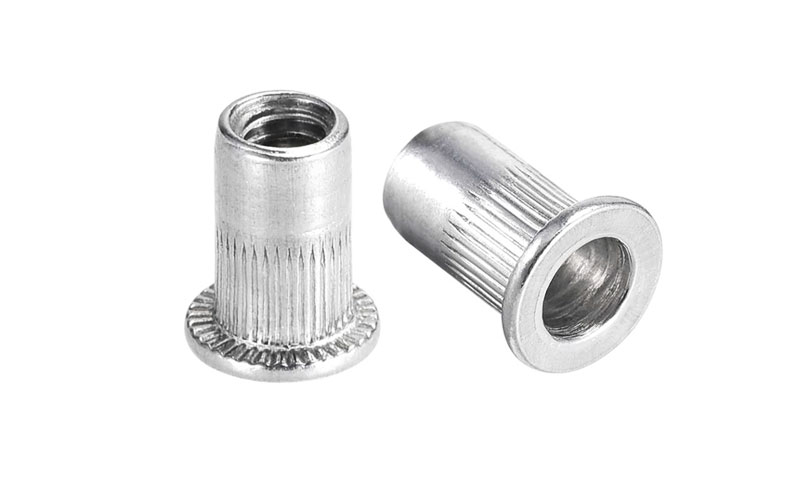
Why Nickel Rarely Rusts?
1. Introduction Nickel “rarely rusts” because it tends to form a thin, adherent, and slow-growing oxide/hydroxide surface layer that is […]
Why Nickel Rarely Rusts? Read More »
1. Introduction Nickel “rarely rusts” because it tends to form a thin, adherent, and slow-growing oxide/hydroxide surface layer that is […]
Why Nickel Rarely Rusts? Read More »
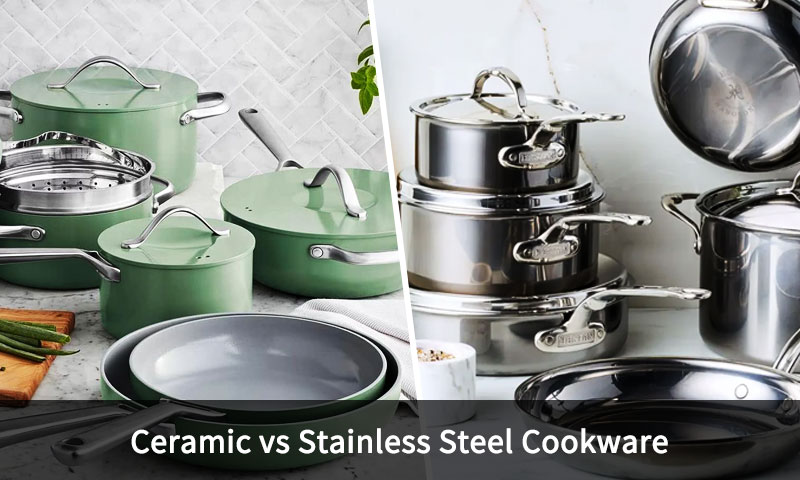
1. Introduction Cookware material is a core determinant of cooking efficiency, food safety, and culinary experience. When selecting cookware, the
Ceramic vs Stainless Steel Cookware: Which Is Better? Read More »
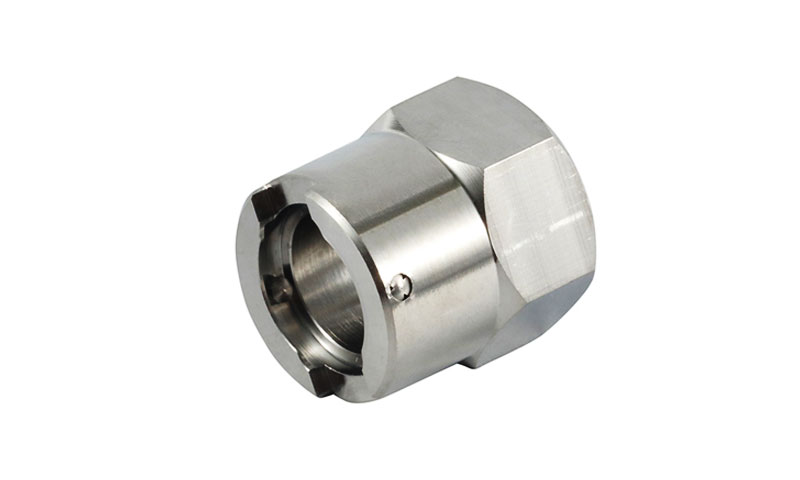
1. Executive summary 316Ti is an austenitic stainless steel based on the 300-series (316) chemistry with a deliberate addition of
316Ti Stainless Steel / UNS S31635 / EN 1.4571 Read More »
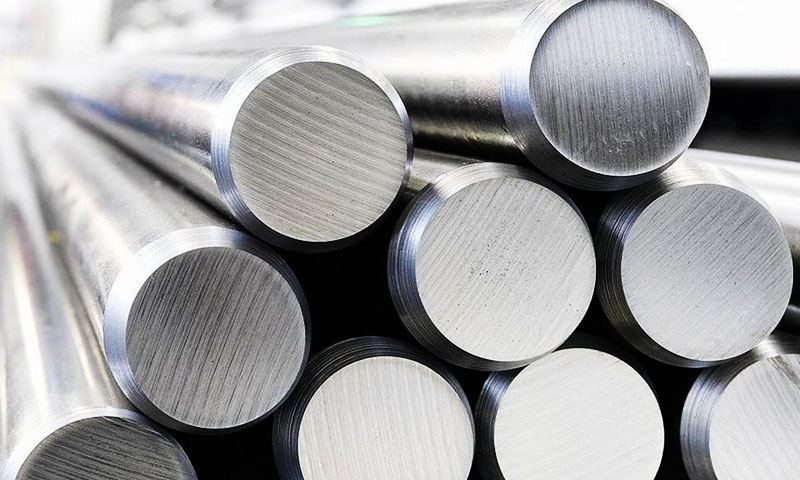
1. Executive summary “18-8 stainless steel” is the common name for a family of austenitic stainless steels characterized by roughly
18-8 Stainless Steel: Composition, Performance & Uses Read More »
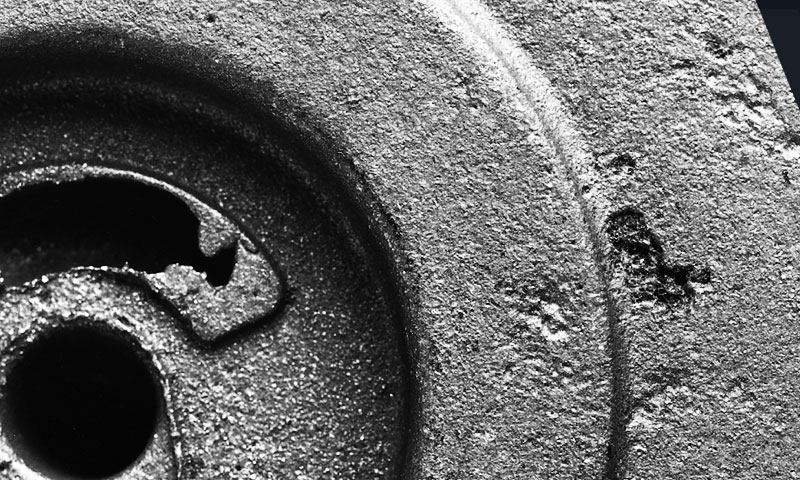
1. Introduction Precision (investment) casting is widely used for pump impellers, valve bodies, turbo components, medical implants and bespoke parts
Stainless Steel Precision Casting Defects: Causes and Solutions Read More »
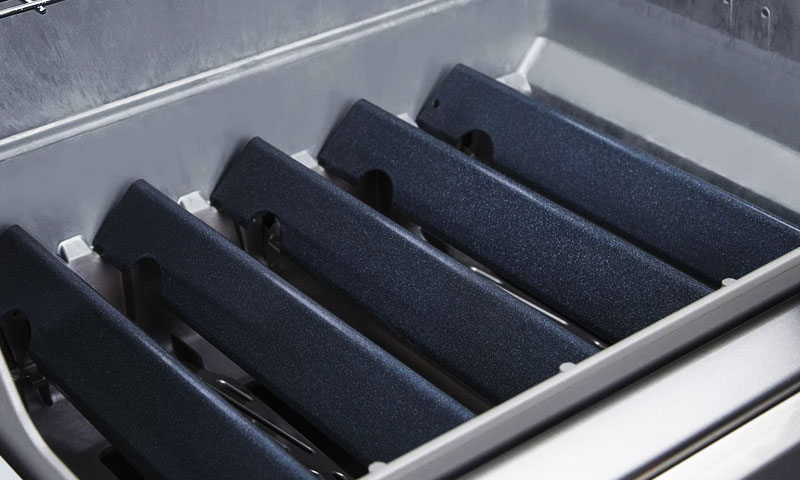
1. Core positioning & industrial value The 400 series stainless steel is the practical bridge between low-cost carbon steels and
400 Series Stainless Steel: Cost-Effective and High-Strength Read More »
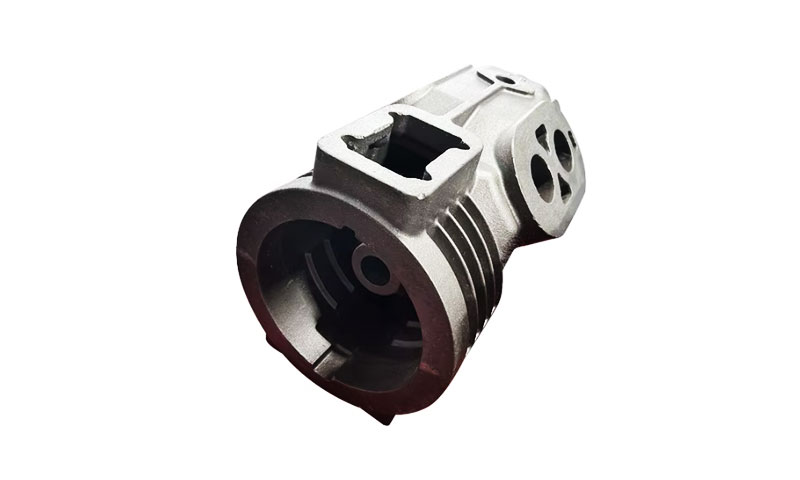
1. Executive summary CE3MN is the cast counterpart to wrought super-duplex alloys (e.g., UNS S32750): it combines very high chromium
CE3MN Cast Duplex Stainless Steel Read More »
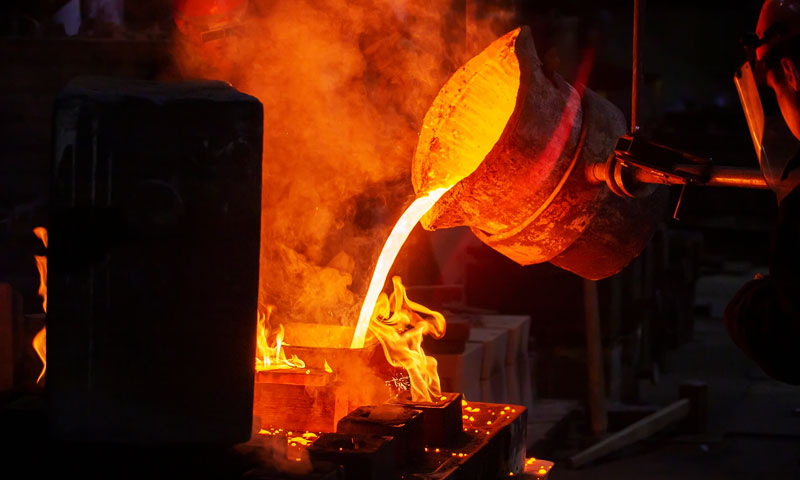
Introduction Casting, as one of the earliest mastered metal hot working processes for humans, boasts a history of approximately 6,000
Six Key Casting Methods: Comprehensive Comparison & Insights Read More »
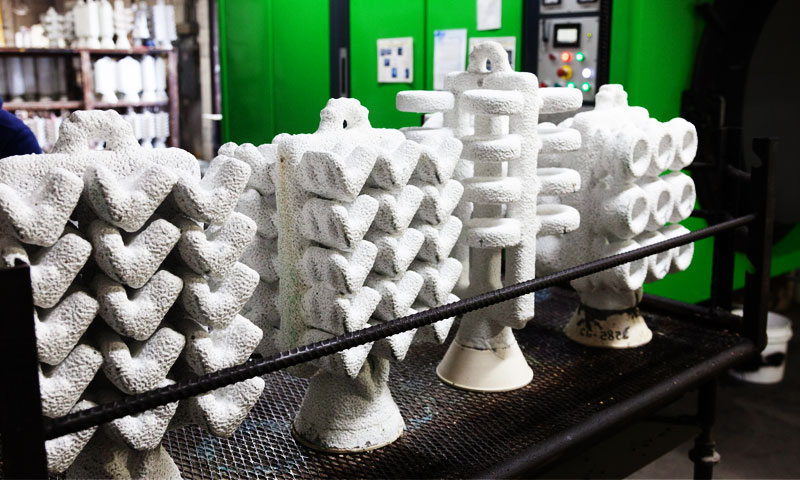
Shell manufacturing is a core step in stainless steel precision casting (investment casting), directly determining dimensional accuracy, surface quality, and
How to Manufacture Shells for Stainless Steel Precision Castings? Read More »

In applications where visual refinement must coexist with manufacturing precision—such as engraved nameplates, architectural embellishments, decorative hardware, and precision instrument
CZ120/CW608N Engraved Brass – High-Machinability Brass Read More »

A fundamental question in materials science and industrial applications is: Is stainless steel ferrous? The answer hinges on the definition
Is Stainless Steel Ferrous? Read More »
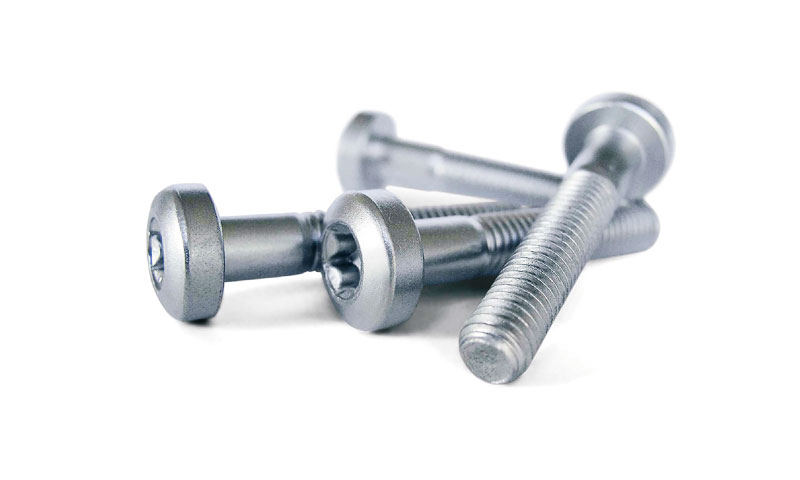
1. Introduction Dacromet coating, a proprietary zinc-aluminum flake-based corrosion protection system, was first developed by the American company Diamond Shamrock
What Is Dacromet Coating? Read More »
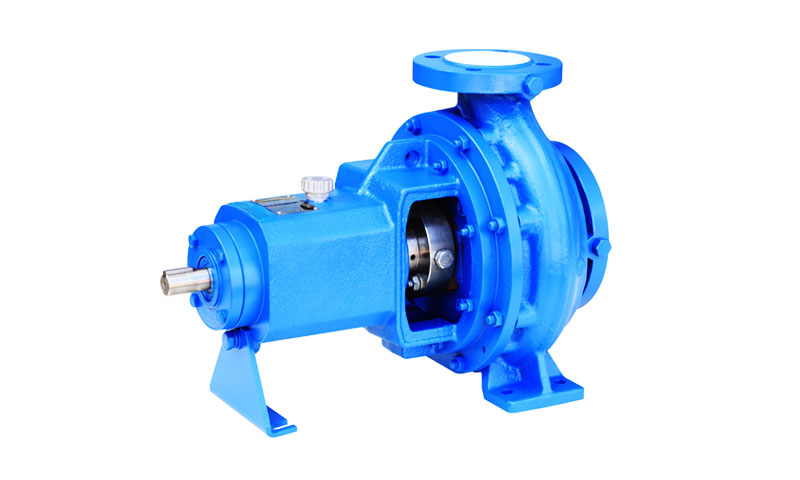
1. Introduction Centrifugal pumps represent the dominant category of fluid transportation equipment in industrial systems, accounting for the majority of
Optimization of Casting for Large Stainless Steel Pump Casings Read More »
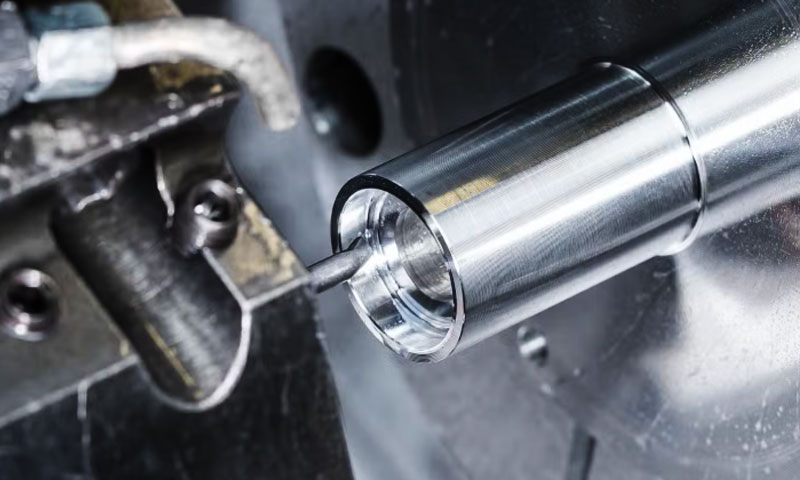
1. Introduction Thin-walled components appear across aerospace, medical, automotive, electronics and consumer products. Their low mass and high functional value
Machining Thin-Walled Parts: Challenges and Solutions Read More »
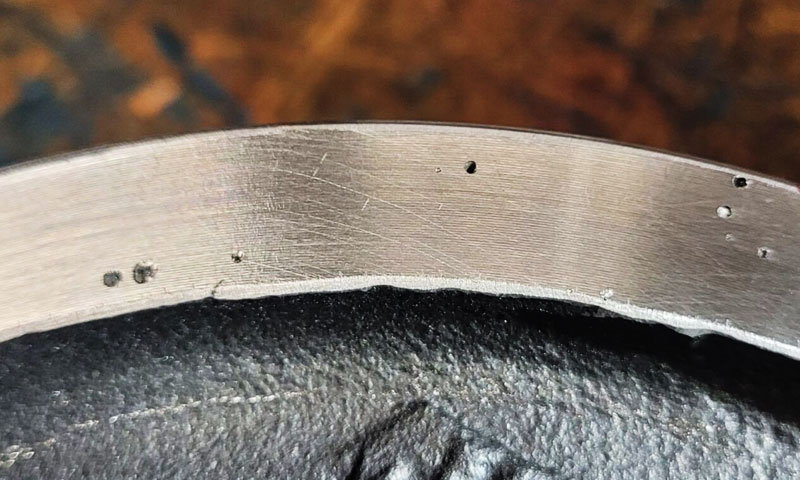
Shrinkage porosity (internal «shrink» cavities, centerline porosity and micro-shrinkage) is one of the most frequent and consequential defects in precision
Solving Shrinkage Porosity in Stainless Steel Investment Casting Read More »
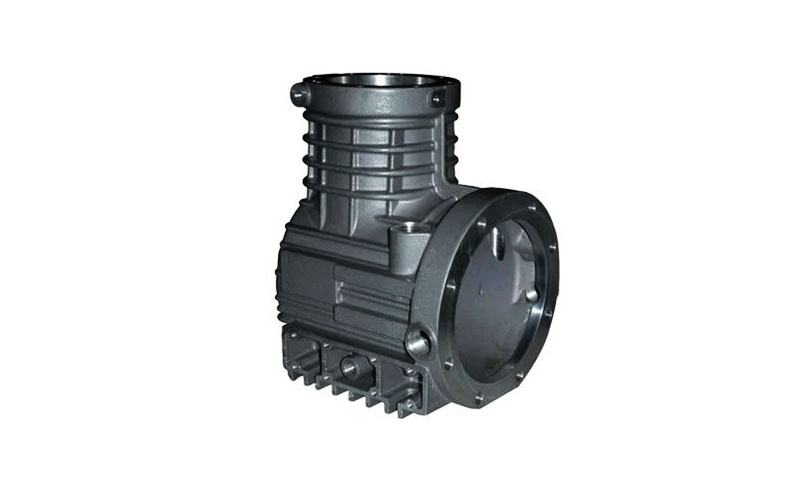
Stainless steel castings made in metal (permanent) molds or precision investment molds present a unique set of opportunities and risks.
Three Critical Considerations for Stainless Steel Cast Structures Read More »
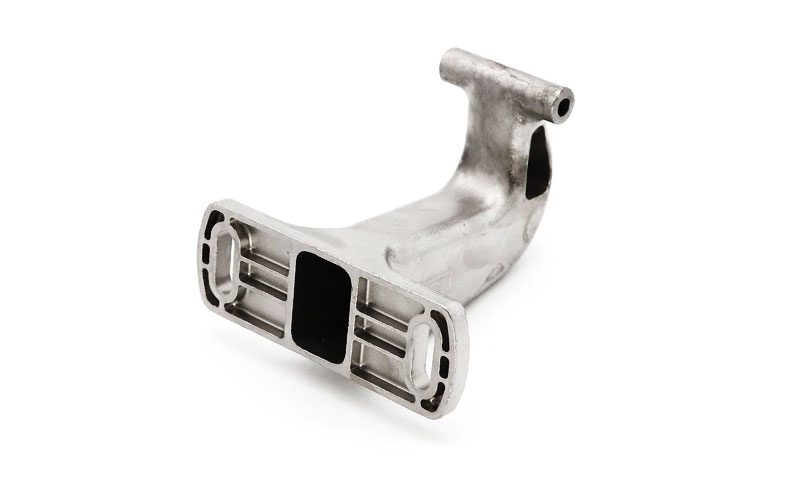
1. Introduction Cast stainless steel combines intrinsic corrosion resistance with the geometric freedom of casting. The result is components that
Advantages of Cast Stainless Steel: Deep Dive into Value Read More »
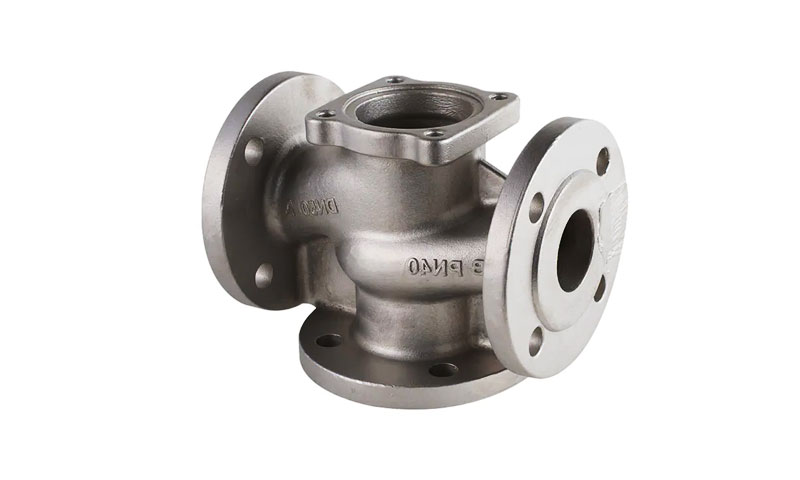
1. Introduction Cast stainless steels combine corrosion resistance, good mechanical strength and castability for complex shapes. They are used where
Properties of Cast Stainless Steel Read More »