
Platinum is one of the world’s most valuable and technically important precious metals. Best known for its use in fine jewelry, platinum has a much broader industrial role.
Its exceptional corrosion resistance, high-temperature stability, catalytic activity, electrical properties, and biocompatibility make it suitable for applications ranging from automotive emissions control and petroleum refining to medical devices, electronics, glass manufacturing, and hydrogen technologies.
1. What Is Platinum?
Platinum is a naturally occurring chemical element with the symbol Pt and atomic number 78, belonging to the platinum-group metals (PGMs).
It is a dense, silvery-white precious metal that combines exceptional corrosion resistance with high-temperature stability, catalytic activity, and strong resistance to oxidation.
These characteristics make platinum fundamentally different from precious metals used primarily for decorative or investment purposes.

Although platinum is often associated with jewelry, a significant proportion of its importance comes from industrial applications.
It is used in automotive catalytic systems, chemical processing, petroleum refining, electronics, precision sensors, medical devices, glass manufacturing, and hydrogen-related technologies.
In many of these applications, platinum is not used as a bulk structural metal. Instead, it is incorporated in small quantities as a catalyst, electrode, sensor element, alloying constituent, or specialized functional material.
2. Physical Properties and Chemical Characteristics of Platinum
The wide range of platinum applications can be traced directly to its combination of physical, chemical, thermal, electrical, and catalytic properties.
| Property | Typical Value / Characteristic |
| Chemical symbol | Pt |
| Atomic number | 78 |
| Atomic weight | 195.084 |
| Density at 20 °C | Approximately 21.45 g/cm³ (21,450 kg/m³) |
| Melting point | Approximately 1,768.3°C (3,214.9°F) |
| Boiling point | Approximately 3,825°C (6,917°F) |
| Crystal structure | Face-centered cubic (FCC) |
| Appearance | Silvery-white, lustrous metal |
| Mohs hardness | Approximately 3.5–4 |
| Electrical resistivity at 20 °C | Approximately 105 nΩ·m |
| Thermal conductivity at 20 °C | Approximately 72 W/(m·K) |
| Corrosion resistance | Excellent |
| Oxidation resistance | Excellent under most ordinary conditions |
| Ductility | High |
| Malleability | High |
| Magnetic behavior | Weakly paramagnetic |
| Classification | Precious and noble metal |
3. Why Is Platinum So Widely Used?
Platinum is widely used because it combines several properties that are rarely found together in a single metal.
Exceptional Catalytic Performance
Platinum is one of the most important catalytic metals used in modern industry.
Its surface can facilitate reactions by providing active sites that lower the effective energy barrier for specific reaction pathways, while the platinum itself is not consumed in the overall reaction in the same way as a reactant.
This makes platinum particularly valuable when a process requires high catalytic efficiency, thermal stability, and resistance to chemical degradation.
Its catalytic properties underpin applications in automotive emissions control, petroleum refining, chemical manufacturing, hydrogen technologies, and fuel cells.
Outstanding Corrosion and Chemical Resistance
Platinum exhibits excellent resistance to oxidation, tarnishing, and corrosion under a wide range of chemical and environmental conditions.
It remains comparatively stable in air and is resistant to many acids and aggressive media, although it is not completely inert; for example, platinum can be dissolved by aqua regia, a concentrated mixture of hydrochloric and nitric acids.
This chemical stability makes platinum particularly useful in chemical-processing equipment, laboratory crucibles, electrodes, medical components, and high-temperature industrial applications.
Where contamination or material degradation could compromise product quality or process reliability, platinum’s resistance to chemical attack can justify its substantially higher cost.
High Melting Point and Thermal Stability
Platinum has a melting point of approximately 1,768°C and a boiling point of approximately 3,825°C, giving it excellent temperature capability.
More importantly, its useful chemical stability at elevated temperatures allows platinum and platinum-based alloys to operate in environments where many conventional materials would oxidize, react with the process medium, or deteriorate.
This combination is particularly valuable in glass manufacturing, high-temperature catalyst systems, laboratory equipment, thermocouples, and specialized industrial furnaces.
Platinum-rhodium alloys, for example, are widely used where both high-temperature stability and mechanical performance are required.
Stable Electrical and Electrochemical Performance
Platinum is not the most electrically conductive metal—copper and silver, for example, offer substantially higher conductivity—but platinum provides a different advantage: electrical and electrochemical stability in demanding environments.
Its resistance to corrosion and oxidation allows platinum electrodes, sensors, and specialized electrical components to maintain reliable performance over extended periods.
Platinum is therefore used in electrochemical sensors, resistance temperature detectors, laboratory electrodes, fuel-cell catalysts, and selected electronic components.
Its predictable resistance-temperature relationship is particularly important for precision temperature measurement, while its electrochemical stability makes it valuable wherever an electrode must remain functional without rapidly degrading.
Biocompatibility and Medical Reliability
Platinum and selected platinum alloys have established roles in medical technology because of their corrosion resistance, electrochemical stability, and compatibility with appropriately engineered biological interfaces.
These characteristics are particularly important for components that may remain in contact with bodily fluids or tissue for extended periods.
Platinum is therefore used in implantable electrodes, pacemaker and neurostimulation components, medical sensors, and certain dental applications.
In addition, platinum has an important pharmaceutical role in the form of platinum-containing compounds such as cisplatin, although these compounds should not be confused with metallic platinum.
High Density and Distinctive Material Characteristics
With a density of approximately 21.45 g/cm³, platinum is one of the densest commercially important metals.
Its high density gives platinum jewelry and precision components a distinctive weight and contributes to its perceived material quality.
Combined with its silvery-white appearance, durability, and resistance to tarnishing, this characteristic has made platinum particularly desirable for fine jewelry, luxury watches, and other premium products.
In industrial applications, however, its high density can also be a design consideration, meaning platinum is generally reserved for situations where its functional properties outweigh its weight and material cost.
Rarity, Recyclability, and High Functional Value
Platinum is exceptionally rare, and its supply is concentrated in a relatively small number of geological regions.
This scarcity contributes to its value, but rarity alone does not explain its industrial importance.
The stronger reason is that platinum provides high functional value per unit of material in applications such as catalysts, electrodes, sensors, and specialized alloys.
Its recyclability further enhances its industrial significance. Platinum can be recovered from spent automotive catalysts, industrial catalysts, jewelry, and other products, allowing valuable metal to re-enter the supply chain. This is particularly important for a scarce and high-value material.
4. What Is Platinum Used For?
Platinum is used across a wide range of industries because it combines exceptional corrosion resistance, catalytic activity, high-temperature stability, electrical and electrochemical performance, and biocompatibility.
Unlike metals that are primarily selected for their structural strength or low cost, platinum is often chosen because it can perform specialized functions under demanding chemical, thermal, electrical, or biological conditions.

Automotive Catalytic Converters
Automotive emissions control is one of the most important industrial applications of platinum.
Platinum acts as a catalytic material that promotes the conversion of harmful exhaust components into less harmful substances.
It is commonly used for:
- Diesel oxidation catalysts
- Gasoline exhaust-treatment systems
- Oxidation of carbon monoxide
- Oxidation of unburned hydrocarbons
- Emissions-control catalyst formulations
- Heavy-duty vehicle exhaust systems
Chemical Manufacturing
Platinum is widely used as a catalyst in chemical production because it can accelerate important reactions while maintaining good stability at elevated temperatures.
One of its established applications is nitric acid production, where platinum-rhodium gauze catalysts are exposed to hot, reactive gases.
Platinum is commonly used for:
- Nitric acid production
- Chemical synthesis catalysts
- Silicone production
- Specialty chemical processing
- Catalyst gauzes
- High-temperature catalytic equipment
Petroleum Refining
Platinum plays an important role in petroleum refining, particularly in catalytic reforming.
In these processes, platinum-containing catalysts help transform hydrocarbon molecules into products with desirable characteristics, including higher-octane components and aromatic compounds.
Platinum is commonly used for:
- Catalytic reforming catalysts
- Production of high-octane gasoline components
- Aromatics production
- Hydrocarbon conversion
- Refinery catalyst systems
- Supported catalyst materials
Jewelry
Jewelry is perhaps the most familiar consumer application of platinum. Its naturally white, lustrous appearance and resistance to tarnishing make it particularly attractive for premium jewelry.
Its high density and durability also provide a distinctive weight and substantial feel.
Platinum is commonly used for:
- Engagement and wedding rings
- Earrings and necklaces
- Bracelets
- Luxury watches
- Gemstone settings
- High-end decorative objects
Electronics and Sensors
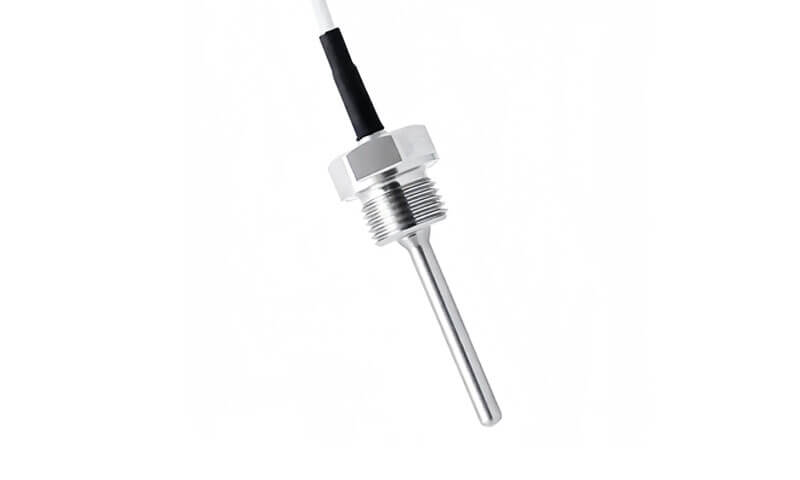
Platinum is used in specialized electronic and sensing applications where chemical stability, predictable electrical behavior, and resistance to high-temperature degradation are more important than achieving the lowest material cost.
Platinum is commonly used for:
- Resistance temperature detectors (RTDs)
- Electrodes
- Specialized electrical contacts
- Electrochemical sensors
- Thin-film components
- Laboratory and analytical instruments
Medical Devices
Platinum is used in medical and biomedical applications because of its corrosion resistance, electrochemical stability, and suitability for certain implantable and diagnostic components.
Its ability to remain stable in demanding biological environments makes it valuable for applications requiring long-term reliability.
Platinum is commonly used for:
- Pacemaker electrodes
- Implantable electrical electrodes
- Neurostimulation components
- Medical sensors
- Dental applications
- Specialized biomedical devices
Pharmaceutical Applications
Platinum also has an important role in pharmaceuticals, although this application is fundamentally different from the use of metallic platinum.
Certain platinum-containing compounds have specific chemical properties that allow them to interact with biological molecules and are used in anticancer treatments.
Platinum compounds are commonly used for:
- Cisplatin-based chemotherapy
- Carboplatin-based chemotherapy
- Oxaliplatin-based chemotherapy
- Platinum-containing pharmaceutical research
- Development of metal-based therapeutic compounds
Glass Manufacturing
Platinum and platinum alloys are used in specialized glass manufacturing equipment because they can withstand high temperatures while resisting chemical attack and minimizing contamination of molten glass.
Platinum is commonly used for:
- Glass-forming equipment
- Bushings for glass fiber production
- Crucibles
- High-temperature vessels
- Specialty glass processing components
- Display and optical glass manufacturing equipment
Hydrogen and Fuel-Cell Technologies
Platinum is an important electrocatalyst in proton exchange membrane fuel cells (PEMFCs), where it facilitates the electrochemical reactions required to convert hydrogen and oxygen into electricity.
Its high catalytic activity and electrochemical stability make it difficult to replace completely in some demanding fuel-cell environments.
Platinum is commonly used for:
- PEM fuel-cell catalysts
- Hydrogen oxidation electrodes
- Oxygen reduction catalysts
- Electrochemical catalyst layers
- Hydrogen-energy research
- Certain electrolyzer technologies
Laboratory Equipment
Platinum is widely valued in laboratories where chemical inertness and high-temperature performance are required.
Laboratory components made from platinum can withstand conditions that would rapidly damage many conventional metals.
Platinum is commonly used for:
- Crucibles
- Evaporation dishes
- Electrodes
- High-temperature laboratory vessels
- Specialized chemical containers
- Analytical equipment
Aerospace and High-Temperature Applications
Platinum is also used in selected aerospace, instrumentation, and high-temperature applications where conventional materials cannot provide the required combination of thermal stability, corrosion resistance, and functional reliability.
Platinum is commonly used for:
- High-temperature sensors
- Precision thermocouples
- Specialized coatings
- Aerospace instrumentation
- High-temperature laboratory components
- Advanced material systems
Investment and Precious-Metal Products
In addition to industrial applications, platinum is traded as a precious metal and held as an investment asset.
Its rarity, distinctive physical properties, and established industrial demand contribute to its value in the precious-metals market.
Platinum is commonly used for:
- Investment bars
- Platinum coins
- Bullion products
- Collectible precious-metal products
- Institutional precious-metal holdings
5. Conclusion
So, what is platinum used for? Platinum is used wherever an unusual combination of catalytic activity, corrosion resistance, high-temperature stability, electrochemical performance, and biocompatibility provides a meaningful technical advantage.
Its most important applications extend far beyond jewelry. Platinum is a critical catalyst in automotive emissions-control systems, chemical manufacturing, and petroleum refining.
It is used in precision temperature sensors, specialized electronics, medical electrodes, laboratory equipment, and high-temperature glass manufacturing.
At the same time, platinum is increasingly relevant to fuel cells and other hydrogen technologies.
Its high price means that engineers generally use platinum efficiently—often as a catalyst, alloy, coating, electrode, sensor element, or localized functional material rather than as a conventional bulk structural metal.
Advances in catalyst design, material efficiency, recycling, and hydrogen technologies will continue to influence how platinum is used in the future.
FAQs
Why is platinum used in catalytic converters?
Platinum has strong catalytic activity and can promote oxidation reactions under the high-temperature conditions found in vehicle exhaust systems.
It helps convert certain harmful exhaust components into less harmful substances.
Why is platinum used in jewelry?
Platinum is naturally silvery-white, dense, durable, and highly resistant to corrosion and tarnishing.
These characteristics make it well suited to premium jewelry, particularly rings and other products designed for long-term wear.
Is platinum used in electric vehicles?
Yes, but its role differs from that in conventional internal-combustion vehicles.
Battery-electric vehicles do not require conventional exhaust catalytic converters, but platinum can still have applications in fuel-cell electric vehicles and other hydrogen-related technologies.
Is platinum used in medicine?
Yes. Platinum metal and platinum-based materials are used in specialized medical devices, electrodes, implants, and other components.
In addition, platinum-containing compounds such as cisplatin are important pharmaceutical agents used in cancer treatment.
Why is platinum suitable for high-temperature applications?
Platinum has a melting point of approximately 1,768 °C and maintains useful chemical stability at elevated temperatures.
This makes it valuable for specialized high-temperature equipment, catalyst systems, sensors, and glass-manufacturing components.
Is platinum a good electrical conductor?
Platinum conducts electricity, but its electrical conductivity is considerably lower than that of copper or silver.
It is nevertheless valuable in specialized electrical and electrochemical applications because its stability and corrosion resistance can be more important than maximum conductivity.

