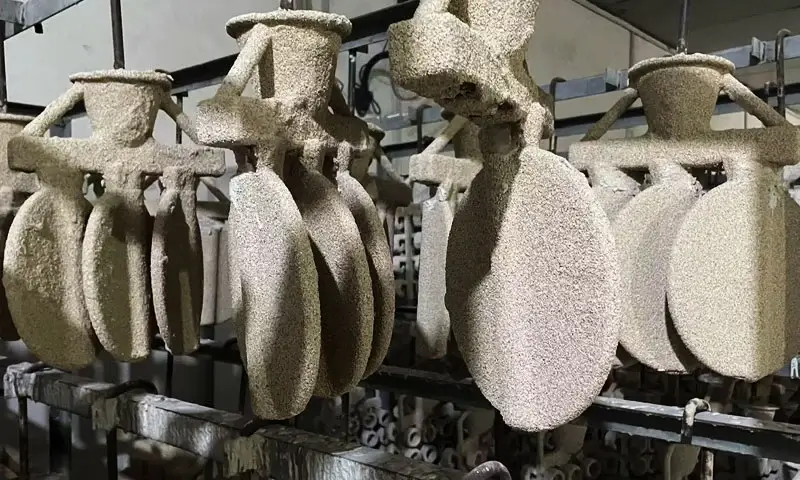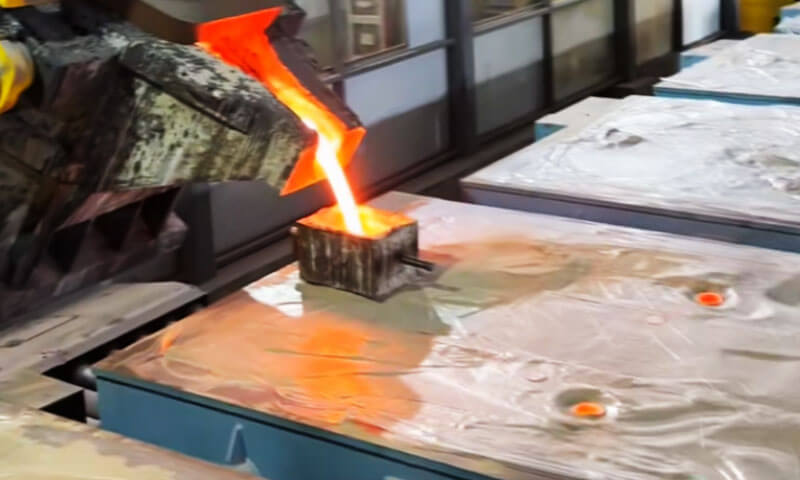
Biex tindirizza dawn il-limitazzjonijiet, Tidwib tal-Proċess V, magħrufa wkoll bħala Ikkastjar tal-iffurmar bil-vakwu jew Molding Issiġillat bil-vakwu (V-Proċess), ħarġet bħala teknoloġija avvanzata tal-iffurmar li tgħaqqad il-flessibilità tal-ikkastjar tar-ramel ma 'kwalità mtejba tal-ikkastjar u prestazzjoni ambjentali.
B'differenza mill-iffurmar tar-ramel konvenzjonali, il-V-Process tiddependi fuq pressjoni tal-vakwu aktar milli binders kimiċi jew umdità biex tinżamm is-saħħa tal-moffa.
Nixxef, ramel tas-silika mhux magħqud jinżamm fil-post permezz ta 'pressjoni atmosferika li taġixxi fuq forom miksija b'rita tal-plastik, ħolqien ta 'sistema ta' molding stabbli ħafna mingħajr il-ħtieġa ta 'legaturi tar-reżina jew tafal.
Oriġinarjament żviluppat fil-Ġappun fil-bidu tas-snin sebgħin, Ikkastjar V-Process kiseb aċċettazzjoni mifruxa fl-industriji li jeħtieġu kbar, kumpless, u kkastjar ta 'kwalità għolja,
inkluża l-manifattura tal-karozzi, tagħmir tal-minjieri, makkinarju agrikolu, pompi, valvi, komponenti ferrovjarji, u makkinarju industrijali tqil.
Il-proċess huwa vvalutat speċjalment għall-produzzjoni ta 'kkastjar b'uċuħ nodfa, rati baxxi ta' difetti, riċiklabbiltà eċċellenti tar-ramel, u rekwiżiti mnaqqsa ta' wara l-ipproċessar.
1. X'inhu V-Process Casting?
Tidwib tal-Proċess V, jew Ikkastjar tal-iffurmar bil-vakwu, huwa a proċess ta 'ikkastjar tar-ramel mingħajr binder li fiha l-pressjoni tal-vakwu tintuża biex toħloq u żżomm ir-riġidità tal-moffa matul it-tferrigħ u s-solidifikazzjoni tal-metall.
Minflok tiddependi fuq it-tafal, legaturi kimiċi, jew umdità biex iżżomm ir-ramel tal-iffurmar flimkien, il-proċess juża films tal-plastik u ġbid bil-vakwu biex tistabbilizza ramel tas-silika niexef madwar il-mudell.
Il-proċess jibda billi ssaħħan film termoplastiku rqiq u jifformah sewwa fuq disinn tal-metall billi juża pressjoni tal-vakwu.
Nixxef, ramel mhux imwaħħal imbagħad jitferra fil-garafina tal-iffurmar u kkumpattat permezz tal-vibrazzjoni.
It-tieni film tal-plastik jiġi applikat fuq il-wiċċ tar-ramel, u l-vakwu jinżamm fil-moffa.
Pressjoni atmosferika tikkompressa r-ramel niexef f'forma riġida li kapaċi tiflaħ metall imdewweb waqt it-tferrigħ.
Ladarba l-ikkastjar ikun solidifikat, il-vakwu jiġi rilaxxat, li tikkawża li l-moffa tiġġarraf b'mod naturali.
Ir-ramel maħlul jista 'mbagħad jiġi rkuprat u użat mill-ġdid bi proċessar minimu, ittejjeb b'mod sinifikanti l-użu tal-materjal u tnaqqas l-iskart.
B'differenza mill-ikkastjar ta 'investiment, li tissagrifika mudelli tax-xama, jew ikkastjar tar-raża tar-raża, li jikkonsma sustanzi li jgħaqqdu kimiċi,
Ikkastjar V-Process jipproduċi forom li huma nadif, jistgħu jerġgħu jintużaw, u ambjentalment sostenibbli, jagħmilha partikolarment attraenti għal inizjattivi moderni ta' manifattura ekoloġika.

Karatteristiċi ewlenin
| Karatteristiku | Deskrizzjoni |
| Ramel mingħajr binder | Użi niexef, ramel tas-silika mingħajr addittivi, ilma, jew binders kimiċi. |
| Żamma tal-vakwu | Pressjoni tal-vakwu (tipikament 50-100 kPa) iżżomm il-partiċelli tar-ramel flimkien. |
| Film tal-plastik irqiq | Film tal-plastik imrattab bis-sħana (0.05-0.2 mm) huwa draped fuq il-mudell biex toħloq wiċċ lixx tal-moffa. |
| Ramel li jista’ jerġa’ jintuża | Ramel huwa kważi 100% riċiklabbli għax ma fih l-ebda binders. |
Finitura eċċellenti tal-wiċċ |
Finituri tal-wiċċ kif fondut ta 'Ra 6.3-12.5 µm jistgħu jintlaħqu. |
| Preċiżjoni dimensjonali għolja | Tolleranzi ta '±0.2-0.5 mm kull 25 mm huma possibbli. |
| Favur l-ambjent | Ebda binders, duħħan, jew emissjonijiet tossiċi. |
| Jeħtieġ tagħmir speċjalizzat | Jeħtieġ sistemi tal-vakwu, film tal-plastik, u tagħmir għall-immaniġġjar tal-garafina. |
2. Prinċipju ta 'Ħidma ta' Casting V-Process
Il-V-Process jiddependi fuq prinċipju fiżiku sempliċi iżda eleganti: ramel niexef iġib ruħu bħal solidu meta kkompressat bil-vakwu.
Il-Fiżika Wara l-iffurmar bil-vakwu
| Prinċipju | Spjegazzjoni |
| Frizzjoni bejn il-ħbub tar-ramel | Meta l-pressjoni atmosferika tikkompatta ramel niexef, il-frizzjoni intergranulari tiżdied, toħloq massa riġida. |
| Differenzjali tal-vakwu | Vakwu (tipikament -50 to -100 kPa) jiġi applikat taħt ir-ramel, li tikkawża pressjoni atmosferika biex tagħfas il-partiċelli tar-ramel flimkien. |
| Issiġillar tal-film tal-plastik | Film tal-plastik irqiq, imrattab bis-sħana, huwa miġbud kontra l-mudell mill-vakwu, toħloq bla xkiel, wiċċ moffa preċiża. |
| Densità uniformi | Il-vakwu jiżgura kompattazzjoni uniformi tar-ramel, jeliminaw il-varjazzjonijiet tad-densità komuni fl-iffurmar tar-ramel aħdar. |
Ir-rwol tal-Film tal-plastik
Il-film tal-plastik (normalment polyethylene, EVA, jew PVC) jaqdi funzjonijiet kritiċi multipli:
- Joħloq bla xkiel, kavità tal-moffa preċiża—il-film jikkonforma mal-wiċċ tal-mudell.
- Jipprevjeni reazzjonijiet tal-metall-ramel—jaġixxi bħala barriera bejn il-metall imdewweb u r-ramel.
- Iżomm l-integrità tal-vakwu—il-film jissiġilla l-moffa, li jippermetti li jinżamm vakwu.
- Ittejjeb il-finitura tal-wiċċ—il-wiċċ tal-film lixx jiġi trasferit għall-ikkastjar.
3. Tlesti V-Process Casting Proċess ta 'Manifattura
Is-suċċess tal-ikkastjar V-Process jiddependi fuq a sekwenza tal-manifattura kkontrollata b'mod preċiż, fejn kull stadju—mill-iffurmar tal-film tal-plastik sa rilaxx tal-vakwu—jinfluwenza direttament l-integrità tal-moffa, eżattezza dimensjonali, finitura tal-wiċċ, u l-ikkastjar fis-sod.
Ċiklu standard ta 'ikkastjar V-Process jikkonsisti fis-seba' stadji li ġejjin.
3.1 Preparazzjoni tal-mudell u Tisħin tal-Film Termoplastiku
Il-proċess jibda bil-preparazzjoni ta' a mudell ta 'preċiżjoni li jista' jerġa 'jintuża, tipikament manifatturat mill-aluminju, ħadid fondut, reżina epossidika, jew injam ta 'densità għolja, skond il-volum tal-produzzjoni u r-rekwiżiti dimensjonali.
Biex tiffaċilita l-iffurmar tal-vakwu, il-mudell jinkorpora bosta toqob tal-vent mikro vakwu, li tippermetti li l-arja tiġi estratta b'mod uniformi taħt il-film termoplastiku.

A irqiq EVA (Ethylene-Vinyl Acetate) jew film termoplastiku tal-polyethylene, ġeneralment 0.08–0.15 mm oħxon, jissaħħan għal bejn wieħed u ieħor 80–120°C sakemm issir ratba u elastika ħafna.
It-tisħin xieraq tal-film huwa wieħed mill-aktar kontrolli tal-proċess kritiċi:
- Film imsaħħan biżżejjed nieqes mill-flessibbiltà u ma jistax jikkonforma bis-sħiħ mad-dettalji tal-mudell kumplessi, li jirriżulta f'riproduzzjoni ħażina tal-wiċċ.
- Film imsaħħan iżżejjed isir irqiq żżejjed u jista' jitqatta' jew tikmix f'sezzjonijiet li jġibu fil-fond, tikkomprometti l-integrità tal-moffa.
Linji ta 'produzzjoni moderni tipikament jimpjegaw sistemi awtomatiċi ta' tisħin bl-infra-aħmar jew bl-elettriku b'kontroll tat-temperatura b'ċirku magħluq biex jiżguraw kwalità konsistenti tal-film.
3.2 Vacuum Film Forming u Applikazzjoni ta 'Kisi Refrattarju
Ladarba l-film jilħaq it-temperatura mixtieqa li jiffurmaw, huwa pożizzjonat fuq il-mudell, u l-vakwu jiġi applikat mit-toqob tal-vent tal-mudell.
Il-pressjoni atmosferika ġġiegħel il-film imrattab sewwa kontra kull kontorn, jirriproduċi b'mod preċiż anke nisġa tal-wiċċ fini u ġeometriji kumplessi.
Dan il-proċess li jifforma vakwu jipprovdi bosta vantaġġi importanti:
- Replikazzjoni preċiża tal-ġeometrija tal-mudell
- Wiċċ lixx tal-kavità tal-moffa
- Ilbes tal-mudell imnaqqas
- Tneħħija faċli tal-mudell wara l-iffurmar
Għal kkastjar prodott minn azzar tal-karbonju, azzar liga, Azzar li ma jissaddadx, jew ligi oħra ta 'temperatura għolja, irqiq kisi refrattorju (tipikament 0.3–0.5 mm oħxon) huwa spiss sprejjat jew brushed fuq il-film tal-plastik iffurmat.
Il-kisja refrattorja twettaq funzjonijiet multipli:
- Ittejjeb ir-reżistenza għall-erożjoni tal-metall imdewweb
- Jipprevjeni l-penetrazzjoni tal-metall fir-ramel
- Inaqqas id-difetti tal-ħruq
- Ittejjeb il-finitura tal-wiċċ tal-ikkastjar
- Ittejjeb l-insulazzjoni termali u l-istabbiltà tal-moffa
Il-kisja mbagħad titnixxef qabel il-proċess tal-iffurmar jipproċedi għall-istadju li jmiss.
3.3 Mili tar-ramel niexef u kompattazzjoni tal-vibrazzjoni
Wara li l-film ikun ġie ffurmat, flixkun tal-iffurmar iddisinjat apposta huwa pożizzjonat fuq il-mudell.
Il-flask huwa mimli bih nadif, nixxef, ramel tas-silika mingħajr binder, tipikament b'an Finezza tal-qamħ AFS ta '50-100, magħżula skont id-daqs tal-ikkastjar, tip ta 'liga, u finitura tal-wiċċ meħtieġa.
B'differenza ramel aħdar jew molding tar-ramel tar-reżina, ebda umdità, tafal, jew binders kimiċi huma miżjuda.
Minflok, partiċelli tar-ramel huma kompatti biss permezz vibrazzjoni mekkanika kkontrollata.
Parametri ta 'vibrazzjoni tipiċi jinkludu:
| Parametru | Valur tipiku |
| Tip tar-ramel | Ramel tas-silika niexef |
| Finezza tal-qamħ | AFS 50–100 |
| Frekwenza tal-Vibrazzjoni | 30–50 Hz |
| Densità tal-Kompattazzjoni Relattiva | 85–90% |
Vibrazzjoni xierqa hija essenzjali għall-produzzjoni ta 'moffa uniformi:
- Vibrazzjoni insuffiċjenti jirriżulta f'densità baxxa tar-ramel, saħħa fqira tal-moffa, u deformazzjoni tal-kavità.
- Vibrazzjoni eċċessiva jista 'jikkawża segregazzjoni tal-partikuli, tnaqqas il-permeabilità u l-istabbiltà dimensjonali.
Il-kompattazzjoni uniformi tar-ramel ittejjeb ukoll id-distribuzzjoni tal-vakwu fil-moffa kollha, tikkontribwixxi għal ebusija konsistenti u preċiżjoni aħjar tal-ikkastjar.
3.4 Issiġillar tal-Film ta 'Lura u Stabbilizzazzjoni tal-Vakwu
Ladarba l-garafina tal-iffurmar tkun mimlija kompletament, it-tieni film termoplastiku jitqiegħed fuq il-wiċċ ta 'fuq tar-ramel biex jinħoloq egħluq mitbuq.
Il-vakwu mbagħad jiġi applikat direttament mal-massa tar-ramel permezz tal-garafina, tipikament jilħaq –0.04 sa –0.08 MPa (300–600 mmHg).
Hekk kif l-arja tiġi evakwata, pressjoni atmosferika tikkompressa l-partiċelli tar-ramel maħlula flimkien, istantanjament tittrasforma r-ramel mhux imwaħħal f'riġidu, moffa li tappoġġja waħedha.
B'differenza mill-metodi ta 'molding konvenzjonali, is-saħħa tal-moffa hija ġġenerata kompletament minn pressjoni differenzjali aktar milli twaħħil kimiku.
Il-benefiċċji ta 'stabbilizzazzjoni tal-vakwu jinkludu:
- Ebusija uniformi tal-moffa
- Stabbiltà dimensjonali eċċellenti
- Deformazzjoni mnaqqsa tal-moffa waqt it-tferrigħ
- Moviment minimu tar-ramel
- Reżistenza għolja għall-pressjoni tal-metall imdewweb
Pressjoni tal-vakwu stabbli tinżamm matul l-assemblaġġ tal-moffa u t-tferrigħ tal-metall biex tiġi żgurata riġidità konsistenti tal-moffa.
3.5 Irtirar tal-mudell u Assemblea tal-Moffa
Wara li l-moffa tkun kisbet saħħa suffiċjenti, vakwu taħt il-mudell huwa rilaxxat filwaqt li l-vakwu fil-moffa tar-ramel jinżamm.
Il-mudell imbagħad jiġi rtirat vertikalment mill-kavità tal-moffa b'reżistenza minima.

Minħabba li l-film tal-plastik joħloq interface eċċezzjonalment bla xkiel bejn il-mudell u l-moffa, angoli tal-abbozz spiss jistgħu jitnaqqsu għal kważi żero, meta mqabbla mal- 1.5°–3° abbozz tipikament meħtieġa għal forom tar-ramel magħqudin konvenzjonali.
Din il-kapaċità tippermetti:
- Libertà akbar tad-disinn
- Preċiżjoni dimensjonali mtejba
- Kantunieri aktar qawwija
- Riproduzzjoni aħjar ta' ġeometriji kumplessi
- Konċessjoni mnaqqsa tal-magni
In-nofsijiet tal-moffa cope u drag huma prodotti separatament bl-użu tal-istess proċedura.
Jekk meħtieġ, ramel jew qlub tal-metall huma pożizzjonati b'mod preċiż qabel ma n-nofsijiet tal-moffa jiġu mmuntati.
Matul l-assemblaġġ, il-vakwu jibqa' attiv biex jippreserva r-riġidità tal-moffa sakemm jitlesta t-tferrigħ.
3.6 Tferrigħ Assistit bil-Vakwu u Solidifikazzjoni Kontrollata
Metall imdewweb jitferra fil-moffa filwaqt li s-sistema tal-vakwu tkompli żżomm l-istabbiltà tal-moffa.

Il-pressjoni negattiva kkontrollata toffri diversi vantaġġi metallurġiċi:
- Mili mtejba tal-moffa
- Taqlib imnaqqas
- Evakwazzjoni mtejba tal-gass
- Formazzjoni ta 'porożità aktar baxxa
- Mili aħjar ta 'sezzjonijiet tal-ħajt irqiq
- Kwalità tal-wiċċ imtejba
Il-pressjoni tal-vakwu hija tipikament aġġustata matul stadji differenti taċ-ċiklu tal-ikkastjar biex tottimizza s-saħħa tal-moffa u l-imġieba tas-solidifikazzjoni.
| Stadju Casting | Livell Tipiku tal-Vakwu |
| Tferrigħ tal-metall | –0.07 sa –0.08 MPa |
| Solidifikazzjoni Bikrija | –0.05 sa –0.06 MPa |
| Solidifikazzjoni Finali | –0.04 sa –0.05 MPa |
It-tnaqqis gradwali tal-vakwu waqt it-tkessiħ jgħin itaffi l-istress termali filwaqt li jżomm biżżejjed appoġġ għall-moffa matul is-solidifikazzjoni.
F'dan l-istadju, gating xieraq u disinn riser jibqgħu essenzjali biex jikkontrollaw il-fluss tal-metall imdewweb, jippromwovu solidifikazzjoni direzzjonali, u jipprevjenu difetti ta 'jinxtorob.
3.7 Rilaxx tal-vakwu, Shakeout, u Reklamazzjoni tar-Ramel
Wara li l-ikkastjar ikun kompletament solidifikat u mkessaħ għal temperatura ta 'immaniġġjar sikur, il-vakwu jinħeles mill-moffa.
Mingħajr pressjoni atmosferika tikkompressa l-partiċelli tar-ramel, il-moffa istantanjament titlef is-saħħa tagħha u tiġġarraf ġo ramel niexef li jiċċirkola ħieles.
Meta mqabbel mal-ikkastjar tar-ramel tradizzjonali, dan jipprovdi diversi vantaġġi operattivi:
- L-ebda tagħmir ta 'shakeout mekkaniku meħtieġ
- Ħsara mnaqqsa tal-ikkastjar
- Tneħħija aktar faċli tal-bieb u tar-riser
- Spejjeż aktar baxxi tat-tindif
- Ċiklu ta' produzzjoni iqsar
Ir-ramel reklamat huwa sussegwentement:
- Imkessaħ
- Skrinjat biex jitneħħew partiċelli kbar
- Imneħħi t-trab
- Riċiklat direttament lura fil-produzzjoni
Għax ir-ramel fih l-ebda binders tafal jew kimiċi, il-proċess ta' reklamazzjoni huwa eċċezzjonalment effiċjenti, ma ' rati ta' użu mill-ġdid tipikament jaqbżu 98%, tagħmel V-Process casting waħda mit-teknoloġiji tal-iffurmar l-aktar sostenibbli disponibbli.
4. Materjali Adattati għal Casting V-Process
Wieħed mill-akbar saħħiet ta Casting V-Proċess hija l-adattabilità materjali eċċellenti tagħha.
Minħabba li l-proċess tal-iffurmar juża nixxef, ramel tas-silika mingħajr binder stabbilizzat bi pressjoni tal-vakwu aktar milli binders kimiċi, huwa kompatibbli ma 'firxa wiesgħa ta' ligi tal-ħadid u mhux tal-ħadid.
Metalli tal-ħadid
| Materjal | Gradi tipiċi | Kastabbiltà | Applikazzjonijiet |
| Ħadid griż | Klassi ASTM A48 20-60 | Eċċellenti | Blokki tal-magna, tnabar tal-brejk, Bażijiet tal-magni, pajpijiet. |
| Ħadid duttili | ASTM A536 60-40-18, 80-55-06 | Eċċellenti | Crankshafts, gerijiet, vireg tal-konnessjoni, fittings tal-pajpijiet. |
| Azzar tal-karbonju | ASTM A27, A216 WCB | Tajjeb | Korpi tal-valvi, housings tal-pompa, partijiet strutturali. |
| Azzar liga | Aisi 4140, 4340 | Tajjeb | Gerijiet, Xaftijiet, komponenti heavy-duty. |
| Azzar li ma jissaddadx | 304, 316, 17-4PH | Tajjeb | Valvoli reżistenti għall-korrużjoni, pompi, tagħmir għall-ikel. |
Metalli mhux tal-ħadid
| Materjal | Gradi tipiċi | Kastabbiltà | Applikazzjonijiet |
| Ligi tal-aluminju | A356, A380, 356, 319 | Eċċellenti | Partijiet tal-karozzi, djar elettroniċi, komponenti aerospazjali. |
| Ligi tar-ram | C80100, C81100 | Tajjeb | Komponenti elettriċi, Skambjaturi tas-sħana. |
| Brass | C85700, C86200, C87800 | Tajjeb | Fittings tal-plaming, ħardwer dekorattiv, valvi. |
| Bronż | C90500, C93200, C95400 | Tajjeb | Skrejjen tal-baħar, bearings, skulturi. |
5. Difetti Komuni Casting u Soluzzjonijiet ta 'Inġinerija
Bħall-proċessi kollha tal-ikkastjar, V-Process huwa suxxettibbli għal ċerti difetti. Madankollu, ħafna difetti jistgħu jiġu eliminati permezz ta 'kontroll xieraq tal-proċess.
| Difett | Viżwali / firma NDT | Kawża għeruq | Miżuri preventivi |
| Porożità tal-gass | Spazji interni tondi | Gassijiet maħlula; degassing inadegwat; falliment tal-vakwu. | Ħruq biex jiddewweb; żomm vakwu; uża ċarġ nadif. |
| Porożità li tinxtorob | Jagged, vojt irregolari | Tmigħ insuffiċjenti; disinn ta 'riser fqir. | Ottimizza gating/risering; uża simulazzjoni. |
| Inklużjoni tar-ramel | Partiċelli mhux metalliċi irregolari | Tiċrit tal-film; erożjoni tar-ramel; gating fqir. | Tiżgura l-integrità tal-film; itejbu gating; tnaqqas it-taqlib. |
| Eġittu / magħluq kiesaħ | Mili mhux komplut | Temperatura baxxa tat-tferrigħ; fluwidità fqira; vakwu insuffiċjenti. | Żid it-temperatura tat-tferrigħ; itejbu gating; iċċekkja l-vakwu. |
Ħruxija tal-wiċċ |
Wiċċ mhux maħdum | Ħxuna mhux xierqa tal-film; tiċrit tal-film; multa tar-ramel. | Uża ħxuna xierqa tal-film; jiżguraw vakwu uniformi; kontroll tal-kwalità tar-ramel. |
| Devjazzjoni dimensjonali | Dimensjonijiet barra mit-tolleranza | Ilbes tal-mudell; varjazzjoni tal-ħxuna tal-film; moviment tal-moffa. | Żomm mudell; kontroll tal-ħxuna tal-film; moffa sigura. |
| Pinhole / folja | Pinholes żgħar tal-wiċċ | Umdità fir-ramel; ħruġ tal-gass tal-film; qbid tal-gass. | Ramel niexef; uża film xieraq; ħruq biex jiddewweb. |
| Distorsjoni tal-ikkastjar | Warpage jew ġeometrija mhux uniformi | Tkessiħ irregolari; moviment tal-moffa; vakwu insuffiċjenti. | Kontroll tat-tkessiħ; moffa sigura; jiżguraw vakwu uniformi. |
6. Vantaġġi tal-V-Process Casting
L-ikkastjar tal-V-Process jgħaqqad teknoloġija tal-iffurmar assistita bil-vakwu ma ' ramel niexef mingħajr binder, joffri tekniku sinifikanti, ekonomiku, u vantaġġi ambjentali fuq proċessi konvenzjonali tal-ikkastjar tar-ramel.
Huwa partikolarment adattat għall-produzzjoni ta 'kkastjar medju sa kbir li jeħtieġu preċiżjoni dimensjonali għolja, kwalità eċċellenti tal-wiċċ, u konsistenza stabbli tal-produzzjoni.
Preċiżjoni dimensjonali għolja
Tipiku ikkastjar tolleranza jilħaq ISO 8062 CT7–CT9, gradi ta 'tolleranza wieħed sa żewġ aħjar minn ikkastjar tar-ramel aħdar konvenzjonali (tipikament CT10–CT13).
Il-moffa riġida sostnuta bil-vakwu timminimizza d-deformazzjoni tal-kavità, li jirriżulta f'konsistenza dimensjonali eċċellenti u allowance tal-magni mnaqqsa.
Finitura eċċellenti tal-wiċċ
Il-ħruxija tipika tal-wiċċ tvarja minn Ra 3.2-12.5 μm, bejn wieħed u ieħor 2–3 gradi ta’ kwalità aktar bla xkiel minn ikkastjar tar-ramel aħdar (Ra 25-100 μm).
Il-film termoplastiku lixx jipprevjeni kuntatt dirett bejn metall imdewweb u ramel, tnaqqas b'mod sinifikanti l-ħruq fuq, penetrazzjoni tal-metall, u difetti fil-wiċċ.
Effiċjenza pendenti tar-reklamazzjoni tar-ramel
Peress li ma jintużaw l-ebda binders tafal jew kimiċi, aktar minn 95-98% tar-ramel tal-iffurmar jista 'jinġabar lura u jerġa' jintuża direttament wara tkessiħ sempliċi, screening, u t-tneħħija tat-trab.
Dan inaqqas b'mod drammatiku l-konsum tal-materja prima u l-ispejjeż tar-rimi tal-iskart.
Ġenerazzjoni baxxa tal-gass u kkastjar aktar nadif
Is-sistema tal-iffurmar mingħajr binder tipproduċi ftit gass waqt it-tferrigħ, tnaqqas ħafna l-okkorrenza ta Porożità tal-gass, blowholes, pinholes, u difetti relatati mal-karbonju.
Dan huwa speċjalment vantaġġuż għall-azzar tal-karbonju, azzar liga, u kkastjar tal-istainless steel.
Riġidità eċċellenti tal-moffa
Il-pressjoni tal-vakwu tipprovdi qawwa uniformi tal-moffa fil-korp tar-ramel kollu, prevenzjoni tad-deformazzjoni tal-moffa waqt it-tferrigħ u s-solidifikazzjoni.
Ir-riġidità stabbli tal-moffa tikkontribwixxi għal preċiżjoni dimensjonali ogħla u ripetibbiltà mtejba.
Rekwiżiti mnaqqsa tal-magni
Il-kombinazzjoni ta 'replikazzjoni preċiża tal-moffa, uċuħ tal-ikkastjar lixxi, u l-varjazzjoni dimensjonali minima tnaqqas l-istokk tal-magni, tqassar il-ħin tal-ipproċessar, inaqqas l-ilbies tal-għodda, u jtejjeb l-effiċjenza ġenerali tal-manifattura.
Adattabbiltà għolja għal kkastjar kumplessi u kbar
L-ikkastjar tal-V-Process huwa adattat tajjeb għall-produzzjoni kbir, tqil, u komponenti ġeometrikament kumplessi, inklużi l-housings tal-pompi, Korpi tal-valv, tagħmir tal-minjieri, makkinarju tal-kostruzzjoni, u komponenti tal-ġenerazzjoni tal-enerġija, filwaqt li tinżamm integrità strutturali eċċellenti.
Produzzjoni favur l-ambjent
Mingħajr binders kimiċi, il-proċess jiġġenera duħħan minimu, irwejjaħ, Emissjonijiet ta' VOC, u skart perikoluż, il-ħolqien ta' ambjent tax-xogħol aktar nadif u l-appoġġ ta' operazzjonijiet sostenibbli tal-funderiji.
Ħajja tal-mudell eċċellenti
Minħabba li l-film tal-plastik jaġixxi bħala interface protettiv bejn il-mudell u r-ramel, xedd mekkaniku waqt l-irtirar tal-mudell huwa estremament baxx.
Bħala riżultat, mudelli tal-metall jistgħu jiksbu ħajja ta 'servizz sinifikament itwal minn dawk użati fl-iffurmar tar-ramel konvenzjonali.
Spejjeż totali tal-produzzjoni aktar baxxi
Għalkemm l-investiment inizjali fit-tagħmir huwa relattivament għoli, il-kombinazzjoni ta 'użu mill-ġdid tar-ramel għoli, magni mnaqqsa, rati ta' difetti aktar baxxi, tindif simplifikat, u effiċjenza tal-produzzjoni mtejba ħafna drabi tirriżulta fi spiża totali tal-manifattura aktar baxxa fuq runs twal ta 'produzzjoni.
7. Limitazzjonijiet u Sfidi tal-V-Process Casting
Minkejja l-vantaġġi numerużi tagħha, L-ikkastjar tal-V-Process mhuwiex adattat b'mod universali għal kull applikazzjoni tal-ikkastjar.
L-implimentazzjoni b'suċċess teħtieġ konsiderazzjoni bir-reqqa tal-investiment fit-tagħmir, stabbiltà tal-proċess, karatteristiċi tal-prodott, u volum ta 'produzzjoni.
Investiment inizjali ogħla fit-tagħmir
Linji ta 'produzzjoni V-Process jeħtieġu tagħmir speċjalizzat, inklużi pompi tal-vakwu, fliexken tal-iffurmar mitbuq, Sistemi tat-tisħin tal-film tal-plastik, unitajiet ta' kontroll tal-vakwu, u tagħmir għall-immaniġġjar awtomatizzat.
L-investiment kapitali inizjali huwa għalhekk konsiderevolment ogħla milli għall-ikkastjar tar-ramel aħdar konvenzjonali.
Dipendenza fuq kontroll stabbli tal-vakwu
Il-proċess kollu tal-iffurmar jiddependi fuq iż-żamma ta 'vakwu stabbli.
Kwalunkwe tnixxija, fluttwazzjoni tal-vakwu, jew ħsara fit-tagħmir tista 'tnaqqas is-saħħa tal-moffa, li tikkawża deformazzjoni tal-kavità, ineżattezzi dimensjonali, jew kollass tal-moffa waqt it-tferrigħ.
Konsum tal-film tal-plastik
Kull moffa teħtieġ films termoplastiku ġodda kemm għall-kavità kif ukoll għall-uċuħ ta 'rinforz.
Għalkemm il-konsum tal-film huwa relattivament baxx, tirrappreżenta spiża operattiva addizzjonali u teħtieġ riċiklaġġ xieraq jew ġestjoni tar-rimi.
Ċiklu itwal ta 'preparazzjoni tal-moffa
Meta mqabbel ma 'molding tradizzjonali tar-ramel aħdar, V-Process jinkludi operazzjonijiet addizzjonali bħat-tisħin tal-film, li jiffurmaw vakwu, issiġillar, u stabbilizzazzjoni tal-vakwu, li jistgħu jżidu l-ħin tal-preparazzjoni tal-moffa għal lottijiet żgħar ta 'produzzjoni.
Adattabbiltà limitata għal kkastjar ta 'preċiżjoni estremament irqiq
Għalkemm l-assistenza bil-vakwu ttejjeb il-mili tal-moffa, ikkastjar ta 'investiment jibqa 'l-proċess preferut għal komponenti ta' ħajt ultra-rqiq b'ġeometriji kkomplikati ħafna u tolleranzi eċċezzjonalment stretti, bħal xfafar tat-turbini aerospazjali jew impjanti mediċi.
Mhux dejjem ekonomiku għal produzzjoni żgħar ħafna
Għal produzzjoni ta 'volum baxx jew prototip, il-ħin tat-twaqqif tat-tagħmir u l-ispejjeż operattivi jistgħu jegħlbu l-vantaġġi tekniċi. Metodi ta 'ikkastjar aktar sempliċi jistgħu jkunu aktar kost-effettivi f'każijiet bħal dawn.
Impronta kbira tat-tagħmir
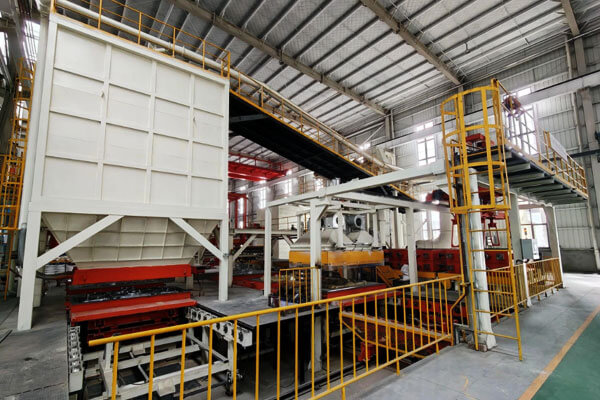
Linji ta 'produzzjoni kompluti ta' V-Process — inklużi sistemi ta 'vakwu, tagħmir għall-immaniġġjar tal-film, unitajiet ta' reklamazzjoni tar-ramel, u stazzjonijiet tal-iffurmar awtomatizzati — tipikament jeħtieġu aktar spazju tal-fabbrika minn sistemi tradizzjonali tal-iffurmar tar-ramel.
8. Applikazzjonijiet Industrijali ta 'V-Process Casting
Il-kombinazzjoni ta 'kwalità tal-wiċċ eċċellenti, Eżattezza dimensjonali għolja, produzzjoni nadifa, u reklamazzjoni effiċjenti tar-ramel tagħmel V-Process casting adattat għal firxa wiesgħa ta 'setturi industrijali.

Industrija tal-Karozzi
Il karozzi l-industrija titlob ħfief, Dimensjonalment preċiż, u komponenti fonduti kost-effettivi.
L-ikkastjar V-Process huwa użat ħafna għall-manifattura ta’ partijiet strutturali u powertrain fejn il-kwalità tal-wiċċ u l-konsistenza huma kritiċi.
Komponenti tipiċi jinkludu:
- Blokki tal-magna
- Housings ta 'trasmissjoni
- Każijiet differenzjali
- Komponenti tal-brejk
- Parentesi tas-sospensjoni
- Alloġġi tal-flywheel
Industrija tal-Pompa u tal-Valv
Pompa u valv il-manifatturi jibbenefikaw b'mod sinifikanti mill-finitura tal-wiċċ eċċellenti u l-istabbiltà dimensjonali tal-ikkastjar V-Process.
Prodotti tipiċi jinkludu:
- Korpi tal-valvi tal-ballun
- Korpi tal-valvoli tal-farfett
- Korpi tal-valvi tal-bieb
- Iċċekkja l-housings tal-valvoli
- Kisi tal-pompa
- Impellers
- Alloġġi tal-kompressuri
Kostruzzjoni u Makkinarju Tqil
Tagħmir tqil jeħtieġ kkastjar b'saħħa strutturali għolja u konsistenza dimensjonali eċċellenti.
Applikazzjonijiet komuni jinkludu:
- Komponenti tal-iskavatur
- Djar tal-loaders
- Frejms tal-buldozers
- Manifolds idrawliċi
- Housings tal-gearbox
- Appoġġ tal-bearings
Makkinarju Agrikolu
It-tagħmir agrikolu jopera taħt kundizzjonijiet ambjentali ħorox, eżiġenti komponenti fonduti dejjiema u reżistenti għall-ilbies.
Ikkastjar tipiċi jinkludu:
- Alloġġi tat-trażmissjoni tat-tratturi
- Gwarniċi ta' żerriegħa
- Komponenti tal-moħriet
- Korpi ta 'pompa ta' irrigazzjoni
- Housings tal-irkaptu
Tagħmir tal-Minjieri
Makkinarju tal-minjieri jeħtieġ kbir, ikkastjar heavy-duty li kapaċi jiflaħ l-impatt, brix, u tagħbija kontinwa.
Prodotti tipiċi jinkludu:
- Gwarniċi tal-crusher
- Liners tal-mitħna
- Housings tal-pompa
- Komponenti reżistenti għall-ilbies
- Partijiet tal-conveyor
Industrija tal-Ferroviji
L-infrastruttura ferrovjarja u l-vetturi ferrovjarji jeħtieġu kkastjar ta 'preċiżjoni b'reżistenza eċċellenti għall-għeja.
L-applikazzjonijiet jinkludu:
- Komponenti tas-sistema tal-brejk
- Partijiet tal-akkoppjar
- Gwarniċi tal-bogies
- Alloġġi tal-fus
- Parentesi tas-sospensjoni
Industrija tal-Baħar
Ambjenti tal-baħar jitolbu kkastjar reżistenti għall-korrużjoni b'rendiment mekkaniku affidabbli.
Prodotti komuni jinkludu:
- Hubs tal-iskrun
- Kisi tal-pompa
- Korpi tal-valvi
- Tagħmir tal-gverta
- Komponenti strutturali offshore
Ġenerazzjoni ta 'enerġija u enerġija
It-tagħmir tal-ġenerazzjoni tal-enerġija spiss jaħdem taħt temperaturi u pressjonijiet għoljin, li jeħtieġu komponenti mitfugħa ta 'integrità għolja.
Applikazzjonijiet tipiċi jinkludu:
- Korpi tal-valvi tal-fwar
- Kisi tat-turbini
- Fittings tal-bojlers
- Komponenti tal-iskambjatur tas-sħana
- Tagħmir tal-enerġija nukleari
Makkinarju Industrijali Ġenerali
L-ikkastjar tal-V-Process huwa wkoll użat ħafna għal makkinarju u tagħmir għal skopijiet ġenerali, inkluż:
- Sodod tal-għodod tal-magni
- Kompressuri
- Gearboxes industrijali
- Sistemi għall-immaniġġjar tal-materjal
- Bażi tar-robotika
- Tagħmir ta' awtomazzjoni industrijali
9. V-Process Casting vs. Proċessi Oħra tal-Ikkastjar
Kull proċess ta 'ikkastjar għandu saħħiet u limitazzjonijiet uniċi f'termini ta' preċiżjoni dimensjonali, finitura tal-wiċċ, spiża tal-produzzjoni, daqs tal-ikkastjar, impatt ambjentali, u applikazzjonijiet xierqa.
L-għażla tal-aħjar proċess teħtieġ ibbilanċjar ta 'rekwiżiti tekniċi, volum tal-produzzjoni, tip ta 'materjal, u kunsiderazzjonijiet ekonomiċi.
| Fattur ta' Tqabbil | Tidwib tal-Proċess V | Aħdar Ikkastjar tar-ramel | Casting tar-raża tar-raża | Ikkastjar ta 'investiment | Tidwir tal-moffa tal-qoxra |
| Materjal tal-Moffa | Ramel tas-silika niexef + film termoplastiku + vojta | Ramel imxarrab b'binder tat-tafal | Ramel miksi bir-reżina | Qoxra taċ-ċeramika | ramel tal-qoxra miksi bir-reżina |
| Rekwiżit tal-Binder | Xejn | Tafal u ilma | Reżina kimika | Demel likwidu taċ-ċeramika | Reżina termosetting |
| Qawwa tal-Moffa | Għoli (appoġġjat bil-vakwu) | Medju | Għoli | Għoli ħafna | Għoli |
| Tolleranza Tipika tal-Ikkastjar | CT7–CT9 | CT10–CT13 | CT8–CT10 | CT4–CT6 | CT6–CT8 |
| Ħruxija tal-wiċċ (Ra) | 3.2–12.5 μm | 25–100 μm | 6.3–25 μm | 1.6–6.3 μm | 3.2–12.5 μm |
| Ħxuna Minima tal-Ħajt | 4–6 mm | 5–8 mm | 4–6 mm | 0.5–3 mm | 3–5 mm |
| Daqs Massimu tal-Ikkastjar | Kbir ħafna (diversi tunnellati jew aktar) | Kbir ħafna | Kbir ħafna | Żgħir għal medju | Żgħir għal medju |
| Ikkastjar Kumplessità | Għoli | Medju | Għoli | Għoli ħafna | Għoli |
| Stabbiltà dimensjonali | Eċċellenti | Moderat | Tajjeb | Eċċellenti | Eċċellenti |
| Rata ta' Riklamazzjoni tar-Ramel | 95–98% | 80–90% | 70–90% | Mhux applikabbli | Limitat |
| Ġenerazzjoni tal-Gass | Baxxa ħafna | Medju | Għoli | Baxxa ħafna | Medju |
| Riskju ta' Porożità tal-Gass | Baxx | Medju | Medju | Baxxa ħafna | Baxx |
| Difetti Tipiċi tal-Ikkastjar | Tnixxija tal-vakwu, tikmix tal-film, mili mhux komplut | Inklużjoni tar-ramel, blowholes, erożjoni tal-moffa | Porożità tal-gass, ħruq tar-reżina | Cracking tal-qoxra taċ-ċeramika, l-Eġittu | Qxur tal-qoxra, difetti tal-gass |
| Prestazzjoni Ambjentali | Eċċellenti | Tajjeb | Ġust | Tajjeb | Ġust |
| L-ispiża tal-għodda | Medju għal għoli | Baxx | Medju | Għoli | Medju |
| Spiża tal-Produzzjoni | Medju | Baxx | Medju | Għoli | Medju |
| Effiċjenza tal-Produzzjoni | Għoli | Għoli ħafna | Għoli | Medju | Għoli |
| Volum ta 'Produzzjoni Adattat | Medju għal għoli | Il-volumi kollha | Medju għal għoli | Baxx għal għoli | Produzzjoni ta 'volum għoli |
| Materjali tipiċi | Ħadid, azzar, Azzar li ma jissaddadx, aluminju, ligi tar-ram | Primarjament ħadid u azzar | Ħadid, azzar, azzar liga | Kważi l-ligi castable kollha | Ligi tal-ħadid u mhux tal-ħadid |
Applikazzjonijiet tipiċi |
Pompi, valvi, tagħmir tal-minjieri, makkinarju tqil, Partijiet tal-karozzi | Blokki tal-magna, Bażijiet tal-magni, tagħmir agrikolu | Ikkastjar kbir tal-azzar, komponenti tal-magni | Aerospazjali, Apparat mediku, valvi ta' preċiżjoni, komponenti tat-turbini | Partijiet tal-karozzi, housings tal-irkaptu, komponenti idrawliċi |
| Vantaġġi Maġġuri | Preċiżjoni għolja, Finitura tal-wiċċ eċċellenti, mingħajr binder, riċiklabbiltà għolja tar-ramel, favur l-ambjent | L-inqas spiża, proċess sempliċi, addattat għal kkastjar kbar ħafna | Saħħa għolja tal-moffa, addattat għal ikkastjar kumpless tal-azzar | L-ogħla preċiżjoni u kwalità tal-wiċċ għal partijiet kkomplikati | Produttività għolja u kwalità konsistenti |
| Limitazzjonijiet Ewlenin | Jeħtieġ tagħmir tal-vakwu u film tal-plastik | Preċiżjoni aktar baxxa u wiċċ aktar mhux maħdum | Emissjonijiet tar-reżina u spiża ogħla ta 'reklamazzjoni | Spiża għolja ta 'għodda, daqs tal-ikkastjar limitat | Spiża ogħla tal-għodda, limitazzjonijiet tad-daqs |
10. Xejriet ta' Żvilupp Ġejjieni tal-V-Process Casting
Hekk kif l-industrija globali tal-funderija tkompli tevolvi lejn preċiżjoni għolja, manifattura intelliġenti, Effiċjenza fl-enerġija, u produzzjoni sostenibbli, L-ikkastjar tal-V-Process huwa mistenni li jkollu rwol dejjem aktar importanti fl-ikkastjar tal-metall modern.
Awtomazzjoni Intelliġenti u Funderiji Intelliġenti
L-awtomazzjoni qed issir waħda mill-aktar xejriet sinifikanti fl-ikkastjar tal-V-Process.
Funderiji moderni qed jissostitwixxu dejjem aktar l-operazzjonijiet manwali b'tagħmir awtomatizzat biex itejbu l-produttività, konsistenza, u s-sigurtà fuq il-post tax-xogħol.
Linji ta 'produzzjoni futuri awtomatizzati V-Process se jinkorporaw:
- Immaniġġjar tal-mudell robotiku
- Tmigħ u tisħin awtomatiku tal-film tal-plastik
- Sistemi ta 'kontroll tal-vakwu intelliġenti
- Mili u vibrazzjoni awtomatizzati tar-ramel
- Sistemi tat-tferrigħ ikkontrollati minn CNC
- Estrazzjoni robotika tal-ikkastjar
- Tħin u rfinar awtomatizzati
L-awtomazzjoni integrata timminimizza l-iżball uman, tqassar iċ-ċikli tal-produzzjoni, u jiżgura parametri ta 'proċess stabbli f'lottijiet kbar ta' produzzjoni.
Simulazzjoni tal-Proċess Diġitali
Inġinerija Megħjuna mill-Kompjuter (CAE) softwer sar għodda indispensabbli għad-disinn tal-ikkastjar u l-ottimizzazzjoni tal-proċess.
Qabel ma tibda l-produzzjoni, inġiniera jistgħu jissimulaw il-proċess kollu tal-ikkastjar biex jidentifikaw difetti potenzjali u jottimizzaw il-parametri tal-proċess.
Analiżi ta' simulazzjoni komuni jinkludu:
- Imġieba tal-mili tal-moffa
- Sekwenza ta' solidifikazzjoni
- Distribuzzjoni tat-temperatura
- Tbassir tat-tnaqqis
- Analiżi tal-istress residwu
- Tbassir tad-deformazzjoni
- Gating u ottimizzazzjoni riser
Billi tnaqqas il-prova u l-iżball matul il-produzzjoni, teknoloġija ta 'simulazzjoni tnaqqas l-ispejjeż ta' żvilupp filwaqt li ttejjeb ir-rendiment tal-ikkastjar u l-affidabbiltà tal-prodott.
Ottimizzazzjoni tal-Proċess Mmexxija mill-AI
Intelliġenza Artifiċjali (Ai) qed tittrasforma malajr il-manifattura tal-funderija billi tippermetti monitoraġġ tal-proċess f'ħin reali u kontroll tal-kwalità ta 'tbassir.
Applikazzjonijiet futuri tal-AI fl-ikkastjar tal-V-Process jistgħu jinkludu:
- Tbassir awtomatiku tad-difetti
- Aġġustament intelliġenti tal-parametru tat-tferrigħ
- Ottimizzazzjoni tal-pressjoni tal-vakwu
- Manutenzjoni ta' tagħmir ta' tbassir
- Tbassir tal-ħajja tal-mudell
- Ottimizzazzjoni tal-konsum tal-enerġija
- Dijanjostika tal-proċess f'ħin reali
L-algoritmi tat-tagħlim bil-magni jistgħu janalizzaw volumi kbar ta' dejta tal-produzzjoni biex itejbu kontinwament il-kwalità tal-ikkastjar u jnaqqsu r-rati tal-fdalijiet.
Manifattura Sostenibbli u b'Karbonju Baxx
Is-sostenibbiltà ambjentali saret prijorità strateġika għall-funderiji madwar id-dinja.
L-ikkastjar V-Process diġà joffri vantaġġi ambjentali sinifikanti minħabba l-proċess tal-iffurmar mingħajr binder tiegħu, u żviluppi futuri se jkomplu jtejbu s-sostenibbiltà tagħha.
Inizjattivi ewlenin jinkludu:
- Effiċjenza ogħla tar-riċiklaġġ tar-ramel
- Konsum ta 'enerġija mnaqqas
- Films tal-plastik riċiklabbli
- Irkupru tas-sħana skartata
- Teknoloġiji ta 'tidwib b'livell baxx ta' karbonju
- Integrazzjoni tal-enerġija rinnovabbli
- Monitoraġġ tal-marka tal-karbonju
Hekk kif il-gvernijiet jimplimentaw regolamenti ambjentali aktar stretti, L-ikkastjar tal-V-Process huwa pożizzjonat tajjeb bħala waħda mit-teknoloġiji tal-ikkastjar tar-ramel l-aktar responsabbli għall-ambjent.
Materjali Avvanzati u Ligi ta' Prestazzjoni Għolja
Id-domanda dejjem tikber għal strutturi ħfief, temperaturi operattivi ogħla, u reżistenza akbar għall-korrużjoni qed tmexxi l-iżvilupp ta 'ligi ġodda tal-ikkastjar.
Applikazzjonijiet futuri se jinvolvu dejjem aktar:
- Azzar li ma jissaddadx super duplex
- Ligi ta 'entropija għolja
- Azzar liga reżistenti għas-sħana
- Ligi reżistenti għall-ilbies
- Ligi tal-aluminju avvanzati
- Superligi bbażati fuq in-nikil
- Ligi marittimi tar-ram-nikil
L-ottimizzazzjoni tal-proċess se tippermetti li l-ikkastjar V-Process jipproduċi dawn il-materjali avvanzati b’kontroll mikrostrutturali mtejjeb u formazzjoni ta’ difetti mnaqqsa.
Teknoloġija tal-Films tal-Plastik Mtejba
Il-film tal-plastik huwa komponent ewlieni tal-V-Process. Ir-riċerka li għaddejja hija ffukata fuq it-titjib tal-prestazzjoni tal-film biex ittejjeb il-kwalità tal-moffa u l-effiċjenza tal-produzzjoni.
Żviluppi futuri tal-films jistgħu jinkludu:
- Reżistenza ogħla tas-sħana
- Flessibilità akbar
- Stabbiltà dimensjonali mtejba
- Materjali bijodegradabbli
- Polimeri riċiklabbli
- Ħxuna mnaqqsa tal-film
- L-intoppi tal-wiċċ imtejjeb
Dawn l-innovazzjonijiet se jbaxxu l-konsum tal-materjal filwaqt li jtejbu l-kwalità tal-ikkastjar.
11. Konklużjoni
V-Process casting stabbilixxa ruħu bħala waħda mit-teknoloġiji tal-iffurmar l-aktar innovattivi u favur l-ambjent fil-manifattura moderna tal-funderija.
Billi tissostitwixxi binders konvenzjonali b'mudellar tar-ramel niexef assistit bil-vakwu, il-proċess jagħti taħlita unika ta 'preċiżjoni dimensjonali għolja, Finitura tal-wiċċ eċċellenti, riċiklabbiltà tar-ramel superjuri, u impatt ambjentali mnaqqas.
Inħarsu 'l quddiem, l-integrazzjoni tal-awtomazzjoni, simulazzjoni diġitali, intelliġenza artifiċjali, Industrija 4.0 teknoloġiji, u prattiki ta' manifattura sostenibbli se jkomplu jtejbu l-kapaċitajiet tal-ikkastjar V-Process.
Hekk kif il-manifatturi jkomplu jitolbu produzzjoni aktar nadifa, preċiżjoni ogħla, u effiċjenza mtejba tar-riżorsi,
it-teknoloġija hija mistennija li jkollha rwol dejjem aktar importanti f'setturi bħall-karozzi, enerġija, Minjieri, Inġinerija tal-Baħar, makkinarju industrijali, pompi, valvi, u tagħmir tqil.
Għall-manifatturi li jfittxu bilanċ ottimali bejn kwalità tal-ikkastjar, responsabbiltà ambjentali, u l-ekonomija tal-produzzjoni fit-tul, V-ikkastjar Proċess jirrappreżenta matur, affidabbli, u soluzzjoni orjentata lejn il-futur kapaċi tissodisfa t-talbiet li qed jevolvu tal-manifattura industrijali moderna.
FAQs
Huwa V-Process casting favur l-ambjent?
IVA. L-ikkastjar ta 'V-Process huwa meqjus bħala wieħed mit-teknoloġiji tal-ikkastjar tar-ramel l-aktar responsabbli għall-ambjent minħabba li juża nixxef, ramel tas-silika mingħajr binder, tnaqqas b'mod sinifikanti d-duħħan, kompost organiku volatili (VOC) emissjonijiet, u skart perikoluż.
Ir-ramel jista 'wkoll jiġi rkuprat u użat mill-ġdid b'rata għolja ħafna.
X'livell ta 'eżattezza dimensjonali jista' jikseb l-ikkastjar V-Process?
L-eżattezza dimensjonali tipika tvarja minn ISO 8062 CT7 sa CT9, skond id-daqs tal-ikkastjar, tip ta 'liga, u kontroll tal-proċess.
Dan huwa konsiderevolment aħjar mill-ikkastjar tar-ramel aħdar konvenzjonali u adattat għal ħafna applikazzjonijiet industrijali li jeħtieġu komponenti ta 'forma kważi netta.
Huwa V-Process ikkastjar adattat għal ikkastjar kbar?
IVA. Waħda mill-qawwiet ewlenin tal-ikkastjar V-Process hija l-kapaċità tagħha li tipproduċi kkastjar medju sa kbir ħafna bi stabbiltà dimensjonali eċċellenti u kwalità tal-wiċċ.
Huwa użat ħafna għall-bażijiet tal-magni, housings tal-pompa, Korpi tal-valv, tagħmir tal-minjieri, u komponenti ta 'makkinarju tqil.
X'inhi d-differenza bejn il-V-Process u l-ikkastjar fil-vakwu?
V-Process juża vakwu biex iżomm ir-ramel niexef flimkien f'moffa.
L-ikkastjar fil-vakwu tipikament jirreferi għal tferrigħ assistit bil-vakwu (E.g., ikkastjar ta 'investiment bil-vakwu), fejn it-tidwib jitferra taħt vakwu biex titnaqqas il-porożità tal-gass. Huma proċessi differenti.
X'inhu l-piż massimu tal-ikkastjar għal V-Process?
Tipikament sa 500-1,000 kg. Madankollu, kkastjar akbar huma possibbli b'tagħmir akbar; il-limitu tal-piż huwa aktar funzjoni tad-daqs tat-tagħmir u l-kapaċitajiet tal-immaniġġjar mill-proċess innifsu.