
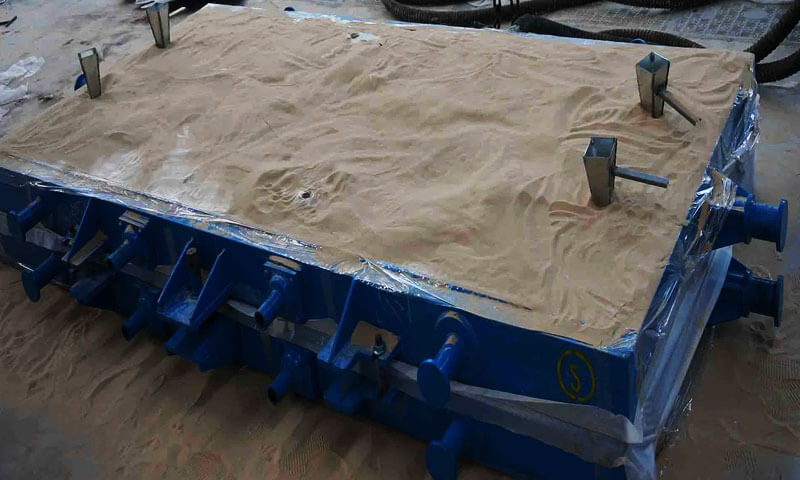
Fost it-teknoloġiji tal-manifattura ekoloġiċi moderni, Tidwib tal-Proċess V (Tidwib tal-Mould vakwu) saret soluzzjoni dejjem aktar attraenti għall-produzzjoni ta 'ħadid ta' kwalità għolja, azzar, u kkastjar mhux tal-ħadid.
Billi tuża pressjoni tal-vakwu minflok binders konvenzjonali biex iżżomm is-saħħa tal-moffa, il-proċess joffri preċiżjoni dimensjonali eċċezzjonali, uċuħ tal-ikkastjar nadif, riċiklabbiltà eċċellenti tar-ramel, u impatt ambjentali mnaqqas.
Madankollu, il-kisba ta 'dawn il-vantaġġi jiddependi fuq aktar minn livell ta' vakwu, kwalità tal-film tal-plastik, jew kisjiet refrattorji.
Żewġ fatturi li spiss jiġu injorati—l-għażla tar-ramel tal-iffurmar u l-kontroll tat-temperatura tar-ramel—jkollhom influwenza deċiżiva fuq l-istabbiltà tal-moffa, kwalità tal-wiċċ, difetti tal-ikkastjar, prestazzjoni tat-tagħmir, spiża tal-produzzjoni, u l-affidabbiltà ġenerali tal-proċess.
B'differenza mill-ikkastjar tar-ramel aħdar konvenzjonali, V-Proċess ikkastjar użi nixxef, ramel mingħajr binder, jiġifieri r-ramel innifsu jsir komponent strutturali tal-moffa tal-vakwu.
Id-daqs tal-partiċelli tiegħu, forma, Propjetajiet termali, u t-temperatura operattiva jiddeterminaw direttament il-kompattazzjoni tal-moffa, żamma tal-vakwu, prestazzjoni tal-kisi, trasferiment tas-sħana, u l-imġieba tas-solidifikazzjoni tal-metall.
1. X'inhu r-rwol tar-ramel tal-iffurmar fil-V-Process Casting?
B'differenza mill-ikkastjar tar-ramel aħdar konvenzjonali, V-Proċess (Proċess tal-vakwu) ikkastjar tiddependi fuq nixxef, ramel tal-iffurmar mingħajr binder li huwa kompatt u stabbilizzat biss bil-vibrazzjoni u l-pressjoni tal-vakwu.
F'dan il-proċess, ir-ramel tal-iffurmar mhuwiex sempliċiment mili madwar il-mudell—huwa a mezz strutturali kritiku li jinfluwenza direttament l-istabbiltà tal-moffa, preċiżjoni tal-ikkastjar, kwalità tal-wiċċ, effiċjenza tal-produzzjoni, u l-ispiża operattiva.
Minħabba li l-forom V-Process fihom ebda tafal, raża, jew ilma, il-proprjetajiet tar-ramel innifsu jsiru ferm aktar sinifikanti milli fl-iffurmar tar-ramel tradizzjonali.
Forma tal-qamħ tar-ramel, distribuzzjoni tad-daqs tal-partiċelli, Espansjoni termali, permeabilità, densità tal-massa, riċiklabbiltà,
u t-temperatura kollha jaħdmu flimkien biex jiddeterminaw jekk il-moffa tistax iżżomm saħħa suffiċjenti taħt vakwu filwaqt li tirreżisti t-tagħbijiet termali u mekkaniċi intensi ġġenerati waqt it-tferrigħ.
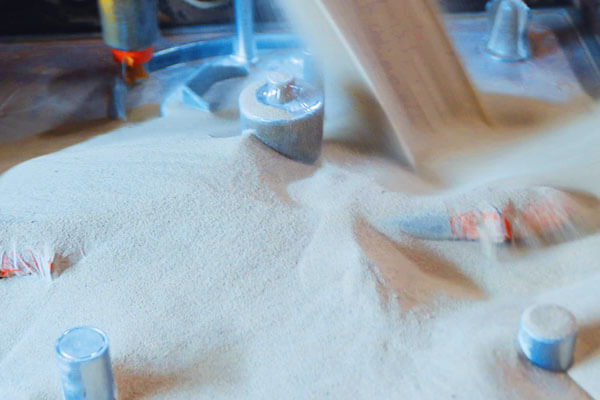
Għaliex ir-ramel tal-iffurmar huwa aktar kritiku fl-ikkastjar tal-proċess V
Fl-iffurmar tar-ramel aħdar, il-legaturi jipprovdu koeżjoni u jikkumpensaw għal varjazzjonijiet fil-kwalità tar-ramel mhux maħdum.
Fl-ikkastjar tal-V-Process, madankollu, il-moffa tiddependi kompletament fuq pressjoni tal-vakwu u interlocking tal-partiċelli li tibqa’ stabbli.
Bħala riżultat, ir-ramel tal-iffurmar għandu simultanjament jissodisfa diversi rekwiżiti eżiġenti:
- Ifforma moffa densa u stabbli taħt vibrazzjoni
- Żomm saħħa adegwata waqt li jiġi applikat il-vakwu
- Jirreżistu l-penetrazzjoni u l-erożjoni tal-metall imdewweb
- Ipprovdi permeabilità suffiċjenti għall-evakwazzjoni tal-gass
- Jiflaħ ir-riċiklaġġ ripetut mingħajr degradazzjoni eċċessiva
- Imminimizza d-difetti ta 'espansjoni termali bħall-vini u l-qsim tar-ramel
Kwalunkwe żbilanċ fost dawn il-karatteristiċi jista 'jwassal direttament għal difetti tal-ikkastjar, żieda fl-ispejjeż tat-tindif, jew stabbiltà tal-proċess imnaqqsa.
Kif jiffunzjona r-ramel tal-iffurmar matul iċ-ċiklu tal-ikkastjar tal-V-Process
L-importanza tar-ramel tal-iffurmar testendi f'kull stadju tal-produzzjoni aktar milli biss waqt it-tferrigħ.
| Stadju tal-Produzzjoni | Rwol tar-ramel tal-iffurmar | Importanza tal-Inġinerija |
| Mili tal-mudell | Jiċċirkola madwar il-mudell waqt il-vibrazzjoni | Jiddetermina d-densità tal-moffa u l-eżattezza tar-replikazzjoni |
| Li jiffurmaw vakwu | Jifforma struttura riġida taħt pressjoni negattiva | Jipprovdi saħħa tal-moffa mingħajr binders |
| Appoġġ tal-kisi | Jappoġġja l-kisi refrattarju u l-film tal-plastik | Jipprevjeni l-qsim jew it-tqaxxir tal-kisi |
| Tferrigħ tal-metall | Jirreżisti pressjoni tal-metall imdewweb u xokk termali | Jikkontrolla l-penetrazzjoni, erożjoni, u stabbiltà dimensjonali |
Solidifikazzjoni |
Jinfluwenza t-trasferiment tas-sħana u r-rata tat-tkessiħ | Taffettwa l-mikrostruttura u l-imġieba li tinxtorob |
| Shakeout | Jirrilaxxa l-ikkastjar wara t-tneħħija tal-vakwu | Jippermetti kollass faċli tal-moffa u rkupru tar-ramel |
| Reklamazzjoni tar-ramel | Riċiklat għal ċikli ta' produzzjoni ripetuti | Tnaqqas l-ispiża operattiva u l-impatt ambjentali |
Dan ir-rwol multifunzjonali jispjega għaliex l-għażla tar-ramel hija meqjusa bħala waħda mid-deċiżjonijiet fundamentali tal-inġinerija meta tiddisinja linja ta 'produzzjoni V-Process.
2. Klassifikazzjoni u Karatteristiċi Bażiċi tar-Ramel tal-Moulding tal-Funderija
L-għażla tar-ramel tal-iffurmar xieraq hija waħda mill-aktar deċiżjonijiet kritiċi tal-inġinerija fl-ikkastjar V-Process.
Filwaqt li l-pressjoni tal-vakwu, film tal-plastik, u kisi refrattorju huma spiss meqjusa bħala t-tliet elementi ewlenin tal-V-Process, il-proprjetajiet tar-ramel tal-iffurmar jiddeterminaw direttament l-istabbiltà tal-moffa,
kwalità tal-wiċċ tal-ikkastjar, eżattezza dimensjonali, effiċjenza tal-produzzjoni, u l-ispiża ġenerali tal-manifattura.
Klassifikazzjoni tar-ramel tal-iffurmar tal-funderija
Ir-ramel tal-funderija ġeneralment jista 'jiġi kklassifikat f'żewġ kategoriji ewlenin skont il-kompożizzjoni minerali tagħhom:
| Kategorija | Materjali tipiċi | Karatteristiċi | Applikazzjonijiet tipiċi |
| Ramel tas-silika (Ramel tal-kwarz) | Ramel tas-silika naturali, ramel tas-silika manifatturat | Ekonomiku, disponibbli b'mod wiesa', adattat għall-biċċa l-kbira tal-ikkastjar tal-ħadid u mhux tal-ħadid | Ħadid griż, ħadid duttili, azzar tal-karbonju, ligi tal-aluminju |
| Ramel ta' Speċjalità (Ramel mhux tas-silika) | Ramel taż-żirkon, ramel tal-kromita, ramel taż-żebbuġ, alumina mdewba, ramel tal-boksajt, ramel tal-manjeżja, ramel sintetiku taċ-ċeramika | Refrattarju ogħla, espansjoni termali aktar baxxa, stabbiltà kimika superjuri | Azzar liga, Azzar li ma jissaddadx, ligi ta 'temperatura għolja, kkastjar ta' preċiżjoni kritika |
Fost dawn il-materjali, ramel tas-silika jibqa ' l-materjal molding dominanti mad-dinja kollha minħabba l-bilanċ eċċellenti tiegħu bejn il-prestazzjoni, disponibbiltà, u spiża.
Ir-ramel speċjali jintgħażel primarjament meta r-ramel tas-silika konvenzjonali ma jistax jissodisfa r-rekwiżiti termali jew metallurġiċi ta 'ikkastjar eżiġenti.
Ramel tas-silika: L-Għażla Standard għall-V-Process Casting
Ramel tas-silika (SiO₂) kien il-materjal tal-iffurmar primarju fil-funderiji għal għexieren ta 'snin.
Għall-biċċa l-kbira tal-applikazzjonijiet tal-V-Process, jipprovdi biżżejjed refrattanza u prestazzjoni mekkanika filwaqt li żżomm effiċjenza ekonomika eċċellenti.
Skont l-oriġini u l-proċess tal-manifattura tiegħu, ramel tas-silika jista 'jinqasam f'diversi tipi.
| Tip | Sors | Karatteristiċi |
| Ramel tax-Xmara naturali | Depożiti tax-xmara | Partiċelli arrotondati, fluss tajjeb, permeabilità għolja |
| Ramel tal-Muntanji | Depożiti tal-kwarz imfarrak | Aktar partiċelli angolari, saħħa tal-moffa ogħla |
| Ramel tal-Għadira u tal-Baħar | Depożiti sedimentarji | Jeħtieġ ħasil biex jitneħħew l-imluħa u l-impuritajiet |
| Aeolian (Minfuħa mir-riħ) Ramel | Depożiti tad-deżert | Multa, partiċelli fit-tond b'daqs relattivament uniformi |
| Ramel tas-Silika Manifatturat | Kwarz imfarrak mekkanikament | Distribuzzjoni kkontrollata tal-partiċelli u kwalità stabbli |
Ramel tas-silika ta 'kwalità għolja tipikament fih 90–98% SiO₂, skont ir-rekwiżiti tal-materjal tal-ikkastjar u l-istandards nazzjonali.
Vantaġġi ewlenin tagħha jinkludu:
- Riżervi globali abbundanti
- Spiża baxxa tal-materja prima
- Distribuzzjoni stabbli tad-daqs tal-partiċelli
- Riċiklabbiltà eċċellenti
- Kompatibilità tajba mal-kisi refrattorju V-Process
- Teknoloġija tar-reklamazzjoni tar-ramel matur
Għall-biċċa l-kbira tal-ħadid griż, ħadid duttili, azzar tal-karbonju, u kkastjar tal-liga tal-aluminju, ramel tas-silika jagħti bilanċ eċċellenti ta 'kwalità tal-ikkastjar u ekonomija tal-produzzjoni.
Ramel ta 'speċjalità għal Castings ta' Prestazzjoni Għolja
Meta ikkastjar azzar b'liga għolja, Azzar li ma jissaddadx, jew komponenti soġġetti għal kundizzjonijiet termali estremi, ramel ta 'speċjalità jista' joffri vantaġġi sinifikanti ta 'prestazzjoni.
Ramel ta 'speċjalità komuni jinkludu:
| Ramel ta' Speċjalità | Vantaġġi Maġġuri | Applikazzjonijiet tipiċi |
| Ramel taż-żirkon | Refrattarija għolja ħafna, reżistenza eċċellenti għall-penetrazzjoni tal-metall | Azzar li ma jissaddadx, azzar b'liga għolja, kkastjar ta' preċiżjoni |
| Ramel tal-Kromit | Konduttività termali pendenti u stabbiltà termali | Ikkastjar tal-azzar tqil, risers kbar, żoni ta’ tkessiħ |
| Ramel taż-Żebbuġ | Espansjoni termika baxxa, reżistenza tajba għall-vini | Azzar tal-manganiż, azzar tal-karbonju |
Ramel taċ-ċeramika |
Partiċelli sferiċi uniformi, Stabbiltà dimensjonali eċċellenti | Tidwib ta 'preċiżjoni, linji tal-iffurmar robotiċi |
| Alumina mdewba (Kurundun) | Refrattanza għolja ħafna u reżistenza għall-ilbies | Superligi, komponenti aerospazjali |
| Ramel Ibbażat fuq il-Bauxite | Saħħa f'temperatura għolja u stabbiltà kimika | Ikkastjar kbir tal-azzar |
Meta mqabbel mar-ramel tas-silika, dawn il-materjali ta 'speċjalità ġeneralment juru:
- Temperaturi tat-tidwib ogħla
- Espansjoni termali aktar baxxa
- Reżistenza aħjar għall-penetrazzjoni tal-metall
- Reżistenza mtejba għad-difetti tal-ħruq
- Stabbiltà dimensjonali akbar
Madankollu, għandhom ukoll diversi żvantaġġi:
- Spejjeż materjali ogħla b'mod sinifikanti
- Densità tal-massa akbar, żieda fil-piż tal-moffa
- Tagħbijiet ta 'trasport u tqandil ogħla
- Żieda fl-investiment fit-tagħmir għall-immaniġġjar tar-ramel u għar-reklamazzjoni
- Disponibbiltà limitata f'xi reġjuni
Għal dawn ir-raġunijiet, ramel ta 'speċjalità huma ġeneralment riżervati għal applikazzjonijiet fejn il-vantaġġi tekniċi tagħhom jegħlbu b'mod ċar l-ispejjeż addizzjonali tagħhom.
Tqabbil Bejn ramel tas-silika u ramel speċjali
| Proprjetà | Ramel tas-silika | Ramel ta' Speċjalità |
| Spiża tal-Materjal | Baxx | Medju għal Għoli ħafna |
| Disponibbiltà | Eċċellenti | Moderat |
| Refrattarju | Tajjeb | Eċċellenti |
| Espansjoni termali | Għoli | Baxx |
| Reżistenza għal Xokk Termali | Moderat | Eċċellenti |
| Stabbiltà Kimika | Moderat | Eċċellenti |
| Użabbiltà mill-ġdid | Tajjeb | Tajjeb għal Eċċellenti |
| Densità | Baxx | Medji għal Għoli |
| Adattabbiltà għall-V-Process | Eċċellenti għall-biċċa l-kbira tal-ikkastjar | Użat għal applikazzjonijiet eżiġenti |
Filosofija tal-Għażla tal-Materjal għal Casting V-Process
Kunċett żbaljat komuni huwa li l-produzzjoni ta' kkastjar ta' kwalità ogħla dejjem teħtieġ li tissostitwixxi ramel tas-silika b'ramel speċjali għali..
Fir-realtà, ikkastjar b'suċċess V-Process jiddependi fuq il- ottimizzazzjoni magħquda tar-ramel tal-iffurmar, kisi refrattorju, kontroll tal-vakwu, u disinn tal-proċess, aktar milli fuq l-għażla tar-ramel biss.
Kisjiet refrattorji moderni espandew ħafna l-kapaċità tar-ramel tas-silika.
Kisjiet ibbażati fuq il-grafita għall-ħadid fondut u żirkon-, alumina-, jew kisjiet ibbażati fuq il-manjeżja għall-ikkastjar tal-azzar jistgħu jipprevjenu b'mod effettiv il-ħruq, penetrazzjoni tal-metall, u reazzjonijiet tal-wiċċ.
Bħala riżultat, ramel tas-silika ta 'purità għolja flimkien ma' kisjiet speċifiċi għall-applikazzjoni huwa biżżejjed għall-maġġoranza l-kbira tal-ikkastjar V-Process.
Ir-ramel speċjali għandu għalhekk jitqies bħala soluzzjonijiet ta' inġinerija għal sfidi tekniċi speċifiċi, mhux bħala sostituzzjonijiet universali għar-ramel tas-silika.
Dawn huma l-aktar xierqa għal:
- Ikkastjar kbir ta 'azzar liga b'ħinijiet ta' solidifikazzjoni fit-tul
- Ikkastjar suxxettibbli ħafna għal ħruq jew penetrazzjoni tal-metall
- Komponenti li jeħtieġu stabbiltà dimensjonali eċċezzjonali
- Ambjenti severi ta 'servizz termali jew kimiku
- Hot spots lokalizzati, fejn ramel speċjalità jista 'jitqiegħed strateġikament minflok timla l-moffa kollha
Dan l-approċċ selettiv jimminimizza l-ispejjeż tal-materja prima filwaqt li jippreserva l-vantaġġi ekonomiċi li jagħmlu l-V-Process attraenti għall-produzzjoni industrijali.
3. Karatteristiċi u Analiżi tar-Ramel tal-Moulding għal Casting V-Process
B'differenza mill-ikkastjar tar-ramel aħdar konvenzjonali, V-Proċess (Proċess tal-vakwu) ikkastjar jiddependi kompletament fuq xott, ramel tal-iffurmar mingħajr binder li huwa kompatt bil-vibrazzjoni u miżmum bil-pressjoni tal-vakwu.
Bħala riżultat, il-kriterji tal-għażla għar-ramel tal-iffurmar huma fundamentalment differenti minn dawk użati fl-ikkastjar tar-ramel tradizzjonali.
L-applikazzjoni ta' standards konvenzjonali tal-għażla tar-ramel mingħajr ma tikkunsidra l-karatteristiċi uniċi tal-V-Process ħafna drabi twassal għal difetti bħall-penetrazzjoni tal-metall, vening, ħruq fuq, finitura ħażina tal-wiċċ, instabbiltà tal-moffa, jew preċiżjoni dimensjonali inadegwata.
Karatteristiċi tal-Kompattazzjoni tar-Ramel Taħt Vibrazzjoni
Peress li l-ebda binder ma jintuża fl-iffurmar tal-V-Process, il-kompattazzjoni tar-ramel tinkiseb biss permezz ta 'vibrazzjoni mekkanika.
Studji sperimentali jindikaw li r-ramel tas-silika ġeneralment jilħaq densità tal-ippakkjar kważi massima wara bejn wieħed u ieħor 6 sekondi ta 'vibrazzjoni.
L-estensjoni tal-ħin tal-vibrazzjoni lil hinn minn dan il-punt tipproduċi ftit densifikazzjoni addizzjonali filwaqt li tnaqqas bla bżonn l-effiċjenza tal-produzzjoni.
L-imġiba tal-kompattazzjoni hija influwenzata minn diversi varjabbli:
- Frekwenza u amplitudni tal-vibrazzjoni
- Distribuzzjoni tad-daqs tal-partiċelli tar-ramel
- Morfoloġija tal-partiċelli
- Ġeometrija tal-moffa
- Livell tal-vakwu
Moffa kompatta sew turi saħħa kompressiva ogħla, stabbiltà dimensjonali aħjar, u reżistenza akbar għad-deformazzjoni waqt it-tferrigħ.
Influwenza tal-Forma tal-Partiċelli
Il-morfoloġija tal-partiċelli taffettwa b'mod sinifikanti s-saħħa tal-moffa, effiċjenza tal-ippakkjar, u permeabilità.
| Forma tal-partiċelli | Densità tal-ippakkjar | Qawwa tal-Moffa | Permeabilità | Adattabbiltà għall-V-Process |
| Arrotondat | Eċċellenti | Moderat | Għoli | Tajjeb |
| Sub-angolari | Tajjeb ħafna | Għoli | Tajjeb | Rakkomandat |
| Angolari | Inqas | Għoli ħafna | Inqas | Limitat |
Il-ħbub arrotondati jiċċirkolaw faċilment u jipprovdu kapaċità ta 'mili eċċellenti iżda joħolqu vojt bejn il-partiċelli relattivament kbar, tnaqqas ir-riġidità tal-moffa.
Partiċelli angolari ħafna jillokkjaw b'mod qawwi iżda jirreżistu l-moviment waqt il-vibrazzjoni, tagħmel il-kompattazzjoni sħiħa aktar diffiċli filwaqt li żżid il-ksur tal-partiċelli waqt ir-riċiklaġġ.
Ir-ramel tas-silika sub-angolari ġeneralment jipprovdi l-aħjar kompromess, li toffri saħħa tal-moffa suffiċjenti filwaqt li żżomm fluss tajjeb u densità għolja tal-ippakkjar.
Daqs tal-Partiċelli u Finish tal-wiċċ
Il-finezza tar-ramel tiddetermina direttament il-kwalità tal-wiċċ tal-ikkastjar, permeabilità, u reżistenza għall-penetrazzjoni tal-metall.
Ir-ramel tal-qamħa fin jipproduċi uċuħ tal-ikkastjar aktar bla xkiel minħabba li l-lakuni iżgħar bejn il-partiċelli jipprevjenu l-metall imdewweb milli jippenetra fil-moffa taħt kundizzjonijiet tal-vakwu.
Dan jimminimizza l-ħruq mekkaniku u jnaqqas il-formazzjoni tal-burr.
Madankollu, ramel fin eċċessivament jippreżenta wkoll diversi sfidi:
- Permeabilità aktar baxxa
- Żieda fir-reżistenza tal-gass
- Erja tal-wiċċ speċifika akbar
- Adeżjoni mnaqqsa tal-kisi
- Konsum ogħla ta 'kisi
Bil-maqlub, ramel oħxon jipprovdi permeabilità aħjar u refrattarju ogħla iżda jista 'jipproduċi:
- Uċuħ tal-ikkastjar mhux maħduma
- Penetrazzjoni tal-metall
- Xewk tal-wiċċ
- Difetti ta' ħruq
Għal kkastjar b'ħitan ħoxnin li jeħtieġu kemm finitura tal-wiċċ eċċellenti kif ukoll permeabilità tajba, taħlit ta' frazzjonijiet oħxon u fini spiss jipprovdi l-aħjar prestazzjoni ġenerali.
Distribuzzjoni tal-qamħ tar-ramel u Disinn tal-Gradazzjoni
Mhux biss id-daqs medju tal-qamħ iżda wkoll il- distribuzzjoni tad-daqs tal-partiċelli għandu influwenza kbira fuq il-prestazzjoni tal-moffa.
Sistema ta' gradazzjoni mfassla tajjeb titjieb:
- Densità tal-ippakkjar
- Permeabilità
- Konduttività termali
- Saħħa tal-moffa
- Kwalità tal-wiċċ
Il-funderiji moderni tal-V-Process ġeneralment jevitaw klassifikazzjoni ta’ “tliet skrin” ikkonċentrata ħafna minħabba li tipproduċi interlocking fqir tal-partiċelli.
Minflok, inġiniera spiss jadottaw:
- Gradazzjoni bimodali, fejn żewġ daqsijiet ta 'partiċelli separati ħafna joħolqu ippakkjar effiċjenti.
- Gradazzjoni fuq ħames skrin, li jipprovdi distribuzzjoni ta 'partiċelli usa' u aktar kontinwa.
Għalkemm taħlitiet ta 'daqsijiet ta' qamħ separati ħafna jistgħu jiksbu densità ta 'ppakkjar għolja ħafna, segregazzjoni eċċessiva waqt il-mili għandha tkun ikkontrollata bir-reqqa permezz ta' prattiki xierqa ta' vibrazzjoni u tqandil tar-ramel.
Rekwiżiti ta 'Permeabilità għal Ligi ta' Casting Differenti
Il-permeabilità tar-ramel meħtieġa tvarja skont il-liga tal-ikkastjar.
| Materjal tal-ikkastjar | Permeabilità Rakkomandata | Raġuni |
| Ħadid Griż | Medju | Tipprevjeni l-penetrazzjoni tal-gass filwaqt li żżomm il-kwalità tal-wiċċ |
| Ħadid duttili | Medji għal Għoli | Jibbilanċja l-ħarba tal-gass u s-saħħa tal-moffa |
| Azzar tal-karbonju | Għoli | Inaqqas il-gass maqbud taħt il-kisja tal-moffa |
| Azzar tal-liga | Għoli | Ittejjeb l-evakwazzjoni tal-gass waqt it-tferrigħ f'temperatura għolja |
| Ligi tal-aluminju | Medju | Jiżgura mili bla xkiel b'finitura tajba tal-wiċċ |
Permeabilità insuffiċjenti tista 'tipproduċi difetti differenti skond il-liga.
Għall-ħadid fondut, permeabilità fqira ħafna drabi tikkawża porożità tal-gass relatata mal-penetrazzjoni.
Għall-azzar fondut, gassijiet maqbuda taħt il-kisja refrattorja jistgħu joħolqu infafet fil-wiċċ, ħruxija, jew difetti lokalizzati tal-gass.
Finezza tal-Qmuħ AFS u Penetrazzjoni tal-Metall
Finezza medja tal-qamħ (Numru AFS) huwa wieħed mill-aktar parametri importanti fl-għażla tar-ramel V-Process.
Valuri AFS ogħla jindikaw ramel fin.
Hekk kif it-temperatura tat-tferrigħ tiżdied, ramel oħxon ġeneralment isir meħtieġ biex tinżamm permeabilità adegwata u stabbiltà termali.
Rakkomandazzjonijiet tipiċi ta 'inġinerija huma murija hawn taħt.
| Tip ta 'kkastjar | Numru AFS Rakkomandat |
| Ligi tal-aluminju | 100–140 |
| Ħadid griż | >100 |
| Ħadid duttili | 90–110 |
| Ikkastjar kbir tal-azzar | ≥63 |
| Ikkastjar medju tal-azzar | 70–90 |
L-għażla ta 'ramel fin eċċessivament għall-ikkastjar tal-azzar b'temperatura għolja tista' tnaqqas il-permeabilità, filwaqt li ramel oħxon żżejjed iżid ir-riskju ta 'penetrazzjoni tal-metall u finitura ħażina tal-wiċċ.
Vakwu, Densità tal-ippakkjar, u Qawwa tal-Moffa
Karatteristika distintiva waħda tal-ikkastjar tal-V-Process hija li s-saħħa tal-moffa hija ġġenerata minn pressjoni tal-vakwu aktar milli binders kimiċi.
Kif jiġi applikat vakwu, pressjoni atmosferika tikkompressa l-partiċelli tar-ramel niexef, toħloq moffa riġida.
Diversi fatturi jiddeterminaw is-saħħa finali tal-moffa:
- Livell tal-vakwu
- Densità tal-ippakkjar tar-ramel
- Forma tal-partiċelli
- Distribuzzjoni tad-daqs tal-partiċelli
- Ġeometrija tal-moffa
Il-pressjoni tal-vakwu mhix uniformi fil-moffa kollha.
Il-kejl juri li l-livell tal-vakwu jonqos gradwalment mill-wiċċ tal-moffa lejn iċ-ċentru ġeometriku, tnaqqis tas-saħħa kompressiva kif xieraq.
Id-densità tal-ippakkjar ogħla titjieb b'mod sinifikanti:
- Riġidità tal-moffa
- Reżistenza għall-pressjoni metallostatika
- Stabbiltà dimensjonali
- Kwalità tal-wiċċ
Iż-żieda fil-frekwenza tal-vibrazzjoni tista 'ttejjeb malajr id-densità tal-mili, sakemm is-segregazzjoni tal-partikuli tiġi evitata.
Imġieba Termali u Karatteristiċi tat-Tkessiħ
It-trasferiment tas-sħana f'forom V-Process ivarja b'mod sinifikanti minn forom tar-ramel aħdar konvenzjonali minħabba li m'hemm l-ebda umdità, binder tat-tafal, jew ċirkolazzjoni ta 'arja attiva.
Is-sħana hija trasferita primarjament permezz:
- Konduzzjoni diretta fir-ramel li jmissu magħhom
- Radjazzjoni minn uċuħ tal-ikkastjar esposti
- Konvezzjoni naturali limitata
Konsegwentement, Forom V-Process ġeneralment jiksħu aktar bil-mod minn forom tar-ramel aħdar.
Għall-azzar fondut, tkessiħ aktar bil-mod ħafna drabi huwa ta 'benefiċċju minħabba li jippromwovi l-għalf u jnaqqas id-difetti li jinxtorob, għalkemm ħin ta 'solidifikazzjoni eċċessiv jista' jżid is-segregazzjoni.
Għall-ħadid griż, l-imġieba tat-tkessiħ tiddependi ħafna fuq il-ħxuna tas-sezzjoni.
Ikkastjar b'ħajt irqiq jista 'jesperjenza tkessiħ akbar minn forom tar-ramel aħdar, billi sezzjonijiet eħxen ħafna drabi jiksħu aktar bil-mod.
Materjali tal-iffurmar differenti juru wkoll konduttività termali differenti.
| Materjal tal-iffurmar | Kapaċità Relattiva tat-Tkessiħ |
| Ramel tas-silika | Moderat |
| Ramel tal-karbur tas-silikon | Għoli |
| Ramel taż-żirkon | Ogħla |
| Shot ta' l-Azzar – Taħlita tas-Silika | Għoli ħafna |
| Shot Azzar | L-ogħla |
Minkejja dawn id-differenzi, studji jindikaw li l-varjazzjonijiet fil-kapaċità tat-tkessiħ tal-moffa għandhom influwenza relattivament limitata fuq il-proprjetajiet mekkaniċi ġenerali ta 'ħafna kkastjar meta l-parametri tal-proċess huma ottimizzati sew.
Reklamazzjoni tar-Ramel u Stabbiltà Termali
Ir-ramel reklamat iġib ruħu b'mod differenti minn ramel fornut ġdid.
Wara ċikli termali ripetuti, ramel tas-silika reklamat ġeneralment juri:
- Espansjoni termali aktar baxxa
- Stabbiltà dimensjonali mtejba
- Difetti mnaqqsa relatati mal-espansjoni
Madankollu, riċiklaġġ eċċessiv jikkawża gradwalment:
- Degradazzjoni tal-partiċelli
- Multi miżjuda
- Permeabilità mnaqqsa
- Saħħa aktar baxxa tal-moffa
Iż-żamma ta' proporzjon ikkontrollat ta' ramel frisk hija għalhekk essenzjali għal produzzjoni stabbli fit-tul.
Il-kontenut ta 'SiO₂ tar-ramel tas-silika jinfluwenza wkoll il-prestazzjoni.
Is-silika ta 'purità ogħla tipprovdi refrattanza aħjar u reżistenza għall-ilbies iżda wkoll turi espansjoni termali akbar u spiża ogħla tal-materjal.
L-għażla tal-purità xierqa għandha tibbilanċja r-rekwiżiti tal-kwalità tal-ikkastjar mal-ekonomija tal-produzzjoni.
4. Prinċipji tal-Għażla għar-Ramel tal-Moulding V-Process
L-għażla tar-ramel tal-iffurmar għall-ikkastjar tal-V-Process teħtieġ approċċ ta 'inġinerija fundamentalment differenti mill-ikkastjar tar-ramel aħdar konvenzjonali.
Minħabba li l-proċess jiddependi fuq pressjoni tal-vakwu, ramel niexef mhux imwaħħal, film tal-plastik, u kisjiet refrattorji aktar milli binders, il-prestazzjoni tal-moffa tiddependi fuq l-imġieba magħquda tar-ramel, Kisi, sistema tal-vakwu, proċess ta 'vibrazzjoni, u disinn tal-ikkastjar.
Ipprijoritizza r-ramel tas-silika għall-biċċa l-kbira tal-applikazzjonijiet
Għall-produzzjoni standard V-Process, magħżula sew ramel tas-silika (ramel tal-kwarz) joffri l-aħjar bilanċ bejn il-prestazzjoni tal-ikkastjar u l-effiċjenza ekonomika.
Esperjenza industrijali estensiva wriet dan, sakemm ma jeżistux kundizzjonijiet metallurġiċi speċjali—bħal ikkastjar tal-azzar tal-manganiż jew kundizzjonijiet ta’ ħruq estremament severi—ramel tas-silika jista’ jissodisfa r-rekwiżiti tal-biċċa l-kbira tal-ikkastjar tal-ħadid u mhux tal-ħadid meta jintuża flimkien ma’ kisja refrattorja xierqa.
Is-sostituzzjoni tar-ramel tas-silika b'ramel speċjali tul linja ta' produzzjoni sħiħa ħafna drabi tipprovdi biss titjib limitat fil-kwalità tal-ikkastjar filwaqt li żżid sostanzjalment l-ispejjeż tal-manifattura.
Ir-ramel ta 'speċjalità ta' densità għolja jeħtieġu pompi tal-vakwu akbar, sistemi ta 'trasport tar-ramel aktar qawwija, tagħmir ta 'reklamazzjoni ta' kapaċità ogħla, imwejjed tal-vibrazzjoni aktar b'saħħithom, u sistemi aktar robusti għall-immaniġġjar tal-moffa.
Il-massa akbar tagħhom iżid ukoll il-piż tal-moffa, jagħmlu l-irtirar tal-mudelli aktar diffiċli u jgħollu r-riskju ta 'kollass tal-moffa waqt l-immaniġġjar.
Pjuttost milli tissostitwixxi s-sistema sħiħa tar-ramel tal-iffurmar, soluzzjoni ta 'inġinerija aktar prattika hija li għaqqad ramel tas-silika ma 'kisjiet refrattorji speċifiċi għall-applikazzjoni u, fejn meħtieġ,
uża ramel ta 'speċjalità lokalizzat biss f'reġjuni termali kritiċi bħal sezzjonijiet tqal, hot spots, jew żoni suxxettibbli għall-ħruq.
Dan l-approċċ jimminimizza l-ispiża filwaqt li jżomm kwalità eċċellenti tal-ikkastjar.
Ottimizza l-Kontenut tas-Silika Skond il-Materjal tal-Ikkastjar
Il-purità kimika tar-ramel tas-silika għandha influwenza diretta fuq ir-refrattarija, Espansjoni termali, reżistenza għall-brix, u r-riċiklabbiltà tar-ramel.
Kontenut ogħla ta' SiO₂ ġeneralment itejjeb il-prestazzjoni f'temperatura għolja iżda jżid ukoll l-espansjoni termali u l-ispiża tal-materjal.
Għalhekk, l-ogħla purità ramel mhux dejjem huwa l-aktar għażla ekonomika jew teknikament xierqa.
Il-kontenut tas-silika rakkomandat ivarja skont il-liga tal-ikkastjar.
| Materjal tal-ikkastjar | Kontenut SiO₂ Rakkomandat | Konsiderazzjonijiet ta' Inġinerija |
| Karbonju & azzar liga | 93–98% | Refrattarija għolja meħtieġa għal temperaturi elevati tat-tferrigħ |
| Ħadid griż & ħadid duttili | ≥90% | Bilanċ tajjeb bejn l-ispiża, refrattarju, u riċiklabilità |
| Aluminju & ligi tar-ram | ≥80% | Temperaturi aktar baxxi tat-tferrigħ inaqqsu r-rekwiżiti ta 'refrattarija |
L-għażla tal-kontenut tas-silika skont il-liga tal-ikkastjar tevita spejjeż materjali mhux meħtieġa filwaqt li żżomm stabbiltà termali adegwata u prestazzjoni tal-moffa.
Agħżel Forma Approprjata tal-Partiċelli
Il-morfoloġija tal-partiċelli taffettwa b'mod sinifikanti s-saħħa tal-moffa, imġieba ta' kompattazzjoni, permeabilità, u durabilità tar-ramel matul ċikli ripetuti ta 'reklamazzjoni.
Partiċelli arrotondati juru fluss eċċellenti u effiċjenza għolja fl-ippakkjar iżda jipproduċu qawwa tal-moffa relattivament aktar baxxa minħabba l-interlocking tal-partiċelli aktar dgħajfa.
Partiċelli angolari ħafna jiżviluppaw interlocking mekkaniku qawwi; madankollu, jirreżistu l-moviment waqt il-vibrazzjoni, jiġġeneraw frizzjoni akbar, u huma aktar suxxettibbli għad-degradazzjoni tal-partikuli waqt ir-riċiklaġġ.
Għall-biċċa l-kbira tal-applikazzjonijiet tal-V-Process, ramel tas-silika sub-angolari jipprovdi l-aktar prestazzjoni bilanċjata.
Tgħaqqad fluss tajjeb ma 'saħħa kompressiva ogħla u densità stabbli tal-ippakkjar, li jagħmilha partikolarment adattata għal forom ikkumpattati bil-vakwu.
Bosta speċifikazzjonijiet industrijali għalhekk jirrakkomandaw ramel tas-silika li jikkonforma mal-istandards nazzjonali għall-forma tal-partiċelli, b'fattur ta' angularità li ma jaqbiżx bejn wieħed u ieħor 1.45, li tiżgura kemm l-istabbiltà tal-iffurmar kif ukoll il-ħajja twila tas-servizz f'sistemi tar-ramel reklamati.
Kontroll tafal u Kontenut ta 'umdità
B'differenza mill-iffurmar konvenzjonali tar-ramel aħdar, L-ikkastjar tal-V-Process jiddependi fuq xott, ramel nadif mingħajr ebda binder.
Anke ammonti żgħar ta 'tafal, trab, jew l-umdità jistgħu jnaqqsu b'mod sinifikanti l-effiċjenza tal-vakwu u l-kwalità tal-ikkastjar.
Multi tafal eċċessiv inaqqsu l-permeabilità, ifixkel it-trasmissjoni tal-vakwu, u żżid il-probabbiltà ta' difetti relatati mal-gass.
Għalkemm partiċelli fini jistgħu jtejbu kemmxejn it-trasferiment tas-sħana, their negative effects on mold stability and surface quality generally outweigh any potential benefit.
Moisture is equally critical. Residual water reduces filling efficiency during vibration, weakens mold rigidity, and increases the risk of gas porosity as moisture vaporizes during pouring.
For stable production, molding sand should typically maintain:
| Parametru | Recommended Value |
| Clay content | ≤0.5% |
| Kontenut ta' umdità | ≤1.5% |
Maintaining low contamination levels also improves sand reclamation efficiency and extends the service life of the circulating sand system.
Bilanċ Daqs tal-Qamħ, Permeabilità, u Finish tal-wiċċ
The average grain fineness and particle size distribution largely determine the relationship between casting surface quality and mold permeability.
Fine-grained silica sand produces smoother casting surfaces and effectively prevents molten metal from penetrating between sand particles under vacuum conditions.
Madankollu, ramel fin eċċessiv inaqqas il-permeabilità, iżid il-konsum tal-kisi, u jagħmel kisjiet refrattorji aktar diffiċli biex jinxef u jaderixxu b'mod uniformi.
Bil-maqlub, ramel oħxon jipprovdi permeabilità aħjar u refrattarju ogħla iżda jżid ir-riskju ta 'ħruq fuq, penetrazzjoni tal-metall, u ħruxija tal-wiċċ, partikolarment f'ikkastjar tal-ħajt irqiq.
Id-daqs ottimali tal-qamħ għalhekk jiddependi kemm fuq il-liga tal-ikkastjar kif ukoll fuq il-ħxuna tas-sezzjoni.
Il-ħadid fondut ġeneralment jibbenefika minn ramel ta 'permeabilità medja, billi l-azzar fondut jeħtieġ permeabilità relattivament ogħla biex jiffaċilita l-evakwazzjoni tal-gass taħt il-kisja refrattorja.
Għal kkastjar ta 'sezzjoni oħxon fejn kemm il-permeabilità kif ukoll il-kwalità tal-wiċċ huma importanti, it-taħlit ta 'frazzjonijiet oħxon u fini ħafna drabi jipproduċi riżultati superjuri meta mqabbel mal-użu ta' daqs ta 'qamħ wieħed.
Daqstant importanti huwa l- distribuzzjoni tad-daqs tal-qamħ.
Ir-riċerka wriet li wiesgħa, sistemi ta’ gradazzjoni bbilanċjati tajjeb—inklużi distribuzzjonijiet bimodali jew b’ħames skrins—jipprovdu densità ta’ ppakkjar ogħla, permeabilità aħjar, u stabbiltà dimensjonali mtejba minn sistemi ta' gradazzjoni kkonċentrati ħafna.
Distribuzzjonijiet dojoq żżejjed għandhom jiġu evitati minħabba li jnaqqsu l-effiċjenza tal-ippakkjar u jistgħu jippromwovu s-segregazzjoni tal-partikuli waqt il-mili tal-moffa.
Rakkomandazzjonijiet tipiċi għall-gradazzjoni tar-ramel tas-silika f'ikkastjar V-Process huma miġbura fil-qosor hawn taħt.
| Tip ta 'kkastjar | Distribuzzjoni Rakkomandata tal-Qamħ | Frazzjoni miżmuma |
| Ikkastjar kbir tal-azzar | 50/100 | >80% |
| Żgħir & kkastjar ta' l-azzar medju | 50/140 | >85% |
| Ħadid fondut kbir & kkastjar mhux tal-ħadid | 70/140 | >80% |
| Żgħir & ħadid fondut medju & kkastjar mhux tal-ħadid | 70/200 | >85% |
Dawn ir-rakkomandazzjonijiet jipprovdu bilanċ effettiv bejn il-permeabilità, densità tal-kompattazzjoni, u l-kwalità tal-wiċċ tal-ikkastjar filwaqt li żżomm prestazzjoni stabbli tal-vakwu.
Tadotta Strateġija tal-Għażla fil-Livell tas-Sistema
Il-funderiji tal-V-Process bl-aktar suċċess m'għadhomx iqisu r-ramel tal-iffurmar bħala materja prima iżolata.
Minflok, hija ttrattata bħala komponent wieħed ta 'sistema ta' manifattura integrata li tinkludi teknoloġija tal-vakwu, kisjiet refrattorji, tagħmir għall-iffurmar, reklamazzjoni tar-ramel, simulazzjoni tal-proċess, u disinn tal-ikkastjar.
Minn perspettiva kemm teknika kif ukoll ekonomika, l-aħjar soluzzjoni rari hija l-aktar ramel refrattorju jew l-aktar għali.
Minflok, hija s-sistema tar-ramel li tagħti l-aħjar bilanċ ġenerali tal-kwalità tal-ikkastjar, effiċjenza tal-produzzjoni, kompatibilità tat-tagħmir, riċiklabbiltà, prestazzjoni ambjentali, u l-ispiża operattiva.
Billi tgħaqqad ramel tas-silika ta’ kwalità għolja ma’ sistemi ta’ kisi maħdumin sew u użu lokalizzat ta’ ramel ta’ speċjalità fejn meħtieġ biss, il-manifatturi jistgħu jiksbu preċiżjoni dimensjonali eċċellenti, finitura tal-wiċċ,
u l-istabbiltà tal-proċess filwaqt li jinżammu l-vantaġġi ekonomiċi li jagħmlu V-Process casting attraenti għall-produzzjoni industrijali fuq skala kbira.
5. Relazzjoni Bejn il-Karatteristiċi tar-Ramel u l-Kwalità tal-Ikkastjar
Proprjetajiet tar-ramel differenti jinfluwenzaw il-prestazzjoni tal-ikkastjar b'modi differenti.
| Proprjetà tar-ramel | Effett Primarju | Difetti Potenzjali jekk Ikkontrollati ħażin |
| Daqs tal-qamħ | Finitura tal-wiċċ, permeabilità | Ħruq fuq, ħruxija |
| Forma tal-qamħ | Saħħa tal-moffa, densità tal-ippakkjar | Kollass tal-moffa, deformazzjoni |
| Purità tas-silika | Refrattarju | Fużjoni tar-ramel, ħruq fuq |
| Umdità | Stabbiltà tal-vakwu | Difetti tal-gass |
| Kontenut tat-tafal | Permeabilità tal-gass | Blowholes, mili ħażin |
| Distribuzzjoni tal-partiċelli | Effiċjenza tal-ippakkjar | Flash, penetrazzjoni |
Il-produzzjoni b'suċċess tal-V-Process teħtieġ l-ottimizzazzjoni ta 'dawn il-parametri kollha flimkien aktar milli tiffoka fuq indikatur wieħed.
6. Mekkaniżmu ta 'Kontroll tat-Temperatura tar-Ramel u Ottimizzazzjoni tal-Proċess
Fost il-varjabbli kollha tal-proċess fl-ikkastjar tal-V-Process, It-temperatura tar-ramel tal-iffurmar hija waħda mill-aktar parametri sottovalutati iżda influwenti.
Linji gwida tal-proċess tradizzjonali ilhom irrakkomandaw li jinżamm ramel reklamat hawn taħt 50° C., u ħafna sistemi tat-tkessiħ tar-ramel V-Process—inklużi apparat li jkessaħ is-sodda fluwidizzata u tnabar li jkessaħ—oriġinarjament kienu ddisinjati madwar dan il-valur.
Madankollu, esperjenza prattika tal-produzzjoni u investigazzjonijiet sussegwenti tal-inġinerija wrew li sempliċiment issegwi l-inqas temperatura tar-ramel possibbli mhux dejjem jipproduċi l-aħjar kwalità tal-ikkastjar.
It-temperatura tar-ramel taffettwa direttament it-tnixxif tal-kisi, imġieba tal-films, stabbiltà fil-vakwu, saħħa tal-moffa, u fl-aħħar mill-aħħar ikkastjar l-integrità.
Għalhekk, it-temperatura tar-ramel għandha titqies bħala parametru ta 'kontroll tal-proċess attiv aktar milli sempliċement mira ta' tkessiħ.
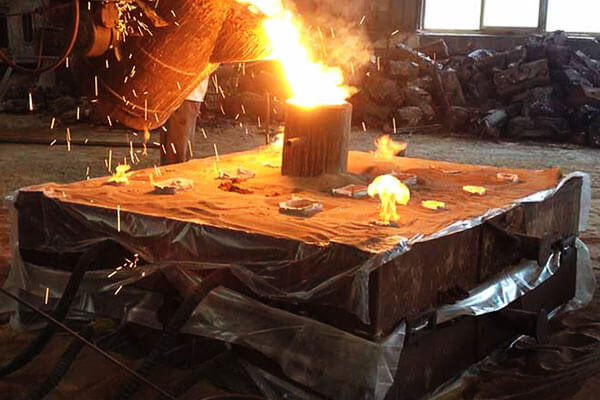
Għaliex it-Temperatura tar-Ramel Jgħodd fil-V-Process Casting
Wara ramel reklamat iħalli s-sistema shakeout u tkessiħ, jidħol fl-istazzjon tal-iffurmar fejn tikkuntattja l-film tal-plastik, kisi refrattorju, u mudell.
Matul il-perjodu relattivament qasir bejn l-assemblaġġ tal-moffa u t-tferrigħ, l-enerġija termali maħżuna fi ħdan ir-ramel tittrasferixxi kontinwament għall-kisi u l-film.
Dan it-trasferiment tas-sħana jinfluwenza diversi karatteristiċi kritiċi tal-proċess simultanjament:
- Rata ta 'tnixxif ta' kisjiet refrattorji
- Flessibilità tal-film tal-plastik u rilassament termali
- Stabbiltà tal-vakwu fil-moffa
- Densità tal-ippakkjar tar-ramel waqt il-vibrazzjoni
- Evoluzzjoni tal-gass waqt it-tferrigħ
- Kwalità tal-wiċċ tal-ikkastjar lest
B'differenza mill-proċessi tal-iffurmar ibbażati fuq il-legaturi, il-moffa niexfa tal-V-Process għandha ftit tolleranza għal kisjiet imnixxfin ħażin jew imġieba tal-film instabbli.
Konsegwentement, iż-żamma ta 'temperatura xierqa tar-ramel itejjeb b'mod sinifikanti l-konsistenza ġenerali tal-proċess.
Limitazzjonijiet tal-Kontroll tat-Temperatura Konvenzjonali
Għal ħafna snin, funderiji komunement kkontrollati molding ramel hawn taħt 50° C., fil-biċċa l-kbira wara r-rakkomandazzjonijiet industrijali bikrija żviluppati matul il-kummerċjalizzazzjoni inizjali tat-teknoloġija V-Process.
Għalkemm din il-prattika b'suċċess evitat sħana żejda tat-tagħmir u l-operaturi, data tal-produzzjoni fit-tul uriet li temperaturi tar-ramel baxxi żżejjed jistgħu jżidu b'mod mhux intenzjonat ċerti difetti tal-ikkastjar.
Matul il-produzzjoni fuq skala kbira ta 'kkastjar ferrovjarju u komponenti oħra ta' l-azzar tqil, diversi funderiji osservati rikorrenti inklużjonijiet ta' gass ta' taħt il-wiċċ bħal katina ikkonċentrat ħdejn il-linji tal-firda u l-postijiet fejn kisjiet refrattarji kellhom it-tendenza li jakkumulaw.
Id-difetti kienu jikkonsistu f'gassijiet maqbuda flimkien ma' partiċelli tal-kisi, partiċelli tar-ramel, u l-inklużjonijiet tal-gagazza.
Interessanti, meta l-produzzjoni tal-produzzjoni żdiedet u l-kapaċità tat-tkessiħ tas-sistema tat-trattament tar-ramel saret insuffiċjenti, temperaturi tar-ramel reklamati naturalment żdiedu għal bejn wieħed u ieħor 70° C..
Taħt dawn il-kundizzjonijiet, id-difetti preċedentement rikorrenti fil-biċċa l-kbira sparixxew. Meta temperatura tar-ramel aktar tard lura għal madwar 50° C., reġgħu dehru l-istess difetti.
Osservazzjonijiet industrijali ripetuti minn funderiji multipli kkonfermaw li dan il-fenomenu kien riproduċibbli, li jindika li t-temperatura tar-ramel nnifisha kienet saret fattur ta 'kontroll fl-imġieba tal-moffa.
Mekkaniżmu ta' Formazzjoni ta' Difetti Relatati mat-Temperatura
L-analiżi tal-inġinerija tissuġġerixxi li t-titjib assoċjat ma’ temperaturi tar-ramel moderatament elevati huwa primarjament relatat mal-interazzjoni bejn kisi refrattorju tnixxif u piroliżi tal-film tal-plastik.
Waqt il-preparazzjoni tal-moffa, ċerti reġjuni—partikolarment tranżizzjonijiet fit-tond bejn il-pjanċa tal-vakwu u l-mudell—naturalment jakkumulaw saffi eħxen ta’ kisi refrattorju.
Dawn iż-żoni minquxa jinxef ħafna aktar bil-mod minn uċuħ ċatti tal-moffa minħabba li l-evaporazzjoni hija ristretta.
Jekk jintuża ramel tal-iffurmar relattivament frisk, porzjonijiet tal-kisi jistgħu jibqgħu parzjalment mhux vulkanizzat sakemm jibda t-tferrigħ.
Meta l-metall imdewweb jidħol fil-moffa, il-film tal-plastik taħt dawn id-depożiti tal-kisi imxarrab ma jistax jiddekomponi immedjatament f'gass.
Minflok, l-ewwel tikkuntratta u tinbek taħt is-sħana, insib partiċelli tal-kisi u ramel fin fi ħdan il-film li qed jiċkien.
Peress li l-metall jimla malajr il-kavità tal-moffa, il-film parzjalment dekompost isir inkapsulat minn metall imdewweb qabel ma sseħħ il-gassifikazzjoni sħiħa.
Il-kisja u r-ramel maqbuda sussegwentement jiġġeneraw diversi difetti karatteristiċi:
- Porożità tal-gass ta' taħt il-wiċċ
- Blowholes tal-wiċċ
- Inklużjonijiet tar-ramel
- Inklużjonijiet tal-gagazza li joriġinaw minn addittivi tal-kisi
- Imperfezzjonijiet tal-wiċċ lokalizzati ħdejn il-linji tal-firda
Dawn id-difetti huma partikolarment probabbli li jseħħu f'reġjuni fejn l-akkumulazzjoni tal-kisi hija diffiċli biex tiġi evitata.
Benefiċċji taż-Żamma ta 'Temperatura Moderata tar-Ramel
Meta r-ramel tal-iffurmar reklamat jinżamm f'temperatura moderatament elevata, ikompli jittrasferixxi s-sħana lill-moffa wara l-irtirar tal-mudell u qabel it-tferrigħ.
Din l-enerġija termali addizzjonali tippromwovi t-tnixxif gradwali ta 'depożiti ta' kisi oħxon filwaqt li fl-istess ħin issaħħan il-film tal-plastik.
Bħala riżultat, iseħħu diversi bidliet ta’ benefiċċju:
- Kisjiet refrattorji jiksbu tnixxif aktar komplut.
- L-umdità residwa fi ħdan l-akkumulazzjonijiet tal-kisi titnaqqas ħafna.
- Il-film tal-plastik joqrob lejn it-temperatura tat-trattib tiegħu qabel ma jitferra.
- It-tensjonijiet residwi interni fi ħdan il-film jonqsu.
- It-tnaqqis tal-film waqt it-tferrigħ isir inqas sever.
- Il-piroliżi tal-film tipproċedi b'mod aktar uniformi.
- Il-gass jaħrab b'mod aktar effiċjenti permezz tas-sistema tal-vakwu.
Pjuttost milli jipproduċi kontrazzjoni tal-film f'daqqa u qbid tal-gass lokalizzat, il-film jiddekomponi aktar bla xkiel hekk kif il-metall imdewweb javvanza mill-kavità tal-moffa.
Dan il-mekkaniżmu jnaqqas sostanzjalment il-formazzjoni ta 'difetti tal-wiċċ u ta' taħt il-wiċċ relatati mal-gass.
Firxa ta 'Temperatura tar-Ramel Rakkomandata
Ibbażat fuq validazzjoni estensiva tal-produzzjoni u ottimizzazzjoni tal-proċess, żamma tar-ramel molding ġewwa 60–80°C wera prestazzjoni superjuri għal ħafna applikazzjonijiet V-Process, partikolarment ħadid fondut medju u kbir.
| Temperatura tar-ramel | Karatteristiċi tal-Proċess | Valutazzjoni tal-Inġinerija |
| <50° C. | Tnixxif bil-mod tal-kisi; jinxtorob tal-film ogħla; żieda fid-difetti relatati mal-gass | Ġeneralment mhux rakkomandat għal produzzjoni kontinwa |
| 50–60°C | Prestazzjoni aċċettabbli; addattat għal applikazzjonijiet ħfief | Medda operattiva tranżitorja |
| 60–80°C | Tnixxif uniformi tal-kisi; piroliżi tal-film stabbli; kwalità tal-wiċċ imtejba; inklużjonijiet imnaqqsa | Firxa operattiva rakkomandata għall-biċċa l-kbira tal-ikkastjar V-Process |
| >80° C. | Tnixxif żejjed tal-kisi possibbli, skumdità tal-operatur, żieda fit-tagħbija termali tat-tagħmir | Jeħtieġ verifika tal-proċess |
Għandu jiġi enfasizzat li t-temperatura ottimali tista 'tvarja skont il-liga tal-ikkastjar, ħxuna tal-ħajt, formulazzjoni tal-kisi, umdità ambjentali, ritmu tal-produzzjoni, u l-effiċjenza tar-reklamazzjoni tar-ramel.
Għalhekk, il-firxa rakkomandata għandha tiġi vverifikata permezz ta 'provi tal-produzzjoni aktar milli applikata bħala valur assolut għal kull applikazzjoni.
Ottimizzazzjoni Integrata tal-Proċess
Il-kontroll tat-temperatura tar-ramel m'għandu qatt jitqies bħala varjabbli tal-proċess iżolat.
L-aħjar kwalità tal-ikkastjar tinkiseb biss meta l-ġestjoni tat-temperatura tkun ikkoordinata mal-preparazzjoni tal-moffa, applikazzjoni tal-kisi, u tħaddim bil-vakwu.
Sistema ta 'produzzjoni V-Process ottimizzata għandha tgħaqqad temperatura xierqa tar-ramel bi ħxuna uniformi tal-kisi, tnixxif effettiv, tqegħid affidabbli tal-film tal-plastik, pressjoni tal-vakwu stabbli, u venting effiċjenti tal-gass.
Għandha tingħata attenzjoni speċjali lill-kantunieri minquxa u t-tranżizzjonijiet tal-linja tal-firda fejn l-akkumulazzjoni tal-kisi hija l-aktar probabbli.
Tneħħi l-akkumulazzjoni eċċessiva tal-kisi, it-titjib tal-konformità tal-film madwar ġeometriji kumplessi, u l-provvista ta' passaġġi ta' ventilazzjoni adegwati tnaqqas aktar il-probabbiltà ta' qbid tal-gass waqt it-tferrigħ.
Il-funderiji moderni tal-V-Process għandhom għalhekk jadottaw ġestjoni termali fil-livell tas-sistema, it-trattament tat-temperatura tar-ramel bħala parti minn tieqa tal-proċess integrat aktar milli bħala speċifikazzjoni waħda tat-tkessiħ.
Meta kkontrollati sew, ramel reklamat moderatament sħun mhux biss itejjeb il-kwalità tal-ikkastjar u l-istabbiltà tal-proċess iżda jista 'wkoll inaqqas it-tagħbija operattiva tat-tagħmir tat-tkessiħ tar-ramel, inqas konsum tal-enerġija, u ttejjeb l-effiċjenza ġenerali tas-sistema tal-iffurmar.
7. L-Aħjar Prattiki għall-Għażla tar-Ramel tal-Moulding V-Process
Funderiji ta 'suċċess V-Process ġeneralment isegwu diversi prinċipji ewlenin:
- Agħżel ramel tas-silika ta 'kwalità għolja bħala l-materjal primarju tal-iffurmar kull meta jkun possibbli.
- Qabbel il-purità tas-silika mal-liga li tkun mitfugħa aktar milli tispeċifika l-ogħla grad bla bżonn.
- Uża ħbub sub-angolari biex tibbilanċja s-saħħa tal-moffa, densità tal-ippakkjar, u riċiklabilità.
- Żomm kontenut baxx ta 'tafal u umdità biex tippreserva l-permeabilità u l-istabbiltà tal-vakwu.
- Itejb id-distribuzzjoni tad-daqs tal-qamħ bl-użu ta' gradazzjoni bimodali jew b'ħafna għarbiel minflok ma tiddependi fuq daqs ta' partiċella waħda.
- Għaqqad kisjiet refrattorji ma 'ramel ta' speċjalità lokalizzat biss fejn il-kundizzjonijiet metallurġiċi jeħtieġu protezzjoni addizzjonali.
- Ikkontrolla t-temperatura tar-ramel reklamata f'medda operattiva ottimizzata aktar milli tkessaħ b'mod eċċessiv.
- Integra l-għażla tar-ramel, teknoloġija tal-kisi, kontroll tal-vakwu, u d-disinn tal-proċess fi strateġija ta 'inġinerija unifikata.
8. Konklużjoni
Il-prestazzjoni ta 'sistema tal-ikkastjar V-Process tiddependi mhux biss fuq it-tagħmir tal-vakwu jew it-teknoloġija tal-iffurmar iżda wkoll fuq fehim profond tal-imġiba tar-ramel tal-iffurmar.
L-għażla xierqa tar-ramel tinfluwenza l-istabbiltà tal-moffa, finitura tal-wiċċ, Prestazzjoni termali, effiċjenza tal-produzzjoni, investiment fit-tagħmir, u s-sostenibbiltà ambjentali.
Fl-istess ħin, it-temperatura tar-ramel ħarġet bħala varjabbli tal-proċess kritiku li taffettwa t-tnixxif tal-kisi, dekompożizzjoni tal-film tal-plastik, u l-formazzjoni tad-difetti.
Pjuttost milli bl-addoċċ tadotta parametri tradizzjonali jew issegwi ramel ta 'speċjalità għalja, funderiji moderni tal-V-Process għandhom jadottaw approċċ ta' inġinerija tas-sistemi.
Billi tgħaqqad ramel tas-silika ottimizzat, distribuzzjonijiet tal-qamħ iddisinjati xjentifikament, kisjiet refrattorji avvanzati, u kontroll tat-temperatura tar-ramel fil-medda ta '60–80 °C,
il-manifatturi jistgħu jiksbu kkastjar ta 'kwalità għolja bi spejjeż aktar baxxi, stabbiltà akbar tal-proċess, prestazzjoni ambjentali mtejba, u effiċjenza ogħla fil-produzzjoni.
Din l-istrateġija integrata tirrappreżenta waħda mill-aktar mogħdijiet effettivi lejn l-ekonomija, affidabbli, u ikkastjar ta 'V-Process ta' prestazzjoni għolja.

