
In-nikil huwa wieħed mill-metalli tal-inġinerija l-aktar importanti fid-dinja, stmata għar-reżistenza tal-korrosjoni eċċezzjonali tagħha, Prestazzjoni ta 'temperatura għolja, karatteristiċi ta 'liga eċċellenti, u proprjetajiet manjetiċi uniċi.
Għandu rwol kritiku fl-industriji li jvarjaw mill-ajruspazju u l-elettronika għall-ipproċessar kimiku, enerġija rinnovabbli, Apparat mediku, u manifattura ta 'preċiżjoni.
Kemm jekk użat fl-istainless steel, superligi, batteriji rikarikabbli, jew komponenti elettromanjetiċi, nikil jikkontribwixxi proprjetajiet li ftit metalli oħra jistgħu simultanjament jipprovdu.
Fost dawn il-proprjetajiet, manjetiżmu spiss iqajjem mistoqsijiet. Ħafna nies jafu li l-ħadid huwa manjetiku, filwaqt li r-ram u l-aluminju mhumiex.
In-nikil jokkupa pożizzjoni interessanti għaliex huwa wieħed biss tliet metalli elementali li huma naturalment ferromanjetiċi f'temperatura tal-kamra, flimkien mal-ħadid (Fe) u kobalt (Co).
Madankollu, l-imġieba manjetika tan-nikil hija aktar kumplessa minn sempliċi iva jew le.
Fatturi bħall-kompożizzjoni tal-liga, temperatura, struttura tal-kristall, xogħol kiesaħ, u t-trattament bis-sħana jista 'jbiddel b'mod sinifikanti l-prestazzjoni manjetika tiegħu.
1. Huwa Nikil manjetiku?
X'inhu Nikil?
Nickel (simbolu kimiku Fi, numru atomiku 28) huwa metall ta 'transizzjoni abjad fidda li jappartjeni għal Grupp 10 tat-tabella perjodika.
Tippossjedi taħlita eċċellenti ta 'reżistenza għall-korrużjoni, ebusija, duttilità, konduttività elettrika, u stabbiltà termali, jagħmilha waħda mill-elementi ta 'liga l-aktar użati fl-industrija moderna.
| Proprjetà | Valur |
| Simbolu Kimiku | Fi |
| Numru Atomika | 28 |
| Struttura tal-kristall | Kubu Iċċentrat fuq il-wiċċ (FCC) |
| Piż Atomika | 58.69 g/mol |
| Densità | 8.90 g / cm³ |
| Punt ta 'tidwib | 1455° C. (2651° F.) |
| Punt tat-Togħlija | 2913° C. (5275° F.) |
| Konduttività termali | 90.9 W / m · k |
| Konduttività elettrika | Bejn wieħed u ieħor 22% IACS |
| Reżistività elettrika | 6.99 × 10⁻⁸ Ω·m |
| Koeffiċjent ta 'espansjoni termali | 13.4 × 10⁻⁶ / k |
| Kapaċità speċifika tas-sħana | 444 J / kg · k |
Tweġiba Qasira: Iva—Nikil Huwa Naturalment Ferromanjetiku
It-tweġiba sempliċi hija iva.
Nikil pur huwa naturalment ferromanjetiku f'temperatura tal-kamra. Dan ifisser li jista ':
- Ikunu attirati bil-qawwa minn kalamiti permanenti.
- Issir magnetizzat taħt kamp manjetiku estern.
- Żomm porzjon tal-manjetizzazzjoni tiegħu wara li jitneħħa l-kamp estern.
- Ifforma oqsma manjetiċi li jallinjaw biex jipproduċu kamp manjetiku permanenti.
In-nikil jappartjeni għal grupp esklussiv ta 'metalli elementali li juru ferromagnetism spontanju taħt kundizzjonijiet normali.
| Element | Naturalment Ferromanjetiku fit-Temperatura tal-Kamra | Temperatura ta' Curie |
| Ħadid (Fe) | IVA | 770° C. |
| Kobalt (Co) | IVA | 1,115° C. |
| Nickel (Fi) | IVA | 358° C. |
Fuq it-temperatura ta' Curie tiegħu, nikil m'għadux iġib ruħu bħala materjal ferromanjetiku u minflok isir paramanjetiċi, jirrispondu biss b'mod dgħajjef għal kampi manjetiċi esterni.
Għaliex in-nikil huwa manjetiku
Il-manjetiżmu tan-nikil joħroġ minn tiegħu struttura elettronika—speċifikament, l-arranġament tal-elettroni fl-orbitali 3d tiegħu. In-nikil għandu l-konfigurazzjoni tal-elettroni [Ar] 3d⁸ 4s².
Dan ifisser li hemm żewġ elettroni mhux imqabbla fis-subshell 3d. Dawn l-elettroni mhux imqabbla joħolqu mument manjetiku nett.
Meta l-mumenti manjetiċi ta 'atomi maġenb jallinjaw fl-istess direzzjoni, il-materjal isir ferromanjetiku.
Dan l-allinjament huwa mmexxi minn fenomenu mekkaniku quantum imsejjaħ il- interazzjoni ta' skambju, li jiffavorixxi l-allinjament parallel ta 'elettron spins f'ċerti metalli.
Fin-nikil, l-interazzjoni ta 'skambju hija b'saħħitha biżżejjed biex iżżomm l-allinjament parallel ta' spin sa 358 °C (it-temperatura Curie).
2. Fehim tal-Majetiżmu fil-Metalli
X'inhu manjetiżmu?
Il-manjetiżmu huwa fenomenu fiżiku li jirriżulta mill-moviment u l-ispin ta 'elettroni fi ħdan l-atomi.
Kull elettron jiġġenera kamp manjetiku ċkejken, imma jekk materjal jurix manjetiżmu notevoli jiddependi fuq kif dawn il-mumenti manjetiċi atomiċi jinteraġixxu kollettivament.
Fil-biċċa l-kbira tal-metalli, mumenti manjetiċi individwali jew jgħaqqdu ma 'spins opposti jew jibqgħu orjentati b'mod każwali, li jirriżulta fi ftit jew xejn manjetiżmu osservabbli.
F'materjali ferromanjetiċi bħan-nikil, madankollu, mumenti atomiċi ġirien jinteraġixxu b'mod qawwi biżżejjed biex jallinjaw b'mod spontanju fuq reġjuni kbar, jipproduċi kamp manjetiku li jista' jitkejjel.
Tipi Maġġuri ta 'Materjali Manjetiċi
| Tip | Definizzjoni | Imġieba Manjetika | Eżempji |
| Ferromanjetiku | Attrazzjoni qawwija; iżomm manjetizzazzjoni; mumenti manjetiċi jallinjaw paralleli. | Suxxettibilità għolja; isteresi; dominji manjetiċi. | Ħadid, Nickel, Kobalt, u l-ligi tagħhom. |
| Ferrimanjetiku | Attrazzjoni qawwija; mumenti manjetiċi jallinjaw antiparallel iżda b'mod mhux ugwali. | Simili għal ferromanjetiċi iżda aktar dgħajfa. | Manjetita (Fe₃O₄), ferriti. |
| Antiferromanjetiku | Attrazzjoni dgħajfa ħafna; mumenti manjetiċi jallinjaw antiparallel. | Is-suxxettibilità tiżdied mat-temperatura. | Kromju, ossidi tal-manganiż. |
Paramanjetiċi |
Attrazzjoni dgħajfa ħafna; ebda żamma; mumenti jallinjaw mal-kamp estern. | Is-suxxettibilità tonqos mat-temperatura (Liġi Curie). | Aluminju, platinu, titanju. |
| Dijamanjetiċi | Repulsjoni dgħajfa ħafna; ebda mumenti permanenti; mumenti indotti jopponu grawnd. | Is-suxxettibilità hija negattiva. | Ram, ċomb, bismut, ilma. |
3. Għaliex in-nikil huwa ferromanjetiku
Il-ferromanjetiżmu tan-nikil għandu l-għeruq fil-prinċipji tal-mekkanika kwantistika aktar milli l-elettromanjetiżmu klassiku.
B'differenza metalli ordinarji, nikil jippossjedi struttura elettronika li tippermetti miljuni ta 'mumenti manjetiċi atomiċi biex jikkooperaw u jallinjaw fuq reġjuni kbar, toħloq kamp manjetiku makroskopiku qawwi.
Dan il-fenomenu jirriżulta mill-effetti magħquda tal-ispin tal-elettroni, interazzjonijiet ta' skambju, struttura tal-kristall, u l-formazzjoni tad-dominju manjetiku.

Struttura Atomika tan-Nikil
L-atomi tan-nikil fihom 28 elettroni irranġati madwar nukleu ta 28 protoni.
Filwaqt li l-elettroni ta 'ġewwa huma marbuta sewwa u jikkontribwixxu ftit għall-imġieba manjetika, il-barra 3d elettroni għandhom rwol deċiżiv.
In-nikil jikkristallizza fi a Kubiku ċċentrat fuq il-wiċċ (FCC) kannizzata f'temperatura tal-kamra.
Dan l-arranġament atomiku ordnat ħafna jqiegħed l-atomi ġirien tan-nikil qrib biżżejjed biex il-funzjonijiet tagħhom tal-mewġ tal-elettroni jikkoinċidu, li tippermetti interazzjonijiet manjetiċi qawwija madwar il-kristall.
Konfigurazzjoni Elettron
Il-konfigurazzjoni tal-elettroni tal-istat terren tan-nikil hija:
[Ar] 3d⁸ 4s²
Il parzjalment mimlija 3d orbitali fih elettroni mhux imqabbla, kull wieħed ikollu mument manjetiku intrinsiku minħabba spin tal-elettroni.
Jekk dawn il-mumenti baqgħu orjentati bl-addoċċ, il-materjal juri biss paramagnetism dgħajjef. Minflok, l-istruttura atomika tan-nikil tippermetti spins ġirien jinteraġixxu b'mod kooperattiv.
Skambju Interazzjoni
Il-mekkaniżmu ewlieni responsabbli għall-ferromagnetism tan-nikil huwa l- interazzjoni ta' skambju, effett mekkaniku quantum li jirriżulta mill-koinċidenza tal-funzjonijiet tal-mewġ tal-elettroni ġirien.
Din l-interazzjoni tiffavorixxi l-allinjament parallel ta 'spins ta' l-elettroni adjaċenti minħabba li timminimizza l-enerġija totali tal-kristall. Bħala riżultat:
- Mumenti manjetiċi atomiċi ġirien jallinjaw spontanjament.
- Reġjuni kbar ta 'atomi manjetizzati b'mod uniformi jiżviluppaw.
- Il-manjetizzazzjoni teżisti anki mingħajr kamp manjetiku estern.
Għalkemm il-mument manjetiku ta 'atomu tan-nikil individwali huwa iżgħar minn dak tal-ħadid, l-allinjament kollettiv ta 'biljuni ta' atomi jiġġenera mġiba manjetika sinifikanti.
Dominji manjetiċi
Biex titnaqqas l-enerġija manjetika ġenerali, nikil ma jaġixxix bħala kalamita ġgant waħda.
Minflok, huwa maqsum f'diversi mikroskopiċi dominji manjetiċi, kull wieħed fih miljuni ta 'atomi bil-mumenti manjetiċi tagħhom allinjati fl-istess direzzjoni.
F'biċċa nikil mhux manjetizzata:
- Id-dominji jindikaw f'direzzjonijiet differenti.
- Il-kampijiet manjetiċi tagħhom fil-biċċa l-kbira jikkanċellaw lil xulxin.
- Il-materjal juri ftit manjetiżmu estern.
Meta espost għal kamp manjetiku estern:
- Dominji orjentati b'mod favorevoli jespandu.
- Il-ħitan tad-dominju jimxu.
- Spins atomiċi jduru lejn il-kamp applikat.
- Il-manjetizzazzjoni ġenerali tiżdied malajr.
Jekk il-kamp manjetiku huwa qawwi biżżejjed, il-biċċa l-kbira tad-dominji jsiru allinjati, u n-nikil joqrob saturazzjoni manjetika.
Temperatura ta' Curie
In-nikil jibqa 'ferromanjetiku biss taħt tiegħu Temperatura Curie, bejn wieħed u ieħor 358° C. (631 K).
Taħt din it-temperatura:
- L-interazzjonijiet tal-iskambju jiddominaw.
- Id-dominji manjetiċi jibqgħu stabbli.
- Imġieba ferromanjetika qawwija tinżamm.
Fuq it-temperatura ta' Curie:
- L-enerġija termali tfixkel l-allinjament tal-ispin.
- Id-dominji manjetiċi kollass.
- Transizzjonijiet tan-nikil fi a paramanjetiċi materjal, juri biss manjetiżmu dgħajjef f'kamp estern.
Din it-tranżizzjoni li tiddependi mit-temperatura hija konsiderazzjoni kritika f'applikazzjonijiet li jinvolvu temperaturi operattivi elevati, bħal muturi elettriċi, ġeneraturi, sensuri, u tagħmir industrijali b'temperatura għolja.
4. Fatturi li jaffettwaw il-manjetiżmu tan-nikil
Għalkemm in-nikil pur huwa intrinsikament ferromanjetiku, l-imġieba manjetika tagħha mhix kostanti taħt il-kundizzjonijiet kollha tas-servizz.
Is-saħħa tal-manjetizzazzjoni, permeabilità manjetika, u l-istabbiltà manjetika tista 'tinbidel b'mod sinifikanti skond it-temperatura, kompożizzjoni tal-liga, ipproċessar mekkaniku, mikrostruttura, u l-ambjent operattiv tal-madwar.
Temperatura
It-temperatura hija l-aktar fattur influwenti li jaffettwa l-manjetiżmu tan-nikil.
Hekk kif tiżdied it-temperatura, l-enerġija termali tikkawża vibrazzjoni atomika akbar, gradwalment tfixkel l-allinjament ta 'dominji manjetiċi responsabbli għall-ferromagnetism.
Taħt tagħha Temperatura Curie (madwar 358°C / 676° F.), nikil iżomm manjetizzazzjoni spontanja u juri imġieba ferromanjetika qawwija.
Hekk kif it-temperatura toqrob lejn il-punt Curie, il-permeabilità manjetika u l-manjetizzazzjoni tas-saturazzjoni jonqsu malajr.
Ladarba t-temperatura tal-Curie tinqabeż, l-oqsma manjetiċi kollass, u n-nikil jgħaddi minn tranżizzjoni ta 'fażi minn materjal ferromanjetiku għal wieħed paramanjetiku.
F'dan l-istat, jirrispondi biss b'mod dgħajjef għal kamp manjetiku estern u m'għadux iżomm manjetizzazzjoni permanenti.
Importanti, din it-trasformazzjoni hija riversibbli. Jekk il-materjal jitkessaħ taħt it-temperatura ta 'Curie mingħajr ma jgħaddi minn bidliet mikrostrutturali sinifikanti jew ossidazzjoni, il-proprjetajiet ferromanjetiċi tiegħu jiġu restawrati.
| Firxa tat-temperatura | Imġieba Manjetika | Implikazzjonijiet tal-Inġinerija |
| Taħt it-300°C | Ferromanjetiżmu stabbli | Adattat għall-biċċa l-kbira tal-komponenti manjetiċi |
| 300–358°C | Il-manjetiżmu jiddgħajjef gradwalment | Effiċjenza manjetika mnaqqsa |
| 'il fuq minn 358°C | Paramanjetiċi | Mhux adattat għal applikazzjonijiet manjetiċi |
| Wara li tkessaħ taħt il-punt Curie | Ferromagnetism jirkupra | Il-proprjetajiet manjetiċi huma ġeneralment restawrati |
Kompożizzjoni tal-liga
Iż-żieda ta 'elementi ta' liga għandha effett profond fuq il-karatteristiċi manjetiċi tan-nikil minħabba li tbiddel l-istruttura elettronika u l-kannizzata tal-kristall.
Elementi bħal ħadid u Kobalt ġeneralment ittejjeb l-imġieba ferromanjetika billi żżid l-interazzjonijiet ta 'skambju manjetiku, filwaqt li żidiet inklużi kromju, molibdenu, manganiż, ram, u silikon it-tendenza li tnaqqas il-permeabilità manjetika billi tistabbilizza fażijiet mhux manjetiċi jew tħarbat l-allinjament tad-dominju manjetiku.
Konsegwentement, ligi tan-nikil juru spettru wiesa 'ta' mġiba manjetika.
Ligi tan-nikil-ħadid bħal Permalloy huma mfassla speċifikament biex jiksbu permeabilità manjetika estremament għolja għat-trasformaturi, ilqugħ manjetiku, u sensuri ta' preċiżjoni.
B'kuntrast, ligi reżistenti għall-korrużjoni ta 'prestazzjoni għolja bħal Inconel, Hastelloy, u ħafna gradi ta Monel huma ddisinjati primarjament għal prestazzjoni mekkanika u kimika, li jirriżulta f'karatteristiċi dgħajfa jew kważi mhux manjetiċi.
Dan jispjega għaliex il-kontenut tan-nikil waħdu ma jistax jintuża biex ibassar jekk liga tkunx manjetika b'mod qawwi.
Struttura tal-kristall u mikrostruttura
L-imġieba manjetika tan-nikil hija relatata mill-qrib mal-kubi ċċentrata fuq il-wiċċ tagħha (FCC) struttura tal-kristall u l-arranġament ta 'dominji manjetiċi fi ħdan il-materjal.
Daqs tal-qamħ, orjentazzjoni tal-qamħ, Distribuzzjoni tal-fażi, jippreċipita, u difetti tal-kristall kollha jinfluwenzaw il-moviment tal-ħitan tad-dominju manjetiku.
Materjali bi ħbub uniformi u stress intern baxx ġeneralment juru prestazzjoni manjetika aktar stabbli u prevedibbli, billi mikrostrutturi eteroġenji jistgħu jnaqqsu l-permeabilità manjetika u jżidu l-isteresi manjetika.
Matul il-proċessi tal-manifattura bħall-ikkastjar, Forġa, rolling, jew trattament bis-sħana, bidliet fil-morfoloġija tal-qamħ u stress residwu jimmodifikaw l-istruttura tad-dominju, iwassal għal varjazzjonijiet li jistgħu jitkejlu fil-proprjetajiet manjetiċi anke meta l-kompożizzjoni kimika tibqa 'mhux mibdula.
Xogħol kiesaħ u Stress Residwu
Deformazzjoni mekkanika introdotta matul irrumblar kiesaħ, tpinġija, liwi, ittimbrar, jew il-magni jibdlu d-distribuzzjoni tal-istress intern tan-nikil u jaffettwa l-mobilità ta 'dominji manjetiċi.
Ix-xogħol kiesaħ iżid id-densità tad-dislokazzjoni u l-istress residwu, joħolqu ostakli li jimpedixxu l-moviment tal-ħajt tad-dominju.
Bħala riżultat, il-koerċività spiss tiżdied filwaqt li l-permeabilità manjetika tonqos. Fil-komponenti elettromanjetiċi ta 'preċiżjoni, deformazzjoni kiesħa eċċessiva tista 'tnaqqas l-effiċjenza manjetika u żżid it-telf tal-isteresi.
Għal din ir-raġuni, ħafna ligi manjetiċi tan-nikil ta' prestazzjoni għolja jgħaddu minn ittemprar li jtaffu l-istress wara l-fabbrikazzjoni biex jirrestawraw l-aħjar karatteristiċi manjetiċi u jtejbu l-istabbiltà dimensjonali.
Trattament tas-sħana
Trattament tas-sħana jinfluwenza l-manjetiżmu tan-nikil billi jtaffi l-istress residwu, raffinar struttura tal-qamħ, u timmodifika d-distribuzzjoni tal-fażi.
Ittremprar xieraq jippromwovi t-tkabbir tal-qamħ u jnaqqas id-distorsjoni interna tal-kannizzata, li jippermettu dominji manjetiċi jiċċaqilqu b'mod aktar ħieles.
Dan ġeneralment iżid il-permeabilità manjetika u jnaqqas il-forza koerċittiva.
Bil-maqlub, temperaturi mhux xierqa ta’ trattament bis-sħana jew rati ta’ tkessiħ jistgħu jintroduċu fażijiet mhux mixtieqa jew stress residwu li jaffettwaw ħażin il-prestazzjoni manjetika.
Għal ligi manjetiċi rotob tan-nikil-ħadid, ċikli ta 'ttemprar kkontrollati b'mod preċiż huma pass kritiku tal-manifattura, ħafna drabi tiddetermina l-proprjetajiet manjetiċi finali b'mod aktar sinifikanti mill-kompożizzjoni tal-liga nnifisha.
Qasam Manjetiku Applikat
In-nikil ma jurix intensità manjetika fissa taħt il-kundizzjonijiet operattivi kollha. Ir-rispons tiegħu jiddependi kemm fuq is-saħħa kif ukoll fuq l-istorja tal-kamp manjetiku applikat.
Meta jiġi introdott kamp manjetiku estern, dominji manjetiċi progressivament iduru u jallinjaw mad-direzzjoni tal-kamp, li tikkawża manjetizzazzjoni tiżdied sakemm tintlaħaq is-saturazzjoni.
Lil hinn mill-punt ta 'saturazzjoni, żidiet ulterjuri fil-qawwa tal-kamp jipproduċu ftit manjetizzazzjoni addizzjonali.
Wara li l-qasam estern jitneħħa, porzjon tal-manjetizzazzjoni tibqa' kif rimanenza, filwaqt li l-qasam meħtieġ biex jelimina din magnetization residwu huwa magħruf bħala l- forza koerċittiva.
Dawn il-karatteristiċi huma rappreżentati mill-linja ta 'isteresi tal-materjal u huma partikolarment importanti fid-disinn tal-muturi, attwaturi, Sensuri manjetiċi, u apparat elettromanjetiku.
Ambjent Operattiv
L-ambjent tas-servizz jista 'jinfluwenza indirettament il-prestazzjoni manjetika fit-tul tan-nikil.
Għalkemm in-nikil jippossjedi reżistenza għall-korrużjoni eċċellenti, espożizzjoni fit-tul għal temperaturi elevati, tagħbija termali ċikliku, atmosferi ossidanti, vibrazzjoni mekkanika, jew kimiċi aggressivi jistgħu jbiddlu gradwalment il-kundizzjoni tal-wiċċ u l-mikrostruttura.
Dawn il-bidliet jistgħu jaffettwaw l-istabbiltà manjetika fuq perjodi ta 'servizz estiżi, speċjalment f'ambjenti industrijali eżiġenti.
F'applikazzjonijiet bħal sistemi aerospazjali, tagħmir tal-baħar, impjanti tal-ipproċessar kimiku, u faċilitajiet għall-ġenerazzjoni tal-enerġija, inġiniera jevalwaw kemm il-proprjetajiet manjetiċi kif ukoll id-durabilità ambjentali simultanjament biex jiżguraw prestazzjoni affidabbli fit-tul.
Proċess ta 'manifattura
Metodi ta 'manifattura differenti jipproduċu mikrostrutturi distinti u stati ta' stress residwu, li jirriżulta f'varjazzjonijiet fl-imġieba manjetika.
Komponenti tan-nikil fondut ġeneralment fihom ħbub akbar u strutturi ta 'solidifikazzjoni aktar bil-mod, filwaqt li prodotti foloz juru qmuħ raffinati u proprjetajiet mekkaniċi mtejba.
Materjali lesti fil-kesħa għandhom stress residwu ogħla, billi prodotti ittemprati tipikament juru permeabilità manjetika akbar u koerċività aktar baxxa.
Proċessi tal-irfinar tal-wiċċ bħal magni, tħin, illustrar, u l-electroplating normalment ikollhom ftit effett dirett fuq magnetism bl-ingrossa, iżda jistgħu jinfluwenzaw il-prestazzjoni manjetika fi strumenti ta 'preċiżjoni għolja fejn huma meħtieġa tolleranzi manjetiċi estremament stretti.
5. Huma Nikil Ligi manjetiċi?
Wieħed mill-kunċetti żbaljati l-aktar komuni huwa li kull liga li fiha n-nikil għandha tkun manjetika.
Fir-realtà, Il-kontenut tan-nikil waħdu ma jiddeterminax l-imġieba manjetika.
Minflok, manjetiżmu jiddependi primarjament fuq:
- Struttura tal-kristall
- Kompożizzjoni tal-liga
- Distribuzzjoni tal-fażi
- Trattament tas-sħana
- Xogħol kiesaħ
- Temperatura tas-servizz
Peress li l-elementi tal-liga jimmodifikaw l-arranġament atomiku tan-nikil, huma wkoll ibiddlu l-interazzjonijiet ta 'skambju responsabbli għall-ferromanjetiżmu.
Imġieba Manjetika ta' Ligi Komuni tan-Nikil
| Liga | Kontenut tan-nikil | Mikrostruttura | Manjetiku fit-Temperatura tal-Kamra | Applikazzjonijiet tipiċi |
| Nickel 200 | ≥99.0% | FCC | IVA | Komponenti elettriċi, Tagħmir kimiku |
| Nickel 201 | ≥99.0% (karbonju baxx) | FCC | IVA | Ipproċessar tal-ikel, elettronika |
| Monel 400 | ~63–70% In | Nikil-Ram | Ftit manjetiku għal dgħajjef manjetiku | Inġinerija tal-baħar, pompi, valvi |
| Monel K-500 | ~63% In | Preċipitazzjoni mwebbsa | Dgħajjef manjetiku | Xaftijiet offshore, Qafliet |
| Inconel 600 | ~72% In | Austenitic | Ġeneralment mhux manjetiku (Anzjan) | Skambjaturi tas-sħana, fran |
Inconel 625 |
~58% In | Austenitic | Essenzjalment mhux manjetiku | Aerospazjali, Marine, Ipproċessar kimiku |
| Inconel 718 | ~52% In | Preċipitazzjoni mwebbsa | Ftit manjetiku wara t-tixjiħ | Magni tal-ajruplani, turbini |
| Hastelloy C-276 | ~57% In | Austenitic | Mhux manjetiku (Anzjan) | Tagħmir għall-ipproċessar kimiku |
| Liga 20 | ~35% In | Austenitic | Mhux manjetiku | Servizz ta 'aċidu sulfuriku |
| Nimonic 80A | ~75% In | Superliga tan-nikil | Ftit manjetiku | Turbini tal-gass, aerospazjali |
6. Kif Tittestja jekk in-nikil huwiex manjetiku
Huwa importanti li jiġi ddeterminat jekk in-nikil jew liga li fiha n-nikil huwiex manjetiku huwa importanti fl-identifikazzjoni tal-materjal, kontroll tal-kwalità, verifika tal-liga, u l-manutenzjoni tat-tagħmir.
Filwaqt li kalamita sempliċi tista 'tipprovdi indikazzjoni ta' malajr, applikazzjonijiet ta 'inġinerija ħafna drabi jeħtieġu kejl kwantitattiv ta' permeabilità manjetika, densità tal-fluss manjetiku, jew manjetizzazzjoni tas-saturazzjoni.
| Metodu tal-Ittestjar | Eżattezza | Kwantitattiv | Mhux Distruttivi | Applikazzjonijiet tipiċi |
| Kalamita permanenti | Baxx | LE | IVA | Identifikazzjoni rapida tal-qasam |
| Miter tal-permeabilità manjetika | Għoli | IVA | IVA | Kontroll tal-kwalità industrijali |
| Gauss meter | Għoli | IVA | IVA | Kejl tal-kamp manjetiku |
| Magnetometru tal-Kampjun li jivvibra (VSM) | Għoli ħafna | IVA | IVA | Riċerka tal-materjali, żvilupp tal-liga |
| Manjetometru tal-KLAMAR | Għolja Estremament | IVA | IVA | Riċerka xjentifika |
| Mikroskopija Forza Manjetika (MFM) | Mikroskopiku | IVA | IVA | Analiżi tal-istruttura tad-dominju |
7. Applikazzjonijiet industrijali tan-nikil manjetiku
Il-kombinazzjoni unika ta’ nikil ferromagnetism, Reżistenza għall-korrużjoni, durabilità mekkanika, u stabbiltà termali jagħmilha indispensabbli f'bosta setturi industrijali.
B'differenza mill-ħadid, in-nikil iżomm reżistenza eċċellenti għall-korrużjoni filwaqt li għadu juri mġiba manjetika utli, jagħmilha ideali għal ambjenti ħarxa fejn materjali manjetiċi konvenzjonali jiddeterjoraw malajr.
Muturi elettriċi u Ġeneraturi
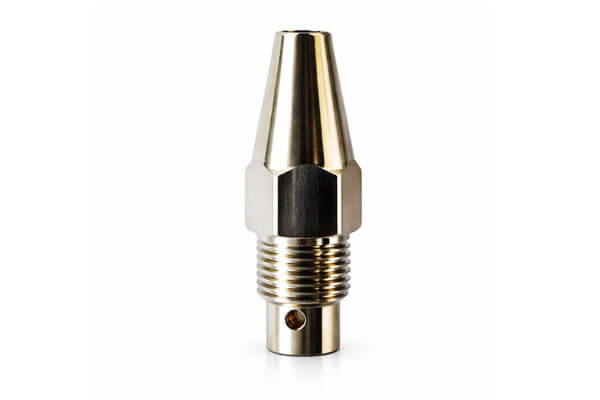
In-nikil huwa komunement użat f'komponenti elettromanjetiċi li jeħtieġu prestazzjoni manjetika stabbli taħt ċikli ta 'manjetizzazzjoni ripetuti.
L-applikazzjonijiet jinkludu:
- Komponenti tal-arbli tal-mutur
- Assemblaġġi tar-rotor
- Ilqugħ manjetiku
- Komponenti tal-ġeneratur
- Attwaturi elettromanjetiċi
Relays Elettromanjetiċi u Solenojdi
Il-permeabilità manjetika relattivament għolja tan-nikil tippermetti trażmissjoni effiċjenti tal-fluss manjetiku.
Applikazzjonijiet tipiċi jinkludu:
- Armaturi tar-relay
- Qlub tas-solenojdi
- Swiċċijiet elettromanjetiċi
- Sistemi ta' kuntatt
- Tagħmir ta' kontroll industrijali
Sensuri manjetiċi
Ħafna teknoloġiji sensing jiddependu fuq l-imġieba manjetika stabbli tan-nikil.
L-applikazzjonijiet jinkludu:
- Sensuri tal-effett Hall
- Sensuri tal-prossimità
- Sensuri tal-pożizzjoni
- Transformers tal-kurrent
- Sistemi ta' kejl tal-veloċità
Batteriji Rikarikabbli
In-nikil huwa materjal ewlieni f'ħafna teknoloġiji tal-batteriji.
Eżempji jinkludu:
- Idrur tan-nikil-metall (NiMH)
- Nikil-kadmju (NiCd)
- Katodi tal-jone tal-litju b'ħafna nikil
- Kolletturi tal-kurrent tal-batterija
Komponenti Elettroniċi
Il-kisi tan-nikil electroplated iservi kemm għal skopijiet protettivi kif ukoll għal skopijiet funzjonali.
Applikazzjonijiet komuni jinkludu:
- Bords taċ-ċirkwiti stampati (PCB)
- Konnetturi
- Pakketti semikondutturi
- Kompartimenti tal-ilqugħ
- Kuntatti ta 'preċiżjoni
Industrija Aerospazjali
Ligi bbażati fuq in-nikil jintużaw b'mod estensiv f'inġenji tal-ajru u vetturi spazjali minħabba li jżommu s-saħħa mekkanika f'temperaturi elevati.
Komponenti tipiċi jinkludu:
- Magni bit-turbini
- Sistemi tal-egżost
- Qafliet
- Sensuri
- Apparat elettromanjetiku b'temperatura għolja
Tagħmir għall-Ipproċessar Kimiku
Nikil pur jgħaqqad proprjetajiet manjetiċi ma 'reżistenza għall-korrużjoni eċċellenti kontra kimiċi alkalini.
Tagħmir tipiku jinkludi:
- Pompi
- Valvoli
- Skambjaturi tas-sħana
- Reċipjenti taħt pressjoni
- Reatturi elettrokimiċi
Tagħmir Mediku
Materjali manjetiċi li fihom in-nikil jinstabu f'ħafna apparati mediċi.
Eżempji jinkludu:
- Strumenti dijanjostiċi
- Komponenti awżiljarji kompatibbli mal-MRI
- Tagħmir kirurġiku
- Attwaturi ta' preċiżjoni
- Awtomazzjoni tal-laboratorju
Ilqugħ manjetiku
Ligi li fihom in-nikil jintużaw ħafna għal interferenza elettromanjetika (Emi) protezzjoni.
L-applikazzjonijiet jinkludu:
- Alloġġi elettroniċi
- Tagħmir ta' komunikazzjoni
- Elettronika aerospazjali
- Awtomazzjoni industrijali
- Strumentazzjoni ta' preċiżjoni
8. Nikil vs Metalli manjetiċi oħra
Għalkemm ħadid (Fe), Kobalt (Co), u Nickel (Fi) huma t-tliet metalli ferromanjetiċi li jseħħu b'mod naturali f'temperatura ambjentali, huma differenti b'mod sinifikanti fil-prestazzjoni manjetika, Propjetajiet mekkaniċi, Reżistenza għall-korrużjoni, stabbiltà tat-temperatura, u applikazzjonijiet industrijali.
| Proprjetà | Nickel (Fi) | Ħadid (Fe) | Kobalt (Co) | Azzar li ma jsaddadx ferritiku (430) | Azzar li ma jsaddadx martensitiku (410) |
| Struttura tal-kristall (Temperatura tal-kamra) | FCC | BCC | HCP | BCC | BCT |
| Imġieba Manjetika | Ferromanjetiku | Ferromanjetiku | Ferromanjetiku | Ferromanjetiku | Ferromanjetiku |
| Temperatura ta' Curie | 358° C. | 770° C. | 1,115° C. | ~ 700–750°C | ~ 700–760°C |
| Permeabilità Manjetika Relattiva | Medju-għoli | Għoli ħafna | Għoli | Medju-għoli | Medju |
| Saturazzjoni Magnetization | Moderat | Għoli ħafna | Għoli | Medju | Medju |
| Reżistenza għall-korrużjoni | Eċċellenti | Fqir | Tajjeb | Tajjeb | Moderat |
Reżistenza għall-ilbies |
Tajjeb | Moderat | Eċċellenti | Tajjeb | Eċċellenti (Bis-sħana trattata) |
| Stabbiltà f'Temperatura Għolja | Tajjeb | Moderat | Eċċellenti | Tajjeb | Moderat |
| Makkinabilità | Tajjeb | Moderat | Diffiċli | Tajjeb | Tajjeb |
| Spiża ta 'materjal relattiv | Medju | Baxx | Għoli ħafna | Medju | Medju |
| Applikazzjonijiet tipiċi | Tagħmir kimiku, elettronika, electroplating | Transformers, muturi, azzar strutturali | Aerospazjali, kalamiti permanenti, komponenti tat-turbini | Appliances, sistemi ta' l-egżost, housings manjetiċi | Valvoli, pompi, Xfafar tat-turbina |
9. Miti Komuni Dwar il-Majetiżmu tan-Nikil
| Leġġenda | Fatt |
| Il-ligi kollha bbażati fuq in-nikil huma manjetiċi. | Mhux veru. Ħafna ligi tan-nikil (E.g., Inconel, Monel, Hastelloy) mhumiex manjetiċi jew dgħajjef manjetiċi minħabba dilwizzjoni tal-istruttura ferromanjetika minn elementi oħra. |
| In-nikil jitlef il-manjetiżmu għal dejjem meta jissaħħan. | Falza. Il-manjetiżmu tan-nikil jirritorna meta jitkessaħ taħt it-temperatura ta 'Curie tiegħu (358° C.), sakemm il-materjal ma jkunx għadda minn bidla fil-fażi. |
In-nikil huwa l-aktar metall manjetiku. |
Falza. Il-ħadid għandu mument manjetiku ogħla għal kull atomu u manjetizzazzjoni ta 'saturazzjoni ogħla. In-nikil huwa t-tielet l-aktar metall elementali manjetiku (wara ħadid u kobalt). |
| In-nikil huwa manjetiku fit-temperaturi kollha. | Falza. 'il fuq minn 358°C, in-nikil isir paramanjetiku. Taħt it-358°C, huwa ferromanjetiku. |
| It-test tal-kalamita jista 'jiddistingwi n-nikil minn metalli oħra. | Parzjalment falza. It-test tal-kalamita jista 'jindika ferromagnetism, iżda ma tistax tiddistingwi bejn nikil, ħadid, u kobalt. Aktar testijiet (E.g., analiżi kimika, densità) huma meħtieġa. |
10. Konklużjoni
In-nikil jokkupa pożizzjoni unika fost il-metalli tal-inġinerija minħabba li jgħaqqad ferromagnetism naturali, reżistenza għall-korrużjoni eċċellenti, duttilità eċċellenti, u prestazzjoni affidabbli f'temperatura għolja.
Bħala wieħed mit-tliet metalli elementali li juru ferromagnetism f'temperatura tal-kamra, in-nikil għandu rwol vitali f'applikazzjonijiet li jvarjaw minn apparat u sensuri elettromanjetiċi għal tagħmir għall-ipproċessar kimiku u sistemi aerospazjali avvanzati.
Madankollu, imġieba manjetika fin-nikil hija aktar sfumata minn klassifikazzjoni manjetika jew mhux manjetika sempliċi.
In-nikil pur huwa distintament ferromanjetiku, iżda s-saħħa manjetika tagħha hija aktar baxxa minn dik tal-ħadid. Barra minn hekk, kompożizzjoni tal-liga, trattament tas-sħana, xogħol kiesaħ, temperatura operattiva, u l-mikrostruttura kollha għandhom influwenza sinifikanti fuq il-prestazzjoni manjetika.
Għal inġiniera u disinjaturi, l-għażla tal-materjal tan-nikil xieraq teħtieġ l-ibbilanċjar ta 'fatturi multipli, inkluża l-permeabilità manjetika, Qawwa mekkanika, Reżistenza għall-korrużjoni, manifattura, temperatura tas-servizz, u spiża taċ-ċiklu tal-ħajja.
F'ambjenti industrijali eżiġenti fejn reżistenza għall-korrużjoni u proprjetajiet manjetiċi affidabbli għandhom jikkoeżistu, in-nikil jibqa 'wieħed mill-aktar materjali ta' inġinerija versatili u siewja disponibbli.
FAQs
Huwa nikil pur manjetiku f'temperatura tal-kamra?
IVA. In-nikil pur huwa ferromanjetiku f'temperatura tal-kamra (20° C.) u jibqa’ hekk sat-temperatura ta’ Curie tiegħu ta’ 358°C.
Huma kollha ligi tan-nikil manjetiċi?
LE. L-imġiba manjetika tal-ligi tan-nikil tiddependi fuq l-elementi tal-liga u l-konċentrazzjonijiet tagħhom.
Ħafna ligi tan-nikil (E.g., Inconel, Monel, Hastelloy) mhumiex manjetiċi jew dgħajjef manjetiċi.
Kif tqabbel il-manjetiżmu tan-nikil mal-ħadid?
In-nikil għandu mument manjetiku aktar baxx għal kull atomu (0.6 μ_B vs. 2.2 μ_B għall-ħadid) u manjetizzazzjoni ta' saturazzjoni aktar baxxa (0.6 T vs. 2.15 T). Il-ħadid huwa manjetiku b'mod aktar qawwi min-nikil.
In-nikil jista' jsir mhux manjetiku?
IVA. Ligi tan-nikil b'elementi mhux manjetiċi suffiċjenti (E.g., ram, kromju, titanju) jista 'jddilwa l-kannizzata ferromanjetika u jipproduċi ligi mhux manjetiċi jew manjetiċi dgħajfa.
X'inhi l-liga tan-nikil l-aktar manjetika?
Permalloy (80% Fi, 20% Fe) hija waħda mill-ligi tan-nikil l-aktar manjetiċi, b'permeabilità relattiva li taqbeż 100,000.

