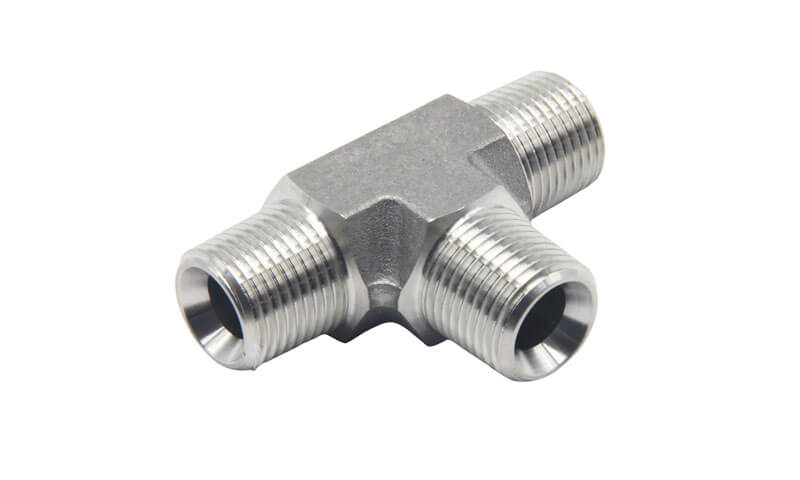
Izšķirt nerūsējošā tērauda tēja ir trīs portu cauruļu veidgabals, kas paredzēts sadalīšanai, apvienot, vai novirzīt šķidruma plūsmu cauruļvadu sistēmā.
Atšķirībā no vienkāršas caurules daļas, Tējai ir jāintegrē trīs plūsmas ejas vienā spiedienu saturošā korpusā, vienlaikus saglabājot pietiekamu mehānisko izturību, kontrolēts sienas biezums, Izmēra precizitāte, un uzticami savienojumi ar blakus esošajiem cauruļvadiem.
Prasīgos lietojumos, zaru savienojuma ģeometrija ietekmē arī plūsmas sadalījumu, lokālā stresa koncentrācija, spiediena zudums, un ilgtermiņa pakalpojumu uzticamība.
Sarežģītiem pielāgotiem tees, investīciju liešana (zaudētā vaska liešana) nodrošina efektīvu veidu, kā reproducēt trīsdimensiju savienojumu starp ieejas un atzarojuma ejām, vienlaikus saglabājot korpusu kā integrētu lējumu.
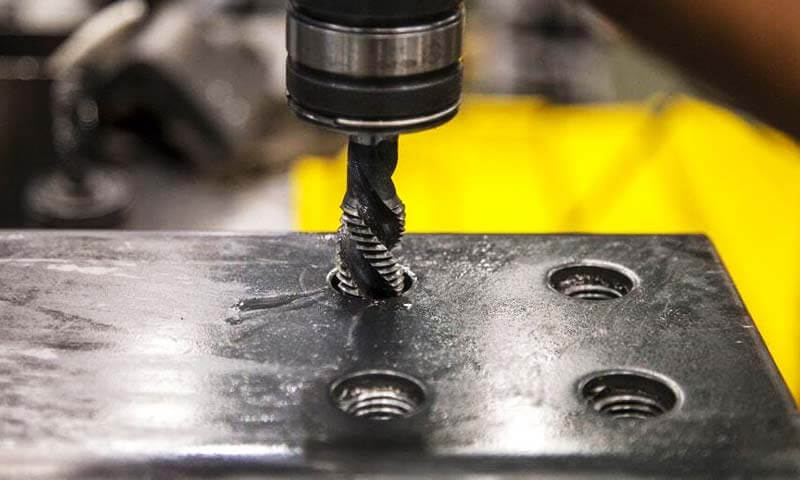
Liešana nosaka kopējo konstrukcijas ģeometriju, savukārt CNC apstrāde var pēc tam ražot vītnes, urbumi, blīvējuma virsmas, ligzdas izmēri, un citas funkcionālās saskarnes ar nepieciešamajām pielaidēm.
1. Kas ir nerūsējošā tērauda tēja?
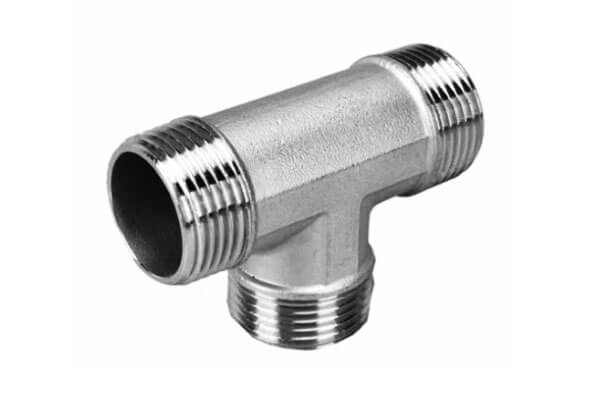
Izšķirt nerūsējošā tērauda tēja ir trīsceļu cauruļu veidgabals ar vienu galveno kanālu un vienu atzaru kanālu, kas krustojas kontrolētā ģeometrijā.
To izmanto, lai sadalītu šķidruma plūsmu divos virzienos, apvienot divas plūsmas vienā, vai nodrošināt atzaru savienojumu ar citu cauruļvadu sistēmas posmu.
Trīs atveres parasti sauc par diviem galiem palaist un filiāle. Vienādā tī, trīs savienojumu izmēri ir nomināli vienādi. Samazinošā tee, zaram vai vienai skrējiena pusei ir mazāks diametrs.
Tā kā trīs ejas krustojas salīdzinoši kompaktā korpusā, krustojums ir tehniski prasīgāks par taisnu cauruļu veidgabalu.
Ražotājam vienlaikus jākontrolē iekšējā caurbraukšanas ģeometrija, ārējās sienas biezums, materiālā veselība, un savienojuma izmēri.
2. Materiālu inženierija & Metalurģija
Materiālu izvēle ir būtiska pasūtījuma izpildei nerūsējošais tērauds tee, jo armatūrai vienlaikus jāiztur iekšējais spiediens, korozija, temperatūra, mehāniskā slodze, un investīciju liešanas ražošanas nosacījumi.
Austenīta nerūsējošais tērauds: CF8, Cf8m, CF3, un CF3M
CF8 nerūsējošais tērauds
ASTM A351 CF8 ir liets austenīta nerūsējošais tērauds, kas kopumā atbilst kaltajam 304 nerūsējošais tērauds.
Tas parasti satur aptuveni 18–21 mas.% hroma un 8–11 mas.% niķeļa, ar oglekli ierobežots līdz aptuveni 0.08 mas.% maksimums.
CF8 nodrošina labu vispārējo izturību pret koroziju, izturība, un castability, padarot to piemērotu ūdenim, tvaika, pārtikas pārstrāde, un daudzas vispārīgas rūpnieciskās šķidruma sistēmas.
CF8M nerūsējošais tērauds
ASTM A351 CF8M ir liets 316 tipa marka un parasti satur aptuveni 18–21 masas % hroma, 9–12 masas % niķeļa, un 2–3 masas % molibdēna.
Molibdēna pievienošana uzlabo izturību pret lokalizētu koroziju, īpaši punktveida un plaisu korozija, daudzās hlorīdu saturošās vidēs.
Tāpēc CF8M tiek plaši apsvērts ķīmiskās iedarbības gadījumos, jūras apstākļiem, vai ir iesaistīts prasīgāks šķidruma serviss.
Metinātiem vai metinātiem remontētiem mezgliem, zema oglekļa satura kategorijas CF3 un CF3M var nodrošināt svarīgu metalurģijas priekšrocību.
To oglekļa saturs parasti ir ierobežots līdz 0.03 mas.% maksimums, samazinot hroma-karbīda nokrišņu tendenci uz graudu robežām termiskās iedarbības laikā.
Tas palīdz samazināt sensibilizācijas un ar to saistīto starpkristālu korozijas risku, īpaši ap metinātajiem apgabaliem.
Duplekss un super duplekss nerūsējošais tērauds
Ja nerūsējošā tērauda tēja ir pakļauta augstai hlorīda koncentrācijai, jūras ūdens, ārzonas vidē, vai prasīgi spiediena un temperatūras apstākļi, dupleksais nerūsējošais tērauds var nodrošināt noderīgu stiprības un izturības pret koroziju kombināciju.
Divstāvu 2205 Nerūsējošais tērauds
Divstāvu 2205, parasti identificē ar ASV S32205 un ar to saistītā cast pakāpe CD3MN, satur jauktu ferīta-austenīta mikrostruktūru, parasti tiek mērķēts uz līdzsvarotu fāzes attiecību pēc atbilstošas šķīduma apstrādes.
Šī divfāzu struktūra sakausējumam nodrošina ievērojami augstāku tecēšanas robežu nekā parastie austenīta lietie nerūsējošie tēraudi, vienlaikus saglabājot spēcīgu izturību pret hlorīda izraisītiem korozijas mehānismiem..
Salīdzinot ar CF8M, 2205 var nodrošināt apmēram divas reizes lielāku tecēšanas robežu, atkarībā no piemērojamās produkta specifikācijas un termiskās apstrādes stāvokļa.
Tas arī nodrošina labu izturību pret hlorīda sprieguma korozijas plaisāšanu, lobīšana, un spraugu korozija.
Super duplekss 2507 Nerūsējošais tērauds
Super duplekss 2507, parasti apzīmēti US S32750 un saistīta ar cast grade CD3MWCuN, satur augstāku hroma līmeni, molibdēns, un slāpekļa nekā 2205.
Tāpēc tas nodrošina lielāku izturību un spēcīgāku izturību pret lokalizētu koroziju, padarot to piemērotu smagiem jūras apstākļiem, jūrā, un procesu vides.
CK3MCuN nerūsējošais tērauds
CK3MCuN atšķiras no dupleksa nerūsējošā tērauda. Tas ir a augsti leģēts austenīta nerūsējošais tērauds ar ievērojamām molibdēna un slāpekļa piedevām un ir paredzēts ļoti kodīgām vidēm, kur tas ir parasts 304- vai 316 tipa materiāli var nenodrošināt pietiekamu pretestību.
Tāpēc, izvēloties nerūsējošā tērauda tēju, tas jāņem vērā atsevišķi no dupleksajiem un superdupleksajiem materiāliem.
3. Precīzā inženierija & Ražošanas procesa plūsma
Izgatavojam pielāgotu nerūsējošā tērauda tēju investīciju liešana ietver rūpīgi kontrolētu darbību secību.
Katrs solis ietekmē gala kvalitāti, Izmēra precizitāte, un mehāniskās īpašības.

CAD/CAM veidņu instrumenti un cietināšanas simulācija
Process sākas ar klienta zīmējumu vai 3D modeli. Lietuves inženieru komanda izveido tee CAD modeli, ieskaitot saraušanās pielaides, apstrāde, un melnraksts.
Pēc tam veidņu instrumenti tiek izstrādāti un apstrādāti, izmantojot CAM programmatūru.
Pirms instrumentu griešanas, sacietēšana un plūsmas simulācija tiek veikta, izmantojot programmatūru, piemēram, ProCAST vai MAGMA. Šī simulācija paredz:
- Veidņu piepildīšanās un iespējamā aukstuma aizvēršanās.
- Cietināšanas secība un saraušanās porainība.
- Karstie punkti un atlikušie spriegumi.
- Stāvvadu un drebuļu atrašanās vieta.
Simulācija ļauj lietuvei optimizēt nobīdi un pacelšanos pirms metāla ieliešanas, samazinot izmēģinājumu un kļūdu gadījumu skaitu un saīsinot izstrādes laiku.
Automatizēta raksta iesmidzināšana un robotu keramikas apvalku veidošana
Vaska rakstus iegūst, zem spiediena iesmidzinot izkausētu vasku veidnes instrumentos.
Automatizētās iesmidzināšanas iekārtas nodrošina konsekventus modeļa izmērus, blīvums, un virsmas apdare. Pēc tam raksti tiek montēti uz centrālās sliedes vai sprauslas, veidojot koku.
Koku atkārtoti iemērc keramikas suspensijā un pārklāj ar apmetumu, lai izveidotu keramikas apvalku.
Tas bieži tiek darīts, izmantojot robotu čaulu ēka sistēmas, kas nodrošina vienmērīgu pārklājuma biezumu un žāvēšanu.
Līdz silīcija dioksīda sola process parasti izmanto nerūsējošā tērauda lējumiem, jo tas rada gludu, spēcīgs apvalks ar izcilu izmēru stabilitāti.
Atslogošana, Apvalka saķepināšana, un Kušana
Pēc tam, kad apvalks sasniedz pietiekamu biezumu, to karsē, lai izkausētu vasku (atvaskošana) un pēc tam saķepina augstā temperatūrā, lai nostiprinātu keramiku.
Saķepinātais apvalks ir doba veidne, kas ir gatava liešanai.
Kausēšana tiek veikta an indukcijas krāsns, vai nu gaisā, vai vakuumā, atkarībā no sakausējuma un kvalitātes prasībām.
Ķīmiju pirms ieliešanas pārbauda ar spektrogrāfisko analīzi. Uzkarsētā čaulā ielej izkausētu metālu, un lējumam ļauj sacietēt kontrolētos apstākļos.
Apdare pēc liešanas
Pēc sacietēšanas, keramikas apvalks ir nolauzts, un lējumus nogriež no koka. Vārtus un stāvvadus noņem slīpējot vai griežot.
Pēc tam notiek lējumi:
- Šāvienu spridzināšana: Lai noņemtu atlikušās keramikas un virsmas nogulsnes.
- Slīpēšana un apdare: Lai noņemtu vārtu atdures un sajauktu virsmas.
- Risinājumu rūdīšana: Lai atjaunotu izturību pret koroziju un optimizētu īpašības.
- Pasniegšana: Lai noņemtu brīvo dzelzi un uzlabotu pasīvo oksīda slāni.
- CNC vītņošana: Par KNL, BSP, vai metriskos vītņotos galus.
- Uzmavas vai sadurmetināšanas gala sagatavošana: Lai atbilstu ASME B16.9 vai B16.11 prasībām.
- Pārbaude un testēšana: Izmēru, vizuāli, Ndt, un spiediena pārbaude.
Katrs solis ir dokumentēts un izsekojams, nodrošinot, ka gatavais tee atbilst klienta specifikācijām.
4. Nerūsējošā tērauda tee vs. Kalti un izgatavoti Tees
Investīcijas-cast, kalti, un izgatavotās nerūsējošā tērauda tējas var izmantot, lai izveidotu trīsceļu cauruļvadu savienojumus,
bet to ražošanas ceļi rada dažādas ģeometrijas kombinācijas, metalurģijas struktūra, apstrādes prasības, ražošanas ekonomika, un pielāgošanas iespējas.
Tāpēc izvēlei jābūt balstītai uz faktisko spiediena klasi, materiāla pakāpe, ģeometrija, ražošanas apjoms, un piemērojamās cauruļvadu prasības, nevis pieņemt, ka viens ražošanas process ir vispārēji pārāks.
| Galvenā īpašība | Investīciju liets nerūsējošā tērauda tēja | Kalta nerūsējošā tērauda tēja | Izgatavota nerūsējošā tērauda Tēja |
| Ražošanas princips | Izkausēts nerūsējošais tērauds sacietē precīzā keramikas veidnē | Karsētā kaltā sagatave tiek plastiski deformēta kontrolētos kalšanas spēkos | Caurule, plāksne, vai tiek sagrieztas viltotas detaļas, aprīkots, un metināts |
| Sarežģītā ģeometrija | Lielisks | Labs, bet formu ierobežo kalšanas prakse | Augsts, bet sarežģītai ģeometrijai var būt nepieciešami vairāki gabali |
| Viengabala konstrukcija | Jā | Jā | Parasti tiek montēts un metināts |
| Iekšējā caurbraukšanas ģeometrija | Lieliski piemērots investīcijām paredzētiem dizainiem | Piemērots salīdzinoši parastajām ejām | Ļoti elastīgs, bet vairāk ir iesaistīta izdomāšana |
| Materiāla struktūra | Lieta mikrostruktūra, kontrolē ar sacietēšanu un termisko apstrādi | Kalti, strādāja struktūra | Kalts/apstrādāts materiāls plus metināšanas zonas |
| Pielāgošana | Lieliski piemērots nestandarta izmēriem un atzaru konfigurācijām | Labs, bet instrumentu un kalšanas ierobežojumi palielinās līdz ar sarežģītību | Lieliski piemērots īpašām vai ļoti lielām konfigurācijām |
| Apstrādes prasība | Mērens; parasti apstrādātas savienojuma un blīvējuma virsmas | Bieži vidēji līdz augsts | No mērena līdz augstam atkarībā no izgatavošanas |
Metināšanas šuves |
Tējas pamata korpusā nav nepieciešama strukturāla metināšana | Kaltajā korpusā nav nepieciešama konstrukcijas metināšana | Var būt nepieciešamas vairākas metināšanas šuves |
| Instrumentu prasības | Nepieciešams raksts/instruments | Var būt nepieciešamas kalšanas formas | Mazāka īpašā instrumenta prasība |
| Sarežģītas mazas un vidējas daļas | Ļoti piemērots | Piemērots | Var būt mazāk ekonomisks |
| Lieli speciālie T-krekli | Atkarīgs no procesa | Atkarīgs no procesa | Bieži vien praktiski |
| Atkārtota ražošana | Lieliski, kad instrumenti ir izveidoti | Lielisks | Labs |
| Galvenās ražošanas priekšrocības | Sarežģīta integrēta ģeometrija ar gandrīz tīkla formu | Kalta mehāniskā konstrukcija un izveidoti kalšanas maršruti | Elastīga izgatavošana ar salīdzinoši zemu sākotnējo instrumentu skaitu |
| Galvenais ierobežojums | Nepieciešama stingra lējuma stabilitātes un sacietēšanas kontrole | Mazāk elastīgs sarežģītai ģeometrijai | Metināšanas kvalitāte, izkropļojumu, un atlikušais stress prasa kontroli |
5. Rūpnieciskie pielietojumi & Reālās pasaules gadījumu izpēte
Pielāgotas nerūsējošā tērauda tējas tiek izmantotas dažādās nozarēs un lietojumos.

Ķīmiskā un naftas ķīmija: Cauruļvadu sistēmas skābēm, šķīdinātāji, un reaktīvās ķīmiskās vielas. CF8M un dupleksie sakausējumi ir izplatīti.
Nafta un gāze: Ārzonas platformas, naftas pārstrādes rūpnīcas, un cauruļvadi. Duplex un super duplex tējas tiek izmantotas jūras ūdens un augsta hlorīda satura apkalpošanai.
Enerģijas ražošana: Tvaika, dzesēšanas ūdens, un dūmgāzu atsērošanas sistēmas. Tiek izmantoti CF8M un augsti leģētie nerūsējošie tēraudi.
Farmācija un biotehnoloģija: Tīrs tvaiks, attīrīts ūdens, un apstrādes cauruļvadi. CF3M un elektropulētas tējas ir izplatītas.
Pārtika un dzērieni: Piena pārstrādes cauruļvadi, alus pagatavošana, un pārtikas pārstrāde. Tiek izmantots CF8M un higiēnisks dizains.
Jūras: Jūras ūdens cauruļvadi, balasta sistēmas, un klāja drenāža. Priekšroka tiek dota dupleksajiem un superdupleksajiem tējām.
Ūdens apstrāde: Atsāļošana, notekūdeņi, un ķīmisko vielu dozēšanas sistēmas. Tiek izmantoti CF8M un dupleksi sakausējumi.
6. Izvēlieties DEZE kā savu nerūsējošā tērauda tējas ražotāju
Šī tehnoloģija nodrošina integrētus pielāgotus nerūsējošā tērauda liešanas un CNC apstrādes risinājumus sarežģītiem cauruļu veidgabaliem un rūpnieciskiem komponentiem.
No sākotnējās inženiertehniskās pārbaudes un materiālu izvēles līdz investīciju liešanai, termiskā apstrāde, CNC apstrāde, virsmas apdare, un galīgā pārbaude, Šis pārvalda galvenos ražošanas posmus integrētā darbplūsmā.
Kā an Iso 9001:2015-sertificēts ražotājs, Šis nodrošina ražošanas izsekojamību un kvalitātes kontroli visā ražošanas procesā. Pārbaudi un testēšanu var organizēt atbilstoši projekta prasībām.
Sazinieties ar ŠO ar savu zīmējumu, 3D modelis, materiāla specifikācija, izmēriem, vai pieteikuma prasībām.
Mūsu inženieru komanda var pārskatīt dizainu un izstrādāt piemērotu pielāgotu nerūsējošā tērauda tējas liešanas risinājumu jūsu projektam.
7. Secinājums
Pielāgotas nerūsējošā tērauda tējas ir kritiskas sastāvdaļas cauruļvadu sistēmās, kurās ir izturība pret koroziju, spiediena integritāte, un uzticamība ir būtiska.
Investīciju liešana piedāvā unikālu dizaina brīvības kombināciju, materiāla elastība, un rentabilitāte, kas padara to ideāli piemērotu sarežģītām tējām ar vidēju vai lielu apjomu.
No CF8 un CF8M austenīta kategorijām līdz dupleksajiem un superdupleksajiem sakausējumiem, materiālu izvēlei jāatbilst apkalpošanas videi.
Šķīduma atkausēšana ir būtiska, lai atjaunotu izturību pret koroziju un optimizētu mehāniskās īpašības.
Precīza apstrāde nodrošina sagatavošanās darbus, pavedieni, un izmēri atbilst cauruļvadu sistēmas prasībām.
Ir svarīgi izvēlēties pareizo ražošanas partneri. Lietuve ar inženierzinātnēm, iekšējā apstrāde, termiskās apstrādes iespējas, un stingra kvalitātes sistēma var palīdzēt nodrošināt, ka katrs tējkanna darbojas uzticami paredzētajā lietojumā.
DEZE ir pozicionēts kā šāds partneris, piedāvājot tehnisko dziļumu un ražošanas iespējas, kas nepieciešamas pielāgotiem nerūsējošā tērauda tee projektiem.
FAQ
Kāpēc izmantot ieguldījumu liešanu nerūsējošā tērauda tējai?
Investīciju liešana ir piemērota sarežģītai tee ģeometrijai, jo tā var nodrošināt skrējienu, filiāle, krustojums, un ārējā struktūra kā integrēts lējums.
Kritiskās saskarnes, piemēram, pavedieni, urbumi, un blīvējuma virsmas pēc tam var apstrādāt ar CNC.
Vai nerūsējošā tērauda tējai nepieciešama termiskā apstrāde??
Daudzām lietām nerūsējošā tērauda kategorijām ir nepieciešams noteikts termiskās apstrādes nosacījums vai tas ir izdevīgi.
Austenīta un dupleksajiem lējumiem, šķīduma apstrāde parasti ir svarīga, lai sasniegtu nepieciešamās metalurģijas un korozijas īpašības. Precīzs cikls ir atkarīgs no pakāpes.
Kāda ir atšķirība starp vienlīdzīgu tee un samazinājumu?
Vienādam tee ir visas trīs vienāda izmēra atveres. Samazinošajai T-ajai ir atzarojuma atvere, kas ir mazāka nekā ieskrējiena atveres. Samazinošas tējas izmanto, ja tiek novirzīta tikai daļa no plūsmas.
Vai investīcijas lietās tējas var izmantot augstspiediena servisā?
Jā, kad tas ir pareizi izstrādāts, cast, termiski apstrādāts, un pārbaudīts. Ieguldījumu lietās tējas var atbilst spiediena un noplūdes pārbaudes prasībām daudziem augstspiediena lietojumiem.
Ekstremālam spiedienam, var dot priekšroku kaltām tējām.
Kādi gala preparāti ir pieejami nerūsējošā tērauda tējām?
Parastie gala sagatavošanas darbi ietver vītni (KNL, BSP), ligzdas metināšana, sadurmetināšana, un atloku. Izvēle ir atkarīga no cauruļvadu sistēmas, spiediens, un montāžas prasības.