
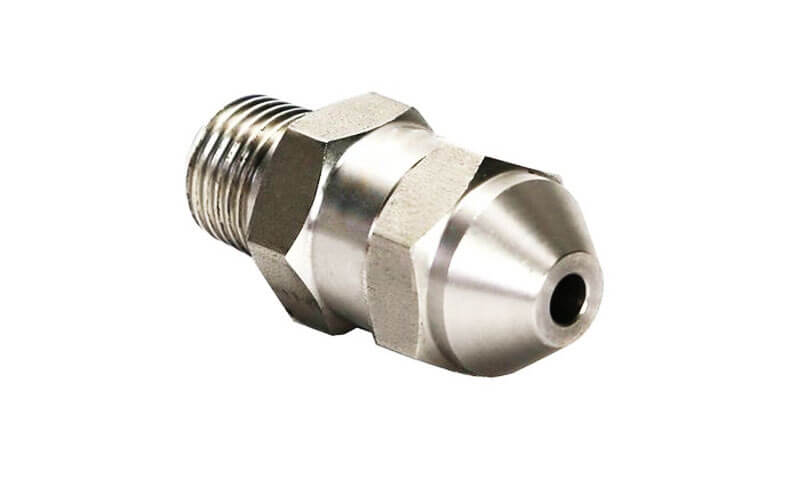
Smidzināšanas sprauslas ir kritiskas šķidruma kontroles sastāvdaļas, ko plaši izmanto rūpnieciskajās sistēmās, lai regulētu šķidruma sadali, atomizācija, dzesēšana, tīrīšana, eļļošana, pārklājums, un ķīmiskā apstrāde.
Lai gan var šķist, ka sprausla ir vienkārša sastāvdaļa, tā iekšējā ģeometrija, atveres precizitāte, virsmas apdare, un materiāla izvēle tieši ietekmē izsmidzināšanas efektivitāti, enerģijas patēriņš, procesa stabilitāte, un iekārtu uzticamība.
CNC apstrāde piedāvā nepārspējamu precizitāti, materiāla elastība, un dizaina brīvība pielāgotām smidzināšanas sprauslām.
Atšķirībā no liešanas vai formēšanas, kuriem ir nepieciešami dārgi instrumenti un tie ir ierobežoti ar noteiktu ģeometriju, CNC apstrāde var radīt sarežģītus iekšējos plūsmas kanālus, stingras pielaides atveres, un sarežģīti izsmidzināšanas modeļi ar izcilu precizitāti un atkārtojamību.
Šajā rakstā ir sniegts visaptverošs ceļvedis par pielāgotām smidzināšanas sprauslām, kas ražotas, izmantojot CNC apstrādi.
Mēs izpētīsim smidzināšanas sprauslu veidus, CNC apstrādes priekšrocības salīdzinājumā ar alternatīvām ražošanas metodēm, soli pa solim ražošanas process, materiālu izvēle, veiktspējas faktori, kvalitātes standartiem, rūpniecības pielietojumi, un salīdzinošā analīze ar investīciju liešanu.
1. Kas ir izsmidzināšanas sprauslas?
Smidzināšanas sprauslu definīcija un darbības princips
Izšķirt smidzināšanas sprausla ir precīza šķidruma kontroles ierīce, kas paredzēta šķidruma spiediena pārvēršanai kontrolētā izsmidzināšanas shēmā.
Izspiežot šķidrumu caur speciāli izstrādātu atveri vai iekšējo plūsmas kanālu, sprausla kontrolē šķidruma izvadīšanu, nosakot kritiskos raksturlielumus, piemēram:
- Plūsmas ātrums
- Izsmidzināšanas leņķis
- Pilienu izmērs
- Izsmidzināšanas izplatīšana
- Izsmidzināšanas efektivitāte
- Šķidruma ātrums
Pamatdarbības princips ir balstīts uz spiediena enerģijas pārvēršanu kinētiskā enerģijā.
Kad šķidrums zem spiediena nonāk sprauslā, iekšējā ģeometrija paātrina un novirza šķidruma plūsmu.
Atkarībā no sprauslas konstrukcijas, izvade var būt no koncentrētas strūklas plūsmas līdz smalkai miglai, kas satur ārkārtīgi mazus pilienus.
Piemēram:
- Izšķirt augstspiediena tīrīšanas sprausla koncentrē šķidruma enerģiju šaurā, liela ātruma straume.
- Izšķirt dzesēšanas sprausla rada kontrolētu izsmidzināšanas modeli, lai maksimāli palielinātu siltuma pārnesi.
- An izsmidzināšanas sprausla sadala šķidrumu smalkos pilienos sadegšanai, pārklājums, vai mitrināšanas procesiem.
Smidzināšanas sprauslas veiktspēja ir atkarīga ne tikai no ārējās formas, bet arī no iekšējo elementu, piemēram, plūsmas kanālu, precizitātes., virpuļkameras, un atveres izmēri.

Smidzināšanas sprauslu galvenie veiktspējas parametri
Dažādiem rūpnieciskiem procesiem ir nepieciešamas dažādas izsmidzināšanas īpašības. Tāpēc, smidzināšanas sprauslas konstrukcija parasti tiek novērtēta pēc vairākiem galvenajiem parametriem.
| Veiktspējas parametrs | Apraksts | Inženierzinātnes nozīme |
| Plūsmas ātrums | Izvadītā šķidruma tilpums laika vienībā, parasti mēra L/min vai m³/h. | Nosaka materiāla patēriņu, dzesēšanas jauda, un procesa efektivitāti. |
| Izsmidzināšanas raksts | Izvadītā šķidruma forma un sadalījums, piemēram, konuss, ventilators, vai straumes modeļi. | Nodrošina vienmērīgu pārklājumu un optimizētus procesa rezultātus. |
| Pilienu izmērs | Sprauslas radīto šķidruma pilienu vidējais lieluma sadalījums. | Ietekmē iztvaikošanas ātrumu, pārklājuma kvalitāte, un siltuma pārneses efektivitāte. |
| Izsmidzināšanas leņķis | Leņķis, ko veido izsmidzināšanas konuss vai ventilatora raksts. | Nosaka pārklājuma zonu un uzstādīšanas kārtību. |
Spiediena vērtējums |
Maksimālais darba spiediens, ko sprausla var izturēt. | Nodrošina drošu darbību sarežģītos apstākļos. |
| Temperatūras Izturība | Spēja uzturēt veiktspēju paaugstinātā temperatūrā. | Nepieciešams metalurģijai, ķīmiskā apstrāde, un siltuma sistēmas. |
| Materiāla savietojamība | Izturība pret koroziju, erozija, un ķīmiskais uzbrukums. | Nosaka kalpošanas laiku skarbos apstākļos. |
2. Kāpēc izvēlēties CNC apstrādes smidzināšanas sprauslas?
Atšķirībā no tradicionālajiem ražošanas procesiem, kas balstās uz veidnēm, mirst, vai masveida ražošanas instrumenti, CNC apstrāde tieši noņem materiālu no metāla vai plastmasas sagataves, izmantojot datora vadītas griešanas darbības.
Tas ļauj ražotājiem ražot ļoti precīzas sprauslu sastāvdaļas ar pielāgotiem iekšējiem kanāliem, mikro atveres, un specializētas plūsmas struktūras.
Tādām nozarēm kā aviācija, ķīmiskā apstrāde, pusvadītāju ražošana, automobiļu pārklājums, medicīniskais aprīkojums, un precīzas tīrīšanas sistēmas, sprauslas veiktspēja ir ļoti atkarīga no izmēru precizitātes un virsmas kvalitātes.
Pat nelielas atveres diametra novirzes, iekšējā caurbraukšanas ģeometrija, vai virsmas raupjums var būtiski ietekmēt izsmidzināšanas leņķi, pilienu izmēra sadalījums, plūsmas ātrums, un izsmidzināšanas efektivitāte.
Galvenās CNC apstrādes priekšrocības smidzināšanas sprauslām
| Priekšrocība | Paskaidrojums |
| Izcila precizitāte | Sasniedz pielaides ±0,005 mm, kritiska izsmidzināšanas modeļa un plūsmas ātruma kontrolei. |
| Lieliska virsmas apdare | Ra 0,4–1,6 µm nodrošina lamināru plūsmu, Samazināta turbulence, un konsekventa atomizācija. |
| Materiāla daudzpusība | Apstrādā visus metālus (nerūsējošais tērauds, misiņš, alumīnijs, titāns, supersakausējumi) un inženierplastmasa. |
| Dizaina elastība | Ātras dizaina iterācijas; nav instrumentu ierobežojumu; iespējamas sarežģītas iekšējās ģeometrijas. |
Mazas atveres iespēja |
Izveido tik mazas atveres kā 0.1 mm ar augstu precizitāti. |
| Zema apjoma izmaksu efektivitāte | Nav ieguldījumu instrumentos; ekonomisks mazām un vidējām partijām. |
| Ātra prototipu izstrāde | Dizains līdz detaļām dažās dienās, kas nodrošina ātru produktu attīstību. |
| Izsekojamība | Pilna materiālu un procesu dokumentācija kritiskiem lietojumiem. |
3. CNC apstrādes process pielāgotām smidzināšanas sprauslām
Pielāgotu smidzināšanas sprauslu ražošanai ir nepieciešams ļoti kontrolēts apstrādes process, jo sprauslu veiktspēju tieši ietekmē izmēru precizitāte, iekšējā ģeometrija, virsmas apdare, un materiāla īpašības.
Atšķirībā no vispārējām mehāniskajām sastāvdaļām, smidzināšanas sprauslās ir svarīgas funkcijas, piemēram, precīzas sprauslas, iekšējie plūsmas kanāli, pavedieni, un blīvējuma virsmas, kur pat nelielas novirzes var ietekmēt izsmidzināšanas leņķi, plūsmas konsistence, izsmidzināšanas kvalitāte, un darbības efektivitāte.
Profesionāls CNC apstrādes process apvieno inženiertehnisko dizainu, precīza apstrāde, virsmas apstrāde, veiktspējas pārbaude, un kvalitātes pārbaude, lai nodrošinātu, ka katra sprausla atbilst nepieciešamajām pielietojuma specifikācijām.

Pilnīga CNC mehāniski apstrādātu smidzināšanas sprauslu ražošanas darbplūsma
Līdz CNC apstrāde process parasti sākas ar klientu prasību analīzi un turpinās ar dizaina optimizāciju, precīza apstrāde, apdare, un funkcionālā pārbaude.
| Skatuves | Procesa solis | Mērķis | Galvenie kontroles faktori |
| Inženierprojektēšana | Klientu specifikāciju analīze | Definējiet sprauslu prasības, ieskaitot plūsmas ātrumu, spiediena reitings, izsmidzināšanas modelis, darba temperatūra, ķīmiskā vide, materiālu izvēle, un savienojuma veids. | Precīza prasību apkopošana un tehniskā komunikācija. |
| CAD modelēšana | Izstrādājiet 3D sprauslas modeli, pamatojoties uz lietojuma prasībām, un optimizējiet ražošanas struktūru. | Izgatavojamības dizains (DFM), plūsmas ceļa optimizācija, apstrādes pieejamība. | |
| CAM programmēšana | Ģenerējiet CNC apstrādes programmas un optimizējiet griešanas ceļus. | Rīku ceļa precizitāte, apstrādes efektivitāte, virsmas kvalitāte. | |
Materiāla sagatavošana |
Izejvielu izvēle un sagatavošana | Izvēlieties piemērotus materiālus stieņu veidā, stieņi, plāksnes, vai sagataves atbilstoši veiktspējas prasībām. | Materiāla kvalitātes pārbaude, Izmēra precizitāte, materiālu sertifikāti. |
| Precīza apstrāde | CNC virpošana | Izgatavojiet cilindriskus elementus, piemēram, sprauslu korpusus, ārējie diametri, pavedieni, un koncentriskas atveres. | Diametra precizitāte, koncentriskums, virsmas raupjums. |
| CNC frēzēšana | Izveidojiet necilindriskus elementus, montāžas virsmas, rievas, spraugas, un sarežģītas ārējās ģeometrijas. | Pozīcijas precizitāte, izmēru pielaide, virsmas apdare. | |
| Precīza urbšana un mikroapstrāde | Izveidojiet mazus smidzināšanas caurumus un specializētas iekšējās ejas. | Cauruma diametrs, apaļums, izlīdzināšana, un plūsmas konsistence. | |
| Rīvēšana un apdares apstrāde | Uzlabojiet kritisko caurumu un plūsmas kanālu precizitāti un virsmas kvalitāti. | Atveres ģeometrija, gludums, Izmēra stabilitāte. | |
Pēcapstrāde |
Atslogošana un tīrīšana | Noņemiet apstrādes urbumus un piesārņotājus, kas var ietekmēt šķidruma plūsmu. | Malu kvalitāte, tīrība, bloķēšanas novēršana. |
| Virsmas apstrāde | Uzklājiet pulēšanu, pasniegšana, elektropolēšana, apjoms, vai pārklājums atbilstoši uzklāšanas prasībām. | Izturība pret koroziju, virsmas raupjums, izskats. | |
| Pārbaude un pārbaude | Dimensiju pārbaude | Pārbaudiet kritiskos izmērus, izmantojot precīzas mērīšanas iekārtas. | CMM pārbaude, optiskais mērījums, gabarīta pārbaude. |
| Plūsmas un izsmidzināšanas pārbaude | Apstipriniet sprauslas faktisko veiktspēju darbības apstākļos. | Plūsmas ātrums, izsmidzināšanas modelis, spiediena kritums, izsmidzināšanas veiktspēja. | |
| Galīgā apstrāde | Iepakošana un piegāde | Transportēšanas laikā aizsargājiet precīzi apstrādātās sprauslas. | Bojājumu novēršana un izsekojamība. |
Galvenās CNC apstrādes darbības smidzināšanas sprauslām
Pielāgotām smidzināšanas sprauslām parasti ir nepieciešamas vairākas apstrādes darbības, jo to struktūras apvieno rotācijas funkcijas, precizitātes caurumi, un sarežģīti plūsmas kanāli.
| Apstrādes operācija | Aprīkojums | Tipiska spēja | Bieži sastopamas lietojumprogrammas |
| CNC pagrieziens | CNC virpa, vairāku asu pagrieziena centrs | Diametrs ir aptuveni 0,5–200 mm; izmēru pielaide līdz ±0,005 mm atkarībā no konstrukcijas prasībām. | Sprauslu korpusa apstrāde, cilindriskas virsmas, pavedieni, atloki, blīvēšanas zonas, un koncentriskas atveres. |
| CNC frēzēšana | 3-ass, 4-ass, vai 5 asu apstrādes centri | Augsta pozicionēšanas precizitāte ar sarežģītu kontūru apstrādes iespēju. | Sānu porti, montāžas funkcijas, spraugas, neregulāras formas, un daudzvirzienu plūsmas kanāli. |
Mikrourbšana |
Precīzijas urbjmašīnas, lāzera urbšana, vai EDM iekārtas | Mikro caurumi aptuveni 0,05–1,0 mm atkarībā no materiāla un procesa; iespējama augstas proporcijas apstrāde. | Smalki izsmidzināšanas caurumi, dzesēšanas kanāli, izsmidzināšanas atveres, un precīzas šķidruma izplūdes atveres. |
| Applūdināt | Precīzijas rīvēšanas instrumenti | Uzlabo caurumu apaļumu un izmēru precizitāti. | Kritisko izsmidzināšanas atveru galīgā izmēra noteikšana, kam nepieciešama stabila plūsmas veiktspēja. |
| Vītnes apstrāde | CNC vītņu instrumenti, krāni, vītņu dzirnavas | Piemērots metriskai, KNL, BSP, un pielāgotus diegu standartus. | Cauruļu savienojumi, montāžas saskarnes, un maināmi sprauslu komplekti. |
Kritiskie faktori, kas ietekmē CNC apstrādes kvalitāti
Lai gan CNC apstrāde nodrošina izcilu precizitāti, smidzināšanas sprauslu ražošana mazo izmēru dēļ rada vairākas tehniskas problēmas, stingras plūsmas prasības, un grūti apstrādājami materiāli.
| Tehniskais izaicinājums | Iespējamā ietekme uz sprauslas veiktspēju | Kontroles pasākumi |
| Instrumenta novirze | Izraisa atveres diametra novirzi, slikta koncentriskums, un nestabili izsmidzināšanas modeļi. | Izmantojiet stingras instrumentu sistēmas, samazināt instrumenta pārkari, un optimizēt griešanas parametrus. |
| Nerūsējošā tērauda darba rūdīšana | Palielina griešanas grūtības, paātrina instrumentu nodilumu, un samazina virsmas kvalitāti. | Izmantojiet asus karbīda instrumentus, atbilstošu griešanas ātrumu, un efektīvas dzesēšanas sistēmas. |
| Mikroshēmu kontrole | Mikroshēmas var iekļūt nelielos caurumos vai iekšējos kanālos, ietekmē šķidruma plūsmu un izraisa aizsprostojumu. | Uzklājiet skaidu lauzējus, optimizēti instrumentu ceļi, un augstspiediena dzesēšanas šķidruma sistēmas. |
Termiskā deformācija |
Siltums, kas rodas apstrādes laikā, var ietekmēt izmēru precizitāti, īpaši plānsienu komponentiem. | Kontrolēt apstrādes temperatūru, stabilizēt mašīnas apstākļus, un optimizē dzesēšanas šķidruma plūsmu. |
| Burru veidošanās | Buras smidzināšanas atverēs vai ap tām var traucēt šķidruma plūsmu un mainīt izsmidzināšanas īpašības. | Veiciet precīzu atstarpju atslāņošanu, ultraskaņas tīrīšana, vai elektropulēšanas procesiem. |
| Virsmas piesārņojums | Atlikušās daļiņas vai apstrādes šķidrumi var ietekmēt tīrību precīzos lietojumos. | Ieviest tīrīšanas procedūras un kontrolētu iepakošanu. |
Precīzijas kontrole iekšējās plūsmas kanālu apstrādē
Smidzināšanas sprauslas iekšējai struktūrai ir izšķiroša nozīme šķidruma uzvedībā.
Piemēram, virpuļsprauslas balstās uz precīzi apstrādātām iekšējām kamerām, lai radītu rotācijas plūsmu, savukārt izsmidzināšanas sprauslām ir nepieciešama rūpīgi kontrolēta atveres ģeometrija, lai iegūtu konsekventus pilienu izmērus.
CNC apstrādes laikā, ražotājiem jākontrolē vairāki kritiski parametri:
- Atveres diametrs un ģeometrija: Nosaka plūsmas ātrumu un izsmidzināšanas sadalījumu.
- Koncentriskums starp ieplūdi un izplūdi: Nodrošina vienmērīgu šķidruma izvadīšanu.
- Iekšējās virsmas raupjums: Samazina turbulenci un spiediena zudumus.
- Kanāla izmēri: Kontrolē ātrumu, sajaukšanas efektivitāte, un izsmidzināšanas veiktspēja.
Augstas veiktspējas lietojumprogrammām, papildu procesi, piemēram, precīza slīpēšana, elektropolēšana, vai var izmantot plūsmas kalibrēšanu, lai vēl vairāk uzlabotu sprauslu uzticamību.
4. Materiāli, ko izmanto CNC mehāniski apstrādātām smidzināšanas sprauslām
Materiāla izvēle ir viens no svarīgākajiem lēmumiem, ražojot smidzināšanas sprauslas pēc pasūtījuma, jo sprauslas bieži darbojas sarežģītos apstākļos, ieskaitot augstu spiedienu, augsta temperatūra, abrazīvie materiāli, un kodīgas ķīmiskas vielas.
Izvēlētajam materiālam jānodrošina atbilstošs korozijas izturības līdzsvars, mehāniskā izturība, nodilums pretestība, termiskā stabilitāte, un apstrādājamību.
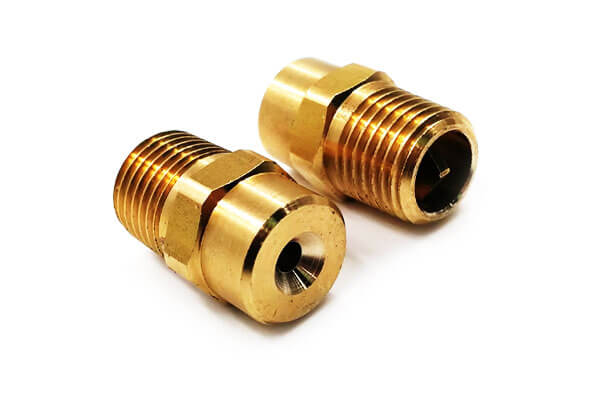
CNC apstrāde nodrošina izcilu materiāla elastību, ļauj ražotājiem ražot smidzināšanas sprauslas no plaša metālu un inženiertehnisko plastmasu klāsta.
Galīgā materiāla izvēle galvenokārt ir atkarīga no darba vides, šķidruma īpašības, darba temperatūra, spiediena prasības, un paredzamais kalpošanas laiks.
Parastie metāla materiāli CNC apstrādātām smidzināšanas sprauslām
| Materiāls | Galvenās īpašības | Tipiskas lietojumprogrammas |
| Nerūsējošais tērauds (304/316/316Lukturis) | Lieliska izturība pret koroziju, laba mehāniskā izturība, virsmas higiēniskās īpašības, un saderība ar daudzām ķīmiskām vielām. 316L nodrošina pastiprinātu izturību pret hlorīdu un skābu vidi. | Ķīmiskā izsmidzināšana, pārtikas pārstrāde, farmācijas iekārtas, ūdens apstrāde, tīrīšanas sistēmas. |
| Misiņš | Lieliska apstrādājamība, laba nodilumizturība, stabila izmēru precizitāte, un salīdzinoši zemas izmaksas. | Vispārējā rūpnieciskā izsmidzināšana, dzesēšanas sistēmas, eļļošanas sprauslas, lauksaimniecības pielietojumi. |
| Alumīnija sakausējumi (6061, 7075, utc) | Viegls svars, laba apstrādājamība, augsta stiprības un svara attiecība, un piemērots anodēšanai virsmu aizsardzībai. | Aviācijas un kosmosa komponenti, viegls smidzināšanas aprīkojums, pārnēsājamās sistēmas. |
| Vara sakausējumi / Bronza | Lieliska siltumvadītspēja, izturība pret koroziju, un izturība pret noteiktu ķīmisko vidi. | Dzesēšanas sprauslas, siltuma pārneses sistēmas, specializētas rūpnieciskās iekārtas. |
Titāna sakausējumi (Ti-6Al-4V) |
Izcila spēka un svara attiecība, lieliska izturība pret koroziju, un augstas temperatūras spēja. | Aviācijas kosmosa izsmidzināšanas sistēmas, jūras vide, ķīmiskās apstrādes iekārtas. |
| Sakausējumi, kas balstīti uz niķeli (Neiebilstība, Hastelijs) | Izcila izturība pret oksidēšanu, augsta temperatūra, un agresīvas ķīmiskas vielas. | Krāsns izsmidzināšana, ķīmiskie reaktori, lietojumprogrammas ekstremālām temperatūrām. |
| Instrumentu tēraudi / Rūdīti tēraudi | Augsta cietība, lieliska nodilumizturība, un piemērots abrazīvu šķidrumu vidēm. | Abrazīvās sprauslas, augsta nodiluma rūpnieciskās izsmidzināšanas sistēmas. |
Inženierplastmasa īpašiem lietojumiem
Lai gan rūpniecisko sprauslu ražošanā dominē metāla materiāli, CNC apstrāde ļauj arī ražot plastmasas smidzināšanas sprauslas lietojumiem, kuriem nepieciešama ķīmiskā izturība, elektriskā izolācija, vai vieglas konstrukcijas.
| Materiāls | Raksturlielumi | Pieteikumi |
| Ptfe (Teflons) | Lieliska ķīmiskā izturība, Zema berze, un plašs temperatūras diapazons. | Ļoti kodīgas ķīmiskās izsmidzināšanas sistēmas. |
| Palūrēt | Lielas izturības, lieliska temperatūras izturība, un ķīmiskā stabilitāte. | Pusvadītāju iekārtas, aviācijas un kosmosa sistēmas, precīzijas ķīmiskie pielietojumi. |
| Pom (Acetāla) | Laba izmēru stabilitāte, Zema berze, un viegla apstrāde. | Zema spiediena šķidrumu sistēmas un vispārīgi rūpnieciski pielietojumi. |
| Neilons | Viegls svars, triecienizturīgs, un ekonomisks. | Lauksaimniecības smidzināšanas iekārtas un patērētāju lietojumi. |
5. Smidzināšanas sprauslu veidi, kas ražoti ar CNC apstrādi
CNC apstrāde ļauj ražotājiem ražot dažādus pielāgotus aerosolus sprausla dizaini.
Atšķirībā no standarta formētajām vai masveidā ražotajām sprauslām, CNC apstrādātās sprauslas var optimizēt specifiskām plūsmas īpašībām, izsmidzināšanas modeļi, spiediena apstākļi, un uzstādīšanas prasības.
Galvenie sprauslu veidi ietver:
| Sprauslas veids | Darbības princips | Galvenās īpašības | Tipiskas lietojumprogrammas |
| Plakanas ventilatora izsmidzināšanas sprauslas | Šķidrums izplūst caur iegarenu atveri, lai izveidotu vēdekļveida izsmidzināšanas rakstu. | Vienveidīgs pārklājums, kontrolēts izsmidzināšanas platums, efektīvs virsmas pārklājums. | Pārklājumu sistēmas, tīrīšanas iekārtas, lauksaimniecības izsmidzināšana. |
| Pilna konusa izsmidzināšanas sprauslas | Iekšējā virpuļkamera rada apļveida izsmidzināšanas modeli ar pilieniem, kas izkliedēti pa visu konusa laukumu. | Liela plūsmas jauda un lielisks pārklājums. | Dzesēšanas sistēmas, putekļu slāpēšana, ķīmiskā izsmidzināšana. |
| Dobu konusu izsmidzināšanas sprauslas | Izveido gredzenveida izsmidzināšanas rakstu ar pilieniem, kas koncentrēti ārējā apgabala tuvumā. | Lieliska izsmidzināšana un smalki pilieni. | Gaisa mitrināšana, gāzes dzesēšana, piesārņojuma kontrole. |
Izsmidzināšanas sprauslas |
Izmanto spiedienu, gaisa, vai ultraskaņas enerģija, lai sadalītu šķidrumu smalkos pilienos. | Ražo ļoti mazu pilienu izmēru un precīzu izsmidzināšanas kontroli. | Degvielas sistēmas, rūpnieciskais pārklājums, sadedzināšanas iekārtas. |
| Bezgaisa smidzināšanas sprauslas | Augstspiediena šķidruma plūsma rada izsmidzināšanu bez ārējā gaisa. | Augsta efektivitāte un samazināta pārsmidzināšana. | Gleznošana, aizsargpārklājumi, virsmas apstrāde. |
| Miglošanas sprauslas | Caur mazām precīzām atverēm rada īpaši smalkus ūdens pilienus. | Zems ūdens patēriņš un efektīva dzesēšana. | Siltumnīcas, mitrināšana, dzesēšanas sistēmas. |
Strūklas sprauslas |
Ražo koncentrētu ātrgaitas šķidruma plūsmu. | Liels trieciena spēks un virziena izsmidzināšana. | Tīrīšana, griešanas palīdzība, rūpnieciskā mazgāšana. |
| Virpuļu sprauslas | Iekšējie kanāli pirms izlādes rada šķidruma rotācijas kustību. | Uzlabota izsmidzināšana un vienmērīgs izsmidzināšanas sadalījums. | Degšanas sistēmas, dzesēšana, ķīmiskie procesi. |
| Vairāku caurumu sprauslas | Vairākas precīzas atveres nodrošina vairākas izsmidzināšanas plūsmas. | Pielāgots plūsmas sadalījums un pārklājums. | Pusvadītāju tīrīšana, precīza ražošana. |
6. Galvenie faktori, kas ietekmē izsmidzināšanas sprauslas darbību
| Koeficients | Ietekme uz veiktspēju | Dizaina apsvērumi |
| Atveres izmērs | Nosaka plūsmas ātrumu un pilienu izmēru. | Precīza apstrāde līdz ±0,005 mm. |
| Atveres forma | Ietekmē izsmidzināšanas modeli un izsmidzināšanu. | Asas malas vai rādiuss; pielāgots dizains. |
| Iekšējās plūsmas ceļš | Ietekmē turbulenci un spiediena kritumu. | Gludas virsmas; optimizēta ģeometrija. |
| Virsmas apdare | Ietekmē plūsmas pretestību un atomizāciju. | Ra ≤0,8 µm kritiskām virsmām. |
| Spiediens | Nosaka plūsmas ātrumu un pilienu izmēru. | Paredzēts noteiktam spiediena diapazonam. |
Šķidruma viskozitāte |
Ietekmē plūsmas ātrumu un izsmidzināšanu. | Apsveriet šķidruma īpašības dizainā. |
| Šķidruma temperatūra | Ietekmē viskozitāti un materiālu saderību. | Izvēlieties piemērotu materiālu un dizainu. |
| Materiālu saderība | Ietekmē izturību pret koroziju un kalpošanas laiku. | Izvēlieties atbilstošu sakausējumu vai pārklājumu. |
| Savienojuma veids | Ietekmē uzstādīšanu un blīvēšanu. | KNL, BSP, ar atloku, vai pasūtījuma. |
7. CNC apstrādes pielaides un kvalitātes standarti smidzināšanas sprauslām
Tā kā smidzināšanas sprauslas tieši kontrolē šķidruma uzvedību, Ražošanas precizitāte ir augstāka par daudzām tradicionālajām mehāniskajām sastāvdaļām.
Stingra izmēru kontrole nodrošina stabilus izsmidzināšanas veidus, precīzi plūsmas ātrumi, un konsekventu sniegumu.
Tipiskas CNC apstrādes pielaides
| Iezīmēt | Tipiska precizitātes prasība |
| Ārējie izmēri | ±0,01 mm līdz ±0,05 mm atkarībā no komponenta izmēra |
| Precizitātes atveres diametrs | ±0,005 mm vai augstāka precizitāte kritiskiem lietojumiem |
| Caurumu pozīcijas precizitāte | ±0,01 mm |
| Vītnes precizitāte | Saskaņā ar ISO, KNL, BSP, vai pielāgotus standartus |
| Virsmas raupjums | Ra 0,4–1,6 μm precīzas plūsmas virsmām |
| Koncentriskums | Parasti 0,005–0,01 mm robežās |
Faktiskās pielaides ir atkarīgas no sprauslas izmēra, materiāls, apstrādes process, un pieteikuma prasības.
Kvalitātes pārbaudes metodes
Profesionāli CNC sprauslu ražotāji izmanto vairākas pārbaudes metodes, lai nodrošinātu produkta uzticamību.
| Pārbaudes metode | Mērķis |
| Koordinātu mērīšanas mašīna (CMM) | Mēra izmēru precizitāti, pozīcijas tolerance, un ģeometriskās iezīmes. |
| Optiskie mērījumi | Pārbauda mikrocaurumus, malām, un sarežģītas mazas funkcijas. |
| Virsmas raupjuma pārbaude | Pārbauda iekšējās un ārējās virsmas apdari. |
| Vītnes pārbaude | Nodrošina precīzu savienojumu un blīvēšanas veiktspēju. |
| Spiediena pārbaude | Apstiprina konstrukcijas integritāti un noplūdes pretestību. |
| Plūsmas pārbaude | Apstiprina faktisko plūsmas ātrumu, izsmidzināšanas leņķis, un spiediena veiktspēja. |
8. Pielāgotu CNC apstrādes smidzināšanas sprauslu pielietojumi
Pielāgotas CNC apstrādātas smidzināšanas sprauslas tiek plaši izmantotas nozarēs, kurās ir precīza šķidruma kontrole, konsekvents izsmidzināšanas sadalījums, un ilgtermiņa uzticamība ir būtiska.
Salīdzinājumā ar standarta komerciālajām sprauslām, pielāgotas CNC sprauslas var tikt konstruētas atbilstoši īpašiem darbības apstākļiem, ieskaitot spiedienu, temperatūra, šķidruma īpašības, uzstādīšanas prasības, un izsmidzināšanas veiktspējas mērķi.

Rūpnieciskā tīrīšana un virsmu apstrāde
Rūpnieciskajām tīrīšanas sistēmām ir nepieciešamas sprauslas, kas spēj nodrošināt stabilu izsmidzināšanas pārklājumu un pietiekamu trieciena spēku.
CNC apstrādātas sprauslas parasti izmanto augstspiediena tīrīšanas iekārtās, komponentu mazgāšanas sistēmas, un virsmas sagatavošanas procesi.
Tipiski lietojumi ietver:
- Auto detaļu tīrīšana;
- Precīza komponentu mazgāšana;
- Metāla virsmas sagatavošana;
- Rūpniecisko iekārtu tīrīšana;
- Pusvadītāju vafeļu tīrīšana.
Ķīmiskā apstrāde un rūpnieciskā ražošana
CNC apstrādātas sprauslas, kas izgatavotas no tādiem materiāliem kā 316 nerūsējošais tērauds, titāna sakausējumi, vai Hastelloy nodrošina izcilu izturību pret koroziju un ķīmisko iedarbību.
Kopējās lietojumprogrammas ietver:
- Ķīmiskās izsmidzināšanas sistēmas;
- Reaktora dzesēšana;
- Gāzes attīrīšanas iekārtas;
- Neitralizācijas sistēmas;
- Procesa šķidruma sadale.
Automobiļu un transporta nozare
Automobiļu ražošanā, smidzināšanas sprauslas ir būtiskas pārklājuma sastāvdaļas, dzesēšana, eļļošana, un tīrīšanas procesi.
Tiek izmantotas augstas precizitātes CNC sprauslas:
- Automobiļu krāsošanas sistēmas;
- Dzinēja dzesēšanas sistēmas;
- Eļļošanas iekārtas;
- Vējstiklu mazgāšanas sistēmas;
- Akumulatoru dzesēšanas sistēmas elektriskajiem transportlīdzekļiem.
Kosmosa un aizsardzības lietojumprogrammas
Aviācijas un kosmosa sistēmām ir nepieciešami īpaši uzticami komponenti, kas spēj darboties saskaņā ar stingrām veiktspējas prasībām.
Tiek izmantotas CNC apstrādātas smidzināšanas sprauslas:
- Degvielas iesmidzināšanas sistēmas;
- Dzinēja dzesēšanas sistēmas;
- Hidrauliskās izsmidzināšanas sistēmas;
- Siltuma vadības iekārtas.
Pārtika, Farmaceitisks, un medicīnas nozares
Nozarēm, kas saistītas ar pārtikas un medicīnas produktiem, ir nepieciešami stingri higiēnas standarti un piesārņojuma kontrole.
CNC apstrādātām nerūsējošā tērauda sprauslām ir plašs pielietojumu klāsts, ietver:
- Pārtikas mazgāšanas sistēmas;
- Sterilizācijas iekārtas ar aerosolu;
- Farmaceitiskās pārklājuma sistēmas;
- Tīrīšana uz vietas (CIP) sistēmas.
Pusvadītāju un elektronikas ražošana
Pusvadītāju ražošanai nepieciešama ārkārtīgi precīza šķidruma kontrole, jo piesārņojums un izmēru izmaiņas var ietekmēt produkta kvalitāti.
Tiek izmantotas CNC apstrādātas mikrosprauslas:
- Vafeļu tīrīšana;
- Ķīmisko vielu dozēšana;
- Precīza dzesēšana;
- Īpaši tīras izsmidzināšanas sistēmas.
Lauksaimniecība un vides lietojumprogrammas
Pielāgotajām smidzināšanas sprauslām ir svarīga loma arī lauksaimniecības un vides sistēmās.
Pieteikumos ietilpst:
- Lauksaimniecības pesticīdu izsmidzināšana;
- Apūdeņošanas sistēmas;
- Putekļu slāpēšana;
- Gaisa mitrināšana;
- Dzesēšanas torņi.
9. Veiktspējas salīdzinājums: CNC mehāniski vs. Lost-Wax liešanas sprauslas
Smidzināšanas sprauslas var izgatavot, izmantojot dažādus metālapstrādes procesus, kuru vidū CNC apstrāde un zaudētā vaska liešana (investīciju liešana) ir divi plaši izmantoti risinājumi rūpnieciskiem lietojumiem.
Abi procesi spēj ražot augstas kvalitātes sprauslu komponentus, taču tiem ir dažādas priekšrocības atkarībā no dizaina sarežģītības, ražošanas apjoms, materiālu prasības, un veiktspējas cerības.
| Veiktspējas faktors | CNC mehāniski apstrādātas smidzināšanas sprauslas | Lost-Wax liešanas smidzināšanas sprauslas |
| Ražošanas princips | Materiāls tiek precīzi noņemts no metāla, veicot virpošanu, frizēšana, urbšana, un apdares operācijas | Izkausētu metālu ielej keramikas veidnē, kas izgatavota no vaska raksta |
| Izmēru precizitāte | Īpaši augsta precizitāte, parasti ±0,005 mm kritiskām iezīmēm | Parasti CT4–CT7 liešanas pielaides diapazons ir atkarīgs no izmēra un sakausējuma |
| Virsmas apdare | Lieliska virsmas kvalitāte; Ra 0,4–1,6 μm sasniedzams pēc precīzas apstrādes un pulēšanas | Laba liešanas apdare; parasti nepieciešama sekundāra apstrāde virsmu un precīzijas caurumu blīvēšanai |
| Atveres precizitāte | Lieliskas iespējas mazām un sarežģītām smidzināšanas atverēm, tostarp tālāk norādītās mikroatveres 0.5 mm | Piemērots lielākām ejām; mikro caurumiem parasti ir nepieciešama pēcapstrāde |
| Iekšējās plūsmas kanāla precizitāte | Lieliska iekšējās ģeometrijas kontrole, izmantojot urbšanu, applūdināt, EDM, un vairāku asu apstrāde | Iespējamas sarežģītas iekšējās ejas, bet izmēru kontrole ir grūtāka |
Dizaina elastība |
Augsta elastība; ātra modifikācija bez instrumentu maiņas | Nepieciešamas vaska raksta un veidņu modifikācijas dizaina izmaiņām |
| Sarežģītas ģeometrijas iespējas | Vislabāk precīzām funkcijām, plānas sienas, un mehāniski apstrādātas iekšējās konstrukcijas | Lieliski piemērots gandrīz tīkla formas sarežģītām ārējām ģeometrijām |
| Materiālu iespējas | Piemērots nerūsējošajam tēraudam, misiņš, alumīnijs, titāns, niķeļa sakausējumi, un inženierplastmasa | Plaša sakausējuma saderība, īpaši nerūsējošais tērauds, karstumizturīgi sakausējumi, un korozijizturīgi materiāli |
| Ražošanas apjoma piemērotība | Ideāli piemērots prototipiem, pielāgotas detaļas, un zemas līdz vidējas sērijveida ražošana | Ekonomiskāks vidēja līdz liela apjoma ražošanai |
| Izpildes laiks | Īss attīstības cikls; detaļas bieži vien var ātri izgatavot pēc rasējuma apstiprināšanas | Ilgāka sākotnējā sagatavošana instrumentu un veidņu ražošanas dēļ |
Instrumentu ieguldījums |
Nav nepieciešami īpaši instrumenti | Nepieciešami vaska instrumenti un keramikas veidņu sagatavošana |
| Izmaksu efektivitāte | Ekonomiskāks maziem daudzumiem un īpaši pielāgotiem dizainiem | Zemākas vienības izmaksas liela apjoma ražošanai |
| Izmēru konsekvence starp partijām | Lieliski, pateicoties CNC programmas atkārtojamībai | Labi pēc procesa stabilizācijas, bet ietekmē liešanas mainīgie |
| Pēcapstrādes prasības | Parasti minimāls, izņemot virsmas apstrādi vai apdari | Bieži vien ir nepieciešama kritisko izmēru apstrāde, pavedieni, un blīvēšanas zonas |
Hibrīda ražošana: Liešanas un CNC apstrādes apvienošana
Daudzos prasīgos lietojumos, Optimālais risinājums ir nevis izvēle starp liešanu un apstrādi, bet gan abu tehnoloģiju apvienošana.
Kopējais hibrīda process ietver:
- Investīciju liešana lai ražotu gandrīz tīkla formas sprauslas korpusu.
- CNC apstrāde lai pabeigtu kritiskās funkcionālās zonas.
- Precīza urbšana vai EDM lai iegūtu precīzas izsmidzināšanas atveres.
- Virsmas apstrāde lai uzlabotu izturību pret koroziju vai nodiluma veiktspēju.
Šī pieeja apvieno liešanas ģeometrisko elastību un materiālu efektivitāti ar CNC apstrādes precizitāti.
Piemēram, nerūsējošā tērauda rūpnieciskā smidzināšanas sprausla var būt ieguldījums, lai izveidotu sarežģītu ārējo korpusu, kamēr CNC apstrāde tiek piemērota ieplūdes vītnēm, blīvējuma virsmas, un izsmidzināšanas atveres, kur izmēru precizitāte tieši ietekmē veiktspēju.
10. Pielāgoti smidzināšanas sprauslu risinājumi no DEZE CNC apstrādes
DEZE CNC Machining specializējas precīzi apstrādātās pielāgotās smidzināšanas sprauslās prasīgiem rūpnieciskiem lietojumiem.
Sazinieties ar mums uz pielāgotām smidzināšanas sprauslām!
| Spēja | Detaļa |
| Materiāli | Nerūsējošais tērauds (304, 316, 316Lukturis, 17-4Ph), misiņš, bronza, alumīnijs, titāns, Hastelijs, Neiebilstība, Palūrēt, Ptfe. |
| Apstrāde | CNC virpošana (vienas un vairāku vārpstu); 3-, 4-, un 5 asu CNC frēzēšana; mikro urbšana (0.05 mm+). |
| Pielaide | ±0,005 mm (kritiskās iezīmes); ±0,01 mm (ģenerālis). |
| Virsmas apdare | Kā apstrādāts (RA 0,4-1,6 µm); pulēta; elektropolēts; anodēts; pārklāts; pārklāts. |
| Kvalitāte | Iso 9001:2015 sertificēts; 100% pārbaude. |
| Izpildes laiks | Prototipi: 3-7 dienas; Ražošana: 1– 3 nedēļas. |
| Pielāgošana | Pielāgots atveres izmērs, izsmidzināšanas modelis, savienojuma veids, materiāls, virsmas apdare. |
11. Secinājums
Pielāgotas smidzināšanas sprauslas ir neizbēgama tendence, jo rūpnieciskie procesi kļūst arvien specializētāki un darbības prasības kļūst stingrākas.
CNC apstrāde, ar mikronu līmeņa precizitātes kombināciju, plaša materiālu pielāgošanās spēja un elastīga ražošana bez instrumentiem, ir pierādījis sevi kā optimālu ražošanas risinājumu maza līdz vidēja tilpuma pielāgotajām sprauslām.
Profesionāli CNC apstrādes sprauslu ražotāji dara vairāk nekā vienkārši griež metālu — tie integrē šķidruma dinamikas inženieriju, materiālzinātnes zināšanas un stingra veiktspējas apstiprināšana, lai nodrošinātu pilnīgus lietojumprogrammām raksturīgus risinājumus.
Tā kā rūpnieciskā modernizācija turpina palielināt cerības uz smidzināšanas sistēmas efektivitāti un uzticamību, CNC pielāgotās sprauslas izspiedīs standarta kataloga produktus arvien plašākā nišas lietojumu klāstā, kļūst par progresīvu un precīzu šķidrumu sistēmu veicinošu tehnoloģiju.
FAQ
Vai CNC apstrāde var ražot mikro izsmidzināšanas sprauslas?
Jā. CNC precīza apstrāde, mikro urbšana, EDM, un specializētās apdares tehnoloģijas var radīt ļoti mazas izsmidzināšanas atveres lietojumiem, kam nepieciešama smalka izsmidzināšana vai precīza šķidruma kontrole.
Kāda ir ar CNC apstrādātu smidzināšanas sprauslu tipiskā pielaide?
±0,005 mm tādām kritiskām iezīmēm kā atveres diametrs un apaļums. Vispārējās pielaides ir ±0,01–0,02 mm.
Kurš materiāls ir vislabākais lietošanai ar augstu koroziju?
Nerūsējošais tērauds 316L, Hastelijs, vai titānu ieteicams izmantot vidēs ar augstu koroziju. Ārkārtīgai skābes izturībai, Sakausējums 20 vai Hastelloy C-276.
Kā norādīt pielāgotu smidzināšanas sprauslu?
Nodrošiniet nepieciešamo plūsmas ātrumu, spiediens, izsmidzināšanas modelis (pilns konuss, dobs konuss, plakans ventilators, utc), pilienu izmērs, šķidruma īpašības, materiāls, savienojuma veids, un jebkādas īpašas prasības. Noderīgs ir CAD zīmējums vai skice.
Kāds ir parastais izpildes laiks pielāgotām CNC apstrādātām smidzināšanas sprauslām?
Prototipi: 3-7 dienas; Ražošana: 1– 3 nedēļas, atkarībā no sarežģītības un daudzuma.
Kādas virsmas ir pieejamas ar CNC apstrādātām smidzināšanas sprauslām?
Kā apstrādāts (RA 0,4-1,6 µm), pulēta, elektropolēts, anodēts, pārklāts (niķelis, hroms, sudraba), un pārklāts (Ptfe, PVD).

