
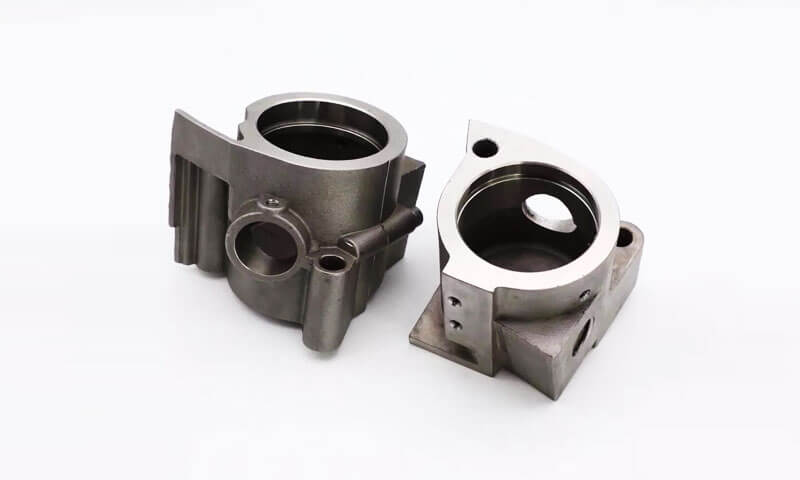
Tekstilmašīnas darbojas prasīgos apstākļos. Sastāvdaļas var tikt pakļautas nepārtrauktai turp un atpakaļ kustībai, lieli rotācijas ātrumi, vibrācija, berze, atkārtota ielāde, putekļi, šķiedras, smērvielas, un bieži ražošanas cikli.
Tāpēc pat salīdzinoši neliela mehāniskā sastāvdaļa var būtiski ietekmēt iekārtas precizitāti, darbības stabilitāte, un ražošanas efektivitāti.
Kad oriģinālais komponents kļūst nepieejams, sasniedz sava kalpošanas laika beigas, vai nepieciešamas izmaiņas jaunai mašīnas konstrukcijai, ar standarta rezerves daļu ne vienmēr pietiek.
Tekstila iekārtu ražotāji, apkopes uzņēmumi, un mašīnu integratori bieži pieprasa pielāgotas tekstiltehnikas rezerves daļas izgatavoti pēc konkrētiem rasējumiem, paraugi, materiāli, pielaide, un veiktspējas prasības.
Sarežģītiem metāla komponentiem, apvienojot precīza liešana un CNC apstrāde nodrošina efektīvu veidu, kā līdzsvarot ģeometrisko sarežģītību, Izmēra precizitāte, materiāla veiktspēja, un ražošanas izmaksas.
Šī integrētā pieeja ir īpaši piemērota tādiem komponentiem kā kronšteini, apvalki, turētāji, gultņu balsti, mašīnu bāzes, izciļņi, sviras, rāmis, un citas pielāgotas tekstilmašīnu sastāvdaļas.
1. Kas ir tekstilmašīnu rezerves daļas?
Tekstilmašīnu rezerves daļas ir precīzi izstrādātas sastāvdaļas, ko izmanto nomainīt nolietotu, bojāts, novecojis, vai pārveidotas detaļas tekstilizstrādājumu ražošanas iekārtās.
Tie ir nepieciešami mašīnas veiktspējas uzturēšanai, ražošanas nepārtrauktība, Izmēra precizitāte, un ilgtermiņa darbības uzticamība.
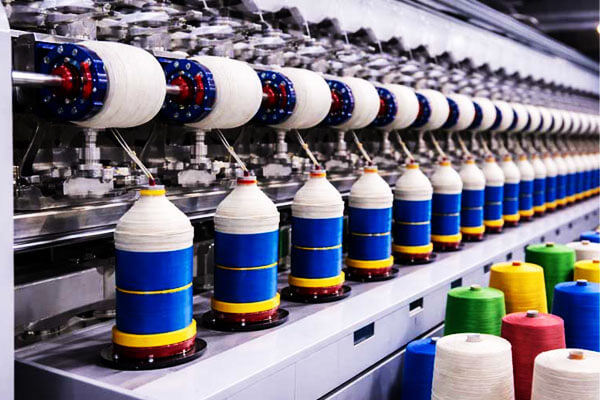
Atšķirībā no vispārīgiem rūpnieciskiem komponentiem, tekstilmašīnu rezerves daļas ir izstrādātas atbilstoši tekstila iekārtu specifiskajām mehāniskajām sistēmām un darbības apstākļiem.
Atkarībā no pielietojuma, tie var tikt pakļauti nepārtrauktai turp un atpakaļ kustībai, ātrgaitas rotācija, vibrācija, berze, trieciens, atkārtota ielāde, tekstilšķiedras, putekļi, smērvielas, un temperatūras svārstības.
Tāpēc pat salīdzinoši neliela sastāvdaļa var tieši ietekmēt mašīnas sinhronizāciju, auduma kvalitāte, ražošanas efektivitāte, un aprīkojuma kalpošanas laiks.
Šī iemesla dēļ, tekstilmašīnu rezerves daļa nav vienkārši rezerves metāla detaļa.
Tam ir jāatveido Kritiskās dimensijas, mehāniskās saskarnes, materiāla īpašības, un funkcionālā ģeometrija nepieciešams oriģinālajai mašīnai.
Kādas funkcijas veic tekstilmašīnu rezerves daļas?
Tekstilmašīnas sastāv no daudzām savstarpēji savienotām mehāniskām sistēmām, un katra rezerves daļa veic noteiktu funkciju kopējā mašīnā.
Dažas sastāvdaļas nodrošina strukturālu atbalstu, kamēr citi pārraida kustību, saglabāt izlīdzināšanu, vadošā dzija vai audums, vai kontrolēt atkārtotas mehāniskas kustības.
Kopējās funkcijas ietver:
- Strukturālais atbalsts: Mašīnu bāzes, iekavas, rāmis, montāžas plāksnes, un atbalsta komponenti nodrošina stingrību un saglabā mehānisko mezglu stāvokli.
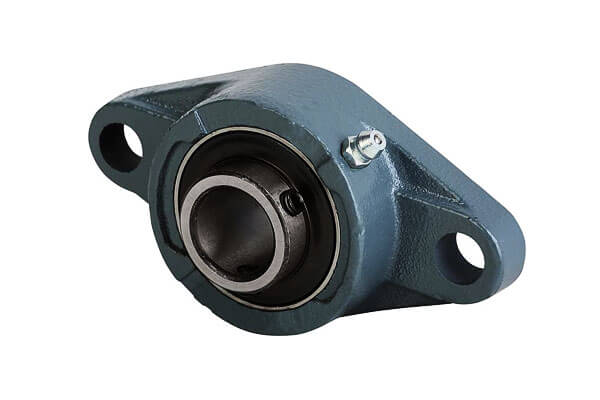
- Rotācijas atbalsts: Gultņu apvalki, gultņu sēdekļi, un saistītie komponenti atbalsta vārpstas un nodrošina precīzu rotācijas izlīdzināšanu.
- Jaudas pārvade: Pārnesumu apvalki, izciļņi, sviras, vārpstas, skriemeļi, un savienojošie komponenti pārnes vai pārveido mehānisko kustību.
- Materiālu norādījumi: Veltņi, ceļveži, piespiežamās kājas, turētāji, un līdzīgas sastāvdaļas kontrolē dzijas kustību, pavediens, vai audums.
- Kustību vadība: Kameras, šūpuļrokas, saites, un citas mehāniskās sastāvdaļas koordinē atkārtotas kustības.
- Aizsardzība un norobežojums: Mājokļi, vāki, gala plāksnes, un aizsargkonstrukcijas pasargā iekšējos mehānismus no piesārņojuma un mehāniskiem bojājumiem.
- Pozicionēšana un montāža: Montāžas kronšteini, komponentu atrašanās vietas noteikšana, atbalsta, un pamatnes nodrošina precīzu uzstādīšanu un izlīdzināšanu.
Jo šīs funkcijas būtiski atšķiras, tekstilmašīnu rezerves daļas var būt no salīdzinoši mazām precizitātes sastāvdaļām līdz lieliem konstrukcijas lējumiem.
Izplatītākie tekstilmašīnu rezerves daļu veidi
Nepieciešamās īpašās sastāvdaļas ir atkarīgas no veida, modelis, un tekstila iekārtu mehāniskā konfigurācija.
| Tekstilmašīnas | Tipiskas rezerves daļas |
| Rūpnieciskās šujmašīnas | Spiediena pēdas, piespiedu pēdu turētāji, iekavas, sviras, ceļveži, atbalsta, apvalki |
| Vērpšanas mašīnas | Vārpstas balsti, gultņu apvalki, iekavas, piedziņas sastāvdaļas, mašīnu bāzes |
| Aušanas mašīnas | Kameras, šūpuļrokas, gultņu apvalki, iekavas, vadošās sastāvdaļas, atbalsta |
| Adāmmašīnas | Mājokļi, iekavas, ceļveži, montāžas sastāvdaļas, mehāniskās saites |
Uztīšanas mašīnas |
Veltņi, gultņu balsti, iekavas, vārpstas, apvalki |
| Metināšanas mašīnas | Vadošās sastāvdaļas, veltņi, atbalsta, montāžas kronšteini, piedziņas sastāvdaļas |
| Krāsošanas mašīnas | Vārpstas, apvalki, iekavas, vāki, atbalsta, montāžas sastāvdaļas |
| Tekstila apdares mašīnas | Spriegošanas veltņi, rullīšu balsti, gultņu apvalki, rāmis, iekavas |
Starp šīm sastāvdaļām, gultņu apvalki, iekavas, mašīnu bāzes, apvalki, atbalsta, izciļņi, turētāji, un strukturālās sastāvdaļas ir īpaši piemēroti liešanai pēc pasūtījuma, kam seko CNC apstrāde, jo tie bieži apvieno sarežģītas ģeometrijas ar precīzi apstrādātām funkcionālām virsmām.
2. Materiāli pielāgotām tekstilmašīnu rezerves daļām
Materiālu izvēle ir būtiska uzticamu tekstiltehnikas rezerves daļu projektēšanas un ražošanas sastāvdaļa.
Tekstila iekārtas bieži darbojas nepārtraukti lielā ātrumā, ar komponentiem, kas pakļauti berzei, vibrācija, cikliskā iekraušana, trieciens, mitrums, ķīmiskās vielas, un šķiedru piesārņojums.
Tāpēc, materiāls jāizvēlas atbilstoši komponenta faktiskie darbības apstākļi un funkcionālās prasības, nevis pamatojoties tikai uz izmaksām vai nominālo spēku.

Par pasūtījuma tekstiltehnikas rezerves daļām, Šis prot novērtēt dažādus inženiertehniskos materiālus pēc detaļu ģeometrijas, liešanas prasības, apstrādes prasības, slodzes apstākļi, nodiluma mehānismi, korozijas iedarbība, un paredzamais kalpošanas laiks.
| Materiāls | Galvenās īpašības | Tipiskas lietojumprogrammas |
| Nerūsējošais tērauds (304, 316, 316Lukturis) | Lieliska izturība pret koroziju; labs spēks. | Veltņi, ceļveži, sūkņi, vārsti, krāsošanas iekārtas. |
| Nerūsējošais tērauds (17-4Ph) | Lielas izturības; termiski apstrādājams; laba izturība pret koroziju. | Augstas slodzes sastāvdaļas, pārnesumi, vārpstas. |
| Oglekļa tērauds (Aisi 1045, 4140) | Labs spēks; rūdāms. | Pārnesumi, vārpstas, vārpstas, strukturālās daļas. |
| Leģētais tērauds (4140, 4340) | Lielas izturības; izcila stingrība; rūdāms. | Lieljaudas zobrati, vārpstas, kameras sekotāji. |
| Instrumentu tērauds (D2, O1, S7) | Augsta cietība; nodilumizturīgs. | Griešanas rīki, mirst, formēšanas instrumenti. |
Bronza (C90500, C93200) |
Laba nodilumizturība; Zema berze; izturīgs pret koroziju. | Bukses, gultņi, ceļveži. |
| Misiņš (C36000, C26000) | Laba mašīnīgums; izturīgs pret koroziju. | Armatūra, vārsti, maza aparatūra. |
| Čuguns (Pelēks, Hercogi) | Laba amortizācijas spēja; nodilumizturīgs. | Mašīnu bāzes, apvalki, lieli zobrati. |
| Alumīnijs (6061-T6) | Viegls svars; laba apstrādājamība. | Vieglas sastāvdaļas, apvalki. |
| Inženierzinātņu plastmasa (Palūrēt, Neilons, Ptfe) | Zema berze; ķīmiska izturība; viegls svars. | Gultņi, plombas, ceļveži, nemetāliskas sastāvdaļas. |
3. Precīzijas liešana tekstiltehnikas rezerves daļām
Precīzijas liešana ir svarīgs tekstilmašīnu rezerves daļu ražošanas ceļš, kas apvieno sarežģītu ģeometriju, augstas materiālu prasības, un salīdzinoši stingras izmēru specifikācijas.
Starp precīzās liešanas tehnoloģijām, investīciju liešana ir īpaši vērtīgs, jo tas var reproducēt sarežģītas ģeometrijas ar salīdzinoši nelielām apstrādes pielaidēm, vienlaikus pielāgojot plašu inženiertehnisko sakausējumu klāstu.
Kāpēc precīzā liešana ir ideāli piemērota tekstilmašīnu komponentiem
Investīciju liešana piedāvā efektīvu līdzsvaru starp ģeometriskā brīvība, materiāla elastība, izmēru kontrole, un ražošanas efektivitāti.
| Priekšrocība | Inženiertehniskā nozīme tekstilmašīnām |
| Sarežģīta ģeometrija | Iespējo sarežģītas kontūras, ribas, priekšniekiem, padziļinājumi, plānas sekcijas, un izvēlētās iekšējās ejas, kas jāizgatavo kā gandrīz tīkla forma. |
| Gandrīz tīkla formas ražošana | Samazina turpmākās CNC apstrādes laikā noņemtā materiāla daudzumu, īpaši sarežģītiem vai neregulāriem komponentiem. |
| Laba virsmas kvalitāte | Ieguldījumu liešana var nodrošināt salīdzinoši gludas liešanas virsmas, samazinot apdares prasības un nodrošinot labu pamatu precīzai apstrādei. |
Izmēru precizitāte |
Pareizi izstrādāti investīciju liešanas procesi var nodrošināt stingrāku izmēru kontroli nekā daudzi parastie smilšu liešanas procesi, lai gan faktiskās pielaides ir atkarīgas no sakausējuma, ģeometrija, instrumenti, un procesa kontrole. |
| Plaša sakausējuma saderība | Piemērots daudziem nerūsējošajiem tēraudiem, oglekļa un leģētie tēraudi, tēraudi, un sakausējumi uz vara bāzes, atkarībā no izvēlētā procesa un liešanas iespējām. |
| Samazināti materiālu atkritumi | Gandrīz tīkla formas ražošana var ievērojami samazināt apstrādes materiālu un izejmateriālu patēriņu, salīdzinot ar sarežģītas daļas apstrādi no sagataves vai stieņu materiāliem. |
Integrētas funkcionālās funkcijas |
Funkcijas, piemēram, priekšnieki, montāžas uzgaļi, pastiprinošās ribas, un sarežģītus ārējos profilus bieži var iestrādāt tieši lējumā. |
| Ražošanas elastība | Īpaši pievilcīgs prototipiem, rezerves sastāvdaļas, un maziem un vidējiem ražošanas procesiem, kur īpaši liela apjoma instrumenti nav pamatoti. |
| Labs pamats CNC apstrādei | Apstrādes pielaides var stratēģiski novietot uz gultņu ligzdām, urbumi, montāžas virsmas, pavedieni, un citas kritiskas funkcionālās virsmas. |
Ir svarīgi atšķirt precīzas liešanas iespēja no garantētas galīgās daļas pielaides. Ieguldījumu liešana var nodrošināt izcilu izmēru konsekvenci,
bet faktisko rezultātu ietekmē vaska raksta precizitāte, keramikas apvalka uzvedība, sakausējuma saraušanās, termiskie gradienti, liešanas ģeometrija, termiskā apstrāde, un turpmākā apstrāde.
Tāpēc kritiskie izmēri parasti jāsasniedz, kombinējot kontrolētas liešanas pielaides un CNC apdari.
Kāpēc gandrīz tīkla formas liešana ir svarīga tekstilizstrādājumu iekārtām
Tekstilmašīnas komponentam var būt salīdzinoši liels kopējais tilpums, bet tikai neliels skaits virsmu, kurām faktiski nepieciešama precīza apstrāde.
Tāpēc visa komponenta apstrāde no cieta sagataves var būt neefektīva.
Piemēram, apsveriet pielāgotu korpusu ar vairākām pastiprinošām ribām, montāžas priekšnieki, izliektas ārējās virsmas, un vairāki precīzijas urbumi.
Lai izveidotu pilnu ģeometriju no cieta bloka, būtu nepieciešama ievērojama materiāla noņemšana un ilgi apstrādes cikli.
Investīciju liešana maina ražošanas stratēģiju:
Neapstrādāts sakausējums → Gandrīz tīkla formas liešana → termiskā apstrāde → kritisko zonu CNC apstrāde → gatava sastāvdaļa
Tas var samazināt apstrādes laiku, instrumentu nodilums, materiālu patēriņš, un ražošanas sarežģītība.
Priekšrocība kļūst nozīmīgāka, ja komponentam ir sarežģīts trīsdimensiju profils vai ja ražošana tiek atkārtota vairākās partijās.
Investīciju liešanas process tekstilmašīnu rezerves daļām
Investīciju liešanas process sākas ar ļoti precīza parauga izveidi un beidzas ar gatavā liešanas pārbaudi.
Katrs posms ietekmē gala komponenta izmēru un metalurģisko kvalitāti.
| Skatuves | Apstrādāt | Galvenie inženiertehniskie apsvērumi |
| 1 | Rakstu izgatavošana | Vaska vai polimēra raksts tiek ražots, izmantojot precīzus instrumentus atbilstoši komponenta ģeometrijai. |
| 2 | Serdes sagatavošana un montāža | Ja ir nepieciešami iekšējie dobumi vai ejas, var ievietot keramikas vai šķīstošus serdes. |
| 3 | Koku montāža | Atsevišķi raksti ir piestiprināti pie sliedes un vārtu sistēmas, lai izveidotu liešanas koku. |
| 4 | Keramikas korpusa celtne | Atkārtota vircas pārklājuma un apmetuma uzklāšana rada ugunsizturīgu apvalku ap rakstu. |
5 |
Atslogošana | Vasks tiek noņemts, atstājot komponenta negatīvo dobumu keramikas apvalka iekšpusē. |
| 6 | Šāvu šaušana | Apvalks tiek uzkarsēts, lai attīstītu izturību un noņemtu raksta materiāla atlikumus. |
| 7 | Sakausējuma kausēšana | Izvēlētais sakausējums tiek izkausēts kontrolētos metalurģijas apstākļos. |
| 8 | Izliešana | Izkausētais metāls tiek ievadīts iepriekš uzkarsētā keramikas apvalkā kontrolētos liešanas apstākļos. |
9 |
Cietināšana un dzesēšana | Kontrolēta sacietēšana palīdz samazināt defektus un saglabāt izmēru stabilitāti. |
| 10 | Nokauts | Keramikas apvalks tiek noņemts pēc atdzesēšanas. |
| 11 | Nogriešana un apdare | Vārti un skrējēji tiek noņemti; virsmas var būt slīpētas vai apstrādātas ar strūklu. |
| 12 | Termiskā apstrāde | Lējums saņem norādīto termisko apstrādi, lai iegūtu nepieciešamās mehāniskās un metalurģiskās īpašības. |
| 13 | Pārbaude | Izmēru, vizuāli, metalurģijas, un pēc vajadzības tiek veiktas nesagraujošās pārbaudes. |
Precīzas temperatūras, apvalka struktūra, liešanas apstākļi, un termiskās apstrādes cikli ir sakausējums- un atkarīgi no ģeometrijas.
Tāpēc tie būtu jāizveido saskaņā ar konkrētā materiāla specifikāciju, nevis katram projektam jāpiemēro viens universāls temperatūras diapazons.
4. CNC apstrāde tekstilmašīnu komponentiem
Lai gan precīzā liešana nodrošina pamata ģeometriju, CNC apstrāde nodrošina funkcionālām virsmām un saskarnēm nepieciešamo precizitāti.
Tekstilizstrādājumu iekārtās bieži ir rotējošas vārpstas, gultņi, veltņi, pārnesumi, ceļveži, apvalki, sakabes, un citas sastāvdaļas, kurām jādarbojas ar kontrolētiem attālumiem un izlīdzināšanu.
Pat salīdzinoši nelielas izmēru novirzes var ietekmēt vibrāciju, berze, nesot dzīvību, dzijas apstrāde, vai mašīnas stabilitāte.
Tāpēc CNC apstrāde kalpo kā ražošanas procesa kritiskais precīzās apdares posms.

Kāpēc CNC apstrāde ir būtiska?
Mūsdienu CNC apstrāde nodrošina augstu atkārtojamību un kontrolētu izmēru precizitāti sarežģītās detaļu ģeometrijās.
| CNC apstrādes priekšrocības | Svarīgums tekstilmašīnām |
| Augsta izmēru precizitāte | Iespējo kritiskos urbumus, vārpstas, gultņu sēdekļi, un montāžas saskarnes, lai atbilstu norādītajām pielaidēm. |
| Lieliska atkārtojamība | Palīdz saglabāt konsekventus izmērus visās ražošanas partijās un rezerves daļu programmās. |
| Kontrolēta virsmas apdare | Atbilstoša apstrāde var samazināt berzi, uzlabot blīvējumu, un aizsargā jutīgās saskares virsmas. |
| Sarežģītas ģeometrijas iespējas | Daudzasu apstrāde var radīt trīsdimensiju kontūras, leņķiskās virsmas, spraugas, kabatas, un saliktās pazīmes. |
Materiāla elastība |
CNC iekārtas var apstrādāt plašu tēraudu klāstu, nerūsējoši tēraudi, čuguņi, alumīnija sakausējumi, vara sakausējumi, un inženierplastmasa. |
| Efektīva pielāgošana | CNC programmas var modificēt dažādiem izmēriem un konfigurācijām, pilnībā nepārveidojot ražošanas procesu. |
| Prototipa piemērotība | CNC apstrāde var atbalstīt strauju attīstību un izmēru apstiprināšanu pirms lielākiem ražošanas procesiem. |
| Integrācija ar liešanu | Gandrīz tīkla formas lējumus var apstrādāt tikai tur, kur funkcionāli nepieciešama precizitāte. |
Precīzu sasniedzamo pielaidi nosaka darbgalds, griezējinstruments, darba turēšana, materiālais stāvoklis, komponentu ģeometrija, termiskā stabilitāte, mērīšanas sistēma, un zīmēšanas prasības.
Tāpēc, tādas vērtības kā ±0,005 mm jāuzskata par projektam specifiskas iespējas, nevis universālas garantijas.
Kopējās CNC apstrādes darbības tekstilmašīnu komponentiem
Dažādām tekstilmašīnu sastāvdaļām ir nepieciešami dažādi CNC procesi atkarībā no to ģeometrijas, izmēru pielaides, virsmas apdares prasības, un funkcionālās saskarnes.
| CNC apstrādes process | Galvenās mehāniski apstrādātās funkcijas | Galvenās kvalitātes prasības | Tipiska spēja / Apsvēršana |
| CNC pagrieziens | Ārējie diametri, iekšējie urbumi, pleciem, rievas, sašaurināt, pavedieni, gala sejas | Diametra pielaide, koncentriskums, cilindriskums, izsīkums, virsmas raupjums | Parasti piemērots augstas precizitātes cilindriskām iezīmēm; galīgā pielaide ir atkarīga no mašīnas, materiāls, ģeometrija, instrumenti, un pārbaude |
| CNC frēzēšana | Plakanas virsmas, kabatas, spraugas, ribas, kontūras, montāžas virsmas, atslēgas | Plakanums, perpendikularitāte, pozicionālā precizitāte, profila precizitāte, virsmas apdare | Piemērots prizmatiskām un sarežģīta profila sastāvdaļām; vairāku asu apstrāde var samazināt iestatīšanas kļūdas |
| Precizitāte Garlaicīgi / Applūdināt | Gultņu urbumi, izlīdzināšanas caurumi, urbumu noteikšana, precīzi iekšējie diametri | Urbuma diametrs, apaļums, cilindriskums, koaksialitāte, pozicionālā precizitāte | Īpaši svarīgi, kur ir gultņi, vārpstas, vai savienojošajām sastāvdaļām ir jāsaglabā precīza izlīdzināšana |
CNC urbšana |
Stiprinājuma caurumi, caurumu atrašana, eļļošanas ejas, šķidruma ejas | Cauruma diametrs, pozicionālā tolerance, dziļums, perpendikularitāte, caurumu kvalitāte | Pēc urbšanas var sekot urbšana, applūdināt, pieskarties, vai slīpēšana, ja nepieciešama lielāka precizitāte |
| Vītnes apstrāde | Iekšējās un ārējās vītnes, savienojuma saskarnes, vītņoti caurumi | Soļa precizitāte, galvenais/mazākais diametrs, vītnes profils, koncentriskums, iesaistīšanās kvalitāte | CNC vītņošana, vītnes frēzēšana, vai virpošanu var izvēlēties atbilstoši materiālam, vītnes izmērs, precizitāte, un ražošanas apjoms |
| CNC slīpēšana | Gultņu sēdekļi, žurnāli, precizitātes diametri, blīvējuma virsmas | Stingra izmēru pielaide, apaļums, cilindriskums, virsmas raupjums, izsīkums | Izmanto pēc virpošanas vai termiskās apstrādes, ja ar parasto apstrādi nevar ekonomiski sasniegt augstākas prasības attiecībā uz izmēriem un virsmu |
Daudzasu CNC apstrāde |
Saliktās kontūras, leņķveida caurumi, sarežģītas virsmas, Dziļi dobumi, vairākas telpiskās iezīmes | Profila precizitāte, pozicionālās attiecības starp pazīmēm, virsmas apdare, iestatīšanas konsekvence | Samazina iestatījumu skaitu un var uzlabot sarežģītu komponentu ģeometrisko konsekvenci |
| Atslēgas ceļš / Slotu apstrāde | Atslēgas ceļi, aksiālās spraugas, piedziņas rievas | Platums, dziļums, pozīciju, paralēlisms, der ar savienojuma atslēgu | Svarīgi uzticamai griezes momenta pārvadei un precīzai detaļu montāžai |
| Virsmas apdare / Smalkā apstrāde | Funkcionālās saskares virsmas un izvēlētās ārējās virsmas | Virsmas raupjums, urbumu noņemšana, malas stāvoklis, Izmēra stabilitāte | Apdare jānorāda atbilstoši faktiskajai berzei, valkāt, blīvējums, vai dzijas kontakta prasības, nevis vienmērīgi maksimāli palielinot gludumu |
5. No liešanas līdz gatavajai daļai: Mūsu ražošanas process
Lai izgatavotu uzticamu tekstilmašīnu rezerves daļu, ir nepieciešams vairāk nekā ražot komponentu, kas atbilst oriģinālā parauga izmēriem.
Visam procesam ir jāizveido kontrolētas attiecības starp dizains, materiāls, liešana, termiskā apstrāde, apstrāde, virsmas stāvoklis, un galīgā pārbaude.
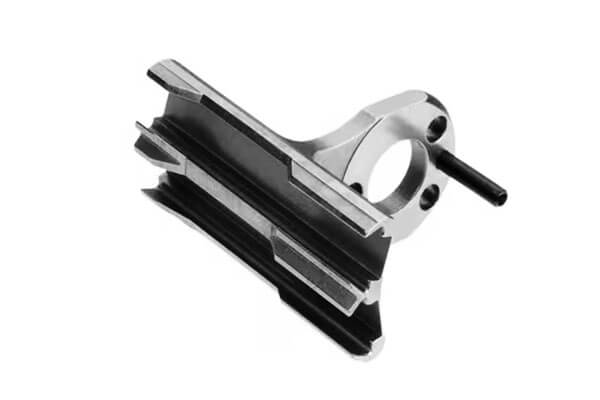
Pielāgotām tekstilmašīnu sastāvdaļām, DEZE var integrēt precīzu liešanu un CNC apstrādi vienā ražošanas darbplūsmā.
Šī pieeja ļauj optimizēt liešanas procesu ģeometrijai un materiāla veiktspējai, vienlaikus rezervējot CNC apstrādi virsmām, kurām ir būtiska izmēru precizitāte un funkcionālās pielaides..
Tipisko darbplūsmu var apkopot kā:
Tehniskais apskats → DFM analīze → Materiāla izvēle → Raksts & Instrumenti → Precīzijas liešana → Termiskā apstrāde → CNC apstrāde → Virsmas apdare → Pārbaude → Iepakojums
Procesa plūsmas pārskats
| Skatuves | Solis | Mērķis | Kritiskās vadības ierīces |
| Projektēšana & Inženierija | 1. Klienta specifikācija | Definējiet daļas ģeometriju, materiāls, pielaide, un daudzums. | Precīza prasību uztveršana. |
| 2. DFM analīze | Optimizējiet dizainu ražošanai. | Samaziniet defektus; samazināt izmaksas. | |
| 3. CAD modelēšana | 3Detaļas D modelis. | Dizains liešanai un mehāniskai apstrādei. | |
| Liešana | 4. Rakstu izgatavošana | Vaska injekcija precīzās veidnēs. | Izmēru precizitāte. |
| 5. Čaulas ēka | 6-10 slāņi keramikas vircas. | Korpusa stiprums; caurlaidība. | |
| 6. Izliešana | Izkausēts metāls čaulā. | Temperatūra; ātrums; dzesēšana. | |
| 7. Termiskā apstrāde | Šķīduma atkausēšana, normalizēt, stresa mazināšana. | Mehāniskās īpašības. | |
Apstrāde |
8. CNC apstrāde | Pagrieziens, frizēšana, urbšana, slīpēšana. | Pielaide; virsmas apdare. |
| 9. Deburzācija | Noņemiet asas malas un urbumus. | Drošība; funkcionalitāte. | |
| Apdare | 10. Virsmas apstrāde | Pasniegšana, pulēšana, pārklājums, apjoms. | Izturība pret koroziju; estētika. |
| Pārbaude | 11. Kvalitātes pārbaude | CMM, Ndt, cietība, izmēru pārbaude. | Nodrošiniet atbilstību. |
| 12. Iesaiņojums | Aizsargājiet gatavās detaļas. | Bojājumu novēršana. |
6. Inženiertehniskie apsvērumi tekstilmašīnu rezerves daļām
| Apsvēršana | Nozīme | Dizaina/ražošanas darbība |
| Nodilumizturība | Būtiski detaļām, kas saskaras ar kustīgiem pavedieniem, audumi, vai plašsaziņas līdzekļiem. | Izvēlieties cietos sakausējumus (instrumentu tērauds, 17-4Ph); virsmas sacietēšana; karbīda pārklājumi. |
| Izturība pret koroziju | Krāsošanas un apdares procesos tiek izmantotas agresīvas ķīmiskas vielas. | Izmantojiet nerūsējošo tēraudu (316Lukturis) vai īpašiem sakausējumiem; pasniegšana; elektropolēšana. |
| Karstuma izturība | Siltuma regulēšana, žāvēšana, un kalandrēšanas procesi. | Izvēlieties sakausējumus ar labu izturību augstā temperatūrā (divstāvu, Neiebilstība). |
Izmēru stabilitāte |
Detaļām jāsaglabā izmēri termiskā un mehāniskā sprieguma apstākļos. | Termiskā apstrāde; stresa mazināšana; stabili sakausējumi. |
| Virsmas apdare | Gludās virsmas samazina berzi un novērš dzijas lūšanu. | CNC apdare; pulēšana; elektropolēšana. |
| Noguruma pretestība | Cikliskā iekraušana ātrgaitas mašīnās. | Dizains nogurumam; izvēlieties izturīgus sakausējumus; shot peening. |
| Aizvietojamība | Detaļām jāatbilst esošajai tehnikai. | Precizitātes pielaides; kvalitātes kontrole. |
7. Kvalitātes kontrole un pārbaude
Kvalitātes standarti
| Standarta | Darbības joma | Prasības |
| Iso 9001 | Kvalitātes vadības sistēma. | Procesa kontrole; izsekojamību. |
| Iso 9001:2015 | Vispārējā kvalitāte. | Pastāvīga uzlabošana; fokuss uz klientu. |
| ASTM standarti | Materiālu specifikācijas. | Ķīmiskais sastāvs; Mehāniskās īpašības. |
| LV standarti | Eiropas kvalitāte. | Izmēru; mehānisks. |
Pārbaudes metodes
| Metode | Mērķis | Tipiski pieņemšanas kritēriji |
| CMM (Koordinātu mērīšanas mašīna) | Dimensiju pārbaude. | ±0,01–0,05 mm (kā norādīts). |
| Vizuāla pārbaude | Virsmas defekti. | Nav redzamu skrāpējumu, bedres, vai plaisas. |
| Krāsu penetrants (Pt) | Virsmas plaisas. | Nav plaisu vai porainības. |
| Radiogrāfija (Rentgenstars) | Iekšējie defekti. | Nav tukšumu, ieslēgumi, vai porainība. |
| Cietības pārbaude | Mehānisko īpašību pārbaude. | Saskaņā ar materiāla specifikāciju. |
| Stiepes pārbaude | Mehānisko īpašību pārbaude. | Saskaņā ar materiāla specifikāciju. |
| Virsmas raupjums | Virsmas apdares mērīšana. | Ra ≤1,6 µm (vai kā norādīts). |
8. Kāpēc apvienot precīzo liešanu ar CNC apstrādi?
Par pasūtījuma tekstiltehnikas rezerves daļām, patiesais ražošanas izaicinājums reti ir tikai "Vai šo daļu var atliet?” vai “Vai šo daļu var apstrādāt?”
Svarīgāks jautājums ir:
Kuram ražošanas procesam ir jāizveido katra komponenta iezīme, lai sasniegtu vislabāko veiktspējas kombināciju, precizitāte, materiālu efektivitāte, un kopējās izmaksas?
Šeit ir kombinācija precīza liešana un CNC apstrāde kļūst īpaši spēcīga.
Precīza liešana ir ļoti efektīva, veidojot sarežģītas trīsdimensiju ģeometrijas un gandrīz tīkla formas struktūras.
CNC apstrāde, turpretī, izceļas kritisko dimensiju noteikšanā, ģeometriskās pielaides, pavedieni, gultnis der, urbumi, un funkcionālas virsmas apdares.
Tā vietā, lai izmantotu kādu no tehnoloģijām neatkarīgi, integrēta pieeja katram procesam piešķir darbu, kas padodas vislabāk:
Precīza liešana rada konstrukcijas ģeometriju → termiskā apstrāde attīsta materiāla īpašības → CNC apstrāde nodrošina funkcionālo precizitāti → pārbaude pārbauda gatavo komponentu.
Šī nav tikai divpakāpju ražošanas metode. Tas ir a stratēģija no projektēšanas līdz ražošanai kas var ievērojami uzlabot pielāgoto tekstilmašīnu komponentu efektivitāti un uzticamību.
Pamatprincips: “Izmetiet formu, Veiciet funkciju”
Abu tehnoloģiju apvienošanas būtisko priekšrocību var apkopot vienā principā:
Lieto to, kas ir ģeometriski sarežģīts; mašīna, kas ir funkcionāli kritiska.
Tekstilmašīnu korpuss, piemēram, var saturēt ribas, priekšniekiem, izliektas sienas, pastiprinošās konstrukcijas, un neregulāras ārējās kontūras.
Lai visas šīs īpašības ražotu no cieta sagataves ar CNC apstrādi, būtu nepieciešama būtiska materiāla noņemšana un vairākas apstrādes darbības..
Ieguldījumu liešana var radīt lielāko daļu šīs ģeometrijas tieši.
Pēc tam CNC process var koncentrēties uz virsmām, kas faktiski nosaka mašīnas veiktspēju:
- Gultņu urbumi
- Vārpstas sēdekļi
- Montāžas sejas
- Precizitātes caurumi
- Pavedieni
- Blīvēšanas virsmas
- Alignment datums
- Pārnesumu un sakabes saskarnes
Šis ražošanas atbildības sadalījums ļauj izvairīties no piespiedu vienas tehnoloģijas veikt uzdevumu, kam cita tehnoloģija ir labāk piemērota.
Salīdzinātas trīs ražošanas stratēģijas
Atšķirība kļūst skaidrāka, salīdzinot trīs pieejas.
| Kritērijs | Tikai precīza liešana | Tikai CNC apstrāde | Precīzijas liešana + CNC apstrāde |
| Sarežģīta ģeometrija | Lielisks | Labi – teicami | Lielisks |
| Tipiska izmēru kontrole | Apm. ±0,1–0,3 mm* | Apm. ±0,005–0,01 mm* | Apm. ±0,005–0,01 mm par mehāniski apstrādātām funkcijām* |
| Tipiska sasniedzamā virsmas apdare | Apm. Ra 1,6–6,3 µm* | Apm. Ra 0,4–1,6 µm* | Apm. RA 0,4-1,6 µm uz gatavām virsmām* |
| Materiālu izmantošana | Augsts | Zems vidējs | Augsts |
| Materiālie atkritumi | Zems | Augsts | Zems |
| Sarežģītas cast funkcijas | Lielisks | Dārgi ražot | Lielisks |
| Precīzas funkcionālās saskarnes | Ierobežots | Lielisks | Lielisks |
| Maza apjoma piemērotība | Atkarīgs no instrumentiem | Labs | Labs |
| Piemērotība vidējam apjomam | Labs | Bieži vien mazāk ekonomisks sarežģītām daļām | Lielisks |
| Liela apjoma piemērotība | Lielisks | Bieži vien dārgi sarežģītām ģeometrijām | Lielisks |
| Sakausējuma elastība | Plašs | Plašs | Plašs |
| Vispārējā ražošanas elastība | Augsts | Augsts | Ļoti augsts |
*Faktiskās pielaides un virsmas apdare ir atkarīga no sakausējuma, ģeometrija, liešanas metode, mašīnas iespējas, instrumenti, termiskā apstrāde, pārbaudes prasības, un ražošanas apstākļi.
Tādēļ šie skaitļi ir jāuzskata par orientējošiem, nevis universālām specifikācijām.
Galvenais novērojums ir tāds, ka kombinētais process ne tikai pievieno liešanas un apstrādes priekšrocības.
Tas ļauj katra procesa ierobežojumus kompensēt ar otru.
Precīzā liešana atrisina ģeometrijas problēmu
Viena no ieguldīšanas liešanas lielākajām priekšrocībām ir tās spēja reproducēt sarežģītas ģeometrijas, neprasot tādu pašu atņemšanas apstrādi, kāds būtu nepieciešams, sākot no sagataves..
Tas ir īpaši vērtīgi tekstilmašīnu komponentiem, kas satur:
- Integrētas ribas
- Izliektas virsmas
- Montāžas priekšnieki
- Neregulāras kontūras
- Padziļinājumi
- Sarežģītas pārejas
- Iekšējie dobumi
- Vairākas struktūras iezīmes
Tā vietā, lai sāktu ar lielu metāla bloku un pakāpeniski noņemtu materiālu, liešana sākas daudz tuvāk vajadzīgajai galīgajai ģeometrijai.
Tas rada a gandrīz tīkla formas ražošanas priekšrocība.
Rezultāts nav tikai īsāks apstrādes cikls.
Tas var arī samazināt izejvielu patēriņu, griezējinstrumentu nodilums, mašīnu noslogojums, un nepieciešamo apstrādes darbību skaitu.
CNC apstrāde atrisina precizitātes problēmu
Ar liešanu vien nevar ekonomiski nodrošināt stingru izmēru kontroli, kas nepieciešama katrai funkcionālajai saskarnei.
Tekstilmašīnas bieži satur precizitātes attiecības, kas tieši ietekmē mašīnas darbību.
Piemēri ietver:
Gultņa ligzda → vārpstas diametrs → koncentriskums → izskrējiens → izlīdzināšana
Neliela novirze vienā no šiem parametriem var ietekmēt vibrāciju, gultņu slodze, berze, un kalpošanas laiks.
CNC apstrāde nodrošina iespēju selektīvi uzlabot šīs kritiskās īpašības.
Tā vietā, lai visam lējumam noteiktu ļoti stingras pielaides, kas palielinātu ražošanas sarežģītību, process koncentrējas uz precizitāti tur, kur tas rada reālu funkcionālo vērtību..
Tas noved pie svarīga inženierijas principa:
Precizitātei jābūt koncentrētai tur, kur to prasa funkcija, nav nevajadzīgi sadalīts pa visu komponentu.
The Core Takeaway
Precīzā liešana un CNC apstrāde nav konkurējošas tehnoloģijas — tie ir viens otru papildinoši precīzas ražošanas posmi.
Precīza liešana nodrošina formu, struktūras sarežģītība, materiālu efektivitāte, un gandrīz tīkla formas ražošana.
CNC apstrāde nodrošina izmēru precizitāti, ģeometriskā vadība, smalka virsmas apdare, un funkcionālās saskarnes.
Kad abi ir izstrādāti kopā, rezultāts ir ražošanas risinājums, ko var sasniegt:
Sarežģīta ģeometrija + precīzas saskarnes + efektīva materiālu izmantošana + kontrolēta kvalitāte + konkurētspējīgas kopējās izmaksas.
Par pasūtījuma tekstiltehnikas rezerves daļām, šī kombinācija bieži vien ir vispraktiskākais ceļš no zīmējuma vai pat novecojuša fiziska parauga līdz ražošanai gatavam., pēc izmēriem konsekventi, funkcionāli uzticama gatavā sastāvdaļa.
9. Pielāgoti tekstilmašīnu rezerves daļu risinājumi no DEZE
DEZE Foundry specializējas tekstilizstrādājumu iekārtu rezerves daļās pēc pasūtījuma, piedāvājot integrētus risinājumus no precīzās liešanas līdz CNC apstrādei un apdarei.
| Spēja | Detaļa |
| Materiāli | Nerūsējošais tērauds (304, 316, 316Lukturis, 17-4Ph), oglekļa tērauds, leģētais tērauds, bronza, misiņš, alumīnijs, instrumentu tērauds. |
| Liešana | Investīciju liešana (pazaudēts vasks); smilšu liešana. |
| CNC apstrāde | 3-, 4-, un 5 asu CNC frēzēšana; CNC virpošana; slīpēšana; urbšana; vītņošana. |
| Pielaide | ±0,005 mm (apstrāde); ±0,1 mm (liešana). |
| Virsmas apdare | As-cast, apstrādāts, pulēta, elektropolēts, pasivēts, pulverkrāsots, pārklāts. |
| Daļas svars | 0.01 kg līdz 1000 kg. |
| Daļu izmēri | Līdz 6000 mm. |
| Kvalitāte | Iso 9001:2015 sertificēts; 100% pārbaude. |
| Izpildes laiks | 4– 8 nedēļas liešanai; 1– 3 nedēļas apstrādei (atkarībā no sarežģītības). |
10. Secinājums
Pielāgotām tekstilmašīnu rezerves daļām nepieciešama līdzsvarota ražošanas stratēģija izmēru precizitāte, materiāla veiktspēja, ģeometriskā sarežģītība, pakalpojumu uzticamība, un izmaksu efektivitāte.
Precīzijas liešana nodrošina iespēju izveidot sarežģītas gandrīz tīkla formas ģeometrijas, vienlaikus samazinot materiālu atkritumus un apstrādes prasības.
CNC apstrāde nosaka izmēru precizitāti, ģeometriskās pielaides, pavedieni, urbumi, gultnis der, blīvējuma virsmas, un citas funkcionālās īpašības, kas nepieciešamas uzticamai iekārtas darbībai.
Kombinācija rada ražošanas filozofiju, ko var apkopot kā:
Piešķiriet sarežģītību. Apstrādājiet precizitāti. Pārbaudiet funkciju.
Tekstilmašīnu ražotājiem un apkopes komandām, šī pieeja piedāvā vairāk nekā rezerves daļu.
Tas nodrošina ceļu uz atkārtojams, lietojumam specifiskas sastāvdaļas, kas izstrādātas atbilstoši iekārtas faktiskajām prasībām.
Vai prasība ir viena novecojusi sastāvdaļa, pielāgota OEM daļa, vai ilgtermiņa ražošanas programma, precīzas liešanas kombinācija,
CNC apstrāde, inženiertehniskā analīze, un kvalitātes kontrole nodrošina spēcīgu pamatu uzticamai tekstilmašīnu rezerves daļu ražošanai.
FAQ
Vai varat ražot novecojušas tekstiltehnikas rezerves daļas??
Jā. Novecojušas sastāvdaļas, iespējams, var reproducēt no esoša parauga, zīmējums, vai izmēru dati.
Tipisks process ir:
Parauga pārbaude → Reversā inženierija → CAD rekonstrukcija → Materiālu izvēle → Liešanas/CNC procesa izstrāde → Ražošana → Pārbaude
Tas var būt īpaši noderīgi, ja oriģinālā OEM komponents vairs nav pieejams.
Vai varat ražot nelielos daudzumos?
Jā. Pielāgota ražošana var atbalstīt prototipu, nomaiņa, un mazo partiju prasības.
Optimālais process ir atkarīgs no komponentu ģeometrijas, materiāls, tolerance, daudzums, instrumentu prasības, un paredzamo pieprasījumu nākotnē.
Dažām maza apjoma daļām, CNC apstrāde var būt vēlama; sarežģītiem komponentiem ar atkārtotu pieprasījumu, precīza liešana, kam seko CNC apstrāde, var nodrošināt labāku ilgtermiņa ekonomiku.
Vai oriģinālo komponentu var uzlabot reproducēšanas laikā?
Potenciāli, jā.
Ja komponents ir piedzīvojis atkārtotas kļūmes, pasūtījuma ražošanas projekts var novērtēt oriģinālo materiālu, ģeometrija, pielaide, virsmas stāvoklis, un darbības vidi.
Ja tas ir tehniski piemērots, uzlabojumi var ietvert:
- Alternatīva materiāla izvēle
- Modificēta termiskā apstrāde
- Uzlabota virsmas apdare
- Pārskatītas apstrādes pielaides
- Labāka filejas ģeometrija
- Paaugstināta nodilumizturība
- Uzlabota izturība pret koroziju
Jebkurai modifikācijai vajadzētu, lai arī, jānovērtē, ņemot vērā mašīnas funkcionālās prasības un savietojamību ar esošo komplektu.
Kā sākt pielāgotu tekstilmašīnu rezerves daļu projektu ar DEZE?
Process var sākties ar a zīmējums, 3D modelis, fiziskais paraugs, vai pamata komponentu informāciju
Pēc tam inženieru komanda var novērtēt komponenta ģeometriju, materiāls, ražošanas ceļš, pielaide, un pārbaudes prasības pirms piemērota ražošanas risinājuma ieteikšanas.
Sarežģītiem komponentiem, vēlamais maršruts var būt:
Tehniskais apskats → DFM → Precīzijas liešana → Termiskā apstrāde → CNC apstrāde → Pārbaude → Piegāde
Tas nodrošina strukturētu ceļu no esošas tekstilmašīnu sastāvdaļas uz pielāgotu, ražošanai gatava rezerves daļa.

