1. Įvadas
Korozija yra vienas iš patvariausių plieno ir geležies komponentų gedimo būdų, o cinko pagrindu pagamintos dangos išlieka pagrindine apsauga, nes cinkas neabejotinai apsaugo pagrindą.
Tiek cinkavimas, tiek karštasis cinkavimas remiasi tuo pačiu elektrocheminiu principu, bet jie smarkiai skiriasi dangos storiu, obligacijų tipas, proceso temperatūra, matmenų poveikis, ir tarnavimo laikas.
ASTM B633 apibrėžia galvanizuoto cinko dangas geležies ir plieno gaminiams, o ASTM A123/A123M apima karštai cinkuotas geležies ir plieno gaminių dangas.
Praktinis klausimas nėra tas, kuris procesas yra „geresnis“ abstrakčiai.
Tikrasis klausimas yra tai, kuri dangos sistema geriausiai atitinka detalės geometriją, aplinką, substrato stiprumas, ir gyvavimo ciklo tikslą.
Cinkavimas paprastai yra tikslus, mažų dalių pasirinkimas. Karštas cinkavimas dažniausiai yra konstrukcinis, ilgalaikis pasirinkimas.
2. Kas yra cinkuotas?
Cinkavimas yra an elektrolituota cinko danga taikomas plienui ar geležiui elektrocheminiu būdu.
Pagrindinis jo tikslas yra sukurti apsauginį cinko sluoksnį, kuris apsaugotų netauriuosius metalus nuo korozijos.
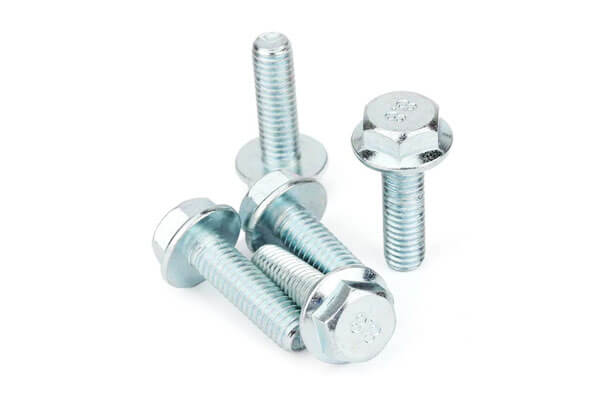
Inžinerinėje praktikoje, jis plačiai naudojamas mažos ir vidutinės dalys pavyzdžiui, tvirtinimo detalės, varžtai, Spyruoklės, skliaustai, ir bendra techninė įranga, ypač kai svarbus matmenų tikslumas ir tinkamumo kontrolė.
Darbo principas yra paprastas, bet labai efektyvus: cinko danga tarnauja kaip a aukos sluoksnis.
Kai dalis yra veikiama drėgmės, Deguonis, ar kitomis korozinėmis sąlygomis, cinkas pirmiausia korozuoja ir apsaugo apatinį plieną.
Kadangi danga dengiama palyginti žemoje temperatūroje, cinkavimas išsaugo originalią detalės formą ir išvengia iškraipymų, kurie gali atsirasti aukštesnės temperatūros dengimo procesuose.
Cinkuotų medžiagų savybės
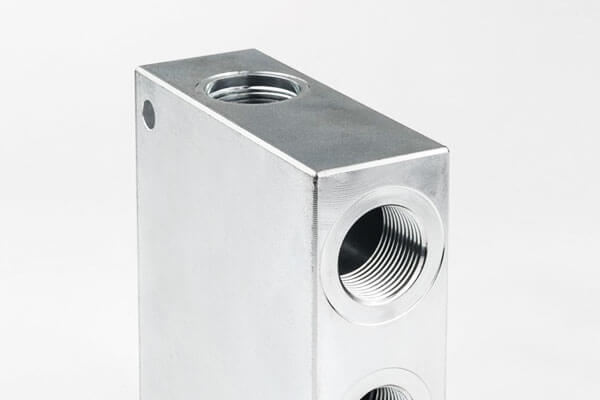
Cinkuotos dalys paprastai apibrėžiamos a plonas, vienoda danga, a palyginti lygus paviršius, ir geras matmenų išlaikymas.
Palyginti su sunkesnėmis cinko dangomis, cinkavimas prideda tik ribotą storio kiekį,
todėl jis ypač tinka tikslioms sudedamosioms dalims, kuriose per didelis susikaupimas trukdytų sriegiams, tinka, arba judančias sąsajas.
Apdaila paprastai yra matinė pilka arba blanki metalinė, nors ryškesnis vaizdas gali būti pasiektas kontroliuojant procesą ir po apdorojimo.
Praktinėje gamyboje, inžinieriai taip pat gali pasirinkti skirtingas dangos storio klases, kad atitiktų reikiamą aptarnavimo aplinką ir geometriją.
Dėl to cinkavimas yra lankstus pasirinkimas dalims, kurias reikia apsaugoti, neprarandant tikslumo.
Kitas svarbus privalumas yra tai, kad procesą galima derinti su pasyvavimo arba sandarinimo procedūros, kurios gali pagerinti išvaizdą ir padidinti atsparumą korozijai vidutinio sunkumo aplinkoje.
Tai padeda cinkuotoms dalims gerai veikti kontroliuojamo naudojimo patalpose ir lengvomis pramoninėmis sąlygomis.
Techniniai svarstymai
Viena problema, kurią reikia spręsti atsargiai, yra vandenilio trapumas.
Kadangi galvanizavimas gali įvesti vandenilį į didelio stiprumo plieną, procesas reikalauja tinkamo išankstinio ir po apdorojimo kontrolės.
Dėl šios priežasties, cinkavimas paprastai geriau tinka standartinei techninei įrangai ir mažesnės rizikos komponentams, nei ypač didelio stiprumo kritinėms dalims.
Idealiai tinka cinkuotoms medžiagoms
Geriausiai tinka cinkavimas orientuotas į tikslumą, patalpose, arba šiek tiek ėsdinančios priemonės. Jis dažniausiai naudojamas:
- varžtai ir varžtai
- veržlės ir poveržlės
- Spyruoklės
- šviesos jungiklio aparatūra
- maži laikikliai ir jungiamosios detalės
- bendrosios paskirties mechaninė aparatūra
Šiais atvejais, pagrindinė cinkavimo vertė yra jos gebėjimas teikti plonas, kontroliuojama apsauga nuo korozijos išlaikant detalės matmenų tikslumą ir ekonomišką efektyvumą.
3. Kas yra cinkuotas?
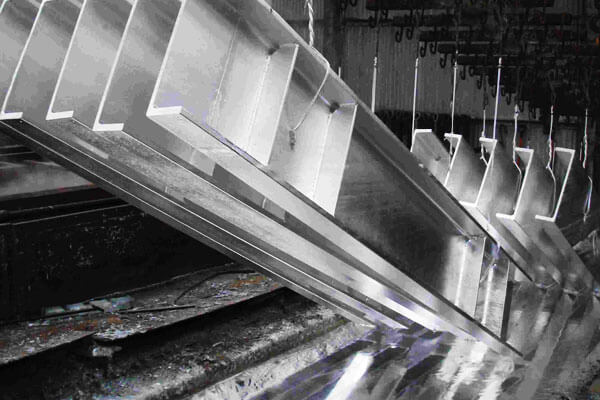
Inžinerinėje praktikoje, cinkuotas paprastai nurodo karštai cinkuotas plienas: geležis arba plienas, kuris buvo panardintas į išlydytą cinką, kad susidarytų apsauginė danga.
ASTM A123/A123M apima karšto cinkavimo cinko dangas ant geležies ir plieno gaminių, įskaitant pagamintus ir nedirbtus gaminius,
o ISO 1461:2022 apima karštai cinkuotas geležies ir plieno gaminių dangas.
Pagrindinis skirtumas nuo cinkavimo yra dangos formavimo būdas.
Karštame cinkavime, plienas metalurgiškai reaguoja su išlydytu cinku, sudarydamas cinko ir geležies lydinio sluoksnius, padengtas išoriniu beveik gryno cinko sluoksniu.
Taip gaunama danga, kuri elgiasi ne taip kaip plona paviršiaus plėvelė, o labiau kaip integruota apsaugos nuo korozijos sistema, sujungta su pačiu plienu..
Cinkuotų medžiagų savybės
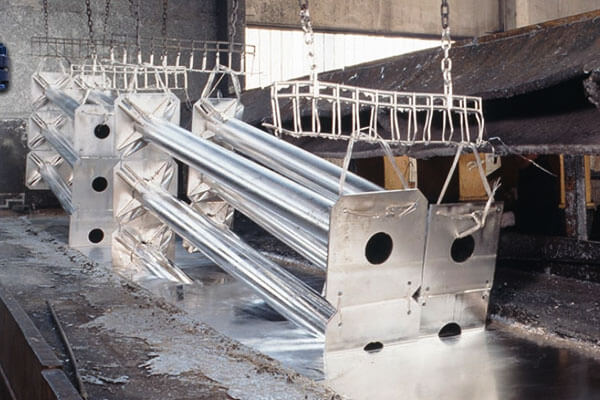
Cinkuotos medžiagos dažniausiai pasižymi a storesnė danga, stiprus krašto ir kampų padengimas, ir didelis atsparumas dilimui.
Dangos struktūra paprastai apima gama, Delta, Zeta, ir Eta sluoksniai, lydinio sluoksniai yra kietesni už pagrindinį plieną, o išorinis cinko sluoksnis suteikia papildomą apsaugą.
Ši daugiasluoksnė konstrukcija yra viena iš priežasčių, kodėl cinkuotas plienas vertinamas sudėtingoje lauko ir konstrukcijų aplinkoje.
Kitas bruožas yra tarnavimo laikas.
Kadangi danga yra gana stora ir metalurgiškai surišta, ilgaamžiškumas labai priklauso nuo dangos storio ir poveikio sąlygų.
Pramonės gairėse pažymima, kad cinkuotas plienas gali tarnauti labai ilgai, ir kad veikimas atviroje aplinkoje yra vienas pagrindinių jos strateginių pranašumų.
Cinkavimas taip pat skirtingai elgiasi gaminant.
ASTM A123 apima pagamintus plieno gaminius, tokius kaip konstrukciniai gaminiai, liejiniai, barai, juostelės, surenkami plieno gaminiai, ir dideli vamzdžiai, jau sulenkti arba suvirinti prieš cinkavimą.
Dėl to šis procesas ypač tinkamas dalims ir mazgams, kurios yra per didelės arba per tvirtos tiksliam galvanizavimui.
Idealus pritaikymas cinkuotoms medžiagoms
Tam geriausiai tinka cinkuotos medžiagos konstrukcinis plienas, lauko techninė įranga, pagaminti mazgai, liejiniai, vamzdžiai, ir komponentai, veikiami oro sąlygų arba atšiaurių pramoninių paslaugų.
ASTM A123 yra aiškiai parašytas geležies ir plieno gaminiams, naudojamiems tokio tipo gamybos ar konstrukcijų kontekstuose,
ir ISO 1461 apima pagamintus geležies ir plieno gaminius toje pačioje bendro naudojimo erdvėje.
Jie yra ypač stiprūs pasirinkimai tiltai, pastatų karkasai, turėklai, apsauginiai turėklai, stulpai, palaiko, lauko platformos, komunalinės paskirties statiniai, ir sunkios apkrovos pramoninė įranga kur atsparumas korozijai ir ilgalaikis patvarumas yra svarbesni nei poliruota dekoratyvinė apdaila.
Kadangi danga yra tvirta ir nepakeliama, cinkuotas plienas dažnai pasirenkamas, kai komponentas turi išlikti tinkamas eksploatacinėmis sąlygomis daugelį metų.
4. Kuo skiriasi dviejų dangų struktūra ir forma
Pagrindinis proceso skirtumas
Tiek cinkuojant, tiek galvanizuojant plienui apsaugoti naudojamas cinkas, bet jie sukurti remiantis skirtingais formavimo mechanizmais.
Cinkavimas yra an elektrodeponuotas danga, Tai reiškia, kad cinkas elektrochemine srove nudedamas iš tirpalo ant geležies arba plieno.
ASTM B633 ir ISO 2081 apibrėžkite šio tipo dangą kaip galvanizuotą cinko sluoksnį, kuris yra apsauginis arba dekoratyvinis.
Galvanizavimas, priešingai, paprastai reiškia karštasis cinkavimas, kai plienas panardinamas į išlydytą cinką, o danga susidaro vykstant metalurginei cinko ir geležies reakcijai.
ASTM A123/A123M ir ISO 1461 įveikti šį karšto vandens maršrutą.
Dangos struktūra
Cinkuotos dangos struktūra yra palyginti paprasta: tai iš esmės yra plonos cinko nuosėdos, uždėtos ant plieno paviršiaus, paprastai su papildomu apdorojimu, pvz., pasyvavimu ar sandarinimu, kai reikia.
ASTM B633 nurodo dangos storio klases, tokias kaip Fe/Zn 5, 8, 12, ir 25, Tai rodo, kad dengimas yra suprojektuotas kaip griežtai kontroliuojamas, santykinai plona dengimo sistema.
Karštas cinkavimas sukuria daug sudėtingesnę dangos struktūrą.
Cinkas ir plienas reaguoja į formą Gama, Delta, ir Zeta lydinio sluoksniai sąsajoje, po kurio seka išorinis Ir sluoksniai iš esmės gryno cinko.
Šie lydinio sluoksniai yra kietesni už pagrindinį plieną, o išorinis cinko sluoksnis užtikrina lankstumą ir apsaugą nuo korozijos.
Storis ir matmenų poveikis
Cinkavimas paprastai yra a plonos dangos sistema, todėl prideda mažai storio ir geriau išsaugo originalius detalės matmenis.
Karštas cinkavimas paprastai yra storesnis, nes dangoje yra ir lydinio sluoksniai, ir išorinis cinko sluoksnis, todėl jis turi daug didesnį poveikį galutiniams matmenims ir yra mažiau tinkamas mažoms dalims.
Tas skirtumas tiesiogiai atsispindi standartuose: dengimo standartai orientuoti į storio klases, o karšto panardinimo standartai daugiausia dėmesio skiria pagamintiems plieno gaminiams ir dangos patvarumui, o ne tiksliam pritaikymui.
5. Našumo palyginimas: Korozija, Patvarumas, Išvaizda, ir Rizika
Atsparumas korozijai
Abi dangos apsaugo plieną naudodamos cinką, bet jie nėra lygūs tuo, kiek apsaugos jie gali suteikti.
Cinko dengimas ASTM B633 apibrėžiamas kaip elektrolitinė cinko danga, apsauganti nuo korozijos, su keturiomis standartinėmis storio klasėmis ir papildoma apdaila.
Karštas cinkavimas, priešingai, ASTM A123/A123M apibrėžia kaip cinko dangą, suformuotą ant geležies ir plieno gaminių karšto panardinimo būdu.,
o standartas nustato minimalius dangos storio reikalavimus pagamintiems ir negamintiems gaminiams.
Praktiškai, cinkavimas paprastai užtikrina stipresnę ilgalaikę apsaugą lauke, nes danga yra storesnė ir skirta apdorotam plienui, veikiamam korozinių aplinkos sąlygų..
ASTM A123 rekomendacijose teigiama, kad laikas iki pirmosios priežiūros yra tiesiogiai proporcingas dangos storiui, todėl storesnis cinkas paprastai reiškia ilgesnį tarnavimo laiką atmosferoje.
Patvarumas ir atsparumas dilimui
Karštai cinkuotos dangos yra struktūriškai kietesnės, nes po išoriniu cinko sluoksniu jose yra cinko ir geležies lydinio sluoksniai.
Tie lydinio sluoksniai yra kietesni už apatinį plieną ir pasižymi dideliu atsparumu dangos pažeidimams dėl dilimo.
Dėl to cinkavimas ypač tinka komponentams, kurie bus tvarkomi, gabenami, arba veikiami lauko susidėvėjimo.
Cinkavimas yra plonesnis ir labiau tikslus. Tai puikiai tinka mažoms dalims ir pritaikymui jautriai aparatūrai,
bet tai nėra pirmas pasirinkimas, kai dalis turi atlaikyti grubų valdymą, ekspozicija lauke, arba išplėstinė lauko tarnyba.
ASTM B633 akcentuoja storio klases, išvaizda, sukibimas, atsparumas korozijai, ir vandenilio trapumo kontrolė rodo, kad tai yra kontroliuojama apsauginė apdaila, o ne tvirta struktūrinė danga.
Išvaizda
Cinkavimas dažniausiai pasirenkamas tada, kai svarbu paviršiaus konsistencija ir švaresnė vizualinė apdaila.
ASTM B633 apima išvaizdos kriterijus, tokius kaip blizgesys ir meistriškumas, ir ISO 2081 rėmų galvanizavimas, tinkamas apsauginiams ir dekoratyviniams tikslams.
Štai kodėl dengtos dalys yra dažnos tvirtinimo detalėse, maža aparatūra, ir komponentus, kur svarbi matoma apdaila.
Cinkuotas plienas gali atrodyti šviesus, kai jis yra šviežiai padengtas, tačiau jo išvaizda paprastai yra tvirtesnė ir pramoninė. Dangos paskirtis yra apsauga, ne kosmetinis tobulinimas.
ASTM A123 pabrėžia dangos storį, baigti, išvaizda, ir laikymasis, tačiau pagrindinė jo projektavimo logika yra ilgalaikė pagamintų plieno gaminių apsauga nuo korozijos.
Rizika ir inžinerinis atsargumas
Pagrindinė techninė rizika cinkuojant yra vandenilio trapumas.
ASTM B633 reikalauja išankstinio dengimo valymo ir išankstinio- ir apdorojimas po dengimo, siekiant sumažinti šią riziką,
ir jame aiškiai nurodyta, kad aukšto stiprumo plienas aukščiau 1700 MPA atsparumas tempimui neturėtų būti cinkuotas pagal specifikaciją.
Dėl to cinkavimas yra mažiau tinkamas labai didelio stiprumo kritinėms dalims.
Karštas cinkavimas nėra susijęs su tokia pačia galvanizacijai būdinga vandenilio trapumo problema.
Pagrindinė jo rizika yra skirtinga: nes danga susidaro po pagaminimo išlydyto cinko vonioje, bet koks tolesnis gaminimas po cinkavimo gali neigiamai paveikti apsaugą nuo korozijos.
Štai kodėl cinkavimas paprastai traktuojamas kaip galutinis procesas.
6. Procesas, Kaina, ir gamybos padariniai
Proceso skirtumai
Cinkavimas yra elektrodepozicija procesas.
ASTM B633 apibrėžia jį kaip cinko dangą, padengtą geležies arba plieno gaminiams elektrodegeneracijos būdu, ir ISO 2081 panašiai traktuoja kaip galvanizuotą cinko dangų sistemą.
Kadangi danga nusodinama elektra, procesas puikiai tinka mažiems, tikslios dalys ir gali būti valdomos palyginti plonais sluoksniais.
Cinkavimas yra a karštas procesas. ASTM A123/A123M apima cinko dangas, padengtas karštu panardinimu ant geležies ir plieno gaminių,
įskaitant pagamintus gaminius, konstrukciniai plieno gaminiai, liejiniai, barai, juostelės, ir dideli vamzdžiai, jau sulenkti arba suvirinti prieš cinkavimą.
ISO 1461 taip pat nurodomos dangos, pagamintos panardinant geležies ir plieno gaminius į cinko lydalą.
Išlaidų struktūra
Cinkavimas dažnai yra ekonomiškesnis pasirinkimas mažiems, į tikslumą orientuotos dalys, nes danga yra plona ir procesas yra skirtas kontroliuojamai apsaugai, o ne ilgaamžiškumui.
Jis dažniausiai naudojamas ten, kur dalis turi išlaikyti griežtus leistinus nuokrypius ir kai yra priimtina dekoratyvinė-apsauginė apdaila.
ASTM B633 storio klasės ir papildoma apdaila rodo, kad procesas yra skirtas kontroliuojamam, standartizuotas paviršiaus apdorojimas, o ne aukštos kokybės korozijos sistemos.
Karštas cinkavimas paprastai turi didesnį gamybos pėdsaką, tačiau jis dažnai laimi atviro plieno gyvavimo ciklo ekonomiką.
ASTM A123 ir jo nurodymai pabrėžia, kad danga skirta gaminiams, pagamintiems iki galutinės formos ir veikiamiems korozinės aplinkos., ir kad dangos storis yra pagrindinis veiksnys, lemiantis pirmąją priežiūrą.
Kitaip tariant, pradinis procesas gali būti labiau įtrauktas, tačiau priežiūros našta laikui bėgant paprastai yra mažesnė.
Tolerancijos ir storio pasekmės
Kadangi cinkavimas yra plonas, jis geriau tinka dalims, kurių matmenys turi likti nedideli.
ASTM B633 pateikia keturias storio klases, Tai suteikia inžinieriams struktūrinį būdą pasirinkti dangos lygį, suderinamą su tinkamumu ir funkcionalumu.
Karštas cinkavimas, priešingai, yra sukurta atsižvelgiant į minimalius dangos storio reikalavimus skirtingoms gaminių kategorijoms, Dėl to jis yra tvirtesnis dėl patvarumo, bet mažiau tinkamas itin sandarioms dalims.
7. Praktinis palyginimas: Cinkuotas vs cinkuotas
Praktinį skirtumą lengva nurodyti, bet svarbu teisingai taikyti: cinkavimas yra tiksli dengimo sistema, o cinkavimas yra į ilgaamžiškumą orientuota dangų sistema.
| Vertinimo dimensija | Cinkuotas | Cinkuota |
| Proceso principas | Elektrocheminis cinko nusodinimas ant plieno. | Karštas panardinimas į išlydytą cinką, su cinko ir geležies lydinio formavimu. |
| Obligacijos tipas | Plonas nusodintas cinko sluoksnis ant pagrindo. | Metalurginiai cinko ir geležies difuzijos sluoksniai ir išorinis cinko sluoksnis. |
| Tipiškas storis | Plonas ir tvirtai valdomas; ASTM B633 naudoja keturias storio klases, o ne sunkios konstrukcijos dangos koncepciją. | Daug storesnis; ASTM A123/A123M nustato minimalius dengimo reikalavimus pagal gaminio klases. |
Korozijos rezervas |
Vidutinis, tinka daugeliui patalpų ir šviesos eksploatavimo sąlygų. | Aukštas, ypač atviram pagamintam plienui ir ilgaamžiškumui. |
| Sudėtingų formų padengimas | Puikiai tinka mažoms tikslioms detalėms, tačiau storio ir geometrijos apribojimai taikomi sriegiams ir sandariems prigludimams. | Puikus bendras aprėptis, įskaitant kraštus, kampus, įdubimai, ir sudėtingos pagamintos formos. |
| Paviršiaus išvaizda | Sklandžiai, uniforma, ir labiau vizualiai valdomas. | Tvirtas, storesnis, ir labiau pramoninės išvaizdos. |
| Matmenų poveikis | Žemas; geriau tinka jautrioms ir srieginėms dalims. | Aukštesnis; Projektuojant ir gaminant turi būti leistinas dangos susidarymas. |
Vandenilio trapumo rizika |
Reikšmingas didelio stiprumo plienams; ASTM B633 reikalauja iš anksto- ir po apdorojimo kontroliuoja ir neapima tam tikrų labai stiprių plienų. | Ne ta pati su galvanizavimu susijusi vandenilio trapumo rizika. |
| Geriausia taikymo skalė | Mažos tikslios detalės, tvirtinimo detalės, Aparatūra, ir tinkamumo kritinius komponentus. | Didelis pagamintas plienas, struktūriniai elementai, liejiniai, ir lauko eksponuojami mazgai. |
| Gyvavimo ciklo priežiūra | Paprastai trumpesnis techninės priežiūros intervalas esant griežtesniam poveikiui. | Dažnai ilgaamžiškumas, mažai priežiūros reikalaujanti apsauga, kurių tarnavimo laiką labai įtakoja dangos storis ir aplinka. |
8. Išvada
Cinkavimas ir karštasis cinkavimas yra dvi viena kitą papildančios, tačiau funkciškai skirtingos cinko pagrindu pagamintos antikorozinės dangos technologijos,
susietas su bendru aukojamo anodo apsaugos mechanizmu, bet atskirtas pagrindinių proceso metalurgijos ir aptarnavimo savybių.
Cinko danga pasižymi tiksliu storio reguliavimu, lygūs dekoratyviniai paviršiai, maža išankstinė kaina, ir nulinės šiluminės deformacijos, tampa pagrindine vidaus tiksliųjų komponentų ir į estetiką orientuotų plataus vartojimo produktų apdailos parinktimi;
Vienintelis nereikšmingas trūkumas yra būdingas vandenilio trapumo pavojus didelio stiprumo plieno pagrindams, dėl to būtinas standartizuotas apdorojimas po dehidrogenavimo.
Karštas cinkavimas per aukštos temperatūros difuzijos reakcijas sudaro tvirtas geležies ir cinko lydinio kompozicines dangas, pasižymi puikiu atsparumu oro sąlygoms, savigydos pasirodymas, ir itin ilgas tarnavimo laikas.
Jis nepakeičiamas lauko infrastruktūrai ir sunkiems pramoniniams konstrukciniams komponentams, o jo apribojimai apima didesnes pradines išlaidas, tekstūruotos paviršiaus išvaizda, ir prastas pritaikymas itin tikslioms dalims.
Pramonėje nėra absoliutaus pranašumo tarp dviejų technologijų.
Optimalus pasirinkimas priklauso nuo sistemingo eksploatacinių korozinių sąlygų įvertinimo, matmenų tolerancijos specifikacijos, substrato medžiagos savybės, ir dvigubo biudžeto reikalavimus (pradinės išlaidos ir gyvavimo ciklo priežiūros išlaidos).
Dengimo technologiją suderinus su faktiniais inžineriniais poreikiais, o ne aklai siekti mažesnių išankstinių sąnaudų ar pernelyg didelio našumo, įmonės gali veiksmingai sumažinti korozijos riziką,
optimizuoti išteklių paskirstymą, ir maksimaliai padidinti visapusę ekonominę metalo paviršiaus apdailos sprendimų naudą.
DUK
Cinkuotas taip pat, kaip ir cinkuotas?
Ne. Cinkuotas dažniausiai reiškia galvanizuotą cinką, o cinkuotas įprastai pramonėje paprastai reiškia karštai cinkuotą plieną.
Kuris ilgiau išsilaiko lauke?
Karštai cinkuotos dangos paprastai tarnauja ilgiau lauke, nes jos yra storesnės ir sukurtos stipriam poveikiui. Tarnavimo laikas paprastai yra proporcingas dangos storiui.
Kodėl tvirtinimo detalėse naudojamas cinkavimas?
Kadangi jis užtikrina kontroliuojamą storį ir gerą prigludimą prie mažos tikslios įrangos. ISO 2081 taip pat pažymi, kad srieginio komponento storį riboja matmenų reikalavimai.
Ar cinkavimas yra saugus didelio stiprumo plienui?
Tai gali būti rizikinga, nes ASTM B633 reikalauja priemonių, mažinančių vandenilio trapumą, ir neįtraukia tam tikrų didelio stiprumo plienų, viršijančių nurodytą stiprumo ribą..
Ar cinkuotos dalys gali būti suvirintos arba pagamintos vėliau?
Karštas cinkavimas dažniausiai taikomas po pagaminimo, ir tolesnė gamyba po cinkavimo gali neigiamai paveikti apsaugą nuo korozijos.