1. Įvadas
Plienas yra viena iš plačiausiai naudojamų inžinerinių medžiagų pasaulyje, o jo tankis yra viena iš svarbiausių fizinių savybių, lemiančių jo parinkimą, suprojektuoti, apdorotas, ir taikė.
Tankis turi įtakos masei, inercija, transporto kaina, konstrukcinė apkrova, tvarkymo elgesys, ir net energijos suvartojimą per gaminio gyvavimo ciklą.
Dėl šios priežasties, plieno tankis nėra triviali katalogo reikšmė. Tai yra pagrindinis dizaino parametras.
2. Ką tankis reiškia medžiagų inžinerijoje
Medžiagų inžinerijoje, tankis Nurodo, kiek masės yra tam tikrame medžiagos tūryje.
Tai viena iš svarbiausių fizinių savybių, nes ji nurodo inžinieriams, kokia „kompaktiška“ medžiaga yra atominiu ir makroskopiniu lygiu..
Medžiaga, tokia kaip plienas, jaučiasi sunki ir kieta, nes santykinai daug medžiagos yra supakuota į santykinai mažą erdvę, todėl jis turi palyginti didelį tankį.
Ryšys išreiškiamas pagrindine lygtimi:
Tankis = masė / Apimtis
arba, simboline forma:
ρ = m / V
kur:
- r = tankis
- m = masė
- V = tūris
Tankis paprastai matuojamas tokiais vienetais kaip g/cm³ arba kg/m³ metrinėje sistemoje, ir lb/in³ arba lb/ft³ imperijos vienetais.
Inžineriniu požiūriu, tankis yra an intensyvus turtas. Tai reiškia, kad jo vertė nesikeičia vien dėl to, kad keičiasi medžiagos kiekis.
Mažas plieno gabalas ir didelė plieno plokštė turi tokį patį tankį, nors jų masė labai skiriasi. Keičiasi bendras medžiagos kiekis, ne pats tankis.
Štai kodėl tankis yra toks svarbus renkantis dizainą ir medžiagą.
Tai turi įtakos svoriui, inercija, transporto kaina, konstrukcinė apkrova, ir bendrą efektyvumą, tačiau ji išlieka stabili medžiagos charakteristika, nepaisant dalies dydžio.
3. Tipiškas plieno tankio diapazonas
Daugumos paprastų anglies ir mažai legiruotų plienų tankis yra nuo 7.75 į 8.05 g/cm³, su 7.85 g/cm³ dažnai naudojamas kaip įprastinė atskaitos vertė. SI terminais, tai apytiksliai 7,850 kg/m³.
Ta vertybė nėra universali. Skirtingos plieno rūšys šiek tiek skiriasi dėl legiravimo elementų, fazės sudėtis, ir apdorojimo istorija turi įtakos tankiui.
Nerūdijantys plienai, pavyzdžiui, Priklausomai nuo sudėties, gali nukristi šiek tiek aukščiau arba žemiau įprasto anglinio plieno standarto.

4. Kodėl skiriasi plieno tankis
Plienas nėra viena medžiaga. Tai geležies lydinių šeima, ir tankis kinta priklausomai nuo sudėties ir struktūros.
Anglies kiekis
Anglies kiekis įtakoja tankį tik nežymiai, nes anglies yra nedideli kiekiai. Tačiau, tai vis dar prisideda prie skirtumų tarp klasių.
Daugeliu praktinių atvejų, anglies kiekis nėra pagrindinis tankio kitimo veiksnys, bet tai yra bendros kompozicijos balanso dalis.
Legiravimo elementai
Legiravimo elementai gali padidinti arba sumažinti tankį, priklausomai nuo jų atominės masės ir koncentracijos.
Tokie elementai kaip chromas, Nikelis, Manganas, molibdenas, vanadis, ir volframas keičia galutinio lydinio tankį.
Iš nerūdijančio plieno, pavyzdžiui, nikelis ir chromas gali šiek tiek pakeisti tankį aukštyn arba žemyn, palyginti su paprasto anglinio plieno.
Mikrostruktūra
Plieno tankis taip pat gali šiek tiek skirtis priklausomai nuo fazės struktūros. Feritas, Austenitas, martensitas, ir bainitas ne visus atomus supakuoja lygiai taip pat.
Skirtumai paprastai yra nedideli, bet tiksliojoje inžinerijoje jie gali būti svarbūs.
Temperatūra ir fazės būsena
Tankis kinta priklausomai nuo temperatūros. Kai plienas įkaista, it expands, ir jo tankis mažėja.
Tai aktualu liejant, kalimas, terminis apdorojimas, ir aukštos temperatūros aptarnavimas. Esant aukštai temperatūrai, plienas užima šiek tiek daugiau tūrio tai pačiai masei.
5. Įprastų plieno šeimų tankis
Dėl nuoseklumo, the tipiniai pažymiai yra išreikšti JAV. stiliaus žymėjimai tokių kaip AISI/SAE, ASTM, ir dažniausiai naudojami prekybiniai ekvivalentai.
Žemiau pateiktos vertės yra vardiniai kambario temperatūros tankiai, naudojami inžineriniam palyginimui ir medžiagų pasirinkimui.
Anglies plieno tankis
Anglies plienas yra geležies ir anglies lydinių šeima, kurios bendras legiravimo kiekis yra palyginti mažas.
Jo tankis mažai skiriasi, vidutinė-, ir daug anglies dioksido išskiriančių rūšių, tačiau ši tendencija vis dar naudinga projektuojant: didėjant anglies kiekiui, tankis mažėja labai nežymiai.
| Plieno kategorija | Tipiški pažymiai | Tankis (g/cm³) | Tankis (kg/m³) | Tankis (lb/in³) |
| Mažai anglies plienas | AISI 1010, AISI 1018, AISI 1020 | 7.85 | 7850 | 0.2836 |
| Vidutinio anglies plieno | AISI 1045, AISI 1050, AISI 1055 | 7.84 | 7840 | 0.2832 |
| Daug anglies turintis plienas | AISI 1080, AISI 1090, AISI 1095 | 7.83 | 7830 | 0.2828 |
Didelio stiprumo mažai legiruotas konstrukcinis plienas (HSLA) Tankis
HSLA plienas yra sustiprintas mažais mangano priedais, Chromas, molibdenas, niobium, vanadis, arba susijusius elementus.
Jų tankis išlieka labai artimas įprasto anglinio plieno tankiui, todėl dizaino skirtumas atsiranda dėl stiprumo ir tvirtumo, o ne dėl svorio.
| Plieno kategorija | Tipiški pažymiai | Tankis (g/cm³) | Tankis (kg/m³) | Tankis (lb/in³) |
| Bendras HSLA plienas | ASTM A572 gr 50, ASTM A992, ASTM A588 | 7.85 | 7850 | 0.2836 |
| Dėvėjimui atsparus HSLA plienas | AR400, AR450, AR500 | 7.82 | 7820 | 0.2825 |
| Cr-Mo slėgis / konstrukcinis plienas | AISI 4130, AISI 4140, AISI 8640 | 7.86 | 7860 | 0.2839 |
| Atsparus oro sąlygoms konstrukcinis plienas | ASTM A588, ASTM A242 | 7.84 | 7840 | 0.2832 |
Nerūdijančio plieno tankis
Nerūdijantys plienai klasifikuojami pagal metalografinę struktūrą. Jų tankiui įtakos turi chromas, Nikelis, molibdenas, ir kiti legiravimo elementai.
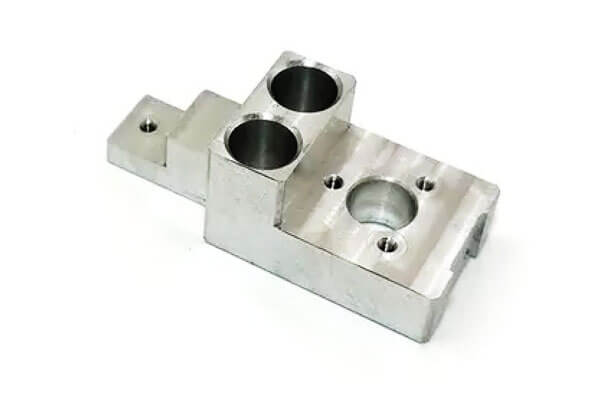
Tarp nerūdijančių šeimų, austenitinis nerūdijantis plienas paprastai turi didžiausią tankį.
| Plieno kategorija | Tipiški pažymiai | Tankis (g/cm³) | Tankis (kg/m³) | Tankis (lb/in³) |
| Austenitinis nerūdijantis plienas | AISI 304, AISI 304L | 7.93 | 7930 | 0.2865 |
| Austenitinis nerūdijantis plienas | AISI 316, AISI 316L | 7.98 | 7980 | 0.2883 |
| Aukštos temperatūros austenitinis SS | AISI 310S | 7.98 | 7980 | 0.2883 |
| Feritinis nerūdijantis plienas | AISI 430, AISI 409 | 7.75 | 7750 | 0.2799 |
| Martensitinis nerūdijantis plienas | AISI 410, AISI 420, AISI 431 | 7.80 | 7800 | 0.2817 |
| Dvipusis nerūdijantis plienas | US S32205 (2205), US S32750 (2507) | 7.81 | 7810 | 0.2820 |
Įrankinio plieno ir greitaeigio plieno tankis
Įrankių plienuose ir greitaeigiuose plienuose dažnai yra daug volframo, Chromas, vanadis, ir kobalto.
Šie legiravimo elementai padidina tankį, palyginti su įprastu plienu, ypač didelio greičio ir kobalto turinčiose markėse.
| Plieno kategorija | Tipiški pažymiai | Tankis (g/cm³) | Tankis (kg/m³) | Tankis (lb/in³) |
| Anglies įrankių plienas | AISI T7, AISI T8, AISI T12 | 7.83 | 7830 | 0.2828 |
| Mažai legiruotas plienas | AISI P20, AISI H13, AISI D2 | 7.85 | 7850 | 0.2836 |
| Greitaeigis plienas | AISI M2, AISI M35, AISI M42 | 8.15 | 8150 | 0.2942 |
| Kobalto guolis HSS | AISI T15, HS18-1-2-10 | 8.20 | 8200 | 0.2960 |
Specialus funkcinis plieno tankis
Specialūs funkciniai plienai yra sukurti tam tikroms eksploatavimo sąlygoms, tokioms kaip nemokamas apdirbimas, Šilumos atsparumas, Didelis tankis, arba mažo tankio.
Jų tankis gali labiau skirtis nuo standartinių plienų, nes lydinio konstrukcija yra optimizuota pagal funkciją, o ne bendrosios paskirties konstrukcijoms..
| Plieno kategorija | Tipiški pažymiai | Tankis (g/cm³) | Tankis (kg/m³) | Tankis (lb/in³) |
| Laisvai pjaustomas plienas su švinu | AISI 12L14, AISI 1215 | 7.97 | 7970 | 0.2879 |
| Didelio chromo karščiui atsparus plienas | AISI 309, AISI 310S, AISI 446 | 7.90 | 7900 | 0.2854 |
| Karščiui atsparus legiruotasis plienas su nikeliu | Incoloy 800, Incoloy 800H | 8.06 | 8060 | 0.2910 |
| Mažo tankio lengvasis konstrukcinis plienas | Specialios mažo tankio legiruotojo plieno rūšys | 7.70 | 7700 | 0.2781 |
| Didelio tankio atsvaras plienas | Volframo lydinio atsvarinio plieno rūšys | 8.30 | 8300 | 0.2996 |
6. Kaip tankis veikia dizainą ir gamybą
Tankis nėra tik laboratorinis matavimas. Tai tiesiogiai formuoja inžinerinius sprendimus.

Svoris ir konstrukcinė apkrova
Akivaizdžiausias tankio poveikis yra svoris. Plieninė sija, rėmelis, arba korpusas paprastai sveria daug daugiau nei lygiavertis aliuminio dizainas.
Tai gali būti trūkumas transportuojant, aviacijos ir kosmoso, Robotika, arba nešiojamąsias sistemas. Tačiau, didesnė masė taip pat gali būti privalumas, kai stabilumas, slopinimas, arba norima inercijos.
Standumo ir svorio balansas
Plienas yra tankus, bet ir kietas. Daugelyje programų, inžinieriai sutinka su didesniu svoriu, nes plienas leidžia mažesnius skerspjūvius, kad būtų užtikrintos tokios pačios konstrukcijos savybės.
Kitaip tariant, vien tankis nenulemia, ar plienas yra efektyvus. Plienas gali būti sunkesnis pagal tūrį, tačiau jis vis tiek gali būti efektyvus pagal vieneto kainą.
Transportas ir energijos vartojimo efektyvumas
Transporto priemonėse, Mašinos, ir judančią įrangą, tankis turi įtakos degalų taupymui, pagreitis, stabdymas, ir naudingoji apkrova.
Mažesnio tankio medžiagoms dažnai teikiama pirmenybė, kai masės mažinimas duoda tiesioginės veiklos naudos. Vis tiek, plienas išlieka įprastas, nes yra ekonomiškas ir struktūriškai patikimas.
Apdirbimo ir gamybos svarstymai
Plieno tankis taip pat turi įtakos gamybos valdymui, armatūros dizainas, įrankio apkrova, ir dalių manipuliavimas.
Sunkesnes dalis sunkiau perkelti ir padėti, tačiau jų standumas dažnai padeda apdirbant ar suvirinant. Masė taip pat gali pagerinti kai kurių mašinų konstrukcijų vibracijos slopinimą.
Inercija ir dinaminis elgesys
Besisukančiose sistemose, tankis turi įtakos inercijos momentui. Tankesnis plieninis rotorius, pavara, arba diskas sukaupia daugiau kinetinės energijos ir priešinasi greičio pokyčiams stipriau nei lengvesnė medžiaga.
Tai gali būti naudinga arba problemiška, priklausomai nuo programos.
7. Visuotiniai nesusipratimai
Pirma, gydantis 7.85 g/cm³, kaip fiksuotas tankis visoms plieno rūšims, pervertina daug anglies turinčio plieno svorį, neįvertindamas nerūdijančio plieno svorio.
antra, painiojantis teorinį tankį su tūriniu tankiu, nekreipiant dėmesio į liejamo plieno poringumą ir dėl to susidaro netiksli apkrovos konstrukcija;
trečia, nepaisant temperatūros sukeltų tankio pokyčių aukštos temperatūros katilo plieninėms dalims.
8. Įgimti tankio, kaip sprendimo indikatoriaus, apribojimai
Nors tankis yra svarbi plieno eksploatacinių savybių vertinimo nuoroda, jis negali būti naudojamas kaip vienas atrankos standartas: Didelis tankis neprilygsta aukštos kokybės plienui.
Per didelis tankis, kurį sukelia per daug sunkiųjų lydinio elementų, gali sumažinti plieno kietumą ir atsparumą šalčiui; mažo tankio lengvasis legiruotas plienas gali paaukoti dalinį standumą, kad būtų pasiekti lengvi tikslai.
Inžinerinėje praktikoje, tankis turi būti suderintas su kietumu, Tvirtumas, atsparumas korozijai ir atsparumas temperatūrai, kad būtų galima atlikti išsamų medžiagų pasirinkimą.
9. Tankio palyginimas su kitomis inžinerinėmis medžiagomis
Plienas tampa lengviau suprantamas, kai jis lyginamas su kitomis įprastomis inžinerinėmis medžiagomis.
| Medžiaga | Tipinis tankis (g/cm³) | Tipinis tankis (kg/m³) | Tipinis tankis (lb/in³) | Inžinerinis aiškinimas |
| Magnio lydinys | 1.70–1,85 | 1700– 1850 m | 0.061–0,067 | Extremely light, bet mažesnis stiprumas ir standumas |
| Aliuminio lydinys | 2.65–2.80 | 2650– 2800 | 0.096–0,101 | Labai lengvas, plačiai naudojamas svoriui jautriems dizainams |
| Titano lydinys | 4.40–4.60 | 4400– 4600 | 0.159–0,166 | Lengvesnis už plieną, bet daug stipresnis svorio vienetui |
| Ketaus | 6.90–7.30 | 6900– 7300 | 0.249–0,264 | Šiek tiek mažiau tankus nei plienas, bet trapesnis |
| Anglies plienas | 7.75–7.85 | 7750– 7850 | 0.280–0,284 | Standartinė tanki konstrukcinė medžiaga |
Nerūdijantis plienas |
7.70–8.00 val | 7700–8000 | 0.278–0,289 | Panašus į anglinį plieną arba šiek tiek tankesnis už jį |
| Vario | 8.85–8.95 | 8850– 8950 | 0.320–0,323 | Sunkesnis už plieną, puikus laidumas |
| Žalvaris | 8.40–8.75 | 8400–8750 | 0.304–0,316 | Sunkus, bet universalus, gera išvaizda ir apdirbamumas |
| Nikelio lydiniai | 8.20–8.90 | 8200– 8900 | 0.296–0,321 | Tankus, naudojamas, kai turi reikšmės aukštos temperatūros arba korozijos savybės |
| Volframas | 19.0–19.3 | 19000– 19300 m | 0.686–0,697 | Itin tankus, naudojami atsvaruose, ekranavimas, ir didelio tankio programas |
10. Išvada
Plieno tankis paprastai yra maždaug 7.85 g/cm³, bet tiksli vertė skiriasi priklausomai nuo lydinių šeimos, Mikrostruktūra, ir temperatūra.
Dar svarbiau, tankis nėra atskira savybė. Tai sąveikauja su jėga, standumas, Kaina, atsparumas korozijai, Gamyba, ir aptarnavimo našumą.
Plienas išlieka viena iš svarbiausių inžinerinių medžiagų būtent dėl to, kad jo tankis yra produktyvus vidurys: pakankamai sunkus, kad užtikrintų standumą, stabilumas, ir tūrio stiprumą, tačiau ekonomiškas ir pakankamai universalus, kad dominuotų statybose ir pramonėje.
Dizaineriams, suprasti plieno tankį reiškia suprasti, kaip masė veikia visą sistemą, nuo gamybos ir transportavimo iki eksploatavimo ir gyvavimo ciklo sąnaudų.
DUK
Kodėl plienas toks tankus?
Kadangi tai yra geležies lydinys, turintis sandariai supakuotą atominę struktūrą ir palyginti sunkius legiruojančius elementus, palyginti su lengvaisiais metalais..
Ar tankis turi įtakos plieno stiprumui?
Ne tiesiogiai. Tankis ir stiprumas yra skirtingos savybės, nors jie abu daro įtaką dizaino sprendimams.
Ar mažesnio tankio plienas visada geresnis?
Ne. Mažesnis tankis gali padėti sumažinti svorį, bet geriausia medžiaga priklauso nuo stiprumo, standumas, Kaina, atsparumas korozijai, ir taikymo poreikius.
Kaip plienas lyginamas su aliuminiu?
Plienas yra daug tankesnis ir paprastai tvirtesnis naudojant urmu, o aliuminis yra daug lengvesnis ir geresnis svoriui jautriems konstrukcijoms.
Ar temperatūra keičia plieno tankį?
Taip. Kylant temperatūrai, plienas plečiasi, o tankis šiek tiek sumažėja.