

1. Įvadas
1.4006 yra a martensitinis nerūdijantis plienas kuris yra praktiškai vidurys tarp įprasto anglinio plieno ir atsparesnių korozijai nerūdijančio plieno rūšių.
Paprastai jis identifikuojamas kaip X12Cr13, ir daugelis tiekėjų nuorodų jį susieja AISI 410 ir UNS S41000, nors kai kurie katalogai įspėja, kad susiję pavadinimai, tokie kaip 410S arba 410S21, ne visada yra tikslūs tiesioginiai atitikmenys.
Kitaip tariant, tai žinoma klasė su aiškiu pramoniniu identitetu, bet tas, kuris vis tiek turėtų būti patikrintas pagal konkretų naudojamą standartą ir pristatymo sąlygas.
Kas daro 1.4006 įdomus ne maksimalus atsparumas korozijai, bet jos kietumo balansas, stiprybė, Aparatas, poliravimas, ir vidutinio atsparumo korozijai.
Jis yra feromagnetinis, termiškai apdorojamas, ir pasižymi geromis mechaninėmis savybėmis po grūdinimo ir grūdinimo, todėl jis nuolat pasirodo siurbliuose, vožtuvai, velenai, jungiamosios detalės, ir bendrieji mechaniniai inžineriniai komponentai.
2. Kas yra 1.4006 Nerūdijantis plienas?
1.4006 yra a martensitinis nerūdijantis plienas pažymys, dažniausiai siejama su X12Cr13 Europos žymėjimo sistemose.
Tai chromo guolis Nerūdijantis plienas sukurta siekiant užtikrinti praktinę pusiausvyrą vidutinio atsparumo korozijai, geras mechaninis stiprumas, magnetinis atsakas, ir termiškai apdorojamas grūdinimas.
Pramoniniu požiūriu, tai funkcinis inžinerinis lydinys, o ne aukščiausios kokybės korozijos lydinys.
Skirtingai nuo austenitinio nerūdijančio plieno, pvz 304 arba 316, 1.4006 nepasiekia savo naudingumo pirmiausia dėl atsparumo korozijai.
Vietoj, jo vertė kyla iš to, kaip ji gali būti sukietėja termiškai apdorojant ir naudojami komponentuose, kuriems reikia tvirtumo, atsparumas nusidėvėjimui, ir stabilus veikimas vidutiniškai korozinėje aptarnavimo aplinkoje.
Dėl to tai ypač aktualu mechanikos inžinerijoje, siurblių sistemos, vožtuvo komponentai, velenai, tvirtinimo detalės, ir kitos dalys, kuriose laikomosios savybės yra tokios pat svarbios kaip atsparumas aplinkai.
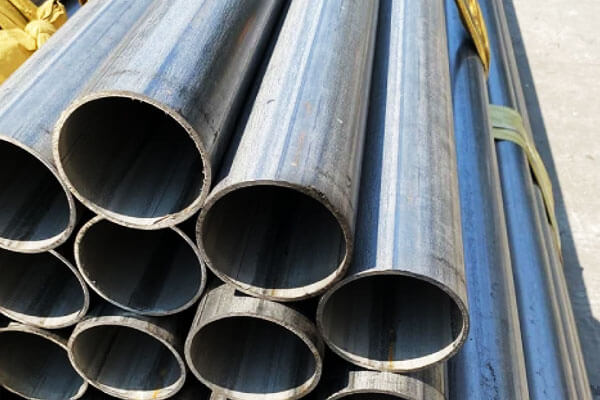
Metalurginė tapatybė
Apibrėžiamas bruožas 1.4006 yra jo martensitinė struktūra. Tai reiškia, kad lydinys termiškai apdorojant gali būti paverstas kietu, stipri būklė.
Atkaitintoje būsenoje, lengviau apdirbti ir formuoti; po gesinimo ir grūdinimo, jis tampa žymiai stipresnis ir kietesnis.
Šis metalurginis elgesys išskiria jį iš daugelio kitų nerūdijančio plieno:
- Austenitiniai nerūdijantys plienai paprastai yra atsparesni korozijai ir lankstesni, bet nelengvai sukietėja termiškai apdorojant.
- Feritinis nerūdijantis plienas pasižymi geru atsparumu korozijai kai kuriose aplinkose, bet mažesnis kietumas.
- Martensitiniai nerūdijantys plienai, įskaitant 1.4006, pasirenkami kada stiprumas ir kietumas yra pagrindiniai dizaino reikalavimai.
Lygiaverčiai pažymiai
1.4006 visame pasaulyje pripažįstamas įvairiais pavadinimais, užtikrinti sąveiką tarp pramonės šakų:
| Standartas | Pažymėjimo žymėjimas |
| EN/DIN | 1.4006, X12Cr13 |
| astm/aisi | 410, UNS S41000 |
| JIS | SUS410 |
| GB | 12CR13 |
Pagrindinės charakteristikos
Magnetinis elgesys
1.4006 yra magnetinis, kuris yra tiesioginis jo martensitinės struktūros rezultatas.
Tai gali būti naudinga tais atvejais, kai magnetinis atsakas yra priimtinas ar net pageidautinas, taip pat aiškiai skiria rūšį nuo austenitinio nerūdijančio plieno.
Termiškai apdorojamas
Viena iš pagrindinių priežasčių, kodėl inžinieriai pasirenka 1.4006 ar taip gali būti grūdintas ir grūdintas pasiekti pritaikytą jėgos ir kietumo pusiausvyrą.
Tai leidžia galutines savybes pritaikyti prie detalės funkcijos.
Vidutinis atsparumas korozijai
Klasėje yra chromo, kuris užtikrina nerūdijančio plieno elgesį ir pasyvų oksido sluoksnį.
Tačiau, jo atsparumas korozijai yra nuosaikus, o ne išskirtinis, todėl jis geriausiai tinka švelniai agresyviai aplinkai, o ne stipriam chlorido poveikiui.
Geras apdirbamumas minkštoje būsenoje
Prieš sukietėjimą, 1.4006 galima efektyviai apdirbti. Dėl to jis patrauklus tiksliems komponentams, kurie gaminami palyginti minkštomis sąlygomis ir termiškai apdorojami iki galutinių savybių.
Į nusidėvėjimą orientuotas našumas
Nes galima grūdinti, 1.4006 gerai veikia dilimosiose dalyse, stumdomas kontaktas, arba pakartotinė mechaninė apkrova, ypač kai nereikalaujama visiško korozijos lydinio veikimo.
3. Cheminė sudėtis 1.4006 Nerūdijantis plienas
Toliau pateikta sudėtis atspindi dažniausiai skelbiamą EN/pramonės diapazoną 1.4006 / X12Cr13.
Priklausomai nuo produkto formos ir numatomo naudojimo, duomenų lapuose gali atsirasti nedidelių skirtumų, ypač sieros kiekiui.
| Elementas | Tipiškas kompozicijos diapazonas (masė %) | Metalurgijos vaidmuo |
| Anglies (C) | 0.08–0,15 | Palaiko martensito susidarymą, kietumas, ir stiprumas po terminio apdorojimo. |
| Silicis (Ir) | ≤ 1.00 | Padeda plieno gamybai ir deoksidacijai; taip pat turi įtakos stiprumui ir apdorojimo elgsenai. |
| Manganas (Mn) | ≤ 1.00 į 1.50 | Palaiko apdorojimą ir padeda kontroliuoti karšto apdirbimo galimybes. |
| Fosforas (P) | ≤ 0.020 į 0.040 | Laikytas žemas, kad būtų išsaugotas tvirtumas ir bendra kokybė. |
Sieros (S) |
≤ 0.015 į 0.020, su specialiomis nuolaidomis kai kuriems produktų tipams | Įtakoja apdirbamumą; mažesnis sieros kiekis yra pageidautinas dėl poliravimo ir kai kurių naudojimo sąlygų. |
| Chromas (Kr) | 11.5–13.5 | Pirminis nerūdijantis elementas; užtikrina pasyvumą ir vidutinį atsparumą korozijai. |
| Nikelis (Į) | ≤ 0.5 į 0.75 | Pateikti tik nedideliais kiekiais; nepakanka, kad lydinys taptų austenitiniu. |
| Lygintuvas (Fe) | Pusiausvyra | Netauriškas metalas. |
Sudėtis išsinešimui
1.4006 yra tyčia a liesas martensitinis nerūdijantis plienas: pakankamai chromo nerūdijančio plieno veikimui, pakankamai anglies kietėjimui, bet ne tiek nikelio, kad jis taptų austenitinės klasės.
Ši chemija suteikia lydiniui būdingą vidutinio atsparumo korozijai ir termiškai apdorojamo stiprumo pusiausvyrą..
4. Fizinės ir mechaninės savybės 1.4006 Nerūdijantis plienas
Žemiau pateiktos nekilnojamojo turto vertės yra reprezentatyvūs paskelbti skaičiai. Jie labai priklauso nuo pristatymo sąlygų, ypač ar medžiaga atkaitinta, ar grūdinta ir grūdinta.
| Nuosavybė | Atkaitintas / minkštos būklės | Užgesintas ir grūdintas / QDT / QT 650 sąlyga | Pastabos |
| Derlumo stiprumas (RP0.2) | ≥ 450 MPa tirpalu atkaitinto produkto duomenyse | 552– 655 MPa, tipiškas 480 MPA; kai kurių produktų duomenų sąrašas ≥ 450 MPa minimumas | Terminis apdorojimas materialiai padidina stiprumą. |
| Tempimo stiprumas (Rm) | 650–850 MPa tirpalu atkaitinto gaminio duomenyse | ≥ 690 MPA, tipiškas apie 720 MPA | Stiprumo diapazonas skiriasi priklausomai nuo gaminio formos ir skersmens. |
| Pailgėjimas | ≥ 15% | ≥ 20% vienoje QDT nuorodoje | Plastiškumas priklauso nuo šiluminės būklės ir gaminio dydžio. |
| Ploto sumažinimas | ≥ 55% | ≥ 45% | Nurodo reikšmingą lankstumą, nepaisant martensitinio pobūdžio. |
| Kietumas | iki maždaug 220 HB viename atkaitintame duomenų lape | ≤ 22 HRC QDT būklės | Kietumas didėja kietėjant; tikslios vertės skiriasi priklausomai nuo būklės. |
| Poveikis kietumas | - | ≥ 27 J esant –29°C | Naudinga komponentams, kuriems reikalingas tam tikras kietumas žemoje temperatūroje. |
Tamprumo modulis |
215 GPA | 215 GPA | Iš esmės nepakitęs terminis apdorojimas standartiniuose duomenų lapuose. |
| Tankis | 7.70 kg/dm³ | 7.70 kg/dm³ | Tipiškas martensitinio nerūdijančio plieno tankis. |
| Specifinė šiluma | 460 J/kg · k | 460 J/kg · k | Standartinė fizinių savybių vertė 20°C temperatūroje. |
| Šilumos laidumas | 30 W/m · k | 30 W/m · k | Naudinga atliekant tam tikrus apdirbimo ir šilumos perdavimo veiksmus. |
| Elektrinė varža | 0.60 Ω·mm²/m | 0.60 Ω·mm²/m | Tipiškas martensitinis nerūdijančio plieno lygis. |
| Įmagnetinamumas | Tinka / feromagnetinis | Tinka / feromagnetinis | Išskirtinė šios klasės savybė. |
| Rekomenduojama eksploatavimo temperatūra | iki maždaug 400°C viename inžinerinių duomenų lape | venkite maždaug 425–525 °C, nes 475 trapumo rizika | Eksploatacijos temperatūra priklauso nuo tikslios paskirties ir standarto. |
5. Terminis apdorojimas, Gaminimas, ir Suvirinimas
1.4006 yra a termiškai apdorojamas martensitinis nerūdijantis plienas, ir tas vienintelis faktas apibrėžia daugumą jo apdorojimo elgesio.
Galutinės jo savybės nenustatomos perkant; jie sukuriami gamintojo ar gamintojo pasirinktu terminiu keliu.
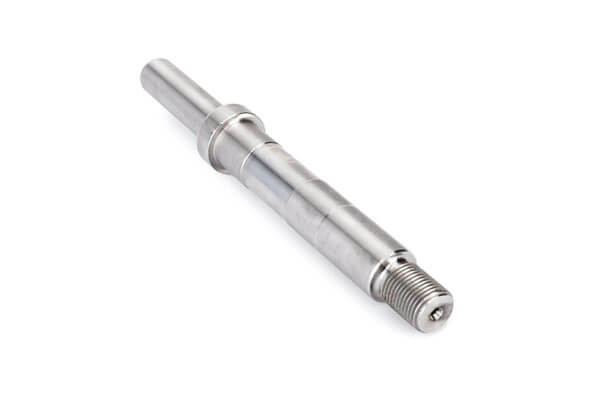
Terminis apdorojimas
Tipiška proceso grandinė, skirta 1.4006 yra paprastas iš principo, bet jautrus vykdymas. Plienas pirmiausia austenitizuojamas, tada užgesintas, ir galiausiai užgrūdintas.
Duomenų lapai dažniausiai pateikiami atkaitinimas apie 745–825°C, gesinimas apie 950–1000°C, ir grūdinimas 680–780°C temperatūroje, nors tikslus ciklas priklauso nuo produkto formos, sekcijos dydis, ir reikalingas turto likutis.
Svarbiausia, kad lydinys stipriai reaguoja į terminį apdorojimą, todėl pasirinktas ciklas tiesiogiai lemia kietumą, ausmingumas, ir paveikti elgesį.
Naudingas inžinerinis aiškinimas yra tas 1.4006 nėra „fiksuotos nuosavybės“ nerūdijantis plienas. Tai yra a nerūdijančio plieno reguliuojamos savybės.
Dėl to jis tinka komponentams, kuriuos reikia apdoroti minkštesne būsena, o vėliau paversti kietesniu, stipresnė paskutinė dalis.
Užgesintos ir grūdintos būklės, paskelbtos vertės rodo žymiai didesnį derlių ir atsparumą tempimui nei minkštesnės tiekimo būsenos, patvirtinantis, kad terminis ciklas yra projektavimo strategijos dalis, ne tik baigiamasis žingsnis.
Liejimas
Liejimas 1.4006 yra įmanoma, bet tai nėra įprastas šios klasės antraštės maršrutas. Lydinys dažniausiai naudojamas kaip strypas arba kaltinis gaminys, skirtas mechaniniams komponentams apdirbti.
Kai naudojamas liejimas, vis dar galioja ta pati martensitinė nerūdijančio plieno logika: cheminis homogeniškumas, kietėjimo kontrolė, ir terminis apdorojimas po liejimo yra labai svarbūs.
Nes 1.4006 skirtas sukurti naudingą stiprumą per martensitinę transformaciją, Lietus gaminius reikia tvarkyti atsargiai, kad būtų išvengta stambios struktūros, segregacija, arba turto sklaida.
Štai kodėl, praktikoje, Lietas martensitinis nerūdijantis plienas paprastai yra skirtas komponentų formoms, kai liejimo efektyvumas nusveria kaltinės medžiagos pranašumus.
Karštas darbas
Karštas darbas yra praktiškas formavimo būdas 1.4006 prieš galutinį apdirbimą arba terminį apdorojimą.
Palyginamų gaminių formų duomenų lapuose nurodoma, kad karšto formavimo langai paprastai yra daug aukščiau atkaitinimo diapazono ir žemiau taško, kur nuosėdų susidarymas ir savybių pablogėjimas tampa problemiškas..
Viename martensitiniame 1.4006 produkto duomenų lapas, karštojo formavimo diapazonas pateikiamas kaip 1100°C iki 800 °C, o tai atitinka būtinybę išlaikyti darbingą plastiškumą, esant kontroliuojamo šiluminio lango viduje.
Gamybos požiūriu, karštasis apdorojimas yra naudingas, nes leidžia patobulinti grūdelių struktūrą ir nustatyti detalės geometriją prieš grūdinimą.
Tačiau, su juo reikia elgtis atidžiau nei apdorojant karštuoju austenitiniu nerūdijančiu plienu, nes martensitiniai plienai yra jautresni terminei istorijai ir vėlesniam trapumui, jei procesas nėra suderintas su tinkamu grūdinimu..
Šaltas darbas
1.4006 taip pat galima apdoroti šaltai, bet lydinio atsakas nėra identiškas austenitinio nerūdijančio plieno reakcijai.
Kadangi jis yra martensitinis ir termiškai apdorojamas, šaltas apdirbimas dažnai naudojamas mažiau kaip pagrindinis sutvirtinimo būdas, o daugiau kaip formavimo arba apdailos operacija prieš galutinį terminį apdorojimą.
Kur įvedama šaltoji deformacija, jis gali padidinti stiprumą ir kietumą, bet taip pat padidina formavimo jėgas ir gali sumažinti lankstumą, jei procesas yra per toli.
Dėl tos priežasties, šaltasis apdirbimas geriausiai traktuojamas kaip kontroliuojamas formavimo žingsnis, o ne pagrindinis turto plėtros būdas.
Apdirbimas
Apdirbimas yra viena iš praktiškiausių privalumų 1.4006 Nerūdijantis plienas.
Kai kurie tiekėjai apibūdina jį kaip klasę, tinkančią mechaninėms inžinerinėms dalims, nes ją galima efektyviai apdirbti minkštesnėmis sąlygomis ir vėliau grūdinti.
Tai vertinga šachtose, vožtuvų dalys, jungiamosios detalės, ir kiti tekinami arba frezuoti komponentai, kur svarbūs griežti leistini nuokrypiai.
Antras privalumas yra tas, kad lydinys dažnai tiekiamas tiekimo būsenose, kurios palaiko apdirbimą prieš galutinį terminį apdorojimą.
Pramoniniu požiūriu, tai reiškia, kad gamybos būdas gali būti organizuojamas siekiant ekonomiškumo: pirma grubi mašina, baigti terminį apdorojimą antra, ir tada atlikite tik minimalų apdailą, jei reikia.
Tikroji nauda yra ne tik apdirbamumas, Bet gamybos sekos kontrolė.
Suvirinimas
Galimas suvirinimas, bet martensitiniam nerūdijančiam plienui reikia daugiau disciplinos nei austenitiniams plienams.
Tiekėjo rekomendacijose dėl panašių 1.4006/X12Cr13 gaminių pažymima, kad suvirinti galima standartiniais metodais, Bet pakaitinimas apie 150–300°C ir atkaitinimas arba grūdinimas po suvirinimo gali prireikti siekiant sumažinti įtrūkimų riziką ir atkurti stabilesnį savybių rinkinį.
Kitaip tariant, suvirinimas nėra draudžiamas, tačiau jis yra jautrus procesui ir turi būti planuojamas kaip materialinės būklės dalis, nėra traktuojamas kaip pasekmė.
Suvirinimo iššūkis kyla dėl martensitinės transformacijos.
Jei karščio paveikta zona per greitai atvėsta arba jei vandenilis ir suvaržymas nekontroliuojami, gali susidaryti trapios struktūros ir padidėja įtrūkimų rizika.
Štai kodėl daugelis gamintojų nori, kad suvirinimo darbai būtų paprasti, naudokite tinkamą užpildo pasirinkimą, ir atlikti terminį apdorojimą po suvirinimo, kai to reikalauja paslauga.
6. Atsparumas korozijai ir eksploatavimo ribos
Atsparumo korozijai profilis
Atsparumas korozijai 1.4006 geriausiai apibūdinamas kaip Vidutinis.
Jis puikiai veikia šiek tiek agresyvus, nechloridinė aplinka tokių kaip muilas, plovikliai, organinės rūgštys, ir vandens ar garo paslauga, bet jis nėra skirtas stipriam chlorido poveikiui.
Poliruotas ir grūdintas plienas turi gerą atsparumą korozijai vandenyje, Bet ne tada, kai yra chloridų.
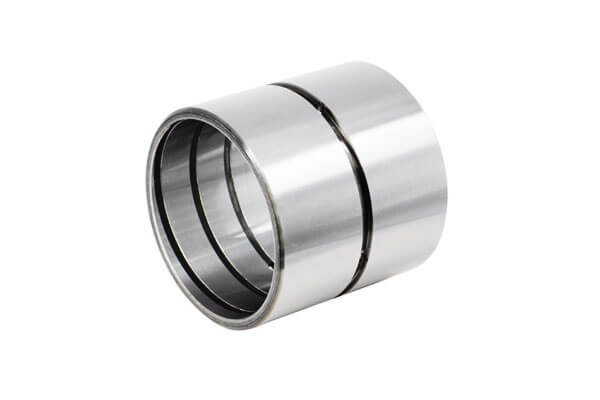
Aptarnavimo apribojimų santrauka
| Aptarnavimo aspektas | Praktinė riba / gaires | Inžinerinė prasmė |
| Bendra korozijos aplinka | Vidutiniškai ėsdinantis, nechloridinės terpės | Puikiai tinka vandeniui, garas, muilas, ir panašias paslaugas. |
| Paviršiaus būklė | Poliruotas / lygus / pageidautina be likučių | Paviršiaus apdaila tiesiogiai pagerina atsparumą korozijai. |
| Chloro poveikis | Nepageidaujamas | Chloridinė aplinka gali greitai viršyti lydinio korozijos ribą. |
| Aukštos temperatūros paslauga | Maždaug 400–600°C, priklausomai nuo duomenų lapo ir atmosferos | Tinka vidutiniam karščiui, ne griežtas aukštos temperatūros aptarnavimas. |
Svarbu paviršiaus būklė
Už 1.4006, paviršiaus būklės koregavimas neprivalomas. Poliruotas arba šlifuotas paviršius pagerina atsparumą korozijai, o tai ypač svarbu įrenginiuose, kuriuos veikia vanduo, garas, arba švelniai agresyvi žiniasklaida.
Tai yra viena iš priežasčių, kodėl šerdis dažnai atsiranda šachtose, vožtuvo komponentai, ir siurblio dalys, kuriose apdailos kokybė yra funkcinės specifikacijos dalis.
7. Tipiški taikymai 1.4006 Nerūdijantis plienas
1.4006 naudojamas kur Mechaninis atlikimas, vidutinio atsparumo korozijai, magnetizmas, ir termiškai apdorojamas svarbiau nei maksimali apsauga nuo korozijos.
Tai ypač būdinga detalėms, kurios pirmiausia apdirbamos, o vėliau grūdinamos.
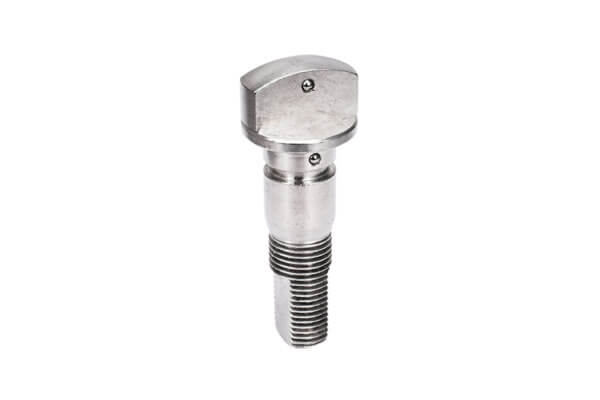
Mechaninės inžinerijos komponentai
Tai yra pagrindinė taikymo sritis 1.4006. Jis dažnai naudojamas dalims, kurios turi turėti apkrovą, atsispirti nusidėvėjimui, ir išlaikyti matmenų patikimumą po terminio apdorojimo.
Duomenų lapuose jis apibūdinamas kaip daugiausia naudojamas mechaninėje inžinerijoje.
Tipiški pavyzdžiai apima:
- velenai
- verpstės
- ašis
- įvorės
- mašinų dalys
- preciziškai tekinami komponentai
Siurblio ir vožtuvo aparatūra
1.4006 yra plačiai naudojamas siurblių pramonė ir hidrotechnika nes sujungia apdirbamumą, Kietas, ir pakankamas atsparumas korozijai vidutiniškai agresyviam aptarnavimui.
Įprasti komponentai apima:
- siurblys velenai
- sparnuotės nesunkioje terpėje
- vožtuvų kotai
- vožtuvas vidinės dalys
- hidraulinės dalys
- jungiamosios detalės ir movos
Vanduo, garas, ir švelnaus proceso paslauga
Klasė taip pat naudojama konstrukcinėse dalyse, kurios yra veikiamos vandens ar garų ir įrangoje popierius, tekstilės, ir maisto pramonė aplinkoje, kur korozija yra vidutinio sunkumo ir svarbu valyti.
Pavyzdžiai apima:
- su garais kontaktuojančios dalys
- vandens paslaugų techninė įranga
- lengvai koroziniai proceso komponentai
- ekranai ir sietai
- pramoniniai įrenginiai
Tvirtinimo detalės ir smulkios tikslios detalės
Nes 1.4006 gali būti termiškai apdorotas ir efektyviai apdirbamas, tai tinka varžtai, varžtai, riešutai, ir maži montuojami komponentai.
8. Palyginimas su kitomis nerūdijančio plieno klasėmis
| Aspektas | 1.4006 | 1.4301 (304) | 1.4404 (316L) | 1.4021 (420) |
| Nerūdijanti šeima / struktūra | Martensitinis, feromagnetinis plienas, pasižymintis geromis mechaninėmis savybėmis. | Austenitinis nerūdijantis plienas, pasižymintis puikiu atsparumu korozijai daugelyje aplinkų. | Austenitinis nerūdijantis plienas; mažas anglies kiekis suteikia gerą atsparumą tarpkristalinei korozijai suvirintoje būsenoje. | Martensitinis, feromagnetinis nerūdijantis plienas; sukietėjusios naudotos daugeliui konstrukcijų ir tvirtinimo elementų. |
| Magnetinis elgesys | Magnetinis / feromagnetinis. | Atkaitintoje būsenoje iš esmės nemagnetinis, su tam tikra magnetine reakcija, galima po šalto darbo. | Austenitinis ir mažas įmagnetinimas. | Magnetinis / feromagnetinis. |
Termiškai apdorojamas |
Termiškai apdorojamas; pristatomas kaip atkaitintas, gesinamas ir grūdinamas, arba gesinamas ir dvigubai grūdintas. | Negalima sukietinti termiškai apdorojant; Vietoj to naudojamas tirpalo atkaitinimas. | Kietėjimui nepasirinkta; paprastai naudojamas tirpalu atkaitintas, pasižymintis puikiomis suvirinimo savybėmis. | Grūdinamas; Nurodytos QT700 ir QT800 sąlygos. |
| Atsparumas korozijai | Geras nechloriduose, vidutiniškai korozinė aplinka; PREN apie 14; poliruotas paviršius pagerina atsparumą. | Puikiai tinka daugelyje aplinkų, bet gali atsirasti chloridinė duobė / plyšinė korozija ir įtempių korozijos įtrūkimai gali atsirasti aukštesnėje nei 60 °C temperatūroje. | Labai geras atsparumas korozijai; mažas anglies kiekis padeda išlaikyti atsparumą suvirintoje būsenoje. | Atsparumas korozijai yra mažesnis nei įprastų austenito rūšių; naudinga vidutiniškai agresyvioje terpėje, bet ne geriausias pasirinkimas esant stipriam chlorido poveikiui. |
Suvirinamumas / Gaminimas |
Suvirinama, tačiau svarbu laikytis procedūros disciplinos, nes martensitiniai plienai yra jautresni terminiam apdorojimui ir būklei po suvirinimo. | Puikus lydinio suvirinimo našumas; lengvai dirba – sukietėja šalto darbo metu. | Puikus suvirinimo elgesys; mažas anglies kiekis padeda išlaikyti atsparumą korozijai po suvirinimo. | Suvirinamumas yra geras, tačiau norint pasiekti geriausių rezultatų, dažniausiai rekomenduojamas išankstinis pašildymas ir grūdinimas po suvirinimo. |
| Tipinė eksploatacinė temperatūra | Iki maždaug 400°C. | Geras atsparumas oksidacijai dirbant su pertrūkiais iki 870°C ir nepertraukiamai iki 925°C; nerekomenduojama nuolat naudoti 425–860 °C temperatūroje, jei reikalingas atsparumas vandens korozijai. | Tinka naudoti iki maždaug 550°C. | Tinka naudoti iki maždaug 550–600°C, priklausomai nuo duomenų lapo ir taikymo konteksto. |
Tipiškos programos |
Mechaninė inžinerija, hidrotechnika, Siurbliai, vožtuvai, jungiamosios detalės, chemijos ir naftos chemijos pramonė, dekoratyvinės savybės, buitiniai komponentai. | Bendrosios paskirties įranga daugelyje aplinkų, kur svarbus formavimas ir atsparumas korozijai. | Siurbliai, vožtuvai, specialūs guoliai, maistas, popierius, Cheminė, Medicinos, ir panaši korozijai jautri įranga. | Automobiliai, naftos, naftos chemija, hidraulinė įranga, Mašinos, stalo įrankiai, ašmenys, dekoratyviniai ir virtuvės pritaikymai. |
| Geriausiai tinka | Geriausia, kai reikalingas vidutinis atsparumas korozijai ir didesnis mechaninis stiprumas. | Geriausia, kai svarbiausia yra puikus bendras atsparumas korozijai ir lengvas gamyba. | Geriausia, kai didesnis atsparumas korozijai nei 304 yra reikalingas, ypač suvirinimo servise. | Geriausia, kai kietumas, magnetinis elgesys, pirmenybė teikiama vidutiniam atsparumui korozijai. |
9. Išvada
1.4006 nerūdijantis plienas yra brandi inžinerinė medžiaga, turinti labai specifinį vaidmenį. Jis nėra sukurtas kaip labiausiai korozijai atsparus nerūdijantis plienas, nei lengviausia nerūdijančio plieno nepastebėti kataloge.
Jo pranašumas yra tai, kad jis patikimai veikia tose programose, kurioms jis buvo skirtas: mechaniškai reikalaujančios dalys, vidutinio sunkumo aplinka, ir gamybos būdai, kuriems naudingas terminis apdorojimas ir apdirbimo lankstumas.
Tinkamai peržiūrėtas, 1.4006 nėra kompromisinis įvertinimas pejoratine prasme.
Tai yra a specialiai pagamintas martensitinis nerūdijantis plienas kurio magnetizmo derinys, Kietas, Aparatas, ir vidutinio atsparumo korozijai, todėl tai yra praktiškas sprendimas įvairiems pramoniniams komponentams.
DUK
Is 1.4006 nerūdijančio plieno magnetas?
Taip. Tai martensitinis nerūdijantis plienas ir yra magnetinis.
Is 1.4006 termiškai apdorojamas nerūdijantis plienas?
Taip. Jo savybes stipriai įtakoja grūdinimas ir grūdinimas.
Is 1.4006 nerūdijančio plieno atsparus korozijai?
Taip, bet tik saikingai. Jis tinka švelniai ar vidutiniškai agresyviai aplinkai, nesunki chlorido paslauga.
Kokia yra lydymosi temperatūra 1.4006 Nerūdijantis plienas?
Lydymosi diapazonas 1.4006 yra 1480–1530°C, šiek tiek didesnis nei anglinis plienas, leidžia naudoti vidutiniškai aukštoje temperatūroje (iki 600°C).
Is 1.4006 geriau nei 304 Nerūdijantis plienas?
Ne visuotinai. 304 yra geresnis atsparumas korozijai, kol 1.4006 yra geriau, kai kietėja, magnetinis atsakas, ir mechaninis nusidėvėjimas yra svarbesnis.

