
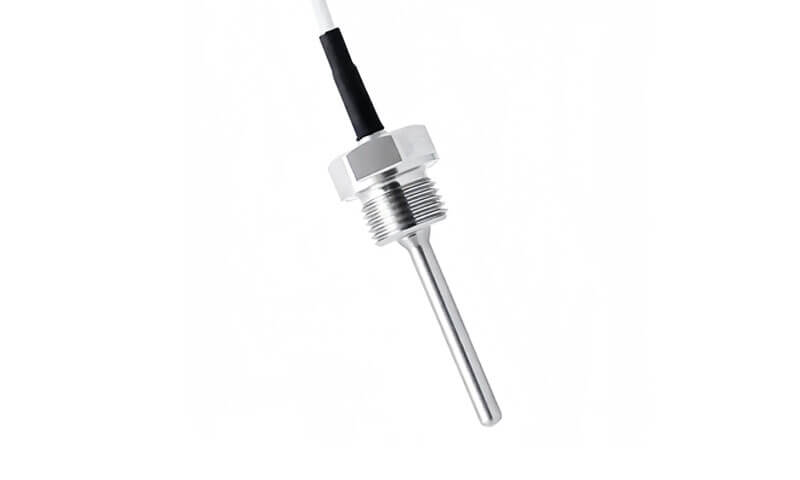
Platina on yksi maailman arvokkaimmista ja teknisesti tärkeimmistä jalometalleista. Tunnettu parhaiten käytöstään hienoissa koruissa, platinalla on paljon laajempi teollinen rooli.
Sen poikkeuksellinen korroosionkestävyys, korkeiden lämpötilojen vakaus, katalyyttinen aktiivisuus, sähköiset ominaisuudet, ja bioyhteensopivuus tekevät siitä sopivan erilaisiin sovelluksiin autojen päästöjen hallinnasta ja öljynjalostuksesta lääketieteellisiin laitteisiin, elektroniikka, lasin valmistus, ja vetyteknologiat.
1. Mikä on platina?
Platina on luonnossa esiintyvä kemiallinen alkuaine symbolilla Pt ja atominumerolla 78, kuuluvat platinaryhmän metalleihin (PGM:t).
Se on tiheä, hopeanvalkoinen jalometalli, jossa yhdistyy poikkeuksellinen korroosionkestävyys korkeissa lämpötiloissa, katalyyttinen aktiivisuus, ja vahva hapettumisenkestävyys.
Nämä ominaisuudet tekevät platinasta pohjimmiltaan erilaisen kuin jalometallit, joita käytetään pääasiassa koriste- tai sijoitustarkoituksiin.

Vaikka platina yhdistetään usein koruihin, merkittävä osa sen merkityksestä tulee teollisista sovelluksista.
Sitä käytetään autojen katalyyttijärjestelmissä, kemiallinen prosessointi, öljyn jalostus, elektroniikka, tarkkuusanturit, lääkinnälliset laitteet, lasin valmistus, ja vetyyn liittyvät teknologiat.
Monissa näistä sovelluksista, platinaa ei käytetä irtotavarana rakennemetallina. Sen sijaan, sitä sisällytetään pieninä määrinä katalyyttinä, elektrodi, anturielementti, seostava ainesosa, tai erityistä toiminnallista materiaalia.
2. Platinan fyysiset ominaisuudet ja kemialliset ominaisuudet
Platinasovellusten laaja valikoima voidaan jäljittää suoraan sen fyysisten ominaisuuksien yhdistelmään, kemikaali-, lämpö-, sähkö-, ja katalyyttiset ominaisuudet.
| Omaisuus | Tyypillinen arvo / Ominaista |
| Kemiallinen symboli | Pt |
| Atominumero | 78 |
| Atomipaino | 195.084 |
| Tiheys klo 20 ° C | Suunnilleen 21.45 g/cm³ (21,450 kg/m³) |
| Sulamispiste | Noin 1 768,3 °C (3,214.9° f) |
| Kiehumispiste | Noin 3 825 °C (6,917° f) |
| Kristallirakenne | Kasvokeskeinen kuutio (FCC) |
| Esiintyminen | Hopeanvalkoinen, kiiltävä metalli |
| Mohsin kovuus | Noin 3,5-4 |
| Sähkövastus at 20 ° C | Suunnilleen 105 nΩ·m |
| Lämmönjohtavuus klo 20 ° C | Suunnilleen 72 W/(m·K) |
| Korroosionkestävyys | Erinomainen |
| Hapettumiskestävyys | Erinomainen useimmissa tavallisissa olosuhteissa |
| Taipuisuus | Korkea |
| Muokkaus | Korkea |
| Magneettinen käyttäytyminen | Heikosti paramagneettinen |
| Luokitus | Jalo- ja jalometalli |
3. Miksi platinaa käytetään niin laajasti??
Platinaa käytetään laajalti, koska se yhdistää useita ominaisuuksia, joita harvoin löytyy yhdessä metallissa.
Poikkeuksellinen katalyyttinen suorituskyky
Platina on yksi tärkeimmistä modernin teollisuuden katalyyttisistä metalleista.
Sen pinta voi helpottaa reaktioita tarjoamalla aktiivisia kohtia, jotka alentavat tehokkaan energiaesteen tietyille reaktioreiteille, kun taas platina itse ei kulu kokonaisreaktiossa samalla tavalla kuin reagoiva aine.
Tämä tekee platinasta erityisen arvokasta, kun prosessi vaatii korkeaa katalyyttisen tehokkuuden, lämmönvakaus, ja kemiallisen hajoamisen kestävyys.
Sen katalyyttiset ominaisuudet tukevat sovelluksia autojen päästöjen hallinnassa, öljyn jalostus, kemian valmistus, vetyteknologiat, ja polttokennoja.
Erinomainen korroosion- ja kemiallinen kestävyys
Platina kestää erinomaisesti hapettumista, tahraamista, ja korroosiota erilaisissa kemiallisissa ja ympäristöolosuhteissa.
Se pysyy suhteellisen vakaana ilmassa ja kestää monia happoja ja aggressiivisia aineita, vaikka se ei ole täysin inertti; esimerkiksi, platina voidaan liuottaa aqua regia, väkevä seos suolahappoa ja typpihappoa.
Tämä kemiallinen stabiilisuus tekee platinasta erityisen hyödyllisen kemiankäsittelylaitteissa, laboratorioupokkaat, elektrodit, lääketieteelliset komponentit, ja korkean lämpötilan teolliset sovellukset.
Jos kontaminaatio tai materiaalin hajoaminen voisi vaarantaa tuotteen laadun tai prosessin luotettavuuden, platinan kestävyys kemiallisille hyökkäyksille voi oikeuttaa sen huomattavasti korkeammat kustannukset.
Korkea sulamispiste ja lämpöstabiilisuus
Platinan sulamispiste on noin 1,768° C ja kiehumispiste noin 3,825° C, antaa sille erinomaisen lämpötilan.
Vielä tärkeämpää, sen hyödyllinen kemiallinen stabiilisuus korkeissa lämpötiloissa mahdollistaa platina- ja platinapohjaisten metalliseosten toiminnan ympäristöissä, joissa monet tavanomaiset materiaalit hapettaisivat, reagoida prosessiväliaineen kanssa, tai huonontua.
Tämä yhdistelmä on erityisen arvokas lasinvalmistuksessa, korkean lämpötilan katalyyttijärjestelmät, laboratoriolaitteet, termoelementit, ja erikoistuneet teollisuusuunit.
Platina-rodium-lejeeringit, esimerkiksi, Niitä käytetään laajalti, kun vaaditaan sekä korkeiden lämpötilojen vakautta että mekaanista suorituskykyä.
Vakaa sähköinen ja sähkökemiallinen suorituskyky
Platina ei ole sähköä eniten johtava metalli - kupari ja hopea, esimerkiksi, tarjoavat huomattavasti paremman johtavuuden, mutta platina tarjoaa erilaisen edun: sähköinen ja sähkökemiallinen vakaus vaativissa ympäristöissä.
Sen korroosion- ja hapettumiskestävyys mahdollistaa platinaelektrodit, anturit, ja erikoistuneet sähkökomponentit luotettavan suorituskyvyn ylläpitämiseksi pitkiä aikoja.
Siksi platinaa käytetään sähkökemiallisissa antureissa, vastuslämpötilan ilmaisimet, laboratorioelektrodit, polttokennokatalyytit, ja valitut elektroniset komponentit.
Sen ennustettava resistanssin ja lämpötilan suhde on erityisen tärkeä lämpötilan tarkkuusmittauksen kannalta, kun taas sen sähkökemiallinen stabiilius tekee siitä arvokkaan kaikkialla, missä elektrodin on pysyttävä toimivana ilman nopeaa hajoamista.
Bioyhteensopivuus ja lääketieteellinen luotettavuus
Platina ja tietyt platinaseokset ovat vakiinnutuneet lääketieteellisessä tekniikassa korroosionkestävyytensä vuoksi, sähkökemiallinen stabiilius, ja yhteensopivuus asianmukaisesti suunniteltujen biologisten rajapintojen kanssa.
Nämä ominaisuudet ovat erityisen tärkeitä komponenteille, jotka voivat pysyä kosketuksessa kehon nesteiden tai kudosten kanssa pitkiä aikoja.
Siksi platinaa käytetään implantoitavissa elektrodeissa, sydämentahdistin ja neurostimulaatiokomponentit, lääketieteelliset anturit, ja tietyt hammaslääketieteelliset sovellukset.
Lisäksi, platinalla on tärkeä farmaseuttinen rooli platinaa sisältävien yhdisteiden, kuten sisplatiinin, muodossa, vaikka näitä yhdisteitä ei pidä sekoittaa metalliseen platinaan.
Suuri tiheys ja erottuva materiaalin ominaisuudet
jonka tiheys on noin 21.45 g/cm³, platina on yksi tiheimmistä kaupallisesti tärkeistä metalleista.
Sen suuri tiheys antaa platinakoruille ja tarkkuuskomponenteille erottuvan painon ja edistää niiden koettua materiaalin laatua.
Yhdistettynä hopeanvalkoiseen ulkonäköön, kestävyys, ja tahraantumiskestävyys, Tämä ominaisuus on tehnyt platinasta erityisen halutun hienoissa koruissa, luksuskellot, ja muita premium-tuotteita.
Teollisissa sovelluksissa, kuitenkin, sen suuri tiheys voi myös olla suunnittelunäkökohta, eli platina on yleensä varattu tilanteisiin, joissa sen toiminnalliset ominaisuudet ovat suuremmat kuin sen paino ja materiaalikustannukset.
Harvinaisuus, Kierrätys, ja korkea toiminnallinen arvo
Platina on poikkeuksellisen harvinainen, ja sen tarjonta on keskittynyt suhteellisen pienelle määrälle geologisia alueita.
Tämä niukkuus lisää sen arvoa, mutta harvinaisuus ei yksin selitä sen teollista merkitystä.
Vahvempi syy on se, että platina tarjoaa korkean toiminnallisen arvon materiaaliyksikköä kohden sovelluksissa, kuten katalyyteissä, elektrodit, anturit, ja erikoisseokset.
Sen kierrätettävyys lisää entisestään sen teollista merkitystä. Platina voidaan ottaa talteen käytetyistä autokatalyyteistä, teollisuuskatalyytit, korut, ja muita tuotteita, arvokasta metallia pääsee takaisin toimitusketjuun. Tämä on erityisen tärkeää niukan ja arvokkaan materiaalin kohdalla.
4. Mihin Platinaa käytetään?
Platinaa käytetään useilla eri aloilla, koska siinä yhdistyy poikkeuksellinen korroosionkestävyys, katalyyttinen aktiivisuus, korkeiden lämpötilojen vakaus, sähköinen ja sähkökemiallinen suorituskyky, ja bioyhteensopivuus.
Toisin kuin metallit, jotka valitaan ensisijaisesti niiden rakenteellisen lujuuden tai alhaisten kustannusten vuoksi, platina valitaan usein, koska se voi suorittaa erikoistoimintoja vaativissa kemikaaleissa, lämpö-, sähkö-, tai biologiset olosuhteet.

Autojen katalysaattorit
Autoteollisuus Päästöjen hallinta on yksi platinan tärkeimmistä teollisista sovelluksista.
Platina toimii katalyyttinä materiaalina, joka edistää haitallisten pakokaasukomponenttien muuttumista vähemmän haitallisiksi aineiksi.
Sitä käytetään yleisesti:
- Dieselin hapetuskatalyytit
- Bensiinin pakokaasujen käsittelyjärjestelmät
- Hiilimonoksidin hapettuminen
- Palamattomien hiilivetyjen hapetus
- Päästöjä säätelevät katalyyttikoostumukset
- Raskaiden ajoneuvojen pakojärjestelmät
Kemikaalien valmistus
Platinaa käytetään laajalti katalyyttinä kemikaalien tuotannossa, koska se voi nopeuttaa tärkeitä reaktioita säilyttäen samalla hyvän stabiilisuuden korkeissa lämpötiloissa.
Yksi sen vakiintuneista sovelluksista on typpihapon tuotanto, jossa platina-rodium-harsokatalyytit altistetaan kuumille, reaktiiviset kaasut.
Platinaa käytetään yleisesti:
- Typpihapon tuotanto
- Kemialliset synteesikatalyytit
- Silikonin tuotanto
- Erikoiskemiallinen käsittely
- Katalyyttiharsot
- Korkean lämpötilan katalyyttilaitteet
Öljyn jalostus
Platinalla on tärkeä rooli öljynjalostuksessa, erityisesti katalyyttisessä reformoinnissa.
Näissä prosesseissa, platinaa sisältävät katalyytit auttavat muuttamaan hiilivetymolekyylejä tuotteiksi, joilla on halutut ominaisuudet, mukaan lukien korkeaoktaaniset komponentit ja aromaattiset yhdisteet.
Platinaa käytetään yleisesti:
- Katalyyttiset reformointikatalyytit
- Korkeaoktaanisten bensiinikomponenttien valmistus
- Aromaattien tuotanto
- Hiilivetymuunnos
- Jalostamoiden katalyyttijärjestelmät
- Tuetut katalyyttimateriaalit
Korut
Korut ovat ehkä tutuin platinan kuluttajasovellus. Se on luonnostaan valkoinen, kiiltävä ulkonäkö ja tummumisenkestävyys tekevät siitä erityisen houkuttelevan premium-koruissa.
Sen suuri tiheys ja kestävyys tarjoavat myös erottuvan painon ja hyvän tuntuman.
Platinaa käytetään yleisesti:
- Kihlasormukset ja vihkisormukset
- Korvakorut ja kaulakorut
- Rannekorut
- Luksuskellot
- Jalokiviasetukset
- Huippuluokan koriste-esineitä
Elektroniikka ja anturit
Platinaa käytetään erikoistuneissa elektronisissa ja anturisovelluksissa, joissa on kemiallinen stabiilisuus, ennakoitavissa oleva sähköinen käyttäytyminen, ja kestävyys korkeissa lämpötiloissa tapahtuvaa hajoamista vastaan ovat tärkeämpiä kuin alhaisimpien materiaalikustannusten saavuttaminen.
Platinaa käytetään yleisesti:
- Resistanssilämpötilan ilmaisimet (TTK:t)
- Elektrodit
- Erikoistuneet sähkökoskettimet
- Sähkökemialliset anturit
- Ohutkalvokomponentit
- Laboratorio- ja analyyttiset laitteet
Lääkinnälliset laitteet
Platinaa käytetään lääketieteellisissä ja biolääketieteellisissä sovelluksissa sen korroosionkestävyyden vuoksi, sähkökemiallinen stabiilius, ja soveltuvuus tiettyihin implantoitaviin ja diagnostisiin komponentteihin.
Sen kyky pysyä vakaana vaativissa biologisissa ympäristöissä tekee siitä arvokkaan sovelluksissa, jotka vaativat pitkäaikaista luotettavuutta.
Platinaa käytetään yleisesti:
- Tahdistimen elektrodit
- Istutettavat sähköelektrodit
- Neurostimulaatiokomponentit
- Lääketieteelliset anturit
- Hammashoidon sovellukset
- Erikoisbiolääketieteen laitteet
Farmaseuttiset sovellukset
Platinalla on tärkeä rooli myös lääketeollisuudessa, vaikka tämä sovellus eroaa pohjimmiltaan metallisen platinan käytöstä.
Tietyillä platinaa sisältävillä yhdisteillä on erityisiä kemiallisia ominaisuuksia, jotka mahdollistavat niiden vuorovaikutuksen biologisten molekyylien kanssa, ja niitä käytetään syövän hoidossa..
Platinayhdisteitä käytetään yleisesti:
- Sisplatiinipohjainen kemoterapia
- Karboplatiinipohjainen kemoterapia
- Oksaliplatiinipohjainen kemoterapia
- Platinaa sisältävä lääketutkimus
- Metallipohjaisten terapeuttisten yhdisteiden kehittäminen
Lasin valmistus
Platinaa ja platinaseoksia käytetään lasinvalmistuslaitteissa, koska ne kestävät korkeita lämpötiloja samalla kun ne kestävät kemiallista hyökkäystä ja minimoivat sulan lasin saastumisen.
Platinaa käytetään yleisesti:
- Lasinmuodostuslaitteet
- Holkit lasikuidun valmistukseen
- Upokkaat
- Korkean lämpötilan astiat
- Lasinkäsittelyn erikoiskomponentit
- Näytön ja optisen lasin valmistuslaitteet
Vety- ja polttokennoteknologiat
Platina on tärkeä elektrokatalyytti protoninvaihtokalvopolttokennoissa (PEMFC:t), jossa se helpottaa sähkökemiallisia reaktioita, joita tarvitaan vedyn ja hapen muuntamiseksi sähköksi.
Sen korkea katalyyttinen aktiivisuus ja sähkökemiallinen stabiilius tekevät siitä vaikean vaihtaa kokonaan joissakin vaativissa polttokennoympäristöissä.
Platinaa käytetään yleisesti:
- PEM-polttokennokatalyytit
- Vedyn hapetuselektrodit
- Hapen pelkistyskatalyytit
- Sähkökemialliset katalyyttikerrokset
- Vetyenergiatutkimus
- Tietyt elektrolyysitekniikat
Laboratoriolaitteet
Platinaa arvostetaan laajalti laboratorioissa, joissa vaaditaan kemiallista inertiteettiä ja suorituskykyä korkeissa lämpötiloissa.
Platinasta valmistetut laboratoriokomponentit kestävät olosuhteita, jotka vahingoittavat nopeasti monia tavanomaisia metalleja.
Platinaa käytetään yleisesti:
- Upokkaat
- Haihdutusastiat
- Elektrodit
- Korkean lämpötilan laboratorioastiat
- Erikoistuneet kemikaalisäiliöt
- Analyyttiset laitteet
Ilmailu- ja korkean lämpötilan sovellukset
Platinaa käytetään myös valikoiduissa ilmailu-, instrumentointi, ja korkean lämpötilan sovelluksiin, joissa tavanomaiset materiaalit eivät pysty tarjoamaan vaadittua lämpöstabiilisuuden yhdistelmää, korroosionkestävyys, ja toiminnallinen luotettavuus.
Platinaa käytetään yleisesti:
- Korkean lämpötilan anturit
- Tarkkuuslämpöparit
- Erikoispinnoitteet
- Ilmailun instrumentointi
- Korkean lämpötilan laboratoriokomponentit
- Kehittyneet materiaalijärjestelmät
Investoinnit ja jalometallituotteet
Teollisten sovellusten lisäksi, platinaa käydään kauppaa jalometallina ja sitä pidetään sijoitusomaisuuseränä.
Sen harvinaisuus, erottuvia fyysisiä ominaisuuksia, ja vakiintunut teollisuuskysyntä lisää sen arvoa jalometallimarkkinoilla.
Platinaa käytetään yleisesti:
- Sijoituspalkit
- Platina kolikot
- Bullion tuotteet
- Keräilyt jalometallituotteet
- Institutionaaliset jalometallivarastot
5. Johtopäätös
Niin, mihin platinaa käytetään? Platinaa käytetään aina, kun katalyyttisen aktiivisuuden epätavallinen yhdistelmä, korroosionkestävyys, korkeiden lämpötilojen vakaus, sähkökemiallinen suorituskyky, ja bioyhteensopivuus tarjoaa merkittävän teknisen edun.
Sen tärkeimmät sovellukset ulottuvat paljon koruja pidemmälle. Platina on kriittinen katalysaattori autojen päästöjenhallintajärjestelmissä, kemian valmistus, ja öljynjalostus.
Sitä käytetään tarkkuuslämpötila-antureissa, erikoistunut elektroniikka, lääketieteelliset elektrodit, laboratoriolaitteet, ja korkean lämpötilan lasin valmistus.
Samaan aikaan, platina on yhä tärkeämpi polttokennoissa ja muissa vetytekniikoissa.
Sen korkea hinta tarkoittaa, että insinöörit käyttävät platinaa yleensä tehokkaasti – usein katalysaattorina, metalliseos, pinnoite, elektrodi, anturielementti, tai paikallista toiminnallista materiaalia tavanomaisen bulkkirakennemetallin sijaan.
Edistystä katalyyttisuunnittelussa, materiaalitehokkuus, kierrätys, ja vetyteknologiat vaikuttavat jatkossakin platinan käyttöön.
Faqit
Miksi platinaa käytetään katalysaattoreissa??
Platinalla on voimakas katalyyttinen aktiivisuus ja se voi edistää hapettumisreaktioita ajoneuvojen pakojärjestelmien korkeissa lämpötiloissa.
Se auttaa muuttamaan tietyt haitalliset pakokaasukomponentit vähemmän haitallisiksi aineiksi.
Miksi platinaa käytetään koruissa?
Platina on luonnostaan hopeanvalkoinen, tiheä, kestävä, ja erittäin kestävä korroosiota ja tummumista vastaan.
Nämä ominaisuudet tekevät siitä hyvin sopivan premium-koruihin, erityisesti sormukset ja muut tuotteet, jotka on suunniteltu pitkäaikaiseen käyttöön.
Käytetäänkö platinaa sähköajoneuvoissa?
Kyllä, mutta sen rooli eroaa perinteisistä polttomoottoriajoneuvoista.
Akkukäyttöiset sähköautot eivät vaadi tavanomaisia pakokaasukatalysaattoreita, mutta platinalla voi silti olla sovelluksia polttokenno-sähköajoneuvoissa ja muissa vetyyn liittyvissä teknologioissa.
Käytetäänkö platinaa lääketieteessä?
Kyllä. Platinametallia ja platinapohjaisia materiaaleja käytetään erikoistuneissa lääkinnällisissä laitteissa, elektrodit, implantit, ja muut komponentit.
Lisäksi, platinaa sisältävät yhdisteet, kuten sisplatiini, ovat tärkeitä farmaseuttisia aineita, joita käytetään syövän hoidossa.
Miksi platina sopii korkeisiin lämpötiloihin??
Platinan sulamispiste on noin 1,768 °C:ssa ja säilyttää hyödyllisen kemiallisen stabiiliuden korotetuissa lämpötiloissa.
Tämä tekee siitä arvokkaan korkean lämpötilan erikoislaitteisiin, katalyyttijärjestelmät, anturit, ja lasinvalmistuskomponentit.
Onko platina hyvä sähköjohdin?
Platina johtaa sähköä, mutta sen sähkönjohtavuus on huomattavasti pienempi kuin kuparin tai hopean.
Se on kuitenkin arvokas erikoistuneissa sähkö- ja sähkökemiallisissa sovelluksissa, koska sen stabiilius ja korroosionkestävyys voivat olla tärkeämpiä kuin maksimijohtavuus.

