
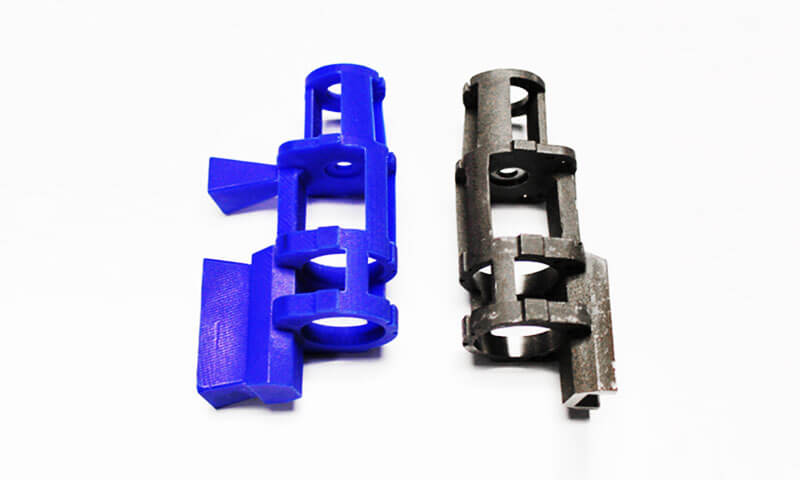
1. ভূমিকা
প্রোটোটাইপ বিনিয়োগ ঢালাই এর সংযোগস্থলে বসে দ্রুত পণ্য উন্নয়ন এবং কাছাকাছি-নেট-আকৃতির ধাতু উত্পাদন.
এটি ব্যবহৃত হয় যখন প্রকৌশলীদের একটি ধাতব প্রোটোটাইপের প্রয়োজন হয় যা একটি মেশিনযুক্ত মক-আপের চেয়ে বেশি প্রতিনিধিত্ব করে, কিন্তু পূর্ণ উৎপাদন টুলিং এ অবিলম্বে প্রতিশ্রুতিবদ্ধ করার চেয়ে দ্রুত এবং সস্তা.
আধুনিক অনুশীলনে, এর অর্থ প্রায়শই বিনিয়োগ-কাস্টিং কর্মপ্রবাহের সাথে সংযোজন উত্পাদনকে একত্রিত করা যাতে প্যাটার্ন তৈরি করা হয়, নকশা পুনরাবৃত্তি, এবং জ্যামিতি বৈধকরণ ঐতিহ্যগত মোম-টুলিং প্রোগ্রামের তুলনায় অনেক দ্রুত ঘটতে পারে.
2. প্রোটোটাইপ বিনিয়োগ কাস্টিং কি?
প্রোটোটাইপ বিনিয়োগ কাস্টিং উৎপাদনের জন্য বিনিয়োগ-কাস্টিং প্রক্রিয়ার ব্যবহার প্রোটোটাইপ অংশ, উন্নয়ন নমুনা, পাইলট রান, এবং কম- মাঝারি-ভলিউম প্রাক-প্রোডাকশন ঢালাই.
প্যাটার্নটি প্রচলিত মোম ইনজেকশন দ্বারা তৈরি করা যেতে পারে, কিন্তু ক্রমবর্ধমানভাবে এটি 3D প্রিন্টিং দ্বারা উত্পাদিত হয়, যা প্রাথমিক পর্যায়ের উন্নয়নের জন্য প্রক্রিয়াটিকে অনেক বেশি নমনীয় করে তোলে.

ব্যবহারিক দিক থেকে, প্রক্রিয়া নিয়মিত বিনিয়োগ ঢালাই হিসাবে একই ভাবে কাজ করে: একটি প্যাটার্ন তৈরি করুন, একটি সিরামিক শেল তৈরি করুন, প্যাটার্ন সরান, ধাতু জন্য, এবং কাস্টিং শেষ করুন.
পার্থক্য হল উদ্দেশ্য. প্রোটোটাইপ কাজে, লক্ষ্য সাধারণত হয় দ্রুত পুনরাবৃত্তি, কম আপফ্রন্ট টুলিং ঝুঁকি, এবং ফর্মের আগের প্রমাণ, ফিট, এবং ফাংশন শুধুমাত্র দীর্ঘমেয়াদী ইউনিট খরচের পরিবর্তে.
এটি প্রোটোটাইপ ইনভেস্টমেন্ট কাস্টিংকে বিশেষত সেই অংশগুলির জন্য উপযোগী করে তোলে যা কাস্টিংকে ন্যায্যতা দেওয়ার জন্য যথেষ্ট জটিল কিন্তু এখনও ডিজাইনে বিকশিত হয়.
এক নজরে প্রোটোটাইপ বিনিয়োগ ঢালাই
| রুট | এটা কি জোর দেয় | সেরা ফিট |
| প্রচলিত প্রোটোটাইপ বিনিয়োগ ঢালাই | মোমের প্যাটার্ন + সিরামিক শেল + জন্য ধাতু | বিকাশের অংশগুলি যখন প্যাটার্ন টুলিং ইতিমধ্যেই বিদ্যমান বা জ্যামিতি স্থিতিশীল. |
| 3ডি-মুদ্রিত মোম-প্যাটার্ন বিনিয়োগ ঢালাই | দ্রুত প্যাটার্ন প্রজন্ম এবং নকশা নমনীয়তা | দ্রুত পুনরাবৃত্তি, জটিল জ্যামিতি, এবং কম ভলিউম বৈধতা অংশ. |
| হাইব্রিড এএম-সহায়ক বিনিয়োগ কাস্টিং | ঢালাই নকশা নিয়মের সাথে সংযোজিত উৎপাদন | টপোলজি-অপ্টিমাইজ করা, জটিল, অথবা রোগী-/অ্যাপ্লিকেশন-নির্দিষ্ট উপাদান. |
3. আধুনিক পণ্য বিকাশে কেন এটি গুরুত্বপূর্ণ
প্রোটোটাইপ বিনিয়োগ কাস্টিং গুরুত্বপূর্ণ কারণ এটি একটি সাধারণ উত্পাদন ব্যবধান পূরণ করে: অনেক অংশ সাধারণ যন্ত্রের জন্য জ্যামিতিকভাবে জটিল, কিন্তু বৈধকরণের আগে ব্যয়বহুল স্থায়ী টুলিংয়ে জমা করা খুবই ঝুঁকিপূর্ণ.
সংযোজন-উৎপাদন-সহায়তা বিনিয়োগ কাস্টিং অবিকল আকর্ষণীয় কারণ এটি ঢালাইয়ের উপাদান এবং পৃষ্ঠের বিশ্বস্ততার সুবিধাগুলি সংরক্ষণ করার সময় সীসা সময় কমাতে পারে.
এটিও গুরুত্বপূর্ণ কারণ ডিজাইন দলগুলিকে ক্রমবর্ধমান আকারের চেয়ে বেশি যাচাই করতে হবে.
তারা প্রাচীর বেধ যাচাই করা প্রয়োজন, অভ্যন্তরীণ প্রবাহ পথ, শীতল আচরণ, ওজন লক্ষ্য, এবং স্কেল আপ আগে উত্পাদনশীলতা.
টপোলজি-অপ্টিমাইজ করা মোম-প্যাটার্ন ডিজাইনের উপর গবেষণা দেখায় যে বিনিয়োগ কাস্টিং ডিজাইন অপ্টিমাইজেশান পদ্ধতির সাথে একীভূত করা যেতে পারে, প্রোটোটাইপকে একটি ভৌত নমুনা এবং একটি প্রক্রিয়া যাচাইকরণ টুল উভয় হিসাবে পরিবেশন করার অনুমতি দেয়.
শিল্প দলের জন্য, এর মানে প্রোটোটাইপ কাস্টিং নিছক একটি "নমুনা তৈরি" পদ্ধতি নয়.
এটি একটি সিদ্ধান্তের সরঞ্জাম যা একটি অংশ কাস্ট হিসাবে থাকা উচিত কিনা তা উত্তর দিতে সহায়তা করে, সংশোধন করা, ভিন্নভাবে মেশিন করা, অথবা সম্পূর্ণরূপে পুনরায় ডিজাইন করা হবে.
4. সাধারণ প্রোটোটাইপ রুট এবং ওয়ার্কফ্লো বিকল্প
প্রোটোটাইপ বিনিয়োগ কাস্টিং অংশ জটিলতার উপর নির্ভর করে বেশ কয়েকটি ব্যবহারিক রুট সংমিশ্রণে সংগঠিত করা যেতে পারে, উন্নয়ন গতি, এবং লক্ষ্য উপাদান.
আধুনিক উৎপাদনে, সবচেয়ে সাধারণ পদ্ধতি হল একটি হাইব্রিড ওয়ার্কফ্লো যা ডিজিটাল প্যাটার্ন জেনারেশনকে ঐতিহ্যগত হারানো-মোম ঢালাই অনুশীলনের সাথে একত্রিত করে.
এটি বিনিয়োগ-কাস্টিং প্রক্রিয়ার মাত্রিক বিশ্বস্ততা এবং ধাতব বাস্তবতা রক্ষা করে প্রকৌশলীদের দ্রুত CAD থেকে একটি কাস্ট-মেটাল প্রোটোটাইপে যেতে দেয়।.

প্রধান প্রোটোটাইপ রুট
রুট এ: প্রচলিত মোম-প্যাটার্ন প্রোটোটাইপ ঢালাই
এটি ক্লাসিক্যাল রুট. একটি মোম প্যাটার্ন প্রথম উত্পাদিত হয়, তারপরে সিরামিক-শেল বিল্ডিং, ডিওয়াক্সিং, ধাতু ঢালা, এবং পোস্ট-কাস্ট ফিনিশিং.
এটি এমন ডিজাইনগুলির জন্য উপযুক্ত যা ইতিমধ্যেই তুলনামূলকভাবে স্থিতিশীল এবং এমন প্রকল্পগুলির জন্য যেখানে ঐতিহ্যগত টুলিংকে ন্যায়সঙ্গত করা যেতে পারে.
রুট বি: 3ডি-মুদ্রিত প্যাটার্ন বিনিয়োগ ঢালাই
এই রুটটি মোম-টুলিং স্টেজটিকে অ্যাডেটিভ ম্যানুফ্যাকচারিং দিয়ে প্রতিস্থাপন করে বা পরিপূরক করে.
মোম, রজন, বা অন্যান্য মুদ্রণযোগ্য প্যাটার্ন সামগ্রী সরাসরি ডিজিটাল মডেল থেকে প্রোটোটাইপ প্যাটার্ন তৈরি করতে ব্যবহৃত হয়.
এই রুটটি দ্রুত ডিজাইনের পুনরাবৃত্তির জন্য বিশেষভাবে মূল্যবান, সংক্ষিপ্ত সীসা সময়, এবং জটিল জ্যামিতি সহ অংশ.
রুট সি: হাইব্রিড এএম-সহায়ক বিনিয়োগ কাস্টিং
এই রুট ডিজিটাল ডিজাইন অপ্টিমাইজেশান একত্রিত, সংযোজন প্যাটার্ন উত্পাদন, এবং প্রচলিত বিনিয়োগ ডাউনস্ট্রিম ঢালাই.
এটি জটিল উন্নয়ন প্রোগ্রামগুলির জন্য সবচেয়ে নমনীয় প্রোটোটাইপ কৌশল কারণ এটি উত্পাদনে ব্যবহৃত কাস্টিংয়ের চূড়ান্ত অংশের কাছাকাছি রাখার সময় টুলিং নির্ভরতা হ্রাস করে।.
সম্পূর্ণ স্ট্যান্ডার্ড প্রোটোটাইপ ওয়ার্কফ্লো
একটি পেশাদার প্রোটোটাইপ বিনিয়োগ-কাস্টিং ওয়ার্কফ্লো সাধারণত নীচের ক্রম অনুসরণ করে.
ধাপ 1: ডিজিটাল মডেল অপ্টিমাইজেশান
প্রক্রিয়াটি একটি সম্পূর্ণ 3D মডেল এবং একটি উত্পাদনযোগ্যতা পর্যালোচনা দিয়ে শুরু হয়.
এই পর্যায়ে, জ্যামিতি শুধুমাত্র নকশা অভিপ্রায়ের পরিবর্তে কাস্টিং প্রয়োজনীয়তা অনুসারে সামঞ্জস্য করা হয়.
সাধারণ পরিবর্তন অন্তর্ভুক্ত:
- চাপ ঘনত্ব কমাতে ঢালাই ফিললেট যোগ করা,
- প্যাটার্ন রিলিজ সমর্থন করার জন্য খসড়া কোণ প্রবর্তন,
- সমালোচনামূলক ইন্টারফেসে মেশিনিং স্টক সংরক্ষণ করা,
- এবং সঙ্কুচিত বা ক্র্যাকিং হতে পারে এমন তীক্ষ্ণ অংশ পরিবর্তনগুলি দূর করা.
এই পদক্ষেপটি গুরুত্বপূর্ণ কারণ প্রোটোটাইপ কাস্টিং একটি বাস্তব উত্পাদনযোগ্য জ্যামিতি যাচাই করা উচিত, নিছক একটি তাত্ত্বিক আকার নয়.
ধাপ 2: প্যাটার্ন প্রিন্টিং এবং পোস্ট-প্রসেসিং
প্যাটার্ন সংযোজন উত্পাদন ব্যবহার করে উত্পাদিত হয়, সাধারণত মোমের মতো বা রজন-ভিত্তিক উপকরণে.
প্রিন্ট করার পর, পৃষ্ঠ প্রায়ই স্যান্ডিং মাধ্যমে পরিমার্জিত হয়, পলিশিং, বা অন্যান্য ফিনিশিং অপারেশন লেয়ার লাইন অপসারণ এবং প্রতিলিপি পৃষ্ঠের বিশ্বস্ততা উন্নত.
এই পর্যায়টি গুরুত্বপূর্ণ কারণ ঢালাই পৃষ্ঠটি খুব ঘনিষ্ঠভাবে প্যাটার্ন পৃষ্ঠকে পুনরুত্পাদন করবে. প্যাটার্ন রুক্ষ হলে, ঢালাই যে রুক্ষতা উত্তরাধিকারী হবে.
ধাপ 3: প্যাটার্ন সমাবেশ এবং গেটিং নকশা
স্বতন্ত্র প্রোটোটাইপ নিদর্শনগুলি একটি কেন্দ্রীয় গেটিং কাঠামো বা রানার সিস্টেমে একত্রিত হয়.
রাইজার এবং ফিডার অংশ জ্যামিতি অনুযায়ী সাজানো হয় এবং, যখন উপলব্ধ, দৃঢ়ীকরণ সিমুলেশন ফলাফল.
গেটিং সিস্টেমটি অবশ্যই মসৃণ ধাতব প্রবাহকে সমর্থন করবে এবং হিমাঙ্কের সময় সংকোচনের জন্য ক্ষতিপূরণ দেবে.
প্রোটোটাইপ কাজের জন্য, এই ধাপটি বিশেষভাবে উপযোগী কারণ এটি ফাউন্ড্রিকে শুধুমাত্র অংশ জ্যামিতিই নয়, ঢালাই বিন্যাসের ফিডিং আচরণও পরীক্ষা করতে দেয়।.
ধাপ 4: সিরামিক শেল বিল্ডিং
একটি সিরামিক শেল তৈরি করতে প্যাটার্ন সমাবেশ বারবার সূক্ষ্ম অবাধ্য স্লারি এবং ব্যাকিং উপকরণ দিয়ে লেপা হয়.
একটি উচ্চ মানের প্রোটোটাইপ কর্মপ্রবাহ মধ্যে, একাধিক স্তরযুক্ত আবরণ একটি শেল তৈরি করতে ব্যবহৃত হয়:
- পর্যাপ্ত শক্তি,
- অভিন্ন বেধ,
- উচ্চ-তাপমাত্রা প্রতিরোধের,
- এবং ভাল পৃষ্ঠ প্রতিলিপি.
শেলটি জ্যামিতি ধরে রাখতে এবং ঢালাও সহ্য করার জন্য যথেষ্ট ঘন হতে হবে, কিন্তু এতটা ভঙ্গুর নয় যে এটি ডিওয়াক্সিং বা তাপ লোড করার সময় ফাটল ধরে.
ধাপ 5: ডিওয়াক্সিং এবং শেল ফায়ারিং
প্যাটার্ন উপাদান শেল থেকে সরানো হয়, সাধারণত গরম বা অটোক্লেভ-ভিত্তিক ডিওয়াক্সিং দ্বারা.
তার পর, অবশিষ্ট জৈব পদার্থ অপসারণ করার জন্য শেলটি উচ্চ তাপমাত্রায় নিক্ষেপ করা হয়, ছাঁচ শক্তিশালী করুন, এবং ধাতু ঢালা আগে গহ্বর স্থিতিশীল.
এই ধাপটি সমগ্র কর্মপ্রবাহের মধ্যে সবচেয়ে সংবেদনশীল.
খোসা ঠিকমতো পরিষ্কার করে প্রিহিট করা না হলে, অবশিষ্টাংশ থেকে ত্রুটি, কার্বন, অথবা আটকা পড়া উদ্বায়ী ঢালাই পরে প্রদর্শিত হতে পারে.
ধাপ 6: খাদ গলে যাওয়া এবং কন্ডিশনার দ্রবীভূত করা
টার্গেট অ্যালয় একটি উপযুক্ত চুল্লিতে গলানো হয় এবং ঢালার আগে পরিমার্জিত হয়. খাদ পরিবারের উপর নির্ভর করে, এই অন্তর্ভুক্ত হতে পারে:
- অক্সিডেশন,
- ডিসালফারাইজেশন,
- স্ল্যাগ অপসারণ,
- অবক্ষয়,
- এবং রচনা সমন্বয়.
গলিত কন্ডিশনিংয়ের উদ্দেশ্য হল শেলটিতে প্রবেশ করা ধাতুটি পরিষ্কার কিনা তা নিশ্চিত করা, স্থিতিশীল, এবং একটি সাউন্ড প্রোটোটাইপে দৃঢ় হতে প্রস্তুত.
ধাপ 7: নির্ভুলতা ঢালা
গলিত খাদ তারপর সাবধানে নিয়ন্ত্রিত অবস্থায় শেলের মধ্যে ঢেলে দেওয়া হয়.
অংশ জ্যামিতির উপর নির্ভর করে মাধ্যাকর্ষণ ঢালা বা ভ্যাকুয়াম-সহায়তা ঢালা ব্যবহার করা যেতে পারে, খাদ সংবেদনশীলতা, এবং মানের লক্ষ্য.
এই পর্যায়ে, সুপারহিট ঘনিষ্ঠভাবে নিয়ন্ত্রণ করা আবশ্যক. অত্যধিক সুপারহিট অক্সিডেশন বাড়াতে পারে, গ্যাস পিকআপ, এবং শেল চাপ; খুব কম ফিলাবিলিটি কমাতে পারে এবং ভুলের কারণ হতে পারে.
ধাপ 8: নিয়ন্ত্রিত ঘনীভূতকরণ এবং শীতলকরণ
ঢালা পরে, ঢালাই একটি নিয়ন্ত্রিত তাপ পাথ অধীনে ঠান্ডা করার অনুমতি দেওয়া হয়.
প্রোটোটাইপ কাজে, এটি গুরুত্বপূর্ণ কারণ লক্ষ্যটি কেবল একটি অংশ তৈরি করা নয়, কিন্তু বাস্তবসম্মত উত্পাদনের মতো দৃঢ়ীকরণ আচরণ পুনরুত্পাদন করতে.
যখন ডেভেলপমেন্ট প্রোগ্রামে ভর-উৎপাদনের অবস্থার কাছাকাছি একটি মাইক্রোস্ট্রাকচারের প্রয়োজন হয় তখন শীতলকরণ ধীর বা সংযত করা যেতে পারে.
ধারণাটি হল অভ্যন্তরীণ কাঠামোকে স্থিতিশীল করা এবং অত্যধিক আক্রমণাত্মক বা অনিয়মিত শীতল হওয়ার কারণে বিভ্রান্তিকর প্রোটোটাইপ ফলাফলগুলি এড়ানো।.
ধাপ 9: শেল নকআউট এবং কাটঅফ
দৃঢ়ীকরণ সম্পূর্ণ হলে, সিরামিক শেল কম্পন দ্বারা সরানো হয়, বিস্ফোরণ, বা যান্ত্রিক পরিষ্কার.
গেটিং সিস্টেম, দৌড়বিদ, এবং অন্যান্য অবশিষ্ট সংযুক্তিগুলি তারপর কেটে ফেলা হয় এবং অংশটি চূড়ান্ত সমাপ্তির জন্য প্রস্তুত করা হয়.
এই ধাপটি পরিমাপ এবং পরীক্ষার জন্য একটি ব্যবহারযোগ্য প্রোটোটাইপ উপাদানে কাঁচা ঢালাই আকৃতিকে রূপান্তরিত করে.
ধাপ 10: তাপ চিকিত্সা এবং সমাপ্তি
প্রোটোটাইপ ঢালাই অবশেষে উদ্দিষ্ট উত্পাদন রুট বা লক্ষ্য খাদ অবস্থা অনুযায়ী তাপ চিকিত্সা করা হয়. তার পর, এটা সহ্য করতে পারে:
- শট ব্লাস্টিং,
- নির্ভুলতা নাকাল,
- মূল পৃষ্ঠের মেশিনিং,
- পৃষ্ঠ পরিষ্কার করা,
- এবং অ-ধ্বংসাত্মক পরীক্ষা.
এই পর্যায়ের উদ্দেশ্য হল প্রোটোটাইপটিকে চূড়ান্ত উত্পাদন অংশের যতটা সম্ভব প্রতিনিধি হিসাবে তৈরি করা.
কেন এই কর্মপ্রবাহ কার্যকর
এই কর্মপ্রবাহটি কার্যকর কারণ এটি দ্রুততম ডিজিটাল বিকল্পগুলির সাথে ধীরগতির বিকাশের পদক্ষেপগুলি প্রতিস্থাপন করার সময় বিনিয়োগ কাস্টিংয়ের মূল শক্তিগুলিকে সংরক্ষণ করে।.
সংযোজনী উত্পাদন প্যাটার্ন তৈরির গতি বাড়ায়, ডিজিটাল অপ্টিমাইজেশান উত্পাদনশীলতা উন্নত করে,
এবং ডাউনস্ট্রীম কাস্টিং সিকোয়েন্স এখনও সত্যিকারের ধাতুবিদ্যাগত আচরণের সাথে একটি প্রকৃত ধাতব উপাদান সরবরাহ করে.
ব্যবহারিক দিক থেকে, এর মানে প্রোটোটাইপ মূল্যায়ন করতে ব্যবহার করা যেতে পারে:
- ফর্ম এবং ফিট,
- কাঠামোগত অখণ্ডতা,
- যন্ত্র ভাতা,
- পৃষ্ঠ সমাপ্তি,
- সংকোচন আচরণ,
- এবং তাপ চিকিত্সার পরে চূড়ান্ত কর্মক্ষমতা.
এটি প্রোটোটাইপটিকে কেবল একটি নমুনা নয়, কিন্তু একটি অর্থবহ ইঞ্জিনিয়ারিং বৈধতা টুল.
5. প্রোটোটাইপ ইনভেস্টমেন্ট কাস্টিং এর সুবিধা

দ্রুত নকশা বৈধতা
প্রোটোটাইপ কাস্টিং একটি দলকে প্রোডাকশন টুলিংয়ের প্রতিশ্রুতি দেওয়ার আগে একটি ধাতব অংশ যাচাই করতে দেয়.
কারণ প্যাটার্নটি AM বা অন্যান্য দ্রুত পদ্ধতি দ্বারা তৈরি করা যেতে পারে, নকশা পরিবর্তন থেকে শারীরিক নমুনা পর্যন্ত লুপ প্রথাগত টুলিং-চালিত ঢালাইয়ের তুলনায় অনেক ছোট হতে পারে.
উচ্চ জ্যামিতিক বিশ্বস্ততা
ইনভেস্টমেন্ট কাস্টিং স্বাভাবিকভাবেই জটিল জ্যামিতির জন্য উপযুক্ত.
দ্রুত প্রোটোটাইপিং এবং বিনিয়োগ ঢালাইয়ের পর্যালোচনাগুলি জটিল পৃষ্ঠ এবং আকারগুলি তৈরি করার ক্ষমতাকে হাইলাইট করে যা প্রচলিতভাবে মেশিনের জন্য ব্যয়বহুল বা অবাস্তব হবে.
ভাল ধাতু-প্রতিনিধি পরীক্ষা
প্লাস্টিকের প্রোটোটাইপ বা মেশিন আনুমানিক সঙ্গে তুলনা, ঢালাই ধাতু প্রোটোটাইপ বাস্তব পরীক্ষার অনুমতি দেয় ওজন, তাপ প্রতিক্রিয়া, কাঠামোগত আচরণ, পৃষ্ঠের অবস্থা, এবং সমাবেশ ফিট.
এটি তাদের অনেক বেশি মূল্যবান করে তোলে যখন চূড়ান্ত পণ্যটি একটি কাস্ট বা কাছাকাছি-নেট-আকৃতির ধাতব অংশ হবে.
এটি একটি প্রকৌশল অনুমান প্রক্রিয়া বৈধকরণে প্রোটোটাইপ ঢালাইয়ের ভূমিকার সাথে সামঞ্জস্যপূর্ণ.
কম আপফ্রন্ট টুলিং ঝুঁকি
এএম-সহায়তা বিনিয়োগ কাস্টিং বিশেষভাবে উপযোগী যখন ডিজাইনের অনিশ্চয়তা এখনও বেশি.
পরিবর্তে ব্যয়বহুল স্থায়ী টুলিং অবিলম্বে বিনিয়োগ, প্রকল্পটি প্রথমে প্রোটোটাইপ কাস্টিংয়ের মাধ্যমে এগিয়ে যেতে পারে, স্কেল আপ করার আগে ঝুঁকি হ্রাস করা.
প্রোটোটাইপ থেকে উৎপাদন পর্যন্ত শক্তিশালী পথ
AFS সংযোজন-উৎপাদন বিভাগ স্পষ্টভাবে ব্যয়যোগ্য-প্যাটার্ন বিনিয়োগ কাস্টিংকে এমন একটি পথ হিসাবে তৈরি করে যা প্রোটোটাইপ থেকে নিম্ন থেকে মাঝারি আয়তনের উৎপাদনে যেতে পারে.
এটি একটি স্পষ্ট লক্ষণ যে প্রোটোটাইপ বিনিয়োগ কাস্টিং একটি বিচ্ছিন্ন উন্নয়ন সরঞ্জাম নয়, কিন্তু একটি উৎপাদন সেতু.
6. মূল প্রযুক্তিগত চ্যালেঞ্জ এবং গুণমানের ঝুঁকি
প্যাটার্ন তাপীয় আচরণ
সবচেয়ে গুরুত্বপূর্ণ প্রোটোটাইপ-নির্দিষ্ট ঝুঁকিগুলির মধ্যে একটি হল ডিওয়াক্সিং বা গরম করার সময় প্যাটার্ন তাপীয় প্রসারণ.
ক 2024 গবেষণায় দেখা গেছে যে বিনিয়োগ-কাস্টিং মোম গরম করার সময় উত্পন্ন তাপীয় সম্প্রসারণ শক্তি সিরামিক শেল ব্যর্থতায় অবদান রাখতে পারে,
এবং এটি প্রচলিত এবং 3D-মুদ্রণযোগ্য মোমের তুলনা করার জন্য একটি রিওমিটার-ভিত্তিক মূল্যায়ন পদ্ধতির প্রস্তাব করেছে।.
সারফেস ফিনিস এবং প্যাটার্ন নির্ভুলতা
প্রোটোটাইপ ঢালাই গুণমান প্যাটার্ন উপর ব্যাপকভাবে নির্ভর করে. প্যাটার্ন রুক্ষ হলে, মাত্রাগতভাবে অস্থির, বা খারাপভাবে সমাধান করা হয়েছে, ঢালাই ঐ সমস্যা উত্তরাধিকারসূত্রে হবে.
মোম-প্যাটার্ন এক্সট্রুশনের উপর গবেষণা দেখায় যে সঠিকতা এবং পৃষ্ঠের ফিনিস উন্নত করতে AM প্রক্রিয়া পরামিতিগুলি টিউন করা যেতে পারে, যেটি অপরিহার্য যখন প্রোটোটাইপটি বিশ্বস্তভাবে উত্পাদন অংশের প্রতিনিধিত্ব করবে বলে আশা করা হয়.
শেল অখণ্ডতা
সিরামিক শেল প্যাটার্ন অপসারণ এবং ধাতু ঢালা বেঁচে থাকতে হবে.
প্রোটোটাইপ কাজে, শেল ক্র্যাকিং, স্থানীয় বিকৃতি, এবং প্যাটার্ন তাপীয় আচরণ এবং শেল শক্তির মধ্যে অমিল সবই প্রোগ্রামটিকে ব্যাহত করতে পারে.
প্যাটার্ন যত বেশি আক্রমণাত্মক বা জ্যামিতি তত জটিল, আরও গুরুত্বপূর্ণ শেল নকশা হয়ে যায়.
পোরোসিটি এবং দৃঢ়ীকরণ আচরণ
প্রোটোটাইপ ঢালাই একই কারণে উত্পাদন কাস্টিং ব্যর্থ হতে পারে: দরিদ্র খাওয়ানো, প্রতিকূল দৃঢ়ীকরণ পাথ, বা ভারসাম্যহীন বিভাগের বেধ.
হাইব্রিড বিনিয়োগ-কাস্টিং স্টাডিতে, কুলিং রেট এবং ডিগ্যাসিং মাইক্রোস্ট্রাকচার এবং পোরোসিটি প্রভাবিত করে দেখানো হয়েছে,
যার মানে প্রোটোটাইপ অংশগুলিকে অবশ্যই বাস্তব ঢালাই হিসাবে মূল্যায়ন করা উচিত, শুধু দ্রুত নমুনা হিসাবে নয়.
ডেটা ব্যাখ্যার ঝুঁকি
একটি প্রোটোটাইপ কাস্টিং শুধুমাত্র দরকারী যদি ফলাফল সঠিকভাবে ব্যাখ্যা করা হয়.
একটি মাত্রিক সমস্যা ডিজাইন থেকেই আসতে পারে, প্যাটার্ন, শেল, অথবা দৃঢ়ীকরণের পথ.
সেজন্য প্রোটোটাইপ ইনভেস্টমেন্ট কাস্টিংকে একটি ডায়াগনস্টিক ম্যানুফ্যাকচারিং এক্সপেরিমেন্ট হিসেবে বিবেচনা করা উচিত, শুধু একটি অংশ তৈরির ব্যায়াম নয়.
7. ডিজাইন, টেস্টিং, এবং বৈধকরণ কৌশল
উত্পাদনের জন্য ডিজাইন
সেরা প্রোটোটাইপ কাস্টিং প্রোগ্রামগুলি এমন একটি নকশা দিয়ে শুরু হয় যা কাস্টিং বাস্তবতাকে সম্মান করে.
তার মানে প্রাচীর অভিন্নতা বিবেচনা করা, ফিললেট ট্রানজিশন, প্যাটার্ন রিলিজ, শেল বেধ, গেটিং অ্যাক্সেস, এবং প্রত্যাশিত মেশিনিং ভাতা.
ইনভেস্টমেন্ট-কাস্টিং গবেষণা যা কাস্টিং সীমাবদ্ধতার সাথে টপোলজি অপ্টিমাইজেশানকে একীভূত করে তা দেখায় যে কাস্টিং নিয়মগুলি যখন সিএডি পর্যায়ে তৈরি করা হয় তখন ডিজাইনের গুণমান উন্নত হয়.
সঠিক জিনিস পরীক্ষা
চেহারার চেয়ে বেশি যাচাই করতে প্রোটোটাইপ কাস্টিং ব্যবহার করা উচিত. সাধারণ বৈধতা লক্ষ্য অন্তর্ভুক্ত:
- মাত্রিক নির্ভুলতা,
- প্রাচীর-বেধের ধারাবাহিকতা,
- পৃষ্ঠের গুণমান,
- অভ্যন্তরীণ সুস্থতা,
- সমাবেশ ফিট,
- এবং লোড বা তাপমাত্রার অধীনে কার্যকরী আচরণ.
প্রোটোটাইপ "যথেষ্ট ভাল" কিনা তা নির্ধারণ করুন
প্রোটোটাইপ বিনিয়োগ কাস্টিং তিনটি প্রশ্নের একটির উত্তর দেওয়া উচিত:
- জ্যামিতি উত্পাদনযোগ্য?
- উপাদান এবং তাপ আচরণ গ্রহণযোগ্য?
- নকশা স্কেল আপ জন্য প্রস্তুত?
তিনটির উত্তরই যদি হ্যাঁ হয়, প্রকল্পটি আরও আত্মবিশ্বাসের সাথে এগিয়ে যেতে পারে.
না হলে, প্রোটোটাইপ প্রকাশ করে যেখানে উৎপাদন মূলধন প্রতিশ্রুতিবদ্ধ হওয়ার আগে পুনরায় ডিজাইন করা প্রয়োজন. এটি প্রোটোটাইপ কাস্টিংয়ের কেন্দ্রীয় কৌশলগত মান.
8. প্রোটোটাইপ ইনভেস্টমেন্ট কাস্টিং এর সাধারণ অ্যাপ্লিকেশন
প্রোটোটাইপ ইনভেস্টমেন্ট কাস্টিং এমন শিল্পগুলিতে ব্যবহৃত হয় যেগুলির জটিল ধাতব অংশগুলির প্রয়োজন হয় কিন্তু নকশা কাজ করে কিনা তা শেখার আগে সম্পূর্ণ টুলিংয়ের জন্য অপেক্ষা করতে পারে না.
সাধারণ আবেদন ক্ষেত্র অন্তর্ভুক্ত:
- মহাকাশ এবং প্রপালশন হার্ডওয়্যার,
- স্বয়ংচালিত এবং গতিশীলতার উপাদান,
- চিকিৎসা এবং রোগী-নির্দিষ্ট ধাতু অংশ,
- শিল্প যন্ত্রপাতি,
- পাম্প এবং ভালভ উন্নয়ন,
- এবং গবেষণা বা কম ভলিউম উৎপাদনের জন্য জটিল ঢালাই জ্যামিতি.
এটি সূক্ষ্ম-গঠন এবং জালি-শৈলী অংশগুলির জন্যও প্রাসঙ্গিক.
এএম-সহায়তা বিনিয়োগ ঢালাইয়ের উপর সাম্প্রতিক কাজ ছোট পর্যায়ক্রমিক কাঠামো প্রদর্শন করেছে, ফেনা, এবং জালির মতো জ্যামিতি
হাইব্রিড ঢালাই রুট মাধ্যমে অন্বেষণ করা যেতে পারে, অ্যালুমিনিয়াম সহ, তামা, এবং স্টেইনলেস স্টীল টেস্ট টুকরা.
9. প্রোটোটাইপ ইনভেস্টমেন্ট কাস্টিং বনাম. CNC মেশিনিং এবং 3D প্রিন্টিং
| তুলনার দিক | প্রোটোটাইপ বিনিয়োগ কাস্টিং | সিএনসি মেশিনিং | 3ডি মেটাল প্রিন্টিং |
| বেস্ট-ফিট ইউজ কেস | জটিল জন্য সেরা, কাছাকাছি-নেট-আকৃতির ধাতু প্রোটোটাইপ যেখানে জ্যামিতি একত্রীকরণ, অভ্যন্তরীণ প্যাসেজ, এবং মেশিনিং ম্যাটার সবচেয়ে কমিয়ে দেয়. | উচ্চমাত্রিক নিয়ন্ত্রণের প্রয়োজন এমন প্রোটোটাইপের জন্য সেরা, দ্রুত টার্নআরউন্ড, এবং পেটা স্টক কাছাকাছি সম্পত্তি. | অত্যন্ত জটিল জ্যামিতির জন্য সেরা, পুনরাবৃত্তি-ভারী নকশা, এবং টুলিং-মুক্ত প্রোটোটাইপ উত্পাদন. |
| খরচ প্রোফাইল | শক্তিশালী যখন টুলিং পরিহার এবং অংশ একত্রীকরণ অফসেট প্রক্রিয়া জটিলতা; কঠোর সহনশীলতা এবং কঠোর ফিনিস বা যোগ্যতার প্রয়োজনীয়তার সাথে খরচ বৃদ্ধি পায়. | প্রায়শই সহজ অংশ এবং স্বল্প-চালিত প্রোটোটাইপের জন্য লাভজনক, বিশেষ করে যখন মেশিনিং সীমিত সেটআপ এবং সামান্য গৌণ কাজ দিয়ে করা যেতে পারে. | কম আয়তনের জটিল অংশগুলির জন্য আকর্ষণীয় কারণ এটি কঠিন টুলিং এড়ায়, কিন্তু পোস্ট-প্রসেসিং মোট খরচ বাড়াতে পারে. |
সাধারণ সীসা সময় |
মুদ্রিত নিদর্শন ব্যবহার করে প্রোটোটাইপ প্রোগ্রামের জন্য খুব দ্রুত হতে পারে, প্রায়ই উল্লেখযোগ্যভাবে প্রথম নিবন্ধ সীসা সময় হ্রাস. | মেশিনযুক্ত প্রোটোটাইপগুলির জন্য সাধারণত দ্রুততম বিকল্প, খুব অল্প সময়ের মধ্যে দ্রুত উৎপাদন উপলব্ধ. | বিল্ড সময় কম হতে পারে, কিন্তু এন্ড-টু-এন্ড লিড টাইম প্রায়ই সমর্থন অপসারণের কারণে বৃদ্ধি পায়, মেশিনিং, তাপ চিকিত্সা, এবং পরিষ্কার করা. |
| মাত্রিক নির্ভুলতা | কাছাকাছি-নেট-আকৃতির অংশগুলির জন্য ভাল, কিন্তু সহনশীলতা জ্যামিতির উপর নির্ভর করে, শেল গুণমান, এবং প্রক্রিয়া নিয়ন্ত্রণ. | নির্ভুলতার জন্য শক্তিশালী বিকল্প; স্ট্যান্ডার্ড মেশিনিং সহনশীলতা খুব টাইট হতে পারে. | মুদ্রিত অবস্থায় সাধারণত কম নির্ভুল; সমালোচনামূলক বৈশিষ্ট্য প্রায়ই সেকেন্ডারি মেশিনিং প্রয়োজন. |
| সারফেস ফিনিস | ভালো হতে পারে, কিন্তু ফিনিস দৃঢ়ভাবে মোম/প্যাটার্ন মানের দ্বারা প্রভাবিত হয়, শেল প্রক্রিয়া, এবং গেটিং অবস্থান. | সাধারণত তিনটির মধ্যে সবচেয়ে পরিষ্কার ফাংশনাল ফিনিস, মাধ্যমিক সমাপ্তিতে সহজ অ্যাক্সেস সহ. | নির্মিত পৃষ্ঠতল সাধারণত রুক্ষ হয়, তাই পোস্ট-ফিনিশিং সাধারণ যখন চেহারা বা ফিট গুরুত্বপূর্ণ. |
জ্যামিতিক স্বাধীনতা |
জটিল অভ্যন্তরীণ প্যাসেজ এবং একত্রিত আকারের জন্য চমৎকার যা মেশিনে কঠিন. | টুল অ্যাক্সেস দ্বারা সীমিত, কাটার জ্যামিতি, এবং সেটআপ সীমাবদ্ধতা; গভীর অভ্যন্তরীণ গহ্বর কঠিন. | সর্বোচ্চ জ্যামিতিক স্বাধীনতা, বিশেষ করে জালি এবং অভ্যন্তরীণ চ্যানেলগুলির জন্য, কিন্তু সহনশীলতা এবং শেষ ট্রেডঅফ সঙ্গে. |
| প্রধান সীমাবদ্ধতা | সহনশীলতার প্রতি সংবেদনশীল, শেষ, পরিদর্শন, এবং যোগ্যতার বোঝা. | অত্যন্ত জটিল অভ্যন্তরীণ জ্যামিতি বা অংশ একত্রীকরণের জন্য কম উপযুক্ত. | রুক্ষ হিসাবে নির্মিত পৃষ্ঠ, সহনশীলতা পরিবর্তনশীলতা, এবং পোস্ট-প্রসেসিং বোঝা প্রধান সীমাবদ্ধতা থেকে যায়. |
| সেরা প্রোটোটাইপ দৃশ্যকল্প | জটিল ধাতব অংশ যেগুলির কাছাকাছি-নেট-আকৃতির বাস্তবতা প্রয়োজন এবং প্রক্রিয়া বিকাশকে সমর্থন করে. | নির্ভুল কার্যকরী প্রোটোটাইপ যেখানে জ্যামিতি মেশিনযোগ্য এবং দ্রুত পুনরাবৃত্তির বিষয়. | জটিল জ্যামিতি সহ পুনরাবৃত্তি-ভারী প্রোটোটাইপ, যেখানে ডিজাইনের স্বাধীনতা ফিনিশিং এবং সহনশীলতার খরচকে ছাড়িয়ে যায়. |
10. উপসংহার
প্রোটোটাইপ বিনিয়োগ ঢালাই একটি শক্তিশালী উন্নয়ন কৌশল কারণ এটি একত্রিত করে ডিজিটাল প্যাটার্ন তৈরির গতি সঙ্গে ধাতু ঢালাই বস্তুগত বাস্তবতা.
গবেষণা এবং শিল্প অনুশীলন দেখায় যে সংযোজন-উৎপাদন-সহায়ক ঢালাই, বিশেষ করে 3D-মুদ্রিত মোম নিদর্শন সঙ্গে, ধারণা থেকে নিম্নে যাওয়ার একটি গুরুত্বপূর্ণ উপায় হয়ে উঠেছে- এবং মাঝারি আয়তনের উৎপাদন আরও দ্রুত.
এর আসল মূল্য কেবল গতি নয়. এটি প্রকৃত ধাতুতে একটি নকশা পরীক্ষা করার ক্ষমতা, বাস্তব দৃঢ়ীকরণ আচরণ এবং বাস্তব ঢালাই সীমাবদ্ধতা সঙ্গে, উত্পাদন টুলিং লক করা আগে.
এটি প্রোটোটাইপ বিনিয়োগ কাস্টিংকে একটি উত্পাদন পদ্ধতির মতোই একটি সিদ্ধান্ত গ্রহণের হাতিয়ার করে তোলে.
জটিল অংশগুলির জন্য, কর্মক্ষমতা-সমালোচনা, বা এখনও বিকশিত, এটি ঝুঁকি কমাতে এবং ডিজাইনের মান উন্নত করার সবচেয়ে কার্যকর উপায়গুলির মধ্যে একটি.
FAQS
শুধুমাত্র ছোট ব্যাচের জন্য প্রোটোটাইপ ইনভেস্টমেন্ট কাস্টিং?
না. এটি প্রায়ই প্রোটোটাইপ এবং কম ভলিউম রানের জন্য ব্যবহৃত হয়, কিন্তু AFS ব্যয়যোগ্য-প্যাটার্ন বিনিয়োগ কাস্টিংকে একটি রুট হিসাবে বর্ণনা করে যা নিম্নে অগ্রসর হতে পারে- মাঝারি ভলিউম উত্পাদন.
প্রোটোটাইপ ইনভেস্টমেন্ট কাস্টিংয়ে কেন 3D প্রিন্টিং ব্যবহার করবেন?
কারণ 3ডি মুদ্রণ প্যাটার্ন তৈরির গতি বাড়ায়, দ্রুত নকশা পরিবর্তন সমর্থন করে, এবং জটিল জ্যামিতিকে ব্যয়বহুল কঠিন টুলিং ছাড়াই প্রোটোটাইপ করা সহজ করে তোলে.
সবচেয়ে বড় প্রযুক্তিগত ঝুঁকি কি?
ডিওয়াক্সিং এবং শেল ব্যর্থতার সময় প্যাটার্ন তাপীয় সম্প্রসারণ মূল ঝুঁকিগুলির মধ্যে একটি, বিশেষ করে মোম এবং 3D-মুদ্রণযোগ্য মোম সিস্টেমের সাথে.
প্রোটোটাইপ বিনিয়োগ কাস্টিং চূড়ান্ত পণ্য বৈধতা জন্য দরকারী?
হ্যাঁ. এটি বিশেষভাবে কার্যকর যখন চূড়ান্ত পণ্য নিজেই নিক্ষেপ করা হবে, কারণ প্রোটোটাইপ ঢালাই-ধাতুর আচরণকে প্লাস্টিক বা মেশিনযুক্ত মক-আপের চেয়ে অনেক বেশি বাস্তবসম্মতভাবে পুনরুত্পাদন করে.

