1. ভূমিকা
নমনীয় লোহা - যাকে গোলকীয় বা নোডুলার গ্রাফাইট আয়রনও বলা হয় - উচ্চ প্রসার্য শক্তি একত্রিত করার জন্য উল্লেখযোগ্য একটি ঢালাই খাদ, নমনীয়তা, এবং ক্লান্তি প্রতিরোধের.
ধূসর লোহার ভঙ্গুর ফ্লেক্সের পরিবর্তে গোলাকার গ্রাফাইট নোডুলগুলি বৈশিষ্ট্যযুক্ত, নমনীয় লোহা ঢালাই ইস্পাত এবং প্রচলিত ঢালাই লোহার মধ্যে ব্যবধান পূরণ করে.
এই নিবন্ধটি প্রচলিত ঢালাই পদ্ধতি-বালি পরীক্ষা করে, শেল ছাঁচ, স্থায়ী ছাঁচ, কেন্দ্রাতিগ, বিনিয়োগ, এবং ক্রমাগত ঢালাই - তাদের নীতিগুলি হাইলাইট করা, প্রক্রিয়া পরামিতি, যান্ত্রিক ফলাফল, এবং শিল্প প্রাসঙ্গিকতা.
2. নমনীয় আয়রন কি?
নমনীয় লোহা, নামেও পরিচিত নোডুলার ঢালাই লোহা বা গোলাকার গ্রাফাইট আয়রন (এসজি আয়রন), একটি ঢালাই লোহা উপস্থিতি দ্বারা চিহ্নিত করা হয় গোলাকার গ্রাফাইট নোডুলস মাইক্রোস্ট্রাকচারে.
গতানুগতিক থেকে ভিন্ন ধূসর ঢালাই লোহা, যেটিতে ফ্লেক গ্রাফাইট রয়েছে যা ভঙ্গুরতা এবং কম প্রসার্য শক্তি সৃষ্টি করে, নমনীয় লোহার গোলাকার গ্রাফাইট আকারবিদ্যা ব্যাপকভাবে বৃদ্ধি করে যান্ত্রিক বৈশিষ্ট্য যেমন নমনীয়তা, দৃ ness ়তা, এবং ক্লান্তি প্রতিরোধের.

ধাতুবিদ্যার মৌলিক বিষয়
নমনীয় লোহার কার্যকারিতার কেন্দ্রে একটি সাবধানে নিয়ন্ত্রিত রাসায়নিক এবং ধাতব প্রক্রিয়া নিহিত. মূল পয়েন্ট অন্তর্ভুক্ত:
- গ্রাফাইট আকৃতি নিয়ন্ত্রণ: নমনীয় লোহার সংজ্ঞায়িত বৈশিষ্ট্য হল এর গোলাকার আকারে গ্রাফাইট, একটি ছোট পরিমাণ যোগ করে অর্জিত ম্যাগনেসিয়াম (মিলিগ্রাম)—সাধারণত 0.03–0.05%—ঢালাই করার ঠিক আগে গলিত লোহা.
ম্যাগনেসিয়াম গ্রাফাইটকে ফ্লেক্স থেকে নডিউলে পরিবর্তন করে. - ইনোকুলেশন: ম্যাগনেসিয়াম চিকিত্সার পরে, ইনোকুল্যান্ট (সাধারণত ফেরোসিলিকন থাকে, ক্যালসিয়াম, এবং বিরল পৃথিবী) উন্নত করতে যোগ করা হয় গ্রাফাইট নিউক্লিয়েশন, নোডুল সংখ্যা এবং অভিন্নতা বৃদ্ধি.
- সলিডিফিকেশন আচরণ: নমনীয় লোহাতে তরল থেকে কঠিন রূপান্তর অবশ্যই ত্রুটিগুলি এড়াতে পরিচালনা করতে হবে সঙ্কুচিত porosity, খণ্ডিত গ্রাফাইট, বা কার্বাইড গঠন.
কুলিং রেট এবং ছাঁচ ডিজাইন সরাসরি নোডিউল আকৃতি এবং গণনাকে প্রভাবিত করে.
3. নমনীয় আয়রন বালি ঢালাই
বালি ing ালাই নমনীয় লোহার জন্য সবচেয়ে ব্যাপকভাবে ব্যবহৃত পদ্ধতি, বিশ্বব্যাপী উৎপাদনের ~70% জন্য অ্যাকাউন্টিং.
এর বহুমুখিতা—থেকে অংশ উৎপাদন করতে সক্ষম 0.5 কেজি থেকে 50 টন—এটিকে ছোট উপাদান এবং বড় আকারের অবকাঠামো উভয়ের জন্যই অপরিহার্য করে তোলে.

প্রক্রিয়া ওভারভিউ
- ছাঁচ প্রস্তুতি: বালি (সিলিকা বা অলিভাইন) কাদামাটির সাথে আবদ্ধ হয় (সবুজ বালি) বা রজন (no-বেক, ঠান্ডা বাক্স) ছাঁচ গঠন করতে.
নিদর্শন (কাঠ, ধাতু, বা 3D-প্রিন্টেড) অংশের আকৃতির সাথে মিলে গহ্বর তৈরি করুন, কোর সহ (বালি বা সিরামিক) অভ্যন্তরীণ বৈশিষ্ট্যের জন্য. - .ালা: গলিত নমনীয় লোহা (1300-1350°C), নোডুলাইজেশনের জন্য ম্যাগনেসিয়াম/সেরিয়াম দিয়ে চিকিত্সা করা হয়, ছাঁচ মধ্যে ঢেলে দেওয়া হয়.
বালির কম তাপ পরিবাহিতা শীতলতাকে ধীর করে দেয়, গ্রাফাইট নোডুলগুলিকে সমানভাবে গঠন করতে দেয়. - সংহতকরণ: নিয়ন্ত্রিত কুলিং (5-20°C/মিনিট) গ্রাফাইট গোলককরণ নিশ্চিত করে; রাইজার (অতিরিক্ত ধাতু জলাধার) 3-5% ভলিউমেট্রিক সংকোচনের জন্য ক্ষতিপূরণ.
- শেকআউট এবং ফিনিশিং: ছাঁচ ভেঙে গেছে, এবং অংশ পরিষ্কার করা হয়, ছাঁটা, এবং তাপ-চিকিত্সা (প্রয়োজন হলে).
ছাঁচ উপকরণ, বাইন্ডার, এবং মূল অনুশীলন
- সবুজ বালু: উচ্চ-ভলিউম উৎপাদনের জন্য সবচেয়ে সাধারণ. বেন্টোনাইট কাদামাটি এবং জলের সাথে মিশ্রিত সিলিকা বালি ব্যবহার করে. সাশ্রয়ী এবং পুনর্ব্যবহারযোগ্য.
- নো-বেক বালি (রজন-বন্ডেড): বৃহত্তর ঢালাই বা ভাল মাত্রিক নির্ভুলতার জন্য ব্যবহৃত হয়. বালি ফেনোলিক বা ফুরান রজন দিয়ে আবদ্ধ, রাসায়নিকভাবে নিরাময়.
- কোর: জটিল অভ্যন্তরীণ গহ্বর তৈরি করতে কোল্ড-বক্স বা শেল-কোর পদ্ধতি ব্যবহার করে তৈরি. গ্যাসের ত্রুটি এড়াতে বায়ুচলাচল প্রয়োজন.
সেকশন পুরুত্ব, পৃষ্ঠ সমাপ্তি, এবং সহনশীলতা
| প্যারামিটার | সবুজ বালু | রজন-বন্ডেড বালি |
| ন্যূনতম প্রাচীর বেধ | 5-6 মিমি | 3–4 মিমি |
| পৃষ্ঠ সমাপ্তি (রা) | 12.5 - 25 μm | 6.3 - 12.5 μm |
| মাত্রিক সহনশীলতা | ±0.5 – ±1.5 মিমি | ±0.3 – ±0.8 মিমি |
| ওজন পরিসীমা | 0.5 কেজি - 50+ টন | 10 কেজি - 30+ টন |
নমনীয় আয়রন বালি ঢালাই এর সুবিধা
- বহুমুখিতা: ছোট নির্ভুলতা অংশ এবং বড় কাঠামোগত ঢালাই উভয়ের জন্য উপযুক্ত.
- কম টুলিং খরচ: প্যাটার্ন খরচ সাধারণত থেকে পরিসীমা $500 থেকে $5,000, অর্থনৈতিকভাবে ছোট এবং মাঝারি রান সক্ষম করা.
- উপাদান নমনীয়তা: নমনীয় লোহার সমস্ত গ্রেডের সাথে সামঞ্জস্যপূর্ণ, ফেরিটিক সহ, pearlitic, এবং austempered ভেরিয়েন্ট.
- নডিউল নিয়ন্ত্রণ: বালির ছাঁচের তুলনামূলকভাবে ধীরগতির শীতলতা অভিন্ন নডিউল গঠনের অনুমতি দেয়, লক্ষ্য প্রসারণ এবং বলিষ্ঠতা অর্জনের জন্য গুরুত্বপূর্ণ.
নমনীয় আয়রন বালি ঢালাই সীমাবদ্ধতা
- পৃষ্ঠের রুক্ষতা: শেল ছাঁচ বা বিনিয়োগ ঢালাই তুলনায় মোটা ফিনিস. সারফেস বা সূক্ষ্ম ফিট করার জন্য মেশিনের প্রয়োজন হতে পারে.
- গ্যাস পোরোসিটি ঝুঁকি: বিশেষ করে সবুজ বালির ছাঁচে যদি আর্দ্রতা এবং বায়ুচলাচল সঠিকভাবে নিয়ন্ত্রণ করা না হয়.
- মাত্রিক পরিবর্তনশীলতা: বালির তাপীয় প্রসারণ এবং অনমনীয় ছাঁচের দেয়ালের অভাব উচ্চ-নির্ভুল অংশগুলিতে সামান্য মাত্রিক প্রবাহের দিকে নিয়ে যেতে পারে.
নমনীয় আয়রন বালি ঢালাই সাধারণ অ্যাপ্লিকেশন
- মোটরগাড়ি উপাদান: সাসপেনশন অস্ত্র, ব্রেক ক্যালিপার, ডিফারেনশিয়াল হাউজিং.
- পৌর পরিকাঠামো: ম্যানহোলের আচ্ছাদন, ড্রেনেজ grates, জলের পাইপের জিনিসপত্র.
- যন্ত্রপাতি: গিয়ারবক্স, ভারবহন ক্যাপ, কম্প্রেসার casings, পাম্প সংস্থা.
- শক্তি এবং উপযোগিতা: বায়ু টারবাইন হাব, জেনারেটর হাউজিং, ভালভ দেহ.
4. নমনীয় আয়রন শেল ছাঁচ ing ালাই
শেল ছাঁচ ঢালাই, নামেও পরিচিত শেল ছাঁচনির্মাণ, একটি নির্ভুল বালি ঢালাই প্রক্রিয়া যে ব্যবহার রজন-লেপা বালি সঙ্গে dimensionally সঠিক নমনীয় লোহা উপাদান উত্পাদন উচ্চতর পৃষ্ঠ ফিনিস এবং টাইট সহনশীলতা.
এটি জন্য বিশেষভাবে উপযুক্ত মাঝারি আকারের উপাদান যার জন্য বর্ধিত বিশদ এবং সামঞ্জস্যপূর্ণ কর্মক্ষমতা প্রয়োজন - বালি ঢালাইয়ের নমনীয়তা এবং ধাতব ছাঁচের মাত্রিক নিয়ন্ত্রণের মধ্যে একটি ভারসাম্য অফার করে.

প্রক্রিয়া ওভারভিউ
নমনীয় লোহার জন্য শেল ছাঁচ ঢালাই প্রক্রিয়া নিম্নলিখিত প্রধান পদক্ষেপগুলি অন্তর্ভুক্ত করে:
- প্যাটার্ন হিটিং: একটি ধাতব প্যাটার্ন (সাধারণত ইস্পাত) 200-300 ডিগ্রি সেলসিয়াসে উত্তপ্ত হয়.
- বালি আবেদন: প্রি-কোটেড রজন-বন্ডেড সিলিকা বালি গরম প্যাটার্নের উপরে প্রস্ফুটিত হয়, যার ফলে রজন আংশিকভাবে নিরাময় হয় এবং একটি 3-10 মিমি পুরু শেল তৈরি করে.
- শেল গঠন: আংশিকভাবে নিরাময় করা খোসাকে একটি চুলায় বা প্যাটার্নে ক্রমাগত গরম করার মাধ্যমে আরও শক্ত করা হয়.
দুটি অর্ধেক প্রস্তুত করা হয় এবং সম্পূর্ণ ছাঁচের গহ্বর গঠনের জন্য যুক্ত হয়. - কোর প্লেসমেন্ট (প্রয়োজন হলে): ফাঁপা বৈশিষ্ট্যগুলি পূর্ব-গঠিত বালি বা সিরামিক কোর ব্যবহার করে তৈরি করা হয়.
- .ালা: গলিত নমনীয় লোহা (~1350°C), ম্যাগনেসিয়াম দিয়ে প্রাক-চিকিত্সা করা হয় এবং টিকা দেওয়া হয়, শেল ছাঁচ মধ্যে ঢেলে দেওয়া হয়.
- সংহতকরণ: পাতলা ছাঁচের দেয়ালের কারণে দ্রুত এবং অভিন্ন শীতলতা সূক্ষ্ম গ্রাফাইট নোডুলস এবং একটি ঘন মাইক্রোস্ট্রাকচারের দিকে পরিচালিত করে.
- শেল অপসারণ এবং সমাপ্তি: ঠান্ডা হওয়ার পর, ভঙ্গুর শেল সহজেই ভেঙ্গে যায়, চমৎকার পৃষ্ঠ মানের সঙ্গে একটি ঢালাই প্রকাশ.
রজন-প্রলিপ্ত বালি বৈশিষ্ট্য
শেল ছাঁচনির্মাণে ব্যবহৃত বালি সাধারণত উচ্চ-বিশুদ্ধতা সিলিকা বালি, লেপা a ফেনোলিক রজন বাইন্ডার:
- শস্য আকার: সূক্ষ্ম এবং গোলাকার, সাধারণত AFS 50-70, যা উচ্চতর পৃষ্ঠ ফিনিস অর্জন করতে সাহায্য করে.
- তাপীয় স্থিতিশীলতা: আবরণ উচ্চ ধাতু তাপমাত্রায় বালি ফিউশন প্রতিরোধ করে.
- শেল পুরুত্ব: থেকে সাধারণত রেঞ্জ 3 মিমি (পাতলা দেয়াল) থেকে 10 মিমি (বড় ঢালাই জন্য).
এই বালি একক ব্যবহার করা হয়, সবুজ বালি থেকে ভিন্ন, কিন্তু প্রদান করে বৃহত্তর মাত্রিক নির্ভুলতা এবং পৃষ্ঠ সংজ্ঞা.
তাপীয় এবং মাত্রিক নিয়ন্ত্রণ সুবিধা
শেল ছাঁচ ঢালাই কারণে চমৎকার তাপ সামঞ্জস্য প্রদান করে:
- ইউনিফর্ম শেল বেধ: অনুমানযোগ্য শীতল হার গ্রাফাইট গোলককরণ বাড়ায়.
- কম ছাঁচ বিকৃতি: অনমনীয় শেল দেয়াল বিকৃতির সম্ভাবনা কমিয়ে দেয়, উচ্চ মাত্রিক পুনরাবৃত্তিযোগ্যতা নিশ্চিত করা.
- পরিষ্কার পৃষ্ঠ প্রতিক্রিয়া: সবুজ বালির তুলনায় কম গ্যাস উৎপাদন, কম পোরোসিটি ত্রুটি এবং উচ্চতর মাইক্রোস্ট্রাকচারের দিকে পরিচালিত করে.
সারফেস কোয়ালিটি, নির্ভুলতা, এবং খরচ ট্রেড-অফ
| প্যারামিটার | শেল ছাঁচ ing ালাই | সবুজ বালি ing ালাই |
| পৃষ্ঠ সমাপ্তি (রা) | 3.2 - 6.3 µm | 12.5 - 25 µm |
| মাত্রিক সহনশীলতা | ±0.2 - 0.5 মিমি | ±0.5 - 1.5 মিমি |
| ন্যূনতম প্রাচীর বেধ | 3 মিমি | 5 মিমি |
| প্যাটার্ন টুলিং খরচ | $5,000 - $20,000 | $500 - $5,000 |
নমনীয় আয়রন শেল ছাঁচ ঢালাই জন্য সাধারণ ব্যবহার ক্ষেত্রে
এর সূক্ষ্ম বিবরণ ক্ষমতা এবং নির্ভরযোগ্য মাইক্রোস্ট্রাকচারের কারণে, শেল ছাঁচ ঢালাই সাধারণত ব্যবহৃত হয়:
- স্বয়ংচালিত: গিয়ার ক্যারিয়ার, ক্র্যাঙ্কশ্যাফ্ট বন্ধনী, ট্রান্সমিশন কভার.
- কৃষি: যথার্থ গিয়ারবক্স হাউজিং, ক্লাচ লিভার.
- শিল্প যন্ত্রপাতি: হাইড্রোলিক ভালভ সংস্থা, টুল ফ্রেম.
- জেনারেল ইঞ্জিনিয়ারিং: বন্ধনী, জোয়াল, এবং flanges কম porosity এবং উচ্চ সামঞ্জস্য প্রয়োজন.
5. নমনীয় আয়রন হারানো ফেনা ing ালাই
হারানো ফোম কাস্টিং (এলএফসি) জটিল জ্যামিতি সহ কাছাকাছি-নেট-আকৃতির নমনীয় লোহার অংশ তৈরি করে, কোর বা ছাঁচ ভাঙ্গনের প্রয়োজনীয়তা দূর করা.
এটি জটিল অভ্যন্তরীণ চ্যানেল বা অনিয়মিত আকারের অংশগুলির জন্য আদর্শ.

প্রক্রিয়া ওভারভিউ
- প্যাটার্ন সৃষ্টি: প্রসারণযোগ্য পলিস্টাইরিন (ইপিএস) ফেনা অংশের আকারে ঢালাই করা হয়, অভ্যন্তরীণ বৈশিষ্ট্য জন্য ফেনা কোর সঙ্গে.
প্যাটার্নগুলি ক্লাস্টারে একত্রিত হয় (যেমন, 4-প্রতি ক্লাস্টারে ৬টি ইঞ্জিন ব্লক). - আবরণ এবং ব্যাকফিলিং: নিদর্শন একটি অবাধ্য আবরণ মধ্যে ডুবানো হয় (সিরামিক বা গ্রাফাইট) একটি 0.5-2 মিমি শেল গঠন করতে, তারপর একটি ফ্লাস্কে স্থাপন করা হয় এবং বন্ধনহীন বালি দ্বারা বেষ্টিত (কম্প্যাক্ট থেকে কম্পিত).
- .ালা: গলিত নমনীয় লোহা (1320-1380°C) ফেনা প্যাটার্ন মধ্যে ঢেলে দেওয়া হয়, যা বাষ্প হয়ে যায় (EPS → CO₂ + H₂O) এবং ধাতু দ্বারা স্থানচ্যুত হয়.
অবাধ্য আবরণ বালি অনুপ্রবেশ রোধ করে. - সলিডিফিকেশন এবং শেকআউট: বালির চারপাশে ধাতু শক্ত হয়ে যায়, যা shakeout পরে পুনর্ব্যবহৃত হয়.
নমনীয় আয়রন হারানো ফেনা ঢালাই সুবিধা
- জটিলতা: আন্ডারকাট সহ অংশ উত্পাদন করে, পাতলা দেয়াল (≥3 মিমি), এবং অভ্যন্তরীণ প্যাসেজ (যেমন, সমন্বিত তেল গ্যালারী সহ ইঞ্জিন ব্লক) যা বালি ঢালাই দিয়ে অসম্ভব.
- উপাদান দক্ষতা: নিয়ার-নেট-আকৃতির অংশগুলি 40-60% বনাম উপাদানের বর্জ্য হ্রাস করে. বালি ing ালাই.
- হ্রাস সমাবেশ: একটি ঢালাইয়ের মধ্যে একাধিক উপাদান একত্রিত করে 10-20% ফাস্টেনার বাদ দেয়.
নমনীয় আয়রন হারানো ফেনা ঢালাই এর সীমাবদ্ধতা
- প্যাটার্ন খরচ: ইপিএস টুলিং ($10,000-$50,000) বালি নিদর্শন থেকে উচ্চতর, ভলিউম প্রয়োজন >5,000 পরিমাপ করার জন্য ইউনিট.
- পোরোসিটি ঝুঁকি: ফেনা বাষ্পীভবন গ্যাসকে আটকাতে পারে, যত্নশীল venting এবং ঢালা হার প্রয়োজন.
নমনীয় লোহা হারিয়ে ফেনা ঢালাই অ্যাপ্লিকেশন
- স্বয়ংচালিত: সিলিন্ডার মাথা, গ্রহণ বহুগুণ, এবং সংক্রমণ ক্ষেত্রে.
- ভারী যন্ত্রপাতি: জটিল অভ্যন্তরীণ 油路 সহ হাইড্রোলিক ভালভ সংস্থা (তেল প্যাসেজ).
6. নমনীয় আয়রন মেটাল ছাঁচ (স্থায়ী ছাঁচ) কাস্টিং
ধাতু ছাঁচ ঢালাই, হিসাবেও উল্লেখ করা হয় স্থায়ী ছাঁচ ঢালাই, একটি পদ্ধতি যা ব্যয়যোগ্য বালির ছাঁচের পরিবর্তে টেকসই ইস্পাত বা ঢালাই লোহার ছাঁচ ব্যবহার করে.
জন্য নমনীয় আয়রন, এই প্রক্রিয়া চমৎকার বিতরণ মাত্রিক নির্ভুলতা, পৃষ্ঠ সমাপ্তি, এবং যান্ত্রিক বৈশিষ্ট্য,
চাহিদার অ্যাপ্লিকেশনের জন্য এটি আদর্শ তৈরি করে উচ্চ সামঞ্জস্য, মাঝারি থেকে উচ্চ ভলিউম, এবং টাইট সহনশীলতা.

মাধ্যাকর্ষণ বনাম. কম চাপ মেটাল ছাঁচ ঢালাই
নমনীয় লোহা ধাতব ছাঁচ ঢালাইয়ে ব্যবহৃত দুটি সাধারণ ভরাট পদ্ধতি রয়েছে:
- গ্র্যাভিটি ফিলিং: গলিত নমনীয় লোহা মাধ্যাকর্ষণ অধীনে ছাঁচ মধ্যে ঢালা হয়. এটি ছোট থেকে মাঝারি অংশগুলির জন্য সহজ এবং ব্যাপকভাবে ব্যবহৃত হয়.
- কম চাপ ভরাট: একটি নিয়ন্ত্রিত চাপ ব্যবস্থা ছাঁচে ধাতুকে জোর করে.
এটি মসৃণতা নিশ্চিত করে, দ্রুত ভরাট করে এবং অশান্তি কমিয়ে দেয় - অক্সাইড এবং পোরোসিটি ত্রুটিগুলি হ্রাস করে.
ছাঁচ সংকর, প্রিহিটিং, এবং লুব্রিকেন্ট
- ছাঁচ উপাদান: ছাঁচ সাধারণত থেকে তৈরি করা হয় উচ্চ শক্তি টুল ইস্পাত বা ঠাণ্ডা ঢালাই লোহা. তারা বারবার তাপীয় সাইক্লিং সহ্য করার জন্য প্রকৌশলী.
- প্রিহিটিং: ছাঁচ preheated হয় 200-350°C ঢালা আগে তাপ শক কমাতে এবং সামঞ্জস্যপূর্ণ শীতল নিশ্চিত.
- তৈলাক্তকরণ: গ্রাফাইট-, বোরন নাইট্রাইড-, বা জিরকোনিয়া-ভিত্তিক আবরণগুলি আটকানো রোধ করতে ছাঁচের গহ্বরে প্রয়োগ করা হয়, সাহায্য মুক্তি, এবং পৃষ্ঠ ফিনিস নিয়ন্ত্রণ.
ছাঁচ জীবন সাধারণত থেকে রেঞ্জ 10,000 থেকে 100,000 শট, খাদ তাপমাত্রার উপর নির্ভর করে, ছাঁচ শীতল, এবং রক্ষণাবেক্ষণ অনুশীলন.
মাইক্রোস্ট্রাকচারাল প্রভাব: দ্রুত কুলিং, ফাইনার ম্যাট্রিক্স
স্থায়ী ছাঁচ প্রদান অনেক দ্রুত শীতল হার (20-50°C/মিনিট) বালি ছাঁচ তুলনায়, উল্লেখযোগ্যভাবে নমনীয় লোহার ফলে microstructure প্রভাবিত:
- গ্রাফাইট নডিউল পরিশোধন: আরও অভিন্ন এবং সূক্ষ্ম গ্রাফাইট নোডুলস (~80–120 নডিউল/মিমি² বনাম. 30-50 বালি ঢালাই মধ্যে).
- ম্যাট্রিক্স স্ট্রাকচার: দ্রুত ঘনীভূত হওয়ার কারণে আরও মুক্তা বা সূক্ষ্ম ফেরিটিক-পার্লিটিক ম্যাট্রিক্স, শক্তি বৃদ্ধি.
- উন্নত ঘনত্ব: দ্রুত শীতল হওয়া সঙ্কোচন এবং গ্যাসের ছিদ্র হ্রাস করে.
সাইকেল টাইমস, টুলিং খরচ, এবং ভলিউম ইকোনমিক্স
- সাইকেল সময়: সাধারণত 1.5- প্রতি অংশে 5 মিনিট, অংশের আকার এবং কুলিং সিস্টেমের উপর নির্ভর করে.
- সরঞ্জাম ব্যয়: প্রারম্ভিক ডাই খরচ বালি ঢালাই-এর তুলনায় উল্লেখযোগ্যভাবে বেশি $30,000 থেকে $150,000.
- অংশ প্রতি খরচ: লাভজনক হয়ে ওঠে যখন উৎপাদন ছাড়িয়ে যায় 10,000 ইউনিট/বছর. প্রমিত অংশগুলির দীর্ঘমেয়াদী উত্পাদনের জন্য আদর্শ.
নমনীয় আয়রন স্থায়ী ছাঁচ ঢালাই অ্যাপ্লিকেশন
এই পদ্ধতি প্রয়োজন শিল্পে অনুকূল হয় টাইট মাত্রিক নিয়ন্ত্রণ, পুনরাবৃত্তিযোগ্য যান্ত্রিক বৈশিষ্ট্য, এবং নিম্ন পৃষ্ঠ porosity:
- মোটরগাড়ি উপাদান: ব্রেক ক্যালিপার, স্টিয়ারিং নাকল, অস্ত্র নিয়ন্ত্রণ.
- হাইড্রোলিক এবং বায়ুসংক্রান্ত: পাম্প হাউজিংস, জলবাহী সিলিন্ডার শেষ.
- পাওয়ারট্রেন সিস্টেম: গিয়ারবক্স, ডিফারেনশিয়াল কেস, ক্লাচ উপাদান.
- শিল্প যন্ত্রপাতি: বিয়ারিং হাউজিং, মোটর মাউন্ট, এবং ঘূর্ণমান অংশ.
7. নমনীয় আয়রন কেন্দ্রাতিগ ঢালাই
কেন্দ্রাতিগ ঢালাই একটি বিশেষ ঢালাই প্রক্রিয়া যাতে গলিত নমনীয় লোহা একটি ঘূর্ণায়মান ছাঁচে ঢেলে দেওয়া হয়, ধাতুকে সমানভাবে বিতরণ করতে কেন্দ্রাতিগ শক্তি ব্যবহার করে.
এই পদ্ধতি আদর্শভাবে জন্য উপযুক্ত ঘূর্ণায়মান প্রতিসম অংশ, যেমন পাইপ, বুশিংস, লাইনার, এবং হাতা.
এটি সঙ্গে ঢালাই উত্পাদন ব্যতিক্রমী ঘনত্ব, কাঠামোগত অখণ্ডতা, এবং যান্ত্রিক কর্মক্ষমতা, এটি চাপ-ধারণ বা পরিধান-সমালোচনামূলক অ্যাপ্লিকেশনের জন্য একটি পছন্দের কৌশল তৈরি করে.

প্রক্রিয়া ওভারভিউ
- ছাঁচ সেটআপ: একটি নলাকার ছাঁচ (ইস্পাত বা ঢালাই লোহা) 500-3000 RPM এ ঘোরানো হয় (ছোট ব্যাসের জন্য উচ্চ গতি).
- .ালা: গলিত নমনীয় লোহা ঘূর্ণায়মান ছাঁচে ঢেলে দেওয়া হয়, যেখানে কেন্দ্রাতিগ বল ছাঁচ প্রাচীরের বিরুদ্ধে ধাতুকে সমানভাবে বিতরণ করে, কেন্দ্রের দিকে অমেধ্য ঠেলে দেয় (মেশিন পরে দূরে).
- সংহতকরণ: ঘূর্ণন একটি রেডিয়াল তাপমাত্রা গ্রেডিয়েন্ট তৈরি করে, বাইরের স্তর সঙ্গে (ছাঁচের সাথে যোগাযোগ করা) দ্রুততম ঠান্ডা, একটি ঘন গঠন, সূক্ষ্ম দানাদার কাঠামো.
গ্রাফাইট নোডুলগুলি রেডিয়ালি সারিবদ্ধ, শক্তি বৃদ্ধি. - বৈকল্পিক: অনুভূমিক কেন্দ্রাতিগ ঢালাই (দীর্ঘ পাইপের জন্য) এবং উল্লম্ব কেন্দ্রাতিগ ঢালাই (বিয়ারিং হাতা মত ছোট সিলিন্ডারের জন্য).
নমনীয় আয়রনের সুবিধা সেন্ট্রিফুগাল কাস্টিং
- ঘনত্ব এবং শক্তি: কেন্দ্রাতিগ শক্তি ছিদ্র দূর করে, অর্জন 99.9% ঘনত্ব.
প্রসার্য শক্তি বালি-ঢালাই নমনীয় লোহার চেয়ে 10-15% বেশি (যেমন, EN-GJS-600-3 পৌঁছায় 650 এমপিএ). - উপাদান সঞ্চয়: কোন risers প্রয়োজন, 10-20% দ্বারা ধাতব খরচ কমানো.
- অভিন্ন প্রাচীর বেধ: চাপ পাইপ জন্য সমালোচনামূলক (যেমন, 10-50 মিমি দেয়াল সহ জলের মেইন).
এর সীমাবদ্ধতা নমনীয় আয়রন সেন্ট্রিফুগাল কাস্টিং
যদিও নির্দিষ্ট জ্যামিতির জন্য সুবিধাজনক, কেন্দ্রাতিগ ঢালাই সীমাবদ্ধতা সঙ্গে আসে:
- জ্যামিতিক সীমাবদ্ধতা: শুধুমাত্র অক্ষ-প্রতিসম আকারের জন্য কার্যকর (যেমন, সিলিন্ডার, রিং, বুশিংস).
- উচ্চ মূলধন খরচ: বিশেষ স্পিনিং সরঞ্জাম এবং ছাঁচ সিস্টেম প্রয়োজন.
- মেশিনিং প্রয়োজন: ভিতরের পৃষ্ঠ (বোর) প্রায়ই বিচ্ছিন্ন ধাতু অপসারণ এবং মাত্রিক নির্ভুলতা অর্জনের জন্য ব্যাপক যন্ত্রের প্রয়োজন হয়.
- সীমিত কোর ব্যবহার: গৌণ প্রক্রিয়াকরণ ছাড়া জটিল অভ্যন্তরীণ জ্যামিতি বা ফাঁপা বৈশিষ্ট্য গঠন করা কঠিন.
নমনীয় আয়রন সেন্ট্রিফিউগাল কাস্টিং এর অ্যাপ্লিকেশন
তাদের কারণে উচ্চ শক্তি, মাত্রিক স্থায়িত্ব, এবং প্রতিরোধ পরুন, সেন্ট্রিফিউগালি ঢালাই নমনীয় লোহার অংশ ব্যবহার করা হয়:
- পৌর & শিল্প পাইপিং
-
- জল এবং নিকাশী পাইপ (DN80–DN2600) পর্যন্ত চাপ রেটিং সহ 40 বার
- খনির এবং পেট্রোকেমিক্যাল প্ল্যান্টে উচ্চ-চাপের পাইপলাইন সিস্টেম
- মোটরগাড়ি এবং রেল
-
- সিলিন্ডার লাইনার, ব্রেক rotors, এবং flywheels
- হুইল হাব এবং এক্সেল হাতা
- ভারী যন্ত্রপাতি
-
- হাইড্রোলিক সিলিন্ডার, ধাতু মিল জন্য রোলস, এবং bushings
- কেন্দ্রাতিগ পাম্প casings এবং লাইনার
- শক্তি & সামুদ্রিক
-
- বায়ু টারবাইন shafts, জেনারেটরের হাতা, এবং সামুদ্রিক প্রপেলার হাউজিং
8. নমনীয় আয়রন বিনিয়োগ ঢালাই
বিনিয়োগ কাস্টিং, নামেও পরিচিত হারানো মোম ঢালাই, জটিল জ্যামিতি সহ নমনীয় লোহার উপাদান তৈরির জন্য উপযুক্ত একটি উচ্চ-নির্ভুলতা ঢালাই পদ্ধতি, টাইট সহনশীলতা, এবং চমৎকার পৃষ্ঠ সমাপ্তি.
যদিও ইস্পাত এবং সুপারঅ্যালোয়ের জন্য বেশি ব্যবহৃত হয়, এর বিনিয়োগ ঢালাই নমনীয় আয়রন মহাকাশে ট্র্যাকশন লাভ করছে, ভালভ উত্পাদন, এবং মেডিকেল ইঞ্জিনিয়ারিং, যেখানে অংশ অখণ্ডতা, পৃষ্ঠের গুণমান, এবং মাত্রিক নিয়ন্ত্রণ গুরুত্বপূর্ণ.

প্রক্রিয়া ওভারভিউ
- প্যাটার্ন সৃষ্টি: মোম (বা 3D-প্রিন্টেড পলিমার) নিদর্শন গঠন ধাতু ডাই মধ্যে ইনজেকশনের হয়, যা গাছে জড়ো করা হয় (গাছ প্রতি একাধিক অংশ).
- শেল বিল্ডিং: প্যাটার্নগুলি সিরামিক স্লারিতে ডুবানো হয় (সিলিকা বা অ্যালুমিনা) এবং স্টুকো দিয়ে লেপা (মিশ্রিত সিলিকা) একটি 5-10 মিমি শেল তৈরি করতে. এটি 5-8 বার পুনরাবৃত্তি হয়, তারপর শুকনো.
- ডি-ওয়াক্সিং এবং ফায়ারিং: মোম গলানোর জন্য শেলটি 800-1000°C তাপমাত্রায় উত্তপ্ত হয় (পুনর্ব্যবহৃত) এবং সিরামিক শক্ত করুন.
- ঢালা এবং দৃঢ়ীকরণ: গলিত নমনীয় লোহা (1350-1400°C) গরম শেল মধ্যে ঢেলে দেওয়া হয়, যা তরলতা এবং সূক্ষ্ম মাইক্রোস্ট্রাকচার প্রচার করে (নডিউল <30 μm).
- ফিনিশিং: খোলস ভেঙ্গে যায়, এবং গাছ থেকে অংশ কাটা হয়, তাপ চিকিত্সা, এবং মেশিনযুক্ত (প্রয়োজন হলে).
অর্জনযোগ্য সহনশীলতা এবং সারফেস ফিনিশ
বিনিয়োগ ঢালাই মাত্রিক এবং পৃষ্ঠ নির্ভুলতা মধ্যে excels:
| মেট্রিক | সাধারণ মান |
| মাত্রিক সহনশীলতা | ± 0.05–0.2 মিমি (as-cast) |
| পৃষ্ঠ সমাপ্তি | Ra 1.6–3.2 μm |
| ন্যূনতম প্রাচীর বেধ | যত কম 1.5 মিমি, জ্যামিতির উপর নির্ভর করে |
| পুনরাবৃত্তিযোগ্যতা | উচ্চ, মহাকাশ এবং প্রতিরক্ষা জন্য উপযুক্ত |
| ঢালাই ওজন পরিসীমা | 50 g থেকে ~5-10 কেজি প্রতি অংশ (শেল ভঙ্গুরতার কারণে ভারী অংশগুলি কঠিন) |
খরচ এবং লিড-টাইম বিবেচনা
| ফ্যাক্টর | বর্ণনা |
| সরঞ্জাম ব্যয় | ~$5,000–$50,000 ধাতব মরার জন্য (জটিলতার উপর নির্ভর করে) |
| উত্পাদন ভলিউম | জন্য অর্থনৈতিক 100-10,000 ইউনিট; ভর ঢালাই জন্য কম উপযুক্ত |
| সাইকেল সময় | বালি বা ডাই ঢালাই চেয়ে দীর্ঘ (7-14 দিন সাধারণ) |
| প্রতি অংশ খরচ | 2বালি ঢালাই থেকে ×–10× বেশি (শ্রমের কারণে, উপকরণ, এবং নির্ভুলতা) |
নমনীয় আয়রন বিনিয়োগ ঢালাই অ্যাপ্লিকেশন
নমনীয় আয়রন ইনভেস্টমেন্ট কাস্টিংগুলি চাহিদাযুক্ত অ্যাপ্লিকেশনগুলিতে ব্যবহৃত হয় যেখানে কার্যকারিতা এবং নির্ভুলতা খরচ উদ্বেগকে ছাড়িয়ে যায়:
মহাকাশ & প্রতিরক্ষা
- বন্ধনী, মাউন্ট অস্ত্র, এবং UAV স্ট্রাকচারাল ফ্রেম
- জ্বালানী সিস্টেম বহুগুণ এবং নির্ভুল আবাসন
ভালভ & তরল নিয়ন্ত্রণ
- জটিল প্রবাহ পথ সহ ভালভ সংস্থা এবং অভ্যন্তরীণ উপাদান
- টাইট মাত্রিক সহনশীলতা সহ অ্যাকচুয়েটর বাহু
চিকিত্সা & অপটিক্যাল ডিভাইস
- ইমেজিং সরঞ্জাম আবাসন
- প্রয়োজনীয় উপাদান জৈব সামঞ্জস্যপূর্ণ আবরণ এবং সূক্ষ্ম বৈশিষ্ট্য
রোবোটিক্স & অটোমেশন
- সেন্সর বন্ধনী এবং এন্ড-অফ-আর্ম টুলিং
- উচ্চ ক্লান্তি জীবন সঙ্গে কম ভর কাঠামোগত উপাদান
9. নমনীয় আয়রন ক্রমাগত এবং কাউন্টার-গ্রাভিটি কাস্টিং:
ক্রমাগত এবং কাউন্টার-গ্রাভিটি ঢালাই পদ্ধতি ফলন উন্নত করার জন্য ডিজাইন করা উন্নত কাস্টিং কৌশলগুলিকে উপস্থাপন করে, মাইক্রোস্ট্রাকচার নিয়ন্ত্রণ করুন, এবং নমনীয় লোহা উত্পাদন ত্রুটি কমাতে.
যদিও ঐতিহ্যগত বালি বা স্থায়ী ছাঁচ ঢালাই তুলনায় কম সাধারণ, এই পদ্ধতিগুলি সামঞ্জস্যপূর্ণ গুণমান এবং হ্রাসকৃত স্ক্র্যাপের হার সহ নলাকার এবং জটিল কাঠামোগত অংশ উত্পাদন করার জন্য গুরুত্ব পাচ্ছে.
প্রক্রিয়া নীতি (স্থায়ী ছাঁচ এবং নিয়ন্ত্রিত ভরাট)
- ক্রমাগত ঢালাই: গলিত নমনীয় লোহা অবিচ্ছিন্নভাবে জল-ঠান্ডায় ঢেলে দেওয়া হয়, স্থায়ী ছাঁচ বা একটি তামার ছাঁচ যা ক্রমাগত বা আধা ক্রমাগত চলে, একটি দৃঢ় স্ট্র্যান্ড বা নল নিষ্কাশন.
এই প্রক্রিয়াটি দীর্ঘ অংশগুলির কাছাকাছি-নেট আকৃতি উৎপাদনের অনুমতি দেয়, যেমন পাইপ এবং রড, এটি ছাঁচ মাধ্যমে অগ্রসর হিসাবে ধাতু দৃঢ় দ্বারা. - কাউন্টার-গ্রাভিটি কাস্টিং: এই পদ্ধতিতে, গলিত লোহা ভ্যাকুয়াম বা চাপের পার্থক্য দ্বারা নিম্ন জলাধার থেকে ছাঁচে উপরের দিকে টানা হয়.
এই নিয়ন্ত্রিত ভরাট অশান্তি হ্রাস করে, অক্সাইড এন্ট্রাপমেন্ট কমিয়ে দেয়, এবং ছাঁচ ভর্তি গুণমান উন্নত করে.
প্রক্রিয়া প্রায়ই স্থায়ী ছাঁচ ব্যবহার করে, সিরামিক ছাঁচ, বা অবাধ্য-রেখাযুক্ত ছাঁচগুলি উচ্চ তাপ পরিবাহিতা এবং শীতল হারের সুনির্দিষ্ট নিয়ন্ত্রণের জন্য ডিজাইন করা হয়েছে.
ফলন সুবিধা, স্ক্র্যাপ হ্রাস, এবং মাইক্রোস্ট্রাকচার
| সুবিধা | বর্ণনা |
| উচ্চ ফলন | ক্রমাগত খাওয়ানো ঐতিহ্যগত গেটিং সিস্টেমের তুলনায় ধাতব বর্জ্য হ্রাস করে, পর্যন্ত দ্বারা স্ক্র্যাপ হ্রাস 30%. |
| সামঞ্জস্যপূর্ণ মাইক্রোস্ট্রাকচার | নিয়ন্ত্রিত কুলিং ইউনিফর্ম গ্রাফাইট নোডুলস এবং ম্যাট্রিক্স পরিমার্জন প্রচার করে, প্রসার্য শক্তি এবং প্রসারণের মতো যান্ত্রিক বৈশিষ্ট্য বৃদ্ধি করা. |
| হ্রাস ত্রুটি | কাউন্টার-গ্রাভিটি ফিল অশান্তি কমায়, porosity এবং অক্সাইড অন্তর্ভুক্তি হ্রাস. |
| উন্নত সারফেস ফিনিশ | স্থায়ী ছাঁচ পৃষ্ঠ এবং স্থির ধাতব প্রবাহ কম যন্ত্রের প্রয়োজনের সাথে উচ্চতর পৃষ্ঠের গুণমান তৈরি করে. |
চ্যালেঞ্জ (সরঞ্জাম জটিলতা, স্কেল)
- উচ্চ মূলধন বিনিয়োগ: ক্রমাগত এবং কাউন্টার-গ্রাভিটি ঢালাই-এর জন্য যন্ত্রপাতি যেমন ভ্যাকুয়াম সিস্টেম, জল-ঠান্ডা ছাঁচ, এবং সুনির্দিষ্ট তাপমাত্রা নিয়ন্ত্রণ-এর জন্য উল্লেখযোগ্য অগ্রিম খরচ প্রয়োজন.
- জটিল প্রক্রিয়া নিয়ন্ত্রণ: স্থিতিশীল পূরণ হার অর্জন, সঠিক ধাতু তাপমাত্রা, এবং সামঞ্জস্যপূর্ণ ইনোকুলেশন পরিশীলিত পর্যবেক্ষণ এবং দক্ষ অপারেটর দাবি করে.
- আকার এবং জ্যামিতি সীমাবদ্ধতা: জন্য সাধারণত উপযুক্ত লম্বা নলাকার আকার (পাইপ, রডস) বা মাঝারি আকারের কাঠামোগত অংশ. অভ্যন্তরীণ গহ্বর সহ জটিল জ্যামিতি এই পদ্ধতিগুলি ব্যবহার করে নিক্ষেপ করা কঠিন.
- রক্ষণাবেক্ষণ এবং ছাঁচ পরিধান: স্থায়ী ছাঁচ এবং কুলিং সিস্টেমের কাস্টিং গুণমান বজায় রাখতে এবং ডাউনটাইম এড়াতে নিয়মিত রক্ষণাবেক্ষণের প্রয়োজন হয়.
উদাহরণ: টিউব উত্পাদন এবং বড় কাঠামোগত অংশ
- নমনীয় লোহার পাইপ: অবিচ্ছিন্ন ঢালাই ব্যাপকভাবে উচ্চ-মানের জল এবং নিকাশী পাইপ তৈরি করতে ব্যবহৃত হয় যার সাথে সামঞ্জস্যপূর্ণ প্রাচীরের বেধ, সূক্ষ্ম মাইক্রোস্ট্রাকচার, এবং চমৎকার যান্ত্রিক বৈশিষ্ট্য, মানদণ্ড যেমন EN 545 বা আইএসও 2531.
- কাঠামোগত উপাদান: মাঝারি আকারের নলাকার এবং মরীচির মতো কাঠামোগত অংশ, প্রায়ই স্বয়ংচালিত ফ্রেম বা নির্মাণ যন্ত্রপাতি ব্যবহৃত, হ্রাস মেশিনিং এবং ভাল উপাদান ব্যবহার থেকে উপকৃত.
- হাইড্রোলিক সিলিন্ডার এবং লাইনার: কাউন্টার-গ্রাভিটি কাস্টিং উচ্চতর অভ্যন্তরীণ পৃষ্ঠের সমাপ্তি এবং মাত্রিক নির্ভুলতার সাথে উপাদান তৈরি করে, সিলিং এবং পরিধান প্রতিরোধের জন্য গুরুত্বপূর্ণ.
10. পোস্ট-কাস্টিং চিকিত্সা & নমনীয় আয়রন ঢালাই মান নিয়ন্ত্রণ
নমনীয় লোহা ঢালাই একটি সিরিজ সহ্য করা হয় পোস্ট-কাস্টিং চিকিত্সা এবং গুণমান নিশ্চিতকরণ পদক্ষেপ কঠোর যান্ত্রিক পূরণ করতে, মাত্রিক, এবং পৃষ্ঠ সম্পত্তি প্রয়োজনীয়তা.
এই প্রক্রিয়াগুলি নিশ্চিত করার জন্য অত্যাবশ্যক যে কাস্ট উপাদানগুলি স্বয়ংচালিত অ্যাপ্লিকেশানগুলিতে নির্দিষ্ট কর্মক্ষমতা মানগুলি পূরণ করে, অবকাঠামো, যন্ত্রপাতি, এবং চাপ সিস্টেম.

তাপ চিকিত্সা
নমনীয় আয়রনের মাইক্রোস্ট্রাকচার এবং যান্ত্রিক বৈশিষ্ট্যগুলিকে প্রয়োগের জন্য উপযুক্ত তাপ চিকিত্সার মাধ্যমে উল্লেখযোগ্যভাবে উন্নত বা পরিবর্তন করা যেতে পারে.
| তাপ চিকিত্সার ধরন | উদ্দেশ্য | সাধারণ ফলাফল |
| স্ট্রেস রিলিভিং | অ-ইউনিফর্ম কুলিং দ্বারা সৃষ্ট অবশিষ্ট স্ট্রেস হ্রাস করে. | ওয়ার্পিং কম করে, মাত্রিক স্থিতিশীলতা উন্নত করে. |
| অ্যানিলিং | পার্লিটিক বা মার্টেনসিটিক কাঠামোকে ফেরিটিক-এ রূপান্তরিত করে. | নমনীয়তা এবং বলিষ্ঠতা বাড়ায়. EN-GJS-400-15-এ সাধারণ. |
| স্বাভাবিককরণ | শস্যের গঠন পরিমার্জিত করে এবং বিচ্ছিন্নতা দূর করে. | প্রসার্য শক্তি এবং কঠোরতা বাড়ায়. |
| শোধন এবং মেজাজ | উচ্চ-কর্মক্ষমতা নমনীয় লোহা খাদ ব্যবহৃত. | উচ্চ পরিধান প্রতিরোধের জন্য মার্টেনসিটিক বা বেইনিটিক ম্যাট্রিক্স উত্পাদন করে. |
ফিনিশিং প্রসেস
অতিরিক্ত উপাদান অপসারণ করার জন্য পোস্ট-কাস্টিং সমাপ্তি অপরিহার্য, পৃষ্ঠের গুণমান উন্নত করুন, এবং মেশিনিং বা চূড়ান্ত ব্যবহারের জন্য ঢালাই প্রস্তুত করুন.
- ফেটেলিং & গ্রাইন্ডিং: গেট অপসারণ, রাইজার, এবং করাত ব্যবহার করে ফ্ল্যাশ, গ্রাইন্ডার, বা CNC টুলস.
- শট ব্লাস্টিং: উচ্চ-বেগ মেটাল শট ব্যবহার করে পৃষ্ঠ পরিষ্কার করে, পেইন্ট/লেপ আনুগত্য উন্নত করা.
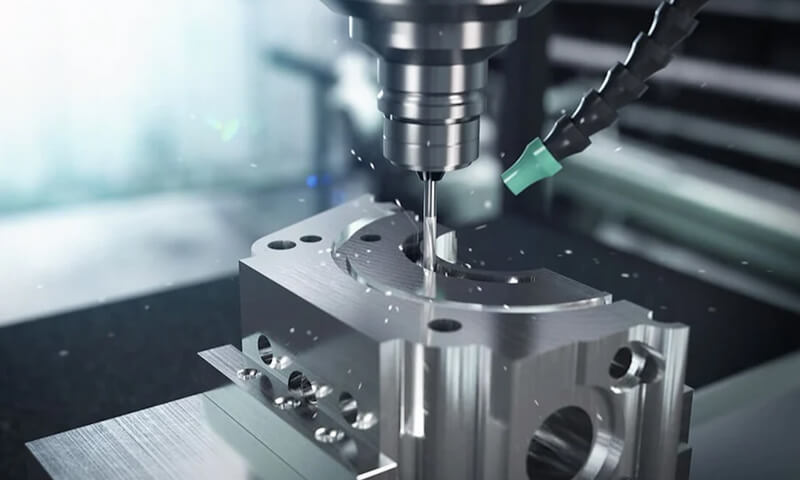
- মেশিনিং: সিএনসি মিলিং, বাঁক, ড্রিলিং, এবং চূড়ান্ত সহনশীলতা এবং মাত্রা অর্জন করতে বিরক্তিকর.
- ডেবারিং & সারফেস স্মুথিং: মুখ বা সঙ্গম সারফেস সিল করার জন্য বিশেষ করে গুরুত্বপূর্ণ.
পৃষ্ঠ চিকিত্সা
সারফেস ট্রিটমেন্টগুলি নমনীয় লোহার উপাদানগুলির পরিষেবা জীবনকে প্রসারিত করে এবং তাদের ক্ষয় প্রতিরোধ ক্ষমতা উন্নত করে, পরা, এবং পরিবেশগত পরিস্থিতি.
| চিকিত্সার ধরন | ফাংশন | সাধারণ অ্যাপ্লিকেশন |
| পেইন্টিং & ইপোক্সি লেপ | বহিরঙ্গন বা সমাহিত উপাদানের জন্য জারা প্রতিরোধের. | পাইপ ফিটিং, ম্যানহোলের কভার. |
| দস্তা ফসফেট আবরণ | পেইন্ট আনুগত্য এবং জারা প্রতিরোধের উন্নত. | স্বয়ংচালিত চ্যাসিস অংশ. |
| গ্যালভানাইজিং (বিরল) | বলিদান জারা সুরক্ষা প্রদান করে. | ইউটিলিটি খুঁটি, ফাস্টেনার (নমনীয় লোহার জন্য কম সাধারণ). |
| নাইট্রাইডিং/কারবারাইজিং | পরিধান প্রতিরোধের জন্য পৃষ্ঠ শক্ত করা. | গিয়ার্স, প্লেট পরেন, এবং ব্রেক অংশ. |
ননডেস্ট্রাকটিভ টেস্টিং (এনডিটি)
অভ্যন্তরীণ এবং পৃষ্ঠের অখণ্ডতা নিশ্চিত করতে, বিশেষ করে নিরাপত্তা-গুরুত্বপূর্ণ অ্যাপ্লিকেশনে, নমনীয় আয়রন ঢালাই বিভিন্ন NDT কৌশল ব্যবহার করে মূল্যায়ন করা হয়:
| এনডিটি পদ্ধতি | বর্ণনা | আবেদন |
| চৌম্বক কণা পরীক্ষা (এমটি) | ফেরোম্যাগনেটিক কাস্টিংগুলিতে পৃষ্ঠ এবং কাছাকাছি-পৃষ্ঠের ফাটল সনাক্ত করে. | স্বয়ংচালিত knuckles, সাসপেনশন অংশ. |
| অতিস্বনক পরীক্ষা (Ut) | অভ্যন্তরীণ ত্রুটিগুলি চিহ্নিত করে, অন্তর্ভুক্তি, বা porosity. | ঘন প্রাচীর চাপ উপাদান, গিয়ার ফাঁকা. |
| এক্স-রে রেডিওগ্রাফি | অভ্যন্তরীণ গহ্বর এবং সঙ্কুচিত পোরোসিটি কল্পনা করে. | মহাকাশ, পাম্প হাউজিংস, এবং ভালভ সংস্থা. |
| ডাই পেনিট্রান্ট টেস্টিং (Pt) | পৃষ্ঠ ফাটল এবং porosity হাইলাইট (লোহার সীমিত ব্যবহার). | মেশিন সিলিং মুখ, ছোট নির্ভুলতা অংশ. |
11. নমনীয় আয়রন ঢালাই পদ্ধতির তুলনা
| কাস্টিং পদ্ধতি | সাধারণ অংশ আকার পরিসীমা | পৃষ্ঠের রুক্ষতা (রা, μm) | মাত্রিক সহনশীলতা | সরঞ্জাম ব্যয় | মূল সুবিধা | সাধারণ অ্যাপ্লিকেশন |
| বালি ing ালাই | 0.5 কেজি - 50,000 কেজি | 12.5–25 | ±0.5 – ±1.5 মিমি | কম ($500– $5,000) | অত্যন্ত নমনীয়, স্বল্প ব্যয়, বড় অংশের জন্য ভাল, জটিল কোর মিটমাট করে | ইঞ্জিন ব্লক, গিয়ারবক্স, অবকাঠামো ঢালাই |
| শেল ছাঁচ ing ালাই | 0.1 কেজি - 30 কেজি | 3.2-6.3 | ±0.2 – ±0.5 মিমি | মাধ্যম ($5,000- $20,000) | উচ্চ মাত্রিক নির্ভুলতা, মসৃণ পৃষ্ঠ, পাতলা প্রাচীর অংশ জন্য ভাল | পাম্প হাউজিংস, বন্ধনী, ছোট নির্ভুলতা অংশ |
| ধাতু ছাঁচ ঢালাই | 0.1 কেজি - 100 কেজি | 6.3-12.5 | ±0.1 – ±0.3 মিমি | উচ্চ ($50,000- $200,000) | দ্রুত কুলিং, পুনর্ব্যবহারযোগ্য ছাঁচ, উন্নত শক্তি এবং ধারাবাহিকতা | ব্রেক ক্যালিপার, সাসপেনশন অস্ত্র, পাম্প উপাদান |
| সেন্ট্রিফুগাল কাস্টিং | Ø50 মিমি - Ø3000 মিমি (নলাকার) | 3.2-12.5 | ±0.3 – ±0.8 মিমি | মাধ্যম ($10,000+) | উচ্চ ঘনত্ব, ন্যূনতম ত্রুটি, চমৎকার যান্ত্রিক বৈশিষ্ট্য | পাইপ, হাতা, লাইনার, জলবাহী সিলিন্ডার |
| বিনিয়োগ কাস্টিং | 0.01 কেজি - 50 কেজি | 1.6-3.2 | ±0.05 – ±0.2 মিমি | উচ্চ ($20,000+) | ব্যতিক্রমী নির্ভুলতা, সূক্ষ্ম বৈশিষ্ট্য, দুর্দান্ত পৃষ্ঠ সমাপ্তি | মহাকাশ বন্ধন, ভালভ, অস্ত্রোপচারের উপাদান |
| হারানো ফোম কাস্টিং | 0.2 কেজি - 100+ কেজি | 6.3-12.5 | ±0.3 – ±0.8 মিমি | মাঝারি-উচ্চ ($10,000-$50,000) | নিয়ার-নেট আকৃতি, বিভাজন লাইন নেই, জটিল জ্যামিতির জন্য আদর্শ | ইঞ্জিন ব্লক, সংক্রমণ মামলা, জলবাহী হাউজিং |
| ক্রমাগত / কাউন্টার-গ্র্যাভিটি কাস্টিং | বড় কাঠামোগত বা নলাকার অংশ | 6.3-12.5 | ±0.2 – ±0.5 মিমি | খুব উচ্চ ($100,000+) | উচ্চ ফলন, অভিন্ন মাইক্রোস্ট্রাকচার, স্বয়ংক্রিয় প্রক্রিয়া | পাইপ ফাঁকা, ক্রমাগত প্রোফাইল, কাঠামোগত ঢালাই |
12. প্রক্রিয়া নির্বাচনের মানদণ্ড
- জ্যামিতি & আকার: জটিল আকার বিনিয়োগ বা হারিয়ে ফেনা পদ্ধতি প্রয়োজন হতে পারে.
- যান্ত্রিক প্রয়োজনীয়তা: উচ্চ শক্তি কেন্দ্রাতিগ পক্ষপাতী, স্থায়ী ছাঁচনির্মাণ; ক্লান্তি সমালোচনা বিনিয়োগের পক্ষে.
- সারফেস & সহনশীলতা প্রয়োজন: কঠোর চশমা স্থায়ী বা বিনিয়োগ ঢালাই দাবি.
- আয়তন & ব্যয়: বালি ঢালাই কম ভলিউম জন্য সেরা; স্থায়ী ছাঁচ উচ্চ ভলিউম রান স্যুট.
- পরিবেশগত কারণ: ছাঁচ উপকরণ বিবেচনা করুন, নির্গমন, এবং অবাধ্য বর্জ্য.
13. উপসংহার
সর্বোত্তম নমনীয় আয়রন ঢালাই পদ্ধতি ভারসাম্য জ্যামিতির উপর নির্ভর করে, যান্ত্রিক প্রয়োজনীয়তা, সমাপ্তি গুণমান, এবং ব্যয়.
প্রতিটি প্রক্রিয়ার মাইক্রোস্ট্রাকচারাল ফলাফলগুলি বোঝা নিশ্চিত করে যে প্রকৌশলীরা সর্বোত্তম পদ্ধতি নির্বাচন করতে পারে, এটি বালি ঢালাইয়ের বহুমুখীতা বা বিনিয়োগের নির্ভুলতা এবং কেন্দ্রাতিগ ঢালাই.
এটি নমনীয় আয়রন ঢালাই পরিষেবাগুলি অফার করে৷
এ এই, আমরা উন্নত ঢালাই প্রযুক্তির সম্পূর্ণ বর্ণালী ব্যবহার করে উচ্চ-কার্যকারিতা নমনীয় আয়রন কাস্টিং প্রদানে বিশেষজ্ঞ.
আপনার প্রকল্পের নমনীয়তা দাবি করে কিনা সবুজ বালি ঢালাই, এর নির্ভুলতা শেল ছাঁচ বা বিনিয়োগ কাস্টিং,
এর শক্তি এবং ধারাবাহিকতা ধাতু ছাঁচ (স্থায়ী ছাঁচ) কাস্টিং, অথবা দ্বারা প্রদান করা ঘনত্ব এবং বিশুদ্ধতা কেন্দ্রাতিগ এবং হারিয়ে ফেনা ঢালাই,
আপনার সঠিক স্পেসিফিকেশনগুলি পূরণ করার জন্য DEZE-এর ইঞ্জিনিয়ারিং দক্ষতা এবং উত্পাদন ক্ষমতা রয়েছে.
আমাদের সুবিধা প্রোটোটাইপ ডেভেলপমেন্ট থেকে শুরু করে উচ্চ-ভলিউম ম্যানুফ্যাকচারিং সবকিছু পরিচালনা করার জন্য সজ্জিত, কঠোর দ্বারা সমর্থিত মান নিয়ন্ত্রণ, উপাদান ট্রেসেবিলিটি, এবং ধাতুবিদ্যা বিশ্লেষণ.
থেকে স্বয়ংচালিত এবং শক্তি সেক্টর থেকে অবকাঠামো এবং ভারী যন্ত্রপাতি, DEZE কাস্টম কাস্টিং সমাধান সরবরাহ করে যা ধাতুবিদ্যার শ্রেষ্ঠত্বকে একত্রিত করে, মাত্রিক নির্ভুলতা, এবং দীর্ঘমেয়াদী কর্মক্ষমতা.
FAQS
ধূসর লোহা বা ইস্পাতের চেয়ে নমনীয় লোহা কেন বেছে নিন?
নমনীয় লোহা চমৎকার শক্তি প্রদান করে, নমনীয়তা, মেশিনিবিলিটি, এবং খরচ দক্ষতা - উচ্চ চাপ ঢালাই উপাদান জন্য আদর্শ.
ইনোকুলেশন ঢালাই পদ্ধতি দ্বারা পরিবর্তিত হয়?
হ্যাঁ. স্থায়ী ছাঁচের মতো দ্রুত-শীতল পদ্ধতিতে নোডুলস বিকাশের জন্য আরও জোরালো ইনোকুলেশন প্রয়োজন; বালি ঢালাই আরো ক্ষমাশীল.
বিনিয়োগ ঢালাই অংশ বালি ঢালাই শক্তি মেলে পারে?
হ্যাঁ - ছোট আকার সত্ত্বেও, সূক্ষ্ম মাইক্রোস্ট্রাকচার সমান বা ভাল যান্ত্রিক কর্মক্ষমতা প্রদান করতে পারে.