

1. ভূমিকা
A check valve is a mechanical non-return device that regulates fluid flow to ensure unidirectional movement in pipelines and systems.
Its core functions include: preventing backflow-induced equipment damage (যেমন, pump impeller reversal), mitigating water hammer (pressure surges from sudden flow reversal), maintaining system pressure, and preventing cross-contamination between fluid streams.
Unlike active valves (যেমন, gate or ball valves), check valves operate autonomously, responding solely to changes in fluid pressure.
This simplicity makes them reliable in critical systems where failure could result in downtime, safety hazards, or environmental harm—statistics show that 23% of pump failures in industrial settings are attributed to unchecked backflow, তাদের গুরুত্ব আন্ডারস্করিং.
2. What Is a Check Valve?
A check valve is a pressure-actuated valve comprising a valve body, a closure element (যেমন, ডিস্ক, বল, পিস্টন), and a seating surface.
Its defining feature is the ability to automatically open under forward pressure and close under reverse pressure.
The closure element is designed to seal tightly against the seat when flow reverses, with no external actuation required.
This passive operation eliminates the need for sensors, actuators, or human intervention, making check valves suitable for remote, বিপজ্জনক, or inaccessible locations (যেমন, subsea pipelines 3,000 meters deep).
Check valves are classified by their closure mechanism and are engineered to accommodate specific flow rates (0.1 থেকে 10,000+ জিপিএম), চাপ (vacuum to 25,000 পিএসআই), এবং তাপমাত্রা (-450°F to 1,800°F), ensuring versatility across liquids, গ্যাস, এবং স্লারি.

3. How does a Check Valve Work
Check valves operate on the principle of differential pressure (Δ পি) between the upstream (inlet) and downstream (আউটলেট) sides:
- Opening Phase: When upstream pressure exceeds downstream pressure by a threshold known as the “cracking pressure”, the closure element is pushed off its seat, creating an orifice for flow.
Cracking pressure varies by design—spring-loaded check valves typically require 0.5–5 psi, while gravity-driven swing check valves may need 1–3 psi to overcome inertia. - Flow Phase: Once open, the closure element lifts to a maximum displacement (typically 10–20% of the pipe diameter), allowing fluid to pass with minimal pressure drop.
Streamlined designs (যেমন, বল চেক ভালভ) achieve pressure drops as low as 1 psi এ 50 জিপিএম, while more restrictive piston designs may incur 3–5 psi drops. - Closing Phase: যখন প্রবাহের চাপটি নীচে প্রবাহের চাপের নিচে পড়ে যায় (বিপরীত প্রবাহ), the closure element is forced back onto the seat by reverse pressure, মাধ্যাকর্ষণ, or spring tension.
Closure speed is critical—fast-closing lift check valves (<0.1 সেকেন্ড) reduce reverse flow volume by 70% compared to slow-closing swing check valves (0.5–1 second), minimizing water hammer risk.
Fluid properties influence operation: সান্দ্র তরল (যেমন, heavy crude oil) require lower cracking pressures to overcome internal friction, while abrasive slurries demand robust closure elements (যেমন, Stellite-coated discs) to resist wear.
4. Common Types of Check Valves
Check valves come in several designs, each tailored to specific flow conditions, installation constraints, and maintenance priorities.
Swing Check Valves
- ডিজাইন: Features a hinged disc (or flap) that swings open under forward flow, pivoting on a pin or hinge mounted inside the valve body.
When flow stops or reverses, gravity pulls the disc back onto the seat, একটি সীল তৈরি.
সুইং চেক ভালভ - কী মেট্রিক:
-
- প্রবাহ ক্ষমতা: উচ্চ (Cv values 15–20% higher than lift check valves of the same size). A 6-inch swing check valve, উদাহরণস্বরূপ, has a Cv of ~300, compared to ~250 for a 6-inch lift check valve.
- Closure time: 0.5–1 second (slower than other types, increasing water hammer risk).
- আকার পরিসীমা: 2-48 ইঞ্চি (ideal for large-diameter pipelines).
- সুবিধা: নিম্নচাপ ড্রপ (1–2 psi at nominal flow) and cost-effectiveness for large-scale systems.
- সীমাবদ্ধতা: Unsuitable for vertical upward flow (gravity may prevent proper closure); prone to “slamming” in high-velocity systems, causing noise and wear.
- অ্যাপ্লিকেশন: পৌরসভার পানি বিতরণ, large-diameter oil/gas pipelines, and low-pressure industrial loops (যেমন, শীতল জল সার্কিট).
Lift Check Valves
- ডিজাইন: Uses a piston, ডিস্ক, or plug that lifts vertically off the seat, guided by a stem or cage to ensure alignment.
Forward flow pushes the closure element upward, while reverse pressure (aided by gravity or a spring) forces it back down.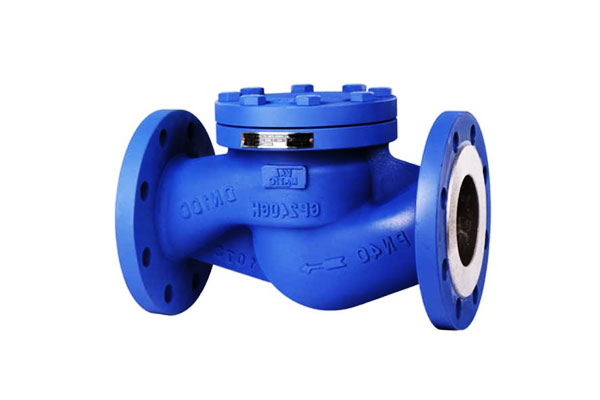
Lift Check Valve Parts - কী মেট্রিক:
-
- Leakage rate: <0.1 cc/মিনিট (ধাতু থেকে ধাতু আসন), achieving ANSI Class IV shutoff.
- Closure time: <0.1 সেকেন্ড (significantly faster than swing valves, reducing water hammer by 50%+).
- আকার পরিসীমা: ½–12 inches (limited by manufacturing complexity for larger diameters).
- সুবিধা: Tight shutoff and suitability for high-pressure systems (আপ 25,000 পিএসআই).
- সীমাবদ্ধতা: উচ্চ চাপ ড্রপ (3–5 psi at nominal flow) due to the guided design.
- অ্যাপ্লিকেশন: High-pressure steam lines (1,500+ পিএসআই), জলবাহী সিস্টেম, and pump discharge lines where backflow could damage impellers.
Spring-Loaded Check Valves
- ডিজাইন: Integrates a coil spring that biases the closure element (disc or ball) against the seat.
The spring force determines the cracking pressure (minimum upstream pressure to open the valve), which can be adjusted by selecting springs with different tension ratings.
বসন্ত চেক ভালভ - কী মেট্রিক:
-
- ক্র্যাকিং চাপ: 0.5-50 পিএসআই (customizable via spring selection).
- ওরিয়েন্টেশন নমনীয়তা: Operates reliably in vertical, অনুভূমিক, or angled pipelines.
- Closure time: <0.1 সেকেন্ড (spring force accelerates sealing).
- সুবিধা: Prevents “fluttering” (দ্রুত খোলা/বন্ধ) in low-flow systems; ideal for applications where gravity alone can’t ensure closure.
- সীমাবদ্ধতা: Higher pressure drop than non-spring designs (due to spring resistance); spring fatigue may occur in cyclic service (যেমন, 10,000+ চক্র).
- অ্যাপ্লিকেশন: Pneumatic systems (বায়ু, নাইট্রোজেন), জ্বালানী লাইন, and boiler feedwater circuits (উল্লম্ব ইনস্টলেশন).
Ball Check Valves
- ডিজাইন: Employs a spherical ball (typically stainless steel or plastic) that rests on a conical seat.
Forward flow lifts the ball, allowing fluid to pass around it; reverse flow pushes the ball back into the seat, একটি সীল তৈরি.
Ball Check Valves - কী মেট্রিক:
-
- Flow efficiency: উচ্চ (Cv values 10–15% higher than piston lift check valves). A 2-inch ball check valve has a Cv of ~50, বনাম. ~45 for a 2-inch piston design.
- Abrasion resistance: মাঝারি (metal balls outperform plastic in slurry service).
- সুবিধা: Low friction and minimal turbulence, reducing energy loss.
- সীমাবদ্ধতা: Plastic balls deform at temperatures >250° F; metal balls may stick in viscous fluids (যেমন, heavy oils).
- অ্যাপ্লিকেশন: রাসায়নিক প্রক্রিয়াজাতকরণ (low-viscosity fluids), food/beverage (sanitary designs with PTFE balls), and irrigation systems.
Pilot-Operated Check Valves
- ডিজাইন: Combines a main check valve with a secondary “pilot” valve that controls the main valve’s opening.
The pilot uses external pressure (from the system or a separate source) to lift the main closure element, allowing flow only when pilot pressure is applied.
Pilot-Operated Check Valves - কী মেট্রিক:
-
- Control precision: Can be adjusted to open at specific pressure thresholds (±1 psi).
- ব্যাকফ্লো প্রতিরোধ: Maintains seal even in systems with fluctuating downstream pressure.
- সুবিধা: Enables “locked” flow positions (যেমন, holding a hydraulic cylinder in place), preventing drift.
- সীমাবদ্ধতা: Complex design increases cost (2–3× that of standard check valves); requires compatible pilot pressure sources.
- অ্যাপ্লিকেশন: Hydraulic machinery (ক্রেন, প্রেস), where precise flow control and load holding are critical.
5. Key Performance Parameters and Metrics
- ক্র্যাকিং চাপ: Minimum ΔP to open the valve (0.5-50 পিএসআই). Critical for low-flow systems (যেমন, চিকিত্সা ডিভাইস) where unintended opening must be prevented.
- চাপ ড্রপ: Energy loss across the valve, measured at nominal flow. উদাহরণস্বরূপ, a 2-inch swing check valve has a pressure drop of 2 psi এ 100 জিপিএম, while a lift check valve of the same size incurs 3 পিএসআই.
- Leakage Rate: Amount of fluid bypassing the closed valve. Metal-seated valves typically achieve ANSI Class IV (0.01% of nominal flow), while soft-seated valves meet Class VI (<0.0005 mL/min per inch diameter).
- Closure Time: Time to seal after flow reversal. Spring-loaded valves close in <0.1 সেকেন্ড, reducing water hammer pressure spikes by 50% বনাম. swing valves.
- সাইকেল লাইফ: Number of open/close cycles before failure. Stainless steel valves in clean service last 100,000+ চক্র; Stellite-coated valves in abrasive service last 10,000+ চক্র.
6. উপকরণ, সিল করার বিকল্প, and Media Compatibility
দ্য নির্ভরযোগ্যতা, পরিষেবা জীবন, and safety compliance of a check valve are heavily influenced by the choice of শরীরের উপাদান, internal trim components, এবং sealing elements.
Material selection must be based on তরল রসায়ন, অপারেটিং তাপমাত্রা, চাপ, এবং নিয়ন্ত্রক প্রয়োজনীয়তা.

Using an incompatible material can cause premature wear, জারা, or seal failure — leading to leakage and unplanned downtime.
Body and Trim Materials
| উপাদান | সর্বোচ্চ পরিষেবা টেম্প (° F) | জারা প্রতিরোধের | শক্তি | সাধারণ অ্যাপ্লিকেশন |
| কাস্ট লোহা | ~450 | নিম্ন-মধ্যম | মাঝারি | জলযোগ্য জল, এইচভিএসি, নিম্নচাপের জলের লাইন |
| নমনীয় আয়রন | ~450 | মাঝারি | Higher than cast iron | পৌরসভার পানি, অগ্নি সুরক্ষা |
| কার্বন ইস্পাত (A216 WCB) | ~800 | মাঝারি (not for strong acids) | উচ্চ | বাষ্প লাইন, তেল & গ্যাস |
| স্টেইনলেস স্টিল 304 | ~1000 | উচ্চ (সাধারণ জারা) | উচ্চ | খাবার & পানীয়, জল চিকিত্সা |
| Stainless Steel 316/316L | ~1000 | দুর্দান্ত (ক্লোরাইড, অ্যাসিড) | উচ্চ | রাসায়নিক প্রক্রিয়াজাতকরণ, সামুদ্রিক |
| দ্বৈত & সুপার ডুপ্লেক্স | ~600 | ব্যতিক্রমী (ক্লোরাইড, লবণ) | খুব উচ্চ | Offshore oil/gas, নির্জনতা |
| ব্রোঞ্জ/পিতল | ~ 400 | ভাল (তাজা জল, mild seawater) | মাঝারি | সামুদ্রিক, এইচভিএসি, পানীয় জল |
| পিভিসি / সিপিভিসি | ~200 (পিভিসি), ~210 (সিপিভিসি) | দুর্দান্ত (most acids/bases) | কম | রাসায়নিক ডোজ, বর্জ্য জল |
| পিভিডিএফ (Kynar®) | ~280 | দুর্দান্ত (ক্লোরিন, শক্তিশালী অ্যাসিড) | মাঝারি | High-purity chemical transfer |
Engineering Notes:
- জন্য ঘষিয়া তুলিয়া ফেলিতে সক্ষম slurries, use hard-facing on seating surfaces (Stellite® or tungsten carbide).
- জন্য hydrogen sulfide (H₂s) পরিবেশ, follow NACE MR0175/ISO 15156 উপাদান প্রয়োজনীয়তা.
Seat and Seal Materials
The sealing element — elastomer or thermoplastic — determines ফুটো কর্মক্ষমতা, রাসায়নিক সামঞ্জস্য, and temperature limits.
| সীল উপাদান | সর্বোচ্চ পরিষেবা টেম্প (° F) | রাসায়নিক প্রতিরোধ | সাধারণ ব্যবহারের ক্ষেত্রে |
| ইপিডিএম | ~ 300 | Excellent in water, বাষ্প, হালকা অ্যাসিড | জলযোগ্য জল, এইচভিএসি, বর্জ্য জল |
| এনবিআর (হাই-এন) | ~250 | Good for oils, জ্বালানী | হাইড্রোকার্বন পরিষেবা, লুব্রিকেন্ট |
| FKM (ভিটন®) | ~ 400 | Excellent in solvents, অ্যাসিড, জ্বালানী | রাসায়নিক & পেট্রোকেমিক্যাল |
| Ptfe (টেফলন®) | ~500 | Inert to almost all chemicals | High-purity chemicals, খাদ্য & ফার্মা |
| ধাতব থেকে ধাতব | 1000+ | Limited by body material | High-temp steam, erosive service |
Industry Data:
- ধাতু থেকে ধাতু আসন অর্জন ANSI Class IV or V shutoff in industrial service.
- নরম আসন (ইলাস্টোমার) অর্জন করতে পারে ANSI ক্লাস ষষ্ঠ (বুদ্বুদ-আঁট) sealing but are limited by temperature and chemical compatibility.
Media Compatibility Considerations
- জল & পানীয় জল — EPDM or NBR seats with cast iron, নমনীয় আয়রন, or stainless steel bodies. এনএসএফ/এএনএসআই 61 certification required.
- সমুদ্রের জল & Brine — 316SS, ডুপ্লেক্স স্টেইনলেস, or bronze bodies; EPDM seals; avoid carbon steel due to rapid corrosion.
- Hydrocarbons & Fuels — NBR or FKM seals; carbon steel or stainless steel bodies.
- Strong Acids — PTFE seats and liners; 316এসএস, পিভিডিএফ, or lined ductile iron bodies.
- বাষ্প — Carbon steel or stainless bodies with metal-to-metal seats; EPDM acceptable for low-pressure steam (<300 ° F).
- স্লারি & Abrasives — Hardened seat materials, full-port ball check designs, wear-resistant coatings.
7. Industry Applications of Check Valve
Check valves are deployed across virtually every fluid-handling industry, with each application imposing unique requirements for চাপ ক্লাস, sealing কর্মক্ষমতা, response speed, এবং উপাদান সামঞ্জস্য.
Their primary purpose — preventing reverse flow — protects pumps, সংকোচকারী, পাইপলাইন, and downstream equipment, while ensuring system integrity and compliance with industry regulations.
জল & বর্জ্য জল চিকিত্সা
- ফাংশন: Prevent backflow from distribution networks into clean water sources, stop reverse siphoning in pumping stations, and protect membrane filtration units from pressure surges.
- Typical Configurations: Swing check valves for low head-loss in distribution mains; ball check valves in sludge and slurry lines; spring-assisted valves in high-rise building booster systems.
- Industry Data: According to AWWA C508, swing check valves in municipal water service typically operate at flow velocities of 2–15 ft/s and pressure ratings of 125-250 পিএসআই.
- Regulatory Standards: এনএসএফ/এএনএসআই 61 এবং 372 for drinking water contact; AWWA C508/C509 compliance.
তেল & গ্যাস
- ফাংশন: Maintain directional flow in crude oil pipelines, prevent backflow into compressors, and isolate sections of offshore risers during shutdowns.
- Typical Configurations: API 6D swing or dual-plate check valves in transmission pipelines; axial-flow silent check valves to minimize water hammer in gas compression stations.
- Industry Data: Offshore subsea check valves are designed to API 6A এবং NACE MR0175, পর্যন্ত চাপ রেটিং সহ 20,000 পিএসআই and temperature ranges from -75°F to +350°F.
- Key Requirements: Sour-service metallurgy, sand erosion resistance, and low closing times (<0.2 সেকেন্ড) for slam prevention.
বিদ্যুৎ উত্পাদন
- ফাংশন: Prevent reverse steam or feedwater flow in turbines, protect boiler feed pumps, and maintain circulation in cooling water loops.
- Typical Configurations: Lift check valves for high-pressure steam lines; spring-loaded in-line valves in condensate return systems.
- Industry Data: ASME B31.1-compliant valves in fossil-fuel plants often handle steam at 2,400 psi and 1,050°F; feedwater check valves typically have ক্লাস 1500-2500 চাপ রেটিং.
- বিশেষ বিবেচনা: ধাতু থেকে ধাতু আসন, Stellite® hard-facing, and quick-closure mechanisms to prevent turbine backspin.
রাসায়নিক & পেট্রোকেমিক্যাল
- ফাংশন: Prevent contamination between process streams, stop reverse chemical feed into storage tanks, and protect metering pumps.
- Typical Configurations: PTFE-lined swing or ball check valves for corrosive acids; stainless steel spring-loaded check valves for solvent transfer lines.
- Industry Data: Valves must often withstand pH 0–14 fluids, chlorine service at up to 150°F, or hydrochloric acid at 30–35% concentration.
- Regulatory Standards: Compliance with এপিআই 594 for wafer-type valves, এবং ASTM F1545 for PTFE-lined equipment.
এইচভিএসি & বিল্ডিং পরিষেবা
- ফাংশন: Prevent reverse flow in chilled water and hot water loops, protect booster pumps, and stop backflow in fire protection systems.
- Typical Configurations: Silent check valves in vertical risers; wafer dual-plate check valves for space-constrained mechanical rooms.
- Industry Data: ASHRAE guidelines suggest low head-loss designs (<1.5 psi at design flow) for energy efficiency in HVAC loops.
সামুদ্রিক & অফশোর
- ফাংশন: Prevent seawater ingress into cooling systems, stop reverse flow in ballast systems, and protect firewater pumps.
- Typical Configurations: Bronze or duplex stainless swing check valves for seawater service; axial-flow valves for offshore risers.
- বিশেষ বিবেচনা: Resistance to chloride pitting (ASTM G48 testing), shock resistance per MIL-S-901D for naval applications.
খাবার & পানীয়
- ফাংশন: Maintain hygiene by preventing product backflow, avoid contamination between CIP (জায়গায় পরিষ্কার) and process lines.
- Typical Configurations: Sanitary clamp-end check valves with 316L stainless and EPDM or PTFE seats.
- Industry Data: Valves must meet 3-একটি স্যানিটারি মান এবং FDA CFR 21 elastomer requirements; internal surface finishes of ≤32 μin Ra are common.
8. সুবিধা এবং সীমাবদ্ধতা
Advantages of Check Valves
- Autonomous Operation: No external power or controls, reducing failure points (99.9% reliability in clean service).
- ব্যয়বহুল: Lower upfront and maintenance costs vs. active valves (30–50% cheaper than automated control valves).
- বহুমুখিতা: Adaptable to diverse fluids, চাপ, এবং তাপমাত্রা.
- সুরক্ষা: Prevents equipment damage and environmental spills (critical in chemical processing, where backflow can release toxic substances).
Limitations of Check Valves
- চাপ ড্রপ: Incurs energy loss (1–5 পিএসআই) that increases pumping costs in high-flow systems.
- জল হাতুড়ি ঝুঁকি: Slow-closing designs (যেমন, swing valves) can cause pressure spikes up to 2× system pressure.
- Size Restrictions: Lift check valves are impractical for diameters >12 inches due to cost and weight.
- রক্ষণাবেক্ষণের প্রয়োজন: Prone to fouling in dirty fluids (যেমন, 25% of check valve failures in wastewater are due to debris buildup).
9. মান, সার্টিফিকেশন
Check valves are not only যান্ত্রিক উপাদান but also compliance-critical devices in many industries.
Their design, উত্পাদন, পরীক্ষা, and material selection are often governed by international, national, and sector-specific standards to ensure safety, পারফরম্যান্স নির্ভরযোগ্যতা, and legal conformity.
| স্ট্যান্ডার্ড / কোড | ব্যাপ্তি | Key Requirements |
| 6 ডি ফায়ার / আইএসও 14313 | Pipeline valves for petroleum & প্রাকৃতিক গ্যাস | ডিজাইন, উপকরণ, পরীক্ষা (হাইড্রোস্ট্যাটিক, গ্যাস), চিহ্নিত করা |
| এপিআই 594 | Wafer-type & lug-type check valves | মুখোমুখি মাত্রা, pressure-temperature ratings |
| API 6A | Wellhead & Christmas tree equipment | Sour service, high-pressure oil & গ্যাস পরিবেশ |
| ASME B16.34 | Valves — flanged, থ্রেডেড, and welding ends | Pressure-temperature ratings, উপাদান প্রয়োজনীয়তা |
| ASME B31.1 / B31.3 | Power piping & process piping | ইনস্টলেশন, allowable stress, weld requirements |
| BS EN 12334 | Industrial metallic check valves | ডিজাইন, পারফরম্যান্স, and test procedures |
| AWWA C508 / C509 | Swing and resilient-seated check valves for waterworks | আবরণ, আসন উপকরণ, কর্মক্ষমতা মানদণ্ড |
| MSS SP-125 | ধূসর লোহা & ductile iron check valves | মাত্রা, চাপ রেটিং |
| আইএসও 5208 | Pressure testing of metallic valves | Leakage rates (Class I–VI) |
10. অন্যান্য ভালভ সঙ্গে তুলনা
| বৈশিষ্ট্য | ভালভ পরীক্ষা করুন | গেট ভালভ | বল ভালভ | চাপ ত্রাণ ভালভ |
| প্রাথমিক ফাংশন | Prevents reverse flow automatically | Manual/motorized isolation | Quick on/off isolation, some throttling | Protects against overpressure |
| Operation Method | Pressure differential, স্ব-অভিনয় | Manual or actuated stem | Quarter-turn manual/actuated | Spring or pilot-operated |
| প্রবাহের দিক | Unidirectional | দ্বিমুখী | দ্বিমুখী | Vents to atmosphere/return line |
| Flow Control Capability | কোনোটিই নয় | শুধুমাত্র চালু/বন্ধ | চালু/বন্ধ + সীমিত থ্রটলিং | কোনোটিই নয় (pressure-triggered) |
| চাপ ড্রপ | নিম্ন-মধ্যম (1–5 পিএসআই) | খুব কম | খুব কম | N/A |
Closing Speed |
0.05–1 s (type-dependent) | ধীর | Instant (¼ turn) | Instant upon setpoint |
| Typical Pressure Rating | আপ 25,000 পিএসআই | ~2,500 psi | আপ 10,000 পিএসআই | Up to system MAWP |
| Seal Performance | চতুর্থ-ষষ্ঠ শ্রেণি | Class II–IV | Bubble-tight with soft seats | Leak to relieve pressure |
| অ্যাক্টুয়েশন প্রয়োজন | না | হ্যাঁ (manual/motor) | হ্যাঁ (manual/motor) | না (spring/pilot) |
| সাধারণ অ্যাপ্লিকেশন | পাম্প স্রাব, safety isolation from backflow | পাইপলাইন বিচ্ছিন্নতা | Isolation in oil/gas, রাসায়নিক | Boiler protection, safety systems |
| Maintenance Demand | কম | নিম্ন-মধ্যম | মাঝারি | কম |
| Special Features | Fully automatic | ফুল বোর, low loss | Fast action, কমপ্যাক্ট | Prevents catastrophic overpressure |
11. Check Valve Selection & Procurement Checklist
Before placing an order for a check valve, it is essential to comprehensively document all critical parameters to ensure the selected valve meets system requirements and operates reliably throughout its service life.
The following checklist outlines the key factors to record and evaluate:
তরল বৈশিষ্ট্য
- Identify the fluid type (জল, বাষ্প, তেল, গ্যাস, রাসায়নিক, স্লারি, ইত্যাদি).
- Document temperature range (minimum to maximum operating temperatures).
- Note any chemical properties such as corrosiveness, pH level, and presence of abrasives or contaminants.
Pressure Requirements
- Record the maximum operating pressure (MOP) under normal conditions.
- Verify the Maximum Allowable Working Pressure (MAWP) as per system design and safety margins.
Flow Rate and Hydraulic Performance
- Determine required flow rate to be handled by the valve (যেমন, gallons per minute or cubic meters per hour).
- Specify maximum allowable pressure drop across the valve, which relates to the desired flow coefficient (সিভি).
Leakage and Sealing Criteria
- Define maximum acceptable leakage rate according to seat class (যেমন, ANSI/FCI Class IV for low leakage or VI for bubble-tight sealing).
- Decide between soft or metal seating based on application demands.
Solids and Viscosity Considerations
- Assess if the fluid contains solids or particulate matter and their size.
- Evaluate fluid viscosity and its impact on valve operation and sealing.
Dimensional and Connection Details
- Confirm pipeline nominal size and required valve size.
- Specify connection type: ফ্ল্যাঞ্জড (ANSI/ASME B16.5), থ্রেডেড, সকেট ঢালাই, বাট ঝালাই, or other.
Installation and Orientation Constraints
- Document valve orientation requirements (অনুভূমিক, উল্লম্ব, বা ঝোঁক).
- Record face-to-face dimensions and available installation clearance to ensure fit and ease of maintenance.
Environmental and External Conditions
- Consider external environmental factors such as corrosion risks, exposure to weather, possibility of burial or subsea installation.
- Specify any special coatings, উপকরণ, or design features needed for harsh environments.
Standards and Certification Requirements
- Identify applicable industry standards (এপিআই, এএনএসআই, আইএসও, এএসএমই) and regulatory certifications (NSF, PED, UL/FM, NACE).
- Ensure the valve meets all quality and compliance benchmarks relevant to the application.
Maintenance and Support Considerations
- Evaluate accessibility for routine maintenance, পরিদর্শন, and repair.
- Confirm availability of spare parts, repair kits, and technical support from the supplier.
12. উপসংহার
Check valves come in various designs—from swing to pilot-operated valves—and serve a wide range of industries, from oil and gas to pharmaceuticals, সুরক্ষা নিশ্চিত করা, দক্ষতা, এবং নিয়ন্ত্রক সম্মতি.
By understanding key performance factors, উপাদান সামঞ্জস্য, and applicable standards, engineers can choose the right check valve to reduce downtime and extend system life.
As industry demands grow for higher pressures, তাপমাত্রা, এবং স্থায়িত্ব, check valves will continue evolving, with innovations like smart sensors and advanced manufacturing techniques further improving their performance.
এই: আবেদনগুলির দাবিতে উচ্চ-নির্ভুলতা ভালভ কাস্টিং সলিউশন
এই সবচেয়ে চাহিদাসম্পন্ন শিল্প অ্যাপ্লিকেশনের জন্য ডিজাইন করা উচ্চ-নির্ভুল ভালভ কাস্টিং সমাধান প্রদান করে যেখানে নির্ভরযোগ্যতা, চাপ অখণ্ডতা, এবং মাত্রিক নির্ভুলতা গুরুত্বপূর্ণ.
বিস্তৃত এন্ড-টু-এন্ড পরিষেবা অফার করা—কাঁচা কাস্টিং থেকে সম্পূর্ণ মেশিনযুক্ত ভালভ বডি এবং অ্যাসেম্বলি পর্যন্ত—এই নিশ্চিত করে যে প্রতিটি উপাদান কঠোর বিশ্বমানের মান পূরণ করে.
আমাদের ভালভ ing ালাই দক্ষতার অন্তর্ভুক্ত:
- বিনিয়োগ কাস্টিং: উন্নত সারফেস ফিনিস সহ জটিল অভ্যন্তরীণ জ্যামিতি এবং টাইট-টলারেন্স ভালভ উপাদান তৈরি করতে উন্নত হারানো মোম প্রযুক্তি ব্যবহার করা, নির্ভুল ভালভ সংস্থা এবং ট্রিমগুলির জন্য আদর্শ.
- বালি এবং শেল ছাঁচ ঢালাই: মাঝারি থেকে বড় ভালভ সংস্থার জন্য উপযুক্ত খরচ-কার্যকর পদ্ধতি, flanges, এবং বনেট, তেলের মতো রুঢ় খাতে ব্যাপকভাবে ব্যবহৃত হয় & গ্যাস ও বিদ্যুৎ উত্পাদন.
- যথার্থ সিএনসি মেশিনিং: আসন সঠিক মেশিনিং, থ্রেড, এবং সিলিং পৃষ্ঠতল প্রতিটি ঢালাই জন্য মাত্রিক নির্ভুলতা এবং সর্বোত্তম sealing কর্মক্ষমতা গ্যারান্টি.
- উপাদান বহুমুখিতা: স্টেইনলেস স্টীল সহ উপকরণের বিস্তৃত পরিসর সরবরাহ করা (সিএফ 8, সিএফ 8 এম, CF3, CF3M), পিতল, নমনীয় আয়রন, দ্বৈত, এবং ক্ষয়কারী সহ্য করার জন্য উচ্চ-খাদ সংকর ধাতু, উচ্চ চাপ, এবং উচ্চ-তাপমাত্রার অবস্থা.
আপনার প্রকল্প কাস্টম প্রজাপতি ভালভ দাবি করে কিনা, ভালভ চেক করুন, গ্লোব ভালভ, গেট ভালভ, বা উচ্চ ভলিউম শিল্প ভালভ ঢালাই, এই নির্ভুলতার জন্য প্রতিশ্রুতিবদ্ধ বিশ্বস্ত অংশীদার হিসাবে দাঁড়িয়েছে, স্থায়িত্ব, এবং গুণগত নিশ্চয়তা.
FAQS
What does a check valve do?
It stops backflow, protecting equipment and maintaining correct flow direction.
How to check PCV valve?
Remove it and shake — a working PCV valve usually rattles. Also check for vacuum at idle; no vacuum may indicate clogging.
What is the difference between a check valve and a control valve?
ভালভগুলি প্যাসিভভাবে পরিচালনা করুন, allowing flow in one direction only, while control valves require external actuation to regulate flow rate, চাপ, or direction.
Can check valves be installed vertically?
হ্যাঁ, but spring-loaded designs are required to ensure closure (gravity alone may fail in vertical lines). Swing check valves should be mounted horizontally.
How do I select the right check valve for my system?
Consider fluid type (সান্দ্রতা, ঘর্ষণকারীতা), pressure/temperature, pipe size, and required cracking pressure.
For high-pressure, tight-shutoff applications, lift check valves are preferred; for large diameters, swing check valves offer better flow capacity.
What causes water hammer, and how can check valves prevent it?
Water hammer is caused by sudden flow reversal. Fast-closing check valves (যেমন, spring-loaded or lift designs) minimize reverse flow volume, reducing pressure spikes.
How long do check valves last?
পরিচ্ছন্ন সেবায়, 10-15 বছর; in abrasive or corrosive environments, 3–5 years with proper maintenance. উপাদান নির্বাচন (যেমন, Hastelloy vs. কার্বন ইস্পাত) significantly impacts service life.

