አይዝጌ ብረት የጠረጴዛ ዕቃዎች የዘመናዊው የዕለት ተዕለት ሕይወት አስፈላጊ አካል ሆነዋል.
ከኩሽና ቢላዎች እና ሹካዎች እስከ ማብሰያ ድረስ, ምግቦችን ማገልገል, እና ቴርሞስ ብልቃጦች, አይዝጌ ብረት ልዩ የሆነ የጥንካሬ ጥምረት ያቀርባል, ንፅህና, እና ውበት ይግባኝ.
የጉዲፈቻው ተስፋፍቶ የሚገኘው በአብዛኛው ዝገትን እና ዝገትን የሚቋቋም “ከማይዝግ ብረት” ቁሳቁስ በመሆኑ ነው።.
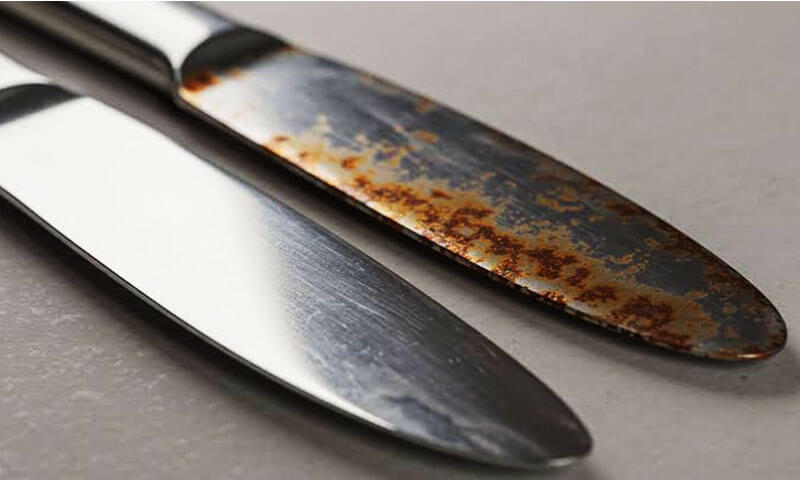
ቢሆንም, ምንም እንኳን ስሙ ቢሆንም, አይዝጌ ብረት ከዝገት ሙሉ በሙሉ አይከላከልም. በተወሰኑ ሁኔታዎች, ሊያበላሽ ይችላል, ጉድጓድ, ወይም ዝገት እንኳን, ሁለቱንም ገጽታ እና የምግብ ደህንነትን መጣስ.
"አይዝጌ" የሚለው ቃል የሚያመለክተው ቅይጥ በአብዛኛዎቹ የዕለት ተዕለት አካባቢዎች ውስጥ ማቅለሚያ እና መበላሸትን የመቋቋም ችሎታ ነው., አንድ ቀጭን ምስጋና, የማይታይ, እና እራሱን የሚጠግን የ chromium oxide ንብርብር.
ገና, ይህ ተከላካይ ንብርብር በአሰቃቂ ኬሚካሎች ሊጎዳ ወይም ሊጎዳ ይችላል, ሜካኒካል ጠለፋ, እና ተገቢ ያልሆነ እንክብካቤ.
ከዝገት በስተጀርባ ያለውን ሳይንስ መረዳት እና ተገቢ የመከላከያ ዘዴዎችን መቀበል የማይዝግ ብረት የጠረጴዛ ዕቃዎችን ረጅም ዕድሜ እና ደህንነትን ለማረጋገጥ አስፈላጊ ነው..
1. የማይዝግ ብረት ለምን ዝገትን ይቋቋማል?
ከማይዝግ ብረት ውስጥ የChromium ሚና
እጅግ በጣም ጥሩ የዝገት መቋቋም አይዝጌ ብረት በዋነኝነት የሚመጣው ክሮሚየም በመኖሩ ነው። (Cr).
የተለመደው የካርቦን ብረት በዋነኝነት በብረት እና በካርቦን የተዋቀረ ነው. ለኦክስጅን እና እርጥበት ሲጋለጥ, ብረት ከአካባቢው ጋር በቀላሉ ምላሽ በመስጠት የብረት ኦክሳይድን ይፈጥራል, በተለምዶ ዝገት በመባል ይታወቃል.
ይህ የዝገት ሂደት ብረቱን ያለማቋረጥ ይበላል ምክንያቱም የዛገቱ ንብርብር ለስላሳ ነው, ባለ ቀዳዳ, እና ዋናውን ቁሳቁስ ለመከላከል አልቻለም.
አይዝጌ ብረት በቂ ክሮሚየም ስላለው የተለየ ባህሪ አለው።, በተለምዶ ቢያንስ ስለ 10.5% ክሮሚየም በክብደት እንደ አይዝጌ ብረት ትርጉም.
ክሮሚየም ከኦክሲጅን ጋር በአካባቢው ምላሽ ሲሰጥ, እጅግ በጣም ቀጭን የሆነ የክሮሚየም ኦክሳይድ ሽፋን ይፈጥራል (ክሬም ₃) መሬት ላይ.
ይህ ተገብሮ ፊልም ውፍረት ጥቂት ናኖሜትሮች ብቻ ነው።, ግን ኃይለኛ ጥበቃን ይሰጣል.
የክሮሚየም ኦክሳይድ ፊልም በርካታ ጠቃሚ ባህሪያት አሉት:
- እጅግ በጣም ጥቅጥቅ ያለ መዋቅር
- በብረት ወለል ላይ ጠንካራ ማጣበቂያ
- የኬሚካል መረጋጋት
- ከትንሽ ጉዳት በኋላ እራሱን የመጠገን ችሎታ
ይህ ክስተት ይባላል መገደብ.
ተገብሮ ፊልሙ እንደ የማይታይ የመከላከያ እንቅፋት ሆኖ ይሰራል, ኦክስጅንን መከላከል, ውሃ, ክሎራይድ ions, እና ሌሎች የሚበላሹ ንጥረ ነገሮች ውስጣዊ የብረት አሠራሩን በተከታታይ ከማጥቃት.
ራስን የመፈወስ ዘዴ
ከማይዝግ ብረት ውስጥ በጣም አስደናቂ ከሆኑት ባህሪያት አንዱ የእሱ ነው ራስን መፈወስ ንብረት.
ተገብሮ ንብርብቱ ከተሳለ, ተደምስሷል, ወይም በአካባቢው ተጎድቷል, የተጋለጠው ክሮሚየም መከላከያውን የኦክሳይድ ንብርብር ለማሻሻል በአየር ውስጥ ወይም በአከባቢው አካባቢ ከኦክሲጅን ጋር ምላሽ ይሰጣል.
ይህ እድሳት በተለመደው የከባቢ አየር ሁኔታዎች ውስጥ ወዲያውኑ ይከሰታል, የሚለው ነው።:
- ኦክስጅን አለ.
- አካባቢው ከመጠን በላይ አይበላሽም.
- ተገብሮ ንብርብሩን ማሻሻል ከሚችለው በላይ ያለማቋረጥ አይጎዳም።.
ቁልፍ ግንዛቤ: ከማይዝግ ብረት የተሰራ የጠረጴዛ ዕቃዎች በየቀኑ ጥቅም ላይ በሚውሉበት እና በሚታጠቡበት ጊዜ እንኳን ከዝገት ነፃ ሆነው ሊቆዩ የሚችሉት ራስን የመፈወስ ዘዴ ነው ።.
2. ለጠረጴዛ ዕቃዎች በብዛት ጥቅም ላይ የሚውሉ የማይዝግ ብረት ደረጃዎች
ሁሉም አይዝጌ ብረት ደረጃዎች ለጠረጴዛ ዕቃዎች ተስማሚ አይደሉም.
ምንም እንኳን አይዝጌ ብረት እንደ ቁሳቁስ ቤተሰብ በጣም ጥሩ የዝገት መቋቋምን ይሰጣል, የተለያዩ ደረጃዎች በቅይጥ ስብጥር ውስጥ ጉልህ ልዩነቶች አሏቸው, የቆርቆሮ አፈፃፀም, ሜካኒካል ባህሪያት, ወጪ, እና ለምግብ ግንኙነት አካባቢዎች ተስማሚነት.
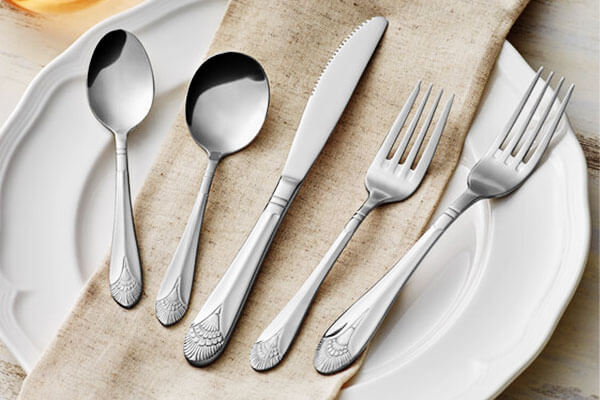
አብዛኛዎቹ ከማይዝግ ብረት የተሰሩ የጠረጴዛ ዕቃዎች የተሠሩት ከ austenitic የማይዝግ ብረቶች በ ውስጥ 300 ተከታታይ, በተለይ 304 እና 316 አይዝጌ ብረት, ምክንያቱም እነዚህ ደረጃዎች በጣም ጥሩ የሆነ የዝገት መቋቋም ሚዛን ይሰጣሉ, ንፅህና, ፎርማሊቲ, እና ዘላቂነት.
ለበለጠ ኢኮኖሚያዊ ምርቶች, ፌሪቲክ 430 አይዝጌ ብረት እና አንዳንድ ዝቅተኛ-ኒኬል ደረጃዎች እንደ 201 አይዝጌ ብረት በተጨማሪም ጥቅም ላይ ይውላሉ.
የአይዝጌ ብረት ደረጃ ምርጫ በቀጥታ የምርቱን አገልግሎት ህይወት ይነካል, የጨው እና የአሲድ ምግቦችን መቋቋም, የገጽታ ገጽታ, እና የረጅም ጊዜ ደህንነት.
| አይዝጌ ብረት ደረጃ | የዝገት መቋቋም | ቁልፍ ባህሪያት | የተለመዱ የጠረጴዛ ዕቃዎች መተግበሪያዎች |
| 304 አይዝጌ ብረት | በውሃ ላይ እጅግ በጣም ጥሩ የመቋቋም ችሎታ, የምግብ አሲዶች, እና በየቀኑ የቤት ውስጥ አከባቢዎች | በብዛት ጥቅም ላይ የዋለው የምግብ ደረጃ አይዝጌ ብረት. በጣም ጥሩ የዝገት መከላከያ ሚዛን ያቀርባል, ጥንካሬ, ፎርማሊቲ, ብየዳ, እና ወጪ. በተዳከመ ሁኔታ ውስጥ መግነጢሳዊ ያልሆነ. | መቁረጫ, ማንኪያዎች, ሹካዎች, ቢላዋዎች, ጎድጓዳ ሳህኖች, ሳህኖች, ኩባያዎች, የምግብ ማብሰያ እቃዎች, የምሳ ዕቃዎች, ቴርሞስ ጠርሙሶች |
| 304L የማይሽከረከር ብረት | ተመሳሳይ 304 ብየዳ በኋላ intergranular ዝገት ወደ የተሻሻለ የመቋቋም ጋር | ዝቅተኛ የካርቦን ስሪት 304. በተበየደው መዋቅሮች ውስጥ የተሻለ weldability እና የተሻሻለ ዝገት መረጋጋት ያቀርባል. | የተጣጣሙ የምግብ መያዣዎች, ትልቅ አይዝጌ ብረት ዕቃዎች, የማከማቻ መያዣዎች, ብጁ የጠረጴዛ ዕቃዎች |
| 316 አይዝጌ ብረት | የላቀ መቋቋም, በተለይም በክሎራይድ ምክንያት በሚፈጠር የፒቲንግ ዝገት ላይ | ሞሊብዲነም መጨመር የጨው መቋቋምን በእጅጉ ያሻሽላል, የባህር ውሃ, እና ኬሚካዊ አከባቢዎች. በአስፈላጊ ሁኔታዎች ውስጥ ረጅም የአገልግሎት አገልግሎት ይሰጣል. | ፕሪሚየም ማብሰያ እቃዎች, ከፍተኛ-ደረጃ መቁረጫዎች, ሙያዊ የወጥ ቤት እቃዎች, ልዩ የምግብ ግንኙነት ምርቶች |
316L የማይሽከረከር ብረት |
የተሻሻለ ዌልድ ዝገት አፈጻጸም ጋር በጣም ጥሩ ዝገት የመቋቋም | ዝቅተኛ የካርቦን ስሪት 316. በተበየደው አካባቢ የዝገት አደጋን በሚቀንስበት ጊዜ እጅግ በጣም ጥሩ የክሎራይድ መቋቋምን ይጠብቃል።. | ከፍተኛ-ደረጃ የጠረጴዛ ዕቃዎች, የተጣጣሙ የምግብ መያዣዎች, የሕክምና-ደረጃ ዕቃዎች, የመድሃኒት እና የምግብ ማቀነባበሪያ መሳሪያዎች |
| 430 አይዝጌ ብረት | መጠነኛ የዝገት መቋቋም | ዝቅተኛ ዋጋ እና መግነጢሳዊ ባህሪያት ያለው ፌሪቲክ አይዝጌ ብረት. በመለስተኛ አካባቢዎች ውስጥ ተቀባይነት ያለው የዝገት መቋቋምን ያቀርባል ነገር ግን ከመቋቋም ያነሰ ነው። 304 እና 316. | የበጀት መቁረጫዎች, በማገልገል ላይ ማንኪያዎች, ትሪዎች, የጌጣጌጥ የጠረጴዛ ዕቃዎች, የወጥ ቤት እቃዎች |
| 201 አይዝጌ ብረት | ከመካከለኛ እስከ ውሱን የዝገት መቋቋም 304 | የቁሳቁስ ወጪን ለመቀነስ ዝቅተኛ የኒኬል አይዝጌ ብረት የተሰራ. ማንጋኒዝ የኒኬል ይዘቱን በከፊል ይተካዋል, ዝቅተኛ የዝገት መቋቋም እና ዘላቂነት ያስከትላል. | ኢኮኖሚያዊ የጠረጴዛ ዕቃዎች, አነስተኛ ዋጋ ያላቸው እቃዎች, አነስተኛ ፍላጎት ላላቸው መተግበሪያዎች ምርቶች |
3. ለምን የማይዝግ ብረት Tableware Corrodes: መንስኤዎች እና ዘዴዎች
ምንም እንኳን አይዝጌ አረብ ብረት በጥሩ የዝገት መቋቋም በሰፊው የሚታወቅ ቢሆንም, "አይዝጌ" የሚለው ቃል ቁሱ ከዝገት ሙሉ በሙሉ ይከላከላል ማለት አይደለም.
አይዝጌ ብረት ዝገትን መቋቋም ይችላል ምክንያቱም በላዩ ላይ ተገብሮ ክሮምሚየም ኦክሳይድ ፊልም ስለተፈጠረ, ነገር ግን ይህ የመከላከያ ሽፋን የተወሰኑ ገደቦች አሉት.
በማይመች ሁኔታ ውስጥ, ተገብሮ ፊልም ሊጎዳ ይችላል, ተዳክሟል, ወይም በአካባቢው ተደምስሷል, የዝገት ምላሾች እንዲፈጠሩ መፍቀድ.
ለአይዝጌ ብረት የጠረጴዛ ዕቃዎች, ዝገት በአብዛኛው የሚከሰተው በአንድ ነጠላ ምክንያት አይደለም. ይልቁንም, መካከል ያለው መስተጋብር ውጤት ነው። የቁሳቁስ ጥራት, የኬሚካል መጋለጥ, የመሬት ላይ ሁኔታ, እና የአጠቃቀም አካባቢ.
ተስማሚ የማይዝግ ብረት ደረጃዎችን ለመምረጥ እና የረጅም ጊዜ አፈፃፀምን ለመጠበቅ እነዚህን ዘዴዎች መረዳት በጣም አስፈላጊ ነው.
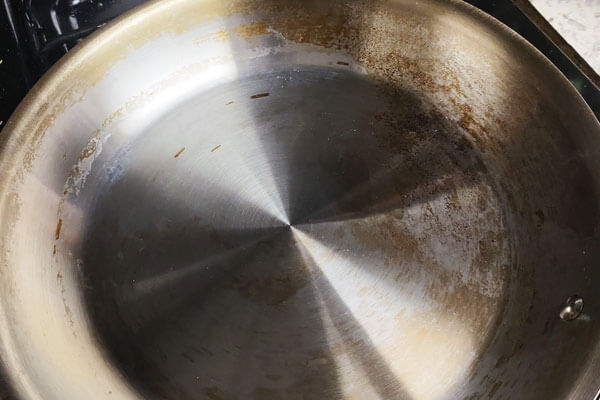
የቁሳቁስ ጥራት እና ቅይጥ ቅንብር: የዝገት መከላከያ ፋውንዴሽን
ከማይዝግ ብረት የተሰራ የጠረጴዛ ዕቃዎች ዝገት መቋቋም የሚጀምረው በራሱ ጥሬ እቃ ጥራት ነው.
ከፍተኛ ጥራት ያለው አይዝጌ ብረት ደረጃ የተረጋጋ ተገብሮ ፊልም ለመጠበቅ በተመጣጣኝ ኬሚካላዊ ቅንብር እና አንድ ወጥ የሆነ የብረታ ብረት መዋቅር ላይ የተመሰረተ ነው..
Chromium ለማለፍ ኃላፊነት ያለው ቁልፍ አካል ነው።. አይዝጌ ብረት በቂ ክሮሚየም ሲይዝ, ጥቅጥቅ ያለ ክሮሚየም ኦክሳይድ (ክሬም ₃) ንብርብር በተፈጥሮው ላይ ላዩን ይፈጥራል እና የታችኛውን ብረት ይከላከላል.
ቢሆንም, የ chromium ይዘት በቂ ካልሆነ, እኩል ያልሆነ ተሰራጭቷል, ወይም በቆሻሻዎች ተጎድቷል, መከላከያው ፊልም ያልተረጋጋ እና ለዝገት የበለጠ ተጋላጭ ሊሆን ይችላል.
ዝቅተኛ ጥራት ያለው አይዝጌ ብረት ምርቶች ብዙውን ጊዜ ይይዛሉ:
- በቂ ያልሆነ የክሮሚየም ይዘት
- ከመጠን በላይ ቆሻሻዎች
- ብረት ያልሆነ ማካካሻ
- ደካማ የብረታ ብረት ተመሳሳይነት
እነዚህ ጉድለቶች በላዩ ላይ የአካባቢያዊ ደካማ ነጥቦችን ሊፈጥሩ ይችላሉ. በእነዚህ ቦታዎች, በቆሻሻ ቦታዎች እና በዙሪያው ባለው አይዝጌ ብረት ማትሪክስ መካከል ጥቃቅን ኤሌክትሮኬሚካል ሴሎች ሊፈጠሩ ይችላሉ።.
ብዙም ያልተረጋጉ ክልሎች የብረት መሟሟት መጀመሪያ የሚከሰትባቸው አኖዲክ ዞኖች ይሆናሉ, ቀስ በቀስ ወደ የሚታዩ ዝገት ቦታዎች በማደግ ላይ.
በጠረጴዛ ዕቃዎች ገበያ ውስጥ አንድ የተለመደ ጉዳይ ከፍተኛ አፈጻጸም ባላቸው ቁሳቁሶች ለገበያ የሚቀርቡ ዝቅተኛ ዋጋ ያላቸው አይዝጌ ብረት ደረጃዎችን መጠቀም ነው።.
ለምሳሌ, አንዳንድ ኢኮኖሚያዊ ምርቶች ይጠቀማሉ 201 አይዝጌ ብረት, የተቀነሰ የኒኬል ይዘት ያለው ማንጋኒዝ-ተኮር ቅይጥ, ነገር ግን በስህተት ነው እንደ 304 አይዝጌ ብረት.
ከእውነተኛ ጋር ሲነጻጸር 304 አይዝጌ ብረት, ዝቅተኛ-ኒኬል ደረጃዎች በአጠቃላይ አላቸው:
- ተገብሮ የፊልም መረጋጋት ቀንሷል
- ለክሎራይድ ዝገት ዝቅተኛ መቋቋም
- ለአሲዳማ አካባቢዎች ከፍተኛ ተጋላጭነት
በውጤቱም, ከዝቅተኛ ቁሳቁሶች የተሠሩ ምርቶች በአንጻራዊ ሁኔታ በአጭር ጊዜ የቤት ውስጥ ጥቅም ላይ ከዋሉ በኋላ ቀለም ወይም የዝገት ነጠብጣቦች ሊፈጠሩ ይችላሉ.
በተቃራኒው, ትክክለኛ 304 ወይም 316 አይዝጌ ብረት ከተገቢው ቅንብር እና የገጽታ አጨራረስ የበለጠ የተረጋጋ ተገብሮ ሽፋን እና ጉልህ የሆነ የዝገት መቋቋምን ይሰጣል.
በክሎራይድ የተፈጠረ የፒቲንግ ዝገት: ለአይዝጌ ብረት በጣም የተለመደው ስጋት
ከማይዝግ ብረት የተሰራ የጠረጴዛ ዕቃዎች ላይ ተጽዕኖ ከሚያሳድሩ ሁሉም የአካባቢ ሁኔታዎች መካከል, ክሎራይድ ions (CL⁻) በጣም ኃይለኛ የዝገት ቀስቅሴዎች እንደ አንዱ ይቆጠራሉ።.
ክሎራይዶች እንደ ዕለታዊ ንጥረ ነገሮች ውስጥ በብዛት ይገኛሉ:
- የጠረጴዛ ጨው (ሶዲየም ክሎራይድ)
- እኔ ዊሎው ነኝ
- የታሸጉ ምግቦች
- ጨዋማ የባህር ምግቦች
- የባህር አየር እና የባህር ዳርቻ አካባቢዎች
- አንዳንድ የጽዳት ኬሚካሎች
ከብዙ ሌሎች ብከላዎች በተለየ, ክሎራይድ ions ወደ ደካማው የፓሲቭ ፊልም ክፍል ውስጥ ዘልቀው በመግባት መከላከያውን የክሮሚየም ኦክሳይድ ሽፋንን ያጠፋሉ.
የታችኛው ብረት ከተጋለጡ በኋላ, የተተረጎመ ዝገት ይጀምራል.
ይህ ዓይነቱ ዝገት በመባል ይታወቃል ማሰሪያ ማጉደል.
የፒቲንግ ዝገት አደገኛ ባህሪ በጣም የተተረጎመ ነው. ላይ ላዩን ከሞላ ጎደል መደበኛ ሊመስል ይችላል።, ትናንሽ ጉድጓዶች ቀስ በቀስ ከመሬት በታች ይገነባሉ.
የዝገቱ ሂደት በተለምዶ በርካታ ደረጃዎችን ይከተላል:
- ክሎራይድ ions በአይዝጌ ብረት ላይ ይሰበስባሉ.
- ተገብሮ ፊልሙ ተጋላጭ በሆኑ ቦታዎች ላይ ይሰበራል።.
- የተጋለጠው ብረት መሟሟት ይጀምራል.
- የዝገቱ ጉድጓድ በኬሚካል የበለጠ ጠበኛ ይሆናል.
- ዝገት ያፋጥናል እና ወደ ጥልቀት ይገባል.
የዝገት ጉድጓድ ውስጥ, የብረት መሟሟት ተጨማሪ የክሎራይድ ionዎችን የሚስብ አሲዳማ አካባቢ ይፈጥራል.
ይህ ራስ-ካታሊቲክ ሂደትን ይፈጥራል, የዝገት ምላሽ ተጨማሪ ዝገትን የሚያፋጥኑ ሁኔታዎችን ያበረታታል።.
ይህ በባህር ዳርቻ ክልሎች ውስጥ ጥቅም ላይ የሚውሉ የማይዝግ ብረት ምርቶች ብዙውን ጊዜ ፈጣን ዝገትን የሚያጋጥማቸው ለምን እንደሆነ ያብራራል.
በእርጥበት አየር የተሸከሙት የጨው ቅንጣቶች ያለማቋረጥ በላዩ ላይ ይቀመጣሉ።, ተገብሮ ፊልምን በተደጋጋሚ መቃወም.
ለቤት የጠረጴዛ ዕቃዎች, ከክሎራይድ ጋር የተያያዘ ዝገት ከሚከሰቱት በጣም የተለመዱ መንስኤዎች አንዱ ጨዋማ ምግብን ከማይዝግ ብረት የተሰራ እቃ ውስጥ ለረጅም ጊዜ ያለ ጽዳት መተው ነው።.
አልፎ አልፎ የሚደረግ ግንኙነት ብዙውን ጊዜ ምንም ጉዳት የለውም, ነገር ግን ለረጅም ጊዜ መጋለጥ የዝገት አደጋን በእጅጉ ይጨምራል.
የአሲዳማ ምግብ ተጋላጭነት እና ተገብሮ ፊልም መበስበስ
አይዝጌ ብረት የጠረጴዛ ዕቃዎች በየቀኑ ጥቅም ላይ በሚውሉበት ጊዜ ለአሲድ ምግቦች እና መጠጦች በተደጋጋሚ ይጋለጣሉ.
ምንም እንኳን አብዛኛዎቹ የምግብ አሲዶች በአንጻራዊነት ቀላል ናቸው, ረዘም ላለ ጊዜ መገናኘት ቀስ በቀስ በፊልሙ ላይ ተጽዕኖ ሊያሳድር ይችላል።.
የተለመዱ የአሲድ ንጥረ ነገሮች ያካትታሉ:
- ኮምጣጤ አሴቲክ አሲድ የያዘ
- ሲትሪክ አሲድ የያዙ የሎሚ ፍራፍሬዎች
- ኦርጋኒክ አሲዶች የያዙ ቲማቲሞች
- ላቲክ አሲድ የያዙ የወተት ምርቶች
እነዚህ አሲዶች የ chromium oxide ንብርብር መረጋጋት ሊቀንስ ይችላል, በተለይም ተጋላጭነት ከተራዘመ ወይም ከፍ ካለ የሙቀት መጠን ጋር ሲጣመር.
ለምሳሌ, በሆምጣጤ ላይ የተመሰረቱ ድስቶችን በአይዝጌ ብረት ማጠራቀሚያዎች ውስጥ ለብዙ ቀናት ማከማቸት በምግብ ወቅት አንድ አይነት ምግብን ለአጭር ጊዜ ከማቅረብ የበለጠ ኃይለኛ አካባቢን ይፈጥራል.
በተመሳሳይ, በአይዝጌ ብረት ማብሰያ ውስጥ አሲዳማ ምግቦችን ማሞቅ የኬሚካላዊ እንቅስቃሴን ይጨምራል እና የገጽታ ምላሽን ያፋጥናል.
የረጅም ጊዜ የአሲድ መጋለጥ የተለመዱ ውጤቶች ያካትታሉ:
- የገጽታ ብሩህነት ማጣት
- የተቀነሰ አንጸባራቂ
- የገጽታ ቀለም መቀየር
- ለዝገት ተጋላጭነት መጨመር
በከባድ ሁኔታዎች, ቀጣይነት ያለው የአሲድ መጋለጥ ከማይዝግ ብረት ወለል ላይ የብረት ions ልቀት ሊጨምር ይችላል.
ቢሆንም, በተለመደው የቤተሰብ ሁኔታ, ከፍተኛ ጥራት ያለው 304 እና 316 አይዝጌ ብረት ለተለመዱ የምግብ አሲዶች በጣም የሚከላከል ሆኖ ይቆያል.
ዋናው ጉዳይ የአጭር ጊዜ ግንኙነት አይደለም።, ነገር ግን በትክክል ሳይጸዳ በተደጋጋሚ እና ለረጅም ጊዜ መጋለጥ.
ሜካኒካል ጉዳት: ቧጨራዎች የዝገት ስጋትን እንዴት ይጨምራሉ
ከማይዝግ ብረት የተሰራ ፓሲቭ ፊልም እጅግ በጣም ቀጭን ነው።, እና ምንም እንኳን በተፈጥሮው እራሱን መጠገን ይችላል, ተደጋጋሚ የሜካኒካል ጉዳት የመከላከያውን ውጤታማነት ሊቀንስ ይችላል.
ከማይዝግ ብረት የተሰሩ የጠረጴዛ ዕቃዎች ውስጥ ያለጊዜው ዝገት ከሚያስከትሉት በጣም የተለመዱ ምክንያቶች አንዱ ተገቢ ያልሆነ ጽዳት ነው።.
ምሳሌዎች ያካትታሉ:
- የብረት ሱፍ
- ጠንካራ የጠለፋ ንጣፎች
- የብረት መጥረጊያዎች
- ሻካራ ማጽጃ መሳሪያዎች
እነዚህ ዘዴዎች ግትር የሆኑ የምግብ ቅሪቶችን ማስወገድ ይችላሉ, ነገር ግን በአይዝጌ አረብ ብረት ላይ ጥቃቅን ጭረቶችን ይፈጥራሉ.
የተቧጨረው ገጽ የበለጠ ተጋላጭ ነው ምክንያቱም:
- የመከላከያ ፊልም በአካባቢው ተጎድቷል.
- ጨካኝ አካባቢዎች የምግብ ቅንጣቶችን እና የጨው ቀሪዎችን ይይዛሉ.
- ክሪቪስ ኦክሲጅን እጥረት ያለበት አካባቢ ይፈጥራል.
- የአካባቢያዊ ዝገት ሴሎች ሊዳብሩ ይችላሉ.
ምንም እንኳን ተገብሮ ፊልም ከትንሽ ጭረቶች በኋላ እንደገና ሊፈጠር ይችላል, ጥልቀት ያለው የሜካኒካዊ ጉዳት ዝገት በተደጋጋሚ ሊጀምር የሚችልባቸውን ቦታዎች ይፈጥራል.
በጊዜ ሂደት, አዘውትሮ ማጽጃ ማጽዳት ሊያስከትል ይችላል:
- የገጽታ ብሩህነት ማጣት
- የገጽታ ሸካራነት መጨመር
- የበለጠ የሚታይ ማቅለሚያ
- የአካባቢ ዝገት ምስረታ
ስለዚህ, ከማይዝግ ብረት የተሰራ የጠረጴዛ ዕቃዎች ለስላሳ ቁሶች እና ለስላሳ ሳሙናዎች በመጠቀም ማጽዳት አለባቸው የፓሲቭ ንብርብሩን ትክክለኛነት ለመጠበቅ..
የመሬት ላይ ብክለት እና የውጭ ብረት ቅንጣቶች
ሌላው በተደጋጋሚ ያልተረዳው የማይዝግ ብረት ዝገት ምክንያት የውጭ ብክለት ነው።.
አንዳንድ ጊዜ አይዝጌ ብረት እራሱ አይበላሽም. ይልቁንም, ከውጭ ምንጮች የሚመጡ ትናንሽ የብረት ብናኞች ወደ ላይ ይጣበቃሉ እና ዝገት ይጀምራሉ.
የተለመዱ ምንጮች ያካትታሉ:
- የካርቦን ብረት ማጽጃ መሳሪያዎች
- የብረት ሱፍ ቁርጥራጮች
- የብረታ ብረት ማቀነባበሪያ አቧራ
- የግንባታ ፍርስራሾች
እነዚህ የብረት ብናኞች እርጥበት በሚኖርበት ጊዜ በፍጥነት ኦክሳይድ እና በአይዝጌ ብረት ላይ የዝገት ቀለም ያላቸው ቀለሞችን ይፈጥራሉ.
የዚህ ዓይነቱ ብክለት በአብዛኛው በተገቢው ጽዳት ሊወገድ ይችላል ምክንያቱም ዋናው አይዝጌ ብረት ሳይበላሽ ሊቆይ ይችላል.
ቢሆንም, ለረጅም ጊዜ ብክለት ችላ ከተባለ, የዝገት ምርቶች ከሥሮቻቸው ያለውን ተገብሮ ፊልም ሊጎዱ እና በመጨረሻም ወደ ትክክለኛው አይዝጌ ብረት ዝገት ይመራሉ.
4. አይዝጌ ብረት የጠረጴዛ ዕቃዎችን ከዝገት እንዴት መጠበቅ እንደሚቻል
አይዝጌ ብረት የጠረጴዛ ዕቃዎች ለረጅም ጊዜ የመቆየት እና የዝገት መቋቋምን ለማቅረብ የተነደፉ ናቸው, ነገር ግን አፈፃፀሙ በተገቢው አጠቃቀም እና ጥገና ላይ በእጅጉ ይወሰናል.
ምንም እንኳን አይዝጌ ብረት በተፈጥሮ መከላከያውን ክሮሚየም ኦክሳይድ ተገብሮ ፊልሙን መጠገን ይችላል።, ለጥቃት አካባቢዎች የማያቋርጥ መጋለጥ, ተገቢ ያልሆነ የጽዳት ዘዴዎች, ወይም የገጽታ ጉዳት ቀስ በቀስ የዝገት መቋቋምን ሊቀንስ ይችላል።.
ውጤታማ ጥበቃ ውስብስብ ሂደቶችን አይጠይቅም.
ዋናዎቹ መርሆዎች ቀላል ናቸው: የመተላለፊያውን ንብርብር ትክክለኛነት ይጠብቁ, የሚበላሹ ንጥረ ነገሮችን ማከማቸትን ይከላከሉ, የሜካኒካዊ ጉዳትን ያስወግዱ, እና ንጹሕ እና ደረቅ ላይ ላዩን ጠብቅ.
4.1 ትክክለኛ የጽዳት ዘዴዎች: የፓሲቭ ፊልምን መጠበቅ
ማጽዳት ከማይዝግ ብረት የተሰራ የጠረጴዛ ዕቃዎች እና ውጫዊ አካባቢ መካከል በጣም ተደጋጋሚ መስተጋብር ነው.
የማጽዳት ግብ የምግብ ቅሪቶችን ማስወገድ ብቻ ሳይሆን ተገብሮ የክሮሚየም ኦክሳይድ ሽፋንን ለመጠበቅ ጭምር ነው..
የሚመከር የጽዳት ዘዴ መጠቀም ነው ሙቅ ውሃ, መለስተኛ ሳሙና, እና የማይበላሹ የጽዳት መሳሪያዎች.
እነዚህ ዘዴዎች ቅባትን በተሳካ ሁኔታ ያስወግዳሉ, የምግብ ቅንጣቶች, እና ከማይዝግ ብረት የተሰራውን ገጽ ላይ ጉዳት ሳያስከትል ነጠብጣብ.
| የጽዳት ዘዴ | ተስማሚ መተግበሪያዎች | በቆርቆሮ መቋቋም ላይ ተጽእኖ |
| ሞቅ ያለ ውሃ በትንሽ ሳሙና | ሁሉንም ከማይዝግ ብረት የተሰራ የጠረጴዛ ዕቃዎች በየቀኑ ማጽዳት | የመተላለፊያው ንብርብር መረጋጋትን በሚጠብቅበት ጊዜ ብክለትን ያስወግዳል |
| ለስላሳ ስፖንጅ ወይም ማይክሮፋይበር ጨርቅ | ጎድጓዳ ሳህኖች አጠቃላይ ጽዳት, መቁረጫዎች, የምግብ ማብሰያ እቃዎች, እና መያዣዎች | የዝገት ማስጀመሪያ ነጥቦች ሊሆኑ የሚችሉ ጭረቶችን ይከላከላል |
| ለስላሳ ናይሎን ብሩሽ | ጉድጓዶችን ማጽዳት, ጠርዞች, እና ለመድረስ አስቸጋሪ የሆኑ ቦታዎች | የታሰሩ ቅሪቶችን ያስወግዳል እና የመበስበስ አደጋን ይቀንሳል |
ቤኪንግ ሶዳ ለጥፍ |
ግትር ነጠብጣቦችን ወይም የገጽታ ቀለምን ማስወገድ | የተገደበ የገጽታ መሸርሸር ለስላሳ የጽዳት እርምጃ ያቀርባል |
| የተቀላቀለ ነጭ ኮምጣጤ መፍትሄ | የማዕድን ክምችቶችን እና የውሃ ቦታዎችን ማስወገድ | ለአጭር ጊዜ አጠቃቀም ውጤታማ; በኋላ በደንብ መታጠብ ያስፈልገዋል |
| የንግድ አይዝጌ ብረት ማጽጃ | የላይኛውን ብሩህነት ወደነበረበት መመለስ እና እድፍ ማስወገድ | በትክክል ጥቅም ላይ ሲውል መሬቱን በከፍተኛ ሁኔታ ሳይጎዳ ለማጽዳት የተነደፈ |
ለዕለታዊ ጥገና, መለስተኛ ማጽዳት አብዛኛውን ጊዜ በቂ ነው.
አይዝጌ ብረት ኃይለኛ ማፅዳትን ወይም ጠንካራ የኬሚካል ሕክምናን አይፈልግም ምክንያቱም ከመጠን በላይ የማጽዳት ኃይል የዝገት መቋቋምን የሚሰጠውን በጣም ተከላካይ ንብርብር ሊጎዳ ይችላል..
መወገድ ያለባቸው የጽዳት ዘዴዎች
አንዳንድ የጽዳት ልምዶች ውጤታማ ሊመስሉ ይችላሉ ነገር ግን በጊዜ ሂደት ዝገትን ሊያፋጥኑ ይችላሉ.
የአረብ ብረት ሱፍ እና አሻሚ ስኮርኪንግ ፓድ
የአረብ ብረት ሱፍ እና ሻካራ ገላጭ ንጣፎች በአይዝጌ ብረት ወለል ላይ በአጉሊ መነጽር የሚታዩ ጭረቶችን ይፈጥራሉ.
እነዚህ ጭረቶች ተገብሮ ፊልሙን ያበላሻሉ እና ክሎራይድ ions ያሉበትን ቦታዎች ይፈጥራሉ, የምግብ ቅሪት, እና እርጥበት ሊከማች ይችላል.
በክሎሪን ላይ የተመሰረተ ብሊች
ክሎራይድ የያዙ ማጽጃዎች በተለይ ጎጂ ናቸው ምክንያቱም ክሎራይድ ionዎች ተገብሮ ፊልሙን ሊያጠቁ እና የጉድጓድ ዝገትን ያስከትላሉ።.
ብሊች ለተለመደው ከማይዝግ ብረት የተሰራ የጠረጴዛ ዕቃዎችን ለማጽዳት ጥቅም ላይ መዋል የለበትም.
ጠንካራ የአሲድ ወይም የአልካላይን ማጽጃዎች
ከፍተኛ አሲድ ያላቸው ማጽጃዎች, የተጠናከረ ኮምጣጤ መፍትሄዎች, እና ኃይለኛ የኬሚካል ማጽጃዎች ተገብሮ ፊልሙን ሊያዳክሙ ይችላሉ, በተለይም ለረጅም ጊዜ ግንኙነት.
በአሞኒያ ላይ የተመሰረቱ ማጽጃዎች
ምንም እንኳን አሞኒያ ለአንዳንድ የቤት ውስጥ ጽዳት ስራዎች ውጤታማ ቢሆንም, ተገቢ ያልሆነ አጠቃቀም የገጽታውን ገጽታ ሊጎዳ እና ከሌሎች ኬሚካላዊ ቅሪቶች ጋር አሉታዊ ግንኙነት ሊፈጥር ይችላል።.
4.2 ትክክለኛ ማድረቅ: የውሃ ቦታዎችን እና የአካባቢ ብክለትን መከላከል
ካጸዱ በኋላ, ማድረቅ ልክ እንደ መታጠብ አስፈላጊ ነው. ውሃ ራሱ በተለምዶ አይዝጌ ብረት አይበላሽም።, ነገር ግን ቀሪው እርጥበት የተሟሟትን ማዕድናት ሊተው ይችላል, ጨው, እና ብክለት.
ውሃ ቀስ ብሎ ሲተን, እንደ ካልሲየም እና ማግኒዚየም ያሉ ማዕድናት በላዩ ላይ ሊቆዩ ይችላሉ, የውሃ ቦታዎችን መፍጠር.
እነዚህ ክምችቶች እርጥበትን ይይዛሉ እና ለዝገት ምቹ የሆኑ አካባቢያዊ አካባቢዎችን ይፈጥራሉ.
የሚመከረው አሰራር ከማይዝግ ብረት የተሰራ የጠረጴዛ ዕቃዎችን ከታጠበ በኋላ ወዲያውኑ ማፅዳት ነው, ለስላሳ ልብስ.
| የማድረቅ ዘዴ | ሊከሰት የሚችል ውጤት | ምክር |
| ተፈጥሯዊ አየር ማድረቅ | የውሃ ቦታዎችን እና የማዕድን ክምችቶችን ሊተው ይችላል | ለአጭር ጊዜ ተቀባይነት ያለው, ግን ለረጅም ጊዜ ማከማቻ ተስማሚ አይደለም |
| ለስላሳ ፎጣ ማድረቅ | እርጥበትን ያስወግዳል እና የማዕድን ክምችት እንዳይፈጠር ይከላከላል | ለዕለታዊ አጠቃቀም የሚመከር ዘዴ |
| ከፍተኛ ሙቀት ማድረቅ | የሙቀት ለውጥ ወይም የገጽታ ለውጦችን ሊያስከትል ይችላል። | ከመጠን በላይ ሙቀትን ያስወግዱ |
ለዋና አይዝጌ ብረት የጠረጴዛ ዕቃዎች, በተለይም የተጣራ ንጣፎች, ወዲያውኑ ማድረቅ የዝገት መቋቋም እና ገጽታን ለመጠበቅ ይረዳል.
4.3 ትክክለኛ ማከማቻ: የአካባቢ ብክለት ስጋቶችን መቀነስ
የማከማቻ ሁኔታዎች ከማይዝግ ብረት የተሰራ የጠረጴዛ ዕቃዎች የረጅም ጊዜ አፈፃፀም ላይ ከፍተኛ ተጽዕኖ ያሳድራሉ.
ከፍተኛ ጥራት ያለው አይዝጌ ብረት እንኳን እርጥበት ውስጥ ከተከማቸ ዝገት ሊያጋጥመው ይችላል።, የተበከለ, ወይም በኬሚካዊ ጠበኛ አካባቢዎች.
ተስማሚ የማከማቻ አካባቢ መሆን አለበት:
- ደረቅ
- ንጹህ
- በደንብ አየር የተሞላ
- ከሚበላሹ ኬሚካሎች የጸዳ
ከማይዝግ ብረት የተሰሩ ምርቶችን ሲያከማቹ, በርካታ ልምዶችን መከተል አለባቸው.
ከጨው እና አሲዳማ ምግቦች ጋር የረጅም ጊዜ ግንኙነትን ያስወግዱ
ጨው እና አሲዳማ ንጥረ ነገሮች ከማይዝግ ብረት ውስጥ በጣም የተለመዱ መንስኤዎች መካከል ናቸው.
እንደ ምግብ ያሉ ምግቦች:
- የታሸጉ አትክልቶች
- ጨዋማ የባህር ምግቦች
- ኮምጣጤ ላይ የተመሰረቱ ድስቶች
- Citrus ላይ የተመሰረቱ ምግቦች
ከማይዝግ ብረት የተሰሩ እቃዎች ውስጥ ለረጅም ጊዜ መቀመጥ የለበትም.
ለረጅም ጊዜ ማከማቻ, የመስታወት ወይም የሴራሚክ ማጠራቀሚያዎች ብዙውን ጊዜ የተሻሉ ምርጫዎች ናቸው, ምክንያቱም በኬሚካላዊ ሁኔታ የማይነቃቁ ናቸው.
ከተለያዩ ብረቶች ጋር መገናኘትን ይከላከሉ
አይዝጌ ብረት እርጥበት በሚኖርበት ጊዜ ከሌሎች ብረቶች ጋር ሲገናኝ, ኤሌክትሮኬሚካላዊ ምላሾች ሊከሰቱ ይችላሉ. ይህ ክስተት በመባል ይታወቃል የ galvanic ዝገት.
ለምሳሌ, አይዝጌ ብረት መቁረጫዎችን ከካርቦን ብረት መሳሪያዎች ወይም ከአሉሚኒየም ምርቶች ጋር እርጥብ በሆነ አካባቢ ማከማቸት ዝገትን ያፋጥናል.
መለያዎችን መጠቀም, የጨርቅ መከፋፈያዎች, ወይም ደረቅ የማከማቻ ክፍሎች ይህንን አደጋ ለመቀነስ ይረዳሉ.
በማከማቻ ጊዜ የሜካኒካዊ ጉዳት መከላከል
በተደራረቡ ዕቃዎች መካከል ተደጋጋሚ ግጭት ጭረቶችን ይፈጥራል. እነዚህ የተበላሹ ቦታዎች ለዝገት የበለጠ ተጋላጭ ይሆናሉ.
መጠቀም:
- ለስላሳ ጨርቅ መለያዎች
- የወረቀት ፎጣዎች
- የወሰኑ መቁረጫ አዘጋጆች
የተንቆጠቆጡ ቦታዎችን መጠበቅ እና መልክን መጠበቅ ይችላል.
4.4 ስሜታዊነት: አይዝጌ ብረት ዝገት መቋቋምን ወደነበረበት መመለስ
Passivation የገጽታ ብክለትን በማስወገድ እና ይበልጥ ወጥ የሆነ የክሮሚየም ኦክሳይድ ተገብሮ ሽፋን እንዲፈጠር በማስተዋወቅ የማይዝግ ብረትን የዝገት የመቋቋም አቅም ለማሳደግ የሚያገለግል ኬሚካላዊ ሕክምና ነው።.
በኢንዱስትሪ ምርት ውስጥ, ማለፊያ በተለምዶ የሚከናወነው ከማሽን በኋላ ነው።, ብየዳ, ማበጠር, ወይም የማምረት ሂደቶች. ነፃ የብረት ብናኞችን ያስወግዳል እና የገጽታ መረጋጋትን ያሻሽላል.
ለአይዝጌ ብረት የጠረጴዛ ዕቃዎች, በተለመደው የቤተሰብ ሁኔታ ውስጥ መሞት ብዙውን ጊዜ አላስፈላጊ ነው።.
ቢሆንም, ምርቶች ከባድ ነጠብጣብ ሲያጋጥማቸው ጠቃሚ ሊሆን ይችላል, መበከል, ወይም የገጽታ ዝገት.
የተለመዱ የመተላለፊያ ዘዴዎች ያካትታሉ:
| የመተላለፊያ ዘዴ | መተግበሪያ | የሥራ መርህ |
| የሲትሪክ አሲድ ማለፊያ | መለስተኛ የላይኛው ብክለት ወይም ቀለም መቀየር | ነፃ የብረት ብክለትን ያስወግዳል እና ተገብሮ ፊልም እንደገና መወለድን ያበረታታል። |
| ናይትሪክ አሲድ ማለፊያ | የኢንዱስትሪ አይዝጌ ብረት ማቀነባበሪያ | ጠንካራ የኬሚካል ጽዳት እና ተገብሮ የንብርብር እድሳት ያቀርባል |
| የንግድ አይዝጌ ብረት ማለፊያ ምርቶች | ከባድ ማበላሸት ወይም ሙያዊ መልሶ ማቋቋም | ብክለትን ያስወግዳል እና የዝገት መቋቋምን ያሻሽላል |
የባለሙያ ማለፊያ በተለምዶ ቁጥጥር የሚደረግበት የኬሚካል ትኩረትን ይፈልጋል, የሙቀት መጠን, እና የሕክምና ጊዜ.
ለቤተሰብ ተጠቃሚዎች, ከማይዝግ ብረት የተሰራ አፈፃፀምን ለመጠበቅ ትክክለኛ ጽዳት እና ማድረቅ በአጠቃላይ በቂ ናቸው.
4.5 የማይዝግ ብረት ዝገትን የሚያፋጥኑ የተለመዱ ስህተቶች
ብዙ አይዝጌ ብረት የዝገት ችግሮች የሚከሰቱት በቁሳዊ ጉድለቶች ሳይሆን በተሳሳተ የአጠቃቀም ልማዶች ነው።.
| የተለመደ ስህተት | ሊከሰት የሚችል ውጤት | የሚመከር ልምምድ |
| ከማይዝግ ብረት የተሰሩ እቃዎች ውስጥ የጨው ምግብን ለረጅም ጊዜ መተው | ክሎራይድ-የተፈጠረ ጉድጓድ ዝገት | ከተጠቀሙ በኋላ ወዲያውኑ ያጠቡ እና ያድርቁ |
| የጠረጴዛ ዕቃዎችን በሆምጣጤ ወይም በአሲድ መፍትሄዎች ውስጥ ለረጅም ጊዜ ማጠጣት | ተገብሮ ፊልም መበስበስ | የአሲድ ማጽጃዎችን ለአጭር ጊዜ ብቻ ይጠቀሙ እና በደንብ ያጠቡ |
| የአረብ ብረት ሱፍ ወይም ጠንካራ መጥረጊያ መሳሪያዎችን መጠቀም | የወለል ንጣፎች እና የዝገት ማስጀመሪያ ነጥቦች | ለስላሳ የጽዳት ቁሳቁሶችን ይጠቀሙ |
| በእርጥብ ሁኔታ ውስጥ አይዝጌ ብረትን ከሌሎች ብረቶች ጋር መቀላቀል | ጋቪኒክ መቆራረስ | የተለያዩ ብረቶች ለየብቻ ያከማቹ |
| ከፍተኛ ሙቀት ማድረቅ | የገጽታ ቀለም መቀየር | መደበኛ የማድረቂያ ዘዴዎችን ወይም መካከለኛ ሙቀትን ይጠቀሙ |
| እርጥብ በሚሆንበት ጊዜ ማከማቸት | የውሃ ቦታዎች እና የተተረጎመ ዝገት | ከማጠራቀሚያዎ በፊት ሙሉ በሙሉ ማድረቅዎን ያረጋግጡ |
4.6 ለረጅም ጊዜ አፈጻጸም ተጨማሪ የጥበቃ ምክሮች
ከማጽዳት እና ከማጠራቀሚያ በላይ, ብዙ ቀላል ልምዶች ከማይዝግ ብረት የተሰሩ የጠረጴዛ ዕቃዎችን የአገልግሎት ሕይወት በእጅጉ ሊያራዝሙ ይችላሉ።:
ትክክለኛውን አይዝጌ ብረት ደረጃ ይምረጡ
የቁሳቁስ ምርጫ በቆርቆሮ መከላከያ ውስጥ የመጀመሪያው እርምጃ ነው.
- 304 አይዝጌ ብረት ለአብዛኛዎቹ የቤት ውስጥ ማመልከቻዎች ተስማሚ ነው.
- 316 አይዝጌ ብረት ከፍተኛ የጨው መጋለጥ ወይም አስፈላጊ ሁኔታዎች ላላቸው አካባቢዎች ይመረጣል.
- አነስተኛ ዋጋ ያላቸው ደረጃዎች ከመግዛቱ በፊት በጥንቃቄ መገምገም አለባቸው.
ንፁህ ንጣፍን ይንከባከቡ
የምግብ ቅሪቶች, በተለይም የጨው ወይም የአሲድ ቅሪቶች, ከማይዝግ ብረት የተሰሩ ቦታዎች ላይ ለረጅም ጊዜ መቆየት የለበትም. አዘውትሮ ማጽዳት የብክለት መጨመርን ይከላከላል እና የዝገት አደጋን ይቀንሳል.
አላስፈላጊ የኬሚካል መጋለጥን ያስወግዱ
አይዝጌ ብረት ለብዙ ኬሚካሎች መቋቋም የሚችል ነው, ነገር ግን ለኃይለኛ ማጽጃዎች አላስፈላጊ መጋለጥ ሁልጊዜ መወገድ አለበት.
5. የደህንነት ግምገማ: የተበላሸ አይዝጌ ብረት የጠረጴዛ ዕቃዎች አሁንም ጥቅም ላይ ይውላሉ?
ከማይዝግ ብረት የተሰሩ የጠረጴዛ ዕቃዎች ላይ ዝገት ወይም ዝገት ብቅ ማለት ብዙውን ጊዜ አንድ አስፈላጊ ጥያቄ ያስነሳል: ምርቱን መጠቀሙን መቀጠል አሁንም ደህንነቱ የተጠበቀ ነው??
መልሱ እንደ ዓይነት ይወሰናል, ጥልቀት, እና የዝገት መጠን, እንዲሁም የአይዝጌ ብረት ጥራት በራሱ.
ከማይዝግ ብረት ብረት መጋለጥን መረዳት
አይዝጌ ብረት የጠረጴዛ ዕቃዎች በዋናነት ብረትን ያካትታል (ፌ), ክሮምሚየም (Cr), ኒኬል (ውስጥ), እና ሌሎች ቅይጥ ንጥረ ነገሮች.
እነዚህ ብረቶች በአይዝጌ አረብ ብረት መዋቅር ውስጥ በጥብቅ የተሳሰሩ እና በመደበኛ የአጠቃቀም ሁኔታዎች ውስጥ በጣም የተገደበ ልቀት አላቸው.
አንዳንድ ቅይጥ ንጥረ ነገሮች, እንደ ብረት, ክሮምሚየም, እና ኒኬል, እንዲሁም በባዮሎጂካል ሂደቶች ውስጥ የተካተቱ የመከታተያ ንጥረ ነገሮች ናቸው. አንድ የተለመደ አዋቂ የሰው አካል በግምት ይይዛል:
- ብረት: ስለ 35 ሰ, በዋናነት በሂሞግሎቢን እና ኢንዛይሞች ውስጥ ይገኛሉ
- Chromium: ከ50-70 ሚ.ግ, በተወሰኑ የሜታብሊክ ሂደቶች ውስጥ ይሳተፋል
- ኒኬል: በግምት 10 ሚ.ግ, በሰውነት ውስጥ በጣም ትንሽ መጠን ያለው
ቢሆንም, ባዮሎጂካል መስፈርቶች በጣም ዝቅተኛ ናቸው, እና ለአንዳንድ የብረት ions ከመጠን በላይ መጋለጥ አሉታዊ ውጤቶችን ሊያስከትል ይችላል.
ከፍ ያለ የኒኬል ወይም የክሮሚየም ውህዶች የረጅም ጊዜ ቅበላ አስተዋጽኦ ሊያደርግ ይችላል።:
- የሆድ ውስጥ ምቾት ማጣት
- የአለርጂ ምላሾች, በተለይም ስሜታዊ በሆኑ ሰዎች ላይ
- ለረጅም ጊዜ በከፍተኛ ተጋላጭነት ሁኔታዎች ውስጥ የጤና ችግሮች መጨመር
በመደበኛ ሁኔታዎች, ከፍተኛ ጥራት ያለው አይዝጌ ብረት የጠረጴዛ ዕቃዎች የሚለቀቁት ጥቃቅን የብረት ionዎች ብቻ ነው ምክንያቱም ተገብሮ ክሮሚየም ኦክሳይድ ፊልም እንደ መከላከያ ማገጃ ሆኖ ያገለግላል።.
ዝገት, ቢሆንም, ይህንን ጥበቃ ሊቀንስ እና የብረታ ብረት ፍልሰትን ሊጨምር ይችላል.
የተበላሸ አይዝጌ ብረት የጠረጴዛ ዕቃዎች አሁንም ጥቅም ላይ ሊውሉ በሚችሉበት ጊዜ
ሁሉም ዝገት አይዝጌ ብረት የጠረጴዛ ዕቃዎች ወዲያውኑ መጣል እንዳለባቸው አያመለክትም. ጥቃቅን የገጽታ ለውጦች ብዙ ጊዜ ከመዋቅር ይልቅ መዋቢያዎች ናቸው።.
መለስተኛ የገጽታ ቀለም ወይም ትንሽ ዝገት ነጠብጣቦች
የብርሃን ቀለም መቀየር, ቢጫ ቀለም መቀባት, ወይም የተለዩ ትናንሽ የዝገት ቦታዎች አብዛኛውን ጊዜ ከ ጋር ይያያዛሉ:
- ከብረት ብናኞች የመሬት ላይ ብክለት
- የማዕድን ክምችት ከውኃ
- በፓስፊክ ሽፋን ላይ ጊዜያዊ ጉዳት
- የቅድሚያ-ደረጃ ወለል ኦክሳይድ
በእነዚህ አጋጣሚዎች, የማይዝግ ብረት መዋቅር በአጠቃላይ አሁንም ሳይበላሽ ነው.
ከትክክለኛው ጽዳት በኋላ, እንደ መለስተኛ አይዝጌ ብረት ማጽጃ መጠቀም, ቤኪንግ ሶዳ ለጥፍ, ወይም ለስላሳ የማጥራት ዘዴ, የተጎዳው አካባቢ ብዙ ጊዜ ሊመለስ ይችላል.
ብክለት ከተወገዱ በኋላ, አይዝጌ ብረት በተፈጥሮው ለኦክሲጅን ሲጋለጥ ተገብሮ ክሮምሚየም ኦክሳይድ ፊልሙን መልሶ መገንባት ይችላል።.
ለጠረጴዛ ዕቃዎች በትንሹ የገጽታ ቀለም ብቻ, ቀጣይነት ያለው አጠቃቀም በአጠቃላይ ተቀባይነት ያለው ከሆነ:
- ከጽዳት በኋላ መሬቱ እንደገና ለስላሳ ይሆናል.
- ምንም ጥልቅ ጉድጓዶች ወይም ጉድጓዶች አይቀሩም.
- ዝገቱ በተደጋጋሚ አይመለስም.
አይዝጌ ብረት የጠረጴዛ ዕቃዎች መተካት ሲኖርባቸው
በጣም የተበላሹ አይዝጌ ብረት የጠረጴዛ ዕቃዎች ለምግብ ግንኙነት መዋል የለባቸውም.
ዝገት በሚፈጠርበት ጊዜ መተካት ይመከራል:
ጥልቅ ጉድጓድ ወይም የገጽታ ጉድጓዶች
የፒቲንግ ዝገት በአይዝጌ አረብ ብረት ላይ ትናንሽ ቀዳዳዎችን ወይም የመንፈስ ጭንቀትን ይፈጥራል. እነዚህ ቦታዎች ሙሉ በሙሉ ለማጽዳት አስቸጋሪ እና ወጥመድ ሊሆኑ ይችላሉ:
- የምግብ ቅንጣቶች
- ባክቴሪያዎች
- የጨው ቀሪዎች
- አሲድ ንጥረ ነገሮች
ከቀላል ወለል ቀለም በተለየ, ጥልቅ ጉድጓዶች ትክክለኛውን የቁሳቁስ ኪሳራ ያመለክታሉ እና መከላከያው ንብርብር እስከመጨረሻው እንደተበላሸ ያመለክታሉ.
ትልቅ-አካባቢ ዝገት ምስረታ
ዝገቱ የላይኛውን ክፍል የሚሸፍን ከሆነ, ብዙውን ጊዜ ሁለቱንም ያመለክታል:
- ደካማ ጥራት ያለው አይዝጌ ብረት ቁሳቁስ
- ከባድ የአካባቢ መጋለጥ
- በፓስፊክ ሽፋን ላይ የረጅም ጊዜ ጉዳት
ቀጣይነት ያለው ዝገት የብረት ionዎችን መለቀቅ እንዲጨምር እና የምርቱን ንፅህና አጠባበቅ ሊቀንስ ይችላል።.
ስንጥቆች, ቀዳዳዎች, ወይም መዋቅራዊ ጉዳት
ዝገት የሚታዩ ስንጥቆች የሚያስከትል ከሆነ, እየሳሳ ነው።, ወይም ቀዳዳ, የጠረጴዛ ዕቃዎች ወዲያውኑ መጣል አለባቸው.
የተበላሹ ንጣፎች የዝገት አደጋዎችን ከመጨመር በተጨማሪ ውጤታማ ጽዳት የማይቻል ያደርገዋል.
በቆርቆሮ እና በምግብ ደህንነት ደረጃዎች መካከል ያለ ግንኙነት
አይዝጌ ብረት ለምግብ ግንኙነት አገልግሎት የሚውለው የኬሚካል ፍልሰትን ለመቆጣጠር እና የሸማቾችን ደህንነት ለማረጋገጥ በተዘጋጁ ዓለም አቀፍ ደረጃዎች ነው የሚተዳደረው።.
እንደ ደንብ:
- የአውሮፓ ህብረት ደንብ (ኢ.ሲ) አይ 1935/2004 በምግብ-ግንኙነት ቁሶች ላይ
- ለምግብ-ንክኪ ንጥረ ነገሮች የኤፍዲኤ መስፈርቶች
ከምግብ ጋር ለሚገናኙ ቁሳቁሶች መስፈርቶችን ማዘጋጀት, የአንዳንድ ንጥረ ነገሮች ፍልሰት ላይ ገደቦችን ጨምሮ.
ከፍተኛ ጥራት ያለው አይዝጌ ብረት የጠረጴዛ ዕቃዎች አምራቾች ብዙውን ጊዜ ተገቢውን ደረጃዎች ይመርጣሉ, የመቆጣጠሪያ ቅይጥ ቅንብር, እና የብረት መለቀቅን ለመቀነስ ተስማሚ የገጽታ ህክምናዎችን ይተግብሩ.
ቢሆንም, አንዴ ዝገት በከፍተኛ ሁኔታ የላይኛውን ይጎዳል, ቁሱ ከአሁን በኋላ እንደ መጀመሪያው እንደተመረተ በተመሳሳይ ሁኔታ አይሰራም.
ጉድጓዶች ወይም የተበላሹ ቦታዎች ከፍተኛ የብረት ion ልቀት መጠን ሊኖራቸው ይችላል።, በተለይም በአሲድ ወይም በከፍተኛ ሙቀት ሁኔታዎች ውስጥ.
6. ለአይዝጌ ብረት የጠረጴዛ ዕቃዎች የላቀ ጥበቃ ቴክኖሎጂዎች
ምንም እንኳን አይዝጌ ብረት በተፈጥሮው የክሮሚየም ኦክሳይድ ፊልም በመፍጠር እጅግ በጣም ጥሩ የዝገት የመቋቋም ችሎታ አለው ።, ዘመናዊ የማምረቻ ቴክኖሎጂዎች ዘላቂነቱን የበለጠ ሊያሳድጉ ይችላሉ, መልክ, የንጽህና አፈፃፀም, እና ጠበኛ አካባቢዎችን መቋቋም.
ለዋና አይዝጌ ብረት የጠረጴዛ ዕቃዎች, በተለይም በሙያዊ ኩሽናዎች ውስጥ ጥቅም ላይ የሚውሉ ምርቶች, እንግዳ ተቀባይነት, የሕክምና አካባቢዎች, እና ከፍተኛ የፍጆታ ገበያዎች, ተጨማሪ የገጽታ ምህንድስና ቴክኖሎጂዎች ብዙ ጊዜ ይተገበራሉ.
እነዚህ ሕክምናዎች የመተላለፊያ ሽፋኑን መረጋጋት ያሻሽላሉ, የገጽታ ብክለትን ይቀንሱ, መልበስ መቋቋም, እና የአገልግሎት ህይወትን ያራዝሙ.
የሚከተለው ሠንጠረዥ ለአይዝጌ ብረት የጠረጴዛ ዕቃዎች በብዛት ጥቅም ላይ የዋሉ ዋና ዋና የመከላከያ ቴክኖሎጂዎችን ያጠቃልላል.
| የመከላከያ ቴክኖሎጂ | የሥራ መርህ | ዋና ጥቅሞች | የተለመዱ መተግበሪያዎች |
| ኤሌክትሮፖሊሺንግ | ቀጭን አይዝጌ አረብ ብረትን ከመሬት ላይ እየመረጠ የሚያስወግድ ኤሌክትሮኬሚካላዊ ሂደት, ጥቃቅን ቁንጮዎችን ማለስለስ እና የወለል ንጣፎችን መቀነስ. | የበለጠ ንፁህ እና የበለጠ ወጥ የሆነ ተገብሮ ሽፋን በመፍጠር የዝገት መቋቋምን ያሻሽላል; የባክቴሪያ ማጣበቂያን ይቀንሳል; የገጽታ ብሩህነትን ይጨምራል; ማጽዳትን ቀላል ያደርገዋል. | ፕሪሚየም መቁረጫ, የምግብ ማቀነባበሪያ ዕቃዎች, ሙያዊ የወጥ ቤት እቃዎች, የሕክምና-ደረጃ አይዝጌ ብረት ምርቶች |
| የኬሚካል ማለፊያ | ናይትሪክ አሲድ በመጠቀም የኬሚካል ሕክምና, ሲትሪክ አሲድ, ወይም ሌሎች የመተላለፊያ መፍትሄዎች ነጻ የብረት ብከላዎችን ለማስወገድ እና የክሮሚየም ኦክሳይድ ፊልም መፈጠርን ያበረታታሉ. | ተገብሮ ንብርብሩን ወደነበረበት ይመልሳል እና ያጠናክራል።; የዝገት መፈጠርን መቋቋም ያሻሽላል; ከማሽን ወይም ከተሰራ በኋላ የገጽታ ብክለትን ያስወግዳል. | ከፍተኛ ጥራት ያላቸው ማብሰያ እቃዎች, በተበየደው tableware, ብጁ አይዝጌ ብረት መያዣዎች |
| PVD (የአካል ቅጥያ ተቀማጭ ገንዘብ) ሽፋን | በቀጭን ሴራሚክ ላይ የተመሰረተ የመከላከያ ሽፋን የሚያስቀምጥ የቫኩም ሽፋን ሂደት, እንደ ቲታኒየም ናይትራይድ (ቲኤን), zirconium nitride (ZrN), ወይም በካርቦን ላይ የተመሰረቱ ሽፋኖች, ከማይዝግ ብረት የተሰሩ ቦታዎች ላይ. | እጅግ በጣም ጥሩ የመልበስ መከላከያ ያቀርባል, የጭረት መቋቋም, እና የጌጣጌጥ ገጽታ; ወርቅ ያስችለዋል, ጥቁር, ነሐስ, እና ሌሎች የፕሪሚየም ማጠናቀቂያዎች; የገጽታ ጥንካሬን ያሻሽላል. | የቅንጦት መቁረጫዎች, የጌጣጌጥ የጠረጴዛ ዕቃዎች, የሆቴል እና የምግብ ቤት ምርቶች |
የሌዘር ወለል ሕክምና |
የወለል መዋቅርን ለማሻሻል ቁጥጥር የሚደረግበት የሌዘር ኃይል ይጠቀማል, ብክለትን ያስወግዱ, ወይም የተወሰኑ የወለል ንጣፎችን ይፍጠሩ. | የወለል ንፅፅርን ያሻሽላል; ትክክለኛ ምልክት ማድረጊያ እና የጌጣጌጥ ቅጦችን ያስችላል; የጅምላ ቁሳቁሱን ሳይነካው የአካባቢያዊ ገጽታ ባህሪያትን ሊያሻሽል ይችላል. | ብጁ አይዝጌ ብረት የጠረጴዛ ዕቃዎች, የምርት ስም ያላቸው ምርቶች, ከፍተኛ-ደረጃ ንድፎች |
| ናኖ-ሴራሚክ ሽፋን | ከማይዝግ ብረት ወለል ጋር የሚገናኙ ናኖ መጠን ያላቸውን ቅንጣቶች የያዘ እጅግ በጣም ቀጭን ሴራሚክ ላይ የተመሰረተ መከላከያ ንብርብር ይተገብራል።. | የጣት አሻራዎችን ይቀንሳል, እድፍ, እና የምግብ ማጣበቂያ; የኬሚካል መቋቋምን ያሻሽላል; ጽዳት እና ጥገናን ቀላል ያደርገዋል. | ፕሪሚየም የወጥ ቤት ዕቃዎች, ዘመናዊ የቤት ውስጥ የጠረጴዛ ዕቃዎች, የዲዛይነር ምርቶች |
| ፀረ-ጣት አሻራ ሽፋን (AFP) | ዘይትን ለመቀነስ የተነደፈ ግልጽ ንጣፍ ሽፋን, ቅባት, እና በተጣራ አይዝጌ ብረት ላይ የጣት አሻራ ምልክቶች. | ንፁህ ገጽታን ይጠብቃል; በተደጋጋሚ የጽዳት መስፈርቶችን ይቀንሳል; የተጠቃሚ ተሞክሮን ያሻሽላል. | አይዝጌ ብረት ኩባያዎች, ትሪዎች, ፕሪሚየም መቁረጫዎች, የጌጣጌጥ የጠረጴዛ ዕቃዎች |
| DLC (አልማዝ-እንደ ካርቦን) ሽፋን | የአልማዝ መሰል ባህሪያት ያለው በካርቦን ላይ የተመሰረተ የመከላከያ ሽፋን ወደ አይዝጌ ብረት ንጣፍ ያስቀምጣል. | እጅግ በጣም ከፍተኛ ጥንካሬ; በጣም ጥሩ የመልበስ መቋቋም; ዝቅተኛ ግጭት; ጠንካራ የኬሚካል መረጋጋት. | ከፍተኛ-ደረጃ ቢላዎች, ልዩ ዕቃዎች, ፕሪሚየም አፈጻጸም tableware |
ሜካኒካል ፖሊንግ እና የመስታወት ማጠናቀቅ |
የገጽታውን ሸካራነት ለመቀነስ እና ለስላሳ አንጸባራቂ አጨራረስ ለመፍጠር የማጥቂያ እና የማጥራት ሂደቶችን ይጠቀማል. | መልክን ያሻሽላል; የብክለት ክምችት ይቀንሳል; ማጽዳትን ቀላል ያደርገዋል; የተገነዘበውን የምርት ጥራት ይጨምራል. | መቁረጫ, የሚያገለግሉ ዕቃዎች, የጌጣጌጥ ጎድጓዳ ሳህኖች, ፕሪሚየም ማብሰያ |
| Surface Texturing እና Micro-Patterning | በሌዘር ወይም በሜካኒካል ዘዴዎች በአይዝጌ አረብ ብረት ላይ ቁጥጥር የሚደረግላቸው ጥቃቅን መዋቅሮችን ይፈጥራል. | የመያዣ አፈጻጸምን ያሻሽላል; የሚታዩ ጭረቶችን ሊቀንስ ይችላል; የዝገት መከላከያን በሚጠብቅበት ጊዜ የጌጣጌጥ ውጤቶችን ይሰጣል. | መያዣዎች, ፕሪሚየም ቢላዎች, ብጁ የጠረጴዛ ዕቃዎች ንድፎች |
| ፀረ-ተህዋሲያን የገጽታ ሕክምናዎች | ፀረ-ተባይ ንጥረ ነገሮችን ወይም ሽፋኖችን ያካትታል (እንደ በብር ላይ የተመሰረቱ ቴክኖሎጂዎች) ረቂቅ ተሕዋስያን እድገትን ለመግታት. | የባክቴሪያ ማጣበቂያን ይቀንሳል እና በምግብ-ንክኪ አካባቢዎች የንፅህና አጠባበቅን ያሻሽላል. | የንግድ ኩሽናዎች, ከጤና አጠባበቅ ጋር የተያያዙ የምግብ ዕቃዎች, ልዩ የጠረጴዛ ዕቃዎች |
7. ማጠቃለያ
ፍፁም ዝገት የማይዝግ አይዝጌ ብረት የሚባል ነገር የለም - በተገቢው የአገልግሎት ሁኔታዎች ውስጥ የተረጋጋ የማይዝግ ብረት ብቻ አለ.
አይዝጌ ብረት አስደናቂ ጥንካሬውን የሚሰጠው ናኖስኬል ክሮሚየም ኦክሳይድ ተገብሮ ፊልም የተራቀቀ የተፈጥሮ መከላከያ ዘዴ ነው።, ግን የማይበላሽ አይደለም.
ክሎራይድ ጨዎችን, የምግብ አሲዶች, ቆሻሻ ማጽዳት እና ደካማ የቁሳቁስ ጥራት ሁሉም የመከላከያ አቅሙን ማሸነፍ ይችላል, ወደ የሚታይ ዝገት እና የአገልግሎት ህይወት ይቀንሳል.
አይዝጌ ብረት የጠረጴዛ ዕቃዎች በተፈጥሯቸው ከጥገና ነፃ አይደሉም. ዝነኛው “የማይዝግ” ንብረቱ በፊልም መበላሸት እና በራስ-ጥገና መካከል ተለዋዋጭ ሚዛን ነው።.
ተጠቃሚዎች ይህንን ዘዴ ሲረዱ, ጥራት ያላቸውን ቁሳቁሶች ይምረጡ, ለረጅም ጊዜ ለሚበላሹ ምግቦች መጋለጥን ያስወግዱ እና ለስላሳ የጽዳት ልምዶችን ይውሰዱ, ተገብሮ ፊልም እንደታሰበው እንዲሰራ ይፈቅዳሉ.
ውጤቱ ደህንነታቸው የተጠበቁ እቃዎች ናቸው, ለብዙ አመታት ንጽህና እና እይታን የሚስብ, አይዝጌ ብረትን በዓለም ላይ በጣም ተወዳጅ የምግብ-ግንኙነት ብረት ያደረጉትን የአፈፃፀም ጥቅሞችን ሙሉ በሙሉ በማቅረብ ላይ.
የሚጠየቁ ጥያቄዎች
ከማይዝግ ብረት የተሰራ የጠረጴዛ ዕቃዎች ዝገት?
አይዝጌ ብረት ልክ እንደ ካርቦን ብረት ዝገት አይደለም.
ቢሆንም, እንደ ክሎራይድ መጋለጥ ባሉ አንዳንድ ሁኔታዎች ሊበላሽ ይችላል, አሲዶች, ወይም በመተላለፊያው ንብርብር ላይ ሜካኒካዊ ጉዳት. ከውጭ የሚመጡ የዝገት ቦታዎች ከብክለት ሊወገዱ ይችላሉ.
ለምንድነው የኔ አይዝጌ ብረት መቁረጫ የውሃ ቦታዎች አሉት?
የውሃ ቦታዎች የማዕድን ክምችቶች ናቸው (ካልሲየም, ማግኒዥየም) ውሃ በሚተንበት ጊዜ ወደ ኋላ ቀርቷል.
እነሱ ዝገት አይደሉም. ከታጠበ በኋላ ወዲያውኑ ማድረቂያውን ይጥረጉ ወይም እነሱን ለመከላከል የመታጠቢያ እርዳታ ይጠቀሙ.
የዛገ አይዝጌ ብረት የጠረጴዛ ዕቃዎችን መጠቀም ደህንነቱ የተጠበቀ ነው??
የገጽታ ዝገት። (ከውጭ ብክለት) ከጽዳት በኋላ ደህንነቱ የተጠበቀ ነው. ዝገቱ ከተበቀለ ወይም ሊወገድ የማይችል ከሆነ, ብረቶች ወደ ምግብ ውስጥ ሊገቡ ስለሚችሉ የጠረጴዛ ዕቃዎች መጣል አለባቸው.
ከማይዝግ ብረት የተሰራ የጠረጴዛ ዕቃዎችን ለማጽዳት ኮምጣጤን መጠቀም እችላለሁ??
አዎ, ነገር ግን የተደባለቀ መፍትሄ ተጠቀም (1:1 ከውሃ ጋር) እና በደንብ ያጠቡ. ለረጅም ጊዜ አይጠቡ, ኮምጣጤ አሲድ ስለሆነ እና ተገብሮ ንብርብሩን ሊጎዳ ይችላል።.
ለምንድነው የኔ አይዝጌ ብረት ምጣድ የቀስተ ደመና ቀለም ያለው?
ይህ በሙቀት የተሰራ ቀጭን ኦክሳይድ ፊልም ነው (የሙቀት ኦክሳይድ) እና ጎጂ አይደለም. ከማይዝግ ብረት ማጽጃ ወይም ኮምጣጤ መፍትሄ ሊወገድ ይችላል.
ከማይዝግ ብረት የተሰራ የጠረጴዛ ዕቃዎች ውስጥ ግትር የሆኑ እድፍዎችን እንዴት ማፅዳት እችላለሁ??
ቤኪንግ ሶዳ እና ውሃ ለጥፍ ይጠቀሙ, ወይም የንግድ አይዝጌ ብረት ማጽጃ. ለጠንካራ ነጠብጣቦች, የተጣራ ኮምጣጤ መፍትሄ በጥንቃቄ መጠቀም ይቻላል, በደንብ መታጠብ ተከትሎ.
ከማይዝግ ብረት የተሰራ የጠረጴዛ ዕቃዎች በእቃ ማጠቢያ ውስጥ ሊታጠቡ ይችላሉ?
አዎ. ቢሆንም, ከፍተኛ ሙቀትን ያስወግዱ, ኃይለኛ ሳሙናዎች, እና ከሌሎች ብረቶች ጋር ግንኙነት. መቧጨርን እና የ galvanic ዝገትን ለመከላከል ከሴፓራተሮች ጋር የተቆራረጠ ቅርጫት ይጠቀሙ.