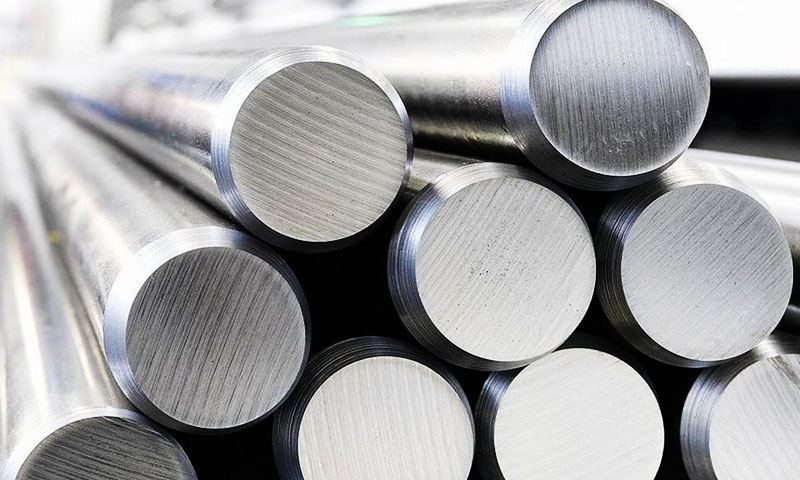
ወደ ማንኛውም የወጥ ቤት ዕቃዎች መደብር ይሂዱ, እና "18/8 አይዝጌ ብረት" ወይም "18/10 አይዝጌ ብረት" በድስት ላይ የሚያውጁ መለያዎችን ታያለህ።, መጥበሻዎች, መቁረጫዎች, እና ማብሰያ እቃዎች.
እነዚህ ቁጥሮች ከማርኬቲንግ ጃርጎን በላይ ናቸው-የማይዝግ ብረትን ኬሚካላዊ ስብጥር ይወክላሉ እና በቀጥታ አፈፃፀሙን ላይ ተጽዕኖ ያሳድራሉ, ዘላቂነት, እና የተጠናቀቀው ምርት ዝገት መቋቋም.
ይህ ጽሑፍ አጠቃላይ ያቀርባል, ጥብቅ ንጽጽር 18/8 እና 18/10 አይዝጌ ብረት.
የእነሱን ትርጓሜ እንመረምራለን, የኬሚካል ቅንጅቶች, የአፈፃፀም ባህሪዎች, መተግበሪያዎች, የወጪ እንድምታ, እና በመካከላቸው እንዴት እንደሚመርጡ.
1. ምንድነው 18/8 አይዝጌ ብረት?
18-8 አይዝጌ ብረት በግምት የሚይዝ ኦስቲኒክ አይዝጌ ብረት ቅይጥ ነው። 18% ክሮሚየም እና 8% ኒኬል በክብደት.
"18/8" የሚለው ስም ከኦፊሴላዊ አለም አቀፍ የቁስ ስያሜ ይልቅ ግምታዊ ቅይጥ ቅንብርን ይወክላል.
በአብዛኛዎቹ ጉዳዮች, 18/8 አይዝጌ ብረት በቅርበት ይዛመዳል 304 አይዝጌ ብረት, በዓለም ዙሪያ በብዛት ጥቅም ላይ ከዋሉት የማይዝግ ብረት ደረጃዎች አንዱ.
መሰረታዊ መዋቅር የ 18/8 አይዝጌ ብረት በዋነኝነት ብረትን ያካትታል, ከክሮሚየም እና ኒኬል ጋር እንደ ቁልፍ ቅይጥ ንጥረ ነገሮች.
Chromium ቀጭን በመፍጠር የዝገት መቋቋምን ይሰጣል, በምድሪቱ ላይ የተረጋጋ ክሮምሚየም ኦክሳይድ ተገብሮ, ኒኬል የኦስቲኒቲክ ጥቃቅን መዋቅርን ሲያረጋጋ እና ጥንካሬን ያሻሽላል, ductility, እና የኬሚካል ጥቃትን መቋቋም.
በግምት ጥምረት 18% ክሮሚየም እና 8% ኒኬል በጣም ጥሩ አጠቃላይ አፈፃፀም ያለው ሚዛናዊ ቁሳቁስ ይፈጥራል, የዝገት መቋቋም ባለበት ለአጠቃላይ ዓላማዎች ተስማሚ እንዲሆን ማድረግ, ጥንካሬ, እና ተመጣጣኝ ዋጋ እኩል ናቸው.
ቁልፍ መለያዎች:
- የኤአይኤስአይ ደረጃ: 304
- ዩኤስ: S30400
- ውስጥ: 1.4301
- የጋራ ስም: 18/8 አይዝጌ ብረት
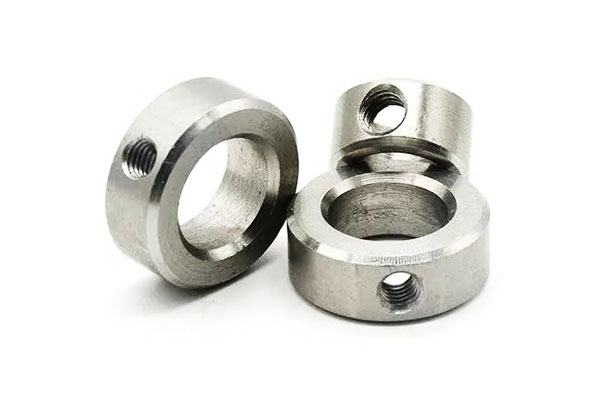
ባህሪያት የ 18/8 አይዝጌ ብረት
- በአጠቃላይ ሁኔታዎች ውስጥ በጣም ጥሩ የዝገት መቋቋም
በክሮሚየም የበለፀገ ተገብሮ ሽፋን በከባቢ አየር ውስጥ ካለው ዝገት አስተማማኝ ጥበቃ ይሰጣል, እርጥበት, የምግብ አሲዶች, እና ብዙ የቤት ውስጥ ኬሚካሎች. - ከፍተኛ ጥንካሬ ያለው የኦስቲኒክ ጥቃቅን መዋቅር
የተረጋጋ ፊት ላይ ያማከለ ኪዩቢክ (ኤፍ.ሲ.ሲ) መዋቅር ይፈቅዳል 18/8 በዝቅተኛ የሙቀት መጠንም ቢሆን ጥሩ ተፅእኖን የመቋቋም እና የመተጣጠፍ ችሎታን ለመጠበቅ አይዝጌ ብረት. - እጅግ በጣም ጥሩ የመተጣጠፍ እና የመገጣጠም ችሎታ
18/8 አይዝጌ ብረት በቀላሉ በማተም ሊሰራ ይችላል, መታጠፍ, ጥልቅ ስዕል, ብየዳ, እና ማሽነሪንግ, ውስብስብ ክፍሎችን ለማምረት ተስማሚ እንዲሆን ማድረግ. - ያልተቦረቦረ እና ንጽህና ያለው ገጽ
ጥቅጥቅ ያለ የብረታ ብረት ሽፋን የባክቴሪያ ክምችት እንዳይኖር ይከላከላል እና በቀላሉ ለማጽዳት ያስችላል, ለምግብ-ንክኪ እና ለንፅህና አፕሊኬሽኖች ተስማሚ በማድረግ. - በጥንካሬ እና ወጪ መካከል ጥሩ ሚዛን
ከከፍተኛ ቅይጥ ደረጃዎች ጋር ሲነፃፀር በአንጻራዊነት ኢኮኖሚያዊ ዋጋን ጠብቆ ከፍተኛ አፈፃፀም የማይዝግ ብረት ባህሪዎችን ይሰጣል. - ከፍ ባለ የሙቀት መጠን ጥሩ የኦክሳይድ መቋቋም
መዋቅራዊ መረጋጋትን በሚጠብቅበት ጊዜ መጠነኛ ከፍተኛ ሙቀትን መቋቋም ይችላል, ምንም እንኳን ለከባድ ሁኔታዎች ልዩ ከፍተኛ ሙቀት ያላቸው ውህዶች ቢያስፈልጉም.
ገደቦች የ 18/8 አይዝጌ ብረት
- ከክሎራይድ አከባቢዎች ጋር ሲነፃፀር ዝቅተኛ የመቋቋም ችሎታ 316 አይዝጌ ብረት
በባህር ውሃ ውስጥ, የባህር ከባቢ አየር, እና ክሎራይድ የያዙ ኬሚካሎች, 18/8 አይዝጌ ብረት እንደ ጉድጓዶች ወይም ክሪቪስ ዝገት ያሉ አካባቢያዊ ዝገትን ሊያጋጥመው ይችላል።. - ከዝገት መቋቋም ትንሽ ያነሰ 18/10 አይዝጌ ብረት
የተቀነሰው የኒኬል ይዘት ጠበኛ በሆኑ ኬሚካላዊ አካባቢዎች በትንሹ ያነሰ ጥበቃ ይሰጣል. - በአስቸጋሪ ሁኔታዎች ውስጥ የገጽታ ጥገና ሊያስፈልግ ይችላል
ምንም እንኳን ዝገት መቋቋም የሚችል ቢሆንም, መበከል, የጨው ክምችቶች, ወይም የኬሚካል መጋለጥ በጊዜ ሂደት የገጽታውን ገጽታ ሊጎዳ ይችላል።. - በጣም ጎጂ ለሆኑ መተግበሪያዎች ተስማሚ አይደለም
የኬሚካል ማቀነባበሪያ, የባህር ዳርቻ መሳሪያዎች, ከፍተኛ የዝገት መቋቋም የሚያስፈልጋቸው የፋርማሲዩቲካል አካባቢዎች እንደ ከፍተኛ ቅይጥ አይዝጌ ብረቶች ሊፈልጉ ይችላሉ። 316 ወይም duplex የማይዝግ ብረት.
መተግበሪያዎች የ 18/8 አይዝጌ ብረት
18/8 አይዝጌ ብረት በስፋት ተቀባይነት ያለው ነው, ምክንያቱም በተመጣጣኝ ዋጋ አስተማማኝ አፈፃፀም ይሰጣል.
የተለመዱ መተግበሪያዎች ያካትታሉ:
- የወጥ ቤት እና የቤት እቃዎች
የምግብ ማብሰያ እቃዎች, ማጠቢያዎች, ዕቃዎች, የምግብ መያዣዎች, የቤት እቃዎች, እና የማከማቻ መሳሪያዎች. - የምግብ እና የመጠጥ መሳሪያዎች
ማቀነባበሪያ ማሽኖች, ታንኮች, የፒፕንግ ስርዓቶች, እና የንፅህና አካላት. - የኢንዱስትሪ አካላት
የማሽን ፍሬሞች, ማያያዣዎች, ቅንፎች, የሙቀት መለዋወጫዎች, ቫልቮች, እና አጠቃላይ ዓላማ መሣሪያዎች. - የስነ-ህንፃ መተግበሪያዎች
የእጅ መሄጃዎች, የጌጣጌጥ መዋቅሮች, የውስጥ አካላት, እና የግንባታ ሃርድዌር. - አውቶሞቲቭ እና የመጓጓዣ አካላት
የጭስ ማውጫዎች, መቁረጥ, ቅንፎች, እና የዝገት መቋቋም የሚያስፈልጋቸው መዋቅራዊ ክፍሎች. - ትክክለኛ የማምረት እና የመውሰድ መተግበሪያዎች
አይዝጌ ብረት ትክክለኛነት castings, የኢንቨስትመንት አካላት, እና ውስብስብ የኢንዱስትሪ ክፍሎች.
2. ምንድነው 18/10 አይዝጌ ብረት?
18-10 አይዝጌ ብረት በግምት የሚይዝ ኦስቲኒክ አይዝጌ ብረት ቅይጥ ነው። 18% ክሮሚየም እና 10% ኒኬል.
ጋር ሲነጻጸር 18/8 አይዝጌ ብረት, ዋናው ልዩነት ከፍተኛ የኒኬል ይዘት ነው.
እንደ 18/8 አይዝጌ ብረት, 18/10 አይዝጌ ብረት ከ ጋር በቅርበት የተያያዘ ነው 304 አይዝጌ ብረት ቤተሰብ.
ተጨማሪው ኒኬል የኦስቲኒቲክ መዋቅር መረጋጋትን ያሻሽላል እና በርካታ የአፈፃፀም ባህሪያትን ያሻሽላል, የቆሸሹ መቋቋምን ጨምሮ, ጥንካሬ, የገጽታ ጥራት, እና የረጅም ጊዜ ዘላቂነት.
በዋና መልክ እና በተሻሻሉ የመከላከያ ባህሪያት ምክንያት, 18/10 አይዝጌ ብረት በተደጋጋሚ ከፍተኛ ጥራት ባለው ማብሰያ ውስጥ ጥቅም ላይ ይውላል, የቅንጦት የጠረጴዛ ዕቃዎች, የምግብ ማቀነባበሪያ መሳሪያዎች, እና ሁለቱም ውበት እና አፈፃፀም አስፈላጊ የሆኑ መተግበሪያዎች.
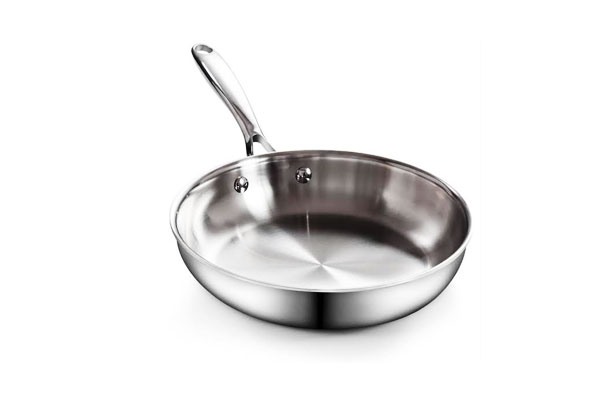
ባህሪያት የ 18/10 አይዝጌ ብረት
- የተሻሻለ የዝገት መቋቋም
ከፍ ያለ የኒኬል ይዘት የኦክሳይድ መቋቋምን ያሻሽላል, ማሽከርከር, እና የኬሚካል መጋለጥ, በተለይ እርጥበታማ ወይም መለስተኛ ጠበኛ በሆኑ አካባቢዎች. - የላቀ የገጽታ አጨራረስ እና ገጽታ
18/10 አይዝጌ ብረት የበለጠ ብሩህ ይፈጥራል, ለስላሳ, እና ከተጣራ በኋላ የበለጠ አንጸባራቂ ገጽታ, ለዋና ምርቶች ተመራጭ በማድረግ. - እጅግ በጣም ጥሩ ጥንካሬ እና መዋቅራዊ መረጋጋት
የጨመረው የኒኬል ይዘት የኦስቲኒቲክ ደረጃን ያጠናክራል, ተጽዕኖን እና የሜካኒካዊ ጭንቀትን መቋቋም ማሻሻል. - ለተደጋጋሚ የጽዳት ዑደቶች በጣም ጥሩ የመቋቋም ችሎታ
በተደጋጋሚ በሚታጠብበት ጊዜ የገጽታውን ትክክለኛነት ይጠብቃል, ማምከን, እና ለጽዳት እቃዎች መጋለጥ. - የላቀ የንጽህና አፈፃፀም
ጥቅጥቅ አለ, ለስላሳ ወለል የብክለት አደጋዎችን ይቀንሳል እና ጥብቅ የንፅህና አጠባበቅ መስፈርቶችን ይደግፋል. - በጣም ጥሩ የማምረት ባህሪዎች
እንደ 18/8 አይዝጌ ብረት, ሊገጣጠም ይችላል, ተፈጠረ, ማህተም የተደረገበት, እና በብቃት የተሰራ.
ገደቦች የ 18/10 አይዝጌ ብረት
- ከፍተኛ ቁሳዊ ወጪ
የጨመረው የኒኬል ይዘት ከ ጋር ሲነፃፀር የጥሬ ዕቃ ወጪዎችን በእጅጉ ይጨምራል 18/8 አይዝጌ ብረት. - የአፈጻጸም ማሻሻያ በተራ አካባቢዎች ሊገደብ ይችላል።
ለአጠቃላይ የቤት እና የኢንዱስትሪ መተግበሪያዎች, መካከል ያለው ልዩነት 18/8 እና 18/10 ተጨማሪውን ወጪ አሳማኝ ላይሆን ይችላል።. - ለከባድ ክሎራይድ አከባቢ ተስማሚ አይደለም
ምንም እንኳን ከዝገት-ተከላካይ የበለጠ 18/8, እንደ ልዩ ደረጃዎች አሁንም መተካት አይችልም 316 አይዝጌ ብረት በባህር ውስጥ ወይም በኬሚካል አፕሊኬሽኖች ውስጥ. - ለአሎይ ወጪ መዋዠቅ ከፍተኛ ትብነት
በዓለም ገበያ የኒኬል ዋጋ በእጅጉ ስለሚለያይ, 18/10 ከማይዝግ ብረት የተሰሩ ወጪዎች ከዝቅተኛ ኒኬል አማራጮች የበለጠ ሊለዋወጡ ይችላሉ።.
መተግበሪያዎች የ 18/10 አይዝጌ ብረት
18/10 አይዝጌ ብረት በተለምዶ አፈጻጸም የት መተግበሪያዎች ይመረጣል, መልክ, እና የንጽህና መስፈርቶች ከፍ ያለ ናቸው.
የተለመዱ መተግበሪያዎች ያካትታሉ:
- ፕሪሚየም ማብሰያ እና የጠረጴዛ ዕቃዎች
ከፍተኛ-መጨረሻ ማሰሮዎች, መጥበሻዎች, መቁረጫዎች, ማገልገል መሣሪያዎች, እና የወጥ ቤት ምርቶች. - የምግብ ማቀነባበሪያ መሳሪያዎች
የማጠራቀሚያ ዕቃዎች, የንፅህና ቧንቧዎች, ማቀነባበሪያ ማሽን, እና የንግድ ወጥ ቤት ስርዓቶች. - የሕክምና እና የመድኃኒት ዕቃዎች
ንጹህ ወለል የሚያስፈልጋቸው አካላት, የዝገት መቋቋም, እና ቀላል ማምከን. - አርክቴክቸር እና ጌጣጌጥ መተግበሪያዎች
የቅንጦት ውስጣዊ መዋቅሮች, የጌጣጌጥ ፓነሎች, የእጅ መጋጫዎች, እና ፕሪሚየም ይጠናቀቃል. - ትክክለኛነት ከማይዝግ ብረት የተሰሩ ቀረጻዎች
ፓምፕ አካላት, የቫልቭ አካላት, የመሳሪያ ክፍሎች, እና እጅግ በጣም ጥሩ የገጽታ ጥራት የሚያስፈልጋቸው ውስብስብ የኢንዱስትሪ ክፍሎች. - የላቦራቶሪ እና የጽዳት ዕቃዎች
የሥራ ቦታዎች, መኖሪያ ቤቶች, የብክለት ቁጥጥር ወሳኝ የሆነባቸው የመሳሪያ ክፈፎች.
3. የኬሚካል ቅንብር: 18/8 እና 18/10 አይዝጌ ብረት
መካከል ያለው የአፈጻጸም ልዩነቶች 18/8 እና 18/10 አይዝጌ ብረት በዋነኝነት የሚመነጨው ከቅይጥ ስብስባቸው ነው።, በተለይም የኒኬል ይዘት ልዩነት.
ሁለቱም ቁሳቁሶች የ austenitic የማይዝግ ብረት ቤተሰብ, ፊት-ተኮር ኪዩቢክ ተለይቶ ይታወቃል (ኤፍ.ሲ.ሲ) እጅግ በጣም ጥሩ የዝገት መቋቋምን የሚሰጥ ክሪስታል መዋቅር, ጥንካሬ, እና ቅርጸት.
ምንም እንኳን "18/8" እና "18/10" ስሞች በንግድ ገበያዎች ውስጥ በሰፊው ጥቅም ላይ ይውላሉ, ከመደበኛ የብረታ ብረት ምደባዎች ይልቅ ግምታዊ ቅይጥ መቶኛን ይወክላሉ.
በአብዛኛዎቹ ጉዳዮች, ሁለቱም ቁሳቁሶች በቅርበት የተያያዙ ናቸው ኤአይኤስአይ 304 አይዝጌ ብረት, ከዋናው ልዩነት ጋር ወደ ቅይጥ የተጨመረው የኒኬል መጠን.
| ንጥረ ነገር | 18/8 አይዝጌ ብረት | 18/10 አይዝጌ ብረት | ተግባራዊ ሚና |
| Chromium (Cr) | በግምት 18% | በግምት 18% | የዝገት መቋቋምን የሚሰጥ ተገብሮ ክሮሚየም ኦክሳይድ ፊልም ይፈጥራል |
| ኒኬል (ውስጥ) | በግምት 8% | በግምት 10% | የኦስቲኒቲክ መዋቅርን ያረጋጋል እና ጥንካሬን ያሻሽላል, የዝገት መቋቋም, እና የትርጉም ጥራት |
| ካርቦን (ሲ) | በአጠቃላይ ≤0.08% | በአጠቃላይ ≤0.08% | ጥንካሬን ይቆጣጠራል, ጥንካሬ, እና weldability |
| ብረት (ፌ) | ሚዛን | ሚዛን | ዋና መዋቅራዊ ማትሪክስ |
| ሌሎች ንጥረ ነገሮች | አነስተኛ መጠን ያለው Mn, እና, ፒ, ኤስ | አነስተኛ መጠን ያለው Mn, እና, ፒ, ኤስ | የማቀነባበሪያ አፈፃፀም እና የቅይጥ መረጋጋትን ያሻሽሉ። |
የኒኬል ሚና: መካከል ያለው ቁልፍ ልዩነት 18/8 እና 18/10
ኒኬል የሚለይበት ዋና ነገር ነው። 18/8 ከ 18/10 አይዝጌ ብረት.
ምንም እንኳን ልዩነቱ ስለ ብቻ ነው 2 መቶኛ ነጥቦች, ኒኬል በአይዝጌ ብረት ባህሪያት ላይ ከፍተኛ ተጽዕኖ ያሳድራል.
የኒኬል ዋና ተግባራት ያካትታሉ:
- በክፍሉ እና በዝቅተኛ የሙቀት መጠን ውስጥ የኦስቲኒቲክ ክሪስታል መዋቅርን ማረጋጋት.
- ductility እና ጥንካሬን ማሻሻል.
- የኬሚካል ዝገት የመቋቋም ማሻሻል.
- የገጽታ ብሩህነት እና የጠራነት ማሻሻል.
- በተወሰኑ ሁኔታዎች ውስጥ የጭንቀት ዝገት መሰንጠቅን የመቋቋም አቅም መጨመር.
ውስጥ 18/10 አይዝጌ ብረት, ተጨማሪው የኒኬል ይዘት የበለጠ የተረጋጋ የኦስቲኒቲክ መዋቅር ያቀርባል እና የመጠምዘዝ መቋቋምን በትንሹ ያሻሽላል, አሲዳማ አካባቢዎች, እና ተደጋጋሚ የጽዳት ዑደቶች.
ቢሆንም, ልዩነቱ በትክክል መረዳት አለበት.
ተጨማሪው ኒኬል አይለወጥም 18/10 አይዝጌ ብረት ወደ ሙሉ ለሙሉ የተለየ የቁስ ምድብ. ይልቁንም, የረጅም ጊዜ ገጽታ እና ዘላቂነት አስፈላጊ በሆኑ ፕሪሚየም መተግበሪያዎች ውስጥ ተጨማሪ ማሻሻያዎችን ያቀርባል.
4. የአፈፃፀም ንፅፅር: 18/8 vs 18/10 አይዝጌ ብረት
ቢሆንም 18/8 እና 18/10 አይዝጌ ብረት ብዙ ተመሳሳይነቶችን ይጋራል።, የኒኬል ይዘት ልዩነት በተወሰኑ የአፈፃፀም ቦታዎች ላይ ሊለካ የሚችል ልዩነት ይፈጥራል.
የዝገት መቋቋም
አይዝጌ ብረትን በሚመርጡበት ጊዜ የዝገት መቋቋም በጣም አስፈላጊ ከሆኑት ነገሮች አንዱ ነው.
ሁለቱም 18/8 እና 18/10 አይዝጌ አረብ ብረቶች በከባቢ አየር ውስጥ ካለው ዝገት እጅግ በጣም ጥሩ ጥበቃ ይሰጣሉ ምክንያቱም ሁለቱም የተረጋጋ ተገብሮ ኦክሳይድ ፊልም ለመመስረት በቂ ክሮሚየም ይይዛሉ።.
በመደበኛ አካባቢዎች, የቤት ውስጥ መተግበሪያዎችን ጨምሮ, የንጹህ ውሃ መጋለጥ, የምግብ ግንኙነት, እና አጠቃላይ የኢንዱስትሪ አጠቃቀም, በሁለቱ ቁሳቁሶች መካከል ያለው የዝገት መከላከያ ልዩነት በአንጻራዊነት ትንሽ ነው.
ሁለቱም መከላከያ ሽፋን ሳይኖራቸው ረጅም የአገልግሎት ዘመን ሊቆዩ ይችላሉ.
ቢሆንም, ከፍተኛው የኒኬል ይዘት 18/10 አይዝጌ ብረት ይበልጥ በሚያስፈልጉ ሁኔታዎች ውስጥ ተጨማሪ መረጋጋት ይሰጣል.
ኒኬል አንዳንድ የአሲድ ንጥረ ነገሮችን የመቋቋም ችሎታ ያሻሽላል, ኦርጋኒክ ውህዶች, እና ለጽዳት ኬሚካሎች በተደጋጋሚ መጋለጥ.
ይህ ያደርገዋል 18/10 አይዝጌ ብረት በተለይ እንደ ፕሪሚየም ማብሰያ ባሉ መተግበሪያዎች ውስጥ ጠቃሚ ነው።, የምግብ ማቀነባበሪያ መሳሪያዎች, እና የንፅህና አጠባበቅ ስርዓቶች.
| አካባቢ | 18/8 አይዝጌ ብረት | 18/10 አይዝጌ ብረት |
| የቤት ውስጥ ድባብ | በጣም ጥሩ | በጣም ጥሩ |
| የንጹህ ውሃ አካባቢ | በጣም ጥሩ | በጣም ጥሩ |
| የምግብ ግንኙነት ማመልከቻዎች | በጣም ጥሩ | በጣም ጥሩ |
| የአሲድ ምግብ መጋለጥ | በጣም ጥሩ | በትንሹ የተሻለ |
| ተደጋጋሚ እጥበት ማጽዳት | በጣም ጥሩ | የተሻለ |
| ጨው የሚረጭ አካባቢ | ከመካከለኛ እስከ ጥሩ | ጥሩ |
| የባህር ወይም ክሎራይድ የበለጸጉ አካባቢዎች | የተወሰነ | የተወሰነ (316 የሚመከር) |
ዘላቂነት እና ሜካኒካል አፈፃፀም
ሁለቱም 18/8 እና 18/10 አይዝጌ ብረቶች የኦስቲኒቲክ አይዝጌ ብረት ቤተሰብ አባል ናቸው እና በተለምዶ ይዛመዳሉ AISI 304 አይነት አይዝጌ ብረት ጥንቅሮች.
የሜካኒካል አፈፃፀማቸው በዋነኛነት የሚወሰነው በኦስቲንቲክ ጥቃቅን መዋቅር ነው, ቀዝቃዛ የሥራ ሁኔታ, የእህል መጠን, እና የኒኬል ይዘት ብቻ ሳይሆን የማምረት ሂደት.
የሚከተለው ሠንጠረዥ ለማንሳት የተለመዱ የሜካኒካል ንብረቶችን ያቀርባል 18/8 እና 18/10 አይዝጌ ብረት.
| ሜካኒካል ንብረት | 18/8 አይዝጌ ብረት (የተለመደ AISI 304) | 18/10 አይዝጌ ብረት (ፕሪሚየም 304-አይነት) | የምህንድስና አስፈላጊነት |
| የመለጠጥ ጥንካሬ | 515-650 MPA | 520- 680 MPa | ኃይልን ለመሳብ እና መዋቅራዊ ውድቀትን መቋቋምን ያሳያል |
| ጥንካሬን ይስጡ (0.2% ማካካሻ) | ≥205 MPa | 210- 250 MPa | ከቋሚ መበላሸት በፊት የመጫን አቅምን ይወክላል |
| በእረፍት ጊዜ ማጽዳት | 40-60% | 45-60% | በጣም ጥሩ የመተጣጠፍ ችሎታ እና የመፍጠር ችሎታን ያሳያል |
| የአካባቢ መቀነስ | 60-70% | 60-75% | በተበላሸ ጊዜ ስብራት መቋቋምን ያንፀባርቃል |
| የብራይኔል ጥንካሬ (ኤች.ቢ) | 123-201 ኤች.ቢ | 130- 210 ኤች.ቢ | የመግቢያ እና የመልበስ መቋቋምን ያመለክታል |
ሮክዌል ጠንካራነት |
HRB 70-95 | HRB 75-95 | ለአጠቃላይ መዋቅራዊ እና ለተፈጠሩ ክፍሎች ተስማሚ |
| የመለጠጥ ሞጁሎች | 193 ጂፒኤ | 193 ጂፒኤ | በመለጠጥ ጭነት ስር ጥንካሬን ይገልጻል |
| በክፍል ሙቀት ውስጥ ጥንካሬን ያሳድጉ | >100 ጄ (ቻርፒ V-ማንኪያ, ዓይነተኛ) | >120 ጄ (ቻርፒ V-ማንኪያ, ዓይነተኛ) | ለድንገተኛ ተጽዕኖ በጣም ጥሩ የመቋቋም ችሎታ ያሳያል |
| ድካም ጥንካሬ (10⁷ ዑደቶች, ግምታዊ) | 240- 260 MPa | 250-280 MPA | በብስክሌት ጭነት ውስጥ የረጅም ጊዜ ጥንካሬን ይወስናል |
| ጥግግት | 7.90-8.00 ግ/ሴሜ³ | 7.90-8.00 ግ/ሴሜ³ | ተመሳሳይ የክብደት ባህሪያትን ያመለክታል |
የሙቀት መቋቋም እና የሙቀት አፈፃፀም
የኦስቲኒክ አይዝጌ ብረቶች በከፍተኛ ሙቀት ውስጥ በሰፊው ጥቅም ላይ ይውላሉ ምክንያቱም ከብዙ የካርቦን ብረቶች የበለጠ የሜካኒካዊ መረጋጋትን ስለሚጠብቁ.
ሁለቱም 18/8 እና 18/10 አይዝጌ ብረቶች ይሰጣሉ:
- ጥሩ የኦክሳይድ መቋቋም.
- በተመጣጣኝ ከፍተኛ ሙቀት ውስጥ የተረጋጋ ሜካኒካዊ ባህሪያት.
- የሙቀት ብስክሌት መቋቋም.
- በሙቀት ለውጦች ወቅት የሚሰባበር ውድቀት ዝቅተኛ አደጋ.
ከፍተኛው የኒኬል ይዘት 18/10 አይዝጌ ብረት ከፍ ባለ የሙቀት መጠን የደረጃ መረጋጋትን ያሻሽላል, በሙቀት ውጥረት ውስጥ የኦስቲኒቲክ መዋቅሩን በአስተማማኝ ሁኔታ እንዲቆይ ማድረግ.
| የአፈፃፀም ገጽታ | 18/8 አይዝጌ ብረት | 18/10 አይዝጌ ብረት |
| የኦክሳይድ መቋቋም | በጣም ጥሩ | በትንሹ የተሻለ |
| የሙቀት ብስክሌት መቋቋም | በጣም ጥሩ | በጣም ጥሩ |
| ከፍተኛ ሙቀት መዋቅራዊ መረጋጋት | ጥሩ | በትንሹ ተሻሽሏል። |
| የቤት ውስጥ ሙቀት | በጣም ጥሩ | በጣም ጥሩ |
| በጣም ከፍተኛ ሙቀት መተግበሪያዎች | የተወሰነ | የተወሰነ (ልዩ ቅይጥ ያስፈልጋል) |
ለመደበኛ ማብሰያ እቃዎች, የምግብ መሣሪያዎች, እና የቤት ውስጥ ማመልከቻዎች, በሁለቱ ክፍሎች መካከል ያለው የሙቀት መከላከያ ልዩነት አነስተኛ ነው.
ቢሆንም, ረጅም የሙቀት መጋለጥን በሚያካትቱ የኢንዱስትሪ አካባቢዎች, 18/10 አይዝጌ ብረት የተሻሻለ አስተማማኝነትን ሊያቀርብ ይችላል።.
የገጽታ ገጽታ እና የማጠናቀቂያ ጥራት
የገጽታ ገጽታ በመካከላቸው ያለው ልዩነት አንድ ቦታ ነው። 18/8 እና 18/10 አይዝጌ ብረት ይበልጥ ትኩረት የሚስብ ይሆናል.
ኒኬል ከማይዝግ ብረት የተሰራውን ለስላሳ የማሳካት ችሎታ ያሻሽላል, ብሩህ, እና ከተጣራ በኋላ አንጸባራቂ አጨራረስ.
በውጤቱም, 18/10 አይዝጌ ብረት ብዙውን ጊዜ ለዋና ምርቶች የሚመረጠው መልክ ቁልፍ የመሸጫ ቦታ ነው።.
18/10 አይዝጌ ብረት በተለምዶ ያቀርባል:
- ከተጣራ በኋላ ከፍ ያለ የገጽታ ብሩህነት.
- ወደ ቀለም መቀየር የተሻለ መቋቋም.
- የበለጠ የተጣራ የብረት ገጽታ.
- የጌጣጌጥ ማጠናቀቂያዎች የተሻሻለ ማቆየት.
| የገጽታ ባህሪ | 18/8 አይዝጌ ብረት | 18/10 አይዝጌ ብረት |
| የተፈጥሮ ብረት ገጽታ | ጥሩ | በጣም ጥሩ |
| የማጣራት አፈጻጸም | በጣም ጥሩ | የላቀ |
| አንጸባራቂ ማቆየት። | ጥሩ | የተሻለ |
| የወለል ንጣፎችን መቋቋም | በጣም ጥሩ | በጣም ጥሩ |
| ፕሪሚየም ጌጣጌጥ መልክ | ጥሩ | ተመራጭ |
ለዚህ ነው ብዙ ከፍተኛ ደረጃ ያላቸው የማብሰያ ዕቃዎች አምራቾች, የቅንጦት የጠረጴዛ ዕቃዎች አምራቾች, እና የስነ-ህንፃ ዲዛይነሮች ይመርጣሉ 18/10 የእይታ ጥራት እንደ ሜካኒካል አፈፃፀም አስፈላጊ በሚሆንበት ጊዜ አይዝጌ ብረት.
5. 18/8 vs 18/10 አይዝጌ ብረት በምግብ እና በኩሽና አፕሊኬሽኖች ውስጥ
የምግብ እና የወጥ ቤት አፕሊኬሽኖች ከማይዝግ ብረት ትልቁ የሸማች ገበያዎች አንዱን ይወክላሉ.
የዝገት መከላከያ ጥምረት, ንፅህና, ዘላቂነት, እና የውበት ማራኪነት ኦስቲኒቲክ አይዝጌ ብረቶች ለማብሰያ እቃዎች ተመራጭ ያደርገዋል, መቁረጫዎች, ማጠቢያዎች, የምግብ መያዣዎች, እና የንግድ የወጥ ቤት ዕቃዎች.
የምግብ ደህንነት እና ንጽህና አፈጻጸም
ከምግብ ደህንነት አንፃር, ሁለቱም 18/8 እና 18/10 አይዝጌ ብረቶች በጣም ጥሩ አፈፃፀም ይሰጣሉ.
መሬታቸው ጥቅጥቅ ያለ ነው።, ባለ ቀዳዳ ያልሆነ, እና የባክቴሪያ ክምችት መቋቋም, ለቀጥታ ምግብ ግንኙነት ተስማሚ እንዲሆኑ ማድረግ.
የ chromium oxide passive layer የብረት ions በቀላሉ ወደ ምግብ እንዳይፈልሱ ይከላከላል, ለስላሳው አይዝጌ ብረት ገጽታ ውጤታማ ጽዳት እና ማምከን ያስችላል.
ለዚህም ነው ሁለቱም ክፍሎች በምግብ ማቀነባበሪያ መሳሪያዎች እና በቤት ውስጥ ማብሰያዎች ውስጥ በብዛት ጥቅም ላይ የሚውሉት.
በሁለቱ ክፍሎች መካከል ያለው ልዩነት በዋናነት ከመሠረታዊ የምግብ ደህንነት ይልቅ በተደጋጋሚ ኬሚካላዊ ተጋላጭነት ከመቆየት ጋር የተያያዘ ነው።.
18/10 አይዝጌ ብረት, ከፍተኛ የኒኬል ይዘት ያለው, በትንሹ የተሻለ የመቋቋም ችሎታ ይሰጣል:
- እንደ ቲማቲም ያሉ አሲዳማ ምግቦች, citrus ፍራፍሬዎች, እና በሆምጣጤ ላይ የተመሰረቱ ሶስኮች.
- ለጽዳት ማጠቢያዎች እና የእቃ ማጠቢያ ዑደቶች ተደጋጋሚ መጋለጥ.
- በማዕድን እና በምግብ ቅሪት ምክንያት የሚፈጠር የቆዳ ቀለም.
- የረጅም ጊዜ የማጥራት እና የማጽዳት ስራዎች.
ለመደበኛ የቤት ውስጥ ምግብ ማብሰል, ተግባራዊ ልዩነት ብዙውን ጊዜ ትንሽ ነው.
ቢሆንም, መሳሪያዎች በዓመት በመቶዎች ወይም በሺዎች በሚቆጠሩ ጊዜያት በሚጸዱባቸው ሙያዊ ኩሽናዎች ውስጥ, የተሻሻለው መረጋጋት 18/10 አይዝጌ ብረት የበለጠ ዋጋ ያለው ይሆናል.
Cookware አፈጻጸም: የሙቀት ስርጭት, ዘላቂነት, እና መልክ
ውስጥ የምግብ ማብሰያ እቃዎች ማምረት, አይዝጌ ብረት አብዛኛውን ጊዜ ከአሉሚኒየም ወይም ከመዳብ ንብርብሮች ጋር ይጣመራል የሙቀት መቆጣጠሪያን ለማሻሻል ምክንያቱም አይዝጌ ብረት በራሱ በአንጻራዊነት ዝቅተኛ የሙቀት መቆጣጠሪያ ስላለው ነው..
አይዝጌ ብረት ንብርብር ያቀርባል:
- የዝገት መቋቋም.
- የመዋቅር ጥንካሬ.
- የምግብ ግንኙነት ደህንነት.
- የገጽታ ዘላቂነት.
መካከል ያለው ልዩነት 18/8 እና 18/10 የማብሰያ ዕቃዎች በዋናነት በገጽታ ጥራት እና በረጅም ጊዜ ገጽታ ላይ ይንፀባርቃሉ.
| የአፈጻጸም ሁኔታ | 18/8 አይዝጌ ብረት ማብሰያ | 18/10 አይዝጌ ብረት ማብሰያ |
| የምግብ ደህንነት | በጣም ጥሩ | በጣም ጥሩ |
| ማቅለም መቋቋም | በጣም ጥሩ | በጣም ጥሩ |
| የአሲድ ምግቦችን መቋቋም | በጣም ጥሩ | በጣም ጥሩ |
| የእቃ ማጠቢያ ዘላቂነት | ጥሩ - በጣም ጥሩ | በጣም ጥሩ |
| የገጽታ ብሩህነት | ጥሩ | የላቀ |
| የጭረት መቋቋም | ጥሩ | በትንሹ የተሻለ |
| የፕሪሚየም መልክ ማቆየት። | ጥሩ | በጣም ጥሩ |
| የቁሳቁስ ዋጋ | ዝቅ | ከፍ ያለ |
ከፍተኛ-ደረጃ ማብሰያ አምራቾች ብዙውን ጊዜ ይመርጣሉ 18/10 አይዝጌ ብረት ምክንያቱም ሸማቾች ከፕሪሚየም ጥራት ጋር ስለሚያያዙት።, የተወለወለ መልክ, እና ረጅም የአገልግሎት ሕይወት.
የመቁረጥ እና የጠረጴዛ ዕቃዎች መተግበሪያዎች
መቁረጫ በመካከላቸው ያለው ልዩነት በጣም ከሚታወቁ መተግበሪያዎች ውስጥ አንዱ ነው። 18/8 እና 18/10 አይዝጌ ብረት የሚታይ ይሆናል.
ለቢላዎች, ሹካዎች, ማንኪያዎች, እና የሚያገለግሉ ዕቃዎች, እነዚህ ምርቶች በተደጋጋሚ ስለሚታጠቡ ውጫዊ ገጽታ እና የዝገት መቋቋም ወሳኝ ናቸው, ለጨው መጋለጥ, እና በየቀኑ ይስተናገዳሉ.
18/10 አይዝጌ ብረት ብዙውን ጊዜ ለዋነኛ የጠረጴዛ ዕቃዎች ይመረጣል ምክንያቱም ያቀርባል:
- ይበልጥ ብሩህ እና የበለጠ አንጸባራቂ የተጣራ ወለል.
- የውሃ ቦታዎች እና ቀለም መቀየር የተሻለ መቋቋም.
- ለረጅም ጊዜ የእቃ ማጠቢያ መጋለጥ የተሻሻለ መቋቋም.
- የበለጠ የቅንጦት መልክ.
18/8 አይዝጌ ብረት ለምግብ ቤቶች ተግባራዊ ምርጫ ሆኖ ይቆያል, ተቋማዊ ኩሽናዎች, እና የቤት ውስጥ ምርቶች ወጪ ቆጣቢነት አስፈላጊ ነው.
የንግድ ምግብ ማቀነባበሪያ መሳሪያዎች
በንግድ የምግብ ምርት አካባቢዎች, አይዝጌ ብረት የማያቋርጥ እርጥበት መቋቋም አለበት, የጽዳት ኬሚካሎች, የሙቀት ለውጦች, እና ሜካኒካዊ ውጥረት.
ሁለቱም 18/8 እና 18/10 አይዝጌ ብረት በስፋት ጥቅም ላይ ይውላል:
- የማጠራቀሚያ ታንኮች.
- የምግብ ዝግጅት ገጽታዎች.
- አስተላላፊዎች.
- ማደባለቅ መሳሪያዎች.
- የቧንቧ መስመሮች.
- የንግድ የወጥ ቤት ዕቃዎች.
ቢሆንም, 18/10 አይዝጌ ብረት ብዙውን ጊዜ ለዋና የንፅህና መጠበቂያ መሳሪያዎች ይመረጣል መልክ እና የዝገት መቋቋም ለበርካታ አስርት ዓመታት የተረጋጋ መሆን አለበት.
ለበለጠ ጠበኛ የምግብ ማቀነባበሪያ አካባቢዎች ከጨው መፍትሄዎች ጋር, ክሎራይቶች, ወይም ከባድ ኬሚካሎች, አይደለም 18/8 ወይም 18/10 በቂ ሊሆን ይችላል. በእንደዚህ ዓይነት ሁኔታዎች ውስጥ, 316 ሞሊብዲነም ያለው አይዝጌ ብረት በተለምዶ ይመከራል.
6. የወጪ ንጽጽር: ነው 18/10 ተጨማሪ ዋጋ የሚያስቆጭ?
መካከል ያለው የዋጋ ልዩነት 18/8 እና 18/10 አይዝጌ ብረት በዋነኝነት የሚመጣው ከተጨማሪ የኒኬል ይዘት ነው።.
ኒኬል ውድ ቅይጥ ንጥረ ነገር ነው።, እና የኒኬል ይዘትን በግምት ይጨምራል 8% ወደ 10% የጥሬ ዕቃ ወጪዎችን በከፍተኛ ሁኔታ ሊጨምር ይችላል።.
ቢሆንም, ከፍተኛ ወጪ እንደሆነ 18/10 አይዝጌ ብረት ይጸድቃል በመተግበሪያው ላይ በጥብቅ ይወሰናል.
የቁሳቁስ ዋጋ ልዩነት
የተለመዱ የገበያ ሁኔታዎች እንደሚያሳዩት 18/10 ከማይዝግ ብረት የተሰሩ ምርቶች በግምት ዋጋ ሊኖራቸው ይችላል 5- 20% ተጨማሪ ከማነጻጸር ይልቅ 18/8 ምርቶች, እንደ የምርት ዓይነት ይወሰናል, የማምረት ሂደት, የምርት ስም አቀማመጥ, እና የኒኬል ዋጋ መለዋወጥ.
| የወጪ ሁኔታ | 18/8 አይዝጌ ብረት | 18/10 አይዝጌ ብረት |
| የኒኬል ይዘት | ~ 8% | ~ 10% |
| የጥሬ ዕቃ ዋጋ | ዝቅ | ከፍ ያለ |
| የማምረት ወጪ | ተመሳሳይ | ትንሽ ከፍ ያለ |
| የምርት አቀማመጥ | ከመደበኛ እስከ ፕሪሚየም | ፕሪሚየም |
| የመጀመሪያ ግዢ ዋጋ | የበለጠ ኢኮኖሚያዊ | የበለጠ ውድ |
ልዩነቱ ብዙውን ጊዜ እንደ ማብሰያ እና የጠረጴዛ ዕቃዎች ባሉ የሸማቾች ምርቶች ላይ የማቀነባበር እና የማሽን ወጪዎችን ከሚቆጣጠሩት የኢንዱስትሪ ክፍሎች የበለጠ ይስተዋላል.
የህይወት ዑደት ወጪ ግምት
ቢሆንም 18/10 አይዝጌ ብረት ከፍተኛ የመነሻ ዋጋ አለው።, የተሻሻለው የገጽታ መረጋጋት የረጅም ጊዜ የመተካት እና የጥገና ወጪዎችን ሊቀንስ ይችላል።.
ለምሳሌ:
- ፕሪሚየም ማብሰያ ለብዙ አሥርተ ዓመታት በእይታ ማራኪ ሆነው ሊቆዩ ይችላሉ።.
- የንግድ የወጥ ቤት እቃዎች ጥቂት ምትክ ሊፈልጉ ይችላሉ.
- የጌጣጌጥ የማይዝግ ክፍሎች ረዘም ላለ ጊዜ ይቆያሉ.
- ከፍተኛ ንፅህና ያላቸው አካባቢዎች በቀላል ጥገና ይጠቀማሉ.
ስለዚህ, እውነተኛው ኢኮኖሚያዊ ዋጋ መገምገም ያለበት በዚህ መሠረት ነው። ጠቅላላ የህይወት ጥቅም ወጪ, የግዢ ዋጋ ብቻ አይደለም.
ብዙ ጊዜ መተካት የሚያስፈልገው ርካሽ ቁሳቁስ በመጨረሻ ረጅም የአገልግሎት ዘመን ካለው ከፍተኛ ጥራት ካለው አይዝጌ ብረት ምርት የበለጠ ዋጋ ያስከፍላል.
7. እንዴት መለየት እንደሚቻል 18/8 እና 18/10 አይዝጌ ብረት?
| ዘዴ | እንዴት ማከናወን እንደሚቻል | የሚገልጠው |
| የማግኔት ሙከራ | በብረት ብረት ላይ ማግኔት ያስቀምጡ. | 18/8 እና 18/10 በተሸፈነው ሁኔታ ውስጥ በመሠረቱ መግነጢሳዊ ያልሆኑ ናቸው።. ቀዝቃዛ-የተሠሩ ክፍሎች ደካማ መግነጢሳዊ ሊሆኑ ይችላሉ. |
| ቀለም / መልክ | የእይታ ምርመራ. | 18/10 (316) ብዙውን ጊዜ ብሩህነት አለው, የበለጠ አንጸባራቂ አጨራረስ 18/8 (304). |
| የኬሚካል ቦታ ሙከራ | የንግድ አይዝጌ ብረት መለያ ኪት ይጠቀሙ. | ሞሊብዲነም መኖሩን ያውቃል (316) ወይም ከፍተኛ የኒኬል ይዘት. |
| ስፓርክ ሙከራ | ብረቱን መፍጨት እና ብልጭታዎችን ይመልከቱ. | 304 እና 316 ተመሳሳይ ብልጭታዎችን ያመርቱ; ለመለየት አስቸጋሪ. |
የ XRF ትንታኔ |
ተንቀሳቃሽ የኤክስሬይ ፍሎረሰንስ ተንታኝ ይጠቀሙ. | አሃዛዊ ኤሌሜንታል ትንተና ያቀርባል (Cr, ውስጥ, ሞ). |
በጣም አስተማማኝ ዘዴ: የ XRF ትንተና የቅይጥ ስብጥር ትክክለኛ መለያ ይሰጣል. ለፍጆታ ምርቶች, የአምራቹን ዝርዝር መግለጫዎች ወይም መለያዎችን ያረጋግጡ.
8. አጠቃላይ ንፅፅር: መካከል እንዴት እንደሚመረጥ 18/8 እና 18/10 አይዝጌ ብረት?
መካከል መምረጥ 18/8 እና 18/10 አይዝጌ ብረት የቅይጥ ስብጥር አጠቃላይ ግምገማ ይጠይቃል, ዝገት አካባቢ, የሜካኒካል መስፈርቶች, መልክ የሚጠበቁ, የአገልግሎት ሕይወት, እና አጠቃላይ የባለቤትነት ዋጋ.
የሚከተለው ሰንጠረዥ ለተለያዩ አፕሊኬሽኖች በጣም ተስማሚ የሆነውን ቁሳቁስ ለመወሰን የሚረዳ የባለሙያ ንጽጽር ያቀርባል.
| የምርጫ መስፈርቶች | 18/8 አይዝጌ ብረት | 18/10 አይዝጌ ብረት |
| የኒኬል ይዘት | በግምት 8% ውስጥ | በግምት 10% ውስጥ |
| የChromium ይዘት | በግምት 18% Cr | በግምት 18% Cr |
| መሰረታዊ የዝገት መቋቋም | ለአጠቃላይ አከባቢዎች በጣም ጥሩ | በትንሹ የተሻሻለ የመቋቋም ችሎታ በጣም ጥሩ |
| የአሲድ ምግቦችን እና ኬሚካሎችን መቋቋም | በጣም ጥሩ; ለመደበኛ ምግብ ግንኙነት ተስማሚ | የላቀ; በተደጋጋሚ የኬሚካል መጋለጥ የተሻለ መቋቋም |
| ጨው እና ክሎራይድ መቋቋም | በሊሊ አከባቢዎች ጥሩ; ለረጅም ጊዜ ተጋላጭነት ሊገደብ ይችላል | በትንሹ የተሻሻለ ነገር ግን ከዚህ ጋር የሚመጣጠን አይደለም። 316 አይዝጌ ብረት |
| ከተጣራ በኋላ የገጽታ ብሩህነት | ጥሩ አንጸባራቂ አጨራረስ | ከፍ ያለ አንጸባራቂ እና የተሻለ የመስታወት-ማጥራት ችሎታ |
ማቅለሚያ እና ቀለምን መቋቋም |
ጥሩ | በጣም ጥሩ |
| ሜካኒካል ጥንካሬ | የመለጠጥ ጥንካሬ በተለምዶ 515-650 MPa | የመለጠጥ ጥንካሬ በተለምዶ 520-680 MPa |
| ቅልጥፍና እና ቅርጻቅርነት | በጣም ጥሩ ማራዘም (40-60%) | በጣም ጥሩ, ትንሽ የተሻሻለ የመፍጠር መረጋጋት |
| ተጽዕኖ አሳፋሪነት | በጣም ጥሩ, ዝቅተኛ የሙቀት አፈፃፀምን ጨምሮ | በጣም ጥሩ, በትንሹ የተሻሻለ ጥንካሬን በማቆየት |
| የመልበስ እና የመቧጨር መቋቋም | ጥሩ; በቀዝቃዛ ሥራ ይሻሻላል | በትንሹ የተሻለ የገጽታ ዘላቂነት |
| የሙቀት መቋቋም | ለመደበኛ ማብሰያ እና የኢንዱስትሪ ሙቀት በጣም ጥሩ | በጣም ጥሩ, በተመሳሳይ የሙቀት መረጋጋት |
የምግብ ደህንነት አፈፃፀም |
በጣም ጥሩ; ለምግብ ግንኙነት በሰፊው ተቀባይነት ያለው | በጣም ጥሩ; ለዋና ምግብ አፕሊኬሽኖች ተመራጭ |
| የእቃ ማጠቢያ ዘላቂነት | ጥሩ እስከ ምርጥ | በጣም ጥሩ |
| የማምረት ወጪ | በተቀነሰ የኒኬል ይዘት ምክንያት ዝቅተኛ | ተጨማሪ ኒኬል ምክንያት ከፍተኛ |
| የህይወት ዘመን ወጪ | በመጠነኛ አካባቢዎች ውስጥ በጣም ጥሩ ዋጋ | በፍላጎት መተግበሪያዎች ውስጥ የተሻለ የረጅም ጊዜ ዋጋ |
| የመልክ መስፈርቶች | ለመደበኛ ምርቶች ተስማሚ | ለቅንጦት እና ለጌጣጌጥ ምርቶች የተሻለ |
| የተለመዱ ትግበራዎች | የቤት ውስጥ ማብሰያ እቃዎች, ማጠቢያዎች, የምግብ መያዣዎች, አጠቃላይ የኢንዱስትሪ ክፍሎች | ፕሪሚየም ማብሰያ እቃዎች, መቁረጫዎች, የንግድ ኩሽናዎች, ከፍተኛ-ደረጃ መሣሪያዎች |
9. የሚጠየቁ ጥያቄዎች
ነው 18/10 ከማይዝግ ብረት የተሻለ 18/8?
አዎ, 18/10 የላቀ የዝገት መቋቋምን ያቀርባል, የተሻለ ውበት, እና ጋር ሲነጻጸር የተሻሻለ ዘላቂነት 18/8. ቢሆንም, 18/8 የበለጠ ወጪ ቆጣቢ እና ለብዙ መተግበሪያዎች በቂ ነው።.
"የተሻለ" ምርጫ በመተግበሪያው ላይ የተመሰረተ ነው.
ነው 18/10 አይዝጌ ብረት መግነጢሳዊ?
አይ. 18/10, እንደ 18/8, ኦስቲኒቲክ እና በመሠረቱ መግነጢሳዊ ያልሆነ በተሸፈነው ሁኔታ ውስጥ ነው።. ቀዝቃዛ መስራት ደካማ መግነጢሳዊነትን ሊያስከትል ይችላል.
የእኔ የምግብ ማብሰያ እቃዎች መሆናቸውን እንዴት ማወቅ እችላለሁ? 18/8 ወይም 18/10?
የአምራቹን መለያ ያረጋግጡ, ማሸግ, ወይም የምርት መግለጫ. የማግኔት ሙከራ የማይዝግ ብረትን ሊያመለክት ይችላል። (መግነጢሳዊ ያልሆነ) ነገር ግን መለየት አይችልም 18/8 እና 18/10.
ነው 18/10 እንደ 316 አይዝጌ ብረት?
አይ, ይህ በጣም የተለመደ የተሳሳተ ግንዛቤ ነው።. 316 አይዝጌ ብረት ከ2-3% ሞሊብዲነም እና ከፍተኛ የኒኬል ይዘት አለው, በአስደናቂ ሁኔታ የተሻለ ክሎራይድ ፒቲንግ የመቋቋም መስጠት.
18/10 ሆን ተብሎ የሞሊብዲነም መጨመር የሌለበት አሁንም ባለ 304-ደረጃ ቁሳቁስ ነው።.
መቼ ነው ተጨማሪ መክፈል ያለብኝ 18/10 አይዝጌ ብረት?
ይግለጹ 18/10 ጥልቅ ለሆኑ ክፍሎች, ፕሪሚየም ማብሰያ እና የጠረጴዛ ዕቃዎች, የምግብ ማቀነባበሪያ መሳሪያዎች እና ከባድ ቅዝቃዜ የሚያስፈልጋቸው ክፍሎች.
ለቀላል መዋቅራዊ ክፍሎች, የሕንፃ ጌጥ እና አጠቃላይ ማምረት, ደረጃ 18/8 304 የበለጠ ኢኮኖሚያዊ እና ሙሉ በሙሉ ተገቢ ምርጫ ነው።.
10. ማጠቃለያ
መካከል ያለው ንጽጽር 18/8 እና 18/10 አይዝጌ ብረት ሁለቱም ቁሳቁሶች በጣም ጥሩ የዝገት መከላከያ ያላቸው ከፍተኛ አፈፃፀም የማይዝግ ውህዶች መሆናቸውን ያሳያል, ሜካኒካል አስተማማኝነት, እና የምግብ ግንኙነት ደህንነት.
ዋናው ልዩነት በኒኬል ይዘት ውስጥ ነው.
ተጨማሪው ኒኬል 18/10 አይዝጌ ብረት የፓሲቭ ኦክሳይድ ንብርብር መረጋጋትን ያሻሽላል, የላይኛውን ገጽታ ያሻሽላል, እና ለቆሸሸ እና ለረጅም ጊዜ የአካባቢ ተጋላጭነት በትንሹ የተሻለ የመቋቋም ችሎታ ይሰጣል.
እነዚህ ጥቅሞች በተለይ ለዋና ማብሰያ ዕቃዎች ተስማሚ ያደርጉታል።, የንግድ ኩሽናዎች, የጌጣጌጥ መተግበሪያዎች, እና መልክ እና ዘላቂነት ወሳኝ የሆኑ ምርቶች.
ለአጠቃላይ ዓላማ ማመልከቻዎች, 18-8 አይዝጌ ብረት የላቀ ዋጋ እና አፈፃፀም ይሰጣል.
ለዋና ምርቶች እና የረጅም ጊዜ ገጽታ እና የተሻሻለ ዝገት መቋቋም ተጨማሪ ወጪን የሚያረጋግጡ ተፈላጊ አካባቢዎች, 18-10 አይዝጌ ብረት ተመራጭ ምርጫ ነው.
በመጨረሻ, ትክክለኛውን አይዝጌ ብረት ደረጃ መምረጥ በጣም ውድ የሆነውን ቁሳቁስ መምረጥ አይደለም - ምርጡን የአፈፃፀም ጥምረት የሚያቀርበውን ቁሳቁስ መምረጥ ነው., አስተማማኝነት, እና ለተወሰነ መተግበሪያ የህይወት ዑደት ዋጋ.