

У захтевним механичким системима, ременица је много више од обичног точка са жљебом.
То је носива компонента преноса која мора континуирано управљати кретањем ужета или кабла, радијалне силе, ударна оптерећења, трење, и поновљени циклични стрес.
Када ременица ради у дизалицама, рударска опрема, бродске машинерије, системи за подизање тешких терета, или друга окружења са тешким услугама, квалитет његовог материјала и производног процеса директно утиче на поузданост опреме.
Ту је где ременице од ливеног челика по мери нуде одлучујућу инжењерску предност.
Овај чланак истражује техничка разматрања иза производње ременице од ливеног челика, од челика и прецизног ливења до машинске обраде, топлотни третман, инспекција, апликације, и избор добављача.
1. Шта је ременица од ливеног челика?
А ременица од ливеног челика је ротирајућа механичка компонента произведена ливењем челика у калуп и накнадном обрадом критичних површина до потребних димензија.
У системима за подизање и руковање ужетом, такође се обично назива а сноп.
Његова примарна функција је да води, преусмерити, или подуприте жичано уже или сличан флексибилни елемент док преносите повезано механичко оптерећење кроз главчину и осовину или склоп лежаја.
За разлику од обичног точка, ременица има пажљиво пројектовану функционалну геометрију. Тхе жлеб за уже контролише како конопац лежи на снопу, док главчина и проврт преносе оптерећење на носећу осовину или лежајни склоп.
Прирубнице помажу да се конопац задржи унутар жлеба и може допринети укупној структурној крутости компоненте.
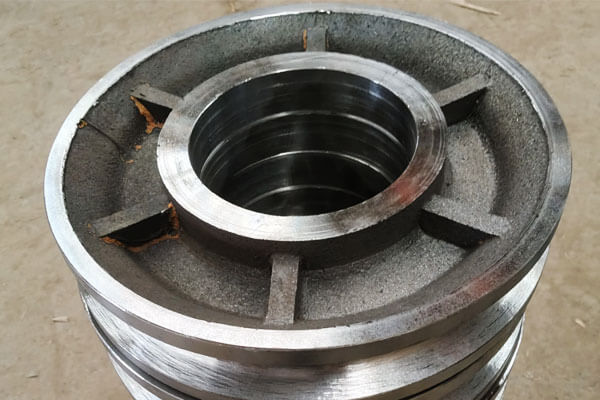
Главне компоненте ременице од ливеног челика
| Компонента | Функција | Кључно разматрање производње |
| Схеаве/Рим | Подржава и води конопац | Гроове профил, дебљина зида, отпорност на хабање |
| Ропе Гроове | Прима и води конопац | Радијус, дубина, тачност профила, стање површине |
| Прирубница | Помаже у задржавању ужета на снопу | Висина, дебљина, концентричност |
Хуб |
Повезује ременицу са вратилом или лежајем | Тачност димензија, чврстоћа конструкције |
| Боре | Прилагођава осовину, бусхинг, или распоред лежајева | Пречник, заобљеност, концентричност |
| Кеиваи | Преноси обртни момент где је применљиво | Положај и тачност димензија |
| Карактеристике монтаже | Интерфејси са околном опремом | Положај, равност, поравнање |
За прецизно ливену челичну ременицу, све ове карактеристике не захтевају исту тачност производње.
Процес ливења може успоставити већину структуралне геометрије, док се за проврт користи ЦНЦ обрада, носиве површине, жлеб, кеиваи, крајња лица, и други критични интерфејси.
2. Уобичајене класе ливеног челика за прилагођене ременице
Избор материјала за ременицу од ливеног челика треба да се заснива на радном оптерећењу, услови утицаја, захтеви за хабањем, радна температура, изложеност корозији, и потребан радни век.
Поред конвенционалног угљеничног ливеног челика, прилагођени дизајни ременица могу користити нисколегиране челике, челик отпоран на хабање са високим садржајем мангана, или нерђајући челик отпоран на корозију када радно окружење захтева додатне перформансе.
| Материјал / Разреда | Породица легура | Кључни атрибути перформанси | Типичне апликације ременица |
| АСТМ А216 Гр. ВЦБ | Угљенични ливени челик | Добра снага, одлична способност ливења, Добра израда, економичан | Ременице опште намене, руковање индустријским материјалом, светлости- на системе за подизање средњег оптерећења |
| АСТМ А216 Гр. Наступ | Угљенични ливени челик | Већа специфицирана чврстоћа од ВЦБ-а, добра жилавост и способност ливења | Индустријске ременице за тешке услове рада, компоненте дизалица, захтевни системи за руковање материјалом |
| Нисколегирани ливени челик, Цр-Мо / Ни-Цр-Мо | Нисколегирани ливени челик | Већа снага, побољшана каљивост, добра жилавост, боље перформансе замора након топлотне обраде | Тешки крански снопови, грађевинске дизалице, рударска опрема, ременице високог оптерећења |
| АСТМ А148 Високе чврстоће | Ливени челик високе чврстоће | Висока затезна и чврстоћа течења, погодан за топлотну обраду, јака носивост | Главни снопови, тешка опрема за дизање, велике индустријске ременице, машине са великим оптерећењем |
АСТМ А352 ЛЦБ / ЛЦЦ |
Нискотемпературни ливени челик | Побољшана ударна жилавост на ниским температурама, погодан за услове хладног сервиса | Спољни кранови, опрема за рударење хладног региона, системи за подизање на мору и на мору |
| Аустенитни нерђајући ливени челик, ЦФ8 / ЦФ8М | Нерђајући ливени челик | Одлична отпорност на корозију, добра жилавост, погодан за средине које садрже хлорид са ограничењима специфичним за класу | Марине ременице, системи за руковање корозивним материјалом, хемијска и опрема за прераду хране |
| Хадфиелд Стеел, АСТМ А128 Гр. Б | Аустенитни челик са високим садржајем мангана | Одлична ударна жилавост и снажан одговор на каљење при раду под абразивним радом | Рударска опрема, руковање абразивним материјалом, примена ременица и снопова са високим ударом |
| Ливен челик легиран бором | Челик од легуре бора | Висока каљивост, јака отпорност на хабање након топлотне обраде, погодан за захтевна циклична оптерећења | Средњи- до ременица за тешке услове рада, опрема за руковање материјалом која се брзо хаба |
3. Процес производње ременице од ливеног челика
Процес производње за ременицу од ливеног челика је контролисана секвенца у којој је тачност узорка.
Пошто је ременица носива компонента, ливница мора обратити посебну пажњу на део снопа, чвориште, прирубнички прелази, и друге области у којима локалне промене у дебљини пресека могу утицати на очвршћавање и квалитет унутрашњег ливења.
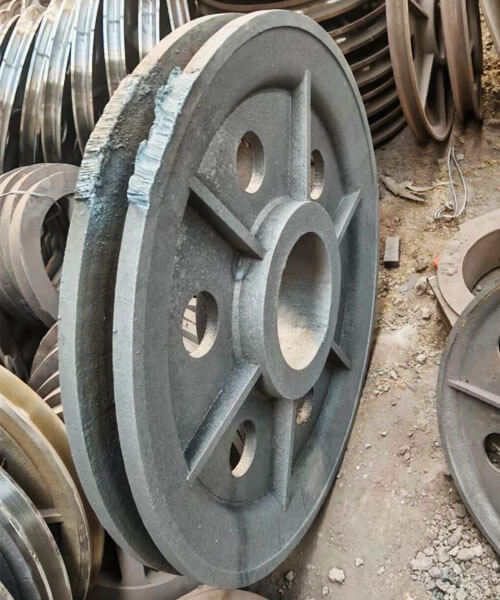
Паттерн Макинг
Израда шаблона одређује основну геометрију шупљине ременице и стога директно утиче на тачност ливења.
Узорак мора да репродукује сноп, чвориште, прирубница, и друге карактеристике ливења уз укључивање одговарајућег додатка скупљања и додатка за машинску обраду.
За Инвестициони ливење, воштани узорак се обично производи убризгавањем воска у прецизну матрицу.
Воштани узорак блиско представља коначну геометрију ременице и касније се користи за креирање керамичке шкољке.
За ливење у песак, узорак је обично направљен од смоле, дрва, метал, или других погодних материјала и користи се за формирање шупљине калупа.
У зависности од дизајна ременице, узорак такође може да садржи пропух и аранжмане за раздвајање како би се омогућило поуздано уклањање буђи.
За производњу ременица по мери, дизајн узорка треба јасно да разликује ливене површине и површине које захтевају завршну машинску обраду.
Превелик додатак за машинску обраду повећава уклањање материјала и трошкове, док недовољан додатак може отежати постизање наведених коначних димензија.
Израда калупа и језгра
Калуп дефинише спољашњу геометрију ременице од ливеног челика, док се језгра користе тамо где се унутрашње шупљине или пролази не могу формирати директно узорком.
У ливење песка, одабрани системи песка и везива се сабијају око шаблона како би се створила шупљина калупа.
Језгро се може поставити тако да произведе централни отвор или друге унутрашње карактеристике.
Снага језгра, Димензионална тачност, пропустљивост, и позиционирање су посебно важни јер померање током изливања може утицати на поравнање отвора и дебљину зида.
У Инвестициони ливење, узорак воска се више пута премазује ватросталном керамичком суспензијом и штукатуром да би се изградила вишеслојна шкољка.
Након што се постигне довољна чврстоћа шкољке, уклања се восак и пече се керамички калуп.
Калуп или шкољка морају да обезбеде довољну чврстоћу да издрже растопљени челик, а истовремено обезбеде одговарајућу пропустљивост и термичко понашање.
За прецизне ливене ременице, дефекти у калупу могу се пренети директно на површину ливења или променити тачност димензија критичних карактеристика.
Топљење челика и хемијска контрола
Одабрани ливени челик се топи према захтевима наведене легуре.
У зависности од легуре, може се користити индукционо топљење или топљење електричним луком, ливничка опрема, и производни захтеви.
Пре изливања, растопљени метал се обично проверава хемијском анализом, често са а спектрометар, да провери да ли угљеник и легирајући елементи спадају у специфицирани опсег састава.
Припрема топљења такође може укључивати:
- Уклањање шљаке
- Деоксидација
- Подешавање температуре
- Контрола укључивања
- Топлотна идентификација и следљивост
Хемијска контрола је посебно важна за прилагођене ременице јер класа челика одређује одговор на накнадну топлотну обраду и утиче на чврстоћу, жилавост, понашање при хабању, и перформансе на ниским температурама.
Камен, Храњење, и Поуринг
Систем затварања и довода мора бити пројектован тако да растопљени челик глатко испуњава шупљину ременице и да се скупљање очвршћавања може ефикасно надокнадити.
Геометрија ременице може укључивати релативно тешке делове око главчине и прелаза од главчине до осовине.
Ови региони могу остати течни дуже од тањих делова и стога захтевају одговарајуће храњење.
Систем затварања и успона је дизајниран за контролу:
Проток метала → редослед пуњења → термичка равнотежа → усмерено очвршћавање → компензација скупљања
Током поливања, температура и брзина изливања морају се контролисати у оквиру процеса који је успостављен за систем легуре и калупа.
Превише ниска температура метала може довести до непотпуног пуњења или хладног затварања, док неприкладни услови протока могу повећати турбуленцију и могућност оштећења оксида или инклузија.
Where necessary, симулација ливења се може користити за процену пуњења и очвршћавања пре производње и за идентификацију потенцијалних врућих тачака или проблема са храњењем.
Очвршћавање и хлађење
Када се шупљина напуни, растопљени челик почиње да се учвршћује.
Ова фаза је критична јер челик пролази кроз волуметријску контракцију током хлађења, а лоше контролисано очвршћавање може да произведе шупљине скупљања, унутрашња порозност, вруће пуцање, и резидуални стрес.
Циљ је генерално промовисање контролисаног и пожељно усмереног обрасца очвршћавања, са тежим деловима који се могу хранити док се довољно метала не очврсне на другом месту.
У зависности од дизајна ливења, ливница може користити:
- Рисери
- Језа
- Контролисане температуре калупа
- Оптимизовани прелази секција
- Специфични услови изливања
Понашање хлађења такође утиче на резултујућу микроструктуру и механичка својства.
Претерано јаки или неуједначени топлотни градијенти могу допринети изобличењу и заосталом напрезању, посебно код великих или геометријски сложених ременица.
Истресање и чишћење одливака
Након што се одлив довољно охлади, калуп или керамичка шкољка се уклања.
For sand castings, ова операција се обично назива схакеоут, при чему се очврсли пешчани калуп и језгра одвајају од одливака.
For investment castings, керамичка шкољка се механички уклања или на други начин обрађује да би се открио челични одлив.
Одливање се затим одваја од система залијевања и успона. Типичне операције чишћења укључују:
- Одсецање капија и успона
- Млевење
- Размазивање
- Уклањање приањајућег материјала калупа
- Локално премазивање нефункционалних површинских неправилности
Сврха ове фазе је да се добије чист одлив погодан за термичку обраду и инспекцију уз избегавање непотребног уклањања основног метала.
4. Прецизна обрада ременица од ливеног челика
Прецизност ЦНЦ обрада претвара ливену челичну ременицу из ливеног облика скоро мреже у готову функционалну компоненту.
The rope groove, боре, кеиваи, чвориште, и монтажна лица су примарне машинске карактеристике јер њихова тачност димензија и однос положаја директно утичу на праћење ужета, ротација, расподела оптерећења, и монтажу.
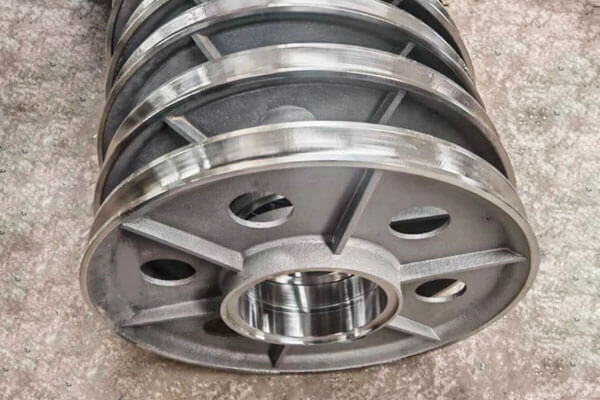
Обрада жлебова за уже
Жлеб за ужад је једна од најкритичнијих функционалних површина ременице. Its radius, дубина, ширина, а профил мора бити усклађен са врстом и пречником ужета.
Жлеб премале величине може претерано да стегне конопац, док превелики или неправилно обликовани жлебови могу пружити недовољну подршку и повећати деформацију и хабање ужета.
For wire-rope pulleys, радијус жлеба је стога обично дизајниран да обезбеди правилно налегање ужета, а не да једноставно одговара номиналном радијусу ужета.
Жлеб се обично обрађује на ЦНЦ машини за стругање помоћу алата за обликовање или профилисање.
Након грубог и завршног окретања, брушење или полирање се може применити тамо где је потребна финија и конзистентнија површина.
Боре Мацхининг
Отвор обезбеђује интерфејс са осовином, лежај, или чаура, so its diameter, заобљеност, а концентричност се мора пажљиво контролисати.
Проврт се обично производи бушењем, развртање, or precision grinding.
У зависности од захтеваног уклапања и примене, толеранције димензија могу бити наведене у стотим деловима милиметра, на пример око ±0,02 до ±0,05 мм за неке прецизне примене.
Стварна толеранција треба да се одреди на основу осовине/лежаја, pulley size, и применљива инжењерска спецификација.
Most importantly, отвор мора да одржава тражени положајни однос са жлебом ужета и спољашњом површином снопа.
Машинска обрада утора и клина
Где је ременица монтирана директно на осовину са кључем, the keyway width, дубина, а угаона позиција мора бити прецизно обрађена.
Његово поравнање са жлебом ременице је важно за исправну монтажу и пренос оптерећења.
За апликације које захтевају већи капацитет обртног момента или прецизније ротационо ангажовање, могу се користити зупчасте везе.
In either case, потребна је прецизност обраде да би се спречио превелики зазор, локална концентрација напрезања, or assembly interference.
Хуб, Фаце, и обрада прирубница
Главина и крајње стране могу захтевати окретање, глодање, или брушење да би се добиле потребне димензије и стање површине.
Површине за монтажу морају бити довољно равне и правилно поравнате да би се обезбедила доследна монтажа.
Геометрија прирубнице такође захтева контролу јер прекомерне варијације могу утицати на задржавање ужета и однос између жлеба и околне структуре.
Концентричност и Руноут
Концентричност отвора у односу на жлеб ужета је посебно важна за ротирајућу ременицу.
Прекомерни ексцентрицитет или радијално отпуштање може довести до неуједначеног кретања ужета, вибрација, uneven loading, и додатно напрезање лежаја.
Испадање се обично проверава помоћу индикатора бирања, precision gauge, или опреме за координатно мерење.
За критичне компоненте, the applicable ТИР (Total Indicator Reading) захтев треба да буде дефинисан на инжењерском цртежу, а не да се користи генеричка вредност.
Динамиц Баланцинг
Ременице велике брзине могу захтевати динамичко балансирање након обраде.
Неравнотежа генерише центрифугалне силе које се повећавају са брзином ротације и могу допринети вибрацијама и оптерећењу лежајева.
Балансирање се врши на наменској машини за балансирање. У зависности од начина корекције, мале количине материјала могу да се уклоне или да се додају утези за балансирање да би се постигао захтевани услов равнотеже.
For low-speed, heavily loaded sheaves, захтеви за балансирање могу бити мање строги него за ременице велике брзине.
5. Површинска обрада и топлотна обрада ременица од ливеног челика
Термичка обрада одређује механичко стање ливеног челика, док се површинском завршном обрадом успоставља потребно стање функционалних и изложених површина.
Оба се морају узети у обзир заједно са предвиђеним оптерећењем, носити, rope type, оперативно окружење, и век трајања.
Топлотни третман
Циклус термичке обраде се бира у складу са квалитетом ливеног челика и потребним механичким својствима. Уобичајени третмани укључују:
| Топлотни третман | Примари Пурпосе |
| Нормализација | Пречистите микроструктуру ливења и успоставите уједначеније механичко стање |
| Враголовање | Смањите тврдоћу, побољшати обрадивост, и ублажи унутрашње напрезање |
| Гашење и каљење | Развијте већу снагу и жилавост са контролисаном тврдоћом |
| Ублажавање стреса | Смањите заостала напрезања од ливења, заваривање, или машинска обрада |
| Сурфаце Харденинг | Повећајте отпорност на хабање одабраних површина као што је жлеб за ужад |
За носиве ременице, каљење и каљење се могу изабрати за одговарајуће угљеничне и нисколегиране ливене челике када су потребне веће механичке перформансе.
Температура каљења мора бити успостављена у складу са врстом челика и потребном равнотежом између тврдоће и жилавости.
Површинско очвршћавање жлеба
Тамо где контакт ужета доводи до значајног хабања, може се узети у обзир локализовано површинско очвршћавање.
У зависности од материјала и дизајна, методе као што су индукционо очвршћавање, стврдњавање пламеном, или може бити применљиво нитрирање.
Третман треба да се примењује селективно јер прекомерна површинска тврдоћа или неодговарајућа дубина очвршћавања могу смањити жилавост или створити нежељена заостала напрезања.
Због тога је потребно размотрити стање материјала жлеба заједно са материјалом ужета и стварним контактним условима.
Гроове Сурфаце Финисх
Завршна обрада директно утиче на интеракцију између жлеба ременице и ужета.
Груба површина може повећати локалну абразију и убрзати хабање ужета, док одговарајуће завршени жлеб обезбеђује глаткији контакт.
Типична мета за обрађене жлебове ременице може бити около РА 1.6-3.2 μм, иако потребну вредност треба навести према врсти ужета, радна брзина, утоваривање, подмазивање, и стандард дизајна.
Завршну обраду не треба разматрати независно од геометрије жлеба.
Глатка, али неправилно профилисана жлеб може и даље изазвати прекомерно хабање ужета, док исправан профил са контролисаном текстуром површине обезбеђује стабилније контактно стање.
Премазивање и заштита од корозије
Ременице од ливеног челика које се користе на отвореном или у влажним и корозивним срединама могу захтевати заштитне премазе. Уобичајене опције укључују:
- Епоксидни премази
- Полиуретански премази
- Прајмери богати цинком
- Остали индустријски системи за заштиту од корозије
За поморске или оффсхоре услуге, агресивнији системи за заштиту од корозије могу бити специфицирани према изложености животној средини и спецификацији премаза.
Жлеб за контакт са ужетом се често третира другачије од бесконтактних површина. Дебљина премаза не сме да мења димензије жлеба или да омета налегање ужета.
У апликацијама где је тачност димензија критична, жлеб стога може остати необложен или бити пажљиво контролисан.
Компатибилност ужета
Завршна обрада површине и геометрија жлебова морају се на крају узети у обзир заједно са спецификацијом ужета. Жичано и синтетичко уже не захтевају нужно идентичне дизајне жлебова.
За жичано уже, жлеб треба да обезбеди адекватну подршку, избегавајући претерано штипање или деформацију.
Синтетички ужад може захтевати различиту геометрију жлебова и карактеристике површине због њихове мање крутости на савијање и различитог понашања при контакту.
Стога, произвођач ременице треба да потврди пречник ужета, изградња, материјал, радно оптерећење, и услове рада пре финалне обраде жлебова и површинске обраде.
Ово осигурава да је готова колотура од ливеног челика дизајнирана као интегрисани део система за руковање ужетом, а не као изолована ротирајућа компонента.
6. Кључни захтеви квалитета за ременице од ливеног челика
Захтеви квалитета за ременице од ливеног челика су вођени безбедношћу, поузданост, и век трајања. Следеће је неопходно.
Material Certification. Хемијски састав и механичка својства морају бити верификовани и документовани. Сертификати о анализама и извештаји о механичким испитивањима треба да прате сваку производну серију.
Интернал Соунднесс. Одливци не смеју да буду без штетних недостатака као што је порозност скупљања, порозност гаса, инклузије, и пукотине. Испитивање без разарања се користи за проверу унутрашњег квалитета.
Димензионална тачност. Гроове профил, величина отвора, концентричност, исцрпљивање, а димензије отвора за кључ морају испуњавати услове за цртеж. Треба обезбедити извештаје о инспекцији димензија.
Квалитет површине. Површине жлебова и проврта не смеју имати дефекте који би могли да оштете уже или да изазову неусклађеност. Храпавост површине треба измерити и документовати.
Верификација термичке обраде. Испитивање тврдоће и, где је то потребно, микроструктурни преглед потврђује да је топлотна обрада обављена исправно.
Тестирање оптерећења. За критичне апликације, може бити потребно испитивање отпорним оптерећењем или испитивање разарања да би се потврдила чврстоћа и сигурност.
7. Примене прилагођених ременица од ливеног челика
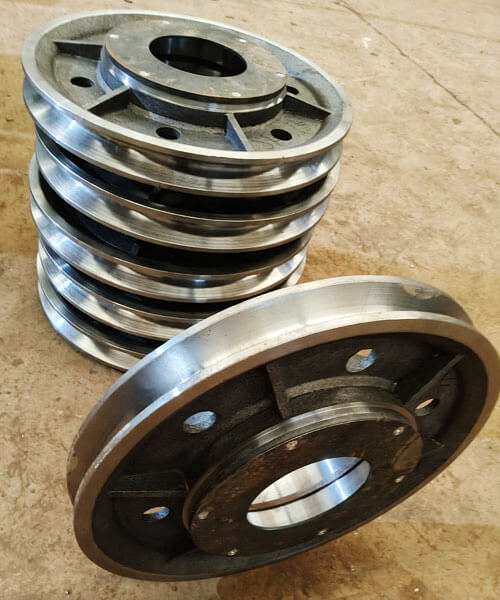
Дизалице и опрема за дизање
Дизалице су једна од најважнијих апликација за ременице од ливеног челика.
Ножеви у системима за подизање више пута преносе оптерећење са жичаног ужета на осовину или склоп лежаја и могу доживети ударно оптерећење током подизања, снижавање, убрзање, и заустављање.
Прилагођене ременице од ливеног челика се користе у:
- Мостне дизалице
- Портални кранови
- Mobile cranes
- Торањски кранови
- Port cranes
- Блокови дизалица и склопови кука
- Витло и системи за реевинг
За примену дизалица, профил жлеба, однос пречника снопа и пречника ужета, боре, а интегритет конструкције мора бити усклађен са системом за подизање.
рударска опрема
Рударске машине намећу посебно тешке услове механичким компонентама због великих оптерећења, абразивна прашина, утицај, continuous operation, и тешка окружења за одржавање.
Ременице и снопови од ливеног челика могу се користити у опреми за дизање, системи за руковање ужетом, транспортери, и друге тешке механизације.
У апликацијама које укључују тешке ударце и хабање, избор материјала и тврдоћа површине могу постати посебно важни.
Грађевинска и транспортна опрема
Грађевинске машине често укључују системе ременица за подизање, позиционирање, затезање, или преусмеравање ужета.
Типичне апликације укључују:
- Грађевинске дизалице
- Системи за руковање материјалом
- Витла
- Прикључци за подизање
- Системи за вођење каблова
- Специјализоване машине за руковање
Прилагођено ливење је посебно корисно када стандардна ременица не може да задовољи потребне димензије или конфигурацију за монтажу.
Поморска и оффсхоре опрема
Морска и приобална окружења комбинују механичко оптерећење са влажношћу, излагање сланој води, корозија, и ограничен приступ за одржавање.
Прилагођене ременице од ливеног челика могу се уградити у:
- Марине дизалице
- Опрема за дизање на мору
- Витла за бродове
- Системи за привезивање
- Палубне машине
- Опрема за руковање кабловима и ужадима
За ове апликације, материјал и систем заштите од корозије треба изабрати према стварном морском окружењу.
Нерђајући ливени челик се може узети у обзир када је отпорност на корозију примарни захтев.
Опрема за нафту и гас
Опрема за нафту и гас може изложити ременице и снопове високим оптерећењима, вибрација, corrosive atmospheres, и континуирани циклуси рада.
Прилагођене компоненте од ливеног челика се могу користити за подизање, hoisting, и специјализовану опрему за руковање материјалом.
Где је апликација критична за безбедност, спецификација материјала, NDT requirements, топлотни третман, а следљивост треба унапред дефинисати.
Индустријске машинерије
Прилагођене ременице се такође користе у индустријској опреми за:
- Провођење каблова
- Tensioning systems
- Hoists
- Conveyor systems
- Специјализована опрема за пренос
- Аутоматизоване машине за руковање
Главна предност прилагођеног дизајна је у томе што се ременица може развити око комплетног интерфејса опреме уместо да приморава опрему да прилагоди стандардну ременицу.
8. Основне предности ременица од прецизног ливеног челика
Ременице од прецизног ливеног челика нуде неколико предности у односу на алтернативе.
- Висока чврстоћа и жилавост: Ливени челик може издржати велика оптерећења, утицај, а замор бољи од ливеног гвожђа или алуминијума.
- Флексибилност дизајна: Ливење омогућава сложене облике, Интегрисане карактеристике, и оптимизована дистрибуција материјала.
- Облик скоро мреже: Ливење смањује време обраде и губитак материјала у поређењу са производњом од плоче или шипке.
- Завабилност: Челични одливци се могу заварити и поправити, за разлику од ливеног гвожђа.
- Скалабилност: Ливење је економично и за мале и за велике серије, а за веома велике ременице које би било тешко произвести.
- Доследан квалитет: Контролисани процес ливнице производи поновљива својства и димензије.
- Прилагођавање: Легуре, Топлотни третмани, а обрада се може прилагодити апликацији.
- Исплативост: За многе апликације, ременице од ливеног челика нуде најбољу комбинацију перформанси и укупне цене.
9. Ременице од ливеног челика против ременица од ливеног гвожђа
Ременице од ливеног челика и ливеног гвожђа могу се произвести ливењем, већ њихово механичко понашање, отпорност на ударце, носивост, а типични услови услуге се значајно разликују.
| Основна карактеристика | Ременица од ливеног челика | Ременица од ливеног гвожђа |
| Снага | Висока затезна и чврстоћа течења; погодан за тешко оптерећене компоненте | Генерално ниже, посебно за сиви ливени гвожђе |
| Жилавост | Висока жилавост и боља отпорност на ударно оптерећење | Нижа жилавост; сиво гвожђе је релативно крто |
| Отпорност на удар | Одличан за поновно или изненадно оптерећење | Ограничено под тешким условима удара |
| Дуктилност | Значајан капацитет пластичне деформације пре лома | Низак за сиви ливени гвожђе; високо зависан од разреда |
| Перформансе замора | Генерално боље за циклично и динамичко оптерећење | More limited, посебно тамо где постоје концентрације стреса |
| Отпорност на хабање | Може се побољшати избором легуре и топлотном обрадом | Добро у неким врстама ливеног гвожђа, посебно под стабилним клизањем или абразивним условима |
Обрада |
Добри, али тврђе легуре могу захтевати контролисану ЦНЦ обраду | Генерално одлично, посебно за сиви ливени гвожђе |
| Цастинг Цапабилити | Погодно за комплекс, интегрисане носеће геометрије | Одлична способност ливења и погодна за сложене облике |
| Топлотни третман | Може се нормализовати, жарозан, угашен и каљен, или површински каљен у зависности од степена | Опције термичке обраде у великој мери зависе од квалитета гвожђа и генерално су ограниченије за сиво гвожђе |
| Служба за тешке услове рада | Добро прилагођен за дизалице, рударство, дизалице, и машинерије за тешке услове рада | Погодније за лакше или стабилније услове оптерећења |
| Понашање прелома | Толерантнији на преоптерећење и ударе пре лома | Подложнији крхким ломовима под претераним шоком |
| Материјални трошак | Генерално више | Генерално ниже |
| Најбоља основна предност | Снага, жилавост, и поузданост при захтевним оптерећењима | Ефикасност трошкова, капитаљивост, и обрада |
10. Зашто одабрати ДЕЗЕ као свог произвођача ременица од ливеног челика?
Ова технологија пружа производња ременице од ливеног челика од прецизног ливења преко ЦНЦ обраде и завршне провере, омогућавајући да се комплетна компонента развије и произведе у оквиру интегрисаног производног процеса.
Наш производни приступ почиње прегледом инжењеринга и одабиром материјала, праћен развојем шаблона, израда калупа, контролисано топљење и изливање челика, очвршћавање, топлотни третман, прецизна обрада, и инспекцију квалитета.
Различити системи од ливеног челика могу се одабрати према радном оптерећењу, услови утицаја, температура, носити, и изложеност корозији.
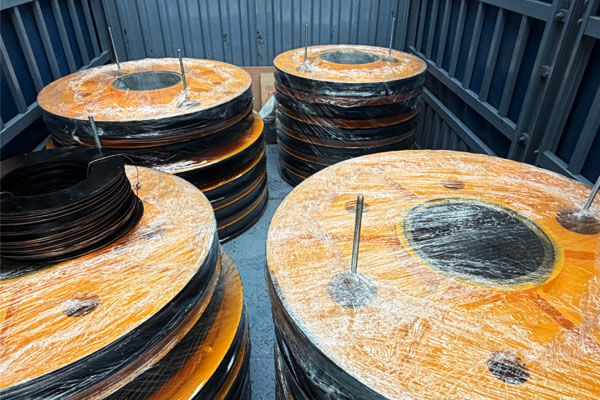
Где је потребно, процес производње може укључити верификацију тврдоће и одговарајући НДТ, укључујући ПТ, МТ, Ут, или РТ, према спецификацији компоненте.
Циљ није једноставно испорука сировог одливака. То је да обезбеди готову прилагођену ременицу са контролисаним својствима материјала, тачна функционална геометрија, доследна обрада, и следљива документација квалитета.
11. Закључак
Ременице од ливеног челика су пројектоване компоненте за апликације где носивост, отпорност на ударце, перформансе хабања, Димензионална тачност, и дугорочна поузданост су важни.
Њихове перформансе зависе од комбинованог квалитета материјала, ливење, топлотни третман, обрада, и инспекција.
Прецизно ливење обезбеђује ефикасну руту за производњу сложене геометрије ременице са интегрисаном структуром клипа и главчине уз смањење непотребне машинске обраде.
Накнадна ЦНЦ обрада утврђује критичне димензије жлеба ужета, боре, кеиваи, чвориште, and mounting surfaces.
Термичка обрада тада може да обезбеди потребну равнотежу снаге, тврдоћа, и жилавост, док се прегледом потврђује интегритет ливења и тачност димензија.
For crane, рударство, изградња, маринац, на одбору, уље и гас, и примене индустријских машина, треба изабрати исправну колотуру у складу са спецификацијом ужета, стање утовара, оперативно окружење, и важећим техничким захтевима.
Правилно пројектована ременица од ливеног челика није само точак са жлебом; то је носива компонента чија геометрија и стање материјала директно утичу на поузданост комплетног система за руковање ужетом.
Често постављана питања
Која је разлика између ременица од ливеног челика и ливеног гвожђа?
Ливени челик има већу чврстоћу и жилавост и заварљив је.
Ливено гвожђе је јефтиније и лакше се обрађује, али је крхко и није лако заварено.
Какав је профил жлеба ременице?
Профил жлеба је облик канала који поставља уже или кабл.
Мора да одговара пречнику ужета и конструкцији да би се обезбедило правилно седење, минимизирати хабање, и спречи исклизнуће.
Зашто је топлотна обрада важна за ременице од ливеног челика?
Топлотна обрада контролише снагу, тврдоћа, жилавост, и заостала напрезања. Осигурава да ременица може издржати радна оптерећења без прераног квара.
Како се проверава квалитет ременице?
Квалитет се потврђује сертификацијом материјала, преглед димензија, испитивање без разарања (дие пенетрант, магнетна честица, ултразвучни, радиографски), испитивање тврдоће, и тестирање оптерећења где је потребно.
Могу ли се ременице од ливеног челика поправити?
Да. Челични одливци се могу заварити и поправити, за разлику од ливеног гвожђа. Поправке треба да обављају квалификовани заваривачи користећи одобрене процедуре.
Која је обрада површине потребна за жлеб ременице?
Потребна завршна обрада зависи од врсте ужета, услови рада, и спецификација дизајна.
Машински обрађен жлеб около РА 1.6-3.2 μм може бити прикладно за неке апликације, али не постоји универзална вредност храпавости за сваку ременицу.
Зашто је концентричност важна за ременицу?
Проврт и жлеб ужета морају одржавати одговарајући положајни однос. Прекомерни ексцентрицитет или извлачење може изазвати неравномерну ротацију, нестабилно кретање ужета, вибрација, и неравномерно оптерећење.

