
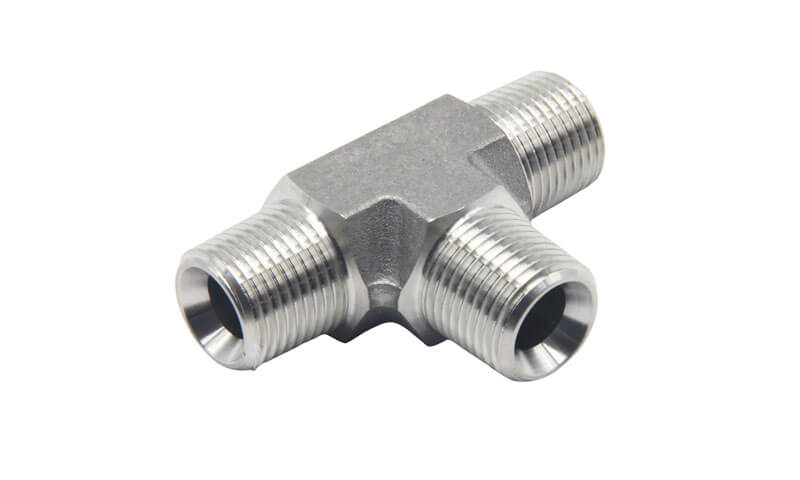
А Тее од нехрђајућег челика је цевни спој са три прикључка дизајниран за поделу, комбиновати, или преусмерава проток флуида унутар система цевовода.
За разлику од једноставног дела цеви, Т мора да интегрише три пролаза за проток у једно тело које садржи притисак уз одржавање довољне механичке чврстоће, контролисана дебљина зида, Димензионална тачност, и поуздане везе са суседним цевоводима.
У захтевним апликацијама, геометрија споја грана такође утиче на расподелу протока, локална концентрација напрезања, губитак притиска, и дугорочну поузданост услуге.
За сложене прилагођене мајице, Инвестициони ливење (ливење изгубљеног воска) пружа ефикасан начин да се репродукује тродимензионални спој између пролаза и грана, док тело остаје као интегрисани одлив.
Ливење успоставља укупну структурну геометрију, док ЦНЦ обрада може накнадно да произведе навоје, досади, заптивне површине, димензије утичнице, и других функционалних интерфејса до потребних толеранција.
1. Шта је мајица од нерђајућег челика?
А Тее од нехрђајућег челика је тросмерни цевни спој са једним главним пролазом и једним огранком који се укрштају у контролисаној геометрији.
Користи се за раздвајање струје течности у два правца, спојити два тока у један, или обезбедити везу са другим делом цевоводног система.
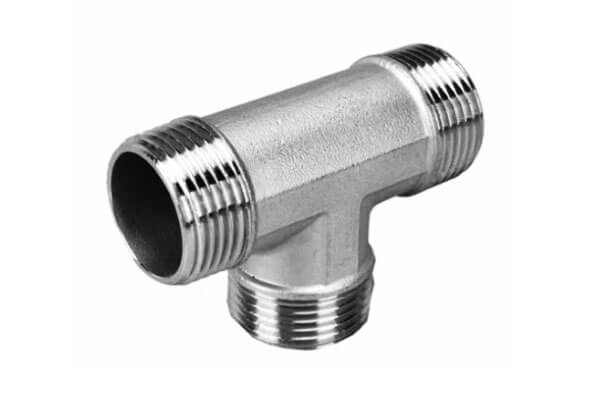
Три отвора се обично називају два краја трчи и тхе тхе грана. У једнакој мајици, три величине прикључка су номинално исте. У редукционом тројнику, грана или једна страна стазе има мањи пречник.
Пошто се три пролаза секу унутар релативно компактног тела, спој је технички захтевнији од равне цеви.
Произвођач мора истовремено контролисати унутрашњу геометрију пролаза, спољна дебљина зида, материјалну исправност, и прикључне димензије.
2. Материал Енгинееринг & металургија
Избор материјала је фундаменталан за извођење обичаја нехрђајући челик Тее јер спојница мора истовремено да издржи унутрашњи притисак, корозија, температура, механичко оптерећење, и услови производње ливеног ливења.
Аустенитни нерђајући челици: ЦФ8, ЦФ8М, ЦФ3, и ЦФ3М
ЦФ8 нерђајући челик
АСТМ А351 ЦФ8 је ливени аустенитни нерђајући челик који у великој мери одговара кованом 304 нехрђајући челик.
Обично садржи приближно 18–21 теж.% хрома и 8–11 теж.% никла, са угљеником ограниченим на приближно 0.08 теж.% максимално.
ЦФ8 пружа добру општу отпорност на корозију, жилавост, и капитаљивост, чинећи га погодним за воду, паром, прерада хране, и многи општи системи индустријских флуида.
ЦФ8М нехрђајући челик
АСТМ А351 ЦФ8М је ливени тип 316 и обично садржи приближно 18–21 теж.% хрома, 9–12 теж.% никла, и 2–3 теж.% молибдена.
Додатак молибдена побољшава отпорност на локализовану корозију, нарочито корозија удубљења и пукотина, у многим срединама које садрже хлорид.
ЦФ8М се стога широко разматра када је изложена хемикалијама, морски услови, или је укључена захтевнија услуга течности.
За заварене или заварене склопове, нискоугљеничне класе ЦФ3 и ЦФ3М може пружити важну металуршку предност.
Њихов садржај угљеника је генерално ограничен на 0.03 теж.% максимално, смањење тенденције таложења хром-карбида на границама зрна током топлотног излагања.
Ово помаже у смањењу ризика од сензибилизације и повезане интергрануларне корозије, посебно око заварених подручја.
Дуплек и Супер Дуплек нерђајући челици
Када је нерђајући челик изложен високим концентрацијама хлорида, морска вода, оффсхоре окружења, или захтевним условима притиска и температуре, дуплекс нерђајући челици могу пружити корисну комбинацију чврстоће и отпорности на корозију.
Дуплекс 2205 Нехрђајући челик
Дуплекс 2205, обично идентификовани по УС С32205 и припадајући степен ливења ЦД3МН, садржи мешовиту феритно-аустенитну микроструктуру, обично циљано близу уравнотеженог односа фаза након одговарајућег третмана раствором.
Ова двофазна структура даје легури знатно већу границу течења од конвенционалних аустенитних ливених нерђајућих челика, истовремено одржавајући снажну отпорност на механизме корозије повезане са хлоридом..
У поређењу са ЦФ8М, 2205 може да обезбеди приближно двоструко већу границу течења, у зависности од применљиве спецификације производа и услова термичке обраде.
Такође нуди добру отпорност на пуцање хлоридним стресом, прикудан, и пукотина корозије.
Супер дуплекс 2507 Нехрђајући челик
Супер дуплекс 2507, уобичајено назначено УС С32750 и повезан са ливеним степеном ЦД3МВЦуН, садржи већи ниво хрома, молибден, а азот него 2205.
Због тога обезбеђује већу чврстоћу и већу отпорност на локализовану корозију, што га чини погодним за тешке морске, на одбору, и процесна окружења.
ЦК3МЦуН нерђајући челик
ЦК3МЦуН разликује се од дуплекс нерђајућег челика. То је а високолегирани аустенитни нерђајући челик са значајним додацима молибдена и азота и намењен је за високо корозивна окружења где је конвенционално 304- или материјали типа 316 можда неће пружити довољну отпорност.
Стога га треба узети у обзир одвојено од дуплекс и супер дуплекс материјала када бирате чауру од ливеног нерђајућег челика.
3. Прецисион Енгинееринг & Ток производног процеса
Производња мајице од нерђајућег челика по мери Инвестициони ливење укључује низ пажљиво контролисаних корака.
Сваки корак утиче на коначни квалитет, Димензионална тачност, и механичка својства.

ЦАД/ЦАМ алати за калупе и симулација учвршћивања
Процес почиње цртежом или 3Д моделом купца. Инжењерски тим ливнице креира ЦАД модел мајице, укључујући додатке за скупљање, обрада, и нацрт.
Алати за калупе се затим дизајнирају и обрађују помоћу ЦАМ софтвера.
Пре сечења алата, очвршћавање и симулација течења се изводи помоћу софтвера као што су ПроЦАСТ или МАГМА. Ова симулација предвиђа:
- Понашање при пуњењу калупа и потенцијално затварање од хладноће.
- Редослед очвршћавања и порозност скупљања.
- Вруће тачке и заостала напрезања.
- Локација успона и мрзлица.
Симулација омогућава ливници да оптимизује затварање и подизање пре него што се излије било који метал, смањење покушаја и грешака и скраћивање времена развоја.
Аутоматско убризгавање узорка и изградња роботске керамичке шкољке
Воштани узорци се производе убризгавањем растопљеног воска у алат за калуп под притиском.
Аутоматске машине за убризгавање обезбеђују конзистентне димензије узорка, густина, и површински завршетак. Узорци се затим склапају на централну водилицу или спруд, формирајући дрво.
Дрво се више пута урања у керамичку кашу и премазује штукатуром како би се изградила керамичка шкољка.
Ово се често ради помоћу изградња роботске шкољке система, који обезбеђују доследну дебљину премаза и сушење.
Тхе процес силицијум сол се обично користи за ливење од нерђајућег челика јер производи глатке, јака шкољка са одличном стабилношћу димензија.
Девексирање, Схелл Синтеринг, и топљење
Након што шкољка достигне довољну дебљину, загрева се да се восак истопи (депаратирање) а затим синтерована на високој температури да ојача керамику.
Синтерована шкољка је шупљи калуп спреман за изливање.
Топљење се врши у ан индукциона пећ, било у ваздуху или под вакуумом, у зависности од легуре и захтева квалитета.
Хемија се проверава спектрографском анализом пре изливања. Растопљени метал се сипа у претходно загрејану шкољку, а одливку се дозвољава да се очврсне под контролисаним условима.
Завршна обрада након ливења
Након очвршћавања, керамичка шкољка је одломљена, а одливци се исеку са дрвета. Капије и успони се уклањају брушењем или резањем.
Затим се подвргавају одливању:
- Размазивање: За уклањање остатака керамике и површинског каменца.
- Брушење и завршна обрада: Да бисте уклонили стубове на капији и мешали површине.
- Решење жарења: За враћање отпорности на корозију и оптимизацију својстава.
- Пасивација: За уклањање слободног гвожђа и побољшање слоја пасивног оксида.
- ЦНЦ урезивање навоја: За НПТ, Бсп, или крајеви са метричким навојем.
- Припрема краја утичнице или сучеоног заваривања: Да испуни захтеве АСМЕ Б16.9 или Б16.11.
- Инспекција и испитивање: Димензионално, визуелни, НДТ, и испитивање притиска.
Сваки корак је документован и следљив, осигуравајући да готова мајица испуњава спецификације купца.
4. Тее од нерђајућег челика вс. Коване и фабриковане мајице
Инвестмент-цаст, фалсификован, и фабриковане Т-компоненте од нерђајућег челика могу се користити за стварање тросмерних цевовода,
али њихови производни путеви производе различите комбинације геометрије, металуршке структуре, захтеви за машинску обраду, економија производње, и могућност прилагођавања.
Избор би стога требао бити заснован на стварној класи притиска, разред материјала, геометрија, обим производње, и применљивим захтевима за цевоводе уместо да претпоставља да је један производни процес универзално супериоран.
| Основна карактеристика | Тее од ливеног нерђајућег челика | Тее од кованог нерђајућег челика | Произведена мајица од нерђајућег челика |
| Принцип производње | Истопљени нерђајући челик се учвршћује у прецизном керамичком калупу | Загрејана кована гредица се пластично деформише под контролисаним силама ковања | Пипе, плоча, или се коване компоненте секу, опремљен, и заварени |
| Сложена геометрија | Одличан | Добри, али је облик ограничен праксом ковања | Високо, али сложена геометрија може захтевати више делова |
| Једноделна конструкција | Да | Да | Уобичајено састављен и заварен |
| Геометрија унутрашњег пролаза | Одличан за погодне дизајне за улагање | Добро за релативно конвенционалне пасусе | Веома флексибилан, али измишљотина је више укључена |
| Структура материјала | Ливена микроструктура, контролисан кроз очвршћавање и термичку обраду | Ковани, обрађена структура | Ковани/фабрицирани материјал плус зоне заваривања |
| Прилагођавање | Одличан за нестандардне димензије и конфигурације грана | Добри, али ограничења алата и ковања расту са сложеношћу | Одличан за посебне или веома велике конфигурације |
| Махининг Рекуиремент | Умерен; спојне и заптивне површине нормално обрађене | Често умерено до високо | Умерено до високо у зависности од производње |
Завари |
Није потребан структурални завар у основном телу Т-а | У кованом телу није потребан структурални завар | Можда ће бити потребно више заваривања |
| Захтеви за алат | Потребан је узорак/алат | Можда ће бити потребне калупе за ковање | Нижи захтеви за наменским алатима |
| Сложени мали и средњи делови | Веома погодан | Погодно | Може бити мање економично |
| Велике специјалне мајице | Зависно од процеса | Зависно од процеса | Често практично |
| Репеат Продуцтион | Одлично када се алати успостави | Одличан | Добри |
| Главна производна предност | Комплексна интегрисана геометрија са обликом скоро мреже | Кована механичка конструкција и утврђени путеви ковања | Флексибилна израда са релативно ниским почетним алатом |
| Главно ограничење | Захтева ригорозну контролу чврстоће ливења и очвршћавања | Мање флексибилан за сложену геометрију | Квалитет заваривања, дисторзија, а резидуални стрес захтевају контролу |
5. Индустријске апликације & Студије случаја из стварног света
Прилагођене мајице од нерђајућег челика се користе у широком спектру индустрија и апликација.

Хемијска и петрохемијска: Системи цевовода за киселине, растварачи, и реактивне хемикалије. ЦФ8М и дуплекс легуре су уобичајене.
Нафта и гас: Оффсхоре платформе, рафинерије, и цевоводе. Дуплекс и супер дуплекс мајице се користе за морску воду и услуге са високим садржајем хлорида.
Генерација електричне енергије: Паром, вода за хлађење, и системи за одсумпоравање димних гасова. Користе се ЦФ8М и високолегирани нерђајући челици.
Фармацеутика и биотехнологија: Чиста пара, пречишћена вода, и процесне цеви. ЦФ3М и електрополиране мајице су уобичајене.
Храна и пиће: Процесни цевоводи за млечне производе, пиварство, и прерада хране. Користе се ЦФ8М и хигијенски дизајни.
Маринац: Цевоводи за морску воду, баластни системи, и палубна дренажа. Дуплекс и супер дуплекс мајице су пожељније.
Пречишћавање воде: Десалинизација, отпадне воде, и системи за дозирање хемикалија. Користе се ЦФ8М и дуплекс легуре.
6. Изаберите ДЕЗЕ као свог произвођача мајица од нерђајућег челика по мери
Ова технологија обезбеђује интегрисана решења за ливење нерђајућег челика и ЦНЦ машинску обраду за сложене цевне спојеве и индустријске компоненте.
Од почетног прегледа инжењеринга и одабира материјала до ливења, топлотни третман, ЦНЦ обрада, дорада површине, и завршни преглед, Ово управља кључним фазама производње у оквиру интегрисаног радног тока.
Као ан ИСО 9001:2015-сертификован произвођач, Ово одржава следљивост производње и контролу квалитета током целог процеса производње. Инспекција и тестирање се могу организовати према захтевима пројекта.
Контактирајте овај са својим цртежом, 3Д модел, спецификација материјала, димензије, или захтевима за пријаву.
Наш инжењерски тим може прегледати дизајн и развити погодно решење за ливење Т нерђајућег челика за ваш пројекат.
7. Закључак
Прилагођене Т-компоненте од нерђајућег челика су критичне компоненте у системима цевовода где су отпорни на корозију, интегритет притиска, и поузданост су од суштинског значаја.
Инвестиционо ливење нуди јединствену комбинацију слободе дизајна, флексибилност материјала, и економичност што га чини идеалним за сложене мајице средњег до великог обима.
Од ЦФ8 и ЦФ8М аустенитних разреда до дуплекс и супер дуплекс легура, избор материјала мора одговарати услужном окружењу.
Жарење раствором је неопходно за обнављање отпорности на корозију и оптимизацију механичких својстава.
Прецизна обрада обезбеђује крајње припреме, нити, и димензијама задовољавају захтеве система цевовода.
Одабир правог производног партнера је од суштинског значаја. Ливница са инжењерском експертизом, машинска обрада у кући, могућности топлотне обраде, а снажан систем квалитета може помоћи да се осигура да свака мајица ради поуздано у предвиђеној примени.
ДЕЗЕ је позициониран као такав партнер, нудећи техничку дубину и производне могућности потребне за прилагођене пројекте од нерђајућег челика.
Често постављана питања
Зашто користити ливење за улагање за Т-у од нерђајућег челика?
Ливење по инвестицији је погодно за сложену геометрију тројнице јер може да произведе трчање, грана, раскрсница, а спољна структура као интегрисани одлив.
Критични интерфејси као што су нити, досади, а заптивне површине се тада могу обрадити ЦНЦ машином.
Да ли мајица од нерђајућег челика захтева топлотну обраду?
Многе врсте ливеног нерђајућег челика захтевају или имају користи од одређених услова топлотне обраде.
За аустенит и дуплекс ливење, третман раствором је обично важан за постизање захтеваних металуршких и корозивних својстава. Тачан циклус је специфичан за разред.
Која је разлика између равног и редукционог?
Једнака тројница има сва три отвора исте величине. Редукциони тројник има отвор за гране мањи од отвора за рад. Редукциони тројници се користе када се преусмерава само део протока.
Могу ли се ливени тројници користити у раду под високим притиском?
Да, када је правилно пројектован, лишити, топлота третирана, и прегледати. Инвестициони ливени Т-иви могу да испуне захтеве за испитивање притиска и цурења за многе примене под високим притиском.
За екстремне притиске, коване мајице могу бити пожељније.
Које крајње припреме су доступне за Т-јекове од нерђајућег челика?
Уобичајене припреме за завршетак укључују навој (Изрезати, Бсп), заварени спој, чеони завар, и прирубнички. Избор зависи од система цевовода, притисак, и захтеви за монтажу.

