1. Introduzzjoni
Bronż mhuwiex metall pur; hija familja ta 'ligi bbażati fuq ir-ram, tradizzjonalment assoċjati mar-ram u l-landa, għalkemm il-bronż modern jista 'jinkludi elementi oħra ta' liga wkoll.
Minħabba li l-bronż huwa liga, ġeneralment jagħmel le dewweb f'temperatura waħda eżatta.
Minflok, idub fuq a firxa bejn il- solidus u likwidu temperaturi: taħt is-solidus huwa kompletament solidu, fuq il-liquidus huwa kompletament likwidu, u bejn it-tnejn teżisti fi stat parzjalment imdewweb.
Din id-distinzjoni hija fundamentali fil-metallurġija, ikkastjar, u l-iwweldjar.
2. X'inhu Bronż Attwalment?
Fl-użu tekniku, "bronż" huwa terminu usa 'minn ħafna nies jassumu.
Il-bronż l-aktar familjari huwa bronż tal-landa, iżda ligi tal-bronż industrijali jinkludu wkoll bronż tal-landa biċ-ċomb, bronż tal-aluminju, Bronż tas-silikon, u varjanti oħra bbażati fuq ir-ram.
Dawn il-familji tal-bronż huma differenti fis-saħħa, ilbes imġieba, Reżistenza għall-korrużjoni, makkinabilità, u l-imġieba termali.
Huwa għalhekk li wieħed jistaqsi għall-“punt tat-tidwib tal-bronż” huwa xi ftit bħal li titlob il-punt tat-togħlija taż-“żejt.” It-tweġiba tiddependi fuq liema bronż trid tfisser.
Żidiet ta 'liga differenti jċaqalqu l-firxa tat-tidwib f'direzzjonijiet differenti, għalhekk id-dejta rilevanti għandha dejjem tiġi mill-grad eżatt jew mill-ispeċifikazzjoni aktar milli minn tikketta ġenerika tal-bronż.
Din hija inferenza appoġġjata mill-firxa kbira fil-valuri tad-datasheet għal-ligi tal-bronż komuni.
3. Medda tat-tidwib vs. Punt ta 'tidwib
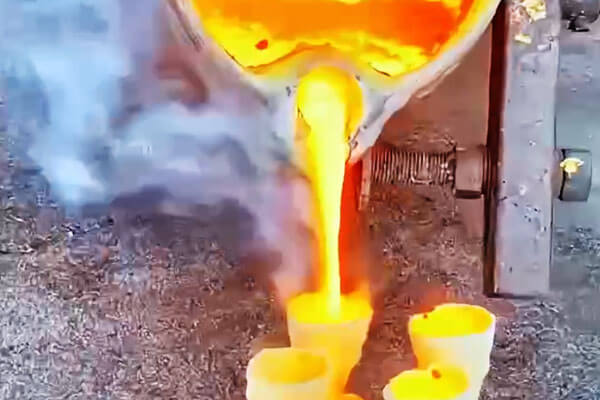
Għal metalli puri, "punt tat-tidwib" normalment tfisser temperatura waħda. Għal ligi bħall-bronż, it-terminu aktar preċiż huwa firxa tat-tidwib.
Id-differenza bejn solidus u liquidus mhix biss teoretika: taffettwa kif il-bronż iġib ruħu fil-fran, forom, u servizz ta 'temperatura għolja.
Fl-intervall semi-solidu, il-liga tista 'tkun mushy, u l-imġieba tal-fluss tagħha tinbidel b'mod sinifikanti.
Dan huwa speċjalment importanti fl-ikkastjar. It-temperatura li fiha liga tibda tidwib tiddetermina l-bidu ta 'likwefazzjoni parzjali, filwaqt li l-liquidus jimmarka tidwib sħiħ.
Il-fehim ta 'dak l-intervall jgħin jispjega għaliex il-bronż jista' jkun aktar faċli jew aktar diffiċli biex jitfa' skont il-kompożizzjoni, struttura tal-qamħ, u kontroll tal-proċess.
4. Firxi tipiċi ta' Tidwib ta' Familji Komuni tal-Bronż
Hawn taħt hawn tabella ċċekkjata mis-sors ta' gradi rappreżentattivi tal-bronż. Minħabba li l-bronż huwa familja ta 'liga, it-terminu inġinerija korrett huwa firxa tat-tidwib, mhux punt wieħed tat-tidwib universali.
| Familja tal-bronż | Grad rappreżentattiv | Firxa tat-tidwib |
| Bronż tal-landa | C91300 | 818.3°C sa 888.9°C; 1505°F sa 1632°F; 1091.45 K sa 1162.05 K |
| Bronż tal-landa biċ-ċomb għoli | C93200 | 854.4°C sa 976.7°C; 1570°F sa 1790°F; 1127.59 K sa 1249.82 K |
| Bronż b'livell baxx ta' silikon B | C65100 | 1030°C sa 1060°C; 1890°F sa 1940°F; 1303.15 K sa 1333.15 K |
| Bronż tas-silikonju għoli A | C65500 | 970°C sa 1025°C; 1778°F sa 1877°F; 1243.15 K sa 1298.15 K |
| Bronż tan-nikil-aluminju | C63000 | 1035.0°C sa 1054.4°C; 1895°F sa 1930°F; 1308.15 K sa 1327.59 K |
| Bronż tal-manganiż | C86100 | 900°C sa 940°C; 1652°F sa 1724°F; 1173.15 K sa 1213.15 K |
| Bronż tal-manganiż | C86300 | 885°C sa 923°C; 1625°F sa 1693°F; 1158.15 K sa 1196.15 K |
| Bronż tal-aluminju | C95400 | 1025°C sa 1040°C; 1877°F sa 1904°F; 1298.15 K sa 1313.15 K |
| Bronż tal-aluminju tan-nikil | C95500 | 1037.8°C sa 1054.4°C; 1900°F sa 1930°F; 1310.93 K sa 1327.59 K |
| Bronż aluminju-silikon | C95600 | 982.2°C sa 1004.4°C; 1800°F sa 1840°F; 1255.37 K sa 1277.59 K |
| Bronż tal-aluminju tan-nikil | C95800 | 1043.3°C sa 1060°C; 1910°F sa 1940°F; 1316.48 K sa 1333.15 K |
Qari rigoruż tat-tabella huwa li l-bronż industrijali komuni jvarjaw bejn wieħed u ieħor 818°C sa 1060°C, bit-tarf t'isfel tipikament rappreżentat minn bronż tal-landa u t-tarf ogħla minn silikon, aluminju, u bronż tan-nikil-aluminju.
Differenzi żgħar ta’ 1–3 gradi bejn datasheets huma normali u ġeneralment jirriflettu arrotondament aktar milli diskrepanza reali fil-materjali.
5. Fatturi ewlenin li jaffettwaw il-punt tat-tidwib tal-bronż
Bronż ma jippossjedix wieħed, punt tat-tidwib universali. Bħala familja ta 'liga bbażata fuq ir-ram, l-imġieba tat-tidwib tagħha hija rregolata mill-kompożizzjoni, livell ta 'impurità, pressjoni esterna, u anke forma fiżika.
Fil-metallurġija prattika, dawn il-varjabbli jiddeterminaw mhux biss il-firxa tat-tidwib innifsu, iżda wkoll l-istabbiltà tal-liga waqt it-tisħin, ikkastjar, u solidifikazzjoni.
Kompożizzjoni tal-Liga u Proporzjon tal-Element
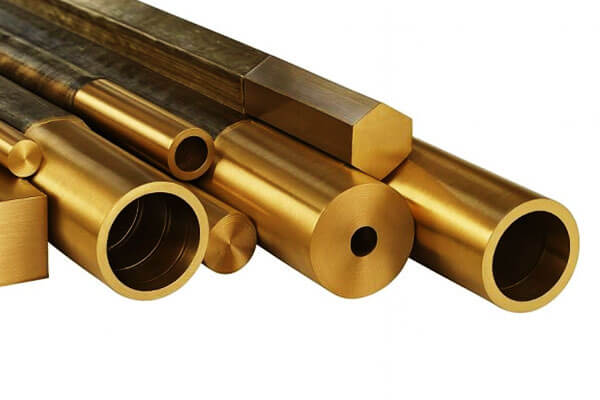
Fost il-varjabbli kollha li jinfluwenzaw, kompożizzjoni tal-liga hija l-aktar deċiżiva. F'sistemi tradizzjonali tal-bronż, landa hija l-element ewlieni li taffettwa l-aktar bil-qawwa l-imġieba termali.
Hekk kif il-kontenut tal-landa jiżdied, il-firxa tat-tidwib ġeneralment tiċċaqlaq 'l isfel, speċjalment fuq in-naħa liquidus.
F'termini prattiċi, żieda modesta fil-landa tista 'tnaqqas b'mod notevoli t-temperatura meħtieġa għal tidwib sħiħ.
Elementi oħra tal-liga għandhom ukoll rwol importanti.
Elementi bħal aluminju, ħadid, u n-nikil għandhom it-tendenza li jżidu l-istabbiltà termali u jistgħu jgħollu l-firxa tat-tidwib, filwaqt li elementi bħal ċomb, Żingu, u bismut normalment ibaxxu t-temperatura solidus.
Din mhix sempliċement kwistjoni ta 'imġieba ta' element individwali; l-interazzjoni bejn l-elementi tal-liga tista 'twassal għall-formazzjoni ta' komposti intermetalliċi, li jbiddlu t-tranżizzjonijiet tal-fażi u jistgħu jipproduċu intervall ta' tidwib usa' jew aktar kumpless.
Għal din ir-raġuni, il-bronż m'għandu qatt jiġi ttrattat bħala materjal wieħed b'punt tat-tidwib fiss wieħed.
Bidla żgħira fil-kimika tista 'tipproduċi bidla li tista' titkejjel fil-prestazzjoni tat-tidwib, imġieba tal-ikkastjar, u stabbiltà f'temperatura għolja.
Kontenut ta' Impurità u Indafa Metallurġika
Il-purità tal-bronż għandha impatt dirett fuq il-karatteristiċi tat-tidwib tiegħu.
Il-bronż industrijali spiss ikun fih traċċi ta 'impuritajiet bħal ħadid, kubrit, u l-antimonju, speċjalment meta jkun involut materjal riċiklat.
Anke meta preżenti fi kwantitajiet żgħar, dawn l-impuritajiet jistgħu jbiddlu l-istruttura tal-fażi tal-liga.
B'mod partikolari, jistgħu jiffurmaw kubrit u antimonju komposti ewtektiċi li jdubu baxx.
Dawn il-komposti ħafna drabi jikkonċentraw fil-konfini tal-qamħ, fejn idgħajfu l-uniformità termali u jnaqqsu t-temperatura solidus.
Bħala riżultat, il-liga tista 'tibda tirtab jew idub parzjalment aktar kmieni milli mistenni.
F’xi każijiet, il-firxa tat-tidwib tista 'taqleb 'l isfel biżżejjed biex taffettwa l-kontroll tat-temperatura tal-funderija u l-kwalità tal-prodott.
B'kuntrast, ta 'purità għolja, bronż deossidat tajjeb ġeneralment juri firxa ta 'tidwib aktar stabbli u prevedibbli.
Din hija raġuni waħda għaliex bronż ta’ grad għoli magħmul minn materjal primarju kkontrollat ħafna drabi jaħdem b’mod aktar affidabbli mill-bronż prodott minn materja prima mħallta jew riċiklata ħafna.
Fi ikkastjar ta 'preċiżjoni u applikazzjonijiet ta 'prestazzjoni għolja, l-indafa metallurġika hija għalhekk importanti daqs id-deżinjazzjoni nominali tal-liga.
Pressjoni Esterna u Kundizzjonijiet tat-Tidwib
Il-pressjoni tal-madwar tinfluwenza wkoll kif iġib ruħu l-bronż waqt it-tidwib, għalkemm dan l-effett huwa ġeneralment sekondarju fil-produzzjoni industrijali ordinarja.
B'mod ġenerali, it-temperatura tat-tidwib u l-pressjoni huma relatati, u l-bidliet fil-pressjoni jistgħu jaqilbu t-temperatura li fiha sseħħ it-trasformazzjoni tal-fażi.
Taħt kundizzjonijiet tat-tidwib bil-vakwu, it-temperatura liquidus tal-bronż tista' tonqos ftit.
Dan huwa parzjalment għaliex il-proċessi tal-vakwu jintużaw ħafna fl-ikkastjar ta 'preċiżjoni u l-metallurġija kkontrollata: jgħinu biex inaqqsu l-ossidazzjoni, ittejjeb il-kwalità tat-tidwib, u jista' jbaxxi l-enerġija meħtieġa għat-tidwib.
Fil-prattika, ambjenti vakwu jistgħu wkoll itejbu l-indafa tal-metall imdewweb, li ħafna drabi huwa aktar importanti mill-ċaqliq termali żgħir innifsu.
Taħt kundizzjonijiet ta’ pressjoni għolja, it-tendenza opposta hija osservata: il-punt tat-tidwib jista 'jogħla b'mod modest.
Madankollu, fil-manifattura industrijali konvenzjonali, dan l-effett huwa ġeneralment żgħir u ma jiddominax id-disinn tal-proċess.
Għall-biċċa l-kbira tal-operazzjonijiet tal-funderija tal-bronż, il-kompożizzjoni u l-kontroll tal-impurità jibqgħu ferm aktar importanti mill-pressjoni biss.
Forma Fiżika tal-Materjal
Bronż ma jaġixxix b'mod identiku f'kull stat fiżiku. Ir-rispons termali tiegħu jinbidel meta jiġi pproċessat bħala trab, fojl irqiq, jew materjal bl-ingrossa.
Trab tal-bronż tipikament idub aktar faċilment mill-bronż bl-ingrossa minħabba li l-partiċelli għandhom proporzjon wiċċ għal volum ħafna akbar u enerġija tal-wiċċ ogħla.
Dan jista 'jnaqqas it-temperatura tat-tidwib apparenti u jaċċellera t-trasformazzjoni termali.
Għal dik ir-raġuni, il-metallurġija tat-trab u l-proċessi tas-sinterizzazzjoni ħafna drabi jiddependu fuq suppożizzjonijiet termali differenti minn ikkastjar konvenzjonali.
Fojl irqiq tal-bronż jistgħu juru wkoll imġieba mibdula tat-tidwib. Fi ħxuna żgħira ħafna, stress mikrostrutturali, effetti tal-wiċċ, u massa termali mnaqqsa jistgħu jinfluwenzaw il-karatteristiċi tat-tranżizzjoni tal-fażi.
F’xi każijiet, il-liga tidher li tirtab jew idub f'temperatura effettiva aktar baxxa mill-istess bronż f'forma ta 'massa.
Dawn id-differenzi huma rilevanti ħafna fil-manifattura avvanzata.
Grad tal-bronż li jaħdem b'mod prevedibbli f'ingott fondut jista' jġib ruħu b'mod differenti fl-ipproċessar tat-trab, sinterizzazzjoni, jew applikazzjonijiet termali fuq skala mikro.
Il-forma fiżika tal-materjal għalhekk mhijiex biss dettall tal-ippakkjar; hija parti reali tal-ekwazzjoni termali.
Implikazzjonijiet tal-Inġinerija
Minn perspettiva ta 'inġinerija, l-imġieba tat-tidwib tal-bronż għandha tiġi ttrattata bħala a proprjetà tas-sistema, mhux numru fiss.
Il-kimika tal-liga tiddefinixxi l-linja bażi. L-impuritajiet jimmodifikaw l-imġieba tal-fażi. Il-pressjoni taffettwa t-tranżizzjoni termali taħt kundizzjonijiet speċjali. Il-forma fiżika tbiddel kif is-sħana tiġi assorbita u mqassma.
Huwa għalhekk li funderiji, ħwienet tal-ikkastjar ta' preċiżjoni, u l-inġiniera tal-materjali għandhom dejjem jevalwaw il-bronż fis-servizz attwali jew l-istat tal-ipproċessar tiegħu.
L-istess "bronż" nominali jista' juri differenzi sinifikanti fil-firxa tat-tidwib skont jekk huwiex liga primarja nadifa, materja prima riċiklata, trab, jew komponent ta' sezzjoni rqiqa.
Kontroll preċiż tat-temperatura għalhekk jiddependi fuq fehim sħiħ kemm tal-kompożizzjoni kif ukoll tal-kuntest tal-ipproċessar.
6. Għaliex il-Firxa tat-Tidwib Materjali fl-Ikkastjar u l-Manifattura
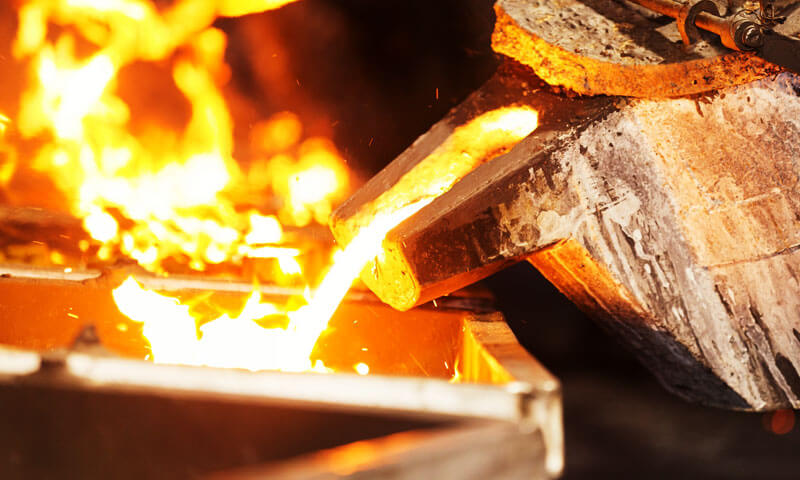
Fl-ikkastjar, l-intervall solidus-liquidus jaffettwa kif il-liga timla l-moffa, kif tiċkien waqt is-solidifikazzjoni, u kemm hu suxxettibbli għal difetti bħal porożità jew mili mhux komplut.
It-tranżizzjoni solidu-likwidu hija għalhekk ċentrali għad-disinn tal-proċess, mhux biss għat-teorija tax-xjenza materjali.
Għal xogħol tal-funderija, li tkun taf il-grad eżatt tal-bronż huwa essenzjali minħabba li żewġ ligi t-tnejn imsejħa "bronż" jistgħu jġibu ruħhom b'mod differenti ħafna fit-tidwib.
Bronż ta 'landa baxxa jista' jibda jiddewweb sew taħt id-900 °C, filwaqt li bronż tal-aluminju jista 'jibqa' parzjalment solidu sa 'l fuq minn 1000°C.
Dik id-differenza tbiddel is-settings tal-forn, strateġija moffa, u rekwiżiti ta 'kontroll tal-kwalità.
Dan huwa wkoll għaliex il-bronż mhuwiex materjal li jiġġeneralizza każwali fid-dokumentazzjoni tal-inġinerija. Jekk folja tal-proċess sempliċement tgħid “bronż,” huwa mhux komplut.
Speċifikazzjoni xierqa għandha tidentifika d-deżinjazzjoni tal-liga, minħabba li l-firxa termali, rispons mekkaniku, u l-imġieba tas-servizz kollha jiddependu fuq dak il-grad eżatt.
Din hija inferenza ta 'inġinerija appoġġjata mill-firxa ta' valuri ċitati datasheet.
7. Gwida Prattika tal-Għażla
Jekk it-tħassib tiegħek hu ikkastjar, l-aktar pass importanti huwa li tikkonsulta l-valuri solidus u liquidus speċifiċi għal liga aktar milli tistrieħ fuq "punt tat-tidwib tal-bronż" ġeneriku.
Il-familja tal-bronż tinkludi diversi sistemi ta 'liga komuni, u ma jaqsmux numru termali universali wieħed.
Jekk it-tħassib tiegħek hu prestazzjoni fis-servizz, innota li l-bronż huwa użat ħafna minħabba li ħafna ligi tal-bronż jgħaqqdu r-reżistenza għall-korrużjoni, Reżistenza għall-ilbies, frizzjoni baxxa, u duttilità tajba.
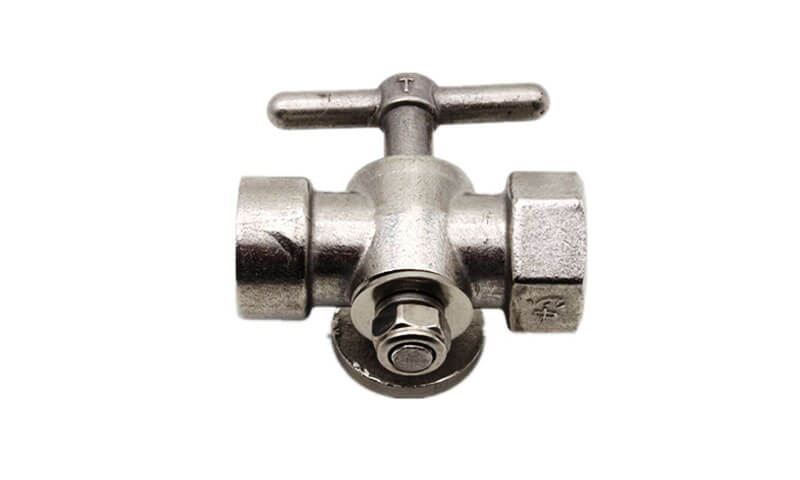
Dawk il-benefiċċji jispjegaw għaliex il-bronż huma komuni fil-bearings, gerijiet, ċrieki tal-pistun, valvi, u fittings.
Jekk it-tħassib tiegħek hu paragun tal-materjali, bronż ġeneralment idub f'temperatura aktar baxxa mill-azzar, li hija raġuni waħda ligi tar-ram huma aktar faċli biex jitfgħu f'ħafna settings industrijali.
Fl-istess ħin, il-grad eżatt tal-bronż għadu importanti ħafna, minħabba li t-tixrid termali madwar il-familji tal-bronż huwa wiesa 'biżżejjed biex jinfluwenza d-disinn tal-proċess.
8. Konklużjoni
Il-punt tat-tidwib tal-bronż għandu jinftiehem bħala a firxa tat-tidwib, mhux temperatura waħda.
Il-bronż huwa familja ta 'liga bbażata fuq ir-ram, u t-temperaturi solidus u liquidus tiegħu jvarjaw b'mod sinifikanti mal-kompożizzjoni.
Bronż industrijali rappreżentattiv jista 'jibda jiddewweb taħt 850 ° C u kompletament likwifikat ħafna 'l fuq minn 1000 ° C, skond jekk il-liga hijiex bronż tal-landa, bronż tal-aluminju, bronż tas-silikon, jew familja oħra tal-bronż.
Għal xogħol ta' inġinerija, il-mistoqsija t-tajba mhix “X’inhu l-punt tat-tidwib tal-bronż?” imma “Liema liga tal-bronż qed nużaw, u x'inhuma t-temperaturi solidus u liquidus tiegħu?”
Dak huwa l-livell ta 'preċiżjoni meħtieġ għall-ikkastjar, trattament tas-sħana, u disinn ta 'temperatura għolja.