
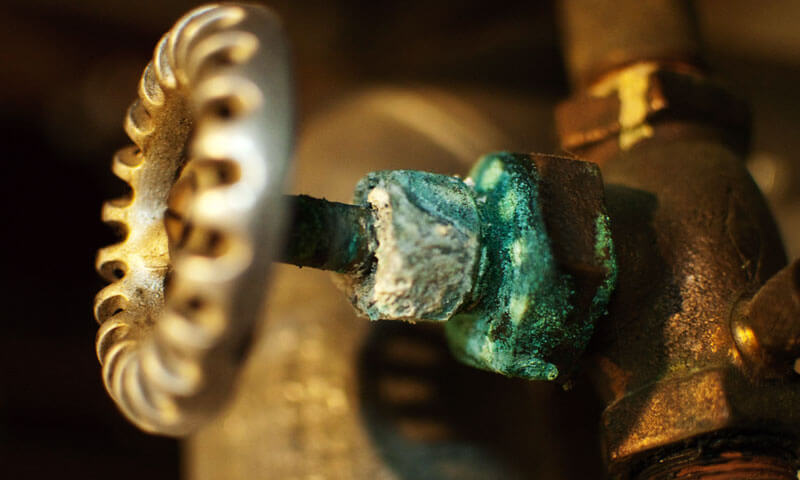
Imxi fi kwalunkwe hardware store, u inti ssib fittings tar-ram, valvi, u ħardwer dekorattiv.
Staqsi lill-bejjiegħ: Is-sadid tar-ram? It-tweġiba li x’aktarx tisma’ hija Le, ram ma sadidx. Imma dan huwa strettament veru?
It-tweġiba, bħal fil-biċċa l-kbira tal-mistoqsijiet tax-xjenza materjali, hija kemm iva kif ukoll le—jiddependi fuq kif tiddefinixxi s-sadid u x'tifhem b'ram.
Dan l-artikolu jipprovdi komprensiva, eżami multi-dimensjonali tal-korrużjoni tar-ram.
Se nesploraw il-metallurġija tar-ram, il-kimika tal-korrużjoni tagħha, id-distinzjoni bejn sadid u ttebba, il-fatturi ambjentali li jaċċelleraw id-degradazzjoni, u strateġiji prattiċi għall-prevenzjoni u l-manutenzjoni.
1. X'inhu Sadid? Definizzjoni Kimika
Qabel ma twieġeb jekk ir-ram sadid, irridu niddefinixxu sadid.
Il-Kimika tas-sadid
Is-sadid huwa l-isem komuni għal ħadid idratat(III) ossidu (Fe₂O₃·nH₂O). Jifforma meta ħadid (Fe) jirreaġixxi mal-ossiġnu (O₂) u ilma (H₂O) permezz ta’ proċess elettrokimiku:
| Reazzjoni | Ekwazzjoni | Deskrizzjoni |
| Anodiku | Fe → Fe²⁺ + 2e⁻ | Il-ħadid jinħall fl-anodu. |
| Katodiku | O₂ + 2H₂O + 4e→ 4OH⁻ | L-ossiġnu u l-ilma jikkunsmaw l-elettroni. |
| B'mod ġenerali | 4Fe + 3O₂ + 6H₂O → 4Fe(OH)₃ → 4Fe(OH)₃ → 2Fe₂O₃·3H₂O | Ossidu tal-ħadid idratat (sadid). |
Karatteristiċi tas-sadid
| Karatteristiku | Deskrizzjoni |
| Kulur | Kannella aħmar għal kannella oranġjo (idratat); iswed jew isfar f'ossidi oħra. |
| Struttura | Flaky, poruż, mhux aderenti; ma jipproteġix metall sottostanti. |
| Volum | Tespandi għal 3-7× il-volum tal-ħadid oriġinali, tikkawża tqattigħ u ħsara strutturali. |
| Elementi meħtieġa | Ħadid (Fe), ossiġnu (O₂), ilma (H₂O) (jew umdità). |
Punt kritiku: Għax ir-ram fih ebda ħadid metalliku sinifikanti, dan ma jistax jifforma sadid.
Il-kulur kannella ħamrani jew kannella ħadrani li jidher fuq l-uċuħ tar-ram huwa ittebba jew patina, mhux sadid.
2. X'inhu Brass? Metallurġija u Kompożizzjoni
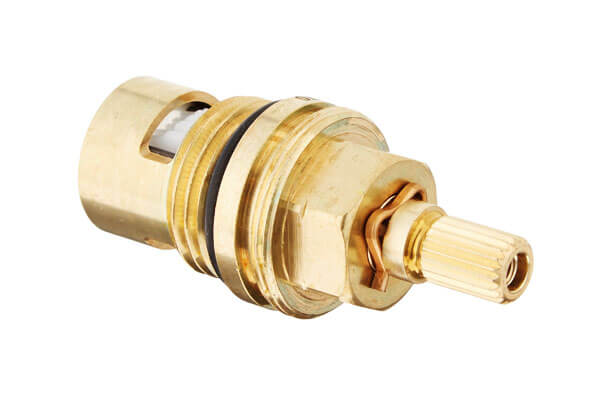
Definizzjoni u Kompożizzjoni
Brass huwa ram-żingu (Cu-Zn) liga. Il-kontenut taż-żingu jvarja minn 5% to over 40%, b'elementi addizzjonali bħaċ-ċomb, landa, aluminju, silikon, jew arseniku miżjud għal proprjetajiet speċifiċi.
| Tip | Ram (%) | Żingu (%) | Elementi oħra | Proprjetajiet ewlenin |
| Ram Alpha | >65 | <35 | - | Dukes, jaħdem bil-kesħa; E.g., ram tal-iskartoċċ (70/30). |
| Ram alpha-beta | 55‑65 | 35‑45 | - | Aktar b'saħħithom, hot-workable; E.g., Muntz metall (60/40). |
| Beta ram | <55 | >45 | - | Aktar diffiċli, aktar fraġli; użu limitat. |
| Ram biċ-ċomb | 57‑62 | 33‑40 | 1-3% Pb | Makkinabilità eċċellenti; E.g., C36000 (qtugħ ħieles). |
| Ram tal-landa | 70‑80 | 15‑25 | 1-5% Sn | Reżistenza għall-korrużjoni mtejba; E.g., ram tal-Ammiraljat. |
| Ram arseniku | 70‑80 | 15‑25 | 0.02-0.05% As | Jirreżisti d-diżinċifikazzjoni. |
Id-Dijagramma tal-Fażi tar-Ram-Żingu
Ir-ram huwa soluzzjoni solida taż-żingu fir-ram. Iż-żieda taż-żingu ssaħħaħ il-liga permezz tat-twebbis b'soluzzjoni solida iżda wkoll tbiddel l-imġiba tal-korrużjoni tagħha b'mod sinifikanti.
Punti metallurġiċi ewlenin:
- Fażi alfa (Struttura FCC) – duttili, Reżistenza tajba għall-korrużjoni.
- Fażi beta (Struttura BCC) – aktar diffiċli, aktar suxxettibbli għal dezincification.
- Il-bilanċ tal-fażi jiddependi fuq il-kontenut u t-temperatura taż-żingu.
3. Kif Attwalment Korrod ram
Għalkemm ir-ram ma jistax sadid, jibqa 'kimikament attiv u kontinwament jinteraġixxi mal-ambjent ta' madwaru.
Dawn l-interazzjonijiet iwasslu għal diversi mekkaniżmi ta 'korrużjoni distinti, kull wieħed regolat minn prinċipji elettrokimiċi differenti u kundizzjonijiet ambjentali.
B'differenza sadid fl-azzar, korrużjoni tar-ram ġeneralment timxi permezz ta 'sekwenza ta' trasformazzjonijiet tal-wiċċ, jibda b'ossidazzjoni ħafifa u, taħt kundizzjonijiet aktar aggressivi, jiżviluppaw f'attakk elettrokimiku lokalizzat.
Tibdil tal-wiċċ inizjali: L-Ewwel Stadju tal-Ossidazzjoni tar-Ram
L-aktar bidla bikrija u komuni osservata fuq ir-ram hija ittebba.
Meta ram manifatturat frisk ikun espost għall-arja, atomi tar-ram u taż-żingu fil-wiċċ jirreaġixxu bil-mod mal-ossiġnu atmosferiku.
Inizjalment, din ir-reazzjoni tifforma saff estremament irqiq li jikkonsisti primarjament minn:
- Ossidu tar-ram (Cu₂O u CuO)
- Ossidu taż-żingu (ZnO)
Dan il-film ossidu gradwalment ibiddel id-dehra tar-ram mill-kulur tad-deheb jgħajjat oriġinali tiegħu għal:
- Isfar ċar
- Kannella
- Kannella skur
- Griż
Ir-rata tat-tbajja tiddependi fuq fatturi bħal:
- Umdità relattiva
- Temperatura
- Tniġġis tal-arja
- Gassijiet li fihom il-kubrit
- Marki tas-swaba' u żjut tal-ġilda
B'differenza sadid ta 'l-azzar, dan is-saff irqiq ta 'ossidu huwa kompatt, aderenti, u ġeneralment protettivi.
Pjuttost milli tħaffef id-degradazzjoni, jaġixxi bħala ostaklu li jnaqqas aktar tixrid ta 'ossiġnu fil-liga sottostanti.
Minn perspettiva ta 'inġinerija, it-tebba hija primarjament bidla estetika u ftit li xejn għandha impatt fuq il-prestazzjoni strutturali tal-komponenti tar-ram.
Formazzjoni Patina: Kisi Protettiv tan-Natura
B'espożizzjoni fit-tul għal ambjenti ta 'barra, partikolarment dawk li fihom umdità u dijossidu tal-karbonju, ram jgħaddi minn aktar reazzjonijiet kimiċi li jwasslu għall-iżvilupp ta 'a patina.
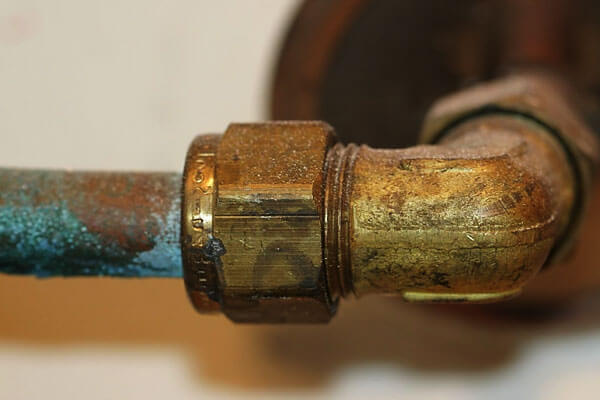
Il-patina tikkonsisti prinċipalment minn prodotti ta 'korrużjoni stabbli bħal:
- Karbonat tar-ram
- Karbonat tar-ram bażiku
- Idrossidu tar-ram
- Sulfat tar-ram (f'atmosferi mniġġsa)
Skont il-kundizzjonijiet ambjentali, il-wiċċ jista 'jiżviluppa kuluri li jvarjaw minn kannella skur għall-aħdar karatteristiku jew aħdar blu li jidher fuq monumenti storiċi u karatteristiċi arkitettoniċi.
B'differenza sadid, li huwa poruż u kontinwament jippropaga l-korrużjoni, patina matura hija densa, kimikament stabbli, u protettivi ħafna.
Tiżola l-liga sottostanti mill-atmosfera, inaqqas b'mod sinifikanti l-korrużjoni sussegwenti.
Din il-passivazzjoni naturali tispjega għaliex skulturi tar-ram ta’ sekli sħaħ, fittings dekorattivi, u l-elementi arkitettoniċi tal-wirt spiss iżommu integrità strutturali eċċellenti minkejja espożizzjoni fit-tul fuq barra.
Dezincification: L-aktar Forma Sinifikattiva ta 'Korrużjoni tar-Ram
Filwaqt li t-tebba u l-formazzjoni tal-patina huma ġeneralment beninni, diżinfezzjoni huwa mekkaniżmu ta 'korrużjoni distruttiva li jista' jfixkel serjament il-prestazzjoni mekkanika tar-ram.
Id-diżinċifikazzjoni hija proċess selettiv ta 'lissija li fih iż-żingu, tkun aktar attiva elettrokimikament mir-ram, preferenzjali jinħall mil-liga meta jkun espost għal ċerti elettroliti, partikolarment ilma li fih il-klorur.
Hekk kif iż-żingu jitneħħa, il-materjal li jifdal isir poruż, Skeletru b'ħafna ram b'saħħa mnaqqsa ħafna u kapaċità li ġġorr il-pressjoni.
Kundizzjonijiet tipiċi li jippromwovu dezincification jinkludu:
- Ilma sħun tax-xorb
- Ilma baħar
- Soluzzjonijiet ta 'klorur għoli
- Sistemi ta' ilma staġnat
- Ambjenti kemmxejn aċidużi
Indikaturi viżibbli jinkludu:
- Tibdil tal-kulur ħamrani jew roża
- Depożiti bojod komposti minn prodotti ta 'korrużjoni taż-żingu
- Pitting tal-wiċċ
- Żieda fil-porożità
- Tnixxija f'komponenti li fihom il-pressjoni
Għal applikazzjonijiet kritiċi tal-plaming u tal-baħar, reżistenti għad-diżinċifikazzjoni (RDA) Brass hija mfassla speċifikament b'żidiet ta 'liga kkontrollati biex irażżnu dan il-mekkaniżmu ta' korrużjoni selettiv u testendi l-ħajja tas-servizz.
Qsim tal-korrużjoni tal-istress: Mekkaniżmu ta' Falliment Moħbi
Importanti ieħor, għalkemm inqas komuni, proċess ta 'degradazzjoni huwa qsim tal-korrużjoni tal-istress (SCC).
SCC iseħħ meta jeżistu tliet kundizzjonijiet fl-istess ħin:
- Liga tar-ram suxxettibbli
- Stress tat-tensjoni sostnut (jew applikata jew residwa)
- Ambjent korrużiv speċifiku, l-aktar wieħed li jkun fih ammonja jew komposti ta' l-ammonju
Pjuttost milli jikkawża telf ta 'materjal uniformi, SCC iwassal għall-bidu u l-propagazzjoni ta 'xquq fini, spiss tul il-konfini tal-qamħ.
Dawn ix-xquq jistgħu jikbru bi ftit korrużjoni tal-wiċċ viżibbli u fl-aħħar mill-aħħar jistgħu jirriżultaw f'daqqa, ksur fraġli.
Komponenti f'riskju partikolari jinkludu:
- Zkuk tal-valv
- Fittings tal-kompressjoni
- Qafliet
- Molol
- Partijiet bil-makna ta' preċiżjoni soġġetti għal stress residwu tal-magni
Trattament tas-sħana li jtaffu l-istress, għażla xierqa tal-liga, u l-evitar ta' ambjenti ta' servizz b'ħafna ammonja huma strateġiji effettivi biex tiġi minimizzata s-suxxettibilità tal-SCC.
Korrużjoni uniformi u lokalizzata
F'ambjenti kimiċi aggressivi, ram jista 'wkoll jesperjenza korrużjoni uniformi, fejn il-materjal jinħall gradwalment fuq il-wiċċ kollu espost, jew korrużjoni lokalizzata, fejn l-attakk huwa kkonċentrat f'żoni diskreti.
Strong acids, strong alkalis, u ċerti kimiċi industrijali jistgħu jdubu l-films ta ' l-ossidu protettivi, li jwassal għal telf ta 'metall li jista' jitkejjel maż-żmien.
B'differenza sadid, madankollu, dawn il-proċessi ma jipproduċux skali espansivi tal-ossidu tal-ħadid. Minflok, il-liga bil-mod issir irqaq jew tiżviluppa fosos lokalizzati, filwaqt li l-mod ġenerali ta 'degradazzjoni jibqa' fundamentalment differenti mill-imġieba tas-sadid tal-ħadid u l-azzar.
Konsegwentement, l-evalwazzjoni tad-durabilità tar-ram teħtieġ li tifhem il-mekkaniżmi speċifiċi ta 'korrużjoni tagħha aktar milli tapplika kunċetti assoċjati ma' materjali tal-ħadid.
Korrużjoni Galvanika
Meta ram huwa akkoppjat ma 'metall aktar nobbli (E.g., Azzar li ma jissaddadx, ram) f'ambjent konduttiv, ir-ram isir l-anodu u jissaddad preferenzjali.
| Koppja | Livell tar-riskju | Miżura preventiva |
| Ram - azzar li ma jissaddadx | Għoli (ram jissaddad) | Uża woxers iżolanti; evita kuntatt dirett f'ambjenti mxarrba. |
| Ram - ram | Baxx (potenzjal simili) | Normalment aċċettabbli. |
| Ram - aluminju | Għoli ħafna (l-aluminju jissaddad) | Insulazzjoni meħtieġa. |
| Ram - azzar tal-karbonju | Moderat (l-azzar jissaddad) | Ipproteġi l-azzar bil-kisi. |
4. Ram vs. Bronż: Tqabbil tal-Korrużjoni
Ir-ram u l-bronż huma spiss konfużi. L-imġiba tal-korrużjoni tagħhom tvarja minħabba l-element primarju tal-liga (żingu fir-ram; landa fil-bronż).
| Proprjetà | Brass (Cu-Zn) | Bronż (Ma’ Sn) |
| Element primarju tal-liga | Żingu | Landa |
| Mekkaniżmu ta 'korrużjoni | Dezincification, ittebba ġenerali | Lissija selettiva tal-landa (rari), marda tal-bronż |
| Reżistenza għall-ilma baħar | Fqir (riskju ta' żżinċifikazzjoni) | Eċċellenti (bronż tal-landa, bronż tal-aluminju) |
| Ittebba | Rapidu; patina ħadra/kannella | Aktar bil-mod; patina ħadra/kannella |
| Korrużjoni tal-istress | Suxxettibbli (ammonja, melħ merkuriku) | Ġeneralment reżistenti |
| Korrużjoni bimetallika | Moderat (koppji b'metalli nobbli) | Tajjeb (inqas suxxettibbli għal attakk galvaniku) |
5. Fatturi Ambjentali li Jaffettwaw il-Korrużjoni tar-Ram
Għalkemm ir-ram ma sadid, l-imġieba tal-korrużjoni tagħha hija dipendenti ħafna fuq l-ambjent li topera fih.
L-istabbiltà tal-film tal-ossidu protettiv li jifforma b'mod naturali fuq ir-ram jista 'jiġi influwenzat b'mod sinifikanti minn umdità, inkwinanti, temperatura, kimika tal-ilma, pH, u stress mekkaniku.
Umdità u Umdità
L-umdità hija waħda mill-aktar fatturi influwenti li jaffettwaw il-korrużjoni tar-ram.
L-ilma jaġixxi bħala elettrolit, li jippermettu reazzjonijiet elettrokimiċi bejn il-wiċċ tal-liga u l-ambjent tal-madwar tiegħu.
Hekk kif tiżdied l-umdità relattiva, film rqiq ta 'umdità gradwalment jiżviluppa fuq il-wiċċ tar-ram, tiffaċilita t-tixrid ta 'l-ossiġnu u t-trasport joniku.
Fl-arja niexfa, ossidazzjoni sseħħ bil-mod u tipikament tipproduċi biss irqiq, film ta 'ossidu kompatt.
Hekk kif l-umdità togħla, l-ossidazzjoni taċċellera, li jirriżulta fi tbajja aktar evidenti u formazzjoni eventwali tal-patina.
Taħt kundizzjonijiet kontinwament imxarrba jew mgħaddsa, is-saff tal-ossidu protettiv jista 'jsir instabbli, tiżdied il-probabbiltà ta 'korrużjoni lokalizzata.
L-influwenza ta 'l-umdità fuq il-korrużjoni tar-ram tista' tiġi mqassra kif ġej:
| Umdità Relattiva / Espożizzjoni | Imġieba Tipika ta 'Korrużjoni | Severità tal-Korrużjoni |
| Hawn taħt 30% RH | Ossidazzjoni atmosferika minima; wiċċ jibqa jgħajjat għal perjodi estiżi | Baxx ħafna |
| 30–60% RH | Ittebba gradwali; jiżviluppa film ta 'ossidu stabbli | Baxx għal Moderat |
| Fuq 60% RH | Ossidazzjoni u kulur aktar mgħaġġla; sustanzi li jniġġsu jistgħu jaċċelleraw il-korrużjoni | Moderat għal għoli |
| Tixrib kontinwu jew immersjoni | Korrużjoni elettrokimika attiva; riskju ta 'diżinċifikazzjoni f'ilma staġnat | Għoli ħafna |
Pollutanti Atmosferiċi
Is-sustanzi li jniġġsu fl-arja jistgħu jbiddlu b'mod drammatiku l-imġiba tal-korrużjoni tar-ram billi jinteraġixxu mas-saff ta 'ossidu protettiv naturali tiegħu.
Emissjonijiet industrijali, aerosols tal-baħar, u fwar kimiċi ħafna drabi jaċċelleraw id-degradazzjoni tal-wiċċ permezz ta 'mekkaniżmi elettrokimiċi speċifiċi.
L-aktar sustanzi li jniġġsu atmosferiċi sinifikanti li jaffettwaw ir-ram jinkludu komposti tal-kubrit, kloruri, ammonja, u gassijiet ossidanti.
| Inkwinant | Effett Primarju fuq Ram | Mekkaniżmu tal-Korrużjoni |
| Diossidu tal-kubrit (SO₂) | Tbajja aċċellerata u kulur skur | Formazzjoni ta' sulfidi tar-ram (Cu₂S) |
| Jonji tal-klorur (Sprej tal-melħ) | Pitting u dezincification | Tkissir ta' films ta' ossidu passiv |
| Ammonja (NH₃) | Tkissir tal-korrużjoni tal-istress | Attakk tal-konfini tal-qamħ taħt stress tensili |
| Ożonu (O₃) | Ossidazzjoni aċċellerata | Żieda fir-rata ta 'formazzjoni ta' ossidu |
Diossidu tal-kubrit (SO₂)
Diossidu tal-kubrit, komunement misjuba fl-atmosferi industrijali u urbani, jirreaġixxi faċilment bir-ram fuq il-wiċċ tar-ram biex jiffurmaw sulfidi tar-ram.
Dawn il-komposti jipproduċu l-kannella skur jew it-tebba iswed karatteristiku li spiss ikun osservat fuq ir-ram espost għall-arja mniġġsa.
Għalkemm dan it-tbajja huwa ġeneralment superfiċjali, espożizzjoni fit-tul tista 'taċċellera r-rati ta' ossidazzjoni ġenerali u tnaqqas id-dehra estetika ta 'komponenti dekorattivi.
Ambjenti li fihom il-klorur
Il-joni tal-klorur huma fost l-aktar speċi aggressivi li jaffettwaw ir-ram.
Reġjuni kostali, pjattaformi offshore, impjanti tad-desalinizzazzjoni, u tagħmir tal-baħar huma kontinwament esposti għal arja mgħobbija bil-melħ.
Il-kloruri jiddestabilizzaw is-saff ta 'ossidu passiv u jippromwovu:
- Pitting lokalizzat
- Korrużjoni tal-qsim
- Dezincification
- Korrużjoni galvanika meta jkunu preżenti metalli differenti
Għal dawn l-applikazzjonijiet, ram navali, ram tas-silikon, jew reżistenti għad-diżinċifikazzjoni (RDA) ram huwa tipikament rakkomandat.
Espożizzjoni għall-ammonja
Għalkemm l-ammonja għandha ftit effett fuq ram mhux stressat, isir distruttiv ħafna meta kkombinat ma 'stress tensili residwu jew applikat.
Taħt dawn il-kundizzjonijiet, l-ammonja tista 'tippenetra l-konfini tal-qamħ u tibda qsim tal-korrużjoni tal-istress (SCC).
Dan il-fenomenu huwa partikolarment perikoluż għaliex:
- Xquq jistgħu jiżviluppaw mingħajr telf materjali sinifikanti.
- Il-falliment jista' jseħħ f'daqqa bi ftit twissija esterna.
- Is-saħħa mekkanika tiddeterjora ħafna qabel ma tidher korrużjoni viżibbli.
Komponenti bħal zkuk tal-valv, fittings tal-kompressjoni, molol, u l-qfieli jeħtieġu għażla bir-reqqa tal-liga u trattament li jtaffu l-istress meta l-espożizzjoni għall-ammonja tkun antiċipati.
Ożonu u Atmosferi Ossidanti qawwija
L-ożonu huwa aġent ossidanti reattiv ħafna li jżid ir-rata tal-formazzjoni tal-film tal-ossidu fuq l-uċuħ tar-ram.
Filwaqt li s-saff ta 'ossidu li jirriżulta jista' jibqa' protettiv taħt kundizzjonijiet ħfief, espożizzjoni fit-tul għal konċentrazzjonijiet għoljin ta 'ożonu tista' taċċellera l-kulur u t-tixjiħ tal-wiċċ.
Temperatura
It-temperatura taffettwa direttament il-kinetika tal-korrużjoni billi żżid id-diffużjoni atomika, rati ta' reazzjoni kimika, u attività elettrokimika.
B'mod ġenerali, kull żieda fit-temperatura taċċellera l-ossidazzjoni u l-korrużjoni, għalkemm il-mekkaniżmu speċifiku jiddependi fuq il-liga u l-ambjent tas-servizz.
| Firxa tat-temperatura | Imġieba Tipika ta 'Korrużjoni |
| –10°C sa 40°C | Ossidazzjoni bil-mod; patina protettiva tiżviluppa gradwalment |
| 40°C sa 80°C | Ir-reazzjonijiet tal-korrużjoni jaċċelleraw; ossidazzjoni tista 'sseħħ darbtejn sa ħames darbiet aktar malajr milli f'temperatura ambjentali |
| 'il fuq minn 80°C | Riskju akbar ta 'diżinċifikazzjoni, tħaxxin tal-ossidu, u korrużjoni bl-ilma sħun |
| Taħt –100°C | Rati ta 'korrużjoni estremament baxxi; ram iżomm toughness eċċellenti u ductility |
pH ta 'Soluzzjonijiet Ilmija
L-aċidità jew l-alkalinità ta’ ambjent milwiema għandha influwenza kbira fuq il-korrużjoni tar-ram minħabba li l-pH taffettwa kemm l-istabbiltà tal-films tal-ossidu protettivi kif ukoll ix-xoljiment elettrokimiku tar-ram u ż-żingu.
| Medda tal-pH | Severità tal-Korrużjoni | Mekkaniżmu Dominanti |
| Hawn taħt 4 (Aċidu ħafna) | Għoli | Xoljiment rapidu tar-ram u taż-żingu |
| pH 4-8 (Newtrali għal Kemmxejn Aċidu) | Moderat | Ittebba b'formazzjoni ta' ossidu protettiv |
| pH 8-12 (Ħafif alkalin) | Baxx | Films stabbli ta 'ossidu u idrossidu jipprovdu protezzjoni |
| Fuq 12 (Alkalin qawwi) | Moderat | Dissoluzzjoni tar-ram f'ambjenti alkalini kumplessi |
6. Prodotti tal-Korrużjoni fuq Ram: Dak li Jidher fuq il-wiċċ?
It-telf tal-kulur li jidher fuq l-uċuħ tar-ram mhuwiex sadid; hija taħlita ta 'komposti tar-ram u taż-żingu.
| Kulur | Kompost primarju | Kundizzjoni tal-formazzjoni |
| Deheb isfar qawwi | Naddaf il-wiċċ tal-liga Cu-Zn | Frisk bil-makna jew illustrat. |
| Kannella ħamrani | Ossidu tal-kupru (Cu₂O) | Ossidazzjoni inizjali fl-arja. |
| Kannella / kannella skur | Ossidu kupriku (CuO) + ossidu taż-żingu (ZnO) | Espożizzjoni fit-tul għall-arja u l-umdità. |
| Griż / iswed | Sulfide tar-ram (Cu₂S) + sulfid taż-żingu | Atmosferi industrijali (SO₂, H₂S). |
| Aħdar / blu-aħdar | Karbonat tar-ram bażiku (Cu₂CO₃(OH)₂) | Espożizzjoni atmosferika fit-tul (patina). |
| Blu-aħdar | Klorur tar-ram (CuCl₂) | Marine / ambjenti tal-klorur. |
| Abjad / trab | Ossidu taż-żingu (ZnO) jew karbonat taż-żingu | Korrużjoni taż-żingu preferenzjali (diżinfezzjoni). |
| Roża / aħmar | Residwu rikk fir-ram | Dezincification (żingu lissija barra, jibqa 'ram). |
7. Prevenzjoni tal-Korrużjoni fir-Ram
Għażla ta' Liga
| Liga | Reżistenza għall-korrużjoni | Ambjenti xierqa |
| C87610 / C87850 (ram tas-silikon) | Eċċellenti (reżistenti għad-diżinċifikazzjoni) | Ilma tax-xorb, Marine, kimika. |
| C87400 / C87500 (ram tas-silikon) | Tajjeb ħafna | Industrijali ġenerali. |
| C68700 (ram tal-Ammiraljat tal-arseniku) | Tajjeb (reżistenti għall-ilma) | Kondensaturi, Skambjaturi tas-sħana. |
| C46400 (ram navali) | Moderat (riskju ta' żżinċifikazzjoni) | Ilma ħelu, Marine (bi protezzjoni). |
| C36000 (ram biċ-ċomb) | Fqir (reżistenza tal-korrosjoni baxxa) | Nixxef ġewwa, partijiet bil-makna biss. |
Trattamenti tal-wiċċ
| Trattament | Skop | Metodu |
| Laker | Jipprevjeni t-tebba | Kisi ċar akriliku jew tal-polyurethane. |
| Passivazzjoni | Jifforma saff protettiv ta 'ossidu | Dip ta' l-aċidu nitriku (10-25%, 40-60°C). |
| Konverżjoni tal-kromat | Ittejjeb ir-reżistenza għall-korrużjoni | Trattament ta 'aċidu kromiku (isfar jew ċar). |
| Anodizzar | Saff oħxon ta 'ossidu għal xedd/korrużjoni | Ossidazzjoni anodika (użu limitat fuq ir-ram). |
| Elettroplating | Saff dekorattiv/protettiv | Nickel, kromju, jew kisi tad-deheb. |
Kisi u Inibituri
| Kisi / inibitur | Applikazzjoni | Effettività |
| Laker ċar | Ħardwer dekorattiv | Tajjeb (2‑5 snin). |
| Benzotriazole (BTA) | Inibitur tal-korrużjoni għal-ligi tar-ram | Eċċellenti; tifforma film protettiv. |
| Sealers ibbażati fuq l-ilma | Ram arkitettoniku | Moderat; teħtieġ applikazzjoni mill-ġdid. |
| Żejt / xama' | Uċuħ tal-għodda | Temporanju; teħtieġ applikazzjoni mill-ġdid. |
8. Tindif u Manutenzjoni tar-ram
Għalkemm ir-ram huwa reżistenti ħafna għas-sadid u joffri durabilità eċċellenti fit-tul, id-dehra tiegħu u r-reżistenza għall-korrużjoni jistgħu jiġu influwenzati b'mod sinifikanti minn manutenzjoni xierqa.
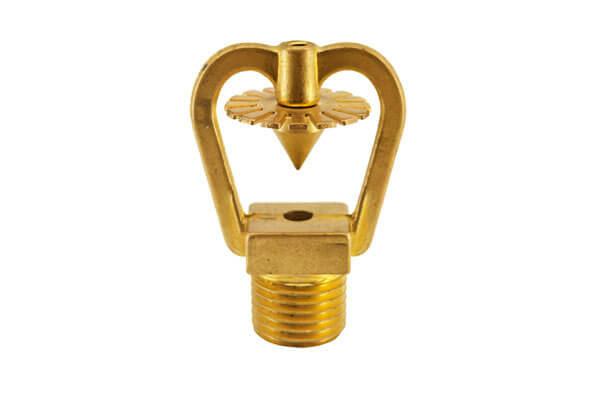
Tindif ta’ Rutina għall-Manutenzjoni ta’ Kuljum
Regolari tindif ta' komponenti tar-ram huwa l-aktar mod sempliċi u effettiv biex testendi l-ħajja tas-servizz.
Tneħħi t-trab, grass, marki tas-swaba', imluħa, u sustanzi li jniġġsu industrijali jgħinu jipprevjenu kontaminanti milli jaċċelleraw l-ossidazzjoni jew jibdew korrużjoni lokalizzata.
Għal ħafna applikazzjonijiet domestiċi u industrijali, drapp ratba flimkien ma 'ilma sħun u soluzzjoni ta' sapun ħafifa hija biżżejjed biex tneħħi l-ħmieġ tal-wiċċ mingħajr ma ssir ħsara lill-film ta 'ossidu protettiv.
Wara t-tindif, il-wiċċ għandu dejjem jitlaħlaħ sewwa b'ilma nadif u jitnixxef kompletament biex jipprevjeni l-umdità residwa milli tippromwovi l-korrużjoni.
It-tindif ta 'rutina huwa partikolarment ta' benefiċċju għal:
- Ħardwer dekorattiv
- Pumi tal-bibien
- Tagħmir tal-plaming
- Strumenti mużikali
- Komponenti mekkaniċi ta 'preċiżjoni
- Ħardwer elettriku
B'differenza illustrar aggressiv, tindif ġentili jippreserva l-integrità tas-saff ta 'ossidu naturali filwaqt li jżomm dehra attraenti.
Tneħħija tat-Tebba
Peress li l-etajiet tar-ram, ossidazzjoni gradwalment tbiddel il-kulur tad-deheb qawwi tagħha għal sfumaturi ta 'kannella, bronż skur, jew iswed.
Dan it-tebba huwa tipikament limitat għall-wiċċ u ma jindikax deterjorament strutturali.
Diversi metodi ta 'tindif jistgħu effettivament ineħħu t-tebba.
Soluzzjonijiet ta' Tindif Organiċi Ħfief
Cleaners aċidużi naturali, bħal ħall magħqud mal-melħ jew meraq tal-lumi mħallat mal-baking soda, jintużaw ħafna għat-tneħħija tat-tebba moderata.
L-aċidu ħafif jinħall l-ossidazzjoni tal-wiċċ filwaqt li l-azzjoni li joborxu ġentili tgħin biex tirrestawra l-finitura metallika oriġinali.
Madankollu, minħabba li dawn is-soluzzjonijiet huma aċidużi, m'għandhomx jibqgħu fuq il-wiċċ tar-ram għal perjodi estiżi.
Wara t-trattament, il-komponent għandu jitlaħlaħ sewwa b'ilma nadif u jitnixxef immedjatament biex jelimina kwalunkwe residwu aċiduż li jifdal.
Dawn il-metodi huma ġeneralment adattati għal:
- Ornamenti dekorattivi tar-ram
- Tagħmir tad-dar
- Ħardwer tal-kċina
- Aċċessorji imtebba ħafif
Lostri Kummerċjali tar-ram
Għal ram imtebba ħafna, komposti tal-illustrar kummerċjali jipprovdu riżultati aktar mgħaġġla u aktar konsistenti.
Dawn il-prodotti tipikament fihom partiċelli li joborxu fini u aġenti kimiċi tat-tindif li jneħħu l-ossidazzjoni u jirrestawraw il-leqq tad-deheb karatteristiku.
Filwaqt li l-illustrar itejjeb ħafna d-dehra, tneħħi wkoll parti mis-saff ta 'ossidu żviluppat b'mod naturali u, f'xi każijiet, il-patina protettiva.
Illustrar eċċessiv jew frekwenti jista 'gradwalment inaqqas il-protezzjoni tal-wiċċ u jbiddel id-dehra ta' oġġetti tar-ram antika jew storiċi.
Għalhekk, illustrar kummerċjali għandu jintuża b'mod selettiv aktar milli bħala manutenzjoni ta 'rutina.
Aġenti tat-tindif li għandhom jiġu evitati
Mhux il-kimiċi tat-tindif kollha huma adattati għar-ram.
Waħda mill-aktar prekawzjonijiet importanti hija li evita cleaners ibbażati fuq l-ammonja, partikolarment għal komponenti tar-ram stressati jew li jġorru tagħbija.
L-ammonja hija magħrufa sew għall-promozzjoni qsim tal-korrużjoni tal-istress (SCC) f'ligi tar-ram suxxettibbli.
Anke konċentrazzjonijiet relattivament baxxi jistgħu jippenetraw il-konfini tal-qamħ u jibdew xquq mikroskopiċi meta kkombinati ma 'tensjonijiet tensili residwali jew applikati.
Għal din ir-raġuni, prodotti tat-tindif li fihom l-ammonja m'għandhom qatt jintużaw fuq:
- Komponenti tal-valv
- Fittings tal-kompressjoni
- Molol
- Qafliet
- Kaxxetti tal-iskrataċ
- Partijiet mekkaniċi ta 'preċiżjoni
Bl-istess mod, aċidi kkonċentrati ħafna, strong alkalis, suf tal-azzar li joborxu, u għodod tat-tħin aggressivi għandhom jiġu evitati sakemm ma jkunx irrakkomandat speċifikament għar-restawr industrijali.
Trattamenti Protettivi tal-wiċċ
It-tindif waħdu ma jipprevjenix ossidazzjoni futura.
Wara li l-wiċċ ikun ġie mnaddaf, ħafna komponenti tar-ram jibbenefikaw minn trattamenti protettivi addizzjonali li jiżolaw il-metall mill-umdità u l-inkwinanti atmosferiċi.
Metodi protettivi komuni jinkludu:
Kisi tax-xama'
Xama' mikrokristallina jew xama 'pejst ta' kwalità għolja tifforma barriera idrofobika rqiqa fuq il-wiċċ tar-ram.
Il-kisi tax-xama' jipprovdi diversi vantaġġi:
- Naqqas l-espożizzjoni għall-ossiġnu
- Irrepel l-umdità
- Tbajja bil-mod
- Ippreserva d-dehra tal-wiċċ
- Żomm tleqqija metallika naturali
Il-protezzjoni tax-xama tintuża ħafna għal ram arkitettoniku dekorattiv u artifacts tal-mużew.
Żjut Protettivi
Żjut minerali ħfief huma spiss applikati għal komponenti tar-ram industrijali waqt il-ħażna jew it-trasport.
Films taż-żejt jipproteġu kontra:
- Umdità
- Marki tas-swaba'
- Ossidazzjoni atmosferika temporanja
Għalkemm il-kisi taż-żejt jeħtieġ tiġdid perjodiku, jipprovdu soluzzjoni rħas għall-protezzjoni kontra l-korrużjoni għal żmien qasir.
Kisi tal-Laker
Laker ċar jifforma barriera protettiva trasparenti li tipprevjeni kuntatt dirett bejn il-wiċċ tar-ram u l-ambjent tal-madwar.
Kisjiet Laker huma komunement applikati:
- Ħardwer tal-bibien
- Tagħmir tad-dawl
- Trim dekorattiv
- Strumenti mużikali
Meta tinżamm sew, il-laker inaqqas b'mod sinifikanti l-ħtieġa għall-illustrar billi jipprevjeni l-ossidazzjoni milli sseħħ fl-ewwel lok.
Kisi Electroplated
Għal applikazzjonijiet industrijali eżiġenti, ram jista 'jiġi electroplated b'metalli bħal nikil jew kromju.
L-electroplating jipprovdi:
- Reżistenza għall-korrużjoni mtejba
- Reżistenza ogħla għall-ilbies
- Dehra dekorattiva mtejba
- Żieda fl-istabbiltà kimika
Konnetturi elettriċi ħafna drabi huma miksija bil-landa, fidda, jew deheb biex iżżomm reżistenza ta 'kuntatt baxx filwaqt li tipproteġi s-sottostrat tar-ram sottostanti.
Preservazzjoni tal-patina naturali
Mhux ir-ram kollu għandu jkun illustrat għal finitura jgħajjat.
Għal ħafna arkitettoniku, storiku, u applikazzjonijiet artistiċi, il-patina żviluppata b'mod naturali hija kkunsidrata kemm estetikament siewja kif ukoll funzjonalment ta 'benefiċċju.
Il-wiċċ tal-bronż aħdar jew skur li jidher fuq il-bini u l-monumenti storiċi mhuwiex sinjal ta’ deterjorament iżda saff protettiv stabbli li jnaqqas aktar il-korrużjoni.
Konsegwentement, speċjalisti tal-konservazzjoni ġeneralment jippreservaw aktar milli jneħħu l-patina matura.
Għal ram arkitettoniku espost għal ambjenti ta 'barra, manutenzjoni ħafna drabi tikkonsisti minn tindif perjodiku segwit mill-applikazzjoni ta 'xama' protettiv, li tippermetti li l-patina tkompli tiżviluppa b'mod naturali.
9. Applikazzjonijiet Fejn il-Korrużjoni tar-Ram Tikkonstata
| Industrija | Komponenti tipiċi tar-ram | Tħassib dwar il-korrużjoni | Mitigazzjoni |
| Plumbing | Valvoli, fittings, faucets | Dezincification; lissija taċ-ċomb | Uża DR ram (C87610, C87850). |
| Marine | Xaftijiet tal-iskrun, pompi tal-ilma baħar | Dezincification, pitting | Uża ram navali (C46400) jew ram tas-silikon. |
| Elettriku | Terminali, konnetturi, switchgear | Ittebba (iżid ir-reżistenza tal-kuntatt) | Kisi tal-fidda jew tal-landa. |
| Karozzi | Radjaturi, qlub tal-heater, konnetturi | Korrużjoni mill-likwidu li jkessaħ, imluħa | Uża ram arseniku; manutenzjoni xierqa tal-likwidu li jkessaħ. |
| Arkitettoniku | Poġġamani, ħardwer tal-bibien, tisqif | Tibdil atmosferiku, patina | Laker jew jippermettu patina naturali. |
| Strumenti mużikali | Trombi, tromboni, sassofoni | Ittebba (estetika) | Tindif regolari; kisi tal-laker. |
| Munizzjon | Kaxxetti tal-iskrataċ (C26000) | Cracking tal-istaġun (ammonja) | Serħan mill-istress; ħażna kkontrollata. |
| Ħardwer tal-konsumatur | Serraturi, ċappetti, ċwievet | Ittebba (kosmetiċi) | Laker; illustrar regolari. |
10. Tqabbil Sommarju: Brass vs Rust
| Kriterju | Sadid fuq ħadid/azzar | Korrużjoni fuq ir-ram |
| Definizzjoni kimika | Ossidu tal-ħadid idratat (Fe₂O₃·nH₂O) | Ossidi tar-ram u taż-żingu, karbonati, kloruri, sulfidi. |
| Element meħtieġ | Ħadid (Fe) | Ram (Cu) u żingu (Zn). |
| Kulur | Aħmar-kannella, oranġjo-kannella | Kannella, iswed, aħdar, blu-aħdar, aħmar-roża (diżinfezzjoni). |
| Struttura | Flaky, poruż, mhux aderenti | Ħafna drabi aderenti (patina); jista' jkun trab (diżinfezzjoni). |
| Espansjoni tal-volum | 3‑7× (tikkawża tqattigħ) | Minimu għal moderat (patina hija protettiva). |
| Effett protettiv | Xejn (sadid jaċċellera l-korrużjoni) | IVA (patina inaqqas aktar korrużjoni). |
| Prevenzjoni | Żebgħa, galvanizza, żejt, liga | Agħżel liga DR; laker; iżolati. |
| Tiswija | Obrox/neħħi; żebgħa mill-ġdid | Pollakk; neħħi l-korrużjoni attiva; issiġilla mill-ġdid. |
11. Konklużjoni
Allura, sadid tar-ram? It-tweġiba xjentifika hija inekwivokabbli: LE. Ir-ram ma jissadidx minħabba li s-sadid huwa prodott ta 'korrużjoni uniku għall-ħadid u l-azzar, filwaqt li r-ram huwa liga tar-ram-żingu li prattikament ma fih l-ebda ħadid.
Madankollu, ram mhuwiex immuni għad-degradazzjoni ambjentali.
Matul il-ħajja tas-servizz tiegħu, jgħaddi minn varjetà ta 'proċessi ta' korrużjoni — inkluża l-ossidazzjoni, ittebba, formazzjoni tal-patina, diżinfezzjoni, u, taħt kundizzjonijiet speċifiċi, qsim tal-korrużjoni tal-istress.
Dawn il-mekkaniżmi jvarjaw fundamentalment mis-sadid tal-materjali tal-ħadid kemm fis-sinifikat tal-kimika kif ukoll tal-inġinerija.
Fl-aħħar mill-aħħar, tifhem id-distinzjoni bejn sadid u korrużjoni tar-ram hija essenzjali għall-inġiniera, disinjaturi, manifatturi, u utenti finali bl-istess mod.
Billi tagħżel il-liga xierqa, meta wieħed iqis l-ambjent operattiv, u l-applikazzjoni ta' prattiki ta' manutenzjoni sodi,
komponenti tar-ram jistgħu jagħtu affidabilità eċċellenti, Reżistenza eċċellenti għall-korrużjoni, u ħajja ta 'servizz eċċezzjonalment twila f'firxa wiesgħa ta' applikazzjonijiet industrijali u kummerċjali.
Mistoqsijiet Frekwenti
Is-sadid tar-ram fl-ilma?
LE, ram ma sadid (jiffurmaw ossidu tal-ħadid). Madankollu, ram issaddad fl-ilma, partikolarment ilma staġnat jew aċiduż, fejn tista’ sseħħ id-diżinċifikazzjoni.
Uża ram reżistenti għad-diżinċifikazzjoni għall-applikazzjonijiet tal-ilma.
Għaliex ir-ram tiegħi jdur aħdar?
Il-kulur aħdar huwa patina protettiva ta ' karbonat tar-ram bażiku (Cu₂CO₃(OH)₂) .
Jifforma meta r-ram ikun espost għall-umdità u d-dijossidu tal-karbonju fuq perjodu twil. Mhuwiex ta 'ħsara—fil-fatt jipproteġi l-metall.
Is-sadid tar-ram fl-ilma mielaħ?
Ram ma sadid, iżda jissaddad fl-ilma mielaħ.
Brass ta 'żingu għoli huma suxxettibbli għad-diżinċifikazzjoni u l-pitting f'ambjenti tal-klorur. Brass u bronzes tas-silikon huma preferuti għal applikazzjonijiet tal-baħar.
Jista 'sadid tar-ram bħal ħadid?
LE. Is-sadid huwa speċifiku għall-ħadid u l-ligi tiegħu (azzar, ħadid fondut). Ir-ram ma fih l-ebda ħadid (ħlief bħala impurità traċċa), għalhekk ma tistax tifforma sadid.
Kif inneħħi l-korrużjoni ħadra mir-ram?
Għal patina ħadra ħafifa, uża lustrar tar-ram kummerċjali jew taħlita ta 'meraq tal-lumi u melħ.
Għal korrużjoni tqila jew maqlugħa, tindif u stabbilizzazzjoni professjonali (ma BTA) jistgħu jkunu meħtieġa.
Ir-ram isir iswed?
IVA. F'atmosferi industrijali li fihom komposti tal-kubrit, ir-ram jifforma film ta' sulfid tar-ram griż-iswed. Din hija forma ta 'ttebba, mhux sadid.

