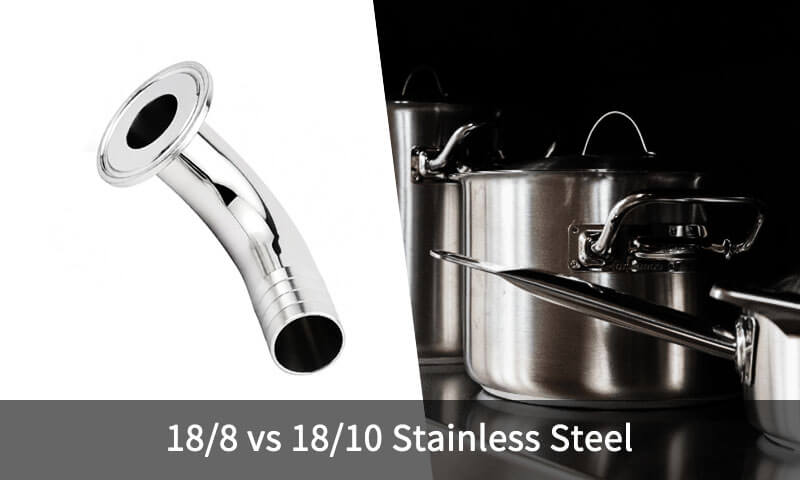
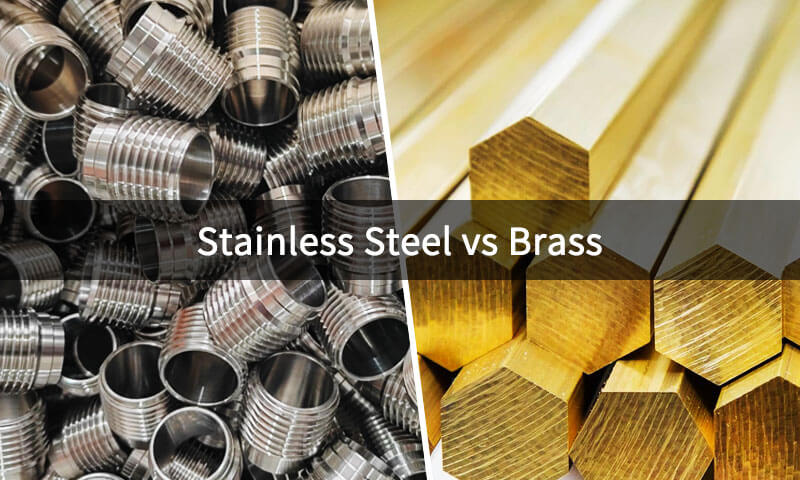
Metālu pasaulē, daži salīdzinājumi rada tikpat daudz praktisku diskusiju inženieru vidū, mašīnisti, un produktu dizaineri kā izvēle starp nerūsējošo tēraudu un misiņu.
Šie divi materiāli aizņem pārklājošas, taču atšķirīgas teritorijas neskaitāmās nozarēs — no kuģu aparatūras un arhitektūras piederumiem līdz precīzijas instrumentiem un plaša patēriņa elektronikai..
Lai gan abi metāli piedāvā izcilu veiktspēju savās jomās, to pamatā esošās metalurģijas atšķirības nosaka atšķirīgus pielietošanas ceļus, ražošana, un dzīves cikla ekonomika.
Šis raksts sniedz stingru, nerūsējošā tērauda un misiņa vienlaicīga pārbaude visās dimensijās, kas ir svarīgas nozares profesionāļiem:
materiāla sastāvs, mehāniska uzvedība, termiskās un elektriskās īpašības, izturība pret koroziju, ražošana, estētika, maksāt, un reālās pasaules lietojumprogrammas.
1. Nerūsējošā tērauda vs. Misiņš: Kāda ir atšķirība?
Nerūsējošais tērauds un misiņš ir būtiski atšķirīgas inženiertehnisko sakausējumu grupas. Nerūsējošais tērauds galvenokārt ir dzelzs un hroma sakausējums, kamēr misiņš galvenokārt ir vara un cinka sakausējums.
To dažādais ķīmiskais sastāvs rada būtiskas stiprības atšķirības, korozijas uzvedība, vadītspēja, mašīnīgums, izskats, un ražošanas veiktspēju.
Kas ir nerūsējošais tērauds?
Nerūsējošais tērauds ir ģimene no dzelzs sakausējumi, kas satur vismaz aptuveni 10.5% hroms pēc masas.
Hroms ir noteicošais sakausējuma elements, jo tas ļauj veidot plānu, pieķērušies, ar hromu bagāta pasīvā oksīda plēve uz materiāla virsmas.
Šis pasīvais slānis nodrošina nerūsējošajam tēraudam raksturīgo izturību pret koroziju.
Kad virsma ir mehāniski bojāta, pasīvā plēve var pārveidoties, ja ir pieejams pietiekami daudz skābekļa, palīdzot aizsargāt pamatā esošo metālu no ilgstošas oksidēšanās.

Nerūsējošā tērauda sastāvu var vēl vairāk pielāgot, izmantojot papildu leģēšanas elementus, lai panāktu īpašas stiprības kombinācijas, izturība, izturība pret koroziju, metināmība, un temperatūras veiktspēja.
| Leģējošais elements | Primārā funkcija |
| Hroms (Krekls) | Nodrošina pasivāciju un izturību pret koroziju; uzlabo oksidācijas izturību |
| Niķelis (Iekšā) | Stabilizē austenītu un uzlabo izturību, elastība, un izturība pret koroziju |
| Molibdēns (Noplūde) | Uzlabo izturību pret punktveida un plaisu koroziju, īpaši hlorīdu saturošā vidē |
| Ogleklis (C) | Palielina izturību un rūdāmību, bet augstākos līmeņos var samazināt ar metināšanu saistītu izturību pret koroziju |
| Slāpeklis (N) | Palielina izturību un var uzlabot izturību pret punktveida koroziju |
| Mangāns (Nojaukšanās) | Atbalsta austenīta fāzes stabilitāti un veicina izturību |
| Vara (Cu) | Izmanto noteiktās kategorijās, lai uzlabotu nokrišņu sacietēšanu vai korozijas veiktspēju |
Atkarībā no sastāva un apstrādes, nerūsējošais tērauds var izveidot dažādas mikrostruktūras, ieskaitot austenīts, ferīta, martensīts, divstāvu, un nokrišņus cietinošas struktūras.
Šīs mikrostrukturālās atšķirības izskaidro, kāpēc nerūsējošais tērauds var būt no ļoti kaļamiem lokšņu materiāliem līdz īpaši cietām, nodilumizturīgām sastāvdaļām..
Galvenās īpašības ietver:
- Izcila izturība pret koroziju un oksidāciju
- Augsta stiepes izturība un cietība
- Lieliska kriogēna un paaugstinātas temperatūras veiktspēja
- Bioloģiskā savietojamība (noteiktas pakāpes)
- Pilnīga pārstrādājamība bez kvalitātes pasliktināšanās
Parastās nerūsējošā tērauda markas
| Pakāpe | Mūs | Galvenās funkcijas | Tipiskas lietojumprogrammas |
| 304 | S30400 | Lieliska vispārējā izturība pret koroziju, formējamība, un metināmība | Virtuves aprīkojums, pārtikas pārstrāde, arhitektūra |
| 304Lukturis | S30403 | Zema oglekļa satura klase ar uzlabotu izturību pret sensibilizāciju pēc metināšanas | Metinātas tvertnes, cauruļvadi, un izgatavotas iekārtas |
| 316 | S31600 | Uzlabota noturība pret punktveida un plaisu koroziju | Ķīmisks, jūras, un farmācijas iekārtas |
| 316Lukturis | S31603 | Lieliska izturība pret koroziju un metināmība; piemērots metinātām konstrukcijām | Procesu iekārtas, jūras izstrādājumi, medicīniskās sastāvdaļas |
| 2205 | S32205 | Dupleksā struktūra; lielas izturības, lieliska hlorīdu izturība, un laba izturība pret sprieguma korozijas plaisāšanu | Ārzonas aprīkojums, ķīmiskā apstrāde, atsāļošana, spiediena tvertnes |
904Lukturis |
N08904 | Super austenīta pakāpe ar izcilu izturību pret stiprām skābēm un hlorīdu saturošām vidēm | Ķīmiskā apstrāde, skābes apstrādes iekārtas, jūras ūdens sistēmas |
| 17-4Ph | S17400 | Augsta izturība, pateicoties nokrišņu sacietēšanai, ar labu izturību pret koroziju | Avi kosmosa, vārpstas, vārsti, un augstas stiprības komponenti |
| 410 | S41000 | Termiski apstrādājama martensīta šķira ar labu izturību un mērenu izturību pret koroziju | Vārsti, sūkņi, vārpstas, un vispārējās mehāniskās daļas |
| 440C | S44004 | Ļoti augsta cietība un lieliska nodilumizturība pēc termiskās apstrādes | Gultņi, griešanas rīki, ķirurģiskie instrumenti, un precīzas nodiluma sastāvdaļas |
| 430 | S43000 | Ferīta, magnētisks, ekonomisks, un izturīgs pret atmosfēras koroziju | Ierīces, automobiļu apdare, dekoratīvie pielietojumi |
Kas ir misiņš?
Misiņš ir a vara-cinka sakausējumu saime kurā cinks ir galvenais leģējošais elements.
Atkarībā no cinka satura un papildu leģējošiem elementiem, misiņš var nodrošināt plašu īpašību klāstu, no ļoti kaļamiem lokšņu veidojošiem sakausējumiem līdz augstas stiprības sakausējumiem, nodilumizturīgs, vai augsti apstrādājami inženiertehniskie materiāli.
Ar varu bagātā matrica piešķir misiņam tā īpašību dzelteni zelta izskats, laba izturība pret koroziju, un augsta siltuma un elektriskā vadītspēja.

Cinks palielina izturību un cietību, vienlaikus ietekmējot sakausējuma mikrostruktūru un ražošanas uzvedību.
Misiņš parasti tiek sadalīts alfa misiņš, alfa-beta misiņš, un vairāk ļoti leģētas specializētas kategorijas.
Alfa misiņš ar mazāku cinka saturu parasti nodrošina izcilu elastību un aukstās formēšanas veiktspēju, savukārt alfa-beta misiņš ar augstāku cinka saturu var nodrošināt lielāku izturību un bieži vien ir piemērotāks karstai apstrādei vai mehāniskiem lietojumiem.
Papildu sakausējuma elementi var vēl vairāk mainīt veiktspēju:
- Svins tradicionāli tiek izmantots, lai uzlabotu apstrādājamību un skaidu laušanu.
- Alvas var uzlabot izturību pret koroziju, īpaši noteiktās jūras vidēs.
- Alumīnijs var palielināt izturību un uzlabot izturību pret oksidāciju un koroziju.
- Silīcijs var uzlabot spēku, liešanas īpašības, un bezsvina apstrādājamība.
- Mangāns un dzelzs var pievienot specializētiem augstas stiprības vara sakausējumiem.
Galvenās īpašības ietver:
- Izcila apstrādājamība (apstrādājamības reitingu etalons)
- Lieliska siltuma un elektriskā vadītspēja
- Izcilas akustiskās īpašības
- Dabiskas pretmikrobu virsmas īpašības
- Laba izturība pret koroziju neoksidējošā vidē
Parastās misiņa klases
| Mūs | Raksturīgās īpašības | Galvenās funkcijas | Tipiskas lietojumprogrammas |
| C26000 | Kārtridžs misiņš | Lieliska lokanība un aukstā formējamība | Lokšņu metāla sastāvdaļas, dekoratīvie izstrādājumi, veidotās daļas |
| C36000 | Brīvi apstrādājams misiņš | Izcila apstrādājamība un skaidu kontrole | Armatūra, vārsti, savienotāji un precīzi virpotas detaļas |
| C46400 | Jūras misiņš | Laba izturība un uzlabota jūras ūdens izturība pret koroziju | Jūras aparatūra, vārpstas un rūpnieciskās sastāvdaļas |
C38500 |
Arhitektūras misiņš | Laba apstrādājamība un pievilcīgs izskats | Dekoratīvās aparatūras un arhitektūras sastāvdaļas |
| C69300 | Bezsvinu silīcija misiņš | Labs spēks, izturība pret koroziju un apstrādājamība | Santehnikas piederumi un dzeramā ūdens sastāvdaļas |
| C37700 | Misiņa kalšana | Laba karstās apstrādes spēja un mehāniskā izturība | Kalti vārsti, armatūra un mehāniskā aparatūra |
2. Mehāniskās īpašības: Izturība, Cietība un stingrība
Nerūsējošā tērauda un misiņa mehāniskās īpašības būtiski atšķiras to atšķirīgo sakausējumu sistēmu un mikrostruktūru dēļ.
Vispār, nerūsējošais tērauds nodrošina lielāku izturību, cietība, un nestspēja, savukārt misiņš piedāvā noderīgu mērenas stiprības kombināciju, elastība, mašīnīgums, un izmēru stabilitāte.
Stiepes izturība, Ražas izturība un elastība
Parasti izmantoto nerūsējošā tērauda un misiņa kategoriju reprezentatīvās mehāniskās īpašības ir parādītas zemāk.
| Īpašums | 304 Nerūsējošais tērauds | 316 Nerūsējošais tērauds | C36000 Misiņš | C46400 Naval Brass |
| Stiepes izturība (MPA) | ~515–620 | ~515–620 | ~330–470 | ~380–550 |
| Peļņas izturība (MPA) | ~205–310 | ~205–310 | ~140–310 | ~170–310 |
| Pagarināšana (%) | ~40-60 | ~40-60 | ~18-45 | ~20-40 |
| Cietība (HB) | ~123–217 | ~123–217 | ~80–160 | ~90–170 |
Vērtības ir reprezentatīvi diapazoni parastiem kaltas izstrādājuma apstākļiem, nevis universālas specifikācijas robežas.
Faktiskās īpašības ir ļoti atkarīgas no temperamenta, biezums, produkta forma, un piemērojamais materiālu standarts.
Izturība un nestspēja
Nerūsējošais tērauds parasti nodrošina lielāku un vienmērīgāku nestspēju nekā parastais misiņš.
Austenīta klases, piemēram, 304 un 316 apvienot salīdzinoši augstu stiepes izturību ar izcilu elastību, padarot tos piemērotus strukturālai, spiedienu saturošs, un mehāniski noslogotas sastāvdaļas.
Misiņš piedāvā mērenu izturību, bet lielisku apstrādājamību un atbilstošu mehānisko veiktspēju armatūrai, savienotāji, vārstu komponenti, un vispārējas nozīmes aparatūru.
Aukstā apstrāde var ievērojami palielināt misiņa izturību, lai gan tas samazina elastību.
Darba rūdīšana un aukstā darba spēks
Gan nerūsējošo tēraudu, gan misiņu var stiprināt ar aukstu apstrādi.
304 un 316 nerūsējošajam tēraudam ir īpaši spēcīga deformācijas sacietēšana, ļauj būtiski palielināt tecēšanas robežu formēšanas laikā.
Kompromiss ir samazināta elastība un palielinātas formēšanas vai apstrādes grūtības.
Misiņš reaģē arī uz aukstu apstrādi, ar izturību, ko stingri nosaka sakausējums un rūdījums.
Tas ļauj ražotājiem izvēlēties dažādus materiālu apstākļus, lai līdzsvarotu izturība un formējamība.
Cietība un nodilumizturība
Standarta 304 un 316 nerūsējošajiem tēraudiem ir mērena cietība atkvēlinātā stāvoklī, un tie nav optimizēti smagam abrazīvam nodilumam.
Turpretī, martensīta nerūsējošais tērauds, piemēram 420 un 440C var termiski apstrādāt līdz aptuveni 40–60 HRC, nodrošinot daudz augstāku cietību un nodilumizturību.
Parastais misiņš parasti ir mīkstāks, parasti padarot to piemērotāku lietojumiem, kuros ir mehāniska apstrāde, Zema berze, un mērena slodze ir svarīgāka par ārkārtēju nodilumizturību.
Stingrība un triecienizturība
Austenīta nerūsējošais tērauds nodrošina izcilu stingrību un elastību plašā temperatūras diapazonā un var saglabāt spēcīgu triecienizturību kriogēnās temperatūrās.
Tādējādi tiek iegūtas tādas atzīmes kā 304 un 316 piemērots prasīgiem zemas temperatūras lietojumiem.
Misiņš nodrošina labu izturību istabas temperatūrā, bet tā veiktspēja zemā temperatūrā ievērojami atšķiras atkarībā no sakausējuma un stāvokļa.
Tāpēc, izvēloties materiālu, jāņem vērā faktiskā darba temperatūra un trieciena prasības.
Noguruma veiktspēja
Cikliskā slodzē var izmantot gan nerūsējošo tēraudu, gan misiņu, bet noguruma veiktspēja ir ļoti atkarīga no sakausējuma stāvokļa, virsmas apdare, komponentu ģeometrija, stresa koncentrācija, un ražošanas kvalitāti.
Nerūsējošais tērauds parasti piedāvā plašāku mehānisko veiktspēju, savukārt misiņš ir efektīvs vidēji noslogotām detaļām, kur svarīga ir arī apstrādājamība un vadītspēja.
3. Siltumvadītspēja un elektriskā vadītspēja: Nerūsējošā tērauda vs. Misiņš
Siltumvadītspēja un elektriskā vadītspēja ir viena no skaidrākajām atšķirībām starp nerūsējošo tēraudu un misiņu.
Siltumvadītspēja
Misiņš ir labi piemērots lietojumiem, kuriem nepieciešama efektīva siltuma pārnese.
Tā salīdzinoši augstā siltumvadītspēja ļauj siltumam ātri izplatīties pa komponentu, padarot misiņu noderīgu siltuma pārneses aparatūrai, siltuma armatūra, radiatori, siltummaiņi, un noteiktas elektriskās sastāvdaļas.
Nerūsējošajam tēraudam ir salīdzinoši zema siltumvadītspēja.
Tas var būt izdevīgi, kur siltumizolācija vai kontrolēta siltuma pārnese ir vēlams, bet tas arī nozīmē, ka lokalizēta karsēšana komponentā var radīt lielākus temperatūras gradientus.
Metināšanas un apstrādes laikā, šim raksturlielumam ir nepieciešama atbilstoša procesa kontrole, lai pārvaldītu siltuma uzkrāšanos un termiskos kropļojumus.
Elektriskā vadītspēja
Misiņam ir arī liela priekšrocība elektriskajos lietojumos, jo tā ar varu bagātais sastāvs nodrošina ievērojami labāku elektrovadītspēju nekā nerūsējošais tērauds..
To plaši izmanto elektriskajām spailēm, savienotāji, kontakta sastāvdaļas, zemējuma aparatūra, un vadošiem piederumiem, kur mehāniskā izturība un izturība pret koroziju jāapvieno ar elektrisko veiktspēju.
Nerūsējošais tērauds ir salīdzinoši slikts elektrības vadītājs, salīdzinot ar misiņa un vara sakausējumiem.
Līdz ar to tas reti tiek izvēlēts kā primārais vadošais materiāls, ja elektriskā efektivitāte ir galvenā konstrukcijas prasība.
Tā vērtība slēpjas lietojumprogrammās, kur mehāniskā izturība, izturība pret koroziju, un struktūras stabilitāte ir svarīgāki.
4. Izturība pret koroziju: Nerūsējošā tērauda vs. Misiņš
Izturība pret koroziju ir viens no svarīgākajiem apsvērumiem, izvēloties starp nerūsējošo tēraudu un misiņu.

Nerūsējošā tērauda izturība pret koroziju
Nerūsējošais tērauds iegūst raksturīgo izturību pret koroziju galvenokārt no hroma. Skābekļa iedarbība ļauj uz virsmas izveidoties plānai, ar hromu bagātai pasīvai plēvei, kas darbojas kā aizsargbarjera pret turpmāku koroziju.
Šīs aizsardzības efektivitāte lielā mērā ir atkarīga no sakausējuma sastāva un vides apstākļiem.
Austenīta klases, piemēram, 304 un 316 parasti nodrošina spēcīgu izturību pret atmosfēras koroziju, mitrums, pārtikas pārstrādes vide, un daudzi industriālie mediji.
Molibdēnu saturošas kategorijas, piemēram, 316 piedāvā uzlabotu izturību pret lokalizētu hlorīda uzbrukumu, salīdzinot ar parastajiem 304.
Lai arī, nerūsējošais tērauds nav pilnībā izturīgs pret koroziju. Atkarībā no pakāpes un vides, to var piedzīvot:
- Punktu korozija
- Plaisu korozija
- Sprieguma korozijas plaisāšana
- Starpkristālu korozija
- Galvaniskā korozija
Līdz ar to, ir svarīgi izvēlēties piemērotu nerūsējošā tērauda marku, īpaši jūrniekiem, ķīmiskā apstrāde, un lietojumi ar augstu hlorīda saturu.
Misiņa izturība pret koroziju
Misiņš gūst labumu no vara raksturīgās izturības pret koroziju un parasti labi darbojas atmosfēras apstākļos, saldūdens sistēmas, santehnikas lietojumprogrammas, un daudzas industriālās vides.
Tās korozijas produkti var veidot relatīvi aizsargājošus virsmas slāņus, kas palēnina turpmāku nolietošanos.
Lai arī, misiņam ir specifiski korozijas mehānismi, kuriem jāpievērš uzmanība. Dezincifikācija ir īpaši svarīgi dažiem misiņa sakausējumiem, kas pakļauti agresīvai ūdens ķīmijai.
Šajā procesā, cinks tiek selektīvi noņemts no sakausējuma, potenciāli atstājot aiz sevis porainu, ar varu bagāta struktūra ar samazinātu mehānisko integritāti.
Dažus misiņa sakausējumus var ietekmēt arī sprieguma korozijas plaisāšana vai korozija noteiktā ķīmiskā vidē. Tāpēc sakausējuma izvēle ir svarīga, ja misiņš ir paredzēts ilgstošai šķidruma lietošanai.
5. Apstrādājamība un ražošanas veiktspēja
Apstrādājamība ir joma, kurā misiņam parasti ir ievērojamas priekšrocības salīdzinājumā ar parasto nerūsējošo tēraudu.

Misiņa apstrādājamība
Misiņš tiek plaši uzskatīts par vienu no visvairāk apstrādājamajiem inženiertehniskajiem metāliem.
Daudzas misiņa kategorijas ražo salīdzinoši īsus, pārvaldāmas mikroshēmas, un tās var efektīvi apstrādāt, pagriežot, frizēšana, urbšana, pieskarties, un vītņošana.
Brīvas apstrādes pakāpes ir īpaši piemērotas automatizētai CNC ražošanai.
To apstrādes raksturlielumi ļauj ražotājiem sasniegt augstus ražošanas apjomus, vienlaikus saglabājot labu izmēru konsekvenci un samazinot instrumentu pārvaldības prasības..
Nerūsējošā tērauda mehāniskā apstrāde
Nerūsējošais tērauds parasti ir prasīgāks apstrādei. Daudzām austenīta kategorijām ir būtiska nozīme darba rūdīšana, Tas nozīmē, ka nepareizi kontrolēta griešana var ātri sacietēt apstrādāto virsmu un apgrūtināt turpmāko instrumenta iedarbināšanu.
Nerūsējošajam tēraudam ir arī salīdzinoši zema siltumvadītspēja, salīdzinot ar misiņu, izraisot vairāk siltuma, kas koncentrējas griešanas zonas tuvumā.
Pareizi griešanas parametri, stingra darba turēšana, piemērots instruments, efektīva dzesēšanas šķidruma padeve, un tāpēc svarīga ir atbilstoša skaidu evakuācija.
Dažādas nerūsējošā tērauda saimes uzvedas atšķirīgi. Brīvas apstrādes pakāpes var vieglāk apstrādāt, savukārt rūdītām martensīta šķirnēm var būt nepieciešami specializēti instrumenti un rūpīgi kontrolēti griešanas apstākļi.
Veidošanās un izgatavošana
Gan nerūsējošais tērauds, gan misiņš atbalsta plašu ražošanas procesu klāstu, bet to veidošanās uzvedība atšķiras.
Austenīta nerūsējošais tērauds parasti nodrošina izcilu elastību, un tos var dziļi stiept, saliekts, rullēts, apzīmogots, metinātas, un safabricēts.
Viņu spēcīgā darba rūdīšanas tendence, lai arī, var būt nepieciešamas kontrolētas formēšanas secības un starpposma atkausēšana prasīgām darbībām.
Misiņš ir arī ļoti formējams, jo īpaši kaļamā alfa-misiņa pakāpēs. To var apzīmogot, saliekts, uzzīmēts, kalti, un efektīvi apstrādāti.
Īpašais sakausējums un temperaments nosaka, vai piemērotākā ir aukstā formēšana vai karstā apstrāde.
Liešana un sarežģītas sastāvdaļas
Abus materiālus var ražot ar liešanu, bet to liešanas īpašības būtiski atšķiras to atšķirīgo kušanas un sacietēšanas īpašību dēļ.
Misiņš tiek plaši izmantots investīciju liešana, smilšu liešana, mirkšana, un centrbēdzes liešana, īpaši armatūrai, vārsti, dekoratīvā aparatūra, un sarežģītas sastāvdaļas.
Nerūsējošais tērauds ir arī ļoti saderīgs ar investīciju liešana un smilšu liešana, padarot to piemērotu sarežģītiem vārstu korpusiem, sūkņa sastāvdaļas, lāpstiņriteņi, rūpnieciskā aparatūra, un precīzas sastāvdaļas.
Ieguldījumu liešana ir īpaši vērtīga, ja nerūsējošā tērauda detaļām ir nepieciešama sarežģīta ģeometrija apvienojumā ar kontrolētu izmēru precizitāti.
6. Nerūsējošā tērauda vs. Misiņš: Izskats un virsmas apdare
Izskats var būt svarīgs atlases faktors, ja komponenti ir redzami vai veido daļu no arhitektūras, dekoratīvs, vai patēriņa prece.
Nerūsējošā tērauda izskats
Nerūsējošajam tēraudam parasti ir a sudrabaini balts, neitrāls metālisks izskats.
Tās vizuālais raksturs var būt no salīdzinoši blāvi un industriāliem līdz ļoti atstarojošiem, atkarībā no ražošanas procesa un virsmas apstrādes.
Kopējā nerūsējošā tērauda apdare ietver:
- Dzirnavu apdare: Saglabā velmēšanas laikā iegūto raksturīgo izskatu, veidošanās, vai mehāniskā apstrāde.
- Matēta apdare: Rada virziena tekstūru, kas samazina redzamos pirkstu nospiedumus un nelielas skrāpējumus.
- Satīna apdare: Nodrošina formas tērpu, zema atstarojoša virsma, kas piemērota arhitektūras un patērētāju vajadzībām.
- Pulēta apdare: Izveido gludumu, atstarojošs izskats, sākot no daļēji pulēta līdz spoguļam.
- Elektropolēta apdare: Noņem kontrolētu virsmas materiāla daudzumu, lai iegūtu tīrīšanas līdzekli, gludāka, un korozijizturīgāka virsma.
Nerūsējošais tērauds ir īpaši pievilcīgs, ja komponentam ir nepieciešams a tīrs, moderns, higiēnisks, un korozijizturīgs izskats.
Misiņa izskats
Misiņam ir dabiski silts dzelteni zelta metālisks izskats, padarot to īpaši populāru dekoratīviem un arhitektūras pielietojumiem.
Tā krāsa var atšķirties atkarībā no vara un cinka satura un var būt no gaiši dzelteniem līdz dziļākiem zeltainiem toņiem.
Misiņam laika gaitā var veidoties patina, jo tas reaģē ar apkārtējo vidi.
Dažas lietojumprogrammas apzināti saglabā šo novecošanas efektu, savukārt citi izmanto pulēšanu, caurspīdīgs pārklājums, apjoms, vai citas procedūras, lai saglabātu sākotnējo izskatu.
Tipiskā misiņa apdare ietver pulētu, matēts, satīns, antīks, un pārklātas virsmas.
Jo misiņš ir salīdzinoši viegli pulējams un apstrādājams, tas var iegūt pievilcīgu dekoratīvu apdari, vienlaikus saglabājot tā pamatā esošo metālisko raksturu.
7. Izmaksu salīdzinājums: Nerūsējošā tērauda vs. Misiņš
Materiālu izmaksas ir svarīgs apsvērums, bet nerūsējošā tērauda un misiņa salīdzināšana tikai pēc to izejvielu cenām var radīt neprecīzu ekonomisko novērtējumu.
Komponenta faktiskās izmaksas ir atkarīgas no sakausējuma kategorijas, materiālu pieejamība, daļas ģeometrija, ražošanas process, apstrādes prasības, virsmas apstrāde, ražošanas apjoms, un kalpošanas laiks.

Materiālo izmaksas
Misiņš satur lielu daudzumu vara, kas ir salīdzinoši vērtīgs parastais metāls. Rezultātā, misiņam var būt salīdzinoši augstas izejvielu izmaksas, īpaši ar varu bagātām šķirnēm.
Nerūsējošā tērauda pamatā galvenokārt ir dzelzs, un tas var būt ekonomiski pievilcīgs daudzos lietojumos.
Lai arī, sakausējuma piedevas, piemēram, niķelis un molibdēns, var būtiski ietekmēt augstākas veiktspējas kategoriju cenu.
Piemēram, Augsti leģētais nerūsējošais tērauds, kas paredzēts smagai korozijai, parasti maksā vairāk nekā standarta kategorijas.
Tāpēc, neviens materiāls nav uzskatāms par universāli lētāku. Izvēlētā pakāpe bieži vien ir svarīgāka par pašu materiālo saimi.
Ražošanas izmaksas
Misiņš parasti nodrošina priekšrocības apstrādes intensīvā ražošanā, jo tas ir lieliski apstrādājams.
Ātrāka apstrāde, efektīva mikroshēmu veidošana, un mazāks instrumentu nodilums var samazināt ražošanas izmaksas, īpaši lielu daudzumu mazu precizitātes komponentu.
Nerūsējošajam tēraudam parasti ir nepieciešama rūpīgāka apstrādes kontrole. Griešanas parametri, instrumenti, dzesēšanas šķidruma vadība, un darba turēšana ir jāoptimizē, lai kontrolētu siltuma veidošanos un darba sacietēšanu. Šie faktori var palielināt apstrādes izmaksas.
Lai arī, nerūsējošais tērauds var kļūt ekonomiski izdevīgs, ja tā lielāka izturība un izturība pret koroziju samazina apkopi, nomaiņa, vai atteices izmaksas apkopes laikā.
Dzīves cikla izmaksas
Rūpnieciskiem komponentiem, jēgpilnākais salīdzinājums bieži ir kopējās īpašumtiesību izmaksas, nevis sākotnējā pirkuma cena.
Misiņš var nodrošināt izcilu ekonomisko vērtību, ja tas ir vidēji stiprs, laba izturība pret koroziju, augsta apstrādājamība, un vadītspēja ir pietiekama.
Nerūsējošais tērauds var nodrošināt labāku ilgtermiņa ekonomisku risinājumu, ja komponents darbojas agresīvā vidē, pārvadā ievērojamas slodzes, vai nepieciešams pagarināts kalpošanas laiks ar minimālu apkopi.
Tāpēc būtu jāapsver praktisks izmaksu novērtējums:
Materiālu izmaksas + ražošanas izmaksas + apdares izmaksas + uzturēšana + aizstāšanas risks + paredzamais kalpošanas laiks.
Šī pieeja ir īpaši svarīga vārstiem, armatūra, sūkņa sastāvdaļas, rūpnieciskā aparatūra, un citas sastāvdaļas, kurās materiālu atteice var radīt būtiskas pakārtotās izmaksas.
8. Nerūsējošā tērauda un misiņa pielietojumi
Lai gan nerūsējošais tērauds un misiņš dažkārt var pildīt līdzīgas funkcijas, to atšķirīgās mehāniskās, termisks, elektriskās, un korozijas īpašības padara tos labāk piemērotus dažādām lietošanas vidēm.
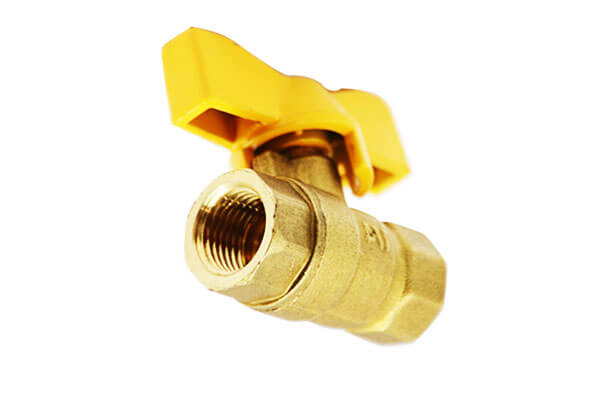
Nerūsējošā tērauda pielietojumi
Nerūsējošais tērauds tiek plaši izmantots vietās, kur stiprība, izturība pret koroziju, izturība, higiēna, un temperatūras izturība ir kritiska.
Kopējās lietojumprogrammas ietver:
| Rūpniecība | Tipiski nerūsējošā tērauda pielietojumi |
| Pārtika & Dzēriens | Tvertnes, cauruļvadi, apstrādes iekārtas, armatūra |
| Ķīmiskā apstrāde | Vārsti, sūkņi, cauruļvadi, kuģiem |
| Jūras | Vārpstas, stiprinājumi, armatūra, sūkņa sastāvdaļas |
| Eļļas & Gāze | Vārsti, savienotāji, strukturālās sastāvdaļas |
| Farmaceitisks | Apstrādes iekārtas, armatūra, cauruļvadi |
| Arhitektūra | Margas, fasādes, armatūru |
| Autobūves | Izplūdes komponenti, iekavas, precizitātes daļas |
| Medicīnisks | Ķirurģiskie instrumenti un aprīkojums |
Misiņa pielietojumi
Misiņš ir īpaši vērtīgs apstrādājamības vietās, elektriskā vadītspēja, siltumvadītspēja, izturība pret koroziju, un izskats ir svarīgs.
Tipiski lietojumi ietver:
| Rūpniecība | Tipiski misiņa pielietojumi |
| Santehnika | Armatūra, savienotāji, vārsti, adapteri |
| HVAC | Vārsti, armatūra, savienotāji |
| Elektriskie | Termināļi, kontaktpersonas, savienotāji |
| Rūpniecības aprīkojums | Bukses, pārnesumi, armatūra, aparatūra |
| Jūras | Jūras piederumi un aparatūra |
| Arhitektūra | Rokturi, apgriezt, dekoratīvā aparatūra |
| Autobūves | Savienotāji, armatūra, Precīzas sastāvdaļas |
| Instrumentācija | Mazie furnitūra, savienotāji, sastāvdaļas |
9. Visaptverošs salīdzinājums: Nerūsējošā tērauda vs. Misiņš
Gan nerūsējošais tērauds, gan misiņš ir atzīti inženiertehniskie materiāli, bet tie ir optimizēti dažādām darbības prioritātēm.
| Īpašums | Nerūsējošais tērauds | Misiņš |
| Materiālā ģimene | Dzelzs sakausējums, kas satur hromu | Vara-cinka sakausējums |
| Izturība | Kopumā augstāks | Mēreni vai augstu, atkarībā no sakausējuma un temperamenta |
| Cietība | Plašs diapazons; dažas kategorijas var termiski apstrādāt līdz augstai cietībai | Vispār mērens; ir pieejami īpaši stiprāki misiņi |
| Stingrība | Izcili piemērotās pakāpēs, īpaši austenīta nerūsējošais tērauds | Piemērots daudziem vispārējiem lietojumiem |
Izturība pret koroziju |
Lielisks; ļoti atkarīgs no klases un vides | No laba līdz izcilam; ievērojami atšķiras atkarībā no sakausējuma un vides |
| Elektrovadītspēja | Salīdzinoši zems | Ievērojami augstāks |
| Siltumvadītspēja | Salīdzinoši zems | Ievērojami augstāks |
| Mašīnīgums | Mērens; ievērojami atšķiras atkarībā no pakāpes | Vispār lieliski |
| Formīgums | Piemērots austenīta šķirnēm | Vispār labi |
| Nodilumizturība | Lieliski piemērots izvēlētām martensīta un rūdītām šķirnēm | Mērens; atkarīgs no sakausējuma |
| Magnētisms | Atkarīgs no metalurģiskās struktūras; daudzas kategorijas ir magnētiskas vai nemagnētiskas | Parasti nav magnētisks |
| Izskats | Sudrabbalts metālisks izskats | Dzelteni zeltaini metālisks izskats |
Karstuma izturība |
Vispār lieliski | Mērens līdz labs, atkarībā no sakausējuma |
| Metināmība | Atkarīgs no pakāpes; austenīta kategorijas parasti labi metina | Vispār labi, bet var piemērot sakausējumam specifiskus piesardzības pasākumus |
| Tipiska ražošana | Liešana, kalšana, CNC apstrāde, veidošanās, metināšana | Liešana, kalšana, ekstrūzija, apzīmogošana, CNC apstrāde |
| Tipiski pielietojumi | Ķīmiskās iekārtas, jūras komponenti, pārtikas iekārtas, vārsti, strukturālās daļas | Armatūra, savienotāji, elektriskās sastāvdaļas, dekoratīvā aparatūra, vārsti |
| Vislabāk piemērots | Izturība, izturība, izturība pret koroziju, prasīga vide | Mašīnīgums, vadītspēja, izskats, vispārējas nozīmes piederumi |
10. Pielāgotas nerūsējošā tērauda un misiņa detaļas no DEZE
DEZE lietuve nodrošina pielāgots nerūsējošais tērauds un misiņš liešanas un CNC apstrādes risinājumi rūpnieciskiem komponentiem, kuriem nepieciešama kontrolēta izmēru precizitāte, izturība pret koroziju, mehāniskā izturība, un uzticama ražošanas konsistence.
Ražošanas procesu var pielāgot, sākot no materiālu izvēles un liešanas procesa izstrādes līdz apstrādei, apdare, termiskā apstrāde, un galīgā pārbaude.
| Spēja | ŠIS pielāgotais nerūsējošais tērauds un Misiņš Daļas |
| Materiāli | 304, 304Lukturis, 316, 316Lukturis, 17-4Ph, 410, 420, 440C, divstāvu;C26000, C36000, C46400, C87800, C89833. |
| Ražošanas procesi | Investīciju liešana, smilšu liešana, CNC virpošana, CNC frēzēšana, urbšana, slīpēšana |
| Daļas svars | 0.01-1000 kg |
| Izmēru spēja | Pielāgotas sastāvdaļas saskaņā ar rasējumiem, 3D modeļi, un inženiertehniskās specifikācijas |
| Liešanas pielaides | Investīciju liešana var sasniegt ISO 8062 CT5–CT7 piemērotos apstākļos |
| Virsmas apdare | Kā-cast, apstrādāts, pulēta, pasivēts, elektropolēts |
| Kvalitātes kontrole | Iso 9001:2015 sertificēts; 100% NDT un izmēru pārbaude. |
| Izpildes laiks | 6-12 nedēļas instrumentiem; 2-4 nedēļas atkārtotiem pasūtījumiem. |
11. Secinājums
Nerūsējošais tērauds un misiņš ir divas principiāli atšķirīgas pieejas inženiertehnisko materiālu izvēlei.
Nerūsējošais tērauds parasti ir labāka izvēle, ja ir augsta mehāniskā izturība, izturība, izturība pret koroziju, cietība, vai paaugstinātas temperatūras veiktspēja ir galvenā prasība.
Tās plašā klašu sistēma arī ļauj inženieriem optimizēt īpašības lietojumiem, sākot no pārtikas pārstrādes iekārtām līdz jūras un ķīmiskās apstrādes komponentiem..
Misiņš, turpretī, ir īpaši pievilcīgs, ja tas ir apstrādājams, elektriskā un siltumvadītspēja, izturība pret koroziju, un izskats ir svarīgs.
Tā salīdzinoši vieglās apstrādes īpašības padara to ļoti piemērotu armatūrai, savienotāji, vārsti, Precīzas sastāvdaļas, un dekoratīvā aparatūra.
Pielāgotiem komponentiem, materiālu izvēle un ražošanas procesa izvēle ir jāvērtē kopā.
Tehniski atbilstošs sakausējums apvienojumā ar pareizo lējumu, kalšana, apstrāde, un apdares stratēģija var nodrošināt ievērojami labāku līdzsvaru starp veiktspēju, ražošana, un kopējās izmaksas.
FAQ
Vai nerūsējošais tērauds ir stiprāks par misiņu?
Vispār, nerūsējošais tērauds nodrošina lielāku izturību un cietību nekā parastais misiņš.
Lai arī, faktiskās mehāniskās īpašības ir ļoti atkarīgas no konkrētā sakausējuma, temperaments, un termiskā apstrāde.
Speciālie misiņi var nodrošināt ievērojami lielāku izturību nekā standarta brīvi apstrādājamās misiņa kategorijas.
Kas ir izturīgāks pret koroziju, nerūsējošais tērauds vai misiņš?
Nav universālas atbildes, jo izturība pret koroziju ir atkarīga no sakausējuma un apkalpošanas vides.
Nerūsējošais tērauds parasti darbojas labāk daudzās agresīvās vidēs, it īpaši, ja ir izvēlēta atbilstoša klase, piemēram, 316L.
Misiņš var nodrošināt izcilu izturību ūdens un atmosfēras vidē, bet nelabvēlīgos apstākļos var būt jutīgs pret dezincifikācijas vai cita veida koroziju..
Vai misiņu ir vieglāk apstrādāt nekā nerūsējošo tēraudu?
Jā. Misiņš parasti ir vieglāk apstrādājams, un tas parasti nodrošina efektīvu skaidu veidošanos un labu instrumenta kalpošanas laiku.
Nerūsējošajam tēraudam var būt nepieciešama rūpīgāka griešanas ātruma kontrole, barības ātrums, instrumenti, un siltuma pārvaldība, jo dažas kategorijas viegli sacietē.
Vai nerūsējošais tērauds ir dārgāks nekā misiņš?
Nav obligāti. Izmaksas ir atkarīgas no konkrētās kategorijas, materiālajiem tirgus apstākļiem, komponentu ģeometrija, un ražošanas process.
Augsti leģētais nerūsējošais tērauds var būt dārgs, savukārt ar varu bagāti misiņa sakausējumi var radīt ievērojamas materiālu izmaksas. Ražošanas un dzīves cikla izmaksas būtu jāņem vērā līdzās izejvielu cenai.
Var izmantot nerūsējošo tēraudu un misiņu kopā?
Jā, bet ir jāņem vērā galvaniskā korozija, ja abi metāli ir elektriski savienoti elektrolīta klātbūtnē.
Atbilstoša materiāla izvēle, izolācija, pārklājumi, un var būt nepieciešama vides kontrole, īpaši jūras vai pastāvīgi mitrā vidē.
Vai misiņa rūsa?
Ne. Misiņš nerūsē, jo tajā nav dzelzs. Lai arī, tas sarūsē — tas aptraipa, attīstās patina, un var tikt veikta dezincifikācija (selektīva cinka izskalošanās).