
Ūdens korozija ir visizplatītākais un ekonomiski postošākais metālu noārdīšanās veids rūpniecībā, jūras, infrastruktūra, un ķīmiskās apstrādes lauki.
Visi mitrās elektroķīmiskās korozijas procesi ir balstīti uz pārī savienotām anodiskā metāla oksidācijas un katoda reducēšanas reakcijām.
Pamatojoties uz atšķirīgiem katodiskās depolarizācijas mehānismiem, Ūdens metālu korozija ir stingri iedalīta divos galvenajos veidos: ūdeņraža evolūcijas korozija (HEC) un skābekļa absorbcijas korozija (OAC).
Šie divi korozijas režīmi regulē gandrīz visus šķidrās fāzes metālu atteices scenārijus, tomēr tie krasi atšķiras pēc elektroķīmiskajiem principiem, vides izraisītāji, reakcijas kinētika, morfoloģiskās īpašības, un kontroles stratēģijas.
Dominējošā korozijas mehānisma nepareiza novērtēšana ir galvenais neefektīvas pretkorozijas konstrukcijas cēlonis, priekšlaicīga aprīkojuma atteice, un palielinātas uzturēšanas izmaksas.
1. Kas ir skābekļa absorbcijas korozija?
Skābekļa absorbcijas korozija, precīzāk sauc skābekļa samazināšanas korozija, ir viens no visizplatītākajiem elektroķīmiskās korozijas mehānismiem, kas ietekmē oglekļa tēraudu un citus metālus ūdens vidē.
Tas ir īpaši izplatīts neitrālā un viegli sārmainā ūdenī, kur izšķīdušais skābeklis darbojas kā galvenais katoda reaģents, kas uztur metāla šķīšanu.
Šo mehānismu ir viegli nepamanīt, jo tas ne vienmēr rada ātrus vai dramatiskus bojājumus sākumā. Tā vietā, korozija var noritēt salīdzinoši lēni, bet nepārtraukti.
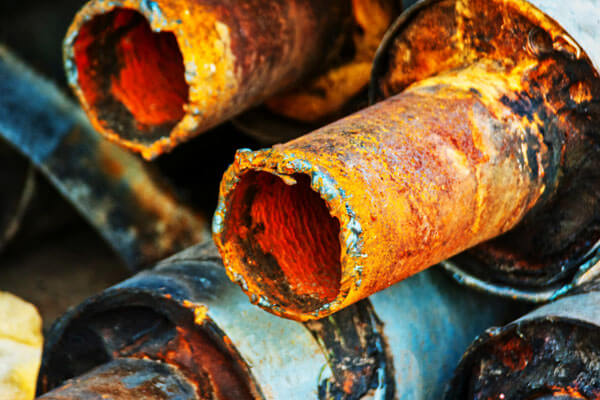
Mēnešu vai gadu laikā, šis pakāpeniskais metāla zudums var samazināt sienas biezumu, radīt korozijas produktus, uzsākt lokalizētu uzbrukumu, un galu galā izraisīt noplūdi vai perforāciju.
Vienkārša inženiertehniskā interpretācija ir:
Ūdens nodrošina elektrolītu, izšķīdušais skābeklis uztur katoda reakciju, un metāls piegādā elektronus anodiskās šķīdināšanas ceļā.
Tāpēc skābekļa korozija ir īpaši svarīga sistēmās, kurās ūdens tiek atkārtoti pakļauts gaisa iedarbībai vai nepārtraukti cirkulē.
Tipiskā rūpnieciskā vide ietver centrālās gaisa kondicionēšanas dzesēšanas ūdens sistēmas, rūpnieciskās dzesēšanas ūdens cilpas, dzesēšanas torņi, komunālo un ēku ūdensvadi, tvertnes, siltummaiņi, un dažādas ūdens attīrīšanas sistēmas.
Lai gan neitrāls un vāji sārmains ūdens ir klasiskā vide, skābekļa samazināšana var piedalīties arī korozijā skābos apstākļos.
Skābuma palielināšanās parasti maina katoda kinētiku un var paātrināt vispārējo koroziju, savukārt skābekļa reducēšana var turpināt darboties līdzās ūdeņraža evolūcijas reakcijām.
Kur rodas skābekļa absorbcijas korozija?
Skābekļa samazināšanas korozija var attīstīties ikreiz, kad metāla virsma tiek pakļauta ūdens elektrolītam, kas satur izšķīdušu skābekli.
Smagums ir atkarīgs no skābekļa koncentrācijas, ūdens ķīmija, temperatūra, plūst, virsmas stāvoklis, un skābekļa spēju sasniegt metālu.
Centrālās HVAC un atdzesētā ūdens sistēmas
Atvērtas vai vāji atgaisotas cirkulācijas sistēmas var nepārtraukti ievadīt skābekli ūdenī.
Sūkņi, izplešanās tvertnes, kosmētikas ūdens, noplūdes, un apkopes darbības var nodrošināt gaisa iekļūšanas iespējas.
Oglekļa-tērauda cauruļvados un komponentos var pakāpeniski attīstīties vispārēja korozija, rūsas nogulsnes, un lokalizēts uzbrukums, kad skābeklis netiek atbilstoši kontrolēts.
Rūpnieciskās dzesēšanas ūdens sistēmas
Dzesēšanas sistēmas bieži apvieno ūdens cirkulāciju, paaugstināta temperatūra, izšķīdušie sāļi, un pastāvīgs kontakts ar gaisu.
Dzesēšanas torņi ir īpaši svarīgi, jo ūdens tiek apzināti pakļauts atmosfēras iedarbībai.
Tas rada nepārtrauktu skābekļa padevi, kas var atbalstīt koroziju uz oglekļa tērauda cauruļvadiem, siltummaiņi, tvertnes, un citas metāla iekārtas.
Dzesēšanas torņi
Dzesēšanas torņi ir klasiska ar skābekli bagāta vide, jo ūdens tiek sadalīts pa lielām virsmām un tieši mijiedarbojas ar atmosfēras gaisu.
Kombinācija:
Liela ūdens-gaisa saskarne + nepārtraukta cirkulācija + izšķīdušie sāļi + temperatūras svārstības
var radīt labvēlīgus apstākļus korozijai, ja netiek pareizi pārvaldīta ūdens ķīmija un korozijas kontrole.
Komunālās un ēku ūdensapgādes sistēmas
Ūdens sadales caurulēs un uzglabāšanas sistēmās var rasties arī ar skābekli saistīta korozija, jo īpaši, ja ūdens paliek gāzēts un ir klāt korozijai pakļauti metāli.
Zemas plūsmas sekcijas, mirušas kājas, slikti nosusinātas vietas, un stāvošs ūdens var radīt būtiskas atšķirības vietējā skābekļa koncentrācijā un tādējādi veicināt lokālu koroziju.
Apkārtējās temperatūras tīra vai apstrādāta ūdens sistēmas
Pat salīdzinoši tīrs ūdens automātiski nav korozīvs. Zems jonu piesārņojums var samazināt elektrolītu vadītspēju, bet izšķīdušais skābeklis joprojām var piedalīties elektroķīmiskās reakcijās.
Iegūtā korozijas izturēšanās ir atkarīga no metāla, temperatūra, skābekļa koncentrācija, plūsmas apstākļi, un virsmas plēve.
Kā darbojas skābekļa absorbcijas korozija?
Korozijas process sastāv no savienotām anoda un katoda reakcijām.
Anodiskā reģionā, metāls zaudē elektronus un nonāk apkārtējā ūdenī kā metāla joni.
Pēc tam šie elektroni pārvietojas cauri metāla struktūrai uz katoda reģioniem, kur tiek reducēts izšķīdušais skābeklis.
Dzelzs un oglekļa tēraudam, vienkāršotā secība ir:
Metāla šķīdināšana → elektronu izdalīšanās → skābekļa reducēšana → hidroksīda veidošanās → korozijas produktu attīstība
Tāpēc izšķīdušais skābeklis darbojas kā elektronu akceptors, kas ļauj turpināt anodiskās šķīdināšanas reakciju.
Tas izskaidro, kāpēc korozija var turpināties pat tad, ja metāla virsma šķiet vizuāli stabila.
Elektroķīmiskais process notiek mikroskopiskās anodiskās un katoda vietās, kas laika gaitā var mainīties.
Iespējamie redzamie produkti — brūnā rūsa, melnie oksīdi, apelsīnu nogulsnes, vai biezi korozijas mezgli — ir elektroķīmisko reakciju sekundārie produkti, nevis pats sākotnējais korozijas mehānisms.
Temperatūra arī maina skābekļa korozijas uzvedību
Temperatūrai ir konkurējoša ietekme.
Temperatūras paaugstināšanās parasti paātrina elektroķīmisko reakciju kinētiku un ar difūziju saistītos procesus.
Tajā pašā laikā, skābekļa šķīdība ūdenī parasti samazinās, temperatūrai paaugstinoties atmosfēras spiedienā.
Līdz ar to, temperatūras ietekmi uz skābekļa samazināšanas koroziju nevar paredzēt tikai no temperatūras vien.
Inženiersistēmām, ir nepieciešams apsvērt:
Temperatūra + izšķīdis skābeklis + plūst + ūdens ķīmija + korozijas plēves stabilitāte
Tas ir īpaši svarīgi dzesēšanas sistēmām un siltummaiņiem, kur ūdens temperatūra var būtiski mainīties visā ķēdē.
Skābekļa absorbcijas korozijas tipiskās īpašības
| Raksturīgs | Tipiska uzvedība |
| Tipiska vide | Gāzētas ūdens sistēmas, īpaši neitrāls vai viegli sārmains ūdens |
| Katoda reaģents | Izšķīdināts skābeklis |
| Korozijas ātrums | Bieži mēreni vai salīdzinoši lēni, bet nepārtraukti |
| Galvenais risks | Ilgstoši metāla zudumi |
| Lokalizēta korozija | Stingri saistīts ar diferenciālo aerāciju |
| Kopējie noguldījumi | Rūsa, mērogs, dūņas, korozijas produkti |
| Tipiski bojājumi | Sienu retināšana, lobīšana, tuberkuloze, perforācija |
| Plūsmas ietekme | Ietekmē skābekļa transportēšanu un virsmas plēves |
| Skābekļa ietekme | Parasti spēcīga |
| Atgaisošanas efekts | Var būtiski samazināt skābekļa samazināšanas aktivitāti |
| Ilgtermiņa sekas | Samazināts sienas biezums un kalpošanas laiks |
Galvenā pretkorozijas stratēģija skābekļa absorbcijas korozijai
Galvenais mērķis ir samazināt apstākļus, kas ļauj samazināt skābekļa daudzumu, lai uzturētu anodisko metālu šķīšanu.
Samaziniet skābekļa iedarbību
Kur to atļauj sistēmas projektēšana, gaisa iekļūšanas un izšķīdušā skābekļa samazināšana var samazināt skābekļa samazināšanas korozijas virzītājspēku.
Iespējamie pasākumi ietver kontrolētu atgaisošanu, līdz minimumam samazinot nevajadzīgu gaisa iekļūšanu, un samazinot atkārtotu cirkulējošā ūdens pakļaušanu atmosfēras skābekļa iedarbībai.
Izmantojiet korozijas inhibitorus
Atbilstoši inhibitori var traucēt anoda izšķīšanu, katoda reakcijas, vai abi.
Izvēlei jābalstās uz konkrēto metālu, ūdens ķīmija, darba temperatūra, un vides prasības.
Izveidojiet aizsargplēves
Dažām ūdens sistēmām, Iepriekšēja filmēšana vai pasivēšana var radīt aizsargājošāku virsmas stāvokli. Efektivitāte lielā mērā ir atkarīga no materiāla un ūdens ķīmijas.
Kontrolēt skalas un dūņas
Nogulšņu noņemšana palīdz novērst diferenciālās aerācijas šūnu veidošanos.
Ūdens apstrāde, filtrēšana, izpūšana, tīrīšana, un nogulšņu kontrole tādējādi var netieši samazināt lokalizētu skābekļa koroziju.
Kontroles ūdens ķīmija
pH, sārmainība, vadītspēja, hlorīds, izšķīdušās cietās vielas, mikrobioloģiskā aktivitāte, un inhibitoru koncentrācija var ietekmēt korozijas uzvedību.
pH kontrole ir svarīga, bet skābekļa koroziju nevajadzētu samazināt līdz vienkāršai “pH noregulēšanas” problēmai.
Skābekļa pieejamība un diferenciālā aerācija var būt svarīga pat tad, ja pH ir paredzētajā darbības diapazonā.
2. Kas ir ūdeņraža evolūcijas korozija?
Ūdeņraža evolūcija korozija ir elektroķīmiskās korozijas mehānisms, kurā katoda reakcija rada ūdeņradi uz metāla virsmas.
Tas visspēcīgāk ir saistīts ar skābu ūdens vidi, kur ir viegli pieejami ūdeņraža joni, lai pieņemtu elektronus, kas izdalās anodiskā metāla šķīdināšanas laikā.
Salīdzinājumā ar skābekļa samazināšanas koroziju, kas bieži vien ir noturīgs process gāzētā ūdenī, ūdeņraža evolūcijas korozija pietiekami skābos apstākļos var būt daudz agresīvāka.
Oglekļa tēraudam un daudziem citiem aktīviem metāliem, šķīduma pH pazemināšana var ievērojami palielināt anoda šķīdināšanas ātrumu, jo katoda ūdeņraža izdalīšanās reakcija var noritēt viegli.
Tāpēc skābes kodināšanas laikā bieži rodas ūdeņraža izdalīšanās korozija, ķīmiskā tīrīšana, atkaļķošana, skābes procesa darbības, skābo notekūdeņu apstrāde, un citi procesi, kas saistīti ar zema pH šķīdumiem.

Vienkāršots praktiskais apraksts ir:
Metāls zaudē elektronus, ūdeņraža joni patērē tos elektronus, un virspusē veidojas ūdeņraža gāze.
Tāpēc redzamie ūdeņraža burbuļi nav korozijas cēlonis. Tie ir katoda reakcijas produkts, kas ļauj turpināties metāla oksidēšanai.
Notikumu scenāriji
Ūdeņraža izdalīšanās ir īpaši svarīga, ja elektrolīts ir skābs vai kad metāls ir pakļauts spēcīgai katoda polarizācijai.
Kopējie scenāriji ietver:
- Skābā kodināšana: Skābe no tērauda noņem oksīdu nogulsnes, bet pārmērīga iedarbība var uzbrukt arī parastajam metālam.
- Ķīmiskā atkaļķošana un tīrīšana: Skābes šķīdumi, ko izmanto nosēdumu noņemšanai, var turpināt substrāta šķīdināšanu pēc nogulšņu likvidēšanas.
- Skābās notekūdeņu sistēmas: Zema pH notekūdeņi var nepārtraukti uzbrukt oglekļa tērauda caurulēm, tvertnes, un citu aprīkojumu.
- Skābā procesa-ūdens sistēmas: Rūpnieciskie šķidrumi, kas satur minerālskābes vai organiskās skābes, var izraisīt agresīvu koroziju.
- Katoda aizsardzība: Pārmērīgi negatīvs potenciāls var palielināt ūdeņraža ražošanu, īpaši uz augstas stiprības tēraudiem.
- Elektroķīmiskā apstrāde: Galvanizācijas laikā var attīstīties ūdeņradis, elektrouzvarēšana, marinēšana, un citi katoda procesi.
Smagums ir atkarīgs no vairāk nekā pH. Skābes koncentrācija, temperatūra, iedarbības laiks, skābes tips, sakausējuma sastāvs, virsmas stāvoklis, plūst, un inhibitoru efektivitāte var būtiski mainīt korozijas ātrumu.
Korozijas mehānisms
Ūdeņraža evolūcijas korozija sastāv no savienotiem anoda un katoda procesiem.
Anodiskās vietās, metāls zaudē elektronus un izšķīst elektrolītā.
Atbrīvotie elektroni pārvietojas caur metālu uz katoda vietām, kur ūdeņradi saturošas sugas tos patērē.
Skābā vidē, ūdeņraža joni tiek reducēti uz virsmas, galu galā veidojot molekulāro ūdeņradi. Mazskābā vidē, ūdens samazināšana var nodrošināt ūdeņraža avotu.
Tāpēc kopējo procesu var saprast kā:
Metāla šķīdināšana → elektronu pārnese → ūdeņraža reducēšana → virsmas ūdeņraža veidošanās → ūdeņraža gāzes evolūcija
Skāba vide
Stipri skābos šķīdumos, protonu reducēšana var notikt uz daudziem aktīviem metāliem.
Tas ļauj katoda reakcijai uzturēt ātru anoda izšķīšanu, tāpēc oglekļa tērauds var ļoti ātri sarūsēt nekontrolētas skābes apstrādes laikā.
Virsmas kinētika
Ūdeņraža izdalīšanās ir ļoti atkarīga no metāla virsmas. Ūdeņraža pārpotenciāls, katalītiskā aktivitāte, oksīda plēves, leģējošie elementi, noguldījumi, un virsmas stāvoklis ietekmē reakcijas ātrumu.
Līdz ar to, diviem metāliem, kas pakļauti vienai un tai pašai skābei, var būt ievērojami atšķirīga korozijas izturēšanās.
Ūdeņraža iekļūšana metālā
Ne viss virsmas radītais ūdeņradis noteikti iziet kā gāze. Frakcija var palikt adsorbēta uz virsmas un, piemērotos apstākļos, ieiet metālā.
Tas rada potenciālu secību:
Ūdeņraža ģenerēšana → adsorbcija → absorbcija → difūzija/slazdošana
Uzņēmīgiem augstas stiprības tēraudiem, absorbēts ūdeņradis var veicināt ūdeņraža trauslumu vai ūdeņraža izraisītu plaisāšanu, ja to apvieno ar atbilstošiem spriedzes un mikrostrukturāliem apstākļiem.
Svarīgi, ūdeņraža evolūcija un ūdeņraža trauslums nav sinonīmi.
Ūdeņraža evolūcija nodrošina potenciālu ūdeņraža avotu; materiāla jutība un ūdeņraža uzņemšana nosaka, vai attīstās nozīmīgi bojājumi.
Raksturīgās īpašības
Ūdeņraža evolūcijas korozijai ir vairākas īpašības, kas to atšķir no korozijas, kas izraisa skābekļa samazināšanos.
| Raksturīgs | Ūdeņraža evolūcijas korozija |
| Tipiska vide | Skāba ūdens vide; arī spēcīgi katoda apstākļi |
| Katoda reaģents | Ūdeņraža joni vai ūdens |
| Galvenais produkts | Molekulārais ūdeņradis |
| Korozijas ātrums | Var kļūt ļoti augsts agresīvā skābā vidē |
| Redzama indikācija | Uz metāla virsmas var parādīties ūdeņraža burbuļi |
| Rūsas veidošanās | Bieži ierobežots, jo korozijas produkti var palikt izšķīduši vai tikt noņemti |
| Metāla zudums | Var būt straujš un samērā viendabīgs |
| Galvenie kontrolējošie faktori | pH, potenciāls, temperatūra, virsmas kinētika, elektrolītu sastāvs |
| Nepieciešamība pēc skābekļa | Nav |
| Ūdeņraža uzņemšana | Iespējams |
| Galvenais papildu risks | Ūdeņraža izraisīti bojājumi jutīgos materiālos |
Viena īpaši svarīga īpašība ir tāda, ka spēcīga korozija ne vienmēr rada bagātīgu rūsu.
Skābā vidē, dzelzs korozijas produkti var palikt izšķīduši, nevis veidot biezas sarkanbrūnas nogulsnes, kas parasti novērojamas gāzētā neitrālā ūdenī.
Rezultātā, komponents var izskatīties salīdzinoši tīrs, kamēr notiek ievērojams parastā metāla zudums.
Galvenā pretkorozijas stratēģija
Pamatmērķis ir kontrolēt ķīmiskos un elektroķīmiskos apstākļus, kas pieļauj pārmērīgu metālu šķīdināšanu un ūdeņraža veidošanos.
Kontrolēt skābes koncentrāciju
Izmantojiet tikai tādu skābes koncentrāciju, kas nepieciešama, lai sasniegtu paredzēto tīrīšanas vai apstrādes mērķi. Pārmērīgs skābums var paātrināt substrāta uzbrukumu.
Ierobežojiet ekspozīcijas laiku
Skābju apstrādei jābūt noteiktam procesa logam. Kad katlakmens vai nogulsnes ir noņemtas, ilgstoša iedarbība palielina parasto metālu zudumus, nesniedzot līdzvērtīgus procesa ieguvumus.
Kontroles temperatūra
Augstāka temperatūra var paātrināt elektroķīmisko reakciju kinētiku.
Tāpēc tīrīšanai ar skābi vajadzētu darboties apstiprinātā temperatūras diapazonā, nevis paļauties uz nevajadzīgi augstu temperatūru.
Izmantojiet atbilstošus korozijas inhibitorus
Inhibitori var samazināt skābes iedarbību uz parasto metālu, vienlaikus ļaujot skābei veikt tai paredzēto tīrīšanas funkciju.
Pareizais inhibitors un koncentrācija ir jāvalidē konkrētajai skābei, sakausējums, un darba temperatūru.
Nekavējoties izskalojiet un neitralizējiet
Pēc skābes apstrādes, skābes pārpalikumi ir ātri jānoņem, izmantojot piemērotas skalošanas un neitralizācijas procedūras, lai novērstu turpmāku uzbrukumu uzglabāšanas vai turpmākās apstrādes laikā.
Kontrolējiet katoda aizsardzību
Aizsargājamām konstrukcijām, potenciāls jāsaglabā norādītajā kontroles diapazonā. Pārmērīgi negatīvs potenciāls var palielināt ūdeņraža izdalīšanos un radīt ūdeņraža uzņemšanas risku.
Apsveriet materiālu jutību
Kur ūdeņraža veidošanās ir neizbēgama, Izvēloties materiālu, jāņem vērā jutība pret ūdeņradi, īpaši augstas stiprības tēraudiem un citiem sakausējumiem, kuriem ir nosliece uz plaisāšanu ar ūdeņradi.
3. Skābekļa samazināšana vs. Ūdeņraža evolūcijas korozija: Pamata atšķirība
Lai gan abi mehānismi ir katoda procesi, kas atbalsta anodisku metālu šķīdināšanu, tie būtiski atšķiras pēc to reaģentiem, vides prasībām, kontrolējošie faktori, korozijas uzvedība, un profilakses stratēģijas.
| Galvenais faktors | Skābekļa samazināšanas korozija | Ūdeņraža evolūcijas korozija |
| Precīzs termins | Skābekļa samazināšana / skābekļa depolarizācija | Ūdeņraža evolūcija |
| Katoda reaģents | Izšķīdināts skābeklis | Ūdeņraža joni vai ūdens |
| Tipiska vide | Gāzēts, neitrāls vai viegli sārmains ūdens | Skābs ūdens vai spēcīgi katodiski polarizēti apstākļi |
| Atkarība no izšķīdinātā skābekļa | Augsts | Nav |
| pH ietekme | Svarīgi, bet skābekļa pieejamība bieži ir kritiska | Stiprs, īpaši skābos šķīdumos |
| Galvenais katoda izstrādājums | Hidroksīds vai ūdens, atkarībā no pH un ceļa | Molekulārais ūdeņradis |
| Tipiska korozijas uzvedība | Bieži vien pakāpeniski un neatlaidīgi | Var būt strauja un smaga agresīvā skābā vidē |
| Galvenais kinētiskais ierobežojums | Bieži skābekļa masas pārnešana uz metāla virsmu | Protonu/ūdens samazināšanas kinētika un virsmas katalītiskā aktivitāte |
| Deaerācijas efekts | Parasti ļoti nomāc katoda reakciju | Nenovērš ūdeņraža izdalīšanos |
Diferenciālā aerācija |
Galvenais mehānisms; var veicināt lokālu koroziju | Nav noteicošais mehānisms |
| Tipisks korozijas izskats | Rūsa, oksīdi, korozijas nogulsnes, lobīšana | Bieži vien maz parastās rūsas; virsma var ātri iegravēt vai izšķīdināt |
| Gāzes veidošanās | Parasti nav raksturīga ūdeņraža gāzes izdalīšanās | Var veidoties ūdeņraža burbuļi |
| Lokalizēts korozijas potenciāls | Augsts, kur pastāv skābekļa koncentrācijas gradienti | Vairāk atkarīgs no skābes ķīmijas, virsmas stāvoklis, un vietējie elektroķīmiskie apstākļi |
| Ūdeņraža uzņemšanas risks | Vispār sekundāri | Potenciāli nozīmīga jutīgiem sakausējumiem |
| Tipiski rūpniecības piemēri | Dzesēšanas ūdens sistēmas, HVAC cirkulācijas ūdens, cauruļvadi, tvertnes, dzesēšanas torņi | Skābā kodināšana, skābes tīrīšana, atkaļķošana, skābie notekūdeņi, katoda aizsardzība |
| Primārā kontroles stratēģija | Skābekļa kontrole, inhibitori, aizsargplēves, noguldījumu pārvaldība | Skābes koncentrācijas/laika/temperatūras kontrole, inhibitori, neitralizācija, potenciālā kontrole |
| Galvenā inženierzinātņu koncerna | Ilgstoša sienu retināšana un lokalizēts uzbrukums | Ātrs metāla zudums un iespējami ūdeņraža izraisīti bojājumi |
4. Skābekļa samazināšana un ūdeņraža evolūcija reālās korozijas sistēmās
Reālā industriālā vidē, korozija reti notiek pēc perfekti izolēta mehānisma.
Skābekļa reducēšanās un ūdeņraža izdalīšanās var notikt vienlaikus, sacenšas par katoda strāvu, vai kļūt par dominējošu dažādās vietās un pakalpojumu posmos.
Līdzsvars ir atkarīgs no izšķīdušā skābekļa, pH, elektrodu potenciāls, temperatūra, elektrolītu sastāvs, plūsmas apstākļi, un metāla virsmas elektroķīmiskās īpašības.
Tas ir īpaši svarīgi, analizējot kļūdas. Ar vides identificēšanu vienkārši kā “skābekļa koroziju” vai “skābes koroziju” var nepietikt.
Dominējošā katoda reakcija var mainīties, mainoties vietējai videi.
Gāzēts neitrāls ūdens: Parasti dominē skābekļa samazināšana
Atvērtās vai skābekļa ūdens sistēmās, izšķīdušais skābeklis ir viegli pieejams uz metāla virsmas.
Daudzām oglekļa tērauda sistēmām, kas darbojas tuvu neitrālam pH līmenim, tāpēc skābekļa samazināšana ir svarīgs katoda process.
Tipiski piemēri ietver:
- Rūpnieciskās dzesēšanas ūdens kontūras
- Dzesēšanas torņi
- Atveriet uzglabāšanas tvertnes
- HVAC cirkulācijas sistēmas
- Ūdensvadi
- Atmosfēras ūdens plēves
Šajos apstākļos, koroziju bieži raksturo pakāpenisks, bet pastāvīgs metāla zudums.
Ūdens cirkulācija var nepārtraukti papildināt izšķīdušo skābekli, savukārt nogulsnes un stagnācijas zonas var radīt lokālas skābekļa koncentrācijas atšķirības.
Galvenās inženiertehniskās problēmas ir vispārēja sienu retināšana, diferenciālā aerācijas korozija, lobīšana, un lokalizēts uzbrukums ar depozītu palīdzību.
Deaerēts ūdens: Skābekļa noņemšana maina katoda ceļu
Deaerācija var būtiski nomākt skābekļa samazināšanos, bet tas ne vienmēr novērš koroziju.
Kad izšķīdis skābeklis kļūst par maz, cits katoda process var atbalstīt elektronu patēriņu.
Atkarībā no pH, potenciāls, temperatūra, un materiāla virsma, ūdens samazināšana un ūdeņraža izdalīšanās var kļūt arvien svarīgāki.
Tas rada svarīgu inženierijas atšķirību:
Deaerācija var noņemt vienu galveno katoda ceļu, nepadarot metālu elektroķīmiski neaktīvu.
Iegūtais korozijas ātrums var ievērojami samazināties, bet joprojām jāņem vērā atlikušais katoda process.
Tas ir īpaši svarīgi slēgtās rūpnieciskās ūdens sistēmās, kur skābekļa koncentrācija var nepārtraukti mainīties palaišanas laikā, izslēgšana, uzturēšana, vai ķīmiskā apstrāde.
Skābi un gāzēti šķīdumi: Abas reakcijas var pastāvēt līdzās
Skābs šķīdums var saturēt gan ūdeņraža jonus, gan izšķīdušu skābekli.
Šajos apstākļos, katoda virsma var atbalstīt:
Skābekļa samazināšana
un
Ūdeņraža evolūcija
tajā pašā laikā.
Kura reakcija vairāk ietekmē kopējo katoda strāvu, ir atkarīga no metāla virsmas kinētikas, skābekļa transportēšana, pH, un elektrodu potenciālu.
Ekspozīcijas sākumā, ar skābekli bagātam skābes šķīdumam var būt būtiska skābekļa samazināšanas aktivitāte.
Tā kā skābeklis tiek patērēts vai transportēšana kļūst ierobežota, ūdeņraža evolūcija var kļūt salīdzinoši svarīgāka.
Tā, katoda mehānisms laika gaitā var attīstīties:
Ar skābekli bagāts → jaukta katoda uzvedība → bez skābekļa → lielāks ūdeņraža ieguldījums
Šī dinamiskā uzvedība ir īpaši svarīga plaisās, noguldījumi, slēgti trauki, un stagnējošās sadaļas.
Plaisu un zemūdens korozija
Plaisas ir klasisks piemērs tam, kā var mainīties vietējā katoda reakcija.
Ekspozīcijas sākumā, skābeklis var atrasties gan spraugā, gan ārpus tās.
Tā kā slēgtais reģions patērē skābekli ātrāk, nekā to var papildināt, skābekļa koncentrācija spraugas iekšpusē samazinās.
Ārējā virsma var turpināt atbalstīt skābekļa samazināšanu, savukārt sprauga ar skābekļa trūkumu kļūst relatīvi anodiska.
Tādējādi tiek izveidota lokalizēta elektroķīmiskā šūna:
| Reģions | Tipisks stāvoklis | Elektroķīmiskā tendence |
| Āra plaisa | Augstāka skābekļa pieejamība | Vairāk katoda |
| Iekšpuse | Skābekļa izsīkšana | Anodiskāks |
| Plaisu interjers | Ierobežota masas pārnešana | Lokalizēta metāla šķīdināšana |
Attīstoties korozijai, vietējā ķīmija var kļūt arvien agresīvāka.
Hlorīda koncentrācija, skābums, hidrolīzes produkti, un korozijas produktu uzkrāšanās var vēl vairāk paātrināt lokalizētu uzbrukumu.
Svarīgi ir tas, ka skābekļa samazināšana var būt atbildīga par elektroķīmisko dzinējspēku ārpus spraugas, kamēr tajā notiek spēcīga metāla šķīšana.
Dzesēšanas ūdens sistēmas: Praktisks rūpniecības piemērs
Dzesēšanas ūdens sistēmās bieži ir visi mainīgie, kas apgrūtina korozijas diagnosticēšanu:
Izšķīdināts skābeklis + plūst + temperatūra + sāļi + noguldījumi + mikroorganismiem + mainot ķīmiju
Skābekļa samazināšana var dominēt katoda uzvedībā ķēdes daļās ar skābekli.
Tajā pašā laikā, nogulsnes un bioplēves var radīt ar skābekli noplicinātu mikrovidi, kurā lokāla korozija kļūst smaga.
Rezultāts var būt maldinoši viegls vidējais korozijas ātrums apvienojumā ar lokāli dziļām bedrēm.
Šī iemesla dēļ, pārraugot tikai beztaras ūdens ķīmiju, var nebūt pietiekami aprakstīts atsevišķu komponentu korozijas stāvoklis.
Skābā kodināšana un ķīmiskā tīrīšana
Skābes tīrīšana nodrošina kontrastējošu vidi.
Skābe ir paredzēta katlakmens vai nosēdumu noņemšanai, bet tā pati ķīmija var uzbrukt arī atklātajam substrātam.
Ūdeņraža evolūcija kļūst par svarīgu katoda reakciju, īpaši, ja šķīdums ir stipri skābs.
Veidojot ūdeņradi, var rasties redzama burbuļošana.
Tipiska procesa secība ir:
Katlakmens noņemšana → substrāta iedarbība → nepārtraukta skābes iedarbība → ūdeņraža evolūcija → metāla zudums
Ja tīrīšanas process turpinās pārāk ilgi, operators var noņemt ne tikai nevēlamo nogulsni, bet arī pieaugošu pamatmetāla daudzumu.
Tāpēc skābes koncentrācija, temperatūra, ārstēšanas laiks, inhibitoru koncentrācija, un pēctīrīšanas skalošana ir jākontrolē kā viens process, nevis atsevišķi.
Katoda aizsardzība: Korozijas kontrole var palielināt ūdeņraža ražošanu
Katoda aizsardzība apzināti novirza aizsargāto struktūru uz negatīvāku potenciālu, lai nomāktu anoda izšķīšanu.
Tas var būt ļoti efektīvs cauruļvadiem, jūras struktūras, tvertnes, un ieraktas tērauda sistēmas.
Lai arī, jo potenciāls kļūst arvien negatīvāks, ūdeņraža evolūcija var kļūt svarīgāka.
Tas rada kritisku inženierijas kompromisu:
Zemāka anodiskā korozija ↔ potenciāli lielāka ūdeņraža ražošana
Materiāliem, kas ir jutīgi pret plaisāšanu ar ūdeņradi, īpaši daži augstas stiprības tēraudi, Tāpēc pārmērīga katoda polarizācija var radīt atšķirīgu atteices mehānismu pat tad, ja tiek samazināta parastā korozija.
Līdz ar to katoda aizsardzība jāveido ap materiālu, vide, pārklājuma stāvoklis, un piemērojamie aizsardzības kritēriji, nevis vienkārši palielināt negatīvo potenciālu.
Plūstošs ūdens: Skābekļa transportēšana un masas pārnešana
Plūsma var spēcīgi ietekmēt skābekļa samazināšanas koroziju, mainot izšķīdušā skābekļa transportēšanu uz metāla virsmu.
Lielāka plūsma var samazināt difūzijas robežslāņa biezumu un palielināt skābekļa transportu.
Lai arī, rezultāts vispār nav augstāks korozijas ātrums, jo plūsma vienlaikus var mainīt aizsargplēves, korozijas produktu noņemšana, inhibitoru sadalījums, un erozija.
Pie pietiekami lieliem ātrumiem, erozija-korozija var kļūt svarīgi.
Ūdeņraža izdalīšanos var ietekmēt arī plūsma, bet tā saistība ar plūsmu parasti ir atšķirīga, jo katoda reaģents nav izšķīdis skābeklis.
Tā vietā plūsma var mainīt vietējo koncentrāciju, virsmas stāvoklis, temperatūra, un ūdeņraža burbuļu noņemšana.
Temperatūra maina līdzsvaru starp diviem mehānismiem
Temperatūra ietekmē gan skābekļa samazināšanos, gan ūdeņraža izdalīšanos, bet izmantojot dažādus un dažkārt konkurējošus mehānismus.
Temperatūras paaugstināšanās parasti paātrina elektroķīmisko kinētiku.
Tajā pašā laikā, izšķīdušā skābekļa koncentrācija ūdenī parasti samazinās, temperatūrai paaugstinoties noteiktā spiedienā.
Līdz ar to:
Augstāka temperatūra → ātrāka reakcijas kinētika
bet arī:
Augstāka temperatūra → zemāka līdzsvara skābekļa šķīdība
Tāpēc skābekļa samazināšanas korozijas tīrais rezultāts ne vienmēr ir vienkāršs.
Ūdeņraža evolūcija var arī paātrināties līdz ar temperatūru, jo reakcijas kinētika parasti palielinās, bet iegūtā korozijas uzvedība joprojām ir atkarīga no pH, potenciāls, virsmas stāvoklis, un materiālā uzņēmība.
5. Secinājums
Ūdeņraža evolūcijas korozija un skābekļa absorbcijas korozija ir divi galvenie ūdens metālu korozijas elektroķīmiskie mehānismi, ar būtiskām atšķirībām vides pielāgošanā, reakcijas kinētika, morfoloģiski bojājumi, un kontroles loģika.
Ūdeņraža evolūcijas korozija notiek skābā vidē ar zemu skābekļa saturu, ar vienmērīgu metāla šķīdināšanu, ko kontrolē saskarnes elektroķīmiskās reakcijas.
Skābekļa absorbcijas korozija dominē neitrālā/sārmainā ar skābekli bagātā ūdenī, rada destruktīvu lokalizētu koroziju, ko ierobežo skābekļa difūzijas masas pārnese.
Lielākā daļa rūpniecisko ūdens iekārtu bojājumu rodas skābekļa absorbcijas korozijas dēļ, savukārt ūdeņraža evolūcijas korozija aprobežojas ar specifiskiem skābju procesu scenārijiem.
Rūpnieciskās korozijas kontrolei, vispirms identificējot dominējošo korozijas mehānismu, pēc tam pieņemot mērķtiecīgu materiālu atlasi, vidēja regulēšana, un aizsardzības pasākumi var palielināt pretkorozijas efektivitāti, samazināt iekārtu atteices līmeni, un zemākas ilgtermiņa ekspluatācijas un uzturēšanas izmaksas.
Šo divu galveno mehānismu apgūšana ir profesionālas korozijas inženierijas projektēšanas un atteices analīzes pamatnosacījums.
FAQ
Kāda ir galvenā atšķirība starp skābekļa reducēšanu un ūdeņraža izdalīšanos?
Skābekļa samazināšana izmanto izšķīdušo skābekli kā katoda reaģentu, savukārt ūdeņraža evolūcija samazina ūdeņraža jonus vai ūdeni un rada ūdeņradi.
Skābekļa samazināšana ir cieši saistīta ar gāzētu ūdeni, tā kā ūdeņraža evolūcija kļūst īpaši svarīga skābā vai spēcīgi katodiski polarizētā vidē.
Vai skābekļa reducēšanās un ūdeņraža izdalīšanās var notikt vienlaikus?
Jā. Skābā šķīdumā var būt gan izšķīdušā skābekļa, gan ūdeņraža joni, ļaujot abām katoda reakcijām notikt vienlaicīgi.
To relatīvais ieguldījums ir atkarīgs no pH, skābekļa koncentrācija, elektrodu potenciāls, virsmas kinētika, un masu pārnešana.
Vai izšķīdušā skābekļa noņemšana aptur koroziju?
Ne. Deaerācija var spēcīgi nomākt skābekļa samazināšanos, bet citas katoda reakcijas, tostarp ūdens samazināšana un ūdeņraža izdalīšanās, var turpināt piemērotos apstākļos.
Kāpēc skābekļa samazināšanās izraisa spraugas koroziju??
Skābeklis ierobežotā spraugā tiek patērēts ātrāk, nekā to var papildināt.
Tas rada diferenciālās aerācijas kameru, kurā ar skābekli noplicinātais reģions kļūst relatīvi anodisks un piedzīvo koncentrētu metālu šķīšanu..
Vai ūdeņraža evolūcija vienmēr nozīmē ūdeņraža trauslumu?
Ne. Ūdeņraža evolūcija nodrošina potenciālu absorbētā ūdeņraža avotu, bet ūdeņraža trauslumam ir nepieciešams jutīgs materiāls un atbilstošas ūdeņraža uzņemšanas kombinācijas, uzsvērt, un mikrostrukturālie apstākļi.
Vai augstāks izšķīdušais skābeklis vienmēr nozīmē ātrāku koroziju?
Nav obligāti. Izšķīdināts skābeklis var palielināt katoda spēju skābekļa samazināšanai, bet faktiskā korozija ir atkarīga no pasīvām plēvēm, inhibitori, masu pārnešana, anodiskā kinētika, virsmas stāvoklis, un lokalizētā ķīmija.
Kurš korozijas mehānisms ir bīstamāks?
Neviens mehānisms nav vispārēji bīstamāks.
Skābekļa samazināšana var atbalstīt smagu lokalizētu koroziju un ilgstošu sienu iespiešanos, savukārt ūdeņraža evolūcija var izraisīt ātru skābes uzbrukumu un ūdeņraža izraisītus bojājumus. Risks ir atkarīgs no materiāla un pakalpojumu vides.