
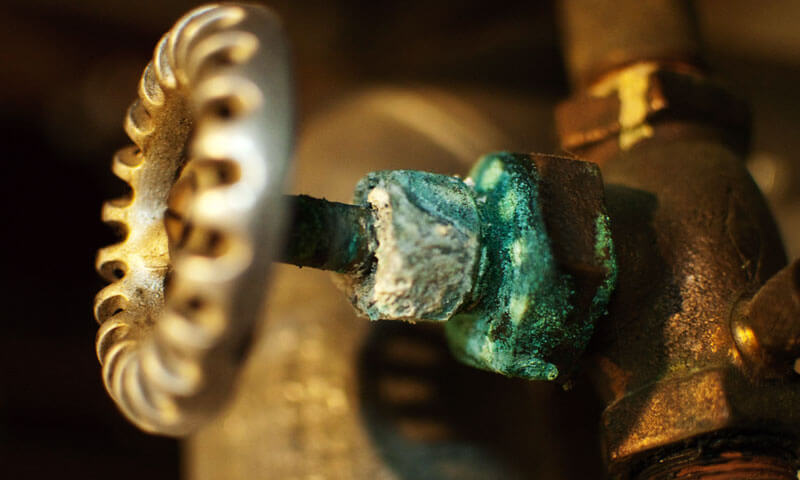
Ieejiet jebkurā datortehnikas veikalā, un jūs atradīsiet misiņa veidgabalus, vārsti, un dekoratīvā aparatūra.
Jautājiet pārdevējam: Vai misiņa rūsa? Atbilde, kuru jūs, iespējams, dzirdēsit, ir nē, misiņš nerūsē. Bet vai tā ir strikti taisnība?
Atbilde, tāpat kā lielākajā daļā materiālu zinātnes jautājumu, ir gan jā, gan nē — atkarībā no tā, kā jūs definējat rūsu un ko jūs domājat ar misiņu.
Šis raksts sniedz visaptverošu informāciju, daudzdimensiju misiņa korozijas pārbaude.
Mēs izpētīsim misiņa metalurģiju, tās korozijas ķīmija, atšķirība starp rūsu un aptraipījumu, vides faktori, kas paātrina degradāciju, un praktiskās stratēģijas profilaksei un uzturēšanai.
1. Kas ir Rūsa? Ķīmiskā definīcija
Pirms atbildēt, vai misiņš nerūsē, mums ir jādefinē rūsa.
Rūsas ķīmija
Rūsa ir parastais nosaukums hidratēts dzelzs(III) oksīds (Fe₂O3·nH2O). Tas veidojas, kad dzelzs (Fe) reaģē ar skābekli (O₂) un ūdens (H₂O) izmantojot elektroķīmisku procesu:
| Reakcija | Vienādojums | Apraksts |
| Anodisks | Fe → Fe²⁺ + 2e⁻ | Dzelzs izšķīst pie anoda. |
| Katodisks | O₂ + 2H₂O + 4e → 4OH⁻ | Skābeklis un ūdens patērē elektronus. |
| Kopumā | 4Fe + 3O₂ + 6H₂O → 4Fe(Ak!)₃ → 4 Fe(Ak!)₃ → 2Fe₂O3 · 3H₂O | Hidratēts dzelzs oksīds (rūsa). |
Rūsas īpašības
| Raksturīgs | Apraksts |
| Krāsa | Sarkanbrūns līdz oranži brūns (hidratēts); melns vai dzeltens citos oksīdos. |
| Struktūra | Pārslains, porains, nepiekrītošs; neaizsargā apakšā esošo metālu. |
| Tilpums | Paplašina līdz 3–7 reizes sākotnējam dzelzs tilpumam, izraisot plaisāšanu un strukturālus bojājumus. |
| Nepieciešamie elementi | Dzelzs (Fe), skābeklis (O₂), laistīt (H₂O) (vai mitrums). |
Kritiskais punkts: Tā kā misiņš satur nav ievērojama metāla dzelzs, to nevar veidoties rūsa.
Sarkanbrūnā vai zaļgani brūnā nokrāsa, kas parādās uz misiņa virsmām, ir aptraipīt vai patina, ne rūsa.
2. Kas ir misiņš? Metalurģija un kompozīcija
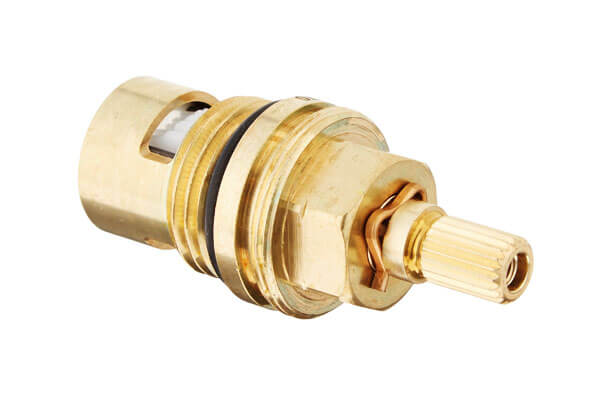
Definīcija un sastāvs
Misiņš ir varš-cinks (Cu-Zn) sakausējums. Cinka saturs svārstās no 5% līdz beigām 40%, ar papildu elementiem, piemēram, svinu, skārda, alumīnijs, silīcijs, vai arsēnu, kas pievienots konkrētām īpašībām.
| Ierakstīt | Vara (%) | Cinks (%) | Citi elementi | Galvenās īpašības |
| Alfa misiņš | >65 | <35 | - | Hercogi, auksti apstrādājams; Piem., kārtridžs misiņš (70/30). |
| Alfa-beta misiņš | 55-65 | 35-45 | - | Spēcīgāka, karsti apstrādājams; Piem., Muntz metāls (60/40). |
| Beta misiņš | <55 | >45 | - | Grūtāk, trauslāks; ierobežota izmantošana. |
| Svins misiņš | 57-62 | 33-40 | 1-3% Pb | Lieliska apstrādājamība; Piem., C36000 (brīvā griešana). |
| Alvas misiņš | 70-80 | 15-25 | 1-5% Sn | Uzlabota izturība pret koroziju; Piem., admiralitātes misiņš. |
| Arsēna misiņš | 70-80 | 15-25 | 0.02-0,05% Kā | Iztur dezincifikāciju. |
Vara-cinka fāzes diagramma
Misiņš ir ciets cinka šķīdums varā. Cinka pievienošana stiprina sakausējumu, sacietējot cietā šķīdumā, bet arī būtiski maina tā izturēšanos pret koroziju.
Galvenie metalurģijas punkti:
- Alfa fāze (FCC struktūra) – plastisks, laba izturība pret koroziju.
- Beta fāze (BCC struktūra) – grūtāk, vairāk pakļauti dezincifikācijai.
- Fāzu līdzsvars ir atkarīgs no cinka satura un temperatūras.
3. Kā misiņš patiesībā korodē
Lai gan misiņš nevar rūsēt, tas paliek ķīmiski aktīvs un nepārtraukti mijiedarbojas ar apkārtējo vidi.
Šīs mijiedarbības noved pie vairākiem atšķirīgiem korozijas mehānismiem, katru regulē dažādi elektroķīmiskie principi un vides apstākļi.
Atšķirībā no tērauda rūsēšanas, misiņa korozija parasti progresē virsmas transformāciju secībā, sākot ar vieglu oksidēšanos un, agresīvākos apstākļos, attīstās lokālā elektroķīmiskā uzbrukumā.
Sākotnējā virsmas aptraipīšana: Pirmais misiņa oksidācijas posms
Agrākās un visizplatītākās izmaiņas, kas novērotas uz misiņa, ir aptraipīšana.
Kad svaigi ražots misiņš ir pakļauts gaisa iedarbībai, vara un cinka atomi uz virsmas lēnām reaģē ar atmosfēras skābekli.
Sākotnēji, šī reakcija veido ārkārtīgi plānu slāni, kas galvenokārt sastāv no:
- Vara oksīds (Cu₂O un CuO)
- Cinka oksīds (ZnO)
Šī oksīda plēve pakāpeniski maina misiņa izskatu no sākotnējās spilgti zelta krāsas uz:
- Gaiši dzeltens
- Brūns
- Tumši brūns
- Pelēks
Aptraipīšanas ātrums ir atkarīgs no tādiem faktoriem kā:
- Relatīvais mitrums
- Temperatūra
- Gaisa piesārņojums
- Sēru saturošas gāzes
- Pirkstu nospiedumi un ādas eļļas
Atšķirībā no tērauda rūsas, šis plānais oksīda slānis ir kompakts, pieķērušies, un vispār aizsargājošs.
Nevis paātrinātu degradāciju, tas darbojas kā barjera, kas samazina turpmāku skābekļa difūziju pamata sakausējumā.
No inženierijas viedokļa, aptraipīšana galvenokārt ir estētiskas izmaiņas, un tai ir neliela ietekme uz misiņa komponentu strukturālo veiktspēju.
Patīnas veidošanās: Dabas aizsargājošs pārklājums
Ar ilgstošu āra vides iedarbību, jo īpaši tiem, kas satur mitrumu un oglekļa dioksīdu, misiņš tiek pakļauts turpmākām ķīmiskām reakcijām, kas izraisa a patina.
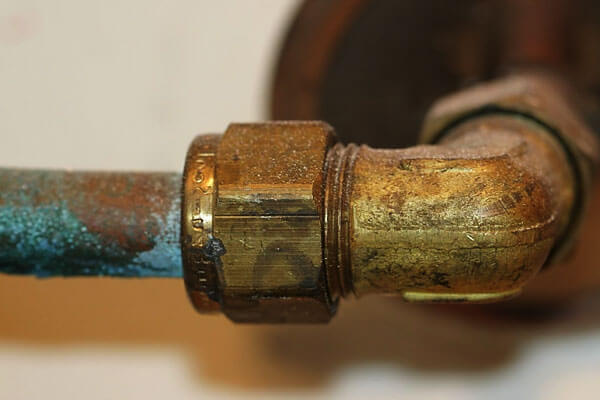
Patina galvenokārt sastāv no stabiliem korozijas produktiem, piemēram,:
- Vara karbonāts
- Bāzes vara karbonāts
- Vara hidroksīds
- Vara sulfāts (piesārņotā atmosfērā)
Atkarībā no vides apstākļiem, virsmai var būt krāsas, sākot no tumši brūnas līdz raksturīgai zaļai vai zilganzaļai, kas redzama vēstures pieminekļos un arhitektūras objektos.
Atšķirībā no rūsas, kas ir poraina un nepārtraukti izplata koroziju, nobriedusi patina ir blīva, ķīmiski stabils, un ļoti aizsargājošs.
Tas izolē pamatā esošo sakausējumu no atmosfēras, ievērojami palēninot turpmāko koroziju.
Šī dabiskā pasivācija izskaidro, kāpēc gadsimtiem vecas misiņa skulptūras, dekoratīvie piederumi, un mantojuma arhitektūras elementi bieži saglabā izcilu strukturālo integritāti, neskatoties uz ilgstošu āra ekspozīciju.
Dezincifikācija: Nozīmīgākā misiņa korozijas forma
Lai gan aptraipīšana un patinas veidošanās parasti ir labdabīgi, dezinfekcija ir destruktīvs korozijas mehānisms, kas var nopietni pasliktināt misiņa mehāniskās īpašības.
Dezincifikācija ir selektīvs izskalošanās process, kurā cinks, ir elektroķīmiski aktīvāks par varu, labāk izšķīst no sakausējuma, ja tiek pakļauti noteiktiem elektrolītiem, īpaši hlorīdu saturošs ūdens.
Tā kā cinks tiek noņemts, atlikušais materiāls kļūst porains, ar varu bagāts skelets ar ievērojami samazinātu izturību un spiediena nestspēju.
Tipiski apstākļi, kas veicina dezincifikāciju, ietver:
- Karsts dzeramais ūdens
- Jūras ūdens
- Šķīdumi ar augstu hlorīda saturu
- Stagnējošas ūdens sistēmas
- Viegli skāba vide
Redzamie rādītāji ietver:
- Sarkanīga vai rozā krāsas maiņa
- Baltas nogulsnes, kas sastāv no cinka korozijas produktiem
- Virsmas bedri
- Paaugstināta porainība
- Spiedienu saturošo komponentu noplūde
Svarīgiem santehnikas un jūras pielietojumiem, izturīgs pret cinkošanu (RDA) misiņš ir īpaši izstrādāts ar kontrolētiem sakausējuma piedevām, lai nomāktu šo selektīvo korozijas mehānismu un pagarinātu kalpošanas laiku.
Stresa korozijas plaisāšana: Slēpts atteices mehānisms
Vēl viens svarīgs, lai gan retāk, degradācijas process ir Stresa korozijas plaisāšana (SCC).
SCC rodas, ja vienlaikus pastāv trīs nosacījumi:
- Uzņēmīgs misiņa sakausējums
- Ilgstošs stiepes spriegums (vai nu lietots, vai atlikušais)
- Īpaša kodīga vide, jo īpaši tas, kas satur amonjaku vai amonija savienojumus
Tā vietā, lai radītu vienotus materiālus zaudējumus, SCC izraisa smalku plaisu rašanos un izplatīšanos, bieži vien gar graudu robežām.
Šīs plaisas var izaugt ar nelielu redzamu virsmas koroziju, un galu galā tās var rasties pēkšņi, trausls lūzums.
Īpaši apdraudētie komponenti ietver:
- Vārstu kāti
- Kompresijas piederumi
- Stiprinājumi
- Atsperes
- Precīzi apstrādātas detaļas, kas pakļautas atlikušajiem apstrādes spriegumiem
Stresa mazināšanas termiskā apstrāde, pareiza sakausējuma izvēle, un izvairīšanās no pakalpojumu vides, kas bagātas ar amonjaku, ir efektīvas stratēģijas, lai samazinātu SCC jutību.
Vienveidīga un lokalizēta korozija
Agresīvā ķīmiskā vidē, var rasties arī misiņš vienmērīga korozija, kur materiāls pakāpeniski izšķīst pa visu atklāto virsmu, vai lokalizēta korozija, kur uzbrukums ir koncentrēts atsevišķās zonās.
Spēcīgas skābes, spēcīgi sārmi, un dažas rūpnieciskās ķīmiskās vielas var izšķīdināt aizsargājošās oksīda plēves, kas laika gaitā rada izmērāmus metāla zudumus.
Atšķirībā no rūsas, lai arī, šie procesi nerada ekspansīvas dzelzs oksīda zvīņas. Tā vietā, sakausējums lēnām kļūst plānāks vai veidojas lokalizētas bedres, savukārt kopējais noārdīšanās veids būtiski atšķiras no dzelzs un tērauda rūsēšanas.
Līdz ar to, lai novērtētu misiņa izturību, ir jāizprot tā specifiskie korozijas mehānismi, nevis jāpiemēro koncepcijas, kas saistītas ar melnajiem materiāliem.
Galvaniskā korozija
Kad misiņš ir savienots ar cēlmetālu (Piem., nerūsējošais tērauds, vara) vadošā vidē, misiņš kļūst par anodu un dod priekšroku korozijai.
| Pāris | Riska līmenis | Preventīvs pasākums |
| Misiņš – nerūsējošais tērauds | Augsts (misiņš korodē) | Izmantojiet izolācijas paplāksnes; izvairieties no tieša kontakta mitrā vidē. |
| Misiņš – varš | Zems (līdzīgs potenciāls) | Parasti pieņemams. |
| Misiņš – alumīnijs | Ļoti augsts (alumīnijs korodē) | Nepieciešama izolācija. |
| Misiņš – oglekļa tērauds | Mērens (tērauds korodē) | Aizsargājiet tēraudu ar pārklājumu. |
4. Misiņš vs. Bronza: Korozijas salīdzinājums
Misiņš un bronza bieži tiek sajaukti. To izturēšanās pret koroziju atšķiras primārā sakausējuma elementa dēļ (cinks misiņā; alva bronzā).
| Īpašums | Misiņš (Cu-Zn) | Bronza (Ar Sn) |
| Primārais leģējošais elements | Cinks | Alvas |
| Korozijas mehānisms | Dezincifikācija, vispārējs aptraipījums | Selektīva alvas izskalošana (reti), bronzas slimība |
| Jūras ūdens izturība | Nabadzīgs (dezincifikācijas risks) | Lielisks (alvas bronzas, alumīnija bronzas) |
| Aptraipīšana | Strauji; zaļa/brūna patina | Lēnāk; zaļa/brūna patina |
| Sprieguma korozija | Uzņēmīgs (amonjaks, dzīvsudraba sāļi) | Vispār izturīgs |
| Bimetāla korozija | Mērens (pāri ar cēlmetāliem) | Labs (mazāk pakļauti galvaniskajam uzbrukumam) |
5. Vides faktori, kas ietekmē misiņa koroziju
Lai gan misiņš nerūsē, tā izturēšanās pret koroziju ir ļoti atkarīga no vides, kurā tā darbojas.
Aizsargājošās oksīda plēves, kas dabiski veidojas uz misiņa, stabilitāti var būtiski ietekmēt mitrums, piesārņotājiem, temperatūra, ūdens ķīmija, pH, un mehāniskais spriegums.
Mitrums un mitrums
Mitrums ir viens no ietekmīgākajiem faktoriem, kas ietekmē misiņa koroziju.
Ūdens darbojas kā elektrolīts, kas nodrošina elektroķīmiskas reakcijas starp sakausējuma virsmu un apkārtējo vidi.
Palielinoties relatīvajam mitrumam, uz misiņa virsmas pakāpeniski veidojas plāna mitruma plēve, atvieglojot skābekļa difūziju un jonu transportu.
Sausā gaisā, oksidēšanās notiek lēni un parasti rada tikai plānu, kompakta oksīda plēve.
Paaugstinoties mitrumam, oksidēšanās paātrinās, izraisot izteiktāku aptraipīšanu un iespējamu patīnas veidošanos.
Pastāvīgi mitros vai iegremdētos apstākļos, aizsargājošais oksīda slānis var kļūt nestabils, palielinot lokālas korozijas iespējamību.
Mitruma ietekmi uz misiņa koroziju var apkopot šādi:
| Relatīvais mitrums / Iedarbība | Tipiska korozijas uzvedība | Korozijas smagums |
| Zemāk 30% RH | Minimāla atmosfēras oksidācija; virsma ilgu laiku paliek gaiša | Ļoti zems |
| 30-60% RH | Pakāpeniska aptraipīšana; veidojas stabila oksīda plēve | Zema līdz mērena |
| Iepriekš 60% RH | Ātrāka oksidēšanās un krāsas maiņa; piesārņotāji var paātrināt koroziju | Vidēji līdz augstam |
| Nepārtraukta mitrināšana vai iegremdēšana | Aktīvā elektroķīmiskā korozija; dezincifikācijas risks stāvošā ūdenī | Ļoti augsts |
Atmosfēras piesārņotāji
Gaisā esošie piesārņotāji var būtiski mainīt misiņa korozijas izturēšanos, mijiedarbojoties ar tā dabiski aizsargājošo oksīda slāni.
Rūpnieciskās emisijas, jūras aerosoli, un ķīmiskie tvaiki bieži paātrina virsmas degradāciju, izmantojot īpašus elektroķīmiskus mehānismus.
Nozīmīgākie atmosfēras piesārņotāji, kas ietekmē misiņu, ir sēra savienojumi, hlorīdi, amonjaks, un oksidējošās gāzes.
| Piesārņotājs | Primārā iedarbība uz misiņu | Korozijas mehānisms |
| Sēra dioksīds (SO₂) | Paātrināta aptraipīšana un tumša krāsas maiņa | Vara sulfīdu veidošanās (Cu₂S) |
| Hlorīda joni (Sāls aerosols) | Atkaulošana un dezincifikācija | Pasīvo oksīda plēvju sadalīšana |
| Amonjaks (NH₃) | Sprieguma korozijas plaisāšana | Graudu robežas uzbrukums stiepes sprieguma apstākļos |
| Ozons (O₃) | Paātrināta oksidēšanās | Palielināts oksīdu veidošanās ātrums |
Sēra dioksīds (SO₂)
Sēra dioksīds, parasti sastopams industriālajā un pilsētu atmosfērā, viegli reaģē ar varu uz misiņa virsmas, veidojot vara sulfīdus.
Šie savienojumi rada raksturīgu tumši brūnu vai melnu aptraipījumu, ko bieži novēro uz misiņa, kas pakļauts piesārņotam gaisam.
Lai gan šis aptraipījums parasti ir virspusējs, ilgstoša iedarbība var paātrināt kopējo oksidācijas ātrumu un samazināt dekoratīvo komponentu estētisko izskatu.
Hlorīdu saturoša vide
Hlorīda joni ir viena no agresīvākajām sugām, kas ietekmē misiņu.
Piekrastes reģioni, ārzonas platformas, atsāļošanas iekārtas, un kuģu aprīkojums ir nepārtraukti pakļauts ar sāli piesātinātam gaisam.
Hlorīdi destabilizē pasīvo oksīda slāni un veicina:
- Lokalizēta bedri
- Plaisu korozija
- Dezincifikācija
- Galvaniskā korozija, ja ir dažādi metāli
Šiem lietojumiem, jūras misiņš, silīcija misiņš, vai izturīgs pret cinkošanu (RDA) parasti ieteicams izmantot misiņu.
Amonjaka iedarbība
Lai gan amonjaks maz ietekmē neuzspiestu misiņu, tas kļūst ļoti destruktīvs, ja to apvieno ar atlikušo vai piemēroto stiepes spriegumu.
Šajos apstākļos, amonjaks var iekļūt graudu robežās un iniciēt Stresa korozijas plaisāšana (SCC).
Šī parādība ir īpaši bīstama, jo:
- Plaisas var veidoties bez būtiskiem materiāliem zaudējumiem.
- Kļūme var rasties pēkšņi ar nelielu ārēju brīdinājumu.
- Mehāniskā izturība pasliktinās ilgi pirms redzamas korozijas parādīšanās.
Komponenti, piemēram, vārstu kāti, kompresijas piederumi, atsperes, un stiprinājumiem ir nepieciešama rūpīga sakausējuma izvēle un stresa mazināšanas apstrāde, ja ir paredzama amonjaka iedarbība.
Ozons un spēcīgas oksidējošas atmosfēras
Ozons ir ļoti reaktīvs oksidētājs, kas palielina oksīda plēves veidošanās ātrumu uz misiņa virsmām.
Lai gan iegūtais oksīda slānis var saglabāt aizsardzību vieglos apstākļos, ilgstoša augsta ozona koncentrācijas iedarbība var paātrināt krāsas maiņu un virsmas novecošanos.
Temperatūra
Temperatūra tieši ietekmē korozijas kinētiku, palielinot atomu difūziju, ķīmiskās reakcijas ātrums, un elektroķīmiskā aktivitāte.
Vispār, katra temperatūras paaugstināšanās paātrina oksidēšanos un koroziju, lai gan konkrētais mehānisms ir atkarīgs no sakausējuma un apkalpošanas vides.
| Temperatūras diapazons | Tipiska korozijas uzvedība |
| -10°C līdz 40°C | Lēna oksidēšanās; aizsargājoša patina veidojas pakāpeniski |
| 40°C līdz 80 °C | Korozijas reakcijas paātrinās; oksidēšanās var notikt divas līdz piecas reizes ātrāk nekā apkārtējās vides temperatūrā |
| Virs 80°C | Paaugstināts dezincifikācijas risks, oksīda sabiezēšana, un karstā ūdens korozija |
| Zem -100°C | Īpaši zems korozijas līmenis; misiņš saglabā izcilu stingrību un elastību |
Ūdens šķīdumu pH
Ūdens vides skābums vai sārmainība lielā mērā ietekmē misiņa koroziju, jo pH ietekmē gan aizsargājošo oksīda plēvju stabilitāti, gan vara un cinka elektroķīmisko izšķīšanu..
| pH diapazons | Korozijas smagums | Dominējošais mehānisms |
| Zemāk 4 (Stipri skābs) | Augsts | Ātra vara un cinka šķīdināšana |
| pH 4-8 (Neitrāls līdz nedaudz skābs) | Mērens | Aptraipīšana ar aizsargājošu oksīdu veidošanos |
| pH 8-12 (Viegli sārmains) | Zems | Stabilas oksīda un hidroksīda plēves nodrošina aizsardzību |
| Iepriekš 12 (Stipri sārmains) | Mērens | Vara šķīdināšana sārmainā kompleksā vidē |
6. Korozijas izstrādājumi uz misiņa: Kas parādās uz virsmas?
Krāsas izmaiņas, kas parādās uz misiņa virsmām, nav rūsa; tas ir vara un cinka savienojumu maisījums.
| Krāsa | Primārais savienojums | Veidošanās nosacījums |
| Spilgti dzeltenzelts | Notīriet Cu-Zn sakausējuma virsmu | Svaigi apstrādāti vai pulēti. |
| Sarkanbrūns | Vara oksīds (Cu₂O) | Sākotnējā oksidēšanās gaisā. |
| Brūns / tumši brūns | Vara oksīds (CuO) + cinka oksīds (ZnO) | Ilgstoša gaisa un mitruma iedarbība. |
| Pelēks / melns | Vara sulfīds (Cu₂S) + cinka sulfīds | Rūpnieciskā atmosfēra (SO₂, H₂S). |
| Zaļš / zili zaļš | Bāzes vara karbonāts (Cu₂CO3(Ak!)₂) | Ilgstoša atmosfēras iedarbība (patina). |
| Zils-zaļš | Vara hlorīds (CuCl₂) | Jūras / hlorīdu vide. |
| Baltums / pulverveida | Cinka oksīds (ZnO) vai cinka karbonāts | Vēlamā cinka korozija (dezinfekcija). |
| Rozā / sarkans | Ar varu bagāts atlikums | Dezincifikācija (izskalojies cinks, vara paliekas). |
7. Korozijas novēršana misiņā
Sakausējuma izvēle
| Sakausējums | Izturība pret koroziju | Piemērotas vides |
| C87610 / C87850 (silīcija misiņš) | Lielisks (izturīgs pret cinkošanu) | Dzeramais ūdens, jūras, ķīmisks. |
| C87400 / C87500 (silīcija misiņš) | Ļoti labs | Vispārējā rūpniecība. |
| C68700 (arsēna admiralitātes misiņš) | Labs (ūdens izturīgs) | Kondensatori, siltummaiņi. |
| C46400 (jūras misiņš) | Mērens (dezincifikācijas risks) | Saldūdens, jūras (ar aizsardzību). |
| C36000 (svina misiņš) | Nabadzīgs (zema izturība pret koroziju) | Žāvēt iekštelpās, tikai mehāniski apstrādātas detaļas. |
Virsmas procedūras
| Ārstēšana | Mērķis | Metode |
| Lakošana | Novērš aptraipīšanu | Caurspīdīgs akrila vai poliuretāna pārklājums. |
| Pasniegšana | Veido aizsargājošu oksīda slāni | Slāpekļskābes iemērkšana (10-25%, 40-60°C). |
| Hromāta konvertēšana | Uzlabo izturību pret koroziju | Ārstēšana ar hromskābi (dzeltens vai dzidrs). |
| Anodēšana | Biezs oksīda slānis pret nodilumu/koroziju | Anodiskā oksidēšana (ierobežota izmantošana misiņam). |
| Galvanizācija | Dekoratīvs/aizsargājošs slānis | Niķelis, hroms, vai apzeltījums. |
Pārklājumi un inhibitori
| Pārklājums / inhibitors | Pieteikums | Efektivitāte |
| Caurspīdīga laka | Dekoratīvā aparatūra | Labs (2-5 gadi). |
| Benzotriazols (BTA) | Korozijas inhibitors vara sakausējumiem | Lielisks; veido aizsargplēvi. |
| Hermētiķi uz ūdens bāzes | Arhitektūras misiņš | Mērens; nepieciešama atkārtota pielietošana. |
| Eļļas / vasks | Instrumentu virsmas | Pagaidu; nepieciešama atkārtota pieteikšanās. |
8. Misiņa tīrīšana un apkope
Lai gan misiņš ir ļoti izturīgs pret rūsu un nodrošina izcilu ilgtermiņa izturību, tās izskatu un izturību pret koroziju var būtiski ietekmēt pareiza apkope.
Regulāra tīrīšana ikdienas apkopei
Regulāri misiņa detaļu tīrīšana ir vienkāršākais un efektīvākais veids, kā pagarināt kalpošanas laiku.
Putekļu noņemšana, smērvielu, pirkstu nospiedumus, sāļi, un rūpnieciskie piesārņotāji palīdz novērst piesārņotāju oksidēšanās paātrināšanos vai lokālas korozijas ierosināšanu.
Lielākajai daļai mājsaimniecības un rūpniecisku lietojumu, Lai noņemtu virsmas netīrumus, nesabojājot aizsargājošo oksīda plēvi, pietiek ar mīkstu drānu, kas apvienota ar siltu ūdeni un maigu ziepju šķīdumu..
Pēc tīrīšanas, Virsma vienmēr rūpīgi jānoskalo ar tīru ūdeni un pilnībā jāizžāvē, lai novērstu korozijas veidošanos.
Regulāra tīrīšana ir īpaši noderīga:
- Dekoratīvā aparatūra
- Durvju rokturi
- Santehnikas aprīkojums
- Mūzikas instrumenti
- Precīzas mehāniskās sastāvdaļas
- Elektriskā aparatūra
Atšķirībā no agresīvas pulēšanas, maiga tīrīšana saglabā dabiskā oksīda slāņa integritāti, vienlaikus saglabājot pievilcīgu izskatu.
Aptraipīšanas noņemšana
Misiņam novecojot, oksidēšanās pakāpeniski maina savu spilgti zeltaino krāsu uz brūniem toņiem, tumša bronza, vai melns.
Šis aptraipījums parasti attiecas tikai uz virsmu un neliecina par struktūras pasliktināšanos.
Vairākas tīrīšanas metodes var efektīvi noņemt traipus.
Viegli organiski tīrīšanas šķīdumi
Dabiski skābie tīrīšanas līdzekļi, piemēram, etiķis kopā ar sāli vai citronu sulu sajauc ar cepamo sodu, tiek plaši izmantoti mērenu traipu noņemšanai.
Maiga skābe izšķīdina virsmas oksidāciju, savukārt maiga abrazīvā iedarbība palīdz atjaunot sākotnējo metālisko apdari.
Lai arī, jo šie šķīdumi ir skābi, tiem nevajadzētu ilgstoši palikt uz misiņa virsmas.
Pēc ārstēšanas, komponents rūpīgi jāizskalo ar tīru ūdeni un nekavējoties jāizžāvē, lai novērstu visus atlikušos skābes atlikumus.
Šīs metodes parasti ir piemērotas:
- Dekoratīvie misiņa rotājumi
- Sadzīves tehnika
- Virtuves aparatūra
- Viegli aptraipīti aksesuāri
Komerciālie misiņa pulēšanas līdzekļi
Stipri aptraipītam misiņam, komerciālie pulēšanas maisījumi nodrošina ātrākus un konsekventākus rezultātus.
Šie produkti parasti satur smalkas abrazīvas daļiņas un ķīmiskus tīrīšanas līdzekļus, kas novērš oksidāciju un atjauno raksturīgo zelta spīdumu..
Pulēšana ievērojami uzlabo izskatu, tas arī noņem daļu no dabiski izveidotā oksīda slāņa un, dažos gadījumos, aizsargājošā patina.
Pārmērīga vai bieža pulēšana var pakāpeniski samazināt virsmas aizsardzību un mainīt antīku vai vēsturisku misiņa priekšmetu izskatu.
Tāpēc, komerciālā pulēšana ir jāizmanto selektīvi, nevis kā ikdienas apkope.
Tīrīšanas līdzekļi, no kuriem jāizvairās
Ne visas tīrīšanas ķimikālijas ir piemērotas misiņam.
Viens no svarīgākajiem piesardzības pasākumiem ir izvairieties no tīrīšanas līdzekļiem uz amonjaka bāzes, īpaši noslogotām vai nesošām misiņa detaļām.
Amonjaks ir labi pazīstams kā veicināšana Stresa korozijas plaisāšana (SCC) uzņēmīgos misiņa sakausējumos.
Pat salīdzinoši zemas koncentrācijas var iekļūt graudu robežās un izraisīt mikroskopiskas plaisas, ja tās tiek apvienotas ar atlikušajiem vai pielietotajiem stiepes spriegumiem..
Šī iemesla dēļ, amonjaku saturošus tīrīšanas līdzekļus nekādā gadījumā nedrīkst lietot:
- Vārstu sastāvdaļas
- Kompresijas piederumi
- Atsperes
- Stiprinājumi
- Kārtridžu futrāļi
- Precīzas mehāniskās detaļas
Līdzīgi, ļoti koncentrētas skābes, spēcīgi sārmi, abrazīvā tērauda vate, Jāizvairās no agresīviem slīpēšanas instrumentiem, ja vien tie nav īpaši ieteikti rūpnieciskai atjaunošanai.
Virsmu aizsargājošās apstrādes
Tīrīšana vien nenovērš turpmāku oksidēšanos.
Pēc tam, kad virsma ir notīrīta, daudzi misiņa komponenti gūst labumu no papildu aizsardzības apstrādes, kas izolē metālu no mitruma un atmosfēras piesārņotājiem.
Kopējās aizsardzības metodes ietver:
Vaska pārklājumi
Mikrokristāliskais vasks vai augstas kvalitātes pastas vasks veido plānu hidrofobu barjeru virs misiņa virsmas.
Vaska pārklājumiem ir vairākas priekšrocības:
- Samaziniet skābekļa iedarbību
- Atgrūž mitrumu
- Lēna aptraipīšana
- Saglabā virsmas izskatu
- Saglabā dabisko metālisko spīdumu
Vaska aizsardzība tiek plaši izmantota dekoratīviem arhitektūras misiņa un muzeju artefaktiem.
Aizsargājošās eļļas
Vieglās minerāleļļas bieži tiek izmantotas rūpnieciskiem misiņa komponentiem uzglabāšanas vai transportēšanas laikā.
Eļļas plēves aizsargā pret:
- Mitrums
- Pirkstu nospiedumi
- Pagaidu atmosfēras oksidēšana
Lai gan eļļas pārklājumiem ir nepieciešama periodiska atjaunošana, tie nodrošina lētu risinājumu īslaicīgai aizsardzībai pret koroziju.
Lakas pārklājumi
Caurspīdīga laka veido caurspīdīgu aizsargbarjeru, kas novērš tiešu saskari starp misiņa virsmu un apkārtējo vidi.
Parasti tiek uzklāti lakas pārklājumi:
- Durvju aparatūra
- Apgaismes ķermeņi
- Dekoratīvā apdare
- Mūzikas instrumenti
Pareizi apkopjot, laka ievērojami samazina nepieciešamību pēc pulēšanas, vispirms novēršot oksidēšanos.
Galvanizēti pārklājumi
Prasīgiem rūpnieciskiem lietojumiem, misiņš var būt galvanizēts ar metāliem, piemēram, niķeli vai hromu.
Galvanizācija nodrošina:
- Uzlabota izturība pret koroziju
- Augstāka nodilumizturība
- Uzlabots dekoratīvs izskats
- Paaugstināta ķīmiskā stabilitāte
Elektriskie savienotāji bieži ir pārklāti ar alvu, sudraba, vai zelts, lai saglabātu zemu kontakta pretestību, vienlaikus aizsargājot apakšā esošo misiņa substrātu.
Dabiskās patīnas saglabāšana
Ne viss misiņš ir jānopulē līdz spilgtai apdarei.
Daudziem arhitektūras, vēsturisks, un mākslinieciski pielietojumi, dabiski attīstītā patina tiek uzskatīta gan estētiski vērtīga, gan funkcionāli labvēlīga.
Zaļā vai tumši bronzas virsma, kas redzama uz vēsturiskām ēkām un pieminekļiem, nav nolietošanās pazīme, bet gan stabils aizsargslānis, kas palēnina turpmāku koroziju..
Līdz ar to, dabas aizsardzības speciālisti parasti saglabā, nevis noņem nobriedušu patinu.
Paredzēts arhitektoniskajam misiņam, kas pakļauts āra videi, apkope bieži sastāv no periodiskas tīrīšanas, kam seko aizsargvaska uzklāšana, ļaujot patinai turpināt attīstīties dabiski.
9. Pielietojumi, kur misiņa korozijai ir nozīme
| Rūpniecība | Tipiskas misiņa sastāvdaļas | Bažas par koroziju | Mazināšana |
| Santehnika | Vārsti, armatūra, jaucējkrāni | Dezincifikācija; svina izskalošanās | Izmantojiet DR misiņu (C87610, C87850). |
| Jūras | Propellera vārpstas, jūras ūdens sūkņi | Dezincifikācija, lobīšana | Izmantojiet jūras misiņu (C46400) vai silīcija misiņš. |
| Elektriskie | Termināļi, savienotāji, sadales iekārtas | Aptraipīšana (palielina kontakta pretestību) | Sudraba vai alvas pārklājums. |
| Autobūves | Radiatori, sildītāju serdeņi, savienotāji | Korozija no dzesēšanas šķidrumiem, sāļi | Izmantojiet arsēna misiņu; pareiza dzesēšanas šķidruma apkope. |
| Arhitektūras | Margas, durvju aparatūra, jumta segums | Atmosfēras aptraipīšana, patina | Lako vai ļauj dabīgai patinai. |
| Mūzikas instrumenti | Trompetes, tromboni, saksofoni | Aptraipīšana (estētiska) | Regulāra tīrīšana; lakas pārklājums. |
| Munīcija | Kārtridžu futrāļi (C26000) | Sezonas plaisāšana (amonjaks) | Stresa mazināšana; kontrolēta uzglabāšana. |
| Patērētāju aparatūra | Slēdzenes, eņģes, atslēgas | Aptraipīšana (kosmētikas) | Laka; regulāra pulēšana. |
10. Kopsavilkuma salīdzinājums: Misiņš pret rūsu
| Kritērijs | Rūsa uz dzelzs/tērauda | Korozija uz misiņa |
| Ķīmiskā definīcija | Hidratēts dzelzs oksīds (Fe₂O3·nH2O) | Vara un cinka oksīdi, karbonāti, hlorīdi, sulfīdi. |
| Nepieciešamais elements | Dzelzs (Fe) | Vara (Cu) un cinks (Zn). |
| Krāsa | Sarkanbrūns, oranži brūns | Brūns, melns, zaļš, zili zaļš, sarkans-rozā (dezinfekcija). |
| Struktūra | Pārslains, porains, nepiekrītošs | Bieži vien pieķērušies (patina); var būt pulverveida (dezinfekcija). |
| Skaļuma paplašināšana | 3-7× (izraisa plaisāšanu) | Minimāls līdz mērens (patina ir aizsargājoša). |
| Aizsardzības efekts | Nav (rūsa paātrina koroziju) | Jā (patina palēnina turpmāku koroziju). |
| Profilakse | Krāsa, cinkot, eļļas, sakausējums | Izvēlieties DR sakausējumu; laka; izolēt. |
| Remonts | Nokasīt/noņemt; pārkrāsot | poļu; Noņemiet aktīvo koroziju; atkārtoti aizzīmogot. |
11. Secinājums
Tik, nerūsē misiņš? Zinātniskā atbilde ir nepārprotama: Ne. Misiņš nerūsē, jo rūsa ir unikāls dzelzs un tērauda korozijas produkts, savukārt misiņš ir vara un cinka sakausējums, kas praktiski nesatur dzelzi.
Tomēr, misiņš nav imūna pret vides degradāciju.
Visā tā kalpošanas laikā, tajā notiek dažādi korozijas procesi, tostarp oksidēšanās, aptraipīšana, patinas veidošanās, dezinfekcija, un, īpašos apstākļos, Stresa korozijas plaisāšana.
Šie mehānismi būtiski atšķiras no melno materiālu rūsēšanas gan ķīmiskajā, gan inženiertehniskajā ziņā..
Galu galā, izprotot atšķirību starp rūsa un misiņa korozija ir būtiska inženieriem, dizaineriem, ražotājiem, un galalietotājiem.
Izvēloties atbilstošo sakausējumu, ņemot vērā darbības vidi, un piemērotu pareizu uzturēšanas praksi,
misiņa sastāvdaļas var nodrošināt izcilu uzticamību, lieliska izturība pret koroziju, un ārkārtīgi ilgs kalpošanas laiks plašā rūpnieciskā un komerciālā lietojuma klāstā.
Bieži uzdotie jautājumi
Vai misiņa rūsa ūdenī?
Ne, misiņa nav rūsa (veido dzelzs oksīdu). Lai arī, misiņš ūdenī nerūsē, īpaši stāvošs vai skābs ūdens, kur var notikt dezincifikācija.
Izmantojiet pret cinkošanu izturīgus misiņus darbam ar ūdeni.
Kāpēc mans misiņš kļūst zaļš?
Zaļā krāsa ir aizsargājoša patina bāzes vara karbonāts (Cu₂CO3(Ak!)₂) .
Tas veidojas, ja misiņš ilgstoši tiek pakļauts mitrumam un oglekļa dioksīdam. Tas nav kaitīgs - tas faktiski aizsargā metālu.
Vai misiņa rūsa sālsūdenī?
Misiņš nerūsē, bet tas sarūsē sālsūdenī.
Misiņš ar augstu cinka saturu ir jutīgs pret cinka atdalīšanu un bedrēm hlorīdu vidē. Silīcija misiņam un bronzai priekšroka tiek dota izmantošanai jūrā.
Var misiņa rūsa kā dzelzs?
Ne. Rūsa ir raksturīga dzelzs un tā sakausējumiem (tērauds, čuguns). Misiņš nesatur dzelzi (izņemot kā piemaisījumu), tāpēc tā nevar veidoties rūsa.
Kā noņemt zaļo koroziju no misiņa?
Maigai zaļai patinai, izmantojiet komerciālu misiņa pulēšanas līdzekli vai citronu sulas un sāls maisījumu.
Spēcīgai vai punktveida korozijai, profesionāla tīrīšana un stabilizācija (ar BTA) var būt nepieciešama.
Vai misiņš kļūst melns?
Jā. Rūpnieciskās atmosfērās, kas satur sēra savienojumus, misiņš veido pelēkmelnu vara sulfīda plēvi. Tas ir aptraipīšanas veids, ne rūsa.

