Aliuminis, kaip lengvasvoris, atsparus korozijai, ir labai kaliojo spalvotojo metalo, vaidina nepakeičiamą vaidmenį kosminėje erdvėje, Automobilių gamyba, Elektronika, ir statybos pramonei.
Aliuminio lydymosi temperatūra, apibrėžiama kaip temperatūra, kurioje aliuminis pereina iš kietos būsenos į skystą esant standartiniam atmosferos slėgiui, yra pagrindinė termofizinė savybė, kuri lemia jo apdorojimą., lydinio dizainas, ir pramoninis pritaikymas.
1. Gryno aliuminio fizinės savybės – pagrindiniai lydymosi temperatūros duomenys
| Nuosavybė | Vertė (IR) | Vertė (Imperatoriškasis) | Pastabos |
| Lydymosi temperatūra (pusiausvyra, 1 atm) | 660.32 ° C. (933.47 K) | 1220.58 ° F. | Standartinė gryno etaloninė temperatūra (99.999%) Al. |
| Termodinaminė temperatūra | 933.47 K | - | Absoliutus temperatūros ekvivalentas. |
| Latentinė sintezės šiluma | 397 kJ·kg⁻¹ | ≈ 170.68 BTU·lb⁻¹ | Energija, reikalinga tirpimui 1 kg (arba 1 lb) lydymosi taške. |
Specifinė šiluma (kietas, apytiksliai, šalia 25 ° C.) |
897 J·kg⁻¹·K⁻¹ | ≈ 0.2143 BTU·lb⁻¹·°F⁻¹ | Tiksliems šilumos skaičiavimams naudokite nuo temperatūros priklausomą cp. |
| Tankis (kietas, ~20 °C) | 2,700 kg·m⁻³ | ≈ 168.6 lb·ft⁻³ | Skysčio tankis yra šiek tiek mažesnis ir priklauso nuo temperatūros. |
| Virimo temperatūra (atmosferos) | ≈ 2,470 ° C. | ≈ 4,478 ° F. | Naudinga viršutinė riba apdorojimui aukštoje temperatūroje. |
2. Pagrindiniai veiksniai, turintys įtakos aliuminio lydymosi temperatūrai
Nors grynas aliuminis tirpsta ties 660.32 ° C., daug praktinių veiksnių keičia efektyvų lydymosi / kietėjimo elgesį:
Lydinio chemija – solidus ir likvidus
Aliuminio lydiniai daro ne turi vieną lydymosi temperatūrą. Jie turi a skystis (temperatūra, virš kurios visiškai skystas) ir a solidus (temperatūra, žemiau kurios visiškai kietas).
Legiruojamųjų elementų buvimas (Ir, Mg, Cu, Zn, Fe, kt.) pakeičia šias ribas ir dažnai sukuria lydymosi diapazoną (miglota zona) su svarbiomis liejimo pasekmėmis.
- Eutektika: kai kurios lydinių sistemos turi eutektinę kompoziciją, kuri lydosi esant temperatūrai žemiau kad gryno Al (pavyzdys: Al-Si eutektika ties ≈ 577 ° C. ~12,6 masės % Si).
- Praktinis efektas: lydiniai su plačiu užšalimo diapazonu yra labiau linkę į karštą plyšimą, susitraukimo poringumas ir segregacija.
Priemaišos ir trampiniai elementai
Užteršimo pėdsakai (Pvz., Pb, Bi, Cu iš mišraus laužo) gali sukurti mažai tirpstančias fazes arba trapius intermetalinius elementus, sukelti vietines lydymosi anomalijas ir pakeisti kietėjimo kelius; tai labai svarbu atliekant perdirbimo operacijas.
Spaudimas
Lydymosi temperatūra priklauso nuo slėgio (Clapeyron santykis); pramoniniu požiūriu šis poveikis yra nereikšmingas, nes lydymas vyksta esant atmosferos slėgiui.
Grūdų rafinuotojai ir inokuliantai
Cheminiai grūdų rafinuotojai lydymosi temperatūros per se nekeičia, tačiau jie daro įtaką branduolių susidarymui kietėjimo metu (nepakankamas aušinimas, branduolių skaičius), taip pakeičiant praktinį kietėjimo kelią ir mikrostruktūrą.
Paviršiaus reiškiniai ir oksido plėvelės
Aliuminis sudaro stabilią aliuminio oksido plėvelę (Al₂O3) ant paviršiaus. Nors oksidas nekeičia tūrinės lydymosi temperatūros, tai veikia šilumos perdavimą paviršiuje, apnašų ir terminio sulaikymo elgsena, nustatyta kontaktiniais / pirometriniais metodais.
3. Įprastų aliuminio lydinių lydymosi intervalai
Žemiau yra du glausti, Profesionalios lentelės tipiškas tirpimas (kietas → skystas) diapazonus bendram kaltas (kalimas) aliuminio lydiniai ir aliuminio lydinių liejimas.
Svarbu: šie skaičiai yra orientaciniai tipiniai diapazonai, naudojami proceso planavimui ir medžiagų pasirinkimui.
Paprastas kaltas / Aliuminio lydinių kalimas – tipiškas lydymosi diapazonas
| Lydinio klasė | Lydymosi diapazonas (° C.) | Lydymosi diapazonas (° F.) | Lydymosi diapazonas (K) | Techninės pastabos |
| 1050 / 1100 (Komerciniu požiūriu grynas Al) | ~660,3 – 660.3 | ~1220,6 – 1220.6 | ~933,5 – 933.5 | Beveik vieno taško lydymasis dėl labai didelio grynumo. |
| 2024 (Al-Cu) | ~500 – 638 | ~932 – 1180 | ~773 – 911 | Platus užšalimo diapazonas; jautrus prasidedančiam tirpimui. |
| 2014 (Al-Cu) | ~500 – 638 | ~932 – 1180 | ~773 – 911 | Panašus į 2024; didesnis Cu kiekis turi įtakos karštam apdirbimui. |
| 5083 (Al-Mg) | ~570 – 640 | ~1058 – 1184 | ~843 – 913 | Padidėjęs lydymosi diapazonas dėl Mg; Puikus atsparumas korozijai. |
| 5454 (Al-Mg) | ~595 – 645 | ~1103 – 1193 | ~868 – 918 | Dažnai naudojamas slėginiuose induose ir rezervuaruose. |
6061 (Al-Mg-Si) |
~555 – 650 | ~1031 – 1202 | ~828 – 923 | Plačiai naudojamas struktūrinis lydinys; lydymosi diapazonas, svarbus terminiam apdorojimui. |
| 6082 (Al-Mg-Si) | ~555 – 650 | ~1031 – 1202 | ~828 – 923 | Didesnio stiprumo 6xxx serijos versija. |
| 7075 (Al-Zn-Mg-Cu) | ~477 – 635 | ~891 – 1175 | ~750 – 908 | Labai platus lydymosi diapazonas; linkę į vietinį tirpimą. |
| 3003 (Al-Mn) | ~640 – 660 | ~1184 – 1220 | ~913 – 933 | Lydymosi elgsena artima grynam aliuminiui. |
Įprasti liejami aliuminio lydiniai – tipiškas lydymosi diapazonas
| Lydinio klasė | Lydymosi diapazonas (° C.) | Lydymosi diapazonas (° F.) | Lydymosi diapazonas (K) | Techninės pastabos |
| Al-Si eutektika (~12,6% Taip) | ~577 – 577 | ~1070,6 – 1070.6 | ~850,1 – 850.1 | Eutektinė kompozicija su aštriu lydymosi tašku. |
| A356 / AlSi7Mg | ~558 – 613 | ~1036 – 1135 | ~831 – 886 | Puikus liejimas ir termiškai apdorojamas. |
| A357 (modifikuotas A356) | ~555 – 605 | ~1031 – 1121 | ~828 – 878 | Pagerinta jėga ir atsparumas nuovargiui. |
| A380 (Al-Si-Cu) | ~515 – 585 | ~959 – 1085 | ~788 – 858 | Standartinis slėginio liejimo lydinys su žema skysčio temperatūra. |
319 (Al-Si-Cu) |
~525 – 605 | ~977 – 1121 | ~798 – 878 | Geras liejimo ir mechaninio stiprumo balansas. |
| ADC12 (JIS liejimo lydinys) | ~500 – 580 | ~932 – 1076 | ~773 – 853 | Plačiai naudojamas liejimo lydinys; priemaišų kontrolė yra labai svarbi. |
| AlSi9Cu3(Fe) | ~510 – 600 | ~950 – 1112 | ~783 – 873 | Universalus liejimo lydinys sudėtingoms geometrijoms. |
| A413 (didelio silicio lydinio) | ~560 – 620 | ~1040 – 1148 | ~833 – 893 | Tinka aukštos temperatūros ir slėgiui atspariems liejiniams. |
3. Tikslūs aliuminio lydymosi temperatūros matavimo metodai
Tikslus aliuminio lydymosi temperatūros matavimas yra labai svarbus medžiagų apibūdinimui ir proceso optimizavimui.
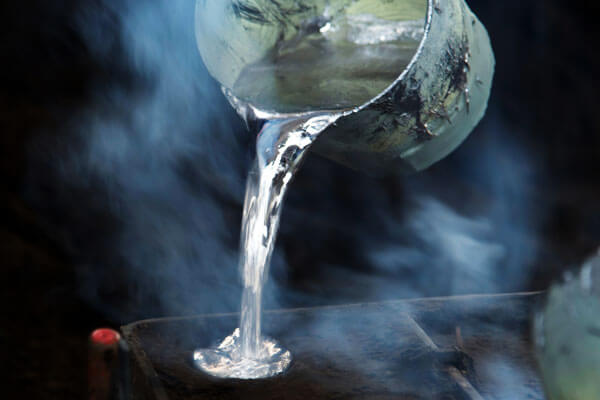
Įprasti metodai yra:
Diferencinė nuskaitymo kalorimetrija (DSC)
DSC yra plačiausiai naudojamas metalų lydymosi taškų matavimo metodas dėl didelio tikslumo ir jautrumo..
Principas apima mažo aliuminio mėginio kaitinimą (5– 10 mg) ir etaloninė medžiaga (inertiškas, Pvz., aliuminio oksidas) pastoviu greičiu (5–10 ℃/min) stebint šilumos srauto skirtumą tarp jų.
Lydymosi temperatūra nustatoma kaip endoterminės smailės pradžios temperatūra (atitinkantis sintezės procesą).
DSC gali išmatuoti lydymosi taškus ±0,1 ℃ tikslumu, todėl tinka didelio grynumo aliuminio ir lydinių analizei.
Vizualinio stebėjimo metodas (Kapiliarinio vamzdelio metodas)
Šis tradicinis metodas apima nedidelio aliuminio miltelių kiekio sandarinimą kapiliariniame vamzdelyje, kuris šildomas kartu su termometru šildymo vonioje (Pvz., silikono aliejus).
Lydymosi temperatūra registruojama, kai aliuminio milteliai visiškai išsilydo į skystį. Nors paprastas ir pigus, Šis metodas turi mažesnį tikslumą (±1–2 ℃) ir pirmiausia naudojamas kokybinei analizei arba mažo tikslumo programoms.
Lydymosi lazeriu metodas
Aukšto slėgio ir aukštos temperatūros lydymosi temperatūros matavimams, naudojamas lazerinis blykstės metodas.
Impulsinis lazeris greitai įkaitina aliuminio mėginio paviršių, o lydymosi procesas stebimas optiniais jutikliais (Pvz., pirometrai, interferometrai).
Šiuo metodu galima išmatuoti lydymosi taškus esant dideliam slėgiui (iki 10 GPA) su didele laiko skiriamąja geba, duomenų teikimas aerokosminėms ir branduolinėms reikmėms.
Elektrinės varžos metodas
Lydymosi metu aliuminio elektrinė varža labai pasikeičia (skystas aliuminis turi didesnę varžą nei kietas aliuminis dėl sutrikusio elektronų laidumo).
Matuojant aliuminio vielos varžą kaitinant, Lydymosi temperatūra identifikuojama kaip temperatūra, kurioje staigiai padidėja atsparumas.
Šis metodas tinka in situ stebėjimui pramoninių procesų metu (Pvz., suvirinimas, liejimas).
4. Aliuminio lydymosi temperatūros pramoninis poveikis
Vidutinė aliuminio lydymosi temperatūra yra pagrindinis veiksnys, skatinantis jo plačiai paplitusį pramonėje, nes subalansuoja apdorojamumą ir našumą:
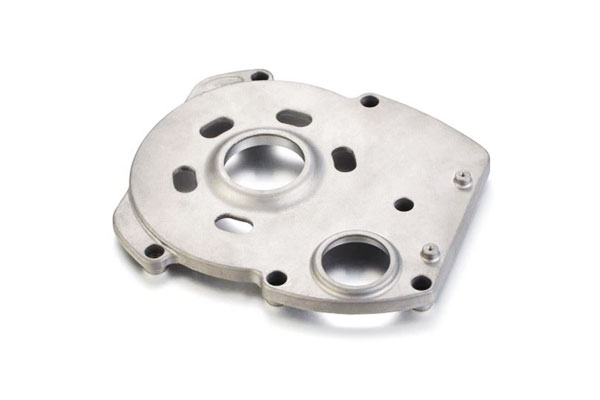
Liejimo procesai
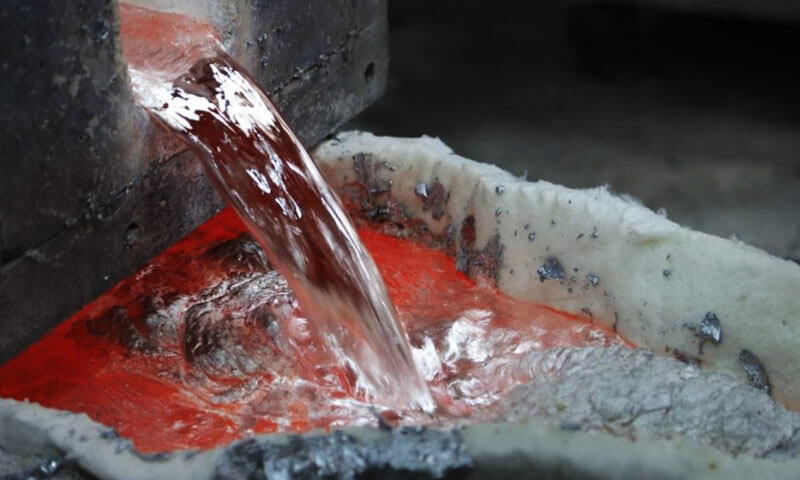
Aliuminio lydymosi temperatūra (660℃) yra žymiai mažesnis nei juodųjų metalų, leidžianti efektyviai naudoti liejimą:
- Mirti liejimas: Al-Si eutektiniai lydiniai (lydymosi diapazonas 577-600 ℃) yra plačiai naudojami liejant slėginiu būdu, nes jų žema lydymosi temperatūra sumažina štampo susidėvėjimą ir energijos sąnaudas, leidžianti gaminti didelius sudėtingų komponentų kiekius (Pvz., automobilių variklių dalys, elektroniniai korpusai).
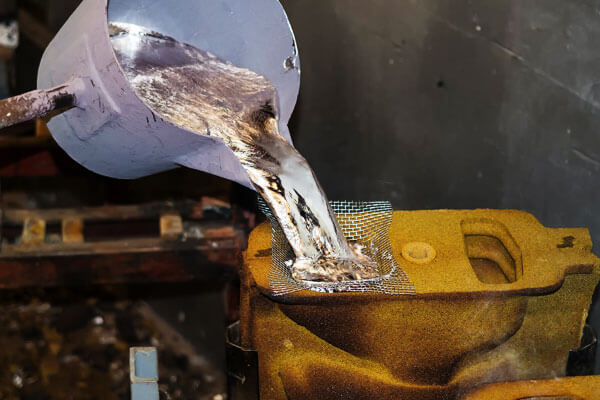
- Smėlio liejimas: Grynas aliuminis ir mažai legiruotas aliuminis yra liejami smėlio formose, su išpylimo temperatūra paprastai 50–100 ℃ aukštesnė už likvidumo temperatūrą (700-750 ℃) kad būtų užtikrintas visiškas formos ertmės užpildymas.
Terminis apdorojimas ir suvirinimas
- Terminis apdorojimas: Aliuminio lydymosi temperatūra riboja maksimalią terminio apdorojimo procesų temperatūrą.
Pavyzdžiui, 6xxx serijos lydinių terminis apdorojimas tirpalu atliekamas 530–570 ℃ temperatūroje – gerokai žemesnėje už kietojo kūno temperatūrą (580℃)– kad būtų išvengta dalinio išsilydymo (deginimas) iš lydinio. - Suvirinimas: Aliuminio suvirinimui reikalingi šilumos šaltiniai, kurie gali greitai pasiekti lydymosi tašką, tuo pačiu sumažinant šiluminį iškraipymą.
Įprasti metodai apima TIG suvirinimą (lanko temperatūra ~6000℃) ir MIG suvirinimas, suvirinimo temperatūra reguliuojama 660–700 ℃, kad būtų užtikrintas netauriųjų metalų susiliejimas be per didelio grūdelių augimo.
Aukštos temperatūros programos
Aliuminio lydymosi temperatūra riboja jo naudojimą aukštoje temperatūroje: išlaikomas tik grynas aliuminis 50% kambario temperatūros stiprumo esant 200 ℃ ir žymiai suminkštėja virš 300 ℃.
Norėdami išplėsti jo pritaikymą aukštoje temperatūroje, legiravimo elementai (Pvz., Nikelis, kobaltas) pridedami, kad susidarytų aukšto lydymosi intermetaliniai junginiai, aliuminio lydinių eksploatacinės temperatūros pailginimas iki 300–400 ℃ (Pvz., 2618 lydinys aviacinių variklių komponentams).
Aliuminio perdirbimas
Dėl vidutinės aliuminio lydymosi temperatūros jis puikiai tinka perdirbti.
Perdirbto aliuminio reikia tik 5% energijos, reikalingos pirminiam aliuminiui gaminti, kaip lydantis aliuminio laužas (660-700 ℃ temperatūroje) sunaudoja daug mažiau energijos nei išgaunant aliuminį iš boksito.
Šis energijos vartojimo efektyvumas, lemia aliuminio lydymosi charakteristikos, todėl jis yra vienas labiausiai perdirbamų metalų pasaulyje.
6. Lyginamoji analizė su kitais metalais ir lydiniais
| Metalas / Lydinys | Lydymosi taškas (° C.) | Lydymosi taškas (° F.) | Lydymosi taškas (K) | Pagrindinės pastabos |
| Aliuminis (Al, grynas) | 660.3 | 1220.6 | 933.5 | Žema lydymosi temperatūra; puikiai tinka lengvam liejimui ir formavimui. |
| Vario (Cu, grynas) | 1085 | 1985 | 1358 | Aukštas šilumos laidumas; reikalauja aukštesnės apdorojimo temperatūros nei Al. |
| Lygintuvas (Fe, grynas) | 1538 | 2800 | 1811 | Žymiai aukštesnė lydymosi temperatūra; plačiai naudojamas plieno gamyboje. |
| Plienas (Anglies plienas, ~0,2%C) | 1425–1540 | 2600– 2800 | 1698– 1813 m | Lydymosi diapazonas priklauso nuo sudėties; didesnis nei aliuminio lydinių. |
| Titanas (Iš, grynas) | 1668 | 3034 | 1941 | Didelis stiprumo ir svorio santykis; ugniai atsparus elgesys. |
Magnis (Mg, grynas) |
650 | 1202 | 923 | Šiek tiek mažesnis nei Al; labai reaktyvus ir lengvas. |
| Cinkas (Zn, grynas) | 419.5 | 787 | 692.7 | Žema lydymosi temperatūra; naudojamas liejimui ir cinkavimui. |
| Nikelis (Į, grynas) | 1455 | 2651 | 1728 | Puikus atsparumas korozijai; Aukštos lydymosi temperatūros lydiniai, skirti aviacijai. |
| Žalvaris (Cu-Zn, 60/40) | 900– 940 | 1652– 1724 m | 1173– 1213 m | Legiruotojo lydymosi diapazonas yra mažesnis nei gryno Cu; tinka lieti. |
| Bronza (Cu-Sn, 88/12) | 950–1050 | 1742– 1922 m | 1223– 1323 m | Šiek tiek žemesnis už varį; pagerintas liejimas ir atsparumas korozijai. |
6. Klaidingos nuomonės ir dažni spąstai
Paini lydymosi temperatūra su minkštėjimo temperatūra
Aliuminio minkštėjimo temperatūra (≈300 ℃) dažnai klysta dėl jo lydymosi temperatūros.
Minkštėjimas reiškia takumo stiprumo sumažėjimą dėl grūdų ribos slydimo ir dislokacijos judėjimo, o lydymosi metu vyksta fazinis perėjimas.
Ši painiava gali sukelti netinkamą terminį apdorojimą, dėl to sumažėja mechaninės savybės.
Lydinių lydymosi diapazono nepaisymas
Grynas aliuminis turi aštrų lydymosi tašką, tačiau aliuminio lydiniai pasižymi lydymosi diapazonu (skystas į kietą).
Jei liejimo metu neatsižvelgiama į šį diapazoną, gali atsirasti defektų, tokių kaip susitraukimo poringumas (jei pilamas per arti solidaus temperatūros) arba karštas krekingas (jei per greitai atšaldoma visame lydymosi diapazone).
Nepastebimas nešvarumų efektų
Net nešvarumų pėdsakai (Pvz., 0.1% lygintuvas) gali sumažinti aliuminio lydymosi temperatūrą ir padidinti jo lydymosi diapazoną.
Didelio tikslumo programose (Pvz., aviacijos ir kosmoso komponentai), Siekiant užtikrinti nuoseklų lydymosi elgesį ir galutinio produkto kokybę, būtina griežta priemaišų kiekio kontrolė.
7. Išvada
Aliuminio lydymosi temperatūra (660.32℃ grynam aliuminiui) yra pagrindinė savybė, pagrįsta jos atomine struktūra ir metaliniu ryšiu, yra jos apdorojimo ir taikymo kertinis akmuo.
Keli veiksniai, įskaitant grynumą, legiravimo elementai, išorinis slėgis, ir šiluminė istorija – pakeisti jo lydymosi elgseną, leidžia kurti aliuminio lydinius, pritaikytus įvairiems pramonės poreikiams.
Nuo Al-Si lydinių liejimo žemoje temperatūroje iki didelio stiprumo 7xxx serijos lydinių, skirtų aviacijai, aliuminio lydymosi temperatūra lemia proceso parametrus, veikimo ribos, ir perdirbimo efektyvumą.
Kadangi pramonės šakos siekia lengvumo ir energijos vartojimo efektyvumo, Unikali aliuminio vidutinio lydymosi temperatūros pusiausvyra, mažas tankis, o perdirbamumas ir toliau tvirtins savo, kaip pagrindinės medžiagos, poziciją pasaulinėje gamybos aplinkoje.
DUK
Ar aliuminio lydymosi temperatūra yra tokia pati 6061 arba 7075?
Ne. 6061 ir 7075 yra lydiniai, kurių kietojo/skysčio sluoksniai skiriasi nuo gryno Al. Jų lydymosi elgsena turi būti pagrįsta konkrečių lydinių duomenimis arba išmatuota atliekant terminę analizę.
Kiek perkaitimo turėčiau naudoti liejant slėginiu būdu, palyginti su. Smėlio liejimas?
Diegimo ir aukšto slėgio procesai dažnai reikalauja vidutinio perkaitimo (20–50 °C) dėl greito užpildymo; smėlio ir storesnio profilio liejiniams gali prireikti didesnio efektyvaus perkaitimo (40–100 ° C.) kad būtų užtikrintas visiškas užpildymas. Optimizuokite pagal lydinį ir formą.
Kodėl aliuminio vandenilio poringumas yra blogesnis??
Vandenilio tirpumas skystame aliuminyje yra daug didesnis nei kietame. Kietėjimo metu vandenilis atmetamas ir susidaro dujų poros, nebent prieš tai pašalinamas degazuojant.
Ar slėgis praktiškai keičia aliuminio lydymosi temperatūrą?
Lydymosi temperatūra keičiasi esant slėgiui, tačiau standartinės atmosferinės liejybos praktikos poveikis yra nereikšmingas.