
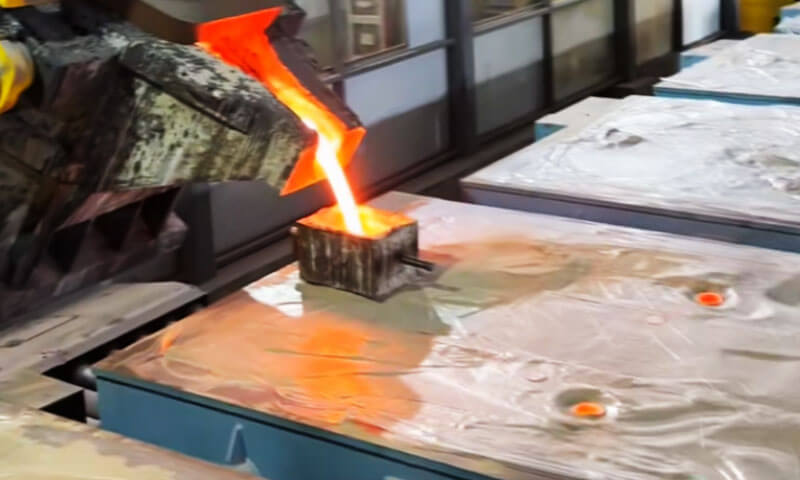
Norėdami pašalinti šiuos apribojimus, V-proceso liejimas, Taip pat žinomas kaip Vakuuminis liejimas arba Vakuuminis sandarinimas (V-Procesas), pasirodė kaip pažangi liejimo technologija, kuri derina liejimo smėliu lankstumą su geresne liejimo kokybe ir aplinkosauginėmis savybėmis.
Skirtingai nuo įprasto smėlio liejimo, V-Process remiasi Vakuuminis slėgis, o ne cheminiai rišikliai ar drėgmė išlaikyti pelėsių stiprumą.
Sausas, nesurištas silicio smėlis yra laikomas atmosferos slėgiu, veikiančiu plastikine plėvele išklotas formas, sukurti labai stabilią liejimo sistemą, nereikalaujant dervos rišiklių ar molio.
Iš pradžių sukurta Japonijoje aštuntojo dešimtmečio pradžioje, V-Process liejimas įgijo platų pripažinimą pramonės šakose, kurioms reikia didelių, kompleksas, ir aukštos kokybės liejiniai,
įskaitant automobilių gamybą, kasybos įranga, žemės ūkio technika, Siurbliai, vožtuvai, geležinkelio komponentai, ir sunkiosios pramonės mašinos.
Šis procesas ypač vertinamas gaminant liejinius su švariais paviršiais, mažas defektų lygis, puikus smėlio perdirbimas, ir sumažinti tolesnio apdorojimo reikalavimai.
1. Kas yra V proceso liejimas?
V-proceso liejimas, arba Vakuuminis liejimas, yra a Smėlio liejimo procesas be rišamųjų medžiagų kuriame naudojamas vakuuminis slėgis formų standumui sukurti ir palaikyti metalo liejimo ir kietėjimo metu.
Užuot pasikliavę moliu, Cheminiai rišikliai, arba drėgmės, kad liejimo smėlis būtų kartu, procesas naudoja plastikinės plėvelės ir vakuuminis siurbimas stabilizuoti sausą kvarco smėlį aplink raštą.
Procesas prasideda kaitinant ploną termoplastinę plėvelę ir ją sandariai formuojant ant metalinio rašto naudojant vakuuminį slėgį..
Sausas, nesurištas smėlis pilamas į formavimo kolbą ir sutankinamas vibruojant.
Ant smėlio paviršiaus uždedama antroji plastikinė plėvelė, ir formoje palaikomas vakuumas.
Atmosferos slėgis suspaudžia sausą smėlį į standžią formą, galinčią atlaikyti išlydytą metalą pilant.
Kai liejinys sustings, vakuumas išleidžiamas, todėl pelėsis natūraliai subyrės.
Tada birus smėlis gali būti surinktas ir pakartotinai naudojamas minimaliai apdorojant, žymiai pagerinti medžiagų panaudojimą ir sumažinti atliekų kiekį.
Skirtingai nuo investicinio liejimo, kuri aukoja vaško raštus, arba dervos smėlio liejimas, kuri sunaudoja cheminius rišiklius,
V-Process liejimas gamina formas, kurios yra švarus, daugkartinio naudojimo, ir aplinkai tvarus, todėl jis ypač patrauklus šiuolaikinėms ekologiškos gamybos iniciatyvoms.

Pagrindinės charakteristikos
| Būdingas | Aprašymas |
| Smėlis be rišamųjų medžiagų | Naudojamas sausas, kvarco smėlis be priedų, vanduo, arba cheminių rišiklių. |
| Vakuuminis laikymas | Vakuuminis slėgis (paprastai 50-100 kPa) sulaiko smėlio daleles. |
| Plona plastikinė plėvelė | Karščiu suminkštinta plastiko plėvelė (0.05-0.2 mm) padengiamas ant rašto, kad būtų sukurtas lygus formos paviršius. |
| Daugkartinio naudojimo smėlis | Smėlis beveik 100% perdirbamas, nes jame nėra rišamųjų medžiagų. |
Puiki paviršiaus apdaila |
Lietaus paviršiaus apdaila iš Ra 6.3-12.5 µm yra pasiekiami. |
| Aukštas matmenų tikslumas | Leidžiamosios nuokrypos ±0,2-0,5 mm per 25 mm yra įmanomi. |
| Ekologiškas | Jokių rišiklių, dūmai, arba toksiškų išmetimų. |
| Reikalinga specializuota įranga | Reikalingos vakuuminės sistemos, plastikinė plėvelė, ir kolbų tvarkymo įranga. |
2. V-proceso liejimo veikimo principas
V-Process remiasi paprastu, bet elegantišku fiziniu principu: sausas smėlis, suspaudžiamas vakuumu, elgiasi kaip kieta medžiaga.
Fizika už vakuuminio liejimo
| Principas | Paaiškinimas |
| Trintis tarp smėlio grūdelių | Kai atmosferos slėgis sutankina sausą smėlį, didėja tarpkristalinė trintis, sukuriant standžią masę. |
| Vakuuminis diferencialas | Vakuumas (paprastai -50 į -100 kPa) dedamas po smėliu, dėl kurio atmosferos slėgis suspaudžia smėlio daleles. |
| Plastikinės plėvelės sandarinimas | Plona plastikinė plėvelė, suminkštėja nuo karščio, vakuumas traukiamas prieš raštą, sukuriant lygų, tikslus pelėsių veidas. |
| Vienodas tankis | Vakuumas užtikrina tolygų smėlio tankinimą, pašalinant tankio pokyčius, įprastus formuojant žalią smėlį. |
Plastikinės plėvelės vaidmuo
Plastikinė plėvelė (dažniausiai polietilenas, EVA, arba PVC) atlieka keletą svarbių funkcijų:
- Sukuria lygumą, tiksli pelėsių ertmė- plėvelė atitinka rašto paviršių.
- Apsaugo nuo metalo-smėlio reakcijos– veikia kaip barjeras tarp išlydyto metalo ir smėlio.
- Išlaiko vakuumo vientisumą- plėvelė užsandarina formą, leidžiantis palaikyti vakuumą.
- Pagerina paviršiaus apdailą—lygus plėvelės paviršius perkeliamas į liejinį.
3. Užbaigti V-Process liejimo gamybos procesą
„V-Process“ liejimo sėkmė priklauso nuo a tiksliai kontroliuojama gamybos seka, kur kiekvienas etapas – nuo plastikinės plėvelės formavimo iki vakuuminio atpalaidavimo – tiesiogiai veikia pelėsių vientisumą, matmenų tikslumas, paviršiaus apdaila, ir skleisti tvirtumą.
Standartinis V-Process liejimo ciklas susideda iš šių septynių etapų.
3.1 Rašto paruošimas ir termoplastinės plėvelės kaitinimas
Procesas prasideda paruošiant a tikslus daugkartinio naudojimo modelis, paprastai gaminamas iš aliuminio, ketaus, epoksidinė derva, arba didelio tankio mediena, priklausomai nuo gamybos apimties ir matmenų reikalavimų.
Vakuuminiam formavimui palengvinti, modelis apima daugybę mikro vakuuminės ventiliacijos angos, leidžianti tolygiai ištraukti orą po termoplastine plėvele.

Plonas EVA (Etileno-vinilo acetatas) arba polietileno termoplastinė plėvelė, apskritai 0.08– 0,15 mm storas, kaitinama iki maždaug 80–120°C kol taps minkšta ir labai elastinga.
Tinkamas plėvelės šildymas yra vienas iš svarbiausių proceso kontrolės priemonių:
- Nepakankamai įkaitinta plėvelė trūksta lankstumo ir negali visiškai prisitaikyti prie sudėtingų modelio detalių, dėl to prastas paviršiaus atkūrimas.
- Perkaitusi plėvelė tampa per plonas ir gali plyšti arba susiraukšlėti giliai įtemptose vietose, pažeidžiantis pelėsių vientisumą.
Šiuolaikinėse gamybos linijose paprastai naudojamos automatinės infraraudonųjų spindulių arba elektrinės šildymo sistemos su uždaro ciklo temperatūros valdymu, kad būtų užtikrinta pastovi plėvelės kokybė.
3.2 Vakuuminės plėvelės formavimas ir ugniai atsparios dangos taikymas
Kai tik plėvelė pasiekia norimą formavimo temperatūrą, jis yra ant modelio, ir per šablono ventiliacijos angas taikomas vakuumas.
Atmosferos slėgis priverčia suminkštintą plėvelę tvirtai prie kiekvieno kontūro, tiksliai atkuria net smulkias paviršiaus tekstūras ir sudėtingas geometrijas.
Šis vakuuminio formavimo procesas turi keletą svarbių pranašumų:
- Tikslus modelio geometrijos atkartojimas
- Lygus pelėsių ertmės paviršius
- Sumažintas modelio nusidėvėjimas
- Lengvas rašto pašalinimas po formavimo
Liejiniams, pagamintiems iš Anglies plienas, lydinio plienas, Nerūdijantis plienas, arba kiti aukštos temperatūros lydiniai, plonas ugniai atspari danga (paprastai 0.3– 0,5 mm storas) dažnai purškiamas arba tepamas ant susidariusios plastikinės plėvelės.
Ugniai atspari danga atlieka keletą funkcijų:
- Pagerina atsparumą išlydyto metalo erozijai
- Neleidžia metalui prasiskverbti į smėlį
- Sumažina nudegimo defektus
- Pagerina liejimo paviršiaus apdailą
- Pagerina šilumos izoliaciją ir pelėsių stabilumą
Tada danga išdžiovinama, kol liejimo procesas pereina į kitą etapą.
3.3 Sauso smėlio užpildymas ir vibracinis tankinimas
Suformavus plėvelę, ant modelio yra specialiai sukurta formavimo kolba.
Kolba pripildoma švarus, sausas, silicio smėlis be rišamųjų medžiagų, paprastai su an AFS grūdų smulkumas 50–100, parenkami pagal liejimo dydį, lydinio tipas, ir reikalinga paviršiaus apdaila.
Skirtingai nuo žalio smėlio ar dervos smėlio liejimo, jokios drėgmės, molis, arba dedama cheminių rišiklių.
Vietoj, smėlio dalelės sutankinamos tik per valdoma mechaninė vibracija.
Tipiški vibracijos parametrai apima:
| Parametras | Tipinė vertė |
| Smėlio tipas | Sausas silicio smėlis |
| Grūdų smulkumas | AFS 50–100 |
| Vibracijos dažnis | 30– 50 Hz |
| Santykinis sutankinimo tankis | 85–90% |
Norint sukurti vienodą formą, būtina tinkama vibracija:
- Nepakankama vibracija dėl to susidaro mažas smėlio tankis, silpnas pelėsių stiprumas, ir ertmės deformacija.
- Per didelė vibracija gali sukelti dalelių atsiskyrimą, sumažina pralaidumą ir matmenų stabilumą.
Tolygus smėlio tankinimas taip pat pagerina vakuumo pasiskirstymą visoje formoje, prisideda prie pastovaus kietumo ir geresnio liejimo tikslumo.
3.4 Nugaros plėvelės sandarinimas ir vakuuminis stabilizavimas
Kai formavimo kolba visiškai užpildoma, antroji termoplastinė plėvelė uždedama ant viršutinio smėlio paviršiaus, kad būtų sukurtas sandarus gaubtas.
Tada per kolbą tiesiai ant smėlio masės uždedamas vakuumas, paprastai pasiekia –0,04–0,08 MPa (300– 600 mmHg).
Kai oras yra evakuotas, atmosferos slėgis suspaudžia purias smėlio daleles kartu, akimirksniu paversdamas nesurištą smėlį standžiu, save laikanti forma.
Skirtingai nuo įprastų formavimo būdų, pelėsių stiprumą sukuria tik slėgio skirtumas, o ne cheminis sujungimas.
Vakuuminio stabilizavimo pranašumai apima:
- Vienodas pelėsių kietumas
- Puikus matmenų stabilumas
- Sumažėjusi pelėsių deformacija liejant
- Minimalus smėlio judėjimas
- Didelis atsparumas išlydyto metalo slėgiui
Stabilus vakuuminis slėgis palaikomas formų surinkimo ir liejimo metu, kad būtų užtikrintas pastovus formos tvirtumas.
3.5 Rašto išėmimas ir formų surinkimas
Po to, kai pelėsiai pasieks pakankamą stiprumą, vakuumas po raštu išleidžiamas, o vakuumas smėlio formoje išlieka.
Tada raštas vertikaliai ištraukiamas iš formos ertmės su minimaliu pasipriešinimu.

Kadangi plastikinė plėvelė sukuria išskirtinai lygią sąsają tarp rašto ir formos, grimzlės kampai dažnai gali būti sumažinti iki beveik nulio, palyginti su 1.5°–3° grimzlė paprastai reikalingas įprastoms klijuoto smėlio formoms.
Ši galimybė leidžia:
- Didesnė dizaino laisvė
- Pagerintas matmenų tikslumas
- Aštresni kampai
- Geresnis sudėtingų geometrijų atkūrimas
- Sumažintas apdirbimo pašalpas
Tvirtinimo ir vilkimo formos pusės gaminamos atskirai, naudojant tą pačią procedūrą.
Jei reikia, smėlio arba metalinės šerdys yra tiksliai išdėstytos prieš surenkant formos puses.
Viso surinkimo metu, Vakuumas išlieka aktyvus, kad išlaikytų pelėsių standumą, kol bus baigtas pylimas.
3.6 Pilimas vakuuminiu būdu ir kontroliuojamas kietėjimas
Išlydytas metalas pilamas į formą, o vakuuminė sistema ir toliau palaiko formos stabilumą.

Kontroliuojamas neigiamas slėgis turi keletą metalurginių pranašumų:
- Patobulintas formų užpildymas
- Sumažėjusi turbulencija
- Patobulintas dujų evakavimas
- Mažesnis poringumas
- Geriau užpildo plonasienes dalis
- Pagerinta paviršiaus kokybė
Vakuuminis slėgis paprastai reguliuojamas įvairiais liejimo ciklo etapais, siekiant optimizuoti pelėsių stiprumą ir kietėjimo elgesį..
| Kastingo scena | Tipiškas vakuumo lygis |
| Metalo liejimas | –0,07–0,08 MPa |
| Ankstyvas sukietėjimas | –0,05–0,06 MPa |
| Galutinis kietėjimas | –0,04–0,05 MPa |
Palaipsniui mažinant vakuumą aušinimo metu, sumažinamas šiluminis įtempis, išlaikant pakankamą pelėsių palaikymą viso kietėjimo metu.
Šiame etape, tinkamas sklendės ir stovo dizainas išlieka būtini norint kontroliuoti išlydyto metalo srautą, skatinti kryptingą kietėjimą, ir užkirsti kelią susitraukimo defektams.
3.7 Vakuuminis atleidimas, Shakeout, ir smėlio melioracija
Po to, kai liejinys visiškai sukietėja ir atšaldomas iki saugios naudojimo temperatūros, iš formos išsiskiria vakuumas.
Be atmosferos slėgio, suspaudžiant smėlio daleles, pelėsis akimirksniu praranda savo stiprumą ir subyra į laisvai tekantis sausas smėlis.
Palyginti su tradiciniu smėlio liejimu, tai suteikia keletą eksploatacinių pranašumų:
- Nereikia jokios mechaninės purtymo įrangos
- Sumažinta liejimo žala
- Lengvesnis vartų ir stovų nuėmimas
- Mažesnės valymo išlaidos
- Trumpesnis gamybos ciklas
Regeneruotas smėlis yra vėliau:
- Atvėsinta
- Peržiūrėtas, kad būtų pašalintos per didelės dalelės
- Nuvalytos dulkės
- Perdirbama tiesiai į gamybą
Kadangi smėlyje yra nėra molio ar cheminių rišiklių, melioracijos procesas yra ypač efektyvus, su pakartotinio naudojimo normos paprastai viršija 98%, todėl V-Process liejimas yra viena iš tvariausių liejimo technologijų.
4. Medžiagos, tinkamos V-proceso liejimui
Viena didžiausių stiprybių V-Process liejimas yra puikus medžiagų pritaikymas.
Kadangi liejimo procesas naudoja sausas, silicio smėlis be rišamųjų medžiagų stabilizuojamas vakuuminiu slėgiu, o ne cheminiais rišikliais, jis suderinamas su daugybe juodųjų ir spalvotųjų metalų lydinių.
Juodieji metalai
| Medžiaga | Tipiški pažymiai | Liejamumas | Paraiškos |
| Pilka geležis | ASTM A48 klasė 20-60 | Puiku | Variklio blokai, stabdžių būgnai, mašinų bazės, vamzdžiai. |
| Kariuomenė geležis | ASTM A536 60-40-18, 80-55-06 | Puiku | Alkūniniai velenai, pavaros, švaistikliai, vamzdžių jungiamosios detalės. |
| Anglies plienas | ASTM A27, A216 WCB | Gerai | Vožtuvo kūnai, siurblių korpusai, konstrukcines dalis. |
| Legiruotas plienas | AISI 4140, 4340 | Gerai | Pavaros, velenai, sunkiems komponentams. |
| Nerūdijantis plienas | 304, 316, 17-4Ph | Gerai | Korozijai atsparūs vožtuvai, Siurbliai, maisto įranga. |
Spalvotieji metalai
| Medžiaga | Tipiški pažymiai | Liejamumas | Paraiškos |
| Aliuminio lydiniai | A356, A380, 356, 319 | Puiku | Automobilių dalys, Elektronikos korpusai, aviacijos ir kosmoso komponentai. |
| Vario lydiniai | C80100, C81100 | Gerai | Elektriniai komponentai, Šilumokaičiai. |
| Žalvaris | C85700, C86200, C87800 | Gerai | Santechnikos detalės, dekoratyvinė įranga, vožtuvai. |
| Bronza | C90500, C93200, C95400 | Gerai | Jūrų sraigtai, guoliai, skulptūros. |
5. Dažni liejimo defektai ir inžineriniai sprendimai
Kaip ir visi liejimo procesai, V-Process yra jautrus tam tikriems defektams. Tačiau, daugelį defektų galima pašalinti tinkamai kontroliuojant procesą.
| Defektas | Vizualinis / NDT parašas | Pagrindinė priežastis | Prevencinės priemonės |
| Dujų poringumas | Apvalios vidinės tuštumos | Ištirpusios dujos; netinkamas degazavimas; vakuumo gedimas. | Deginti, kad ištirptų; palaikyti vakuumą; naudoti švarų įkrovą. |
| Susitraukimo poringumas | Dantyta, netaisyklingos tuštumos | Nepakankamas maitinimas; prastas stovo dizainas. | Optimizuokite užtvarą / pakėlimą; naudoti simuliaciją. |
| Smėlio įtraukimas | Netaisyklingos nemetalinės dalelės | Filmo plyšimas; smėlio erozija; prastas vartai. | Užtikrinkite plėvelės vientisumą; pagerinti vartavimą; sumažinti turbulenciją. |
| Egiptas / šalta uždaryta | Nepilnas užpildymas | Žema pylimo temperatūra; prastas sklandumas; nepakankamas vakuumas. | Padidinkite pylimo temperatūrą; pagerinti vartavimą; patikrinkite vakuumą. |
Paviršiaus šiurkštumas |
Grubus paviršius | Netinkamas plėvelės storis; plėvelės plyšimas; smėlio smulkmenos. | Naudokite tinkamo storio plėvelę; užtikrinti vienodą vakuumą; kontroliuoti smėlio kokybę. |
| Matmenų nuokrypis | Netoleruotini matmenys | Rašto dėvėjimas; plėvelės storio kitimas; pelėsių judėjimas. | Išlaikyti modelį; kontroliuoti plėvelės storį; saugi forma. |
| Pinhole / pūslelė | Mažos paviršiaus skylutės | Drėgmė smėlyje; filmo išmetimas; dujų įstrigimas. | Sausas smėlis; naudoti tinkamą plėvelę; degti, kad ištirptų. |
| Liejimo iškraipymas | Iškrypimas arba netolygi geometrija | Netolygus aušinimas; pelėsių judėjimas; nepakankamas vakuumas. | Valdykite aušinimą; saugi forma; užtikrinti vienodą vakuumą. |
6. V-proceso liejimo privalumai
V-Process liejimo kombainai vakuuminio formavimo technologija su sausas smėlis be rišamųjų medžiagų, siūlanti reikšmingą techninę, ekonominis, ir aplinkosaugos pranašumai, palyginti su įprastiniais smėlio liejimo procesais.
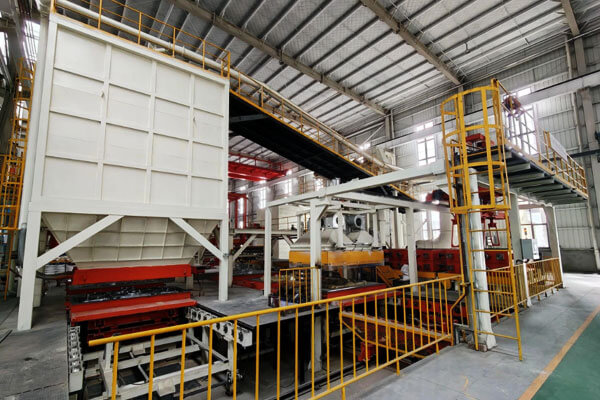
Jis ypač tinka vidutiniams ir dideliems liejiniams, kuriems reikalingas didelis matmenų tikslumas, gaminti, puiki paviršiaus kokybė, ir stabili gamybos konsistencija.
Aukštas matmenų tikslumas
Tipiškas liejimo tolerancija pasiekia ISO 8062 CT7–CT9, 1–2 tolerancijos laipsniai geresni nei įprastas žaliojo smėlio liejimas (paprastai CT10–CT13).
Tvirta vakuume palaikoma forma sumažina ertmės deformaciją, Dėl to išgaunamas puikus matmenų nuoseklumas ir sumažėja apdirbimo pašalpa.
Puiki paviršiaus apdaila
Tipiškas paviršiaus šiurkštumas svyruoja nuo Ra 3.2–12.5 μm, apytiksliai 2– 3 kokybės laipsniais lygesnis nei žalios smėlio liejimas (Ra 25–100 μm).
Lygi termoplastinė plėvelė apsaugo nuo tiesioginio išlydyto metalo ir smėlio kontakto, žymiai sumažina nudegimą, metalo įsiskverbimas, ir paviršiaus defektai.
Puikus smėlio melioracijos efektyvumas
Kadangi nenaudojamas molis ar cheminiai rišikliai, daugiau nei 95–98% liejimo smėlio gali būti regeneruojami ir tiesiogiai naudojami pakartotinai po paprasto aušinimo, atranka, ir dulkių pašalinimas.
Tai žymiai sumažina žaliavų suvartojimą ir atliekų šalinimo išlaidas.
Mažas dujų generavimas ir švaresni liejiniai
Formavimo sistema be rišamųjų medžiagų pilant išskiria labai mažai dujų, labai sumažina jų atsiradimą dujų poringumas, pūtimo skylės, skylutės, ir su anglimi susijusių defektų.
Tai ypač naudinga anglies plienui, lydinio plienas, ir nerūdijančio plieno liejiniai.
Puikus formos tvirtumas
Vakuuminis slėgis užtikrina vienodą pelėsių stiprumą visame smėlio korpuse, užkirsti kelią pelėsių deformacijai liejant ir kietėjant.
Stabilus formos tvirtumas prisideda prie didesnio matmenų tikslumo ir geresnio pakartojamumo.
Sumažinti apdirbimo reikalavimai
Tikslaus pelėsių atkartojimo derinys, lygūs liejimo paviršiai, o minimalus matmenų pokytis sumažina apdirbamąją medžiagą, sutrumpina apdorojimo laiką, sumažina įrankių nusidėvėjimą, ir pagerina bendrą gamybos efektyvumą.
Puikiai tinka sudėtingiems ir dideliems liejiniams
V-Process liejimas puikiai tinka gamybai didelis, sunkus, ir geometriškai sudėtingus komponentus, įskaitant siurblio korpusus, vožtuvo kūnai, kasybos įranga, statybinė technika, ir energijos gamybos komponentai, išlaikant puikų konstrukcijos vientisumą.
Ekologiška gamyba
Be cheminių rišiklių, procesas sukuria minimalus dūmų kiekis, kvapai, LOJ emisijos, ir pavojingas atliekas, švaresnės darbo aplinkos kūrimas ir tvarios liejyklos veiklos palaikymas.
Puikus modelio gyvenimas
Kadangi plastikinė plėvelė veikia kaip apsauginė sąsaja tarp rašto ir smėlio, mechaninis susidėvėjimas modelio ištraukimo metu yra labai mažas.
Dėl to, metaliniai raštai gali pasiekti žymiai ilgesnį tarnavimo laiką nei tie, kurie naudojami įprastu smėlio formavimu.
Mažesnės bendros gamybos sąnaudos
Nors pradinės investicijos į įrangą yra gana didelės, didelio smėlio pakartotinio naudojimo derinys, sumažintas apdirbimas, mažesnis defektų procentas, supaprastintas valymas, ir geresnis gamybos efektyvumas dažnai lemia mažesnes bendrąsias gamybos sąnaudas per ilgus gamybos etapus.
7. V-proceso liejimo apribojimai ir iššūkiai
Nepaisant daugybės privalumų, „V-Process“ liejimas nėra visuotinai tinkamas kiekvienai liejimo programai.
Norint sėkmingai įgyvendinti, reikia atidžiai apsvarstyti investicijas į įrangą, proceso stabilumas, produkto charakteristikos, ir gamybos apimtis.
Didesnės pradinės įrangos investicijos
„V-Process“ gamybos linijoms reikalinga specializuota įranga, įskaitant vakuuminius siurblius, hermetiškos formavimo kolbos, plastikinės plėvelės šildymo sistemos, vakuuminiai valdymo blokai, ir automatizuota tvarkymo įranga.
Todėl pradinės kapitalo investicijos yra daug didesnės nei įprasto žaliojo smėlio liejimo atveju.
Priklausomybė nuo stabilaus vakuumo valdymo
Visas liejimo procesas priklauso nuo stabilaus vakuumo palaikymo.
Bet koks nuotėkis, vakuumo svyravimas, arba įrangos gedimas gali sumažinti pelėsių stiprumą, sukelianti ertmės deformaciją, matmenų netikslumai, arba pelėsių subyrėjimas pilant.
Plastikinės plėvelės suvartojimas
Kiekvienai formai reikia naujų termoplastinių plėvelių tiek ertmei, tiek pagrindiniam paviršiui.
Nors plėvelės sunaudojama palyginti nedaug, tai yra papildomos eksploatacinės išlaidos ir reikalauja tinkamo perdirbimo arba šalinimo.
Ilgesnis formos paruošimo ciklas
Palyginti su tradiciniu žalio smėlio formavimu, „V-Process“ apima papildomas operacijas, tokias kaip plėvelės šildymas, vakuuminis formavimas, sandarinimas, ir vakuuminis stabilizavimas, kuris gali padidinti pelėsių paruošimo laiką mažoms gamybos partijoms.
Ribotas tinkamumas itin plonasienėms preciziniams liejiniams
Nors vakuumo pagalba pagerina formų užpildymą, Investicijų liejimas tebėra pageidaujamas procesas itin plonų sienelių komponentams, turintiems labai sudėtingą geometriją ir ypač mažus leistinus nuokrypius, pavyzdžiui, aviacijos turbinų mentės ar medicininiai implantai.
Ne visada ekonomiškas labai mažiems gamybos tiražams
Mažos apimties arba prototipų gamybai, įrangos nustatymo laikas ir eksploatavimo sąnaudos gali nusverti techninius pranašumus. Tokiais atvejais paprastesni liejimo būdai gali būti ekonomiškesni.
Didelis įrangos plotas
Sukomplektuotos V-Process gamybos linijos, įskaitant vakuumines sistemas, filmų tvarkymo įranga, smėlio melioracijos įrenginiai, ir automatizuotos liejimo stotys – paprastai gamykloje reikia daugiau vietos nei tradicinėms smėlio formavimo sistemoms.
8. V-proceso liejimo pramoninis pritaikymas
Puikios paviršiaus kokybės derinys, didelis matmenų tikslumas, švari gamyba, ir efektyvus smėlio regeneravimas leidžia V-Process liejimui pritaikyti įvairiems pramonės sektoriams.

Automobilių pramonė
The Automobiliai pramonė reikalauja lengvumo, matmenis tikslus, ir ekonomiškus liejimo komponentus.
V-Process liejimas yra plačiai naudojamas gaminant konstrukcines ir jėgos pavaros dalis, kur paviršiaus kokybė ir nuoseklumas yra labai svarbūs.
Tipiški komponentai apima:
- Variklio blokai
- Transmisijos korpusai
- Diferenciniai atvejai
- Stabdžių komponentai
- Pakabos laikikliai
- Smagračio korpusai
Siurblių ir vožtuvų pramonė
Siurblys ir vožtuvas gamintojams labai naudinga puiki V-Process liejinių paviršiaus apdaila ir matmenų stabilumas.
Tipiški produktai apima:
- Rutulinių vožtuvų korpusai
- Drugelio vožtuvų korpusai
- Vartų vožtuvų korpusai
- Patikrinkite vožtuvų korpusus
- Siurblio korpusai
- Darbaračiai
- Kompresorių korpusai
Statybos ir sunkiosios mašinos
Sunkiajai įrangai reikalingi liejiniai, turintys didelį konstrukcijos stiprumą ir puikų matmenų nuoseklumą.
Įprastos programos apima:
- Ekskavatoriaus komponentai
- Krautuvo korpusai
- Buldozerio rėmai
- Hidrauliniai kolektoriai
- Pavarų dėžės korpusai
- Guolių atramos
Žemės ūkio mašinos
Žemės ūkio technika veikia atšiauriomis aplinkos sąlygomis, reiklūs patvariems ir dilimui atspariems liejiniams komponentams.
Įprasti liejiniai apima:
- Traktoriaus transmisijos korpusai
- Sėjamosios rėmai
- Plūgų komponentai
- Laistymo siurblių korpusai
- Pavarų korpusai
Kasybos įranga
Kasybos mašinoms reikia didelių, didelių apkrovų liejiniai, galintys atlaikyti smūgį, dilimas, ir nuolatinis pakrovimas.
Tipiški produktai apima:
- Smulkintuvų rėmai
- Malūno įdėklai
- Siurblių korpusai
- Dėvėjimui atsparūs komponentai
- Konvejerio dalys
Geležinkelio pramonė
Geležinkelių infrastruktūrai ir riedmenims reikalingi tikslūs liejiniai, pasižymintys puikiu atsparumu nuovargiui.
Programos apima:
- Stabdžių sistemos komponentai
- Movos dalys
- Vežimėlių rėmai
- Ašių korpusai
- Pakabos laikikliai
Jūrų pramonė
Jūrų aplinkai reikalingi korozijai atsparūs liejiniai, pasižymintys patikimomis mechaninėmis savybėmis.
Įprasti produktai apima:
- Propelerio stebulės
- Siurblio korpusai
- Vožtuvo kūnai
- Denio įranga
- Jūros konstrukcijos komponentai
Energijos ir energijos generavimas
Energijos gamybos įranga dažnai veikia esant aukštai temperatūrai ir slėgiui, kuriems reikalingi didelio vientisumo liejiniai komponentai.
Įprastos programos apima:
- Garo vožtuvų korpusai
- Turbinų korpusai
- Katilo armatūra
- Šilumokaičio komponentai
- Branduolinės energetikos įranga
Bendrosios pramonės mašinos
„V-Process“ liejimas taip pat plačiai naudojamas bendrosios paskirties mašinoms ir įrangai, įskaitant:
- Staklių lovos
- Kompresoriai
- Pramoninės pavarų dėžės
- Medžiagų tvarkymo sistemos
- Robotikos bazės
- Pramoninės automatikos įranga
9. V-Process Casting vs. Kiti liejimo procesai
Kiekvienas liejimo procesas turi unikalių privalumų ir apribojimų matmenų tikslumo atžvilgiu, paviršiaus apdaila, gamybos savikaina, liejimo dydis, poveikį aplinkai, ir tinkamos programos.
Norint pasirinkti optimalų procesą, reikia suderinti techninius reikalavimus, gamybos apimtis, medžiagos tipas, ir ekonominiais sumetimais.
| Palyginimo faktorius | V-proceso liejimas | Žalia Smėlio liejimas | Dervos smėlio liejimas | Investicijų liejimas | Korpuso pelėsio liejimas |
| Pelėsio medžiaga | Sausas silicio smėlis + termoplastinė plėvelė + tuščias | Šlapias smėlis su molio rišikliu | Derva padengtas smėlis | Keraminis apvalkalas | Derva padengtas lukšto smėlis |
| Reikalavimas rišikliui | Nėra | Molis ir vanduo | Cheminė derva | Keraminės srutos | Termoreaktyvi derva |
| Pelėsio stiprumas | Aukštas (palaikoma vakuume) | Vidutinis | Aukštas | Labai aukštas | Aukštas |
| Tipinė liejimo tolerancija | CT7–CT9 | CT10–CT13 | CT8–CT10 | CT4–CT6 | CT6–CT8 |
| Paviršiaus šiurkštumas (Ra) | 3.2–12,5 μm | 25-100 μm | 6.3-25 μm | 1.6–6,3 μm | 3.2–12,5 μm |
| Minimalus sienos storis | 4–6 mm | 5– 8 mm | 4–6 mm | 0.5– 3 mm | 3–5 mm |
| Maksimalus liejimo dydis | Labai didelis (kelias tonas ar daugiau) | Itin didelis | Labai didelis | Nuo mažo iki vidutinio | Nuo mažo iki vidutinio |
| Liejimo sudėtingumas | Aukštas | Vidutinis | Aukštas | Labai aukštas | Aukštas |
| Matmenų stabilumas | Puiku | Vidutinis | Gerai | Puiku | Puiku |
| Smėlio melioracijos norma | 95–98 proc. | 80–90% | 70–90% | Netaikoma | Ribotas |
| Dujų generavimas | Labai žemas | Vidutinis | Aukštas | Labai žemas | Vidutinis |
| Dujų poringumo pavojus | Žemas | Vidutinis | Vidutinis | Labai žemas | Žemas |
| Tipiški liejimo defektai | Vakuuminis nuotėkis, plėvelės raukšlės, neišsamus užpildymas | Smėlio įtraukimas, pūtimo skylės, pelėsių erozija | Dujų poringumas, dervos deginimas | Keraminio apvalkalo įtrūkimai, Egiptas | Lukšto plyšimas, dujų defektai |
| Aplinkosaugos veiksmingumas | Puiku | Gerai | Mugė | Gerai | Mugė |
| Įrankių kaina | Nuo vidutinio iki aukšto | Žemas | Vidutinis | Aukštas | Vidutinis |
| Gamybos savikaina | Vidutinis | Žemas | Vidutinis | Aukštas | Vidutinis |
| Gamybos efektyvumas | Aukštas | Labai aukštas | Aukštas | Vidutinis | Aukštas |
| Tinkamas gamybos kiekis | Nuo vidutinio iki aukšto | Visi tomai | Nuo vidutinio iki aukšto | Nuo žemo iki aukšto | Didelės apimties gamyba |
| Tipiškos medžiagos | Lygintuvas, plienas, Nerūdijantis plienas, aliuminis, vario lydiniai | Visų pirma geležis ir plienas | Lygintuvas, plienas, lydinio plienas | Beveik visi liejami lydiniai | Geležis ir spalvotųjų metalų lydiniai |
Tipiškos programos |
Siurbliai, vožtuvai, kasybos įranga, Sunkiosios mašinos, Automobilių dalys | Variklio blokai, mašinų bazės, žemės ūkio technika | Dideli plieno liejiniai, mašinos komponentai | Aviacijos ir kosmoso, Medicinos prietaisai, tikslūs vožtuvai, turbinos komponentai | Automobilių dalys, Pavarų korpusai, hidrauliniai komponentai |
| Pagrindiniai privalumai | Didelis tikslumas, Puikus paviršiaus apdaila, be rišamųjų medžiagų, didelis smėlio perdirbimas, draugiškas aplinkai | Mažiausia kaina, paprastas procesas, tinka labai dideliems liejiniams | Didelis pelėsių stiprumas, tinka sudėtingiems plieno liejiniams | Aukščiausias tikslumas ir paviršiaus kokybė sudėtingoms dalims | Didelis našumas ir pastovi kokybė |
| Pagrindiniai apribojimai | Reikalinga vakuuminė įranga ir plastikinė plėvelė | Mažesnis tikslumas ir šiurkštesnis paviršius | Dervos išmetimas ir didesnės regeneravimo išlaidos | Didelė įrankių kaina, ribotas liejimo dydis | Didesnė įrankių kaina, dydžio apribojimai |
10. V-proceso liejimo ateities plėtros tendencijos
Pasaulinei liejyklų pramonei toliau vystantis link didelio tikslumo, protinga gamyba, energijos vartojimo efektyvumą, ir tvarią gamybą, Tikimasi, kad V-Process liejimas atliks vis svarbesnį vaidmenį šiuolaikiniame metalo liejime.
Išmanioji automatika ir išmaniosios liejyklos
Automatika tampa viena reikšmingiausių V-Process liejimo tendencijų.
Šiuolaikinės liejyklos, siekdamos pagerinti našumą, vis dažniau rankines operacijas pakeičia automatizuota įranga, nuoseklumas, ir darbo vietos sauga.
Bus įtrauktos būsimos automatizuotos V-Process gamybos linijos:
- Robotų raštų tvarkymas
- Automatinis plastikinės plėvelės padavimas ir šildymas
- Išmanios vakuumo valdymo sistemos
- Automatizuotas smėlio užpildymas ir vibracija
- CNC valdomos liejimo sistemos
- Automatinis liejinių ištraukimas
- Automatinis šlifavimas ir apdaila
Integruota automatika sumažina žmogiškąsias klaidas, sutrumpina gamybos ciklus, ir užtikrina stabilius proceso parametrus didelėse gamybos partijose.
Skaitmeninio proceso modeliavimas
Kompiuterinė inžinerija (CAE) programinė įranga tapo nepakeičiama liejimo projektavimo ir proceso optimizavimo priemone.
Prieš pradedant gamybą, inžinieriai gali imituoti visą liejimo procesą, kad nustatytų galimus defektus ir optimizuotų proceso parametrus.
Įprastos modeliavimo analizės apima:
- Pelėsių užpildymo elgsena
- Kietėjimo seka
- Temperatūros pasiskirstymas
- Susitraukimo prognozė
- Liekamojo streso analizė
- Deformacijos prognozė
- Vartų ir stovų optimizavimas
Sumažinus bandymų ir klaidų skaičių gamybos metu, modeliavimo technologija sumažina kūrimo išlaidas, tuo pačiu pagerindama liejimo išeigą ir gaminio patikimumą.
AI pagrįstas proceso optimizavimas
Dirbtinis intelektas (AI) sparčiai keičia liejyklų gamybą, įgalindama procesų stebėjimą realiuoju laiku ir nuspėjamą kokybės kontrolę.
Ateities AI programos V-Process liejimo gali apimti:
- Automatinis defektų numatymas
- Sumanus liejimo parametrų reguliavimas
- Vakuuminio slėgio optimizavimas
- Numatyta įrangos priežiūra
- Modelio gyvenimo prognozė
- Energijos suvartojimo optimizavimas
- Proceso diagnostika realiu laiku
Mašininio mokymosi algoritmai gali analizuoti didelius gamybos duomenų kiekius, kad nuolat gerintų liejimo kokybę ir sumažintų atliekų kiekį.
Tvari ir mažai anglies dioksido į aplinką išskirianti gamyba
Aplinkos tvarumas visame pasaulyje tapo strateginiu liejyklų prioritetu.
V-Process liejimas jau dabar suteikia didelių aplinkosaugos pranašumų dėl liejimo proceso be rišamųjų medžiagų, ir būsimi pokyčiai dar labiau padidins jos tvarumą.
Pagrindinės iniciatyvos apima:
- Didesnis smėlio perdirbimo efektyvumas
- Sumažintas energijos suvartojimas
- Perdirbamos plastikinės plėvelės
- Atliekinės šilumos atgavimas
- Mažai anglies dioksido išskiriančios lydymo technologijos
- Atsinaujinančios energijos integracija
- Anglies pėdsako stebėjimas
Vyriausybei įgyvendinant griežtesnius aplinkosaugos reglamentus, V-Process liejimas yra viena iš labiausiai aplinką tausojančių smėlio liejimo technologijų.
Pažangios medžiagos ir didelio našumo lydiniai
Didėjanti lengvųjų konstrukcijų paklausa, aukštesnė darbinė temperatūra, ir didesnis atsparumas korozijai skatina naujų liejinių lydinių kūrimą.
Ateities programos vis labiau įtrauks:
- Super dvipusis nerūdijantis plienas
- Aukštos entropijos lydiniai
- Karščiui atsparus legiruotasis plienas
- Dėvėjimui atsparūs lydiniai
- Pažangūs aliuminio lydiniai
- Nikelio pagrindu pagaminti superlydiniai
- Jūriniai vario-nikelio lydiniai
Proceso optimizavimas leis V-Process liejimui gaminti šias pažangias medžiagas su patobulinta mikrostruktūrine kontrole ir sumažintu defektų susidarymu..
Patobulinta plastikinės plėvelės technologija
Plastikinė plėvelė yra pagrindinė V-Process sudedamoji dalis. Vykdomi tyrimai yra skirti pagerinti plėvelės veikimą, siekiant pagerinti pelėsių kokybę ir gamybos efektyvumą.
Ateities filmų raida gali apimti:
- Didesnis atsparumas karščiui
- Didesnis lankstumas
- Pagerintas matmenų stabilumas
- Biologiškai skaidžios medžiagos
- Perdirbami polimerai
- Sumažintas plėvelės storis
- Padidintas paviršiaus lygumas
Šios naujovės sumažins medžiagų sąnaudas ir pagerins liejimo kokybę.
11. Išvada
V-Process liejimas įsitvirtino kaip viena inovatyviausių ir aplinkai draugiškiausių liejimo technologijų šiuolaikinėje liejyklų gamyboje..
Įprastus rišiklius pakeičiant vakuuminiu sauso smėlio formavimu, Šis procesas suteikia unikalų didelio matmenų tikslumo derinį, Puikus paviršiaus apdaila, puikus smėlio perdirbimas, ir sumažintas poveikis aplinkai.
Žvilgsnis į priekį, automatikos integravimas, skaitmeninis modeliavimas, dirbtinis intelektas, Pramonė 4.0 Technologijos, ir tvarios gamybos praktika dar labiau padidins V-Process liejimo galimybes.
Kadangi gamintojai ir toliau reikalauja švaresnės gamybos, didesnis tikslumas, ir geresnis išteklių efektyvumas,
tikimasi, kad technologija vaidins vis svarbesnį vaidmenį tokiuose sektoriuose kaip automobilių pramonė, energija, Kasyba, Jūrų inžinerija, pramoninės mašinos, Siurbliai, vožtuvai, ir sunkioji technika.
Gamintojams, ieškantiems optimalaus balanso tarp liejimo kokybė, aplinkosaugos atsakomybė, ir ilgalaikė gamybos ekonomika, V-Process liejimas reiškia brandų, patikimas, ir į ateitį orientuotas sprendimas, galintis patenkinti kintančius šiuolaikinės pramoninės gamybos poreikius.
DUK
Ar V-Process liejimas yra nekenksmingas aplinkai?
Taip. V-Process liejimas yra laikomas viena iš labiausiai aplinką tausojančių smėlio liejimo technologijų, nes naudojamas sausas, silicio smėlis be rišamųjų medžiagų, žymiai sumažina dūmų kiekį, lakus organinis junginys (LOJ) išmetamųjų teršalų, ir pavojingas atliekas.
Smėlis taip pat gali būti regeneruojamas ir pakartotinai naudojamas labai dideliu greičiu.
Kokį matmenų tikslumo lygį galima pasiekti naudojant V-Process liejimą?
Įprastas matmenų tikslumas svyruoja nuo ISO 8062 CT7 iki CT9, priklausomai nuo liejimo dydžio, lydinio tipas, ir procesų valdymas.
Tai daug geriau nei įprastas žalio smėlio liejimas ir tinka daugeliui pramoninių pritaikymų, kuriems reikalingi beveik tinklo formos komponentai.
Ar V-Process liejinys tinka dideliems liejiniams?
Taip. Viena iš pagrindinių V-Process liejimo privalumų yra jo gebėjimas gaminti vidutiniai ir labai dideli liejiniai pasižymi puikiu matmenų stabilumu ir paviršiaus kokybe.
Jis plačiai naudojamas mašinų bazėms, siurblių korpusai, vožtuvo kūnai, kasybos įranga, ir sunkiųjų mašinų komponentai.
Kuo skiriasi V-Process ir vakuuminis liejimas??
„V-Process“ naudoja vakuumą, kad sulaikytų sausą smėlį formoje.
Vakuuminis liejimas paprastai reiškia liejimą vakuuminiu būdu (Pvz., vakuuminis investicinis liejimas), kur lydalas pilamas vakuume, siekiant sumažinti dujų poringumą. Tai skirtingi procesai.
Koks yra didžiausias V-Process užmetimo svoris?
Paprastai iki 500–1000 kg. Tačiau, su didesne įranga galimi didesni liejiniai; svorio riba labiau priklauso nuo įrangos dydžio ir valdymo galimybių, o ne nuo paties proceso.

