
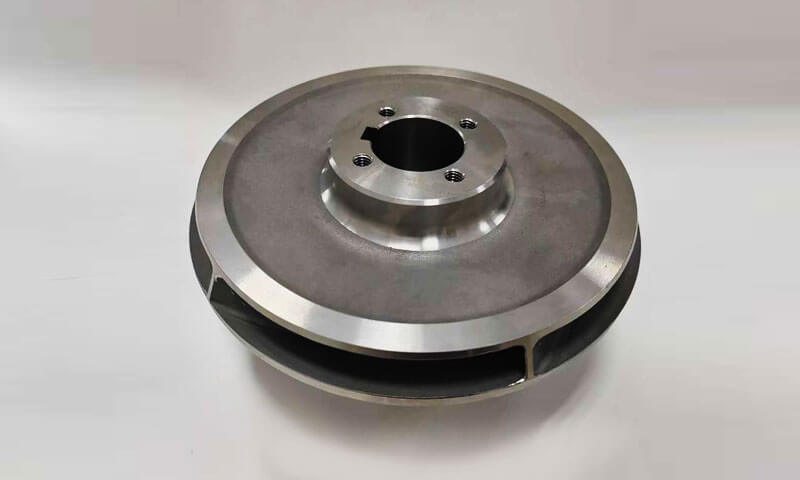
Investicinis liejimas užima unikalią vietą pramoninėje gamyboje.
Tai ne tik senas procesas, išsaugotas sudėtingoms formoms ar aukščiausios kokybės dalims; tai labai galingas gamybos būdas, sprendžiantis specifinę ir vis svarbesnę problemą:
kaip gaminti sudėtingus metalinius komponentus, kurių matmenys būtų tikslūs, puiki paviršiaus kokybė, ir plataus lydinio suderinamumas, išlaikant pakartojamą našumą mastu.
Daugelyje pramonės šakų, nebėra klausimas, ar detalę galima pagaminti, bet ar jis gali būti pagamintas laikantis tinkamo tikslumo balanso, medžiagos vientisumas, vieneto kaina, ir tolesnio efektyvumo.
Investicijų atranka dažnai atsako į šį klausimą geriau nei konkuruojantys procesai.
1. Kas yra pramoniniai liejiniai?
Pramoniniai liejiniai – tai metalinės detalės, pagamintos pilant išlydytą metalą į suprojektuotą formos ertmę ir leidžiant jam sukietėti iki reikiamos formos.
Po aušinimo, pelėsis pašalinamas, ir liejinys gali būti apipjaustytas, apdirbimas, terminis apdorojimas, paviršiaus apdaila, ir patikrinimas prieš pradedant eksploatuoti.
Iš esmės, liejimas yra gamybos metodas, kurio metu skystas metalas paverčiamas funkciniais inžineriniais komponentais, santykinai mažai priklausomas nuo didelių pjovimo ar sujungimo operacijų..
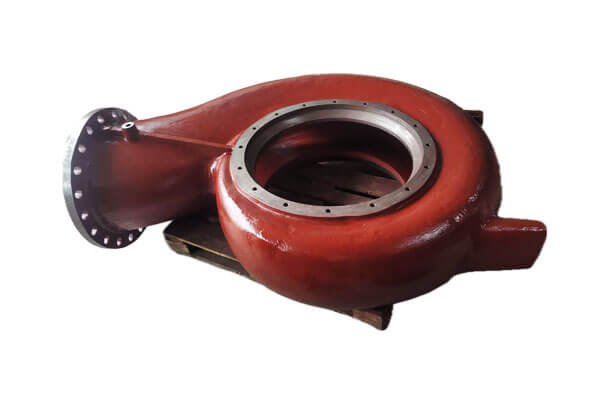
Liejimas „pramoniniu“ nėra pats procesas, bet taikymo ir veikimo reikalavimas.
Pramoniniai liejiniai naudojami mašinose, įranga, infrastruktūra, energijos sistemos, transportavimo platformos, ir perdirbamoji pramonė, kur dalys turi atlaikyti mechaninę apkrovą, vibracija, spaudimas, dėvėti, korozija, karštis, arba ilgalaikė ciklinė paslauga.
Jie nėra dekoratyviniai objektai ar mažai apdorojamos formos; tai veikiantys komponentai, kurie tiesiogiai įtakoja didesnių sistemų patikimumą ir efektyvumą.
2. Pagrindiniai pramoninių komponentų investicinio liejimo techniniai pranašumai
Investicijų liejimas pramoninėje gamyboje vertinamas ne todėl, kad tai tradicinis procesas, bet todėl, kad vienu metu išsprendžia kelias sudėtingas inžinerines problemas.
Kai komponentas turi būti geometriškai sudėtingas, matmenų stabilus, konkrečios medžiagos, ir ekonomiškas per visą gyvavimo ciklą, investicinis liejimas dažnai tampa vienu stipriausių gamybos galimybių.
Išskirtinė geometrinė laisvė
Pagrindinis investicinio liejimo techninis privalumas yra jo gebėjimas tiksliai atkurti sudėtingą geometriją..
Kadangi procesas prasideda nuo vaško rašto ir keraminio apvalkalo, o ne suskilusios formos, kuri turi atsidaryti ir užsidaryti aplink dalį, jis gali sukurti formas, kurios yra sudėtingos arba neįmanomos daugeliui kitų liejimo būdų.
Tai ypač svarbu pramoniniams komponentams, kuriems reikia:
- Plonos sienos,
- sudėtingi kontūrai,
- vidiniai arba išoriniai šonkauliai,
- poilsio,
- lenkti apkrovos keliai,
- viršininkai, flanšai, ir tvirtinimo funkcijos integruotos į vieną korpusą,
- srautui optimizuoti praėjimai,
- ir geometrijos, kurioms kitu atveju reikėtų kelių pagamintų dalių.
Iš dizaino perspektyvos, ši laisvė leidžia inžinieriams optimizuoti komponentą funkcionalumui, o ne gamybos patogumui.
Šis skirtumas yra labai svarbus didelio našumo pramoninėse sistemose, kur geometrija turi įtakos stiprumui, srauto elgesys, šiluminė reakcija, ir nuovargio gyvenimas.
Beveik tinklinės formos galimybė ir sumažinta apdirbimo galimybė
Investicinis liejimas gamina dalis, kurios yra labai artimos galutiniams matmenims, o tai žymiai sumažina vėliau reikalingą apdirbimo kiekį.
Pramoninėje gamyboje, tai didelis privalumas, nes apdirbimas nėra tik apdailos etapas; dažnai tai yra viena brangiausių operacijų visoje proceso grandinėje.
Sumažintas apdirbimo pašalpas suteikia keletą konkrečių privalumų:
- mažesnis medžiagų atliekų kiekis,
- trumpesnis apdirbimo laikas,
- sumažintas įrankių nusidėvėjimas,
- mažesnis tvirtinimo ir nustatymo sudėtingumas,
- mažesnė iškraipymo rizika, atsirandanti dėl didelio atsargų pašalinimo,
- ir geresnis sunkiai apdirbamų lydinių ekonomiškumas.
Brangiems lydiniams, tokiems kaip nerūdijantis plienas, Nikelio pagrindu sukurtas superlydus, lydiniai kobalto pagrindu, ir su titanu susijusios medžiagos, beveik tinklo formos gamyba gali sukurti didelę vertę.
Kuo mažiau medžiagos reikia pašalinti, tuo efektyviau naudojamas lydinys.
Aukščiausia paviršiaus kokybė
Palyginti su daugeliu kitų liejimo būdų, Investicinis liejimas paprastai suteikia daug lygesnį liejimo paviršių.
Tai svarbu pramoniniams komponentams, nes paviršiaus kokybė yra ne tik kosmetinis rūpestis. Tai paveikia:
- sandarinimo efektyvumas,
- skysčio srauto pasipriešinimas,
- dėvėjimo elgesys,
- atsparumas korozijai,
- nuovargio veikimas,
- ir reikalingo papildomo apdorojimo mastą.
Geresnė paviršiaus apdaila sumažina agresyvaus apdirbimo ar šlifavimo poreikį ir gali pagerinti aptarnavimo efektyvumą tokiose srityse kaip vožtuvai, Siurbliai, sparnuotojai, korpusai, ir precizinės mechaninės dalys.
Kai kuriais atvejais, Lietinis paviršius gali būti pakankamai geras, kad būtų galima tiesiogiai naudoti po minimalios apdailos, tai pagerina tiek sąnaudas, tiek pristatymo laiką.
Didelis matmenų tikslumas ir pakartojamumas
Investicinis liejimas puikiai tinka dalims, kurioms reikalinga nuosekli matmenų kontrolė.
Tikslumas atsiranda dėl galimybės tiksliai atkurti vaško raštą ir perkelti šį tikslumą per korpuso gamybos procesą į galutinę metalinę dalį.
Pramoniniams komponentams, pakartojamumas dažnai yra toks pat svarbus kaip vardinis tikslumas.
Procesas, kurio metu pagaminama viena tiksli detalė ir penkiasdešimt nenuoseklių dalių, gamybai netinka.
Investicijų liejimas, kai tinkamai kontroliuojamas, gali užtikrinti stabilią partijos konsistenciją, kuri yra itin svarbi:
- surinkimo suderinamumas,
- pakeičiamumas,
- sumažinta tikrinimo našta,
- ir prognozuojamas gamybos derlius.
Šis pakartojamumas palaiko pramonines tiekimo grandines, kuriose nuoseklus veikimas yra svarbesnis nei atsitiktinis tobulumas.
Platus lydinio suderinamumas
Kitas svarbus investicinio liejimo pranašumas yra galimybė dirbti su įvairiais lydiniais.
Tai ypač naudinga pramonėje, kur medžiagų savybės turi būti pritaikytos paslaugų aplinkai.
Įprastos lydinių šeimos apima:
- angliniai plienai,
- mažai legiruoto plieno,
- nerūdijantis plienas,
- Įrankių plienai,
- dvipusis ir specialus nerūdijantis plienas,
- Nikelio pagrindu sukurtas superlydus,
- lydiniai kobalto pagrindu,
- aliuminio lydiniai,
- vario lydiniai,
- ir specializuotais atvejais, titano lydiniai.
Šis lankstumas yra strategiškai svarbus, nes daugelis pramoninių dalių neapibrėžia tik formos.
Juos apibrėžia veiklos aplinka: temperatūra, spaudimas, korozija, dėvėti, erozija, ir mechaninė apkrova.
Investicinis liejimas leidžia dizaineriui pasirinkti lydinį, kuris geriausiai atitinka paskirtį, o ne apriboti dizainą tik medžiagomis, kurias lengva apdirbti ar kalti..
Stiprus dalių konsolidavimo palaikymas
Vienas iš galingiausių, bet kartais neįvertintų investicijų liejimo pranašumų yra dalių konsolidavimas.
Komponentai, kuriuos kitu atveju reikėtų pagaminti iš kelių apdirbtų arba suvirintų gabalų, dažnai gali būti perdaryti į vieną liejinį.
Tai duoda daug techninių ir komercinių pranašumų:
- mažiau suvirinimo siūlių,
- mažiau surinkimo žingsnių,
- mažiau tvirtinimo detalių,
- mažiau tolerancijos kaupimo problemų,
- mažiau nuotėkio kelių,
- mažesnė sąnarių nepakankamumo rizika,
- ir supaprastinta logistika.
Pramoninėse mašinose, sąsajos dažnai yra silpniausios sistemos vietos.
Sumažinus sąsajų skaičių, investicinis liejimas pagerina ir patikimumą, ir gamybiškumą.
Tai ypač naudinga siurblių korpusams, vožtuvo komponentai, aviacijos ir kosmoso laikikliai, turbinos aparatūra, ir sudėtingos konstrukcijos dalys.
Puikiai tinka kompleksams, didelės vertės pramoniniai komponentai
Investicinis liejimas ypač patrauklus, kai detalė yra didelės vertės, didelis sudėtingumas, arba našumas kritiškas.
Tokiais atvejais, ekonomika teikia pirmenybę procesui, kuris sumažina antrines operacijas ir pagerina galutinės dalies vientisumą.
Štai kodėl investicinis liejimas yra plačiai naudojamas:
- turbinos komponentai,
- siurblio ir vožtuvo dalys,
- tikslūs korpusai,
- pramoniniai sparnuotės,
- aviacijos ir kosmoso aparatūra,
- energijos sistemos dalys,
- medicinos instrumentai,
- ir kiti geometriškai sudėtingi komponentai.
Didesnė proceso disciplina, kurios reikalaujama investuojant į liejimą, yra pateisinama, kai galutinė dalis turi atitikti griežtus funkcinius reikalavimus.
Gamybos programų projektavimo mastelio keitimas
Investicinis liejimas yra pritaikomas įvairiose gamybos skalėse. Kai procesas bus patvirtintas, jis gali palaikyti stabilią pakartotinę gamybą su kontroliuojama kokybe.
Dėl to jis tinka ne tik prototipams ir mažoms serijoms, bet ir vidutinės apimties pramoninėms programoms, kur svarbu nuoseklumas ir sąnaudų kontrolė.
Procesas gali būti išplėstas:
- modelio įrankio optimizavimas,
- automatizuotas vaško įpurškimas,
- apvalkalo pastato kontrolė,
- liejantis drausmę,
- ir standartizuotas tolesnis apdorojimas.
Šis mastelio keitimas suteikia gamintojams naudingą tiltą tarp inžinerinio lankstumo ir pakartojamos pramonės produkcijos.
3. Pramoninio taikymo sektoriai
Investicinis liejimas nėra paprastas būdas pagaminti sudėtingų formų metalines dalis.
Pramonės rinkose, tai tikslinis inžinerinis sprendimas komponentams, kurie turi derinti geometrinį sudėtingumą, medžiagų našumas, matmenų tikslumas, ir ilgas tarnavimo gyvenimas.
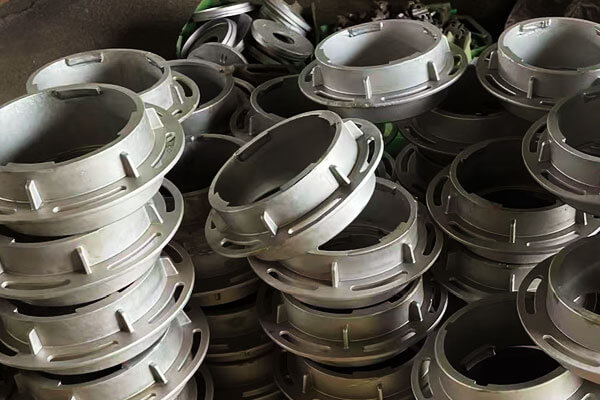
Siurbliai ir skysčių tvarkymo sistemos
Siurbliai yra viena iš svarbiausių investicinio liejimo taikymo sričių.
Komponentai, tokie kaip sparnuotės, Korpusai, difuzoriai, nešioti žiedus, ir sandariklių korpusai priklauso nuo sklandaus srauto takų, tiksli ašmenų geometrija, ir griežta matmenų kontrolė.
Šioje aplinkoje, nedideli geometriniai nuokrypiai gali turėti išmatuojamą poveikį hidrauliniam efektyvumui, vibracinis elgesys, triukšmas, ir bendras tarnavimo laikas.
Investicinis liejinys yra ypač tinkamas šioms dalims, nes gali labai tiksliai atkurti sudėtingus lenktus paviršius ir plonų pjūvių savybes..
Tai sumažina didelio apdirbimo poreikį ir padeda išsaugoti suprojektuotą komponento hidraulinį profilį.
Ypač sparnuotėms, Šis procesas palaiko beveik tinklinės formos ašmenų kanalų, kuriuos būtų sunku ir brangu apdirbti įprastu būdu, gamybą.
Medžiagos pasirinkimą lemia darbo terpė:
- Austenitiniai nerūdijantys plienai pvz 316L ir 347 yra plačiai naudojami koroziniams proceso skysčiams ir mišrioms cheminėms medžiagoms.
Jie pasižymi dideliu atsparumu korozijai ir patikimu gamybos našumu. - Kobalto pagrindo lydiniai pvz., Stellite markės yra teikiamos pirmenybė labai abrazyviniam arba eroziniam naudojimui, kur atsparumas dilimui yra svarbesnis už kainą.
Šie lydiniai dažnai parenkami srutų siurbliams, nešioti žiedus, ir didelės erozijos srauto takai. - Nuo kritulių kietėjantis nerūdijantis plienas tokių kaip 17-4 PH ir 15-5 PH naudojami ten, kur didesnis mechaninis stiprumas turi būti derinamas su atsparumu korozijai, ypač slėginiuose siurblio komponentuose ir velenuose.
Trumpai tariant, Investicinis liejimas leidžia siurblių projektuotojams optimizuoti ir hidraulinį našumą, ir medžiagos ilgaamžiškumą vienu gamybos būdu.
Vožtuvai ir srauto valdymo komponentai
The vožtuvas pramonė yra viena didžiausių ir techniškai reikliausių investicinių liejinių vartotojų.
Vožtuvo kūnai, gaubtai, Sėdynės, stiebai, ir apdailos dalys turi atitikti griežtus slėgio vientisumo reikalavimus, sandarinimo efektyvumas, atsparumas korozijai, ir ilgalaikis pakartojamumas.
Tai yra būtent tokio tipo programa, kuriai būdingas investicijų liejimas.
Vožtuvų geometrijose dažnai yra sudėtingų vidinių srauto kanalų, perėjimai iš storo į ploną, sandarinimo sėdynės, ir lokalizuotus streso regionus.
Gaminant šias savybes kaip vieną liejinį, sumažėja surinkimo sudėtingumas ir pašalinama daug silpnų vietų, kurios kitu atveju atsirastų suvirintose arba pagamintose konstrukcijose.
Įprasti lydinio pasirinkimai apima:
- Austenitiniai nerūdijantys plienai tokių kaip 304 ir 316L bendrai korozijai atspariam aptarnavimui.
- Martensitiniai nerūdijantys plienai tokių kaip 410 ir 420C stiebams ir konstrukcinėms dalims, kurioms reikalingas didesnis kietumas ir stiprumas.
- Kobalto pagrindo lydiniai sėdynėms ir apdailai esant sunkiai eksploatacijai, kur didelio greičio erozija, Šiluminis ciklas, ir pakartotinis paleidimas sukuria ekstremalias susidėvėjimo sąlygas.
Vožtuvų pritaikymui, Kobalto lydiniai dažnai yra tinkamiausias sprendimas atšiauriausioje aplinkoje, nes jie derina atsparumą dilimui, atsparumas korozijai, ir stabilumas aukštoje temperatūroje yra geresnis nei standartinis nerūdijantis plienas.
Tai ypač svarbu droseliuojant, linkęs į eroziją, ir aukšto slėgio skirtumo paslauga.
Maisto ir pieno perdirbimo įranga
Maisto ir pieno perdirbimui keliami labai skirtingi reikalavimai.
Pagrindiniai prioritetai yra higiena, valomumas, atsparumas korozijai, ir atsparumas agresyvioms valymo priemonėms.
Sudedamosios dalys neturi užteršti produkto, spąstų likučiai, arba sukurti sunkiai valomus plyšius.
Investicinis liejimas yra labai tinkamas šiam sektoriui, nes jis gali gaminti sklandžiai, iki minimumo sumažintos geometrijos, kurios palaiko higienišką dizainą.
Tai taip pat leidžia dizaineriams integruoti drenažo funkcijas, suapvalinti perėjimai, ir ištisiniai paviršiai tiesiai į dalį, sumažinti priklausomybę nuo suvirinimo siūlių ir jungčių, kurios gali tapti užteršimo rizika.
Praktiškai, 316L Nerūdijantis plienas yra dominuojantis su maistu besiliečiančių investicinių liejinių pasirinkimas.
Mažas anglies kiekis padeda sumažinti įsijautrinimo riziką, o jo atsparumas korozijai gerai veikia aplinkoje, kurioje veikia dezinfekuojančios cheminės medžiagos, drėgmės, ir chlorido turinčios valymo sistemos.
Procesas taip pat sukuria paviršiaus apdailą, kuri dažnai yra pakankamai gera daugeliui maisto perdirbimo standartų, naudojant tik ribotą papildomą poliravimą..
Įprastos programos apima:
- siurblio kūnai,
- vožtuvų korpusai,
- maišytuvo komponentai,
- užpildo dalys,
- konvejerio aparatūra,
- ir perdirbimo indų jungiamosios detalės.
Čia, tikroji investicijų liejimo vertė slypi ne tik formos tikslume, bet ir higienos inžinerijoje.
Tai padeda pašalinti dizaino ypatybes, kurios apsunkina valymą, ir palaiko saugumą, labiau prižiūrimos maisto perdirbimo sistemos.
Cheminis ir naftos cheminis apdorojimas
Chemijos ir naftos chemijos gamyklos veikia pačiomis griežčiausiomis pramonės sąlygomis.
Komponentai yra veikiami korozinių cheminių medžiagų, pakilusios temperatūros, slėgio svyravimai, ir nuolatiniai veikimo ciklai. Šiose aplinkose, nesėkmė retai priimtina ir dažnai labai brangi.
Investiciniai liejiniai plačiai naudojami reaktoriuose, Šilumokaičiai, proceso vamzdynų techninė įranga, siurblių ir vožtuvų sistemos, ir srauto valdymo mazgai.
Šis procesas yra patrauklus, nes leidžia naudoti aukštos kokybės lydinius, kurie gali būti suformuoti į sudėtingus, patvarios geometrijos su geru matmenų nuoseklumu.
Įprastos materialinės šeimos apima:
- Austenitiniai nerūdijantys plienai tokių kaip 316L, 310, ir 347 bendrai korozijai ir aukštesnės temperatūros aptarnavimui.
- Nikelio pagrindo lydiniai tokios kaip Hastelloy ir Monel šeimos, skirtos labai agresyviai žiniasklaidai, įskaitant stiprias rūgštis ir chemiškai sunkią aplinką.
- Kobalto pagrindo lydiniai pasirinktais drabužiais- ir temperatūros kritinius komponentus.
Lydinio pasirinkimas priklauso nuo tikslios proceso chemijos.
Pavyzdžiui, kai kurios klasės parenkamos dėl atsparumo oksidacijai aukštesnėje temperatūroje, o kiti parenkami pagal atsparumą specifinėms rūgštims, Chloridai, arba halogenintoje aplinkoje.
Chemijos tarnyboje, universalaus lydinio sprendimo nėra. Investicinis liejimas yra vertingas, nes jis gali palaikyti tinkamą lydinį tinkamam darbui atlikti, neverčiant dizainerio eiti į kompromisus dėl geometrijos.
Žemės ūkio ir sunkioji technika
Žemės ūkio mašinos ir sunkioji įranga komponentams veikia sudėtingą mechaninės apkrovos derinį, poveikis, dilimas, purvo patekimas, ir lauko korozija.
Tokios dalys kaip laikikliai, nuorodos, vyriai, susidėvintys komponentai, o konstrukcinės detalės turi būti tvirtos, kietas, ir ekonomiškas gaminti.
Investicinis liejimas yra ypač naudingas šiame sektoriuje, kai detalės geometrija yra per sudėtinga paprastam apdirbimui, tačiau gamybos apimtis nėra pakankamai didelė, kad būtų galima pateisinti aukšto slėgio liejimą ar kitus specializuotus metodus.
Tai leidžia gamintojams gaminti beveik tinklo formos plieno komponentus, kurių matmenys yra vienodi ir kurių kaina yra priimtina.
Tipiškos medžiagų sistemos apima:
- vidutinio anglies plieno tokių kaip 1040 ir 1045,
- legiruotų plienų tokių kaip 4130 ir 4140.
Šie plienai dažnai parenkami dėl jų stiprumo pusiausvyros, Tvirtumas, ir apdirbamumą.
Žemės ūkio ir statybos įrangai, ypač vertinga galimybė gaminti patvarias atsargines dalis, turinčias gerą pakeičiamumą.
Investicijų liejimas gerai palaiko šį reikalavimą, ypač ten, kur svarbus tinkamumas naudoti vietoje ir pakartotinė gamyba.
Energijos generavimas
Energijos gamybos įranga liejiniams komponentams kelia pačius griežčiausius reikalavimus.
Garo turbinos, Dujų turbinos, generatoriai, ir įrenginių pusiausvyros sistemoms dažnai reikalingos dalys, kurios turi išlaikyti matmenų stabilumą, slėgio vientisumas, ir medžiagų eksploatacinės savybės per ilgą tarnavimo laiką.
Investiciniai liejiniai naudojami turbinų purkštukuose, diafragmos, vožtuvo kūnai, degimo įranga, pereinamosios dalys, ir kiti svarbūs energetikos sektoriaus komponentai.
Šios dalys gali būti veikiamos aukštos temperatūros, ciklinė šiluminė apkrova, oksidacija, ir didelio greičio srautas.
Garo ir bendrosios šiluminės energijos paslaugoms, nerūdijančio plieno liejiniai dažnai naudojami ten, kur reikalingas atsparumas korozijai ir matmenų tikslumas.
Dujų turbinose, reikalavimai dar griežtesni.
Komponentai, tokie kaip purkštukų mentelės, degimo įranga, ir pereinamieji skyriai dažnai remiasi nikelio pagrindas arba kobalto pagrindo superlydiniai gali atlaikyti ekstremalias temperatūras išlaikant konstrukcijos vientisumą.
Priežastis, kodėl investicinis liejimas yra toks efektyvus, yra tai, kad jis gali sukurti aerodinamines ir šilumos valdymo savybes, kurias būtų labai sunku pagaminti kitais būdais..
Didelio našumo turbinos techninėje įrangoje, vidiniai aušinimo kanalai, Plonos sienos skyriai, o sudėtingi srauto paviršiai nėra pasirenkamos detalės; jie būtini funkcionavimui. Investicinis liejimas daro šiuos dizainus praktiškus.
4. Pramoninių investicinių liejinių lydinių pasirinkimo vadovas
Tinkamo lydinio pasirinkimas yra vienas iš svarbiausių sprendimų pramoninio liejimo srityje.
Geriausias pasirinkimas priklauso nuo korozijos poveikio, dėvėti sunkumą, temperatūra, mechaninė apkrova, Kaina, ir pagaminamumą. Žemiau esančioje lentelėje pateikiama glausta nuoroda.
| Leginių šeima | Reprezentatyvūs laipsniai | Pagrindinės savybės | Pirminiai pramoniniai pritaikymai |
| Anglies & Žemo lydinio plienai | 1040, 4130, 4140 | Didelė jėga, geras tvirtumas, ekonomiškai efektyvus | Žemės ūkio technika, Sunkiosios mašinos, konstrukcines dalis |
| Austenitinis nerūdijantis plienas | 304, 316L, 310, 347 | Puikus atsparumas korozijai, geras suvirinamumas | Vožtuvai, Siurbliai, maisto perdirbimo įranga, chemijos tarnyba |
| Martensitinis nerūdijantis plienas | 410, 420C, 440C | Didelis kietumas, stiprus atsparumas dilimui | Vožtuvų kotai, apdailos komponentai, dilimui jautri aparatūra |
| Nuo kritulių kietėjantis nerūdijantis plienas | 17-4 Ph, 15-5 Ph | Didelė jėga, Geras atsparumas korozijai | Aukšto slėgio siurblio dalys, velenai, struktūriniai komponentai |
Kobalto pagrindo lydiniai |
Stellite 6, Stellite 21, FSX-414 | Puikus atsparumas dilimui ir aukštai temperatūrai | Vožtuvų sėdynės, siurblio nusidėvėjimo žiedai, turbinos aparatūra |
| Nikelio pagrindo lydiniai | Hastelloy C276, Monel M35-1, Inconel 625 | Puikus atsparumas korozijai ir aukštai temperatūrai | Cheminio apdorojimo įranga, dujų turbinos komponentai |
| Vario pagrindo lydiniai | Aliuminio bronza, Alavo bronza | Geras atsparumas korozijai, geras apdirbamumas | Jūrinės dalys, guoliai, pavaros |
5. Paslėptas sudėtingumas: Kodėl pramoniniai liejiniai nėra paprasti
Liejiniai gali atrodyti nesudėtingi, bet pramoninis liejimas yra labai kontroliuojama inžinerijos disciplina.
Defektai gali atsirasti dėl šiluminio elgesio sąveikos, pelėsių savybės, Lydinio chemija, ir proceso laiką.
Įprasti rūpesčiai apima:
- susitraukimo poringumas,
- dujų poringumas,
- intarpai,
- karštas ašarojimas,
- šaltas įtrūkimas,
- klaidingai,
- Šaltas uždaromas,
- deformacija,
- matmenų poslinkis,
- ir paviršiaus defektai.
Kiekvienas defektas pasakoja istoriją. Akytumas gali rodyti maitinimo problemas arba dujų įstrigimą. Įtrūkimai gali rodyti suvaržytą susitraukimą arba liekamąjį stresą.
Netinkami paleidimai gali rodyti netinkamą užpildymą arba prastą pylimo temperatūros kontrolę. Matmenų problemos gali atspindėti pelėsių nestabilumą arba netolygų aušinimą.
Štai kodėl liejimo kokybė priklauso nuo sistemos valdymo. Neužtenka supilti metalą į formą.
Formos dizainas, vartų ir pakėlimo sistema, kietėjimo modelis, Lydykite švarą, išpylimo temperatūra, ir visų reikalų tvarkymas po liejimo.
6. Pramoninių liejinių kokybės kontrolė ir patikimumas
Pramoniniai liejiniai dažnai naudojami kritinėse srityse, todėl kokybės užtikrinimas yra būtinas.
Tikslas yra ne tik pagaminti dalį, kuri atrodo teisinga, bet pagaminti dalį, kuri išliks eksploatavimo sąlygomis.
Pagrindiniai kokybės kontrolės metodai apima:
- vizualinis patikrinimas,
- matmenų matavimas,
- Radiografinis bandymas,
- Ultragarsinis bandymas,
- magnetinių dalelių patikrinimas,
- dažų įsiskverbimo tikrinimas,
- cheminė analizė,
- mechaninis bandymas,
- ir metalografinis tyrimas.
Slėgį turintiems arba saugai svarbiems komponentams, Neardomieji bandymai yra ypač svarbūs.
Priimtinas defektų lygis priklauso nuo aptarnavimo sąlygų, standartai, ir rizikos tolerancija. Vienoje programoje priimtinas liejinys gali būti netinkamas naudoti kitoje.
Terminis apdorojimas ir apdirbimas taip pat yra kokybės kontrolės dalis. Jie gali pagerinti mikrostruktūrą, sumažinti liekamąjį stresą, ir pritaikykite liejinį galutinei specifikacijai.
Pramoniniame liejyme, kokybė nėra vienas tikrinimo žingsnis. Tai yra kontrolės grandinė.
7. Išvada
Investicinis liejimas įsitvirtino kaip nepakeičiamas gamybos procesas pramoninėms reikmėms, nes suteikia unikalų dizaino laisvės derinį, Tikslumas, medžiagos universalumas, ir ekonominis efektyvumas.
Skirtingai nuo alternatyvių gamybos metodų, kurie verčia daryti kompromisus tarp našumo ir pagaminamumo, Investicijų liejimas leidžia inžinieriams sukurti komponentus, optimizuotus jų numatytai funkcijai, tada gaminkite juos patikimai ir efektyviai.
Nuo siurblių ir vožtuvų, kurie palaiko pramoninius procesus, iki energijos gamybos komponentų, tiekiančių elektrą milijonams, investiciniai liejiniai atlieka svarbų vaidmenį pasaulinėje pramonės infrastruktūroje.
Skaitmeninėms technologijoms toliau keičiant pramonę, investicijų liejimas taps dar lankstesnis, efektyvus, ir tvarus, toliau plečiant savo pritaikymą ir įtvirtinant savo, kaip pageidaujamo didelio našumo pramoninių komponentų gamybos proceso, poziciją.
Pramoninės įrangos gamintojams, norintiems pagerinti gaminio našumą, sumažinti išlaidas, ir paspartinti pateikimą į rinką, investicijų liejimas siūlo įrodytas, patikimas sprendimas, suteikiantis išskirtinę vertę per visą produkto gyvavimo ciklą.

