Anglies plienas yra geležies ir anglies lydinių klasė, kurioje yra geležis (Fe) tarnauja kaip matrica ir anglis (C) yra pirminis legiravimo elementas, paprastai būna koncentracijos nuo 0.002% į 2.11% pagal svorį.
Tai išlieka viena iš plačiausiai naudojamų inžinerinių medžiagų dėl savo ekonominis efektyvumas, universalumas, ir reguliuojamos mechaninės savybės.
Skirtingai nuo legiruotojo plieno, kurios priklauso nuo reikšmingų elementų, tokių kaip chromas, priedų, Nikelis, arba molibdenas, kad būtų pritaikytos savybės, anglies plienas pasiekia savo efektyvumą pirmiausia dėl anglies kiekio sąveikos, Mikrostruktūra, ir terminis apdorojimas.
Pasauliniu mastu, anglinis plienas remia pramonės šakas, įskaitant statybą, Automobilių gamyba, laivų statyba, mašinų gamyba, ir įrankiai.
Jo tinkamumas šiems sektoriams kyla iš pusiausvyra tarp jėgų, ausmingumas, Tvirtumas, atsparumas nusidėvėjimui, ir apdorojamumą, todėl tai yra pagrindinė medžiaga tiek tradicinėse, tiek pažangiose inžinerinėse programose.
Norint suprasti anglinį plieną, reikia a kelių perspektyvų analizė apimanti cheminę sudėtį, Mikrostruktūra, mechaninės ir šiluminės savybės, korozinis elgesys, elektrines charakteristikas, ir apdorojimo metodai.
Kiekvienas iš šių veiksnių tiesiogiai įtakoja medžiagos veikimą realiame pasaulyje.
1. Sudėtis ir mikrostruktūra
Anglis kaip pagrindinis valdymo kintamasis
Anglies atomai užima tarpines vietas geležies grotelėje ir sudaro cementitą (Fe₃c). Anglies masės dalis kontroliuoja fazių dalis ir fazių transformacijos temperatūrą:

- Žemas C (≤ 0.25 wt%) — ferito matrica su išsklaidytu perlitu: puikus plastiškumas ir suvirinamumas.
- Vidutinis-C (≈ 0,25–0,60 masės %) - padidėjusi perlito frakcija; po numalšinimo jėgos ir kietumo pusiausvyra.
- Aukštas C (> 0.60 wt%) - didelis perlito/cementito kiekis; didelis kietumas ir atsparumas dilimui; ribotas lankstumas.
Šie režimai atitinka geležies ir anglies pusiausvyros santykius; tikrosios mikrostruktūros praktiškai priklauso nuo aušinimo greičio ir lydinių priedų.
Smulkūs elementai ir jų vaidmenys
- Manganas (Mn) — susijungia su siera, kad susidarytų MnS, o ne FeS, pagerina kietumą ir atsparumą tempimui, rafinuoja grūdus. Įprasta 0,3–1,2 masės %.
- Silicis (Ir) - deoksidatorius ir kieto tirpalo stiprintuvas (tip. 0.15–0,50 masės %).
- Fosforas (P) ir siera (S) - kontroliuojamas iki mažo ppm lygio; padidėjęs P sukelia trapumą žemoje temperatūroje; S sukelia karštį, nebent sušvelninamas (Pvz., Mn priedai arba desulfuravimas).
- Legiravimo priedai (Kr, MO, Į, V, Iš) — kai jo yra nedideliais kiekiais, plienas tampa „mažai legiruotas“ ir pagerina kietumą, atsparumas arba atsparumas aukštai temperatūrai; jie perkelia medžiagą už paprasto „anglinio plieno“ šeimos ribų.
2. Mikrostruktūrinis reguliavimas termiškai apdorojant
Terminis apdorojimas yra pagrindinė pramoninė svirtis, skirta paversti tą pačią anglinio plieno chemiją į aiškiai skirtingas mikrostruktūras ir mechaninių savybių rinkinius..

Atkaitinimas (pilnas / proceso atkaitinimas)
- Tikslas: suminkštinti, sumažinti stresą, homogenizuoti mikrostruktūrą ir pagerinti apdirbamumą.
- Ciklas (tipiškas): pašildykite iki šiek tiek aukščiau Ac3 (arba iki nurodytos austenitizacijos temperatūros) → palaikykite, kad išlygintumėte (laikas priklauso nuo sekcijos dydžio; nykščio taisyklė 15–30 min per 25 mm storio) → lėta krosnis vėsa (dažnai 20–50 °C/val arba nekontroliuojamas krosnies aušinimas).
- Gaminama mikrostruktūra: šiurkštus perlitas + feritas; karbido sferoidizacija gali išsivystyti esant subkritiniam mirkymui.
- Turto rezultatas: mažiausias kietumas, maksimalus lankstumas ir formavimas; naudinga prieš intensyvų šaltą apdirbimą ar apdirbimą.
Normalizavimas
- Tikslas: rafinuoti grūdus, padidinti stiprumą ir kietumą, palyginti su visišku atkaitinimu.
- Ciklas (tipiškas): šiluma virš Ac3 → palaikykite ~15–30 min per 25 mm → vėsinti ramiame ore.
- Gaminama mikrostruktūra: smulkesnis nei atkaitintas perlitas, kurio grūdeliai mažesni.
- Turto rezultatas: didesnis derlius/UTS nei atkaitintas, patobulintas įpjovos tvirtumas ir vienodesnės mechaninės savybės visose pjūviuose.
Sferoidizavimas
- Tikslas: pagaminti minkštą, lengvai apdirbama konstrukcija, skirta daug anglies turinčiam plienui prieš apdirbant.
- Ciklas (tipiškas): ilgalaikis laikymas (~10-40 val) šiek tiek žemiau Ac1 (arba ciklinis subkritinis atkaitinimas) skatinti karbido grubėjimą į sferoidus.
- Gaminama mikrostruktūra: ferito matrica su sferoidinėmis cementito dalelėmis (sferoiditas).
- Turto rezultatas: labai mažas kietumas, puikus apdirbamumas ir lankstumas.
Gesinimas (grūdinimas)
- Tikslas: sukurti kietą martensitinį paviršių arba tūrį greitai aušinant iš austenito.
- Ciklas (tipiškas): austenitizuoti (temperatūra priklauso nuo anglies ir lydinio kiekio, dažnai 800–900 °C) → palaikykite homogenizacijai → gesinkite vandenyje, alyvos arba polimerų gesintuvai; aušinimo greitis turi viršyti kritinį aušinimą, kad būtų slopinamas perlitas/bainitas.
- Gaminama mikrostruktūra: martensitas (arba martensitas + sulaikytas austenitas priklausomai nuo Ms ir anglies), gali būti bainitas, jei aušinimas yra tarpinis.
- Turto rezultatas: labai didelis kietumas ir stiprumas (martensitas); dideli liekamieji tempimo įtempiai ir jautrumas įtrūkimams / iškraipymams be tinkamos kontrolės.
Grūdinimas
- Tikslas: sumažinti martensito trapumą ir atkurti kietumą išlaikant kietumą.
- Ciklas (tipiškas): pašildykite grūdintą plieną iki grūdinimo temperatūros (150–650 °C, priklausomai nuo norimo kietumo/kietumo), laikykite (30-120 min, priklausomai nuo sekcijos) → vėsus oras.
- Mikrostruktūrinė evoliucija: martensitas skyla į grūdintą martensitą arba feritą+sferoidinius karbidus; pereinamųjų karbidų nusodinimas; tetragonalumo mažinimas.
- Turto rezultatas: kompromiso kreivė: aukštesnė grūdinimo temperatūra → mažesnis kietumas, didesnis tvirtumas ir lankstumas.
Įprasta pramoninė praktika pritaiko grūdinimą pagal tikslinius HRC arba mechaninius minimumus.
3. Anglinio plieno mechaninės savybės
Žemiau esančioje lentelėje pateikiamas reprezentatyvus, inžinerijai naudingi diapazonai žemas-, vidutinis- ir daug anglies turintis plienas įprastomis sąlygomis (karštai apdorotas/normalizuotas arba gesinamas & grūdintas kur pažymėta).
Tai yra tipiškas orientaciniai skaičiai – kritinėms programoms reikalingas kvalifikacijos patikrinimas.
| Nuosavybė / sąlyga | Žemas C (≤0,25 % C) | Vidutinis-C (0.25-0,60% C) | Aukštas C (>0.60% C) |
| Tipinė būklė (gamyba) | karštai valcuoti / normalizuotas | karštai valcuoti, normalizuotas arba QT | atkaitintas arba gesintas+grūdintas |
| Didžiausias atsparumas tempimui, UTS (MPA) | 300–450 | 500–800 | 800– 1200 |
| Derlumo stiprumas (0.2% RP0.2) (MPA) | 150– 250 | 250–400 | (skiriasi; dažnai didelis, jei užgesinamas) |
| Pailgėjimas, A (%) | 20–35 | 10–20 | <10 (atkaitintas) |
| Ploto sumažinimas, Z (%) | 30–50 | 15–30 | <15 |
| Kietumas (Hb / HRC) | HB 80–120 | HB 120–200 | Hb 200+; HRC iki 60 (užgesintas) |
| Charpy V-Notch (kambarys T) Vanduo | >100 J | 50– 80 J | <20 J (kaip užgesintas) |
| Tamprumo modulis, E | ~200–210 GPa (visos juostos) | tas pats | tas pats |
| Tankis | ~7,85 g·cm⁻³ | tas pats | tas pats |
Plastiškumas ir tvirtumas
Plastiškumas apibūdina medžiagos gebėjimą nuolat deformuotis be lūžių, o kietumas reiškia jo gebėjimą sugerti energiją smūginės apkrovos metu:
- Mažai anglies turintis plienas: Pasižymi puikiu plastiškumu, pailgėjimas lūžio metu svyruoja nuo 20% iki 35%, o ploto sumažinimas nuo 30% iki 50%.
Jo įpjovos smūgio tvirtumas (Vanduo) kambario temperatūroje yra aukščiau 100 J, įgalinantys tokius procesus kaip gilusis piešimas, štampavimas, ir suvirinimas be įtrūkimų.
Dėl to ji yra tinkamiausia medžiaga plonasienių konstrukcijų komponentams, tokiems kaip automobilių plokštės ir statybiniai plieniniai strypai. - Vidutinio anglies plieno: Subalansuoja plastiškumą ir tvirtumą, su trūkimo pailgėjimu 10–20 % ir Akv 50–80 J kambario temperatūroje.
Po atvėsinimo ir grūdinimo, jo tvirtumas dar labiau pagerintas, išvengiant gesinto didelio anglies plieno trapumo, kuri tinka tokioms reikmėms kaip transmisijos velenai, pavaros, ir varžtais. - Didelės anglies plieno: Turi prastą plastiškumą, su pailgėjimu apačioje 10% ir Akv dažnai mažiau nei 20 J kambario temperatūroje.
Esant žemai temperatūrai, jis tampa dar trapesnis, smarkiai sumažėjus smūginiam atsparumui, todėl netinka laikantiems komponentams, veikiamiems dinaminių ar smūginių apkrovų.
Vietoj, jis naudojamas statinėms dalims, kurioms reikalingas didelis atsparumas dilimui, pvz., peilių geležtės ir spyruoklių ritės.
Nuovargio atsparumas
Atsparumas nuovargiui – tai anglinio plieno gebėjimas atlaikyti ciklinę apkrovą be gedimų, kritinė savybė komponentams, tokiems kaip velenai ir spyruoklės, kurie veikia nuolat veikiant įtempiams.
Mažai anglies turintis plienas pasižymi vidutiniu atsparumu nuovargiui (apie 150-200 MPa, 40%–50% tempimo stiprio), o vidutinio anglies plienas po grūdinimo ir grūdinimo pasižymi didesniu atsparumu nuovargiui (250– 350 MPa) dėl savo rafinuotos mikrostruktūros.
Didelės anglies plieno, tinkamai termiškai apdorojus, siekiant sumažinti vidinį įtampą, gali pasiekti 300–400 MPa nuovargio stiprumą,
tačiau jo nuovargis yra jautrus paviršiaus defektams, pvz., įbrėžimams ir įtrūkimams, kuriems reikia kruopštaus paviršiaus apdailos (Pvz., poliravimas, Nušauti peening) prailginti nuovargio gyvenimą.
4. Funkcinės savybės
Be pagrindinių mechaninių metrikų, anglinis plienas pasižymi funkcinėmis savybėmis, kurios lemia jo tinkamumą aplinkai ir eksploatavimo sąlygoms.
Korozijos elgsena ir jos mažinimas
Anglies plienas nesudaro apsauginės pasyviojo oksido plėvelės (skirtingai nuo chromo turinčio nerūdijančio plieno); vietoj to, veikiant deguoniui ir drėgmei, susidaro birus, akytieji geležies oksidai (rūdis) kurios leidžia toliau skverbtis korozinėms rūšims.
Įprasti neapsaugoto anglinio plieno atmosferinės korozijos laipsniai yra apytiksliai 0.1–0,5 mm/metus, bet rūgščių rodikliai pastebimai paspartėja, šarminėje ar chloridinėje aplinkoje (pavyzdžiui, jūros vandenyje).
Įprasti inžineriniai atsakymai:
- Paviršiaus apsauga: karštasis cinkavimas, galvanizavimas, organinių dažų sistemos, ir cheminės konversijos dangos (Pvz., fosfatavimas).
- Projektavimo priemonės: drenažas, kad būtų išvengta stovinčio vandens, skirtingų metalų izoliacija, ir patikros/techninės priežiūros nuostatai.
- Medžiagos pakeitimas: kur poveikis yra stiprus, nurodykite nerūdijantį plieną, korozijai atsparių lydinių arba užtepkite tvirtus apkalus/pamušalus.
Pasirinkimas turėtų būti pagrįstas numatoma aplinka, reikalinga eksploatavimo trukmė ir priežiūros strategija.
Šiluminės savybės ir eksploatacinės temperatūros ribos
Anglies plienas derina santykinai aukštą šilumos laidumą ir vidutinį šiluminį plėtimąsi, todėl jis yra veiksmingas šilumos perdavimo reikmėms, tuo pačiu užtikrinant nuspėjamą matmenų elgesį keičiantis temperatūrai.
Pagrindinės skaitinės reikšmės ir pasekmės:
- Šilumos laidumas: ≈ 40–50 W·m⁻¹·K⁻¹ kambario temperatūroje – pranašesnis už įprastą nerūdijantį plieną ir daugumą inžinerinių polimerų; tinka šilumokaičiams, katilų vamzdžiai ir krosnių komponentai.
- Šiluminio plėtimosi koeficientas: ≈ 11–13 × 10⁻⁶ /°C (20–200 °C), žemesnis nei aliuminis ir suderinamas su daugeliu plieno pagrindu pagamintų agregatų.
- Temperatūros atsparumas: Mažai anglies turintis plienas gali būti nuolat naudojamas iki 425 ℃ temperatūroje, bet jo stiprumas sparčiai mažėja virš 400 ℃ dėl grūdelių stambių stangrų ir minkštėjimo.
Vidutinės anglies plieno maksimali nuolatinė eksploatavimo temperatūra yra 350 ℃, o daug anglies turintis plienas yra apribotas iki 300 ℃ dėl didesnio jautrumo terminiam minkštėjimui.
Virš šių temperatūrų, legiruotasis plienas arba karščiui atsparus plienas reikalingas konstrukcijos vientisumui išlaikyti.
Elektrinės savybės
Anglies plienas yra geras elektros laidininkas, kurių varža apytiksliai 1.0 × 10⁻⁷ Ω·m kambario temperatūroje – didesnis nei vario (1.7 × 10⁻⁸ Ω·m) bet žemesnis nei daugumos nemetalinių medžiagų.
Jo elektrinis laidumas šiek tiek mažėja didėjant anglies kiekiui, nes cementito dalelės sutrikdo laisvųjų elektronų srautą.
Nors anglinis plienas nenaudojamas didelio efektyvumo elektros laidininkams (vaidmuo, kuriame dominuoja varis ir aliuminis), jis tinka strypams įžeminti, elektros gaubtai, ir silpnos srovės perdavimo komponentai, kurių laidumas yra antraeilis dėl mechaninio stiprumo.
5. Apdorojimo našumas – gaminamumas ir formavimo elgsena
Karštas apdirbimas ir šaltasis formavimas
- Karštas kalimas / riedėjimas: Žemas- ir vidutinio anglies plienas pasižymi puikiu karštuoju apdirbimu.
At ~1000–1200 °C mikrostruktūra virsta austenitu, pasižyminčiu dideliu lankstumu ir mažu atsparumu deformacijai, leidžia atlikti karštą formavimą be įtrūkimų. - Didelės anglies plieno: Apdirbamumas karštuoju būdu yra prastesnis dėl kieto cementito; kalimui reikalinga aukštesnė temperatūra ir kontroliuojamas deformacijos greitis, kad būtų išvengta įtrūkimų.
- Šaltasis valcavimas / formavimas: Mažai anglies išskiriantis plienas puikiai tinka šaltajam formavimui ir lakštų gamybai, leidžia naudoti plonus matuoklius su gera paviršiaus apdaila ir matmenų valdymu.
Suvirinimo svarstymai ir geriausia praktika
Suvirinamumas labai priklauso nuo anglies kiekio ir su tuo susijusios kietų martensitinių struktūrų susidarymo karščio paveiktoje zonoje pavojaus (Haz):
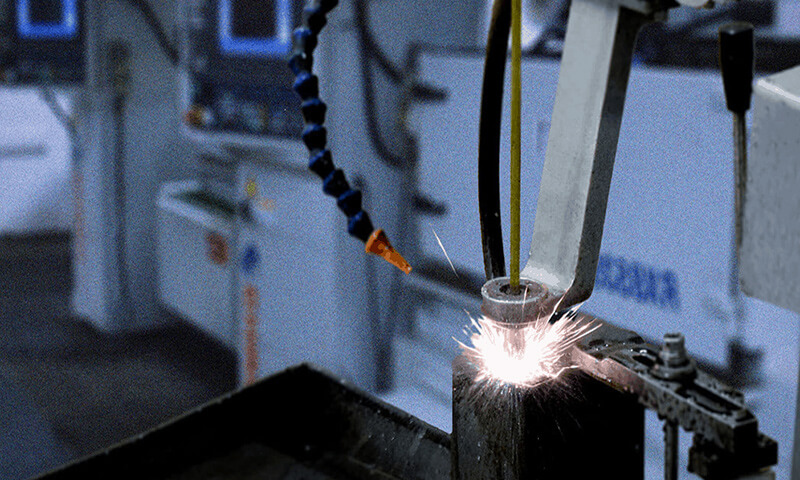
- Mažai anglies turintis plienas (C ≤ 0.20%): Puikus suvirinamumas naudojant standartinius procesus (lankas, AŠ/MAG, Tig, atsparus suvirinimas). Mažas polinkis į HAZ martensitą ir vandenilio sukeltą įtrūkimą.
- Vidutinio anglies plienas (0.20% < C ≤ 0.60%): Vidutinis suvirinamumas. Pašildymas (paprastai 150–300 ° C.) ir kontroliuojama tarpinė temperatūra, plius grūdinimas po suvirinimo, dažniausiai reikalingos siekiant sumažinti liekamuosius įtempius ir išvengti HAZ trapumo.
- Didelės anglies plieno (C > 0.60%): Prastas suvirinamumas. HAZ sukietėjimo ir įtrūkimų rizika yra didelė; Paprastai vengiama suvirinti svarbius komponentus, o tai yra naudinga mechaniniam sujungimui arba naudojant tinkamas mažos rizikos užpildo/suvirinimo procedūras su dideliu išankstiniu / po terminio apdorojimo.
Apdirbimo našumas
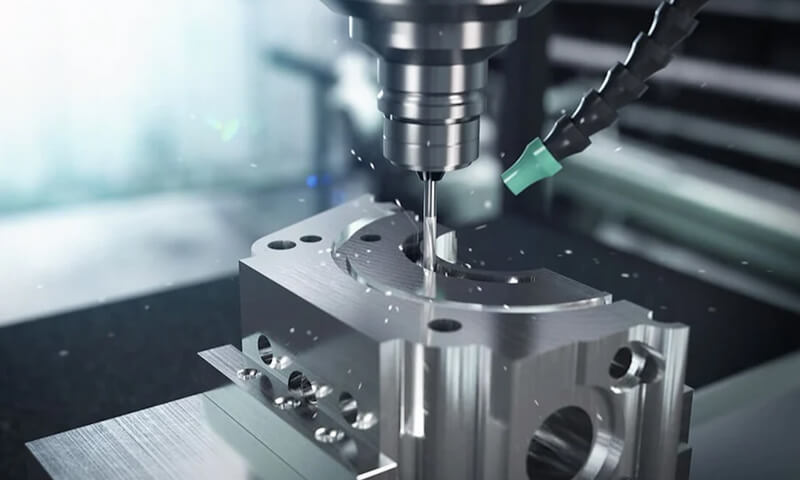
Apdirbimo našumas reiškia anglies plieno pjovimo lengvumą, išgręžtas, ir sumalti, kurį lemia jo kietumas, Tvirtumas, ir mikrostruktūra:
- Vidutinio anglies plieno (Pvz., 45# plienas): Pasižymi geriausiu apdirbimo našumu.
Subalansuotas kietumas ir kietumas sumažina įrankio susidėvėjimą ir užtikrina lygų paviršiaus apdailą, todėl tai yra plačiausiai naudojama medžiaga apdirbamiems komponentams, tokiems kaip velenai ir krumpliaračiai. - Mažai anglies turintis plienas: Dėl didelio plastiškumo apdirbimo metu linkęs prilipti prie pjovimo įrankių, dėl to blogėja paviršiaus apdaila ir padidėja įrankių susidėvėjimas.
Tai galima sumažinti padidinus pjovimo greitį arba naudojant tepamuosius aušinimo skysčius. - Didelės anglies plieno: Atkaitintoje būsenoje, sumažintas jo kietumas pagerina apdirbimo našumą; užgesusioje būsenoje, didelis jo kietumas apsunkina apdirbimą, reikia naudoti dilimui atsparius pjovimo įrankius, tokius kaip cementinis karbidas.
6. Apribojimai ir našumo didinimo metodai
Nepaisant daugybės pranašumų, anglinis plienas turi tam tikrų apribojimų, kurie riboja jo naudojimą tam tikrais atvejais, ir šioms problemoms spręsti buvo sukurti tiksliniai tobulinimo metodai.
Pagrindiniai apribojimai
- Prastas atsparumas korozijai: Kaip minėta anksčiau, anglinis plienas yra linkęs rūdyti daugelyje aplinkų, reikalaujantis paviršiaus apdorojimo arba pakeitimo korozijai atsparesnėmis medžiagomis, kad būtų galima ilgai naudoti atšiauriomis sąlygomis.
- Ribotas stiprumas aukštoje temperatūroje: Jo stiprumas žymiai sumažėja virš 400 ℃, todėl jis netinkamas aukštos temperatūros konstrukciniams komponentams, tokiems kaip reaktyvinio variklio dalys arba aukšto slėgio katilo vamzdžiai.
- Mažas atsparumas dilimui: Grynas anglinis plienas turi santykinai mažą atsparumą dilimui, palyginti su legiruotu plienu arba paviršiuje grūdintomis medžiagomis, riboja jo naudojimą esant dideliam susidėvėjimui be papildomo apdorojimo.
Našumo didinimo metodai
Siekiant prailginti tarnavimo laiką ir išplėsti naudojimo apimtis, naudojami įvairūs metalurgijos ir paviršiaus inžinerijos metodai:
- Paviršiaus grūdinimas: Carburizing, nitridavimas ir indukcinis/lazerinis grūdinimas sukuria tvirtą, dilimui atsparų korpusą (korpuso kietumas iki HRC ~60) su plastiška šerdimi – plačiai taikoma krumpliaračiams, kumšteliai ir velenai.
Azotavimas unikaliai užtikrina kietėjimą žemesnėje temperatūroje su minimaliais iškraipymais. - Legiravimas / mažai legiruoto plieno: Nedideli kontroliuojami Cr priedai, Į, MO, V ir kiti anglinį plieną paverčia mažai legiruotomis rūšimis, kurių grūdinimas yra geresnis, atsparumas aukštai temperatūrai ir padidintas atsparumas korozijai.
Pavyzdys: prie vidutinio anglies pagrindo pridėjus 1–2 % Cr, gaunamas lydinys, kuriame yra Cr (Pvz., 40Kr) pasižymi puikiu kietėjimu ir mechaninėmis savybėmis. - Kompozitinės dangos ir dailylentės: Keraminės termopurškimo dangos, PTFE/epoksidiniai polimeriniai pamušalai, metalinės dangos arba suvirinimo perdangos sujungia anglinio plieno konstrukcinį ekonomiškumą su chemiškai arba tribologiškai atspariu paviršiumi – tai veiksminga cheminio apdorojimo metu, maisto tvarkymas ir korozinis aptarnavimas.
- Paviršiaus apdaila ir mechaninis apdorojimas: Šūvis peening, poliravimas, ir kontroliuojamas paviršiaus šlifavimas sumažina įtampos koncentratorius ir pagerina nuovargio tarnavimo laiką; pasyvinimas ir atitinkamos dengimo sistemos sulėtina korozijos atsiradimą.
7. Tipiški anglinio plieno pramoniniai pritaikymai
Platus anglies plieno savybių apvalkalas, Dėl mažų sąnaudų ir brandžios tiekimo grandinės tai yra numatytoji struktūrinė ir funkcinė medžiaga daugelyje pramonės šakų.
Statybos ir civilinė infrastruktūra
Paraiškos: konstrukcinės sijos ir kolonos, armatūros strypai (armatūra), tilto komponentai, pastatų fasadai, šalto formavimo įrėminimas, kaupimas.
Kodėl anglinis plienas: puikus kainos ir stiprumo santykis, Formavimas, suvirinamumas ir matmenų kontrolė didelės apimties gamybai.
Tipiški pasirinkimai & apdorojimas: mažai anglies turintis plienas arba švelnus plienas (valcuotos plokštės, karšto valcavimo sekcijos, šaltai formuoti profiliai); gamyba pjaustant, suvirinimas ir varžtais; apsauga nuo korozijos cinkuojant, dažymo arba dvipusio dengimo sistemos.
Mašinos, jėgos perdavimo ir sukamoji įranga
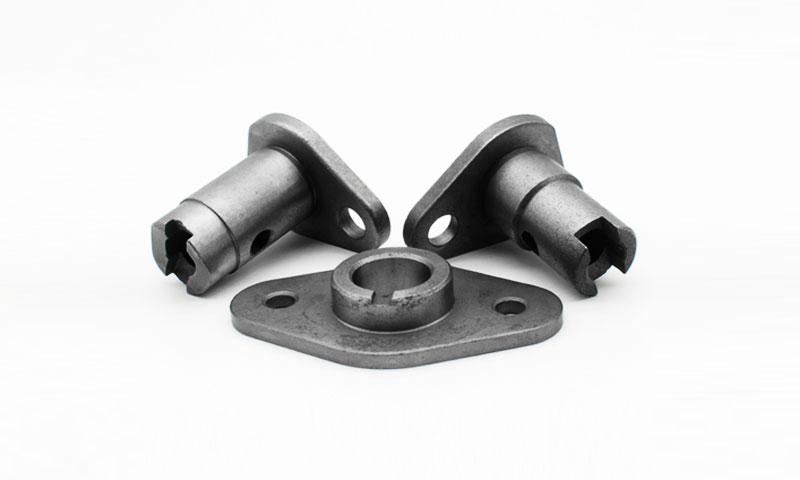
Paraiškos: velenai, pavaros, movos, ašis, alkūniniai velenai, guolių korpusai.
Kodėl anglinis plienas: vidutinės anglies klasės balansinis apdirbimas, stiprumas ir kietumas; gali būti grūdintas paviršiumi, kad būtų atsparus dilimui, išlaikant kietą šerdį.
Tipiški pasirinkimai & apdorojimas: vidutinio anglies plieno (Pvz., 45#/1045 ekvivalentai) užgesintas & grūdintas arba karbonizuotas, tada grūdinamas; precizinis apdirbimas, šlifavimas, šratų šveitimas nuovargio gyvenimo.
Automobiliai ir transportavimas
Paraiškos: važiuoklės komponentai, pakabos dalys, tvirtinimo detalės, kėbulo plokštės (Švelnus plienas), transmisijos ir stabdžių komponentai (termiškai apdorotas vidutinis/daug anglies plienas).
Kodėl anglinis plienas: ekonomiškai efektyvi masinė gamyba, štampuotumas, suvirinamumas ir vietinio grūdinimo pajėgumas.
Tipiški pasirinkimai & apdorojimas: mažai anglies turintis plienas kėbulo plokštėms (šaltai valcuoti, padengtas); vidutinio/daug anglies turintis plienas, skirtas konstrukcinėms ir susidėvinčioms dalims su terminiu apdorojimu; elektrodangos ir galvaninė danga apsaugai nuo korozijos.
Aliejus, dujų ir naftos chemijos pramonė
Paraiškos: vamzdynai, slėgio korpusai, gręžinių įrankių korpusai, gręžimo antkakliai, konstrukcines atramas.
Kodėl anglinis plienas: didelio skersmens vamzdžių ir sunkių konstrukcinių komponentų stiprumas ir ekonomiškumas; lauko gamybos paprastumas.
Tipiški pasirinkimai & apdorojimas: anglinio plieno vamzdynai ir slėginės dalys dažnai yra plakiruotos arba išklotos (nerūdijančio plieno perdanga, polimerinis įdėklas) koroziniame servise; terminis apdorojimas ir kontroliuojama mikrostruktūra, užtikrinanti atsparumą lūžiams šaltame klimate.
Energijos gamyba, katilai ir šilumos perdavimo įranga
Paraiškos: katilų vamzdžiai, Šilumokaičiai, turbinos konstrukcijos komponentai (ne karštas skyrius), atraminės konstrukcijos.
Kodėl anglinis plienas: Didelis šilumos laidumas ir geras pagaminamumas šilumos mainams, kai temperatūra neviršija eksploatavimo ribų.
Tipiški pasirinkimai & apdorojimas: žemas- iki vidutinio anglies plieno vamzdžiams ir atramoms; kur temperatūra arba ėsdinančios terpės viršija ribas, naudoti legiruotą arba nerūdijantį plieną.
Įrankiai, Pjaustymo kraštai, spyruoklės ir susidėvinčios dalys
Paraiškos: Pjovimo įrankiai, kirpimo peiliai, štampai, Spyruoklės, laidas miršta, Dėvėkite plokšteles.
Kodėl anglinis plienas: daug anglies turintis plienas ir įrankių plienas gali pasiekti labai didelį kietumą ir atsparumą dilimui termiškai apdorojant.
Tipiški pasirinkimai & apdorojimas: daug anglies dioksido išskiriančių rūšių (Pvz., T8/T10 arba įrankių plieno atitikmenys) grūdintas ir grūdintas iki reikiamo kietumo; paviršiaus šlifavimas, kriogeninis apdorojimas ir dėvėjimosi kritinių dalių korpuso grūdinimas.
Jūrų ir laivų statyba
Paraiškos: korpuso plokštės, struktūriniai elementai, deniai, jungiamosios detalės ir tvirtinimo detalės.
Kodėl anglinis plienas: ekonomiška konstrukcinė medžiaga, gerai pagaminta ir pataisoma jūroje.
Tipiški pasirinkimai & apdorojimas: žemas- iki vidutinio anglies konstrukcinio plieno; sunkios dangos, katodinė apsauga ir korozijai atsparios dangos yra standartinės.
Atmosferos poveikiui atsparaus plieno arba apsaugotų kompozitų naudojimas, kai reikia ilgų priežiūros intervalų.
Geležinkelis, sunkioji technika ir kasyba
Paraiškos: bėgiai, Ratai, ašis, vežimėliai, ekskavatoriaus strėlės ir kaušai, trupintuvo komponentai.
Kodėl anglinis plienas: didelio stiprumo derinys, kietumas ir gebėjimas būti paviršiuje, kad būtų atsparus dilimui esant ekstremalioms mechaninėms apkrovoms.
Tipiški pasirinkimai & apdorojimas: vidutinis- ir daug anglies turintis plienas su kontroliuojamu terminiu apdorojimu; kontaktinių paviršių indukcija arba paviršiaus grūdinimas.
Vamzdynai, cisternos ir slėginiai indai (nerūdijanti arba apsaugota paslauga)
Paraiškos: vandens ir dujotiekiai, Sandėliavimo rezervuarai, slėgį išlaikantys indai (kai korozija ir temperatūra yra ribose).
Kodėl anglinis plienas: ekonomiškas dideliems kiekiams ir lengvam lauko sujungimui.
Tipiški pasirinkimai & apdorojimas: mažai anglies išskiriančios plokštės ir vamzdžiai su suvirinimo procedūromis, atitinkančiomis reikalavimus; vidiniai pamušalai, dangos arba katodinė apsauga korozijos metu.
Vartojimo prekės, buitinė technika ir bendra gamyba
Paraiškos: kadrai, gaubtai, tvirtinimo detalės, įrankiai, baldai ir buitinė technika.
Kodėl anglinis plienas: mažos išlaidos, formavimo ir apdailos paprastumas, platus lakštinių ir ritinių gaminių prieinamumas.
Tipiški pasirinkimai & apdorojimas: šaltai valcuotas mažai anglies turintis plienas, cinku arba organine danga; štampavimas, gilus piešimas, paplitęs taškinis suvirinimas ir miltelinis dažymas.
Tvirtinimo detalės, armatūra ir techninė įranga
Paraiškos: varžtai, riešutai, varžtai, Smeigtukai, vyriai ir konstrukcinės jungtys.
Kodėl anglinis plienas: gebėjimas formuoti šaltuoju būdu, termiškai apdorotas ir padengtas; nuspėjamas veikimas išankstinės apkrovos ir nuovargio sąlygomis.
Tipiški pasirinkimai & apdorojimas: vidutinio anglies ir legiruoto anglies plieno, skirto didelio stiprumo tvirtinimo detalėms (užgesintas & grūdintas); galvanizavimas, fosfatas plius aliejus arba karštasis cinkavimas apsaugai nuo korozijos.
Nauji ir specializuoti naudojimo būdai
Paraiškos & tendencijas: konstrukcinių dalių priedų gamyba (miltelių lova ir vielos lanko danga), hibridinės struktūros (plieno kompozito laminatai), strateginis plakiruoto arba iškloto anglinio plieno naudojimas brangesniems lydiniams pakeisti.
Kodėl anglinis plienas: medžiagų ekonomika ir prisitaikymas skatina hibridizaciją (plieninis pagrindas su inžineriniu paviršiumi) ir beveik tinklo formos gamybos pritaikymas.
8. Išvada
Anglies plienas išlieka viena iš plačiausiai naudojamų metalinių medžiagų šiuolaikinėje pramonėje dėl savo derinio ekonominis efektyvumas, reguliuojamos mechaninės savybės, ir puikus apdirbamumas.
Jo veikimą pirmiausia valdo Anglies kiekis, Mikrostruktūra, ir mikroelementų sudėtį, kurias galima toliau optimizuoti terminis apdorojimas (atkaitinimas, gesinimas, grūdinimas, arba normalizuojant) ir paviršiaus inžinerija (dangos, dengimas, apkala, arba legiravimas).
Nuo a mechaninė perspektyva, anglinis plienas apima platų spektrą: mažai anglies dioksido į aplinką išskiriančios rūšys pasižymi dideliu lankstumu, Formavimas, ir suvirinamumas; vidutinio anglies plienas užtikrina stiprumo balansą, Tvirtumas, ir apdirbamumą; daug anglies turintis plienas išsiskiria kietumu, atsparumas nusidėvėjimui, ir nuovargio veikimas.
Be mechaninio veikimo, anglinis plienas turi funkcinių savybių, tokių kaip Šilumos laidumas, matmenų stabilumas, ir elektros laidumas, nors jo atsparumas korozijai ir stiprumas aukštoje temperatūroje yra riboti, palyginti su legiruoto plieno ar nerūdijančio plieno.
Pramoninis universalumas yra esminis anglinio plieno bruožas. Jo taikymo sritis yra nuo statybos ir automobilių komponentai į Mašinos, energija, Vamzdynai, ir dilimui atsparūs įrankiai, atspindi jo gebėjimą prisitaikyti prie įvairių mechaninių ir aplinkosaugos reikalavimų.
Korozijos apribojimai, dėvėti, ir gali būti sumažintas veikimas aukštoje temperatūroje paviršiaus grūdinimas, legiravimo, apsauginės dangos, ir hibridinės arba plakiruotos sistemos, anglinio plieno konkurencingumas net ir sudėtingomis sąlygomis.
DUK
Kaip anglies kiekis įtakoja anglinio plieno savybes?
Anglis padidina kietumą, tempimo stiprumas, ir atsparumas dėvėjimams, tačiau sumažina lankstumą ir atsparumą smūgiams.
Mažai anglies turintis plienas yra labai formuojamas; vidutinio anglies plienas subalansuoja stiprumą ir lankstumą; daug anglies turintis plienas yra kietas ir atsparus dilimui, bet trapus.
Ar anglinis plienas gali pakeisti nerūdijantį plieną?
Anglies plienas iš prigimties nėra atsparus korozijai, kaip nerūdijantis plienas.
Jis gali pakeisti nerūdijantį plieną nekorozinėje aplinkoje arba kai paviršius apsaugotas (dangos, dengimas, arba apkala) yra taikomas. Labai korozinėje aplinkoje, pageidautina nerūdijantis plienas arba legiruotasis plienas.
Ar anglinis plienas tinkamas naudoti aukštoje temperatūroje?
Mažai anglies turintis plienas gali būti naudojamas nuolat iki ~425 ℃, vidutinio anglies plieno iki ~350 ℃, ir daug anglies turinčio plieno iki ~300 ℃. Temperatūroms, viršijančioms šias ribas, rekomenduojamas legiruotasis arba karščiui atsparus plienas.
Kaip anglinis plienas apsaugotas nuo korozijos?
Įprasti metodai apima karštąjį cinkavimą, galvanizavimas, Tapyba, fosfatavimas, polimerinių arba keraminių dangų dengimas, arba naudojant mažai legiruoto arba nerūdijančio plieno dengtas alternatyvas atšiaurioms aplinkoms.