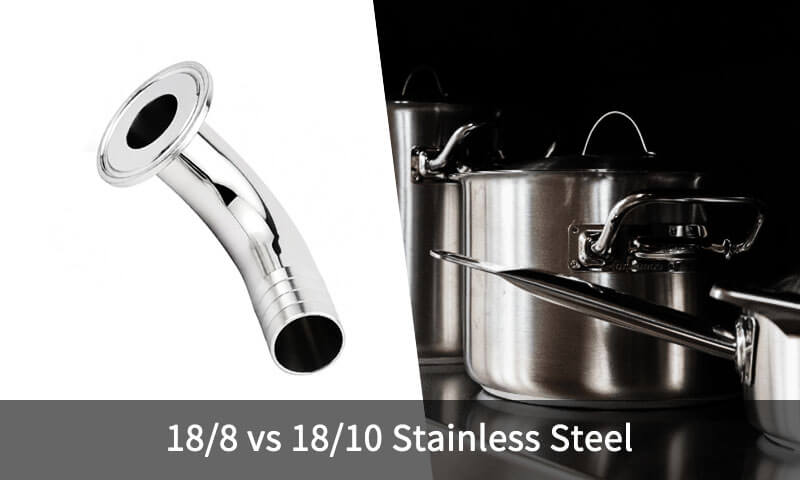
Užeikite į bet kurią virtuvės reikmenų parduotuvę, ir ant puodų pamatysite etiketes su užrašu „18/8 Stainless Steel“ arba „18/10 Stainless Steel“, keptuvės, stalo įrankiai, ir virtuvės reikmenys.
Šie skaičiai yra daugiau nei rinkodaros žargonas – jie atspindi nerūdijančio plieno cheminę sudėtį ir tiesiogiai įtakoja jo veikimą., patvarumas, ir gatavo produkto atsparumas korozijai.
Šiame straipsnyje pateikiama visapusiška, griežtas palyginimas 18/8 ir 18/10 Nerūdijantis plienas.
Išnagrinėsime jų apibrėžimus, cheminės kompozicijos, veikimo charakteristikos, paraiškos, sąnaudų pasekmės, ir kaip iš jų pasirinkti.
1. Kas yra 18/8 Nerūdijantis plienas?
18-8 Nerūdijantis plienas yra austenitinis nerūdijančio plieno lydinys, kuriame yra maždaug 18% chromo ir 8% nikelio pagal svorį.
Pavadinimas „18/8“ reiškia apytikslę lydinio sudėtį, o ne oficialų tarptautinį medžiagos pavadinimą.
Daugeliu atvejų, 18/8 nerūdijantis plienas labai atitinka 304 Nerūdijantis plienas, viena iš plačiausiai naudojamų nerūdijančio plieno rūšių visame pasaulyje.
Pagrindinė struktūra 18/8 nerūdijantis plienas daugiausia susideda iš geležies, su chromu ir nikeliu kaip pagrindiniais legiravimo elementais.
Chromas suteikia atsparumą korozijai, sudarydamas ploną, stabilus chromo oksido pasyvus sluoksnis ant paviršiaus, nikelis stabilizuoja austenitinę mikrostruktūrą ir pagerina kietumą, ausmingumas, ir atsparumas cheminiam poveikiui.
Derinys maždaug 18% chromo ir 8% nikelis sukuria subalansuotą medžiagą, pasižyminčią puikiomis bendromis savybėmis, todėl jis tinkamas naudoti bendrosios paskirties, kur atsparumas korozijai, stiprybė, ir įperkamumas yra vienodai svarbūs.
Pagrindiniai identifikatoriai:
- AISI klasė: 304
- JAV: S30400
- Į: 1.4301
- Bendras pavadinimas: 18/8 Nerūdijantis plienas
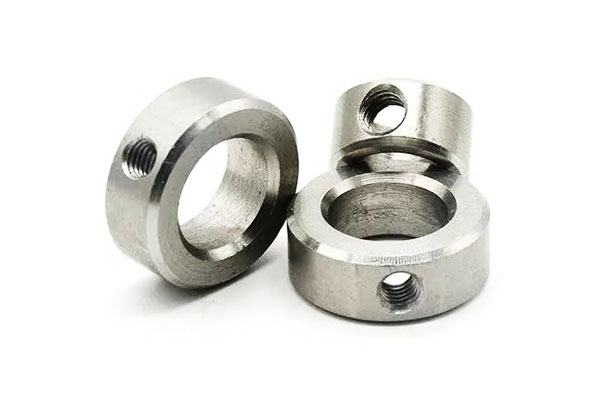
Savybės 18/8 Nerūdijantis plienas
- Puikus atsparumas korozijai bendromis sąlygomis
Chromo turtingas pasyvus sluoksnis užtikrina patikimą apsaugą nuo atmosferinės korozijos, drėgmės, maisto rūgštys, ir daug buitinės chemijos. - Austenitinė mikrostruktūra, pasižyminti dideliu kietumu
Stabilus į veidą orientuotas kubas (FCC) struktūra leidžia 18/8 nerūdijančio plieno, kad išlaikytų gerą atsparumą smūgiams ir lankstumą net esant žemai temperatūrai. - Puikus formavimas ir suvirinamumas
18/8 nerūdijantis plienas gali būti lengvai apdorojamas štampuojant, lenkimas, gilus piešimas, suvirinimas, ir apdirbimas, todėl tinka sudėtingų komponentų gamybai. - Neakytas ir higieniškas paviršius
Tankus metalinis paviršius apsaugo nuo bakterijų kaupimosi ir leidžia lengvai valyti, todėl idealiai tinka naudoti su maistu ir sanitarinėms reikmėms. - Geras stiprumo ir kainos balansas
Jis užtikrina aukštos kokybės nerūdijančio plieno savybes, išlaikant palyginti ekonomišką kainą, palyginti su aukštesnio lydinio rūšimis.. - Geras atsparumas oksidacijai aukštesnėje temperatūroje
Jis gali atlaikyti vidutiniškai aukštą temperatūrą, išlaikant konstrukcijos stabilumą, nors ekstremalioms sąlygoms reikalingi specializuoti aukštos temperatūros lydiniai.
Apribojimai 18/8 Nerūdijantis plienas
- Mažesnis atsparumas chlorido aplinkai, palyginti su 316 Nerūdijantis plienas
Jūros vandenyje, jūrinės atmosferos, ir chlorido turinčios cheminės medžiagos, 18/8 nerūdijantis plienas gali patirti vietinę koroziją, pvz., taškinę ar plyšių koroziją. - Šiek tiek mažesnis atsparumas korozijai nei 18/10 Nerūdijantis plienas
Sumažintas nikelio kiekis suteikia šiek tiek mažesnę apsaugą agresyvioje cheminėje aplinkoje. - Atšiauriomis sąlygomis gali prireikti paviršiaus priežiūros
Nors atsparus korozijai, užteršimas, druskos nuosėdos, arba cheminis poveikis laikui bėgant gali paveikti paviršiaus išvaizdą. - Netinka labai korozinėms reikmėms
Cheminis apdorojimas, ofšorinė įranga, ir farmacinei aplinkai, kuriai reikalingas ypatingas atsparumas korozijai, gali prireikti didesnio legiruoto nerūdijančio plieno, pvz 316 arba dvipusis nerūdijantis plienas.
Paraiškos 18/8 Nerūdijantis plienas
18/8 nerūdijantis plienas yra plačiai naudojamas, nes jis užtikrina patikimą veikimą už priimtiną kainą.
Įprastos programos apima:
- Virtuvės ir buities prekės
Virtuvės indai, kriauklės, indai, maisto konteineriai, prietaisai, ir saugojimo įranga. - Maisto ir gėrimų įranga
Apdorojimo mašinos, cisternos, vamzdynų sistemos, ir sanitarinius komponentus. - Pramoniniai komponentai
Mašinų rėmai, tvirtinimo detalės, skliaustai, Šilumokaičiai, vožtuvai, ir bendrosios paskirties įranga. - Architektūrinės programos
Turėklai, dekoratyvinės konstrukcijos, interjero komponentai, ir statybinė įranga. - Automobilių ir transporto komponentai
Išmetimo komponentai, Trims, skliaustai, ir konstrukcines dalis, kurioms reikalingas atsparumas korozijai. - Tikslios gamybos ir liejimo programos
Nerūdijančio plieno preciziniai liejiniai, investiciniai liejiniai komponentai, ir sudėtingos pramoninės dalys.
2. Kas yra 18/10 Nerūdijantis plienas?
18-10 nerūdijantis plienas yra austenitinis nerūdijančio plieno lydinys, kuriame yra maždaug 18% chromo ir 10% Nikelis.
Palyginti su 18/8 Nerūdijantis plienas, pagrindinis skirtumas yra didesnis nikelio kiekis.
Patinka 18/8 Nerūdijantis plienas, 18/10 nerūdijantis plienas yra glaudžiai susijęs su 304 nerūdijančio plieno šeima.
Papildomas nikelis pagerina austenitinės struktūros stabilumą ir pagerina keletą eksploatacinių savybių, įskaitant atsparumą korozijai, Tvirtumas, Paviršiaus kokybė, ir ilgalaikis patvarumas.
Dėl savo aukščiausios išvaizdos ir patobulintų atsparumo savybių, 18/10 nerūdijantis plienas dažnai naudojamas aukštos kokybės induose, prabangūs indai, Maisto perdirbimo įranga, ir taikomosios programos, kuriose svarbu ir estetika, ir našumas.
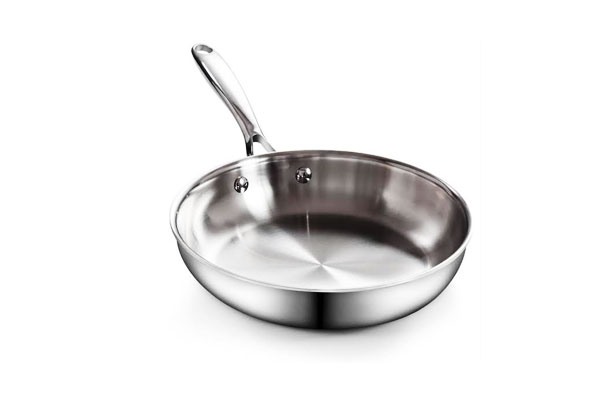
Savybės 18/10 Nerūdijantis plienas
- Padidintas atsparumas korozijai
Didesnis nikelio kiekis pagerina atsparumą oksidacijai, dažymas, ir cheminis poveikis, ypač drėgnoje arba silpnai agresyvioje aplinkoje. - Aukščiausia paviršiaus apdaila ir išvaizda
18/10 nerūdijantis plienas sukuria ryškesnį, sklandžiau, ir labiau atspindintis paviršius po poliravimo, todėl pirmenybė teikiama aukščiausios kokybės produktams. - Puikus tvirtumas ir struktūrinis stabilumas
Padidėjęs nikelio kiekis sustiprina austenitinę fazę, pagerinti atsparumą smūgiams ir mechaniniams įtempiams. - Puikus atsparumas pasikartojantiems valymo ciklams
Dažnai plaunant išlaiko paviršiaus vientisumą, sterilizacija, ir ploviklių poveikis. - Puikus higienos našumas
Tankus, lygus paviršius sumažina užteršimo riziką ir palaiko griežtus sanitarijos reikalavimus. - Puikios gamybos savybės
Patinka 18/8 Nerūdijantis plienas, jį galima suvirinti, susiformavo, antspauduotas, ir apdirbami efektyviai.
Apribojimai 18/10 Nerūdijantis plienas
- Didesnė medžiagų kaina
Padidėjęs nikelio kiekis žymiai padidina žaliavų sąnaudas, palyginti su 18/8 Nerūdijantis plienas. - Įprastoje aplinkoje našumo gerinimas gali būti ribotas
Skirtas bendram buitiniam ir pramoniniam naudojimui, skirtumas tarp 18/8 ir 18/10 gali nepateisinti papildomų išlaidų. - Netinka ekstremalioms chlorido aplinkoms
Nors atsparesnis korozijai nei 18/8, ji vis tiek negali pakeisti specializuotų klasių, tokių kaip 316 nerūdijantis plienas jūrų ar chemijos reikmėms. - Didesnis jautrumas lydinio kainos svyravimams
Kadangi nikelio kainos pasaulinėse rinkose labai skiriasi, 18/10 nerūdijančio plieno kainos gali svyruoti labiau nei alternatyvų, kurių sudėtyje yra mažiau nikelio.
Paraiškos 18/10 Nerūdijantis plienas
18/10 nerūdijantis plienas dažniausiai pasirenkamas toms reikmėms, kuriose yra našumo, išvaizda, ir higienos reikalavimai aukštesni.
Įprastos programos apima:
- Aukščiausios kokybės virtuvės ir stalo reikmenys
Aukščiausios klasės puodai, keptuvės, stalo įrankiai, aptarnaujanti įranga, ir virtuvės gaminiai. - Maisto perdirbimo įranga
Sandėliavimo indai, sanitariniai vamzdynai, perdirbimo mašinos, ir komercinės virtuvės sistemos. - Medicinos ir farmacijos įranga
Komponentai, kuriems reikia švarių paviršių, atsparumas korozijai, ir lengva sterilizuoti. - Architektūrinės ir dekoratyvinės programos
Prabangios interjero konstrukcijos, dekoratyvinės plokštės, turėklai, ir aukščiausios kokybės apdaila. - Tikslūs nerūdijančio plieno liejiniai
Siurblio komponentai, vožtuvo kūnai, instrumentų dalys, ir sudėtingi pramoniniai komponentai, kuriems reikalinga puiki paviršiaus kokybė. - Laboratorinė ir švarių patalpų įranga
Darbiniai paviršiai, korpusai, ir įrangos rėmai, kur užterštumo kontrolė yra labai svarbi.
3. Cheminė sudėtis: 18/8 ir 18/10 Nerūdijantis plienas
Veikimo skirtumai tarp 18/8 ir 18/10 nerūdijantis plienas pirmiausia atsiranda dėl jų lydinio sudėties, ypač nikelio kiekio skirtumas.
Abi medžiagos priklauso austenitinio nerūdijančio plieno šeima, būdingas į veidą nukreiptas kubas (FCC) kristalinė struktūra, užtikrinanti puikų atsparumą korozijai, Tvirtumas, ir formavimas.
Nors pavadinimai „18/8“ ir „18/10“ plačiai naudojami komercinėse rinkose, jie atspindi apytikslius lydinio procentus, o ne formalias metalurgines klasifikacijas.
Daugeliu atvejų, abi medžiagos yra glaudžiai susijusios AISI 304 Nerūdijantis plienas, pagrindinis skirtumas yra į lydinį pridėto nikelio kiekis.
| Elementas | 18/8 Nerūdijantis plienas | 18/10 Nerūdijantis plienas | Funkcinis vaidmuo |
| Chromas (Kr) | Maždaug 18% | Maždaug 18% | Sudaro pasyvią chromo oksido plėvelę, kuri užtikrina atsparumą korozijai |
| Nikelis (Į) | Maždaug 8% | Maždaug 10% | Stabilizuoja austenitinę struktūrą ir pagerina kietumą, atsparumas korozijai, ir paviršiaus kokybė |
| Anglies (C) | Paprastai ≤0,08 % | Paprastai ≤0,08 % | Valdo jėgą, kietumas, ir suvirinamumas |
| Lygintuvas (Fe) | Pusiausvyra | Pusiausvyra | Pirminė struktūrinė matrica |
| Kiti elementai | Nedideli kiekiai Mn, Ir, P, S | Nedideli kiekiai Mn, Ir, P, S | Pagerinkite apdorojimo našumą ir lydinio stabilumą |
Nikelio vaidmuo: Pagrindinis skirtumas tarp 18/8 ir 18/10
Nikelis yra pagrindinis skiriantis veiksnys 18/8 nuo 18/10 Nerūdijantis plienas.
Nors skirtumas yra tik apie 2 procentiniais punktais, nikelis turi didelę įtaką nerūdijančio plieno savybėms.
Pagrindinės nikelio funkcijos apima:
- Austenitinės kristalų struktūros stabilizavimas kambario ir žemoje temperatūroje.
- Pagerina lankstumą ir kietumą.
- Atsparumo cheminei korozijai didinimas.
- Pagerina paviršiaus ryškumą ir poliravimą.
- Didinamas atsparumas įtempių korozijos įtrūkimams tam tikromis sąlygomis.
Į 18/10 Nerūdijantis plienas, papildomas nikelio kiekis suteikia stabilesnę austenitinę struktūrą ir šiek tiek pagerina atsparumą dėmėms, rūgštinė aplinka, ir pakartotiniai valymo ciklai.
Tačiau, skirtumą reikia suprasti teisingai.
Papildomas nikelis nevirsta 18/10 nerūdijančio plieno į visiškai kitą medžiagų kategoriją. Vietoj, tai suteikia laipsniškų patobulinimų, kurie tampa vertingi aukščiausios kokybės programose, kur svarbu ilgalaikė išvaizda ir ilgaamžiškumas.
4. Našumo palyginimas: 18/8 vs 18/10 Nerūdijantis plienas
Nors 18/8 ir 18/10 nerūdijantis plienas turi daug panašumų, nikelio kiekio skirtumas sukuria išmatuojamus skirtumus tam tikrose veiklos srityse.
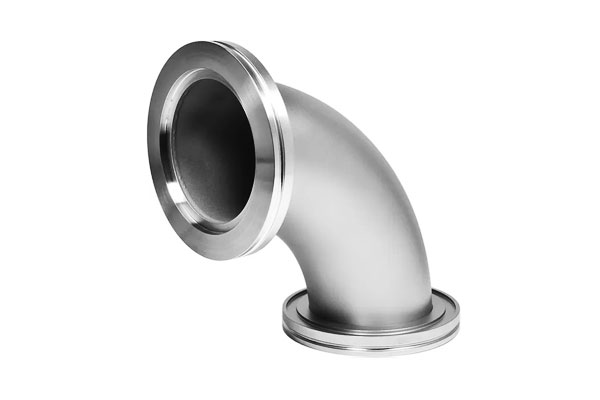
Atsparumas korozijai
Atsparumas korozijai yra vienas iš svarbiausių veiksnių renkantis nerūdijantį plieną.
Abu 18/8 ir 18/10 nerūdijantis plienas puikiai apsaugo nuo atmosferinės korozijos, nes abiejuose yra pakankamai chromo, kad susidarytų stabili pasyvioji oksido plėvelė.
Įprastoje aplinkoje, įskaitant patalpų pritaikymą, gėlo vandens poveikis, sąlytis su maistu, ir bendram pramoniniam naudojimui, Atsparumo korozijai skirtumas tarp dviejų medžiagų yra palyginti mažas.
Abi gali išlaikyti ilgą tarnavimo laiką be apsauginių dangų.
Tačiau, didesnis nikelio kiekis 18/10 nerūdijantis plienas suteikia papildomo stabilumo sudėtingesnėmis sąlygomis.
Nikelis pagerina atsparumą tam tikroms rūgštinėms medžiagoms, organiniai junginiai, ir pakartotinis valymo cheminių medžiagų poveikis.
Tai daro 18/10 nerūdijantis plienas, ypač naudingas tokioms reikmėms kaip aukščiausios kokybės virtuvės reikmenys, Maisto perdirbimo įranga, ir sanitarines sistemas.
| Aplinka | 18/8 Nerūdijantis plienas | 18/10 Nerūdijantis plienas |
| Vidinė atmosfera | Puiku | Puiku |
| Gėlo vandens aplinka | Puiku | Puiku |
| Aplikacijos sąlyčiui su maistu | Puiku | Puiku |
| Rūgščių maisto produktų poveikis | Labai gerai | Šiek tiek geriau |
| Dažnas valymas plovikliu | Labai gerai | Geriau |
| Druskos purškimo aplinka | Nuo vidutinio iki gero | Gerai |
| Jūrinė ar chloridų turtinga aplinka | Ribotas | Ribotas (316 rekomenduojama) |
Patvarumas ir mechaninis veikimas
Abu 18/8 ir 18/10 nerūdijantis plienas priklauso austenitinio nerūdijančio plieno šeimai ir paprastai atitinka AISI 304 tipo nerūdijančio plieno kompozicijos.
Jų mechanines charakteristikas pirmiausia lemia austenitinė mikrostruktūra, šalta darbo būklė, grūdelių dydis, ir gamybos procesą, o ne vien nikelio kiekį.
Šioje lentelėje pateikiami tipiniai atkaitinto mechaninių savybių diapazonai 18/8 ir 18/10 Nerūdijantis plienas.
| Mechaninė savybė | 18/8 Nerūdijantis plienas (Tipiškas AISI 304) | 18/10 Nerūdijantis plienas (Premium 304 tipas) | Inžinerinė reikšmė |
| Tempimo stiprumas | 515–650 MPa | 520– 680 MPa | Nurodo atsparumą traukimo jėgai ir konstrukcijos gedimą |
| Derlumo stiprumas (0.2% poslinkis) | ≥205 MPa | 210– 250 MPa | Nurodo apkrovą prieš nuolatinę deformaciją |
| Pailgėjimas pertraukos metu | 40–60 proc. | 45–60 proc. | Nurodo puikų lankstumą ir formavimo galimybes |
| Ploto sumažinimas | 60–70 proc. | 60–75 proc. | Atspindi atsparumą lūžiams deformacijos metu |
| Brinelio kietumas (Hb) | 123–201 HB | 130-210 HB | Nurodo atsparumą įspaudimui ir nusidėvėjimui |
Rokvelo kietumas |
HRB 70-95 | HRB 75-95 | Tinka bendriems konstrukciniams ir pagamintiems komponentams |
| Tamprumo modulis | 193 GPA | 193 GPA | Apibrėžia standumą esant elastinei apkrovai |
| Atsparumas smūgiams kambario temperatūroje | >100 J (Charpy V-Notch, tipiškas) | >120 J (Charpy V-Notch, tipiškas) | Parodo puikų atsparumą staigiems smūgiams |
| Nuovargio stiprumas (10⁷ ciklai, apytikslis) | 240– 260 MPa | 250– 280 MPa | Nustato ilgalaikį patvarumą esant ciklinei apkrovai |
| Tankis | 7.90–8,00 g/cm³ | 7.90–8,00 g/cm³ | Nurodo panašias svorio charakteristikas |
Atsparumas karščiui ir šiluminis našumas
Austenitiniai nerūdijantys plienai yra plačiai naudojami aukštesnėse temperatūrose, nes jie išlaiko mechaninį stabilumą geriau nei daugelis anglinio plieno.
Abu 18/8 ir 18/10 nerūdijantis plienas suteikia:
- Geras atsparumas oksidacijai.
- Stabilios mechaninės savybės esant vidutiniškai aukštai temperatūrai.
- Atsparumas šiluminiam ciklui.
- Maža trapių gedimų rizika temperatūros pokyčių metu.
Kuo didesnis nikelio kiekis 18/10 nerūdijantis plienas pagerina fazės stabilumą aukštesnėje temperatūroje, leidžiantis patikimiau išlaikyti austenitinę struktūrą esant šiluminiam įtempimui.
| Veiklos aspektas | 18/8 Nerūdijantis plienas | 18/10 Nerūdijantis plienas |
| Atsparumas oksidacijai | Puiku | Šiek tiek geriau |
| Atsparumas šiluminiam dviračiui | Labai gerai | Puiku |
| Aukštos temperatūros konstrukcijos stabilumas | Gerai | Šiek tiek patobulinta |
| Namų ruošimo temperatūra | Puiku | Puiku |
| Taikymas ypač aukštoje temperatūroje | Ribotas | Ribotas (reikalingi specialūs lydiniai) |
Normaliems indams, maisto įranga, ir buitinėms reikmėms, šilumos atsparumo skirtumas tarp dviejų klasių yra minimalus.
Tačiau, pramoninėje aplinkoje, kuriai būdingas ilgalaikis terminis poveikis, 18/10 nerūdijantis plienas gali užtikrinti didesnį patikimumą.
Paviršiaus išvaizda ir apdailos kokybė
Paviršiaus išvaizda yra viena sritis, kurioje skiriasi 18/8 ir 18/10 nerūdijantis plienas tampa labiau pastebimas.
Nikelis pagerina nerūdijančio plieno gebėjimą pasiekti lygumą, šviesus, ir atspindinti apdaila po poliravimo.
Dėl to, 18/10 nerūdijantis plienas dažnai pasirenkamas aukščiausios kokybės gaminiams, kur išvaizda yra pagrindinis pardavimo taškas.
18/10 nerūdijantis plienas paprastai suteikia:
- Didesnis paviršiaus ryškumas po poliravimo.
- Geresnis atsparumas spalvos pasikeitimui.
- Labiau rafinuota metalinė išvaizda.
- Pagerintas dekoratyvinės apdailos išlaikymas.
| Paviršiaus charakteristika | 18/8 Nerūdijantis plienas | 18/10 Nerūdijantis plienas |
| Natūralaus metalo išvaizda | Gerai | Puiku |
| Poliravimo našumas | Labai gerai | Viršininkas |
| Blizgesio išlaikymas | Gerai | Geriau |
| Atsparumas paviršiaus dėmėms | Labai gerai | Puiku |
| Aukščiausios kokybės dekoratyvi išvaizda | Gerai | Pageidautina |
Štai kodėl daugelis aukščiausios klasės virtuvės reikmenų gamintojų, prabangių indų gamintojų, o architektūros dizaineriai teikia pirmenybę 18/10 nerūdijančio plieno, kai vizualinė kokybė yra tokia pat svarbi kaip mechaninės savybės.
5. 18/8 vs 18/10 Nerūdijantis plienas maisto ir virtuvės reikmėms
Maisto ir virtuvės reikmenys yra viena didžiausių nerūdijančio plieno vartotojų rinkų.
Atsparumo korozijai derinys, higiena, patvarumas, Dėl estetinio patrauklumo austenitinis nerūdijantis plienas yra tinkamiausia virtuvės reikmenų medžiaga, stalo įrankiai, kriauklės, maisto konteineriai, ir komercinė virtuvės įranga.
Maisto sauga ir higiena
Maisto saugos požiūriu, tiek 18/8 ir 18/10 nerūdijantis plienas užtikrina puikų našumą.
Jų paviršiai tankūs, neakytas, ir atsparus bakterijų kaupimuisi, todėl jie tinka tiesioginiam sąlyčiui su maistu.
Pasyvus chromo oksido sluoksnis neleidžia metalo jonams lengvai migruoti į maistą, o lygus nerūdijančio plieno paviršius leidžia efektyviai valyti ir sterilizuoti.
Štai kodėl abi rūšys dažniausiai naudojamos maisto perdirbimo įrangoje ir buitiniuose induose.
Skirtumas tarp dviejų klasių daugiausia susijęs su ilgaamžiškumu pakartotinio cheminio poveikio metu, o ne su pagrindine maisto sauga.
18/10 Nerūdijantis plienas, su didesniu nikelio kiekiu, suteikia šiek tiek geresnį atsparumą:
- Rūgštus maistas, pavyzdžiui, pomidorai, citrusiniai vaisiai, ir acto pagrindu pagaminti padažai.
- Pakartotinis ploviklių ir indaplovės ciklų poveikis.
- Paviršiaus dėmės, kurias sukelia mineralai ir maisto likučiai.
- Ilgalaikės poliravimo ir valymo operacijos.
Normaliam namų ruošimui, praktinis skirtumas dažnai yra nedidelis.
Tačiau, profesionaliose virtuvėse, kur įranga valoma šimtus ar tūkstančius kartų per metus, pagerintas stabilumas 18/10 nerūdijantis plienas tampa vertingesnis.
Virtuvės indų našumas: Šilumos paskirstymas, Patvarumas, ir Išvaizda
Į virtuvės reikmenys Gamyba, nerūdijantis plienas paprastai derinamas su aliuminio arba vario sluoksniais, siekiant pagerinti šilumos laidumą, nes pats nerūdijantis plienas turi santykinai mažą šilumos laidumą.
Nerūdijančio plieno sluoksnis suteikia:
- Atsparumas korozijai.
- Struktūrinis stiprumas.
- Maisto sąlyčio sauga.
- Paviršiaus ilgaamžiškumas.
Skirtumas tarp 18/8 ir 18/10 virtuvės reikmenys daugiausia priklauso nuo paviršiaus kokybės ir ilgalaikės išvaizdos.
| Našumo faktorius | 18/8 Nerūdijančio plieno indai | 18/10 Nerūdijančio plieno indai |
| Maisto sauga | Puiku | Puiku |
| Atsparumas dėmėms | Labai gerai | Puiku |
| Atsparumas rūgštiems maisto produktams | Labai gerai | Puiku |
| Indaplovės ilgaamžiškumas | Gerai – puikiai | Puiku |
| Paviršiaus ryškumas | Gerai | Viršininkas |
| Atsparumas įbrėžimams | Gerai | Šiek tiek geriau |
| Aukščiausios kokybės išvaizdos išlaikymas | Gerai | Puiku |
| Medžiagos kaina | Žemiau | Aukštesnis |
Aukštos klasės virtuvės reikmenų gamintojai dažnai pasirenka 18/10 nerūdijančio plieno, nes vartotojams jis asocijuojasi su aukščiausios kokybės kokybe, poliruota išvaizda, ir ilgas tarnavimo gyvenimas.
Stalo įrankių ir stalo įrankių programos
Stalo įrankiai yra viena iš labiausiai atpažįstamų programų, kuriose skiriasi 18/8 ir 18/10 nerūdijantis plienas tampa pastebimas.
Dėl peilių, šakės, šaukštai, ir serviravimo indai, išvaizda ir atsparumas korozijai yra labai svarbūs, nes šie gaminiai dažnai plaunami, veikiami druskos, ir tvarkomi kasdien.
18/10 nerūdijantis plienas dažnai pasirenkamas aukščiausios kokybės stalo reikmenims, nes jis siūlo:
- Ryškesnis ir labiau atspindintis poliruotas paviršius.
- Geresnis atsparumas vandens dėmėms ir spalvos pasikeitimui.
- Pagerintas atsparumas ilgalaikiam indaplovės poveikiui.
- Prabangesnė išvaizda.
18/8 nerūdijantis plienas išlieka praktiškas pasirinkimas restoranams, institucinės virtuvės, ir namų apyvokos gaminiams, kur svarbus ekonomiškumas.
Komercinė maisto perdirbimo įranga
Komercinėje maisto gamybos aplinkoje, nerūdijantis plienas turi atlaikyti nuolatinį drėgmės poveikį, valymo chemikalai, temperatūros pokyčiai, ir mechaninis įtempis.
Abu 18/8 ir 18/10 nerūdijantis plienas yra plačiai naudojamas:
- Sandėliavimo talpyklos.
- Maisto ruošimo paviršiai.
- Konvejeriai.
- Maišymo įranga.
- Vamzdynų sistemos.
- Komercinė virtuvės technika.
Tačiau, 18/10 nerūdijantis plienas dažnai pasirenkamas aukščiausios kokybės sanitarinei įrangai, kurios išvaizda ir atsparumas korozijai turi išlikti stabilūs dešimtmečius.
Agresyvesnėms maisto perdirbimo aplinkoms, kuriose naudojami druskos tirpalai, Chloridai, arba stiprių cheminių medžiagų, neigi 18/8 nei 18/10 gali pakakti. Tokiais atvejais, 316 nerūdijančio plieno, kurio sudėtyje yra molibdeno paprastai rekomenduojama.
6. Išlaidų palyginimas: Is 18/10 Verta Papildomos Kainos?
Kainų skirtumas tarp 18/8 ir 18/10 nerūdijantis plienas daugiausia gaunamas dėl papildomo nikelio kiekio.
Nikelis yra brangus legiravimo elementas, ir nikelio kiekio padidėjimas nuo maždaug 8% į 10% gali pastebimai padidinti žaliavų sąnaudas.
Tačiau, ar didesnė kaina 18/10 nerūdijančio plieno pateisinimas labai priklauso nuo taikymo.
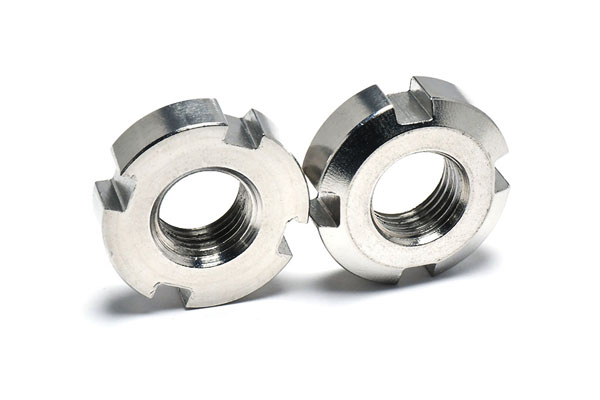
Medžiagų kainų skirtumas
Įprastos rinkos sąlygos tai rodo 18/10 nerūdijančio plieno gaminiai gali kainuoti maždaug 5-20% daugiau nei palyginama 18/8 produktai, priklausomai nuo gaminio tipo, gamybos procesas, prekės ženklo pozicionavimas, ir nikelio kainos svyravimai.
| Kaštų faktorius | 18/8 Nerūdijantis plienas | 18/10 Nerūdijantis plienas |
| Nikelio kiekis | ~8 % | ~10% |
| Žaliavos kaina | Žemiau | Aukštesnis |
| Gamybos savikaina | Panašus | Šiek tiek aukščiau |
| Produkto pozicionavimas | Standartinis iki aukščiausios kokybės | Premija |
| Pradinė pirkimo kaina | Ekonomiškesnis | Brangiau |
Skirtumas paprastai labiau pastebimas vartojimo gaminiuose, tokiuose kaip virtuvės reikmenys ir stalo reikmenys, nei pramoniniuose komponentuose, kur dominuoja apdorojimo ir apdirbimo išlaidos.
Gyvenimo ciklo sąnaudų įvertinimas
Nors 18/10 nerūdijančio plieno pradinė kaina yra didesnė, pagerintas paviršiaus stabilumas gali sumažinti ilgalaikes pakeitimo ir priežiūros išlaidas.
Pavyzdžiui:
- Aukščiausios kokybės virtuvės reikmenys gali išlikti vizualiai patrauklūs dešimtmečius.
- Komercinę virtuvės įrangą gali reikėti keisti mažiau.
- Dekoratyviniai nerūdijančio plieno komponentai ilgiau išlaiko išvaizdą.
- Didelės švaros aplinką lengva prižiūrėti.
Todėl, tikroji ekonominė vertė turėtų būti vertinama remiantis Bendra gyvenimo ciklo kaina, ne tik pirkimo kaina.
Pigesnė medžiaga, kurią reikia dažnai keisti, galiausiai gali kainuoti daugiau nei aukštesnės kokybės nerūdijančio plieno gaminys, kurio tarnavimo laikas ilgesnis.
7. Kaip atpažinti 18/8 ir 18/10 Nerūdijantis plienas?
| Metodas | Kaip Atlikti | Ką Atskleidžia |
| Magnetinis testas | Uždėkite magnetą ant plieno. | 18/8 ir 18/10 atkaitintoje būsenoje iš esmės yra nemagnetiniai. Šaltai apdorotos dalys gali būti silpnai magnetinės. |
| Spalva/Išvaizda | Vaizdinis patikrinimas. | 18/10 (316) dažnai turi ryškesnį, blizgesnė apdaila nei 18/8 (304). |
| Cheminis dėmės bandymas | Naudokite komercinį nerūdijančio plieno identifikavimo rinkinį. | Aptinka molibdeno buvimą (316) arba didesnis nikelio kiekis. |
| Kibirkšties testas | Šlifuokite plieną ir stebėkite kibirkštis. | 304 ir 316 sukelti panašias kibirkštis; sunku atskirti. |
XRF analizė |
Naudokite nešiojamąjį rentgeno fluorescencijos analizatorių. | Teikia kiekybinę elementų analizę (Kr, Į, MO). |
Patikimiausias metodas: XRF analizė leidžia tiksliai nustatyti lydinio sudėtį. Vartojimo prekėms, patikrinkite gamintojo specifikacijas arba etiketę.
8. Išsamus palyginimas: Kaip pasirinkti tarp 18/8 ir 18/10 Nerūdijantis plienas?
Pasirinkimas tarp 18/8 ir 18/10 Nerūdijantis plienas reikalauja išsamaus lydinio sudėties įvertinimo, korozijos aplinka, mechaniniai reikalavimai, išvaizdos lūkesčiai, tarnavimo laikas, ir visos nuosavybės išlaidos.
Šioje lentelėje pateikiamas profesionalus palyginimas, padedantis nustatyti tinkamiausią medžiagą įvairioms reikmėms.
| Atrankos kriterijai | 18/8 Nerūdijantis plienas | 18/10 Nerūdijantis plienas |
| Nikelio kiekis | Maždaug 8% Į | Maždaug 10% Į |
| Chromo kiekis | Maždaug 18% Kr | Maždaug 18% Kr |
| Pagrindinis atsparumas korozijai | Puikiai tinka bendrai aplinkai | Puikiai su šiek tiek pagerintu atsparumu |
| Atsparumas rūgštiems maisto produktams ir cheminėms medžiagoms | Labai gerai; tinka įprastam sąlyčiui su maistu | Viršininkas; geresnis atsparumas pakartotiniam cheminiam poveikiui |
| Atsparumas druskai ir chloridui | Geras švelnioje aplinkoje; gali būti apribotas ilgai veikiant | Šiek tiek patobulinta, bet ne lygiavertė 316 Nerūdijantis plienas |
| Paviršiaus ryškumas po poliravimo | Gera atspindinti apdaila | Didesnis blizgesys ir geresnė veidrodinio poliravimo galimybė |
Atsparumas dėmėms ir spalvos pasikeitimui |
Gerai | Puiku |
| Mechaninis stiprumas | Tempiamasis stipris paprastai yra 515–650 MPa | Tempiamasis stipris paprastai yra 520–680 MPa |
| Lankstumas ir formuojamumas | Puikus pailgėjimas (40–60 proc.) | Puiku, šiek tiek pagerintas formavimo stabilumas |
| Poveikis kietumas | Puiku, įskaitant našumą žemoje temperatūroje | Puiku, su šiek tiek padidintu kietumo išlaikymu |
| Atsparumas dilimui ir įbrėžimams | Gerai; pagerėja dirbant šaltai | Šiek tiek geresnis paviršiaus patvarumas |
| Šilumos atsparumas | Puikiai tinka normaliai maisto ruošimui ir pramoninei temperatūrai | Puiku, su panašiu terminiu stabilumu |
Maisto saugos veiksmingumas |
Puiku; plačiai patvirtintas sąlyčiui su maistu | Puiku; pirmenybė teikiama aukščiausios kokybės maisto produktams |
| Indaplovės ilgaamžiškumas | Geras iki puikus | Puiku |
| Gamybos savikaina | Mažesnis dėl sumažėjusio nikelio kiekio | Didesnis dėl papildomo nikelio |
| Gyvenimo ciklo kaina | Puiki vertė vidutinio sunkumo aplinkoje | Geresnė ilgalaikė vertė sudėtingose programose |
| Išvaizdos reikalavimai | Tinka standartiniams produktams | Labiau tinka prabangiems ir dekoratyviniams gaminiams |
| Tipiškos programos | Buitiniai indai, kriauklės, maisto konteineriai, bendrieji pramoniniai komponentai | Aukščiausios kokybės virtuvės reikmenys, stalo įrankiai, komercinės virtuvės, aukščiausios klasės įranga |
9. DUK
Is 18/10 nerūdijančio plieno geriau nei 18/8?
Taip, 18/10 siūlo puikų atsparumą korozijai, geresnė estetika, ir didesnis patvarumas, palyginti su 18/8. Tačiau, 18/8 yra ekonomiškesnis ir pakankamas daugeliui programų.
„Geresnis“ pasirinkimas priklauso nuo programos.
Is 18/10 nerūdijančio plieno magnetas?
Ne. 18/10, kaip 18/8, yra austenitinis ir iš esmės nemagnetinis atkaitintoje būsenoje. Šaltasis apdorojimas gali sukelti silpną magnetizmą.
Kaip sužinoti, ar mano virtuvės reikmenys yra 18/8 arba 18/10?
Patikrinkite gamintojo etiketę, pakuotės, arba prekės aprašymas. Magnetinis bandymas gali parodyti nerūdijantį plieną (nemagnetinis) bet negali atskirti 18/8 ir 18/10.
Is 18/10 toks pat kaip 316 Nerūdijantis plienas?
Ne, tai labai paplitusi klaidinga nuomonė. 316 nerūdijančio plieno sudėtyje yra 2–3% molibdeno ir daugiau nikelio, suteikdamas žymiai didesnį atsparumą chloro duobėms.
18/10 vis dar yra 304 klasės medžiaga, be tyčinio molibdeno pridėjimo.
Kada turėčiau mokėti papildomai 18/10 Nerūdijantis plienas?
Nurodykite 18/10 giliai ištemptiems komponentams, aukščiausios kokybės virtuvės ir stalo reikmenys, maisto perdirbimo įranga ir dalys, kurioms reikalingas stiprus šaltasis formavimas.
Paprastoms konstrukcinėms dalims, architektūrinė apdaila ir bendroji gamyba, standartinis 18/8 304 yra ekonomiškesnis ir visapusiškai tinkamas pasirinkimas.
10. Išvada
Palyginimas tarp 18/8 ir 18/10 Nerūdijantis plienas parodo, kad abi medžiagos yra aukštos kokybės nerūdijančio plieno lydiniai, pasižymintys puikiu atsparumu korozijai, mechaninis patikimumas, ir su maistu besiliečianti sauga.
Pagrindinis skirtumas yra nikelio kiekis.
Papildomas nikelis 18/10 nerūdijantis plienas pagerina pasyvaus oksido sluoksnio stabilumą, pagerina paviršiaus išvaizdą, ir suteikia šiek tiek geresnį atsparumą dėmėms ir ilgalaikiam aplinkos poveikiui.
Dėl šių privalumų jis ypač tinka aukščiausios kokybės virtuvės reikmenims, komercinės virtuvės, dekoratyvinės aplikacijos, ir gaminiai, kurių išvaizda ir ilgaamžiškumas yra labai svarbūs.
Bendrosios paskirties taikymams, 18-8 nerūdijantis plienas suteikia išskirtinę vertę ir našumą.
Aukščiausios kokybės gaminiams ir reiklioms aplinkoms, kur ilgalaikė išvaizda ir padidintas atsparumas korozijai pateisina papildomas išlaidas, 18-10 nerūdijantis plienas yra geriausias pasirinkimas.
Galų gale, renkantis tinkamą nerūdijančio plieno rūšį reikia pasirinkti ne brangiausią medžiagą – tai yra medžiagos, kuri užtikrina geriausią veikimo derinį., patikimumas, ir konkrečios programos gyvavimo ciklo vertę.