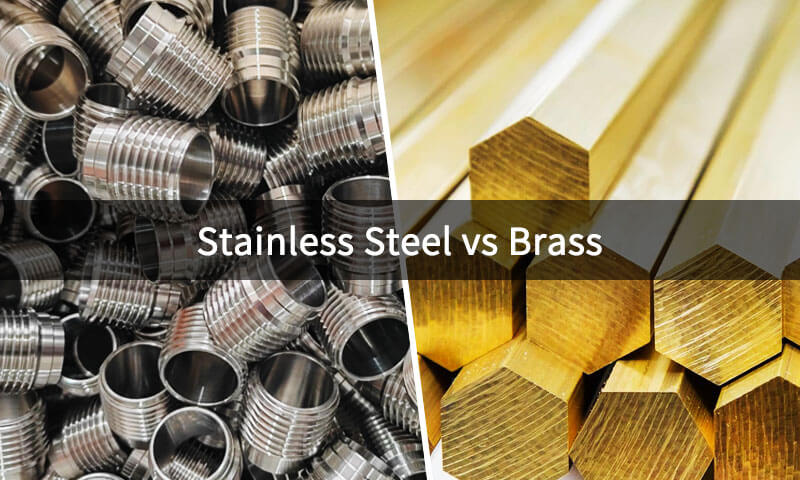
Металдар әлемінде, Бірнеше салыстыру инженерлер арасында практикалық пікірталас тудырады, машинистер, және тот баспайтын болат пен жез арасындағы таңдау ретінде өнім дизайнерлері.
Бұл екі материал теңіз техникасы мен архитектуралық арматурадан бастап дәл аспаптар мен тұрмыстық электроникаға дейінгі сансыз салаларда бір-біріне сәйкес келетін, бірақ бөлек аумақтарды алып жатыр..
Екі метал да өз салаларында ерекше өнімділікті ұсынады, олардың негізгі металлургиялық айырмашылықтары қолданудағы әртүрлі жолдарды белгілейді, Өндіріс, және өмірлік цикл экономикасы.
Бұл мақала қатаң түрде қамтамасыз етеді, өнеркәсіп мамандары үшін маңызды барлық өлшемдер бойынша тот баспайтын болат пен жезді қатар тексеру:
Материалдық құрамы, Механикалық мінез-құлық, жылу және электрлік қасиеттері, Коррозияға төзімділік, ұжым, эстетика, құны, және нақты әлемдік қосымшалар.
1. Тот баспайтын болат және vs. Жез: Айырмашылығы неде?
Тот баспайтын болат пен жез - түбегейлі әртүрлі инженерлік қорытпалар отбасылары. Тот баспайтын болат ең алдымен темір-хром қорытпасы болып табылады, сол екі арада жез - ең алдымен мыс-мырыш қорытпасы.
Олардың әртүрлі химиялық құрамы беріктікте айтарлықтай айырмашылықтарға әкеледі, Коррозияның мінез-құлқы, Өткізгіштік, Айналымдылық, көрінос, және өндірістік өнімділік.
Тот баспайтын болат дегеніміз не?
Тот баспайтын болат отбасы болып табылады кем дегенде шамамен құрамында темір қорытпалары 10.5% массасы бойынша хром.
Хром анықтаушы легірлеуші элемент болып табылады, өйткені ол жұқа түзуге мүмкіндік береді, сақтау, материал бетіндегі хромға бай пассивті оксидті қабықша.
Бұл пассивті қабат тот баспайтын болатты коррозияға төзімділігімен қамтамасыз етеді.
Бетінің механикалық зақымдануы кезінде, пассивті пленка жеткілікті оттегі болған кезде реформалай алады, негізгі металды үздіксіз тотығудан қорғауға көмектеседі.

Тот баспайтын болаттың құрамын қосымша легірлеу элементтері арқылы беріктіктің нақты комбинацияларына қол жеткізу үшін одан әрі реттеуге болады, қаттылық, Коррозияға төзімділік, дәнекерлеушілік, және температура көрсеткіштері.
| Легирлеу элементі | Негізгі функция |
| Хромий (Кр) | Пассивация мен коррозияға төзімділікті қамтамасыз етеді; тотығуға төзімділігін жақсартады |
| Никель (-Да) | Аустенитті тұрақтандырады және қаттылықты жақсартады, икемділік, және коррозияға төзімділік |
| Молибден (Әзірлеу) | Шұңқырлар мен жарықтар коррозиясына төзімділікті жақсартады, Әсіресе, хлорид бар ортада |
| Көміртегі (Б) | Беріктік пен беріктікті арттырады, бірақ жоғары деңгейде дәнекерлеуге байланысты коррозияға төзімділікті төмендетуі мүмкін |
| Азот (N) | Күшті арттырады және коррозияға төзімділікті жақсартады |
| Марганец (М.на) | Аустениттік фазаның тұрақтылығын қолдайды және беріктікке ықпал етеді |
| Мыс (Друг) | Жауын-шашынның қатаюын немесе коррозия өнімділігін жақсарту үшін белгілі бір сорттарда қолданылады |
Құрамына және өңделуіне байланысты, тот баспайтын болаттар әртүрлі микроқұрылымдарды дамыта алады, ... қоса алғанда аустениттік, феррити, мартентис, дуфлекс, және жауын-шашынды қатайтатын құрылымдар.
Бұл микроқұрылымдық айырмашылықтар тот баспайтын болаттардың неліктен иілгіштігі жоғары қаңылтыр материалдардан өте қатты тозуға төзімді компоненттерге дейін болуы мүмкін екенін түсіндіреді..
Негізгі сипаттамаларға жатады:
- Ерекше коррозияға және тотығуға төзімділік
- Созылу беріктігі мен қаттылығы жоғары
- Тамаша криогендік және жоғары температура өнімділігі
- Биокомпания (белгілі бағалар)
- Сапаның нашарлауынсыз толық қайта өңдеу мүмкіндігі
Тот баспайтын болаттан жасалған жалпы сорттар
| Дәреже | Бізді | Негізгі ерекшеліктері | Типтік қосымшалар |
| 304 | S30400 | Керемет жалпы коррозияға төзімділік, пайда болу, және дәнекерлеушілік | Ас үй жабдықтары, Тағамдарды өңдеу, сәулет |
| 304Өшпін | S30403 | Дәнекерлеуден кейін сенсибилизацияға төзімділігі жоғарылаған төмен көміртекті сорт | Дәнекерленген цистерналар, құбыр, және дайындалған жабдықтар |
| 316 | S31600 | Шұңқырлар мен жарықшақтардың коррозиясына төзімділігі жақсарды | Химиялық, теңіз, және фармацевтикалық жабдықтар |
| 316Өшпін | S31603 | Тамаша коррозияға төзімділік және дәнекерлеу мүмкіндігі; дәнекерленген құрылымдарға жарамды | Технологиялық жабдық, теңіз өндірістері, медициналық компоненттер |
| 2205 | S32205 | Дуплексті құрылым; Жоғары беріктігі, хлоридтерге тамаша төзімділік, және кернеулі коррозия крекингіне жақсы төзімділік | Теңіз жабдықтары, Химиялық өңдеу, тұзсыздандыру, Қысым кемелері |
904Өшпін |
N08904 | Күшті қышқылдар мен хлориді бар орталарға тамаша төзімділігі бар супер аустенитті сорт | Химиялық өңдеу, қышқылмен жұмыс істейтін жабдық, теңіз сулары жүйелері |
| 17-4Р | S17400 | Жақсы коррозияға төзімділігі бар жауын-шашынмен қатаю арқылы жоғары беріктік | Аэроғарыш, біліктер, клапандар, және беріктігі жоғары компоненттер |
| 410 | S41000 | Жақсы беріктігі және орташа коррозияға төзімділігі бар термиялық өңделетін мартенсит | Клапандар, сорғылар, біліктер, және жалпы механикалық бөлшектер |
| 440Б | S44004 | Өте жоғары қаттылық және термиялық өңдеуден кейін тамаша тозуға төзімділік | Бағдарлау, Кесетін құралдар, Хирургиялық аспаптар, және дәл тозу компоненттері |
| 430 | S43000 | Феррити, магниттік, экономикалық, және атмосфералық коррозияға төзімді | Құрылғылар, Автомобильді кесу, Сәндік қосымшалар |
Жез деген не?
Жез бұл мыс-мырыш қорытпаларының отбасы онда мырыш негізгі легирлеуші элемент болып табылады.
Мырыш құрамына және қосымша легирлеуші элементтерге байланысты, жез кең ауқымды қасиеттерді бере алады, иілгіштігі жоғары қаңылтыр түзетін қорытпалардан жоғары беріктікке дейін, тозуға төзімді, немесе жоғары өңдеуге қабілетті инженерлік материалдар.
Мысқа бай матрица жезге оның сипаттамасын береді сары-алтын түсі, Жақсы коррозияға төзімділік, және жоғары жылу және электр өткізгіштік.

Мырыш қорытпаның микроқұрылымына және өндірістік мінез-құлқына әсер ете отырып, беріктік пен қаттылықты арттырады..
Жез әдетте бөлінеді альфа жездері, альфа-бета жездері, және жоғары легірленген мамандандырылған сорттар.
Төменгі мырыш альфа жездері, әдетте, тамаша икемділік пен суық қалыптау өнімділігін қамтамасыз етеді, ал жоғары мырыш альфа-бета жездері жоғары беріктікті ұсына алады және көбінесе ыстық жұмыс немесе механикалық қолдану үшін қолайлы..
Қосымша легирленген элементтер өнімділікті одан әрі өзгерте алады:
- Бастау өңдеуге қабілеттілікті және чиптерді бұзуды жақсарту үшін дәстүрлі түрде қолданылады.
- Фольга коррозияға төзімділігін арттыруға болады, әсіресе кейбір теңіз орталарында.
- Алюминий беріктікті арттырып, тотығу мен коррозияға төзімділікті жақсарта алады.
- Кремний күшін жақсарта алады, құю сипаттамалары, және қорғасынсыз өңдеу мүмкіндігі.
- Марганец және темір мамандандырылған жоғары берік мыс қорытпаларына қосылуы мүмкін.
Негізгі сипаттамаларға жатады:
- Керемет өңдеу мүмкіндігі (өңдеуге қабілеттілік рейтингтерінің эталоны)
- Өте жақсы жылу және электр өткізгіштік
- Жоғары акустикалық қасиеттер
- Табиғи микробқа қарсы бетінің қасиеттері
- Тотықтырмайтын ортада жақсы коррозияға төзімділік
Жалпы жез сорттары
| Бізді | Типтік сипаттамалар | Негізгі ерекшеліктері | Типтік қосымшалар |
| C26000 | Жез картридж | Өте жақсы икемділік және суық қалыптау | Металл қаңылтыр компоненттері, сәндік бұйымдар, қалыптасқан бөліктер |
| C36000 | Жезді еркін өңдеу | Керемет өңдеу және чипті басқару | Арматура, клапандар, қосқыштар мен дәлдікпен бұралған бөлшектер |
| C46400 | Навальдық жез | Жақсы беріктік және жақсартылған теңіз суының коррозияға төзімділігі | Теңіз аппараттық құралдары, біліктер және өнеркәсіптік компоненттер |
C38500 |
Архитектуралық жез | Жақсы өңдеу және тартымды көрініс | Сәндік жабдық және архитектуралық құрамдас бөліктер |
| C69300 | Қорғасынсыз кремний жезі | Жақсы күш, коррозияға төзімділігі және өңдеуге қабілеттілігі | Сантехникалық арматура және ауыз су компоненттері |
| C37700 | Жезді соғу | Жақсы ыстыққа төзімділік және механикалық беріктік | Жалған клапандар, арматура және механикалық жабдықтар |
2. Механикалық қасиеттері: Күш, Қаттылық пен қаттылық
Тот баспайтын болат пен жездің механикалық қасиеттері әртүрлі қорытпа жүйелері мен микроқұрылымдарына байланысты айтарлықтай ерекшеленеді..
Жалпы алғанда, тот баспайтын болат жоғары беріктік береді, қаттылық, және жүк көтеру қабілеті, ал жез қалыпты күштің пайдалы комбинациясын ұсынады, икемділік, Айналымдылық, және өлшемді тұрақтылық.
Созылу күші, Шығымдылық және икемділік
Жиі қолданылатын тот баспайтын болат пен жез маркаларының репрезентативті механикалық қасиеттері төменде көрсетілген.
| Мүлік | 304 Тот баспайтын болат | 316 Тот баспайтын болат | C36000 жез | C46400 Әскери-теңіз жезі |
| Созылу күші (МПа) | ~515–620 | ~515–620 | ~330–470 | ~ 380-550 |
| Бергі күш (МПа) | ~205–310 | ~205–310 | ~140–310 | ~170–310 |
| Іуу (%) | ~40–60 | ~40–60 | ~18–45 | ~20–40 |
| Қаттылық (Б) | ~123–217 | ~123–217 | ~80–160 | ~90–170 |
Мәндер әмбебап спецификация шектеулерінен гөрі жалпы өңделген өнім жағдайлары үшін өкілдік ауқымдар болып табылады.
Нақты қасиеттер мінезге қатты байланысты, қалыңдық, Өнім нысаны, және қолданылатын материал стандарты.
Күш пен жүк көтеру қабілеті
Тот баспайтын болат, әдетте, кәдімгі жезден гөрі жоғары және тұрақты жүк көтеру қабілетін қамтамасыз етеді.
сияқты аустениттік сорттар 304 жіне 316 салыстырмалы жоғары созылу беріктігін тамаша икемділікпен біріктіреді, оларды құрылымдық жағынан қолайлы ету, Қысым бар, және механикалық жүктелген компоненттер.
Жез орташа беріктік, бірақ тамаша өңдеу мүмкіндігін және арматура үшін барабар механикалық өнімділікті ұсынады, қонтқыштар, Клапан компоненттері, және жалпы мақсаттағы жабдық.
Суық жұмыс жездің беріктігін айтарлықтай арттыруы мүмкін, бұл икемділікті төмендетсе де.
Жұмысты шыңдау және суықпен жұмыс істеу күші
Тот баспайтын болатты да, жезді де суық өңдеу арқылы нығайтуға болады.
304 жіне 316 тот баспайтын болат әсіресе күшті деформацияға төзімділік көрсетеді, қалыптау кезінде аққыштық беріктігін айтарлықтай арттыруға мүмкіндік береді.
Сәйкестік икемділіктің төмендеуі және қалыптау немесе өңдеу қиындықтарының жоғарылауы болып табылады.
Жез суық өңдеуге де жауап береді, беріктігі қорытпа мен темпераментпен анықталады.
Бұл өндірушілерге тепе-теңдік үшін әртүрлі материал жағдайларын таңдауға мүмкіндік береді беріктігі мен қалыптасу мүмкіндігі.
Қиындық пен тозу кедергісі
Стандарт 304 жіне 316 Тот баспайтын болаттар күйдірілген күйде орташа қаттылыққа ие және қатты абразивті тозуға оңтайландырылмаған.
Қайта, сияқты мартенситті баспайтын болаттар 420 және 440С шамамен 40–60 HRC дейін термиялық өңдеуге болады, әлдеқайда жоғары қаттылық пен тозуға төзімділікті қамтамасыз етеді.
Әдеттегі жез әдетте жұмсақ болады, әдетте оны өңдеу мүмкіндігі бар қолданбалар үшін қолайлырақ етеді, төмен үйкеліс, және қалыпты жүктеме тозуға төзімділікке қарағанда маңыздырақ.
Қаттылық және соққыға төзімділік
Аустенитті тот баспайтын болаттар кең температура диапазонында тамаша қаттылық пен икемділікті ұсынады және криогендік температурада күшті соққыға төзімділігін сақтай алады..
Бұл сияқты бағалар жасайды 304 жіне 316 төмен температураны қажет ететін қолданбаларға жарамды.
Жез бөлме температурасында жақсы беріктікті қамтамасыз етеді, бірақ оның төмен температурадағы өнімділігі қорытпа мен күйге байланысты айтарлықтай өзгереді.
Сондықтан материалды таңдау нақты жұмыс температурасы мен әсер ету талаптарын ескеруі керек.
Шаршау өнімділігі
Тот баспайтын болатты да, жезді де циклдік жүктеме кезінде пайдалануға болады, бірақ шаршау өнімділігі қорытпа күйіне қатты байланысты, Бетті аяқтау, құрамдас геометрия, стресс концентрациясы, және өндіріс сапасы.
Тот баспайтын болат әдетте кеңірек механикалық өнімділік конвертін ұсынады, ал жез өңдеуге қабілеттілік пен өткізгіштік маңызды болып табылатын орташа кернеулі компоненттер үшін тиімді.
3. Жылу және электр өткізгіштік: Тот баспайтын болат және vs. Жез
Жылу және электр өткізгіштік тот баспайтын болат пен жез арасындағы ең айқын айырмашылықтардың бірі болып табылады.
Жылу өткізгіштік
Жез тиімді жылу беруді қажет ететін қолданбаларға жақсы сәйкес келеді.
Оның салыстырмалы түрде жоғары жылу өткізгіштігі жылуды құрамдас бөлік арқылы жылдам таратуға мүмкіндік береді, жезді жылу тасымалдағыш аппаратураға пайдалы етеді, термиялық фитингтер, радиаторлар, Жылу алмастырғыштар, және кейбір электрлік компоненттер.
Тот баспайтын болат салыстырмалы түрде төмен жылу өткізгіштікке ие.
Бұл қай жерде тиімді болуы мүмкін жылу оқшаулау немесе бақыланатын жылу беру қалаулы, бірақ бұл сонымен қатар локализацияланған қыздыру құрамдас ішінде үлкенірек температура градиенттерін тудыруы мүмкін дегенді білдіреді.
Дәнекерлеу және өңдеу кезінде, бұл сипаттама жылу жинақталуын және термиялық бұрмалануды басқару үшін тиісті процесті басқаруды қажет етеді.
Электр өткізгіштік
Жездің электрлік қолдануда үлкен артықшылығы бар, өйткені оның мысға бай құрамы тот баспайтын болаттан әлдеқайда жақсы электр өткізгіштігін қамтамасыз етеді..
Ол электрлік терминалдар үшін кеңінен қолданылады, қонтқыштар, байланыс компоненттері, жерге қосу аппаратурасы, және механикалық беріктігі мен коррозияға төзімділігі электрлік өнімділікпен біріктірілуі керек өткізгіш арматура.
Тот баспайтын болат жез және мыс қорытпаларымен салыстырғанда салыстырмалы түрде нашар электр өткізгіш болып табылады.
Демек, ол электрлік тиімділік дизайнның негізгі талабы болған кезде негізгі өткізгіш материал ретінде сирек таңдалады..
Оның мәні оның орнына қолданбаларда жатыр механикалық төзімділік, Коррозияға төзімділік, және құрылымдық тұрақтылық маңыздырақ.
4. Коррозияға төзімділік: Тот баспайтын болат және vs. Жез
Тот баспайтын болат пен жезді таңдау кезінде коррозияға төзімділік ең маңызды факторлардың бірі болып табылады.

Тот баспайтын болаттың коррозияға төзімділігі
Тот баспайтын болат өзінің тән коррозияға төзімділігін негізінен хромнан алады. Оттегінің әсері бетінде хромға бай жұқа пассивті пленканың пайда болуына мүмкіндік береді, одан әрі коррозиядан қорғайтын тосқауыл ретінде әрекет етеді.
Бұл қорғаныстың тиімділігі негізінен қорытпаның құрамына және қоршаған орта жағдайларына байланысты.
сияқты аустениттік сорттар 304 жіне 316 әдетте атмосфералық коррозияға күшті қарсылықты қамтамасыз етеді, дымқыл, тамақ өнімдерін өңдеу орталары, және көптеген өнеркәсіптік БАҚ.
сияқты құрамында молибден бар сорттар 316 әдеттегімен салыстырғанда локализацияланған хлоридті шабуылға төзімділікті жоғарылатады 304.
Дегенмен, тот баспайтын болат толық коррозияға төзімді емес. Сыныпқа және ортаға байланысты, бастан кешіре алады:
- Коррозия
- Жарық коррозиясы
- Стресс коррозиясы
- Кескінді коррозия
- Гальваникалық коррозия
, Сорт, тот баспайтын болаттан жасалған тиісті сортты таңдау маңызды, әсіресе теңіз үшін, химиялық өңдеу, және жоғары хлоридті қолданбалар.
Жездің коррозияға төзімділігі
Жез мыстың тән коррозияға төзімділігінен пайда көреді және әдетте атмосфералық жағдайларда жақсы жұмыс істейді, тұщы су жүйелері, сантехникалық қосымшалар, және көптеген өнеркәсіптік орталар.
Оның коррозияға қарсы өнімдері одан әрі нашарлауды бәсеңдететін салыстырмалы түрде қорғайтын беткі қабаттарды құра алады.
Дегенмен, жезден ерекше назар аударуды қажет ететін коррозия механизмдері бар. Декиннация агрессивті су химиясына ұшыраған кейбір жез қорытпалары үшін әсіресе маңызды.
Бұл процесте, мырыш қорытпадан іріктеліп алынады, артта кеуекті қалдыруы мүмкін, механикалық тұтастығы төмендетілген мысқа бай құрылым.
Кейбір жез қорытпаларына арнайы химиялық ортадағы кернеулі коррозия крекинг немесе коррозия да әсер етуі мүмкін.. Сондықтан, жез ұзақ мерзімді сұйықтық қызмет көрсетуге арналған болса, қорытпа таңдау маңызды.
5. Өңдеуге жарамдылық және өндіріс өнімділігі
Өңдеуге жарамдылық – жездің кәдімгі тот баспайтын болаттан айтарлықтай артықшылығы бар аймақ.

Жездің өңдеуге қабілеттілігі
Жез кеңінен өңделетін инженерлік металдардың бірі ретінде қарастырылады.
Many brass grades produce relatively short, басқарылатын чиптер және айналдыру арқылы тиімді өңдеуге болады, араластыру, бұрғылау, тигізу, және жіп тігу.
Еркін өңдеу сорттары CNC автоматтандырылған өндірісіне өте қолайлы.
Олардың өңдеу сипаттамалары өндірушілерге өлшемдік үйлесімділікті сақтай отырып және құралды басқару талаптарын азайта отырып, жоғары өндіріс қарқынына қол жеткізуге мүмкіндік береді..
Тот баспайтын болаттың өңдеуге қабілеттілігі
Тот баспайтын болат, әдетте, машина жасауды талап етеді. Many austenitic grades exhibit significant жұмыс қатаю, демек, дұрыс бақыланбаған кесу өңделген бетті тез қатайтады және құралдың кейінгі қосылуын қиындатады..
Тот баспайтын болат жезден салыстырмалы түрде төмен жылу өткізгіштікке ие, кесу аймағына жақын жерде көбірек жылудың шоғырлануына әкеледі.
Proper cutting parameters, қатаң жұмыс, қолайлы құрал, effective coolant delivery, сондықтан чиптерді барабар эвакуациялау маңызды.
Тот баспайтын болаттан жасалған әртүрлі отбасылар әртүрлі әрекет етеді. Еркін өңдеу сорттарын өңдеу оңайырақ болады, ал қатайтылған мартенсит сорттары арнайы құрал-саймандарды және мұқият бақыланатын кесу шарттарын қажет етуі мүмкін.
Қалыптастыру және дайындау
Тот баспайтын болат пен жездің екеуі де өндіріс процестерінің кең спектрін қолдайды, but their forming behavior differs.
Аустенитті тот баспайтын болаттар әдетте тамаша икемділікті қамтамасыз етеді және терең тартылуы мүмкін, бүгілген, илектелген, мөрленген, дәнекерленген, және дайындалған.
Their strong work-hardening tendency, дегенмен, талап етілетін операциялар үшін бақыланатын қалыптау ретін және аралық күйдіруді қажет етуі мүмкін.
Жездің пішіні де жоғары, әсіресе иілгіш альфа-жез сорттарында. Оған мөр басуға болады, бүгілген, сызылған, Жасанды, және тиімді өңделеді.
Ерекше қорытпа мен температура суық қалыптау немесе ыстық өңдеу ең қолайлы екенін анықтайды.
Құю және күрделі компоненттер
Екі материалды құю арқылы жасауға болады, but their casting characteristics differ substantially because of their different melting behavior and solidification characteristics.
Жез үшін кеңінен қолданылады Инвестициялық құю, Құмның құюы, Кастинг өледі, және орталықтан тепкіш құю, әсіресе фитингтер үшін, клапандар, Сәндік жабдық, және күрделі компоненттер.
Тот баспайтын болат та жоғары үйлесімді инвестициялық құю және Құмның құюы, оны күрделі клапан корпустары үшін қолайлы етеді, Сорғы компоненттері, қоздары, өнеркәсіптік аппаратура, және дәлдік компоненттері.
Инвестициялық құю әсіресе тот баспайтын болаттан жасалған бөлшектер бақыланатын өлшемдік дәлдікпен біріктірілген күрделі геометрияны қажет еткенде құнды..
6. Тот баспайтын болат және vs. Жез: Сыртқы түрі және бетінің әрлеуі
Appearance can be an important selection factor when components are visible or form part of an architectural, ӘЙЕЛ, немесе тұтынушылық өнім.
Тот баспайтын болаттан жасалған сыртқы түрі
Stainless steel typically has a күміс-ақ, neutral metallic appearance.
Оның көрнекі сипаты салыстырмалы түрде бұлыңғыр және өнеркәсіптіктен жоғары шағылыстыруға дейін болуы мүмкін, дайындау процесіне және бетті өңдеуге байланысты.
Common stainless steel finishes include:
- Диірменді аяқтау: Домалау кезінде пайда болатын сыртқы түрін сақтайды, қалыптастыру, немесе өңдеу.
- Қылқаламмен аяқтау: Көрінетін саусақ іздері мен ұсақ сызаттарды азайтатын бағытталған құрылымды жасайды.
- Сатинді әрлеу: Біркелкі киіммен қамтамасыз етеді, сәулеттік және тұтынушылық қолданбалар үшін қолайлы шағылыстырғыштығы төмен бет.
- Жылтыратылған әрлеу: Тегіс жасайды, жартылай жылтыратылғаннан айнаға дейін шағылыстыратын көрініс.
- Электрлік жылтыратылған әрлеу: Тазартқышты шығару үшін беткі материалдың бақыланатын мөлшерін жояды, тегіс, and more corrosion-resistant surface.
Тот баспайтын болат құрамдас бөлікке қажет болғанда ерекше тартымды тазалау, заманауи, меңгерген, and corrosion-resistant appearance.
Жезден жасалған сыртқы түрі
Brass has a naturally warm yellow-gold metallic appearance, оны сәндік және сәулеттік қолданбалар үшін әсіресе танымал етеді.
Оның түсі мыс пен мырышқа байланысты өзгеруі мүмкін және ақшыл сарыдан тереңірек алтын реңктерге дейін өзгеруі мүмкін..
Жез қоршаған ортамен әрекеттескенде уақыт өте келе беткі патинаны дамыта алады.
Кейбір қолданбалар бұл қартаю әсерін әдейі сақтайды, ал басқалары жылтыратуды пайдаланады, мөлдір жабын, желник, немесе бастапқы көріністі сақтау үшін басқа өңдеулер.
Typical brass finishes include polished, щетка, атласты, антиквариат, және жалатылған беттер.
Өйткені жезді жылтырату және өңдеу оңай, ол өзінің негізгі металлдық сипатын сақтай отырып, тартымды сәндік әрлеуге қол жеткізе алады.
7. Шығындарды салыстыру: Тот баспайтын болат және vs. Жез
Material cost is an important consideration, but comparing stainless steel and brass solely by their raw material prices can lead to an inaccurate economic assessment.
The actual cost of a component depends on alloy grade, Материалдық қол жетімділік, Бөлім геометриясы, өндірістік процесс, өңдеуге қойылатын талаптар, Беттік өңдеу, Өндіріс көлемі, және қызмет көрсету мерзімі.

Материалдық құн
Жездің құрамында мыстың жоғары үлесі бар, салыстырмалы түрде бағалы негізгі металл болып табылады. Болғандықтан, brass can have a relatively high raw-material cost, әсіресе мысқа бай сорттар үшін.
Stainless steel is based primarily on iron and can be economically attractive in many applications.
Дегенмен, alloying additions such as nickel and molybdenum can substantially affect the price of higher-performance grades.
Мысалы, high-alloy stainless steels designed for severe corrosion environments generally cost more than standard grades.
Сондықтан, neither material should be considered universally cheaper. The selected grade is often more important than the material family itself.
Өндіріс құны
Brass generally provides an advantage in machining-intensive production because of its excellent machinability.
Тезірек өңдеу, тиімді чип қалыптастыру, and lower tool wear can reduce manufacturing costs, particularly for large quantities of small precision components.
Stainless steel normally requires more careful machining control. Кесу параметрлері, Құралдар, салқындатқышты басқару, and workholding must be optimized to control heat generation and work hardening. Бұл факторлар өңдеу шығындарын арттыруы мүмкін.
Дегенмен, Тот баспайтын болат оның ұзақ мерзімділігі мен коррозияға төзімділігі техникалық қызмет көрсетуді азайтқанда экономикалық тұрғыдан тиімді болуы мүмкін, ауыстыру, немесе қызмет көрсету кезіндегі ақаулық шығындары.
Өмірлік цикл құны
Өнеркәсіптік компоненттер үшін, ең мағыналы салыстыру жиі болып табылады бастапқы сатып алу бағасынан гөрі жалпы иелену құны.
Brass can provide excellent economic value where moderate strength, Жақсы коррозияға төзімділік, Жоғары деңгейлі, және өткізгіштік жеткілікті.
Тот баспайтын болат компонент агрессивті ортада жұмыс істегенде жақсырақ ұзақ мерзімді экономикалық шешімді қамтамасыз етуі мүмкін, елеулі жүктерді көтереді, немесе ең аз техникалық қызмет көрсетумен ұзартылған қызмет мерзімін талап етеді.
Сондықтан практикалық шығындарды бағалауды қарастыру керек:
Материалдық шығын + өндіріс құны + аяқтау құны + қолдау + ауыстыру қаупі + күтілетін қызмет мерзімі.
Бұл әдіс әсіресе клапандар үшін маңызды, Фитингтер, Сорғы компоненттері, өнеркәсіптік аппаратура, және басқа құрамдас бөліктер, онда материалдың істен шығуы айтарлықтай төмен шығындарды тудыруы мүмкін.
8. Тот баспайтын болат пен жезді қолдану
Тот баспайтын болат пен жез кейде ұқсас функцияларды атқара алады, олардың механикалық айырмашылығы, жылу, электр, және коррозияға қарсы қасиеттері оларды әртүрлі қолданбалы орталарға қолайлырақ етеді.
Тот баспайтын болаттан жасалған қосымшалар
Тот баспайтын болат беріктікте кеңінен қолданылады, Коррозияға төзімділік, төзімділік, гигиена, және температураға төзімділік маңызды.
Жалпы қосымшалар кіреді:
| Өнеркәсіп | Тот баспайтын болаттан жасалған әдеттегі қолданбалар |
| Ас & Сұсын | Танктер, құбыр, Өңдеу жабдықтары, Фитингтер |
| Химиялық өңдеу | Клапандар, сорғылар, құбыр, кемелер |
| Теңіз | Біліктер, бекіткіштер, Фитингтер, Сорғы компоненттері |
| Майлау & Газ | Клапандар, қонтқыштар, Құрылымдық компоненттер |
| Фармацевтикалық | Өңдеу жабдықтары, Фитингтер, құбыр |
| Сәулет | Тұтқалар, қасбеттер, Арматура |
| Автомобиль | Шығару компоненттері, жақшалар, Дәлдік бөлшектер |
| Медициналық | Хирургиялық құралдар мен жабдықтар |
Жез қолдану
Жез өңделетін жерде ерекше құнды, Электр өткізгіштік, Жылу өткізгіштік, Коррозияға төзімділік, және сыртқы түрі маңызды.
Әдеттегі қосымшалар кіреді:
| Өнеркәсіп | Әдеттегі жез қолданбалары |
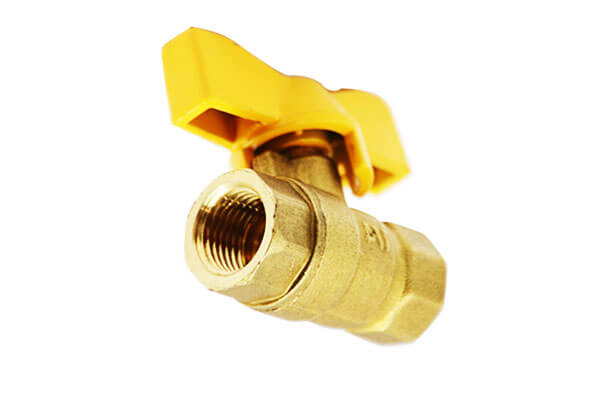
| Нөміргетегіш | Арматура, қонтқыштар, клапандар, адаптерлер |
| Hvac | Клапандар, Фитингтер, қонтқыштар |
| Электр | Терминалдар, байланыстар, қонтқыштар |
| Өнеркәсіптік жабдық | Бұталар, берікек, Фитингтер, жабдық |
| Теңіз | Теңіз фитингтері мен жабдықтары |
| Сәулет | Тұтқалар, жиіту, Сәндік жабдық |
| Автомобиль | Қосқыштар, Фитингтер, Дәлдік компоненттер |
| Аспап | Шағын фитингтер, қонтқыштар, бөліктер |
9. Кешенді салыстыру: Тот баспайтын болат және vs. Жез
Тот баспайтын болат пен жез - бұл инженерлік материалдар, бірақ олар әртүрлі өнімділік басымдықтары үшін оңтайландырылған.
| Мүлік | Тот баспайтын болат | Жез |
| Материалдық отбасы | Iron-based alloy containing chromium | Мыс-мырыш қорытпасы |
| Күш | Жалпы жоғарырақ | Орташа және жоғары, depending on alloy and temper |
| Қаттылық | Кең ауқым; some grades can be heat treated to high hardness | Жалпы орташа; higher-strength specialty brasses are available |
| Қаттылық | Excellent in suitable grades, particularly austenitic stainless steel | Good for many general-purpose applications |
Коррозияға төзімділік |
Үздік; highly dependent on grade and environment | Жақсы; varies significantly with alloy and environment |
| Электр өткізгіштік | Салыстырмалы түрде төмен | Айтарлықтай жоғары |
| Жылу өткізгіштік | Салыстырмалы түрде төмен | Айтарлықтай жоғары |
| Айналымдылық | Байсалды; varies considerably by grade | Жалпы тамаша |
| Пайда болу | Good for austenitic grades | Жалпы жақсы |
| Тозуға төзімділік | Таңдалған мартенситті және қатайтылған сорттар үшін тамаша | Байсалды; қорытпаға тәуелді |
| Магнит | Металлургиялық құрылымға байланысты; көптеген сорттар магнитті немесе магнитті емес | Жалпы магнитті емес |
| Көрінос | Күміс-ақ түсті металл түрі | Сары-алтын түсті металл түрі |
Жылуға төзімділік |
Жалпы тамаша | Орташа және жақсы, Қорытпаға байланысты |
| Дәнекерлеушілік | Сыныпқа байланысты; аустениттік сорттар әдетте жақсы дәнекерленген | Жалпы жақсы, бірақ қорытпаға арналған арнайы сақтық шаралары қолданылуы мүмкін |
| Типтік өндіріс | Кастинг, соғу, CNC өңдеу, қалыптастыру, дәнекерлеу | Кастинг, соғу, тұратын, штамп, CNC өңдеу |
| Типтік қосымшалар | Химиялық жабдықтар, Теңіз компоненттері, Азық-түлік техникасы, клапандар, Құрылымдық бөліктер | Арматура, қонтқыштар, Электрлік бөлшектер, Сәндік жабдық, клапандар |
| Ең қолайлы | Күш, төзімділік, Коррозияға төзімділік, талап ететін орталар | Айналымдылық, Өткізгіштік, көрінос, жалпы мақсаттағы арматура |
10. DEZE компаниясынан арнайы баспайтын болаттан және жезден жасалған бөлшектер
Құю қорын себіңіз қамтамасыз етеді арнайы баспайтын болат және жез құю және CNC өңдеу шешімдері бақыланатын өлшемдік дәлдікті талап ететін өнеркәсіптік құрамдас бөліктерге арналған, Коррозияға төзімділік, Механикалық беріктік, және сенімді өндіріс консистенциясы.
Өндіріс процесін материалды таңдаудан және құю процесін өңдеу арқылы өңдеу арқылы бейімдеуге болады., бастау, Термиялық өңдеу, және қорытынды тексеру.
| Мүмкіндік | БҰЛ арнайы баспайтын болат және жез Бөліктер |
| Материалдар | 304, 304Өшпін, 316, 316Өшпін, 17-4PH, 410, 420, 440Б, дуфлекс;C26000, C36000, C46400, C87800, C89833. |
| Өндірістік процестер | Инвестициялық құю, Құмның құюы, CNC бұру, CNC фрезерлері, бұрғылау, ұнтақтау |
| Бөлшек салмағы | 0.01– 1000 кг |
| Өлшемдік мүмкіндік | Сызбаларға сәйкес арнайы құрамдас бөліктер, 3D модельдері, және инженерлік сипаттамалар |
| Құюға төзімділік | Инвестициялық құю ISO-ға қол жеткізе алады 8062 Қолайлы жағдайларда CT5–CT7 |
| Беткі әрлеу | Ас-шоу, техникалық, жылтырату, қатынасы, электрожылтыратылған |
| Сапаны бақылау | Исо 9001:2015 сертификатталған; 100% NDT және өлшемді тексеру. |
| Тоқтау | 6‑ Құрал-сайманға 12 апта; 2‑ Қайталанатын тапсырыстар үшін 4 апта. |
11. Қорытынды
Тот баспайтын болат пен жез инженерлік материалды таңдауға түбегейлі екі түрлі көзқарасты білдіреді.
Тот баспайтын болат жоғары механикалық беріктік кезінде әдетте жақсы таңдау болып табылады, төзімділік, Коррозияға төзімділік, қаттылық, немесе жоғары температурадағы өнімділік негізгі талап болып табылады.
Оның кеңейтілген сынып жүйесі сонымен қатар инженерлерге тамақ өнімдерін өңдеу жабдықтарынан теңіз және химиялық өңдеу компоненттеріне дейінгі қолданбаларға арналған қасиеттерді оңтайландыруға мүмкіндік береді..
Жез, қайта, is particularly attractive when machinability, Электрлік және жылу өткізгіштік, Коррозияға төзімділік, және сыртқы түрі маңызды.
Салыстырмалы түрде жеңіл өңдеу сипаттамалары оны фитингтерге өте қолайлы етеді, қонтқыштар, клапандар, Дәлдік компоненттер, және сәндік жабдықты.
Арнаулы құрамдастарға арналған, материалды таңдау мен өндіріс процесін таңдауды бірге бағалау керек.
Дұрыс құюмен біріктірілген техникалық жағынан сәйкес келетін қорытпа, соғу, өңдеу, және аяқтау стратегиясы өнімділік арасындағы айтарлықтай жақсы тепе-теңдікті қамтамасыз ете алады, ұжым, және жалпы құны.
ЖҚС
Тот баспайтын болат жезден күштірек?
Жалпы алғанда, тот баспайтын болат кәдімгі жезден жоғары беріктік пен қаттылықты қамтамасыз етеді.
Дегенмен, нақты механикалық қасиеттер нақты қорытпаға қатты тәуелді, көніл күй, және термиялық өңдеу.
Арнайы жезден жасалған жезден жасалған жезден жасалған стандартты жез сорттарынан әлдеқайда жоғары беріктік қамтамасыз ете алады.
Қайсысы коррозияға төзімдірек, тот баспайтын болат немесе жез?
Әмбебап жауап жоқ, өйткені коррозияға төзімділік қорытпаға және қызмет көрсету ортасына байланысты.
Тот баспайтын болат әдетте көптеген агрессивті орталарда жақсырақ жұмыс істейді, әсіресе 316L сияқты сәйкес сорт таңдалғанда.
Жез суда және атмосфералық ортада тамаша төзімділікті қамтамасыз ете алады, бірақ қолайсыз жағдайларда мырышсыздандыруға немесе коррозияның басқа түрлеріне сезімтал болуы мүмкін..
Тот баспайтын болаттан гөрі жезді өңдеу оңайырақ?
Иә. Жезді өңдеу әдетте оңай және әдетте чиптің тиімді қалыптасуын және құралдың жақсы қызмет ету мерзімін қамтамасыз етеді.
Тот баспайтын болаттан кесу жылдамдығын мұқият бақылау қажет болуы мүмкін, Беру бағасы, Құралдар, және жылуды басқару, өйткені кейбір сорттар оңай жұмыс істейді.
Тот баспайтын болат жезден қымбатырақ?
Міндетті емес. The cost depends on the specific grade, material market conditions, құрамдас геометрия, and manufacturing process.
Жоғары легирленген тот баспайтын болаттар қымбат болуы мүмкін, Мысқа бай жез қорытпалары да айтарлықтай материалдық шығындарды көтере алады. Өндіріс пен өмірлік цикл шығындары шикізат бағасымен қатар қарастырылуы керек.
Тот баспайтын болат пен жезді бірге пайдалануға болады?
Иә, бірақ гальваникалық коррозияны екі металл электролит қатысында электрлік байланысқан кезде ескеру керек..
Сәйкес материалды таңдау, оқшаулау, жабындар, and environmental control may be required, әсіресе теңізде немесе үздіксіз ылғалды ортада.
Жезді тот басады?
Жоқ. Жез тот баспайды, өйткені оның құрамында темір жоқ. Дегенмен, ол коррозияға ұшыратады - ол дақ түсіреді, патинаны дамытады, және мырышсыздандыруға ұшырауы мүмкін (мырыштың селективті шаймалауы).