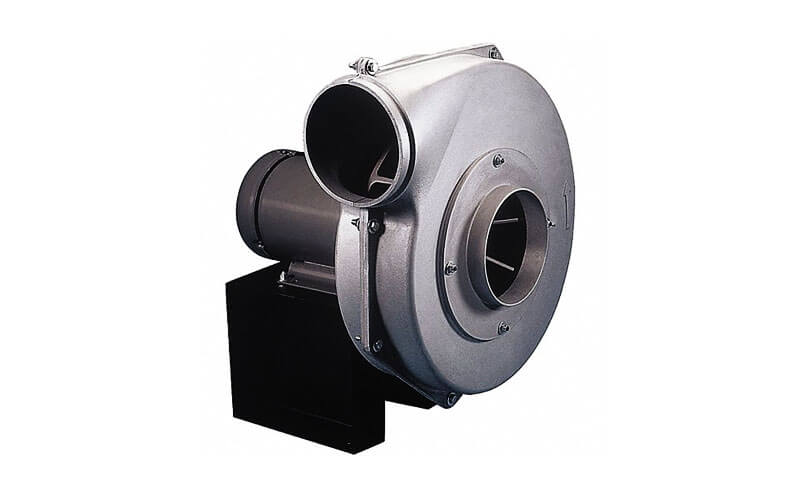
Өнеркәсіптік үрлегіштерге арналған, орталықтан тепкіш желдеткіштер, HVAC жабдықтары, желдету жүйелері, ауаны өңдеуге арналған машиналар, және сұйықтықты жылжытатын арнайы жабдық,
корпус жиі волюта сияқты күрделі мүмкіндіктерді қамтиды, кіріс өту, ағызу шығысы, монтаждау бастықтары, тірек орындықтар, тексеру порттары, қабырғалар, және біріктірілген қосылым интерфейстері.
Өлшемдік сәйкестікті сақтай отырып, бұл мүмкіндіктерді үнемді түрде өндіру әдеттегі дайындау әдістерімен қиын болуы мүмкін.
Құйылған алюминий үрлегіш корпустары өндірушілерге жеңіл құрылыс комбинациясын қажет еткенде тиімді шешімді қамтамасыз етеді, Коррозияға төзімділік, термиялық өнімділік, құрылымдық қаттылық, және күрделі желіге жақын пішінді геометрия.
Алюминий құю корпусты көптеген бөлек дайындалған пластиналардан жинамай, оның функционалдық талаптары бойынша құруға мүмкіндік береді..
1. Алюминийден жасалған үрлегіш корпус дегеніміз не?
А алюминийден жасалған үрлегіш корпус балқытылған алюминий қорытпасын дайындалған қалыпқа құйып, оның қажетті корпус геометриясына қатаюына мүмкіндік беретін үрлегіш корпус..
Кастингтен кейін, компонент әдетте ұрықтандыру сияқты процестерден өтеді, Термиялық өңдеу, CNC өңдеу, ағып кетуді сынау, Өлшемді тексеру, және дайын үрлегіш корпус болғанға дейін бетті өңдеу.
Корпустың негізгі функциясы қозғалатын орта үшін бақыланатын өтуді орнату кезінде дөңгелекті қоршау және бағыттау болып табылады..

Ортадан тепкіш үрлегіште, мысалы, ауа дөңгелегі ортасына жақын жерге кіреді, айналмалы қалақтардың көмегімен радиалды сыртқа қарай үдетіледі, содан кейін корпустың волюта немесе разряд өткеліне кіреді.
Корпустың геометриясы қысымның дамуына тікелей әсер етеді, ағынның таралуы, екіргендік, және энергия тиімділігі.
Сондықтан тұрғын үй екеуінің де рөлін атқарады құрылымдық құрамдас және аэродинамикалық ағынның өтуі.
Құйылған алюминийден жасалған үрлегіш корпусының типтік құрылысы
| Белгі | Типтік дизайн функциясы |
| Волюционды камера | Жұмыс дөңгелегінен разрядқа қарай ауа жинайды және бағыттайды |
| Кірістің ашылуы | Ауаның кіруін бақылайды және ағынның бұзылуын азайтады |
| Шығару розеткасы | Үрлеуді арналарға немесе төменгі ағынды жабдыққа қосады |
| Монтаждау фланеці | Орнату үшін қатаң интерфейсті қамтамасыз етеді |
| Монтаждау бастықтары | Болттарды орналастыру, бұрандалар, бағдарлау, дұрорлар, немесе керек-жарақтар |
| Қабырғаларды нығайту | Материалды пайдалануды бақылау кезінде қаттылықты жақсартыңыз |
| Өңделген интерфейстер | Дәл құрастыру және тығыздау беттерін қамтамасыз етіңіз |
| Дренаж немесе тексеру мүмкіндіктері | Техникалық қызмет көрсетуді жеңілдету, тазарту, немесе сұйықтықты басқару |
2. Неліктен алюминий желдеткіш корпустар үшін өте қолайлы?
Жеңіл құрылыс
Алюминий тығыздығы бар 2.7 g / cm³, болаттың шамамен үштен бірі (7.85 g / cm³).
Бұл салмақты азайту желдеткіш корпусы жылжымалы немесе аспалы жүйенің бөлігі болып табылатын қолданбаларда маңызды.
Құйылған алюминий корпусы болуы мүмкін 60-70% балама дайындалған болат корпусқа қарағанда жеңілірек.
Бұл өңдеуді жеңілдетеді, орнату шығындарын азайту, тасымалдау шығындарының төмендеуі, және құрылымдық қолдау талаптары төмендетілді.
Жобалау еркіндігі және күрделі геометрия
Алюминий ең құйылатын металдардың бірі болып табылады. Күрделі ішкі ағынды өтулер, иілген айналдыру пішіндері, Жіңішке қабырғалар, және біріктірілген орнату мүмкіндіктерін тікелей шығаруға болады, жасау қажеттілігін жояды, дәнекерлеу, және құрастыру.
Бұл дизайн еркіндігі инженерлерге корпустың аэродинамикалық өнімділігін оңтайландыруға мүмкіндік береді, сонымен бірге құрамдас бөліктер мен құрастыру операцияларын азайтады..
Коррозияға төзімділік
Алюминий табиғи түрде тұрақтылықты құрайды, өзін-өзі емдейтін алюминий оксиді (Альво₃) атмосфералық коррозиядан қорғайтын пленка, дымқыл, және көптеген химиялық заттар.
Болатқа қарағанда, алюминий тот баспайды және көптеген орталарда коррозиядан қорғау үшін бояуды немесе мырыштауды қажет етпейді.
Ерекше агрессивті орталар үшін, коррозияға төзімділікті анодтау немесе ұнтақ бояу арқылы одан әрі арттыруға болады.
Жоғары термиялық өткізгіштік
Алюминийдің шамамен жылу өткізгіштігі бар 200-210 W /(мом), болаттан айтарлықтай жоғары (45-60 W /(мом)).
Бұл қасиет үрлегіш корпустары үшін өте маңызды, себебі ол үрлеу қозғалтқышынан және сығылған ауа ағынынан жылуды тиімді бөлуге мүмкіндік береді..
Жұмыс температурасын төмендету арқылы, алюминий корпустары мойынтіректердің қызмет ету мерзімін ұзарта алады, тығыздағыштар, және басқа компоненттер.
Қайта өңдеу және тұрақтылық
Алюминий 100% қасиеттерін жоғалтпай қайта өңдеуге болады. Алюминийді қайта өңдеуге қажетті энергия шамамен ғана 5% бастапқы алюминий өндіру үшін қажет. Бұл алюминийді желдеткіш корпустары үшін экологиялық тұрақты таңдау жасайды.
3. Құйма алюминийден жасалған үрлегіш корпустардың түрлері
Алюминийден жасалған үрлегіш корпустарды бірнеше жолмен жіктеуге болады, желдеткіш конфигурациясын қоса, тұрғын үй геометриясы, құйма құрылымы, және өтінімге қойылатын талаптар.
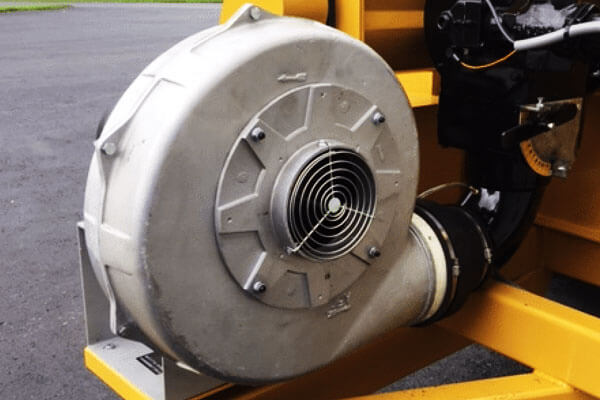
Ортадан тепкіш үрлегіштердің корпустары
Центрифугалық үрлегіш корпустары құйылған алюминийге арналған ең көп таралған қолданбалардың бірі болып табылады.
Олардың тән геометриясы әдетте дөңгелекті қоршап тұрған дөңгелек немесе айналдыру тәрізді ағынды камераны қамтиды..
Доңғалақ айналу кезінде, ауа осьтік еніп, радиалды түрде шығарылады. Корпус бұл ағынды жинайды және ауаны шығысқа бағыттай отырып, жылдамдықтың бір бөлігін статикалық қысымға айналдырады..
Жақсы жобаланған ортадан тепкіш корпус жұмыс дөңгелегінің айналасында тиісті саңылауларды ұстап тұруы және ішкі ағынның тегіс жолын қамтамасыз етуі керек..
Жергілікті үзілістер, көлденең қимасының күрт өзгеруі, немесе шамадан тыс беттің бұзылуы турбуленттілік пен қысымның жоғалуын арттыруы мүмкін.
Үлестіргіш корпустары
Доңғалақ корпусы жұмыс дөңгелегінің айналасындағы кеңейтетін спиральды өтуді пайдаланады. Көлденең қима ауданы, әдетте, жиналған ауаның ұлғайған мөлшерін орналастыру үшін волюта айналасында біртіндеп артады..
Бұл геометрия әсіресе құюға өте қолайлы, өйткені қисық үш өлшемді пішінді бірнеше иілген және дәнекерленген бөліктерден емес, біріктірілген құрамдас бөлік ретінде жасауға болады..
Волюционды геометрия қолдану үшін өте ерекше. Қажетті профиль дөңгелектің диаметріне байланысты, пышақ конфигурациясы, айналу жылдамдығы, Ағымдық мөлшерлеме, қысым қатынасы, және жұмыс нүктесі.
Артқа қисық және алға қисық үрлегіш корпустар
Доңғалақтың әртүрлі конфигурациялары әртүрлі корпус геометриясын қажет етуі мүмкін.
Артқа иілген дөңгелектер әдетте тиімді жұмыс және салыстырмалы тұрақты қысым сипаттамаларымен байланысты, сол екі арада алға иілген дөңгелектер ықшам пакеттерде жоғары ауа ағынын қамтамасыз ете алады.
Корпус тәуелсіз құрамдас ретінде емес, таңдалған жұмыс дөңгелегін толықтыратындай етіп жасалуы керек.
Ықшам кіріктірілген үрлегіш корпустары
Ықшам жабдық үшін, желдеткіш корпусы бір құймаға бірнеше функцияларды біріктіруі мүмкін.
Монтаждау аяқтары, қозғалтқыш интерфейстері, кабель немесе сенсорлық қамтамасыз ету, күшейтетін қабырғалар, және құбыр қосылымдарын құймаға тікелей қосуға болады.
Бұл тәсіл құрастыру күрделілігін азайтып, ықшам жалпы өнімді жасай алады.
Өнеркәсіптік үрлегіштердің арнайы корпустары
Өнеркәсіптік қолданбалар жиі стандартталған өлшемдерге емес, белгілі бір жұмыс жағдайларына сәйкес жобаланған корпустарды қажет етеді.
Арнайы корпуста әдеттен тыс орнату үлгілері болуы мүмкін, мамандандырылған разрядтық бағдарлар, шамадан тыс тексеру саңылаулары, күшейтілген бөлімдер, немесе сенсорлар мен басқару жабдығына арналған интерфейстер.
4. Желдеткіш корпусын құюға арналған алюминий қорытпалары
Құйылған үрлегіш корпустарға арналған, Al-Si құйма қорытпалары әсіресе тартымды, өйткені кремний өтімділікті және құю өнімділігін жақсартады, сонымен бірге өндірушілерге қисық жолдарды шығаруға көмектеседі., қабырғалар, бастықтар, және салыстырмалы түрде жұқа қабырға қималары.
| Алюминий қорытпасы | Желдеткіш корпустардың артықшылықтары | Типтік ойлар |
| A356 / A356.0 | Жақсы күйі, Механикалық беріктік, Коррозияға төзімділік, және өңдеу қабілеті; құрылымдық үрлегіш корпустар үшін қолайлы | Жоғары беріктік пен өлшемдік тұрақтылық қажет болғанда термиялық өңдеуді қолдануға болады |
| A357 / A357.0 | Көптеген жалпы мақсаттағы құю қорытпаларына қарағанда жоғары беріктік пен шаршау өнімділігі; қатты жүктелген корпустар үшін жарамды | Құюды және термиялық өңдеу процесін қатаң бақылауды талап етеді және әдетте жоғары материал құнына ие |
| 319 / 319.0 | Жақсы күйі, Айналымдылық, күш, және өлшемді тұрақтылық; күрделі өнеркәсіптік корпустарға жарамды | Мыстың мазмұны пайдалы беріктік береді, бірақ кейбір Al-Si-Mg қорытпаларымен салыстырғанда коррозияға төзімділікті төмендетеді |
380 / 380.0 |
Керемет, Жақсы техникалар, жақсы өлшемдік тұрақтылық, және үнемді өндіріс; күрделі құймалар үшін кеңінен қолданылады | Жоғары көлемді өндіріске өте қолайлы, бірақ оның механикалық және коррозияға қарсы көрсеткіштері арнайы термиялық өңделетін қорытпаларға қарағанда төмен болуы мүмкін |
| ADC12 | Тамаша құюға төзімділік, дағдылу, өлшемді дәлдік, Беттің сапасы, және өңдеу қабілеті; жұқа қабырғалы және күрделі үрлегіш корпустар үшін өте қолайлы | Негізінен құю үшін қолданылады; термиялық өңдеу мүмкіндігі мен механикалық өнімділігі A356/A357-ге қарағанда шектелген |
| AlSi10Mg | Қондырғыштың жақсы тепе-теңдігі, күш, Коррозияға төзімділік, Айналымдылық, және өлшемді өнімділік | Механикалық өнімділік пен құрылымдық тұтастық құюдың ең аз құнынан маңыздырақ болған жағдайда қолайлы |
5. Алюминий үрлегіш корпустарға арналған құю процестері
Құю процесі өлшемдік дәлдікке үлкен әсер етеді, Беттің сапасы, Құрылымдық тұтастық, геометриялық еркіндік, Құралдардың құны, және құйылған алюминий үрлегіш корпусының өндіріс экономикасы.
Құмның құюы
Құмның құюы алюминий желдеткіш корпустарын жасаудың ең әмбебап әдістерінің бірі болып табылады, әсіресе тұрғын үй салыстырмалы түрде үлкен болса, геометриялық күрделі, немесе төмен және орташа мөлшерде өндіріледі.
Корпустың сыртқы геометриясын білдіретін үлгінің айналасында құмды қалып жасалады.
Ішкі қуыстарды жасау үшін қажет жерлерде өзектерді енгізуге болады, ауа жолдары, орнату ойықтары, және құйма қуысы арқылы тікелей түзілмейтін басқа да белгілер.
Содан кейін балқытылған алюминий қалыпқа құйылады, қатаюға мүмкіндік береді, және салқындағаннан кейін жойылады.
Құмды құюдың негізгі артықшылығы болып табылады Дизайн икемділігі. Құрал-саймандардың құны салыстырмалы түрде төмен, үлгіні өзгерту салыстырмалы түрде қарапайым, және бұл процесс алюминий қорытпаларының және корпус өлшемдерінің кең ауқымын қамтиды.
Бұл оны әсіресе бейімделген өнеркәсіптік желдеткіш корпустары үшін қолайлы етеді, Прототиптер, ауыстыру бөлшектер, және салыстырмалы түрде жылдық сұранысы төмен өнімдер.
Негізгі айырбас мынада: құйма әдетте тұрақты қалыпқа немесе құйма құрамдастарға қарағанда кейінгі өңдеуді көбірек қажет етеді..
Қалыптың түйіршікті беті сонымен қатар құйылғандай салыстырмалы түрде өрескел әрлеу береді, өлшемдік вариацияға үлгі дәлдігі әсер етеді, Қалыпты дайындау, кішірейту, және қатаю тәртібі.
Әдеттегі қосымшалар кіреді:
- Үлкен өнеркәсіптік үрлегіш корпустар
- Төмен көлемді және бейімделген корпустар
- Прототип және әзірлеу компоненттері
- Күрделі ішкі өткелдері бар тұрғын үйлер
- Құюдың икемді дизайнын қажет ететін ауыр жүкті жабдық
Тұрақты қалыптарды құю
Тұрақты қалыптарды құю, гравитациялық құю ретінде де белгілі, қайта пайдалануға болатын металл қалыпты пайдаланады, әдетте болаттан немесе шойыннан жасалған.
Балқытылған алюминий қуысқа ең алдымен гравитация әсерінен енеді, ал құйманы алу үшін қатқаннан кейін қалып ашылады.

Құмды құюмен салыстырғанда, қатты металл қалып сыртқы геометрияны жақсырақ басқаруды қамтамасыз етеді және әдетте a тегіс бет және біркелкі өлшемдер.
Қайта пайдалануға болатын құрал сонымен қатар қысқа цикл уақытын және орташа көлемдегі өндірістің қайталануын жақсартады.
Тұрақты қалып құю әсіресе үрлегіш корпусының салыстырмалы түрде тұрақты конструкциясы болған кезде және оның геометриясын металл қалыптан шамадан тыс кесусіз немесе күрделі негізгі талаптарсыз босатуға болатын кезде тиімді болады..
Оның негізгі шектеуі - құрал-сайманға жоғары бастапқы инвестиция және негізгі дизайн өзгерістеріне икемділіктің төмендеуі.
, Сорт, Өндіріс көлемі құрал шығындарын бөлшектердің үлкен санына бөлу үшін жеткілікті болғанда, әдетте тартымдырақ болады.
Әдеттегі қосымшалар кіреді:
- Орташа көлемді желдеткіш корпустары
- Қайталанатын OEM өндірісі
- Бетінің сапасын жақсартуды қажет ететін тұрғын үйлер
- Орташа күрделі алюминий корпустары
- Құмды құюға қарағанда жақсы өлшемдік консистенцияны қажет ететін компоненттер
Кастинг өледі
Жоғары қысымды өлім (Hpdc) балқытылған алюминийді жоғары жылдамдықпен және қысыммен дәл болат қалыпқа мәжбүрлейді.
Жылдам толтыру және қатаю кешенді өндіруге мүмкіндік береді, жоғары қайталанатын және тамаша бет сапасы бар жұқа қабырғалы компоненттер.
Шағын желдеткіш корпустары үшін, құю көптеген мүмкіндіктерді біріктіре алады, соның ішінде монтаждау бастықтары, қабырғалар, фланецтер, бұрандалы бастықтар, және қосылу мүмкіндіктері— бір құрамдас бөлікке.
Бұл қайталама операциялардың санын азайтады және үлкен көлемдегі өндіріс тиімділігін айтарлықтай жақсартады.
Қалып құю, әсіресе, сияқты қорытпаларға жақсы сәйкес келеді ADC12 және басқа құйма алюминий қорытпалары бұл жақсы өтімділік пен пішінді толтыру өнімділігін қамтамасыз етеді.
Дегенмен, процесс елеулі құралдарды инвестициялауды талап етеді. Газдың кеуектілігі де алаңдаушылық тудыруы мүмкін, себебі жоғары жылдамдықты толтыру кезінде ауа қысылып қалуы мүмкін.
Бұл, әсіресе, корпустың қысыммен тығыздалуын немесе кең өңдеуді қажет еткенде өте маңызды.
Процесс дизайны, вакуумдық көмек, толып кету жүйелері, қақпаларды оңтайландыру, сондықтан тиісті өңдеуге рұқсаттар қажет болуы мүмкін.
Әдеттегі қосымшалар кіреді:
- Жоғары көлемді желдеткіш корпустары
- Шағын және жеңіл корпустар
- Жұқа қабырғалы дизайн
- HVAC және электроника салқындату жабдықтары
- Автокөлік және өнеркәсіптік ауамен қозғалатын компоненттер
Төмен қысымды құю
Төмен қысымды құю (Lpdc) тек ауырлық күшіне сүйенбей, балқытылған алюминийге басқарылатын қысымды қолдану арқылы металл қалыпты толтырады.
Салыстырмалы түрде жұмсақ және бақыланатын толтыру үлгісі әдеттегі жоғары қысымды толтырумен салыстырғанда металл ағынының тұрақтылығын жақсартады және турбуленттілігін азайтады..
Бұл процесс тұрғын үй комбинациясын қажет еткенде әсіресе тартымды Күрделі геометрия, Құрылымдық тұтастық, өлшемдік консистенция, және кеуектіліктің төмендеуі.
Төмен қысымды құю қысымның тығыздығын қажет ететін компоненттер үшін де тиімді болуы мүмкін, өйткені бақыланатын толтыру және қатаю шарттары процесс дұрыс құрастырылған кезде белгілі бір ішкі ақауларды азайтуға көмектеседі..
HPDC-пен салыстырғанда, дегенмен, LPDC әдетте төмен өндіріс қарқынына ие және арнайы жабдық пен құралдарды қажет етеді.
Сондықтан ол өндіріс экономикасы мен құю өнімділігі бойынша кәдімгі гравитациялық құю мен жоғары қысымды құю арасында аралық орынды алады..
Әдеттегі қосымшалар кіреді:
- Тұтастығы жоғары үрлегіш корпустары
- Қысымға сезімтал ауа өңдеу компоненттері
- Автокөлік және көлік компоненттері
- Күрделі құрылымдық тұрғын үйлер
- Амал- Көлемді өндіріске
Инвестициялық құю
Инвестициялық құю, немесе жоғалған балауыз құю, өте күрделі геометрияларды шығару үшін жұмсалатын балауыз үлгілері мен керамикалық қабықтарды пайдаланады.
Балауыз алынып тасталғаннан кейін, балқытылған алюминий керамикалық қалыпқа енгізіледі.
Негізгі артықшылығы - оның көбею қабілеті күрделі геометрия, Жақсы мәліметтер, Жіңішке бөлімдер, және күрделі ауысулар салыстырмалы түрде аз бөлу сызығы шектеуімен.
Бұл кәдімгі қалып құрылысы көптеген өзектерді немесе бөлек компоненттерді қажет ететін мамандандырылған үрлегіш корпустар үшін құнды болуы мүмкін..
Инвестициялық құю сонымен қатар кейінгі өңдеу кезінде жойылуы керек материалдың мөлшерін азайтуы мүмкін, өйткені құйма соңғы геометрияға жақынырақ жақындай алады..
Оның кемшіліктері ең алдымен экономикалық. Үлгі өндірісі, керамикалық қабық дайындау, соңғы рет, және құю операциялары әдеттегі құмға немесе құюға қарағанда көп еңбекті қажет етеді және әдетте қымбатырақ..
Сондықтан геометриялық күрделілік немесе өлшемдік талаптар қосымша шығындарды ақтайтын кезде бұл ең қолайлы.
Әдеттегі қосымшалар кіреді:
- Шағын және орташа дәлдіктегі үрлегіш корпустары
- Ағынның күрделі геометриялары
- Арнайы өнеркәсіптік жабдықтар
- Прототип және аз көлемді құрамдас бөліктер
- Желіге жақын өндірісті қажет ететін тұрғын үйлер
6. Құюдан дайын үрлегіш корпусқа дейін
Жоғары сапалы құйылған алюминий үрлегіш корпусын жасау балқытылған алюминийді қалыпқа құю ғана емес..
Соңғы компонент инженерлік дизайнды біріктіретін бақыланатын өндіріс тізбегінің нәтижесі болып табылады, құю процесін таңдау, Құралдар, балқыту және құю, Термиялық өңдеу, өңдеу, бастау, және тексеру.
Дизайн және инжиниринг
Өндіріс процесі желдеткіш корпусының 3D CAD үлгісін қараудан басталады, техникалық сызбалар, Жұмыс шарттары, және функционалдық талаптар.
Инженерлер корпустың ішкі ағынының өтуін бағалайды, Қабырғалы қалыңдығы, монтаждау құрылымы, фланецті интерфейстер, күшейтетін қабырғалар, бастықтар, және басқа да маңызды белгілер.
Содан кейін дизайн оңтайландырылған Өндіруге арналған дизайн (DFM).
Сәйкес жобалық бұрыштар, біркелкі қабырға бөлімдері, филе, өңдеуге арналған жеңілдіктер, және қалың және жіңішке аумақтар арасындағы ауысулар құю ақауларын азайтуға және төменгі өңдеуді жеңілдетуге көмектеседі.
Күрделі корпустарға арналған, балқытылған металды толтыруды бағалау үшін құю модельдеуін пайдалануға болады, күшейту, кішірейту, Жылу градиенттері, және құрал-сайманды дайындағанға дейінгі потенциалды кеуектілік.
ProCAST немесе балама жүйелер сияқты симуляциялық бағдарламалық қамтамасыз ету инженерлерге қақпалар мен азықтандыру жүйесін оңтайландыруға және жоғары қауіпті аймақтарды алдын ала анықтауға көмектеседі..
Құрал-саймандар мен үлгілерді өндіру
Құю жобасы аяқталғаннан кейін, аспаптар таңдалған құю процесіне сәйкес дайындалады.
-Ға Құмның құюы, сыртқы және ішкі геометрияны анықтау үшін үлгілер мен негізгі қораптар шығарылады.
Жабық ағын өткелдері немесе пішінмен тікелей қалыптаса алмайтын қуыстар үшін өзектер қажет болуы мүмкін..
-Ға тұрақты қалыптау және құю, дәлме-дәл металл штамптары шығарылады, әдетте қолайлы аспаптық болаттардан.
Қалып қуыстың геометриясын қамтиды, бөлу беттері, Gating System, эжектордың ерекшеліктері, және қайталанатын өндіріске қажетті басқа элементтер.
-Ға Инвестициялық құю, қажетті геометриямен бір рет қолданылатын балауыз үлгілерін жасау үшін балауызды бүрку құралы шығарылады.
Құралдың дәлдігі маңызды, себебі осы кезеңде енгізілген өлшемдік қателер әрбір келесі құюға тікелей берілуі мүмкін.
Қалып дайындау және құю өндірісі
Нақты құю процесі таңдалған технологияға сәйкес өзгереді, бірақ мақсат сол қалпында қалады: турбуленттілігін азайта отырып, пішінді толығымен толтырыңыз, газды ұстау, оксидтің түзілуі, кішірейту, және басқа құю ақаулары.
Құмның құюында, балқытылған алюминийді енгізер алдында қалып қажетті өзектермен және ысырма жүйесімен жиналады. Тұрақты қалып құюда, қайта пайдалануға болатын қалып құю алдында тазаланады және алдын ала қыздырылады.
Жоғары қысымды құюға арналған, металл бақыланатын қысыммен қалыпқа тез айдалады, ал төмен қысымды құю алюминийді қалыпқа енгізу үшін бақыланатын газ қысымын пайдаланады.
Өндіріс кезінде, металл температурасы сияқты маңызды параметрлер, қалып температурасы, толтыру мінез-құлқы, қысым, Цикл уақыты, және салқындату шарттары белгіленген процесс терезесінде қалуы керек.
Бір өндірістік партиядан екіншісіне құю сапасын сақтау үшін процесті дәйекті бақылау маңызды.
Шығару және құюды тазалау
Елеуленгеннен кейін, үрлегіш корпусы қалыптан шығарылады және өтеді алу және тазалау.
Қақпалар, жүгірушілер, раушандар, және артық металды аралау арқылы алып тастайды, Кестеу, ұнтақтау, немесе басқа сәйкес әдістер. Сондай-ақ қажет болған жағдайда жарқырау және бөлу сызығының материалы жойылады.
Содан кейін құйма бетін атқылау арқылы тазалауға болады, құлау, немесе басқа механикалық тазалау әдістері.
Ішкі өтулер ерекше назар аударуды қажет етеді, өйткені қалдық құм, негізгі материал, оттер, немесе бос бөлшектер үрлеу құрылғысына кедергі келтіруі немесе жұмыс істейтін ауа ағынын ластауы мүмкін.
Бұл кезеңде, құйма жарықтар сияқты айқын ақауларға көзбен тексеріледі, қате, суық жабдықтар, шамадан тыс кеуектілік, қосындылар, және бетінің бұзылуы.
Термиялық өңдеу
Термиялық өңдеу таңдалған алюминий қорытпасына және қажетті механикалық қасиеттерге байланысты.
сияқты термиялық өңделетін қорытпалар үшін A356 және A357, бақыланатын термиялық өңдеу циклі беріктікті айтарлықтай жақсарта алады, қаттылық, Шаршау өнімділігі, және өлшемді тұрақтылық.
Әдеттегі T6 типті емдеу ерітіндімен өңдеуден тұрады, Жылдам салқындату, және жасанды қартаю. Ерітіндімен өңдеу кезінде, легирленген элементтер қатты ерітіндіге келтіріледі.
Құю қажетті аса қаныққан құрылымды сақтайды, жасанды қартаю механикалық беріктікті арттыратын бақыланатын жауын-шашынға ықпал етеді.
CNC өңдеу
Кастингтен кейін және, Қажет болған жағдайда, Термиялық өңдеу, критикалық беттер соңғы өлшемдерге дейін өңделеді.
CNC фрезері әдетте дәл өндіру үшін қолданылады монтаждау беттері, фланецті беттер, және тірек жазықтықтар. Бұрғылау дәлдікпен орнату және бекіту тесіктерін жасайды, түрту кезінде бұрандалы интерфейстер жасайды.
Бұрғылауды мойынтіректерге қатысты саңылаулар және басқарылатын диаметр мен туралауды қажет ететін басқа цилиндрлік мүмкіндіктер үшін пайдалануға болады.. Тесіктердің неғұрлым қатаң рұқсат етілген рұқсаттары қажет болған жағдайда оймалау қолданылуы мүмкін.
Өңдеу стратегиясы корпустың белгіленген деректер құрылымына негізделуі керек.
Бұл критикалық мүмкіндіктердің жеке өлшемдік рұқсаттарға қол жеткізудің орнына дұрыс позициялық қатынасты сақтауын қамтамасыз етеді.
Күрделі желдеткіш корпустары үшін, көп осьті CNC өңдеу орнатулар санын азайтады және өзара байланысты мүмкіндіктердің позициялық дәлдігін жақсартады.
Беттік өңдеу және соңғы өңдеу
Өте өңделгеннен кейін, Корпус жұмыс ортасына байланысты қорғаныш немесе сәндік бетін өңдеуі мүмкін.
Жалпы опциялар кіреді Ұнтақты жабын, сурет, Анодтық, және химиялық түрлендіру жабыны.
Жабу алдында, тиісті адгезия мен дәйекті жабуды қамтамасыз ету үшін бетін дұрыс тазалау және дайындау керек.
Тығыздау немесе дәл құрастыру беттері қолданылатын жерлерде, жабынның жиналуының маңызды өлшемдерді өзгертуіне жол бермеу үшін бүркеу қажет болуы мүмкін.
Қорытынды тексеру және шығару
Соңғы кезең дайын үрлегіш корпусының техникалық сипаттамаларға сәйкестігін тексереді.
Тексеру қамтуы мүмкін:
- CMM немесе дәлдік өлшегіштерді пайдаланып өлшемді өлшеу
- Саңылау диаметрі және позициялық тексеру
- Жазықтық пен перпендикулярлықты тексеру
- Бетінің кедір-бұдырлығын өлшеу
- Көрнекі тексеру
- Материалды және термиялық өңдеуді тексеру
- Қажет болған жағдайда құйма ақауларын тексеру
- Қаптаманың қалыңдығы мен адгезиясын сынау
Сыни компоненттер үшін, Ішкі құйманың бүтіндігін бағалау үшін рентгендік немесе басқа да бұзылмайтын сынау әдістерін қосуға болады..
Дайын корпус құйылғаннан кейін ғана шығарылады, механикалық жағдай, өлшемді дәлдік, Беттік өңдеу, және функционалдық интерфейстер тексерілді.
7. CNC өңдеу және дәлдік мүмкіндіктері
CNC өңдеу желдеткіш корпусының өнімділігі үшін талап етілетін қатаң төзімділіктер мен нақты мүмкіндіктерге қол жеткізу үшін өте маңызды.
Критикалық өңделген мүмкіндіктер
Мойынтірек саңылаулары Мойынтіректің дұрыс орналасуын және туралануын қамтамасыз ету үшін дәл диаметрлер мен дөңгелектілікті қажет етеді. Діріл мен шуды болдырмау үшін үрлеу дөңгелегі дұрыс жұмыс істеуі керек. Әдетте, мойынтіректердің саңылаулары ±0,01-0,02 мм рұқсат етілгенге дейін өңделеді.
Монтаждау беттері қозғалтқышты орнату беттері сияқты, аяқты орнату беттері, және фланец беттері дұрыс құрастыру мен туралауды қамтамасыз ету үшін тегістік пен параллельді қажет етеді. Типтік тегістік талаптары болып табылады 0.05-0.1 мм.
Түтікшелердің тесіктері құрастыру кезінде дәл орналасу үшін пайдаланылады. Бұл саңылаулар әдетте ±0,01-0,02 мм рұқсат етілгенге дейін өңделеді.
Бұрандалы тесіктер бекіткіштер үшін қажет. Түрту дәл жіп пішіні мен орнын қамтамасыз етеді.
Тығыздау беттері сақина ойықтары және тығыздағыш беттері сияқты тегіс бетті өңдеуді қажет етеді (Ra ≤1,6 мкм) герметикалық тығыздағыштарды қамтамасыз ету үшін.
Өңдеу реті
Үрлегіш корпусының әдеттегі өңдеу реті материалдың көп бөлігін алып тастау үшін өрескел өңдеуден басталады..
Одан кейін қажетті төзімділік пен бетті өңдеуге қол жеткізу үшін маңызды элементтерді өңдеу аяқталады. Соңында, корпусты аяқтау үшін түрту және бұрау операциялары орындалады.
8. Беттік өңдеу және коррозиядан қорғау
Беттік өңдеу Опциялар
Ас-шоу беттер құю цехынан құйылған күйінде қалдырылады. Бұл ең арзан опция және жасырын қолданбалар үшін қолайлы, Өнеркәсіптік орта, және коррозияға ұшырамайтын қолданбалар.
Трастинг бетін тазартады және оны кейінгі өңдеуге дайындайды. Болат немесе керамикалық ортамен атқылау құм қалдықтары мен оксид шөгінділерін жояды, бетінің тазалығын жақсартады, және біркелкі күңгірт жабынды жасайды.
Анодтық қатты жасайды, коррозияға төзімді оксид қабаты. Күкірт қышқылын анодтау (II түрі) а шығарады 5-25 мкм қаттылығы бар жабын 250-400 Дғас, жақсы коррозияға төзімділік пен эстетикалық әрлеуді ұсынады.
Қатты анодтау (III түрі) а шығарады 25-75 мкм қаттылығы бар жабын 600-800 Дғас, тамаша коррозияға төзімділігін ұсынады, тозуға төзімділік, және қаттылық.
Ұнтақты жабын қалыңдықты қамтамасыз етеді, орнықты, және сәндік органикалық жабын.
Электростатикалық спрейді қолданғаннан кейін пеште емдеу жүргізіледі, өндіру а 60-120 тамаша коррозияға төзімділігі бар мкм жабын. Ұнтақ жабыны ашық ауада жарамды, корросврлық, және жууға арналған қолданбалар.
Сурет салыстырмалы түрде арзан жабынды қамтамасыз етеді. Бүріккіш қолдану кептіру немесе емдеуден кейін жүзеге асырылады, өндіру а 20-50 мкм жабу. Кескіндеме ішкі бөлмеге жарамды, арзан қолданбалар.
Электрофоретикалық жабын жұқа қамтамасыз етеді, біркелкі органикалық жабын. Тұрақты токпен бояу ваннасына батыру а 10-25 тамаша коррозияға төзімділігі және жоғары жылтырлығы бар мкм жабын.
9. Арнайы құйылған алюминий үрлегіш корпустарын қолдану
Арнайы құйылған алюминий үрлегіш корпустары жеңіл құрылысты қажет ететін жабдықта кеңінен қолданылады, күрделі ауа ағынының геометриясы, құрылымдық қаттылық, және коррозияға төзімділік.
HVAC және желдету жүйелері
Әдеттегі қолданбаларға орталықтан тепкіш желдеткіштер жатады, ауаны өңдеу қондырғылары, коммерциялық желдету жабдықтары, өнеркәсіптік сору жүйелері, және мамандандырылған ауа қозғалысы жүйелері.
Өнеркәсіптік үрлегіштер және технологиялық жабдықтар
Шаң жинау жүйелерінде арнайы үрлегіш корпустары қолданылады, кептіру жабдықтары, пневматикалық тасымалдау жүйелері, орау машиналары, және үздіксіз ауа ағынын қажет ететін басқа өнеркәсіптік технологиялық жабдықтар.
Автокөлік және электрлік көлік жүйелері
Әдеттегі қолданбаларға HVAC үрлегіштері жатады, батареяларды салқындату жүйелері, электр қозғалтқышты салқындату қондырғылары, қуат электроникасын салқындату, және ауаны басқарудың қосалқы жабдықтары.
Энергетика және энергетикалық жабдық
Құйылған алюминий үрлегіш корпустары генераторды салқындату жүйелерінде қолданылады, энергияны сақтау жабдықтары, отын жасушаларының жүйелері, электр шкафтары, және басқа да жылуды басқару қолданбалары.
Электроника және жылуды басқару
Әдеттегі қолданбаларға қуат электроникасын салқындату кіреді, байланыс құралдары, өндірістік бақылау жүйелері, жабдық қоршаулары, және ықшам жылу-басқару жинақтары.
Медициналық-зертханалық жабдықтар
Қолданбаларға желдету жабдықтары кіреді, зертханалық ауа жүйелері, сүзу қондырғылары, вакуумдық жабдық, және ықшам және сенімді ауа ағынын басқаруды қажет ететін басқа мамандандырылған құрылғылар.
Ауыл шаруашылығы және құрылыс машиналары
Қозғалтқыштың ауа жүйесінде құйылған алюминий үрлегіш корпустарын пайдалануға болады, кабинаның желдетуі, жабдықты салқындату, шаңды бақылау жүйелері, және қоршаған ортаның қиын жағдайларында жұмыс істейтін қосалқы ауа ағыны жабдықтары.
Теңіз және мамандандырылған жабдықтар
Әдеттегі қолданбаларға теңіз вентиляциясы жатады, машиналарды салқындату, борттық ауаны өңдеу жүйелері, және коррозиялық немесе кеңістік шектеулі орталарға арналған тапсырыс бойынша жасалған үрлеу жабдықтары.
10. Ақталған алюминий VS. Болаттан жасалған үрлегіш корпустар
| Критериция | Шойын алюминий | Дайын болат |
| Салмақ | Жарық (2.7 g / cm³) | Ауыр (7.85 g / cm³) |
| Коррозияға төзімділік | Үздік (өзін-өзі қорғау) | Жарлы (бояуды/жабуды қажет етеді) |
| Дизайн икемділігі | Өте жоғары (Күрделі пішіндер) | Байсалды (өндіруге шектеулер) |
| Құрастыруға қойылатын талаптар | Азайт (интегралдық ерекшеліктері) | Биік (дәнекерлеу, бекіту) |
| Бетті аяқтау | Жақсы (ас-шоу; жақсартуға болады) | Байсалды (аяқтауды талап етеді) |
| Аэродинамикалық өнімділік | Үздік (тегіс ішкі беттер) | Жақсы (дәнекерлеу және тігістер) |
| Құны (төмен дыбыс) | Биік (Құралдар) | Аласа (дайындық) |
| Құны (орташа көлем) | Байсалды | Биік (еңбек) |
| Құны (жоғары көлем) | Аласа (кастинг) | Өте жоғары (еңбек) |
| Тоқтау (Құралдар) | 6-12 апта | 1-2 апта |
| Дәнекерлеушілік | Жақсы (қамқорлықпен) | Үздік |
| Қайта өңдеу | 100% | 100% |
| Типтік қосымшалар | Жоғары өнімділік, талапшыл, орташа-жоғары көлем | Төмен көлем, қарапайым пішіндер, Шығынға сезімтал |
11. DEZE құю зауытынан арнайы құйылған алюминий үрлегіш корпус
Құю қорын себіңіз арнайы қолданбалы талаптарға сай жасалған алюминий үрлегіш корпустары үшін тапсырыстық өндіріс шешімдерін ұсынады.
Өндірісті стандартталған геометриямен шектемей, Өндірістік тәсіл құю процесін таңдауды біріктіре алады, DFM оңтайландыру, Дәлдік техника, Беттік өңдеу, және қолданбалы құрамдастарды өндіру үшін сапаны тексеру.
| Мүмкіндік санаты | Мәлімет |
| Материалдар | A356-T6, A380, ADC12, A413, 319; тапсырыс бойынша қорытпалар қол жетімді |
| Кастингтік процестер | Құмның құюы, тұрақты қалыптарды құю, Кастинг өледі, төмен қысымды құю, Инвестициялық құю |
| Бөлшек салмағы | 0.1 кг дейін 100 кг |
| Максималды өлшемдер | Дейін 1,000 диаметрі мм; теңшелетін өлшемдер қол жетімді |
| Өлшемді төзімділіктер | ISO үшін CT5–CT7 8062 (±0,1–0,3 мм типтік) |
| Сапаны қамтамасыз ету | Исо 9001:2015 сертификатталған; 100% Өлшемді тексеру; См; беттік профильометр; Қысымды тексеру; NDT (Рентген, бояғыш) |
| Тоқтау | Құралдар: 6-12 апта; Алғашқы мақалалар: 8– 14 апта; Тапсырыстарды қайталаңыз: 2-4 апта |
| Ең аз тапсырыс саны | Тұрақты MOQ жоқ; прототиптер және аз көлемді өндіріс қол жетімді |
12. Қорытынды
А алюминийден жасалған үрлегіш корпус желдеткіш немесе жұмыс дөңгелегі айналасындағы қорғаныш қоршаудан артық.
Бұл ауа ағынына әсер ететін функционалды инженерлік компонент, құрылымдық тұрақтылық, салмақ, жылу диссипациясы, вибрациялық мінез-құлық, герметизация, және жалпы жабдық сенімділігі.
Алюминий құю өте құнды, өйткені ол салыстырмалы түрде төмен тығыздық пен коррозияға төзімділікті біріктіреді., Жылу өткізгіштік, және күрделі үш өлшемді геометрияларды шығару мүмкіндігі.
Сәйкес қорытпа мен құю әдісін таңдау арқылы, Өндірушілер жеңіл HVAC құрамдастарынан құрылымдық талап етілетін өнеркәсіптік жинақтарға дейінгі корпустарды жасай алады..
Арнаулы қолданбалар үшін, ең тиімді тәсіл - ауа ағыны мен жұмыс жүктемелерінен құю процесіне дейінгі толық талапты бағалау., Төзімділігі, Бетті аяқтау, тексеру, Өндіріс көлемі.
Бұл соңғы корпустың тек құйылатын емес екеніне кепілдік береді, сонымен қатар оның қызмет көрсету ортасына сәйкес келеді.
ЖҚС
Алюминийден құйылған үрлегіш корпус дегеніміз не?
Құйылған алюминий үрлегіш корпусы - үрлегіштің немесе жұмыс дөңгелегінің айналасында қоршау жасау үшін балқытылған алюминий қорытпасын қалыпқа құю немесе айдау арқылы жасалған корпус..
Құйма ауа ағынының өту жолдарын біріктіре алады, монтаждау бастықтары, қабырғалар, фланецтер, және басқа функционалдық мүмкіндіктерді бір құрамдас бөлікке айналдырады.
Алюминий үрлегіш корпустарын коррозиядан қалай қорғауға болады??
Қызмет көрсету ортасына байланысты, қорғауға ұнтақ жабыны кіруі мүмкін, сұйық бояу, түрлендіру жабыны, қолайлы жерде анодтау, немесе басқа инженерлік беттік өңдеулер.
Қаптаманың ұзақ мерзімді адгезиясы мен коррозияға төзімділігі үшін дұрыс тазалау және алдын ала өңдеу өте маңызды.
Күрделі ішкі ауа ағыны өтулерін тікелей құйып алуға болады?
Иә. Құю металл қаңылтырдан жасау қиын болатын күрделі ішкі және сыртқы геометрияларды жасай алады.
Жобалау және құю процесіне байланысты, жабық өтулер мен күрделі қуыстарды қалыптастыру үшін өзектерді немесе арнайы құрал-саймандарды пайдалануға болады.
Алюминийден жасалған үрлегіш корпустары коррозияға төзімді?
Алюминий табиғи түрде пайдалы атмосфералық коррозияға төзімділікті қамтамасыз ететін қорғаныс оксидті қабатын құрайды.
Неғұрлым талап етілетін орталар үшін, қосымша қорғаныс ұнтақ бояу арқылы қамтамасыз етілуі мүмкін, Анодтық, сурет, немесе химиялық түрлендіру жабындары.