
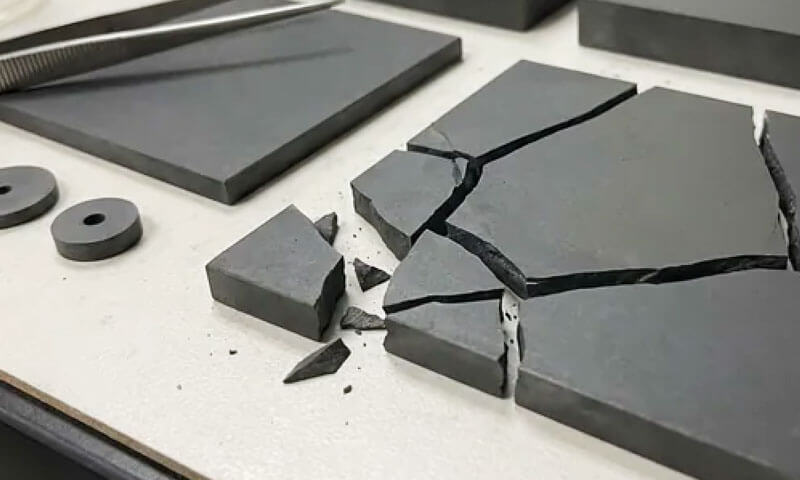
Техникада қолданылатын материалдар «күшті» немесе «әлсіз» болғандықтан ғана сәтсіздікке ұшырайды.
Олардың жүктеме кезіндегі нақты мінез-құлқы күштердің жиынтығына байланысты, қаттылық, икемділік, қаттылық, сынуға төзімділік, температура, жүктеу жылдамдығы, Микроқұрылым, және ақаулар.
Осы сипаттамалар арасында, бриттлемент өте маңызды, себебі ол салыстырмалы түрде аз тұрақты деформациядан кейін пайда болатын сынумен байланысты.
Сынғыш материал айтарлықтай жүктемеге төтеп бере алады және сыни жағдайға жеткенге дейін құрылымдық жағынан берік болып көрінеді, содан кейін крекинг пен сыну тез пайда болуы мүмкін.
Бұл мінез-құлық өте икемді материалдан түбегейлі ерекшеленеді, істен шыққанға дейін айтарлықтай пластикалық деформацияға ұшырауы мүмкін.
Сондықтан сынғыштық әлсіздіктің жай синонимі емес, қаттылық, немесе сынғыштық.
1. Морттілік дегеніміз не?
Бриттлемент сыну үрдісін сипаттайтын материалдық сипаттама болып табылады аз немесе шектеулі пластикалық деформация механикалық кернеуге ұшыраған кезде.
Иілгіш материалдан айырмашылығы, істен шыққанға дейін айтарлықтай тұрақты деформацияға ұшырауы мүмкін, сынғыш материал пішінінің салыстырмалы түрде аз көрінетін өзгеруімен сынуға жетуі мүмкін.
Инженерлік тұрғыдан, сынғыштық материалдың қолданылатын кернеуге бейімделу үрдісі ретінде жақсы түсініледі кең пластикалық шығымдылықтан гөрі жарықшақтың басталуы мен таралуы.
Бір рет сыни жарықшақ немесе ақау тұрақсыз болады, сәтсіздік тез пайда болуы мүмкін.
Мортшылдықпен шатастырмау керек төмен беріктік немесе жоғары қаттылық. Сынғыш материал айтарлықтай созылу беріктігі мен қаттылығына ие болуы мүмкін, бірақ әлі де жарықшақтардың таралуына төзімділігі төмен..
Оның сыну әрекеті микроқұрылым сияқты факторларға байланысты, температура, жүктеу жылдамдығы, кемшіліктер, және стресс концентрациясы.

Морт материалдардың негізгі сипаттамалары
| Тән | Түсіндірме |
| Шектеулі пластикалық деформация | Сыну алдында салыстырмалы түрде аз тұрақты деформация пайда болады. |
| Кенеттен сыну | Сынық сыну жағдайына жеткенде сәтсіздік тез орын алуы мүмкін. |
| Төмен деформациялық энергияны сіңіру | Иілгіштігі жоғары материалдармен салыстырғанда, сыну алдында пластикалық деформация арқылы әдетте аз энергия жұтылады. |
| Жоғары жарыққа сезімталдық | Жарықтар, тесіктер, ойықтар, сызаттар, және қосындылар сыну әрекетіне қатты әсер етуі мүмкін. |
Шектеулі сызаттардың пластикасы |
Жарықтың ұшының айналасындағы пластикалық деформация жарықшақты тиімді жабу үшін жеткіліксіз болуы мүмкін. |
| Сынық басым болатын сәтсіздік | Сәтсіздік, ең алдымен, кең шығымдылыққа емес, жарықшақтардың басталуы мен таралуы арқылы орын алады. |
| Температураға сезімталдық | Кейбір материалдар температура төмендеген сайын айтарлықтай сынғыш болады. |
| Жүктеу жылдамдығының сезімталдығы | Белгілі бір материалдар жылдам немесе соққы жүктемесі кезінде жоғары сынғыштықты көрсетеді. |
2. Морттықтың кернеу-деформация қисығымен қандай қатысы бар?
Морттық, ең алдымен, көрінеді шектелген деформация және энергияны сіңіру қабілеті сыну алдындағы материал.
Кернеу-деформация қисығы бойынша, сынғыш материал әдетте салыстырмалы түрде қысқа серпімді аймақты, содан кейін сынуды көрсетеді, пластикалық деформациясы аз немесе мүлдем жоқ.
Сондықтан оның сыну деформациясы иілгіш материалмен салыстырғанда төмен. Сынуға дейінгі қисық астындағы аймақ материалды білдіреді қаттылық, сондықтан кішігірім аймақ әдетте энергияның шектеулі сіңуін көрсетеді.
Керісінше, Иілгіш материал аққаннан кейін айқын пластикалық аймақты дамытады және бұзылғанға дейін айтарлықтай деформацияға ұшырауы мүмкін.
Солай, кернеу – деформация қисығы пайдалы көрнекі айырмашылықты қамтамасыз етеді: сынғыш материалдар аз деформациямен аз пластикалық деформациямен сынуға бейім, ал иілгіш материалдар сыну алдында айтарлықтай пластикалық деформацияға төзімді.
Бастысы, сынғыштықты тек беріктікке немесе қаттылыққа қарап бағалауға болмайды; материал әлі де сынғыш бұзылуды көрсете отырып, жоғары беріктікке немесе жоғары серпімділік модуліне ие болуы мүмкін.
3. Морт сыну механизмдері
Морт сыну сызат аздаған пластикалық деформациямен тараған кезде пайда болады.
Бөліну сынуы
Бөлшектердің сынуы — трансгранулярлық бұзылу механизмі, онда жарықтар дәндер арқылы белгілі бір кристаллографиялық жазықтықтар бойымен таралады..
Бұл пластикалық деформация қатты шектелген кезде қолайлы, мысалы, төмен температурада немесе жоғары шектеулерде.
| Белгі | Түсіндірме |
| Тетік | Атомдық байланыстар артықшылықты кристаллографиялық бөліну жазықтықтары бойынша бөлінеді. |
| Сынық жолы | Жалпы трансгранулярлы, жеке дәндер арқылы өтеді. |
| Көрінос | Салыстырмалы түрде тегіс, қырлы беті; тән өзен немесе шеврон үлгілері байқалуы мүмкін. |
| Типтік шарттар | Төмен температура, жоғары жүктеу жылдамдығы, жоғары стресс концентрациясы, немесе сыну беріктігінің жеткіліксіздігі. |
| Мысалдар | Стакан, керамика, және иілгіштен сынғышқа өтуге ықпал ететін жағдайларда ферритті болаттар. |
Түйіршікаралық сынық
Түйіршікаралық сыну Крекинг дәндерді кесіп өтуден гөрі дәннің шекаралары бойынша басымдықпен орындалғанда пайда болады.
Бұл, әдетте, астық шекараларының дәннің ішкі бөліктеріне қарағанда механикалық тұрғыдан әлсіздеуін көрсетеді.
| Белгі | Түсіндірме |
| Тетік | Бөліну әлсіреген астық шекараларында жүреді. |
| Сынық жолы | Көрші дәндер арасындағы интерфейстерді бақылайды. |
| Көрінос | Астыңғы астық құрылымын аша алатын қырлы бет. |
| Типтік себептер | Қоспаларды бөлу, тұндырады, сутегі, коррозия, немесе қолайсыз термиялық өңдеу. |
| Мысалдар | Кейбір сутегі морт болаттар және сезімтал термиялық өңдеуден өткен қорытпалар. |
Полимерлердегі сынғыш сыну
Полимерлер әртүрлі сыну механизмдерін көрсетеді, өйткені олардың молекулалық құрылымы мен деформациялық әрекеті кристалды металдар мен керамикадан түбегейлі ерекшеленеді..
Материалға тән өту температурасынан төмен, кейбір полимерлер шыны тәрізді болып, пластикалық деформацияға ұшырау қабілетінің көп бөлігін жоғалтады.
| Басу / Тетік | Түсіндірме | Мысалдар |
| Шыны тәрізді сынғыш сынық | Полимер иілгіштен сынғышқа өтудің тиімді диапазонынан төмен болған кезде жарықшақтардың өсуі макроскопиялық пластикалық деформацияның аз болуымен жүреді.. | Полистирол, Фумма |
| Крейз көмегімен сыну | Локализацияланған фибриллярлық деформация, немесе ессіздік, соңғы сыну алдында жарықшақтан бұрын дамиды. | Полистирол, кейбір акрил және поликарбонат жүйелері |
| Қоршаған ортаның тозуы | Еріткіштер, Химиялық заттар, қартаю, немесе басқа қоршаған орта факторлары икемділікті төмендетеді және мерзімінен бұрын крекингке ықпал етеді. | Әртүрлі термопластиктер және термореактивті полимерлер |
4. Материалдың сынғыш болуына не себеп болады?
Морттілік бір ғана материалдық қасиетпен анықталмайды. Ол химиялық құрам арасындағы өзара әрекеттесу нәтижесінде пайда болады, Микроқұрылым, температура, жүктеу шарттары, өндіріс тарихы, және ақаулар.
Бір жағдайларда икемді әрекет ететін материал басқа жағдайда айтарлықтай сынғыш болуы мүмкін.
Температура
Температура сыну мінез-құлқына әсер ететін маңызды факторлардың бірі болып табылады, әсіресе денеге бағытталған көптеген текшелерде (Цис) Металдар.
Температура төмендеген сайын, атомдық мобильділік пен дислокация қозғалысы қиындайды, материалдың пластикалық деформацияға қарсы тұру қабілетін төмендетеді.
Сондықтан кейбір болаттар а Ішектің сынуы (DBT) белгілі бір температура диапазонында.
Бұл әрекет әсіресе суық ортаға әсер ететін компоненттер үшін маңызды, құбырлар сияқты, Қысым кемелері, тасымалдау жабдықтары, және теңіз құрылымдары.
Сондықтан материалды таңдау бөлме температурасының беріктігін ғана емес, сонымен қатар ең төменгі қызмет көрсету температурасында қажетті соққы беріктігін де ескеруі керек.
Химиялық құрамы және легірлеу
Қорытпалар химиясы күш арасындағы тепе-теңдікті айтарлықтай өзгерте алады, икемділік, және сынуға төзімділік.
Көміртек құрамын арттыру, мысалы, болаттардағы қаттылық пен беріктікті арттыруы мүмкін, бірақ микроқұрылым тым қатты немесе сынғыш болып қалса, икемділік пен қаттылықты төмендетуі мүмкін..
Кейбір легирленген элементтер қаттылықты жақсарта алады немесе қалаған фазаларды тұрақтандырады, сияқты қоспалар болса күкірт пен фосфор сәйкес емес деңгейде болғанда сынғыштықты тудыруы мүмкін.
Сутегі тағы бір маңызды алаңдаушылық болып табылады, өйткені ол сезімтал металдарға диффузияға түсіп, ықпал ете алады Сутегі кірпігі, әсіресе беріктігі жоғары болаттарда.
Микроқұрылым және термиялық өңдеу
Ішкі микроқұрылым көбінесе жарықшақтың қаншалықты оңай басталатынын және таралатынын анықтайды.
Астық мөлшері, фазалық бөлу, карбид морфологиясы, тұндырады, қосындылар, және қалдық кернеулердің барлығы сыну әрекетіне әсер етеді.
Сондықтан термиялық өңдеу өте маңызды. Шамадан тыс қатаю беріктігі жоғары, бірақ қаттылығы төмен микроқұрылымдарды тудыруы мүмкін, ал дұрыс басқарылатын шынықтыру жарықшақтардың таралуына төзімділікті жақсартады.
Болаттарда, мысалы, Құрылымдық сенімділік үшін дұрыс шыңдалған мартенсит пен шамадан тыс қатты шыңдалмаған мартенсит арасындағы айырмашылық шешуші болуы мүмкін..
Стресс концентрациясы және ақаулар
Сынғыш сыну жергілікті кернеу концентрацияларына өте сезімтал. Өткір бұрыштар, ойықтар, өңдеу белгілері, тесіктер, қосындылар, Шөгінділер қуыстары, дәнекерлеу ақаулары, және жарықтар жергілікті кернеуді номиналды қолданылатын кернеуден әлдеқайда жоғары күшейте алады.
Ақау неғұрлым өткір болса және материалдың сыну беріктігі соғұрлым төмен болады, жарықшақтардың пайда болу қаупі соғұрлым жоғары болады.
Сондықтан инженерлік конструкциялар жиі жомарт филе радиустарын пайдаланады, бақыланатын бет сапасы, және сынудың ықтимал басталу орындарын азайту үшін тиісті тексеру әдістері.
Өндіріс және қызмет көрсету шарттары
Өңдеу тарихы сынғыштықты арттыратын факторларды енгізуі мүмкін, оның ішінде қалдық стресс, дұрыс емес термиялық өңдеу, сегрегация, шамадан тыс суық жұмыс, дәнекерлеу ақаулары, және қолайсыз фазалық түрлендірулер.
Қоршаған ортаға әсер ету одан әрі сутегі сынғыштығы сияқты механизмдер арқылы ықпал етуі мүмкін, коррозияға байланысты крекинг, немесе сәулеленудің зақымдануы.
5. Қандай материалдар әдетте сынғыш?
Морттілік көбінесе бар материалдармен байланысты шектеулі пластикалық деформация және салыстырмалы түрде төмен сыну деформациясы.
Дегенмен, сынғыштық абсолютті классификация емес: сол материал температураға байланысты көп немесе аз сынғыш болуы мүмкін, Микроқұрылым, жүктеу жылдамдығы, кемшіліктер, және қоршаған орта шарттары.
| Материалдық категория | Типтік мысалдар | Типтік сынғыш мінез-құлық | Мортшылдыққа әсер ететін негізгі факторлар |
| Шыны және шыны керамика | Сода-лайм шыны, боросиликатты шыны, Кремниймен | Өте шектеулі пластикалық деформация; жарықтар бетіндегі ақаулардан тез таралады | Беттік ақаулар, термиялық соққы, ақау мөлшері, Қалдық кернеу |
| Керамика | Көрсеткен айып, кремний карбиді, фарфор, цирконий* | Жоғары қаттылық пен қысу беріктігі, бірақ әдетте төмен созылу икемділігі | Кеуелік, дән мөлшері, кемшіліктер, температура, өңдеу сапасы |
| Сұр шойын | Қабыршақ-графитті шойын | Салыстырмалы түрде төмен созылу икемділігі; графит үлпектері кернеуді концентраторлар ретінде әрекет етеді | Графитті морфология, матрицалық құрылым, кемшіліктер, жүктеу режимі |
| Ақ шойын | Жоғары хромды ақ темір | Өте қатты және тозуға төзімді, бірақ өте шектеулі икемділік | Карбид құрамы, карбид морфологиясы, матрицалық құрылым |
Шыңдалған жоғары көміртекті болат |
Жоғары көміртекті аспаптық болаттар, шыңдалмаған мартенситті болаттар | Төмен сыну беріктігімен жоғары беріктік пен қаттылықты көрсете алады | Көміртекті, мартенсит жағдайы, Тымбитора, Қалдық кернеу |
| Төмен температурадағы ферритті болаттар | DBT жағдайында төмен көміртекті ферритті/BCC болаттар | Иілгіш сынудан үзіндіге ауысуы мүмкін | Температура, дән мөлшері, жүктеу жылдамдығы, стресс концентрациясы |
| Бетон және цементті материалдар | Бетон, миномет, цемент негізіндегі композиттер | Жоғары қысу беріктігі, бірақ созылу қабілеті төмен | Жиынтық, кеуелік, микрожарықтар, дымқыл, жүктеу режимі |
Термореактивті полимерлер |
Эпоксий, фенолды шайырлар, кейбір өңделген шайырлар | Шектеулі пластикалық деформациясы бар қатты құрылым; жарыққа сезімтал | Айқаспалы байланыс тығыздығы, температура, толтырғыштар, кемшіліктер, дымқыл |
| Шыны тәрізді термопластика | Фумма, полистирол | Кішкене пластикалық деформациямен сынуы мүмкін, әсіресе өтпелі температурадан төмен | Температура, молекулалық салмақ, ойық сезімталдығы, Штамм жылдамдығы |
| Керамикалық матрицалық композиттер | SiC/SiC, оксид/оксид жүйелері | Матрица сынғыш болуы мүмкін, күшейту зақымға төзімділікті жақсарта алады | Талшықты архитектура, матрицалық крекинг, интерфейстер, температура |
| Жартылай өткізгіштер | Кремний, германдық, галий арсениді | Бөлме температурасының шектеулі пластикасы; жарықшақтардың басталуына бейім | Кристалл бағыты, Беттік ақаулар, температура, Қалдық кернеу |
6. Морттық пен иілгіштіктің айырмашылығы неде?
Морттық пен икемділік сыну алдында материалдың кернеуге қалай жауап беретінін сипаттайды.
Сынғыш материал аз пластикалық деформациямен сынуға бейім, ал икемді материал істен шыққанға дейін айтарлықтай тұрақты деформацияға ұшырауы мүмкін.

Бұл сипаттамалар материалдың пластикалық деформация арқылы кернеуді қабылдау қабілетімен тығыз байланысты.
| Мүлік | Сынғыш материал | Иілгіш материал |
| Пластикалық деформация | Өте шектеулі | Елеулі |
| Сынықтың кернеуі | Жалпы төмен | Жалпы жоғары |
| Сәтсіздік мінез-құлқы | Кенеттен және жиі тұрақсыз | Әдетте елеулі деформация алдында болады |
| Энергияны сіңіру | Салыстырмалы түрде төмен | Салыстырмалы түрде жоғары |
| Кетікке сезімталдық | Әдетте жоғары | Жалпы түсуі |
| Типтік сыну режимі | Бөліну немесе түйір аралық сыну | Иілгіш жыртылу және микроқуыстың бірігуі |
| Мысалдар | Стакан, керамика, Сұр шойын | Жұмсақ болат, мыс, алюминий қорытпалары |
7. Морттілікке қарсы. Қаттылық: Айырмашылық неге маңызды?
Қаттылық пен сынғыштық бірдей қасиет емес. Морттілік материалдың аз пластикалық деформациямен сынуға бейімділігін сипаттайды, ал қаттылық материал сыну алдында сіңіре алатын энергия мөлшерін өлшейді.
| Тән | Бриттлемент | Қаттылық |
| Ол не сипаттайды | Кішкене пластикалық деформациямен сынуға бейімділік | Сыну алдында энергияны сіңіру мүмкіндігі |
| Негізгі алаңдаушылық | Сәтсіздікке дейінгі деформация сыйымдылығы | Жүктеме кезінде сынуға төзімділік |
| Қатысты өлшемдер | Сынықтың кернеуі, пластикалық штамм | Әсер ету қаттылық, сынық қаттылығы, стресс – кернеу энергиясы |
| Ақаулардың әсері | Көбінесе ойықтар мен жарықтарға өте сезімтал | Жарықтың басталуы мен таралуына төзімділікті анықтайды |
| Инженерлік маңызы | Кенеттен істен шығу мүмкіндігін көрсетеді | Зақымдануға төзімділік пен энергияны сіңіруді көрсетеді |
8. Сынғыштықты қалай азайтуға болады?
Морттылықты көбінесе материал құрамын өзгерту арқылы азайтуға болады, Микроқұрылым, өңдеу шарттары, құрамдас геометрия, немесе қызмет көрсету ортасы.
Сәйкес тәсіл қатты материалдық жүйеге және сынғыш мінез-құлыққа жауапты механизмге байланысты.
Жылумен өңдеуді оңтайландыру
Болаттар және басқа да термиялық өңделетін қорытпалар үшін, бақыланатын термиялық өңдеу беріктік пен икемділікті теңестірудің ең тиімді әдістерінің бірі болып табылады.
Мысалы, шыңдалған болатты шынықтыру қаттылықты жақсарта отырып, артық қаттылық пен қалдық кернеулерді азайтады.
Мақсат икемділікті барынша арттыру міндетті емес, бірақ күштің сәйкес үйлесімін орнату, қаттылық, сынық қаттылығы, және өлшемді тұрақтылық.
Микроқұрылымды нақтылау және басқару
Микроқұрылымды тазарту көптеген металл материалдардағы сынғыш сынуға төзімділікті айтарлықтай жақсарта алады.
Айыппұл, біркелкі дәндер үзілуге төзімділікті арттырады және тұрақсыз жарықшақ таралатын қашықтықты азайтады.
Қосылымдарды бақылау, тұндырады, карбидтер, және сегрегация бірдей маңызды. Шамадан тыс немесе нашар бөлінген сынғыш фазалар сызаттардың пайда болу орындарын құруы мүмкін.
Қорытпа құрамын өзгерту
Қорытпа дизайнын қажетті механикалық қасиеттерді сақтай отырып, қаттылықты жақсарту үшін пайдалануға болады.
Материалдық жүйеге байланысты, тиісті легірлеу қажетті фазаларды тұрақтандыруы мүмкін, дәндерді тазарту, беріктікті жақсарту, немесе қоршаған ортаның сынғыштығына сезімталдықты азайтады.
Болаттар үшін, зиянды қоспаларды бақылау және сутегінің сынғыштығына ықпал ететін жағдайларды азайту, ашуланшақтық, немесе астық шекарасының әлсіреуі ерекше маңызды болуы мүмкін.
Стресс концентрациясын азайтыңыз
Құрамдас бөліктердің геометриясы сыну қаупіне тікелей әсер етеді. Өткір бұрыштар, бөлімнің күрт өзгеруі, терең ойықтар, және нашар жобаланған тесіктер ауыр жергілікті кернеу концентрациясын тудыруы мүмкін.
Үлкен филе радиустары сияқты инженерлік шаралар, тегіс өтулер, оңтайландырылған тесік геометриясы, және жақсартылған бет сапасы ең жоғары жергілікті кернеулерді төмендетіп, жарықшақтардың пайда болу ықтималдығын азайтады.
Өндірістік ақауларды бақылау
Кеуелік, қосындылар, жарықтар, толық емес синтез, өңдеу зақымдануы, және басқа да өндірістік ақаулар сынудың сыни бастауларына айналуы мүмкін.
Кастингті жақсарту, соғу, дәнекерлеу, Термиялық өңдеу, сондықтан өңдеу процестері сынуға тиімді төзімділікті арттыра алады.
Қауіпсіздік маңызды құрамдас бөліктерге арналған, Бұзбайтын тестілеу (NDT)— мысалы, ультрадыбыстық, Рентгенографиялық, магниттік-бөлшек, немесе бояғыштың енуін тексеру — ақауларды қызмет ақауларына айналмай тұрып анықтауға көмектеседі.
Температура мен қоршаған ортаны басқару
Егер сынғыштық төмен температурамен байланысты болса, жұмыс температурасын жоғарылату немесе төмен температураға төзімділігі жақсы материалды таңдау иілгіштен сынғышқа ауысуды болдырмауы мүмкін.
Қоршаған ортаны бақылау да маңызды. Сәйкес материалды таңдау, жабындар, Беттік емдеу, қажет болған жағдайда катодтық қорғаныс, және сутегімен күресу шаралары қоршаған ортаға әсер ететін крекингті азайтады.
9. Неліктен инженерияда сынғыштық маңызды
Морттілік маңызды инженерлік мәселе болып табылады, өйткені ол тікелей әсер етеді сәтсіздік режимі, құрылымдық сенімділік, Қауіпсіздік шеттері, және материалды таңдау.
Сынғыш компонент зақымдалмаған күйінде айтарлықтай жүктемелерге төтеп бере алады, содан кейін сыни жарық немесе кернеу жағдайына жеткенде тез істен шығуы мүмкін..
Бұл мінез-құлық әсіресе кенеттен сыну каскадты зақымға немесе қоршаудың жоғалуына әкелуі мүмкін құрылымдарға қатысты..
Материалдық таңдау
Материалды таңдау тек созылу күшіне немесе қаттылыққа сүйенбей, толық қызмет көрсету ортасын есепке алуы керек.
Мысалы, беріктігі жоғары болат тамаша жүк көтеру қабілетін қамтамасыз ете алады, бірақ оның сыну беріктігі жеткіліксіз болса, төмен температурада қолдану үшін жарамсыз болуы мүмкін..
Құрылымдық және құрамдас дизайн
Геометрия сынғыштық қаупіне қатты әсер етеді. Өткір ойықтар, бөлімнің күрт өзгеруі, тесіктер, Жіптер, және өңдеу белгілері кернеуді шоғырландырады және жарықшақтардың басталуын жылдамдатады.
Тиісті дизайн сондықтан тегіс өтулерді қамтиды, қолайлы радиустар, бақыланатын бет сапасы, және сынуға жеткілікті төзімділік.
Өндіріс және сапаны бақылау
Өндірістік ақаулар сынғыш немесе сынуға сезімтал материалдарда сынудың сыни бастауларына айналуы мүмкін..
КҮТУГЕ КҮТУ, қосындылар, дәнекерлеу үзілістері, термиялық өңдеу ақаулары, және бетіндегі жарықтар тиісті технологиялық параметрлер мен тексеру процедуралары арқылы бақылануы керек.
Сыни компоненттер үшін, Бұзбайтын тестілеу (NDT) және сыну механикасына негізделген қабылдау критерийлері күтпеген істен шығудан қосымша қорғаныс қабатын қамтамасыз ете алады..
Қауіпсіздік және сәтсіздікті болжау
Иілгіш материалдар көбінесе істен шыққанға дейін көрінетін деформацияны қамтамасыз етеді, ал сынғыш материалдар аз ескерту бере алады.
, Сорт, сынғыш материалдарды қамтитын конструкциялар, әдетте, көбірек назар аударуды қажет етеді ақау мөлшері, сызаттардың өсуі, Жұмыс температурасы, жүктеу шарттары, және инспекциялық аралықтар.
Қысыммен жұмыс істейтін ыдыстар сияқты қолданбаларда, көпірлер, құбырлар, Аэроғарыштық құрылымдар, Кесетін құралдар, және керамикалық компоненттер, сынғыштықты түсіну сәйкес қауіпсіздік факторларын орнату және апатты сынудың алдын алу үшін өте маңызды.
10. «Нәзік» және «Сынғыш» арасындағы айырмашылық неде?
Шарттар «нәзік» жіне «сынғыш» күнделікті тілде жиі синоним ретінде қолданылады, бірақ олардың инженерияда әртүрлі мағыналары бар.
Морт шектеулі пластикалық деформациямен материалдың сынуға бейімділігін сипаттайтын техникалық материал-ғылым термині.
Сынғыш, керісінше, әдетте бір нәрсе оңай бүлінетінін білдіретін кеңірек сипаттама термині, сынған, немесе жойылды.
Нәзік нысан геометриясына байланысты осал болуы мүмкін, жіңішке, Беттің жағдайы, немесе құрылыс — материалдың өзінің икемділігі төмен болғандықтан міндетті емес.
| Аспект | Морт | Сынғыш |
| Мағынасы | Техникалық материалдық мінез-құлық | Жалпы сипаттамалық термин |
| Бастапқы сипаттама | Сыну алдында шектеулі пластикалық деформация | Оңай зақымдалған немесе сынған |
| Инженерлік анықтама | Сыну деформациясы мен деформация мінез-құлқымен байланысты | Бірыңғай стандартталған механикалық анықтама жоқ |
| Сәтсіздік мінез-құлқы | Шектеулі ескертумен жиі кенеттен | Әртүрлі механизмдер арқылы сәтсіздікке ұшырауы мүмкін |
| Мысалдар | Стакан, керамика, Сұр шойын | Жұқа шыны панель, нәзік электронды жинақ, жұқа қабырғалы компонент |
| Иілгіш материалды сипаттай алады? | Жалпы техникалық мағынада емес | Иә |
11. Қорытынды
Морттілік - бұл материалдың аз немесе айтарлықтай пластикалық деформациясы жоқ сынуға бейімділігі.
Ол күштен түбегейлі ерекшеленеді, қаттылық, және қаттылық, дегенмен бұл сипаттар нақты әлемдегі сәтсіздік әрекетін анықтауда күшті өзара әрекеттесе алады.
Инженерлік тұрғыдан, Негізгі мәселе материалдың «сынғыш» деп белгіленуі ғана емес,” бірақ оның нақты қызмет көрсету жағдайында қалай әрекет ететіні.
Сәйкес материалды таңдау, микроқұрылымдық бақылау, Термиялық өңдеу, геометриялық дизайн, ақаулардың алдын алу, және тексеру күтпеген сыну қаупін айтарлықтай азайтады.
ЖҚС
Қарапайым тілмен айтқанда сынғыштық дегеніміз не?
Морттық - бұл жеткілікті кернеуге ұшыраған кезде материалдың пластикалық деформациядан гөрі сыну үрдісі.
Морт материалдар әдетте кенеттен сынады және істен шыққанға дейін салыстырмалы түрде аз энергияны сіңіреді.
Морттілік төмен беріктікпен бірдей ме?
Жоқ. Беріктік пен сынғыштық әртүрлі қасиеттер. Материал өте жоғары беріктікке немесе қаттылыққа ие болуы мүмкін, бірақ пластикалық деформациясы аз болса да сынуы мүмкін.
Металл сынғыш болуы мүмкін?
Иә. Төмен температура әсерінен металдар сынғыш болуы мүмкін, шамадан тыс қатаю, қолайсыз термиялық өңдеу, сутегінің әсері, қоспаларды бөлу, радиациялық зақым, немесе ауыр стресс концентрациясы.
Сынғыштық қалай өлшенеді?
Біртұтас әмбебап «сынғыштық мәні» жоқ.
Инженерлер оны әдетте сыну деформациясы сияқты қасиеттер арқылы бағалайды, іуу, әсер ету қаттылық, сынық қаттылығы, және иілгіштен мортқа ауысу температурасы, материалға және қолдануға байланысты.
Сынғыш материалдарды қаттырақ етуге болады?
Көптеген жағдайларда, иә. Қаттылықты микроқұрылымдық нақтылау арқылы жақсартуға болады, оңтайландырылған термиялық өңдеу, Бұзылған модификация, бақыланатын өңдеу, күшейту, және кернеу концентрациялары мен ақауларды азайту.
Неліктен болат төмен температурада сынғыш болады?
Төмен температурада болат иілгіштен сынғышқа ауысуына байланысты сынғыш болады..
Өтпелі температурадан төмен, материал сынғыш жолмен пластикалық деформация және сыну арқылы кернеуді көтере алмайды.
Иілгіштен мортқа өту температурасы дегеніміз не (Кірсек)?
DBTT - бұл төмен температурада материал сынғыш және одан жоғары иілгіш әрекет етеді.. Бұл төмен температуралы қолданбалар үшін маңызды параметр.

