

1. Hōʻikeʻike
ʻAihue kīwī Kāhaka kūʻai kūʻai merges ancient artistry with modern engineering to produce complex, high-strength steel components.
By using the lost-wax method—where disposable wax patterns become permanent steel parts—this process achieves tolerances and surface finishes unthinkable in conventional sand casting.
Its roots stretch back over 5 000 years to Mesopotamian lost-wax bronzes, but only in the mid-20th century did foundries master steel’s high melting point (1 500-1 600 ° C) and narrow solidification range.
I kēia mau lā, industries such as pono & aila, mana pā'āʻu, NA KAHIKI, a aitompetitive depend on carbon steel investment castings for valve bodies, nā mea hana pump, turbine casings, and structural brackets.
This article explores the fundamentals, ALLOLOL koho, tailored process steps, waiwai waiwai, hopena kaiaulu, and competitive positioning of carbon steel investment casting.
2. Nā Kuleana o ka hoolei ʻana i ka hao hao kalapona
Casting carbon steel introduces unique challenges. Its high pouring temperature demands refractory shell systems capable of withstanding temperatures above 1 700 ° C.
Eia hou, carbon steels typically exhibit a narrow crystallization interval—often less than 70 °C—so they shrink rapidly and risk internal porosity.

Ua hoʻohālikelikeʻia Sand cread, investment methods deliver dimensional accuracy of ±0.1 mm on small features (versus ±1.5 mm) and surface finishes down to Ra 0.8–3.2 µm (versus 12–50 µm).
Yet forging still yields finer grain flow and superior fatigue life, making investment casting a strategic choice when net-shape geometry outweighs mechanical optimization.
3. ʻO nā mea hao hao kalapona no ka hoʻolei kālā
Selecting the right ʻaihue kīwī grade determines casting success.
Hoʻopili ka maʻi kalapona i ka ikaika, Kālā paʻakikī, a me ka shrink, oiai e hookui ana i na mea (Mn, A, Cr) hoʻomalu i ka paʻakikī, paʻakikī, a kau pale.
Hoʻokomo ka hoʻolei kālā i nā haʻahaʻa haʻahaʻa., kumapana-, a me nā kila kalapona kiʻekiʻe, hāʻawi kēlā me kēia i nā kikoʻī hana ʻokoʻa:
- Nā kāhiko haʻahaʻa haʻahaʻa (< 0.25 %C):
-
- Hāʻawi maikaʻi i ka ductility a me ka weldability.
- E koi i ka liʻiliʻi o ka wela wela e hoʻopuka i nā ikaika tensile o 400-550 mpa.
- E lawelawe maikaʻi i nā kino valve, flanges, a me nā lako hana maʻamau.
- Nā kākela lole odium-carbon (0.25–0.60 %C):
-
- Hoʻohālikelike i ka ikaika a me ka paʻakikī, me ka ikaika tensile o 500-650 mpa.
- E pane maikaʻi e kinai & huhū, loaa ka paakiki a hiki i HRC 35–40.
- Hoʻolei pinepine ʻia i loko o nā hale paʻa a me nā pale hana.
- Nā kākela kiʻekiʻe (> 0.60 %C):
-
- Hāʻawi i nā ikaika tensile ma luna 900 Mpa Ma hope o ka mālama wela.
- E hoʻomohala i nā ʻupena carbide no ka pale ʻana i ka ʻaʻahu.
- Kūpono no ka ʻoki ʻana i nā mea hana, komo i nā papa, a me nā mea i hoʻouka nui ʻia.
4. ʻO ke kaʻina hana hoʻolei kālā i hoʻohālikelike ʻia i nā hao kalapona
Wax kumu & Hoʻolālā hoʻolālā
Hoʻolālā ka poʻe ʻenekinia i nā ʻōnaehana gating e hānai i ke kila ma ka wikiwiki hoʻomalu, hōʻemi i ka haʻalulu wela.
E hana ana ka wax ma 65–75 °C, a hoonuiia na puka e 20 % relative to aluminum castings to maintain fill velocity.
Nā Pūnaehana Shellamic
Foundries alternate Zircon a alumina–silicate slurries, building shells of 12–20 mm.
This combination provides refractoriness beyond 1 700 °C and permeability to vent gas expansion.
Hoomoana & Hoʻopau ʻo Shell Burnout
Autoclave dewaxing at 150 °C removes bulk wax. A hiki, furnaces ramp at 2 °C/min to 900 ° C, holding for 4–6 hours. This slow cycle prevents shell cracking while burning out all organics.
Heohe kila & E ninini ana
Induction furnaces heat charge to 1 550 ± 10 ° C, 'Oʻoiaʻiʻo 5 % superhaeat. Foundries use tilt-ladle or vacuum-assist pours to reduce turbulence; small castings fill in 30–60 s, larger in 2–3 min.
Shell lawe & Mālamaʻona
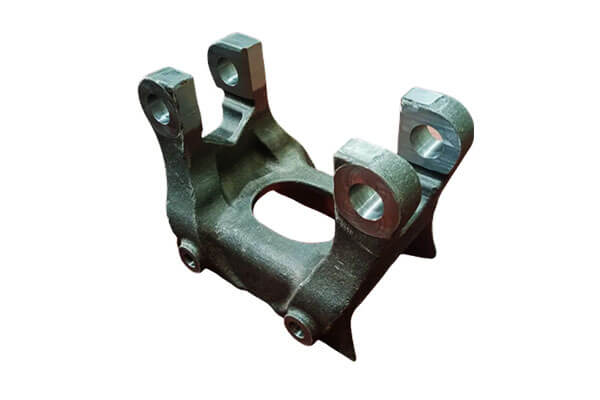
After 4–8 hours cooling, crews mechanically shake off shells, then grit-blast surfaces to Ra 1.6–3.2 µm. Automated grinders remove gates.
ʻO ka mālama wela
Quench from 900 °C into oil or water, then temper at 600 ° C no 2 Nā hola hola. Hāʻawi kēia pōʻaiapuni i nā ikaika tensile e like me nā mea i hana ʻia (400-900 mPA) a hoʻoponopono i ka paʻakikī i ka HRC 20–55.
5. Puiahuhu & Nā Pūnaewele Pūnaewele
| Waiwai | Haʻahaʻa-C | Med-C | Kiʻekiʻe-C |
|---|---|---|---|
| Ikaika ikaika (Mpa) | 400-550 | 500-650 | ≥900 |
| Ka ikaika (Mpa) | 250-350 | 300-450 | 700-850 |
| Ewangantion (%) | 20-25 | 15-20 | 2-5 |
| Hālulu (Hrc) | 15-20 | 25-35 | 45-55 |
| Hopena paʻakikī (J, Lihua) | 40-60 | 30-50 | 10-20 |
| Ka HōʻaʻO Kokua (W / m · c · k) | 30-45 | 28-40 | 25-35 |
| Hoʻonui (10⁻⁶/K) | 11-13 | 12-14 | 12-14 |
6. Kūleʻa ʻino o nā mea hoʻolei ʻana i ka hao kalapona
ʻO nā hiʻohiʻona ʻino o nā hao kalapona
Hiki i ke kila kalapona ke hoʻoheheʻe ʻia a me ka ʻōpala ke ʻike ʻia i ka makū, oxycongen, a me nā mea ʻino e like me nā waikawa, aloha, a me nā mea haumia ʻoihana.
ʻO ka nui o ka corrosion maʻamau i nā kaiapuni lewa (E.g., kūlanakauhale a moana paha) no ka pale kalapona kila laula ma waena 0.02–0.2 mm/makahiki, ma muli o ke kaumaha o ka ʻike.
Nā Lapaʻau ʻili a me nā pale pale
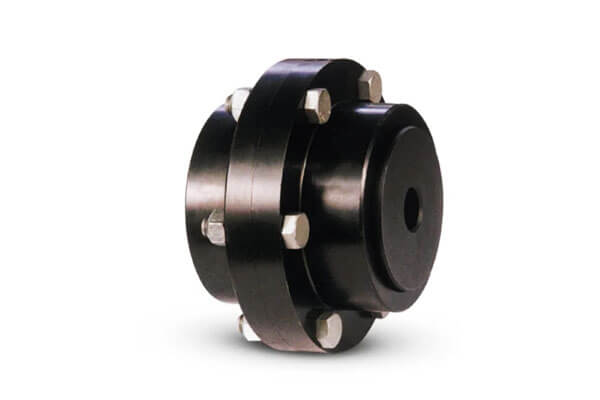
E hoʻonui i ka lōʻihi a me ka pale ʻana i ka corrosion, Hoʻopili pinepine ʻia a mālama ʻia paha nā mea hoʻolei kalapona. Komo nāʻano maʻamau:
- Galvaniration (Hoʻopaʻa Zinc Hot-Dip)
Hāʻawi i ka pale cathodic a hoʻohana nui ʻia i nā hana hoʻolālā a me waho. Zinc corrodent mua, pale i ke kila kila. - Nā Paʻi Phosphate
Hoʻohana ʻia ma ke ʻano he hoʻomaʻamaʻa mua ʻana no ka pena kiʻi a i ʻole no nā noi pale ʻaʻahu. Hoʻonui i ka hoʻopili ʻana i ka pena a hāʻawi i ka pale corrosion māmā. - ʻO ka paleʻana a i ʻole ke pena
Hoʻohana pinepine ʻia ka epoxy a i ʻole polyurethane coatings no nā mea hana ʻenehana a me nā mea kūʻai aku e hoʻomaikaʻi i ka nani a me ka pale pale.. - Hoʻololi (E.g., Zinc, Nickel)
He kūpono no nā mea liʻiliʻi a pololei. Hoʻolakoʻia, ʻaʻahu kūʻokoʻa ʻili. - ʻO nā Lining Polymer a i ʻole ka ʻili Rubber
Hoʻohana ʻia i loko o nā kaiapuni koʻikoʻi e like me ka hana kemika a i ʻole nā noi mālama wai.
7. No ke aha e hoolei ana i ke kalapona hao
ʻO ke koho ʻana i ka hoʻolei ʻana i ke kila kalapona e hāʻawi i nā mea maikaʻi ʻole ke koi ʻia nā noi ʻO ka geometry paʻakikī, nā mea paʻa paʻa, a ʻO ka hana mechanical hana.
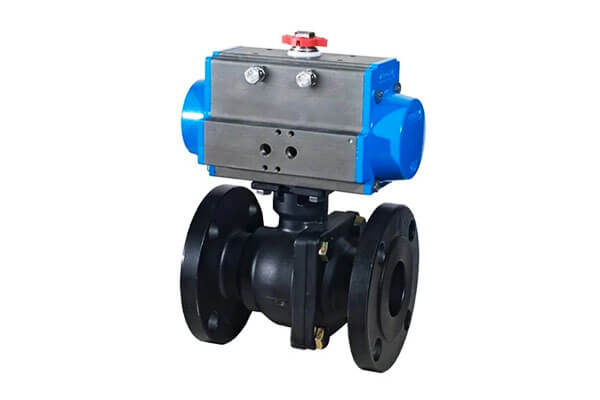
Ma lalo, wehewehe mākou i nā kumu nui e makemake ai nā ʻenekinia a me nā mea hoʻoholo i kēia kaʻina hana:
Kūikawā kikoʻī a me ka pololei
Hoʻopuka hou ka hoʻolei kālā ʻana i nā hiʻohiʻona maikaʻi-undercuts, nā pāʻili (a lalo i 2 mm), a me na kihi oi—i ka ninini hookahi.
NOEHUI, hoʻokō ʻoe ʻO ka ʻae ʻana i ka nui e like me ka ± 0.1 mm a pau ka ili i Ra 0.8 }m, ʻoki ʻana i ka mīkini lua a hiki i 60 %.
Alloy Flexibility ma na pae kalapona
Inā makemake ʻoe i nā māka kalapona haʻahaʻa (A216 wcb) no ka corrosion-resistant valve kino, nā kila kalapona waena (A297) no na hale pamu,
a i ʻole nā hui kalapona kiʻekiʻe (A11540) no nā ʻāpana pale lole, Hoʻokomo ka hoʻolei kālā iā lākou a pau.
Ma ka hopena, mālama ʻoe i nā ʻāpana kaʻina hana maʻamau i ka wā e hana ana i nā waiwai mechanical-mai 400 ʻO ka ikaika tensile MPa e luna 900 Mpa.
Mea paʻakikī, Near-Net-Shape Production
Ma ka hoʻopau ʻana i nā cores a me nā hui, ʻO ka hoʻolei kālā e hoʻohui i nā hui i loko o nā ʻāpana hoʻokahi-e hōʻemi i nā welds, Nā mea paʻa, a me nā ala leak.
ʻo kahi laʻana, ʻO ke kino kiwi ʻaila i makemake mua ʻia i ʻehā mau ʻāpana hoʻolei one i kēia manawa ke puka mai nei ma ke ʻano he hoʻokahi hoʻoheheʻe ʻia, ka oki ana i ka hana ana e 50 % a me ka hoʻomaikaʻi ʻana i ka hilinaʻi.
ʻO ka hua kiʻekiʻe a me ka maikaʻi o ka waiwai
ʻO ka hoʻolālā ʻana i ka pūpū me ka mālama ʻana i ka nui o ka ninini ʻana e hōʻemi i ka porosity shrinkage, kaʻa ʻana hua mua-pass ma luna 90 %.
Eia hou, ʻoki ʻia ka hoʻohana ʻana o ke kila e ka gating a me ka riser optimization 15 % ua hoʻohālikelikeʻia i ke kauʻana o ke one, e hoemi ana i na koina maka a me ka pala.
Uku-kuai no na Volume Haahaa a Medium
ʻOiai ua make nā mea hana no ka wax a me nā pūpū seramika (USD 15 000-50 000) ʻoi aku ma mua o ka hoʻolei ʻana i ke one, hiki pinepine i ka break-even ma 1 000-5 000 ʻāpana i kēlā me kēia makahiki.
Ma ka hoʻohālikelike, ʻO ka hana ʻana a i ʻole ka hana ʻana i nā ʻano paʻakikī e loaʻa i nā kumukūʻai ʻoi aku ka nui o kēlā me kēia ʻāpana a ʻoi aku ka lōʻihi o ka manawa alakaʻi.
Hoʻohana ʻoihana hoʻolālā
ʻO nā ʻoihana e like me pono & aila, mana pā'āʻu, aitompetitive, a nā mea kino kaumaha hilinaʻi ma luna o ka hoʻolei ʻana i ke kila kalapona no nā mea koʻikoʻi—nā kino kiwi, kuʻekuʻe lima hoʻoheheʻe turbine, Nā Koho Pūnaewele,
no ka mea, kaulike ke ala i ka hana, kūlia, a me ka huli ana.
8. Noi no ka hoolei ana i ke kila kalapona
Pono & ʻO kaʻoihana
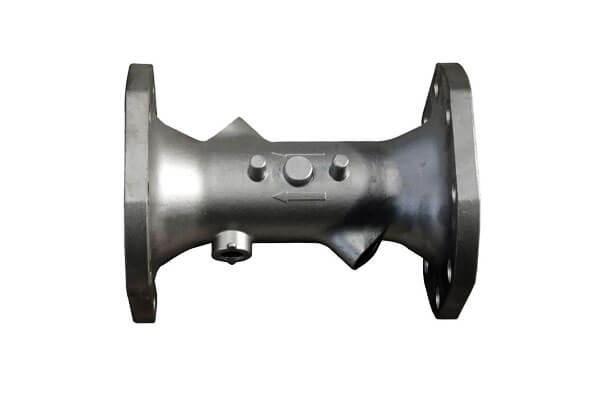
- Nā kino valve a me nā mea hana
- Nā mea hoʻohui paipu a me nā hui
- ʻO nā pahu pāpaʻi kiʻekiʻe
- Flanges, elbows, a me nā mea hoʻomalu kahe
Mana pā'āʻu
- ʻO nā pahu huila mahu
- Nā mea hou aku a me nā mea hanaʻole
- Nā ʻāpana pahu pahu
- Nā mea hoʻoheheʻe hoʻopau
Nā mīkini kaumaha a me nā mea hanaʻoihana
- Nā holohaʻana
- Nā kākoʻo hāpai
- Nā mea hoʻohui Chassis a me nā pale
- Nā'āpana paʻa
Autoomotive a me ka halihali
- Nā lima hoʻomaha a me nā pale
- Nā Mokuna Pūnaewele
- Nā mea hoʻokele a me nā mea pili
- Nā ʻāpana ʻōnaehana kaʻa
- ʻO nā mea hoʻohui a me nā lako kaʻa kaʻa
Mahiai & Na Lako Ala-ala
- ʻO nā pale palau
- ʻO nā ʻāpana hydraulic cylinder
- Hapai i nā makau a me nā kaulahao
- ʻāpana ʻāpana
Reflan & Kauka
- hale hale kaua
- Nā mīkini hoʻāla
- ʻO nā ʻāpana kaʻa maʻamau
- Nā pale a me nā puʻu
ʻOihana Kai
- Deck fittings
- Engine support structures
- Winch housings
Kūkulu hoʻi & Lako Paahana
- Crane components
- Bracing connectors
- Elevator brackets
- Rebar couplers
Mea paahana a me na mea paahana
- Machining fixtures
- Welding positioners
- Robotic arms and gripping tools
9. Hoʻohana ʻia nā papa kila Carbon maʻamau i ka hoʻolei kālā
The following is a list of typical carbon steel grades commonly used in precision casting (Kāhaka kūʻai kūʻai),
Covering a variety of international standards, which is convenient for global manufacturing companies to refer to and select:
| Kū-starder & Kumu | NA MANAOLO DOLIAMERA (C) | Ikaika ikaika (Mpa) | Nā noi maʻamau |
|---|---|---|---|
| Astm A216 WCB | 0.17% max | 415–485 | Nā Vilves, Pumps, flanges, general pressure applications |
| ASTM A352 LCB | 0.20% max | 485-620 | Low-temperature pressure systems |
| Astm A105 | 0.35% max | 485-655 | Nā flanges, KahawaiOli, nā ipu koʻikoʻi |
| ASTM AISI 1020 | 0.18–0.23% | 395–510 | Nā'āpana mīkini, Nā papahele, nā'āpana automotive |
| ASTM AISI 1030 | 0.28–0.34% | 450-600 | Structural bars, rail plates, lihao |
| ASTM AISI 1045 | 0.43–0.50% | 570-750 | Kauluhi, ankles, nā bolts, lihao |
| ASTM AISI 1055 | 0.50-0.60% | 610-830 | Kākau, Bussings, ʻO nā lima hana |
| ASTM AISI 1080 | 0.75–0.88% | 720–880 | Punawai, Nā Wili, ʻāpana pale ʻaʻahu |
| EN C22 (1.0402) | ~0.22% | 400-500 | Automotive forgings, Nā mea hana kūkulu |
| EN C45 (1.0503) | ~0.45% | 570-800 | Nā papahele, Kuha wai, Nā Nele |
| DIN GS-C25 | ~ 0.25% | 450-600 | General engineering parts |
| JIS S25C | ~ 0.25% | 440–580 | Ua kalaʻia, Nā LeviKo, linkages |
| JIS S45C | ~0.45% | 570-800 | Nā'āpana hoʻoili, Kauluhi |
| Gb 25# | ~ 0.25% | 450-600 | Nā mīkini hana, nā'āpana automotive |
| Gb 45# | ~0.45% | 570-750 | High-strength structural parts |
10. Hopena
Carbon steel investment casting bridges artistry and high-temperature metallurgy, delivering parts that combine ʻO ka geometry paʻakikī, nā mea paʻa paʻa, a ʻO ka hana mechanical hana.
While high tooling costs and process sensitivity pose challenges, advances in shell materials and digital monitoring are reducing lead times and defects.
By selecting the right steel grade, optimizing gating and shell systems, and applying appropriate heat treatments,
manufacturers can leverage investment casting to meet the toughest demands in energy, ʻO nā mīkini, a me ka halihali.
ʻO kēia 'Āpana is a prominent Chinese manufacturer specializing in carbon steel investment casting, offering comprehensive metal processing solutions tailored to various industrial applications.
With over two decades of experience, ʻO kēia has established itself as a reliable partner for clients seeking high-precision, custom-cast components.
FaqS
He aha nā tolerances maʻamau hiki ke loaʻa me ka hoʻolei ʻana i ke kila kalapona?
Investment casting typically achieves dimensional tolerances of ±0.10 mm for small features a i ±0.5 mm for larger features, ma muli o ka paʻakikī a me ka nui o ka mea.
How strong are carbon steel investment castings?
Ma muli o ka papa a me ka mālama wela, nā ikaika tensile mai 400 Mpa e luna 900 Mpa. Hiki ke ho'opa'a 'ia nā kila kalapona no ka ho'omaika'i 'ana i ke kū'ē a me ke ola luhi.
Is heat treatment necessary after casting?
ʻAe, i ka nui o na hihia. ʻO nā lāʻau wela e like me hana maʻamau, Annalile, Oole ʻO ka huhū a me ka hoʻowalewale hoʻohana ʻia e hoʻomaikaʻi i nā waiwai mechanical a hoʻomaha i nā koʻikoʻi o loko.
What are the surface finish levels for investment-cast carbon steel?
Hiki i ka hoʻolei kālā ke hoʻokō i ka hoʻopau ʻana o ka honua RA 3.2-6.3 μM, ʻoi aku ka maʻalahi ma mua o ka hoʻolei ʻana i ke one a ʻae pinepine ʻia me ka ʻole o ka hana ʻana.
Can complex geometries and internal features be cast?
ʻAe. Hiki ke hoʻolei kālā kokoke-like-ʻano ka hana ʻana i nā geometries paʻakikī, me ka nā undercuts, Nā kiko'ī maikaʻi, a me nā paiaʻili- hoʻopau pinepine i ka pono no ka wili a hui.

