1. Tabhairt isteach
Crone nach ábhar amháin é le dlús seasta amháin. I gcleachtas nua-aimseartha copar-cóimhiotal, folaíonn an teaghlach cré-umha cré-umhaí stáin, cré-umhaí stáin luaidhe, cré-umhaí stáin ard-luaidhe, cré-umhaí nicil-stáin, agus cré-umhaí alúmanaim, agus tá comhdhéanamh difriúil ag gach grúpa agus mar sin tá dlús difriúil acu.
Sin é an fáth gur fearr “dlús an chré-umha” a thuiscint mar a raon seachas luach aonair.
2. Cad a chiallaíonn Dlús i gCóimhiotal Cré-umha
Is ionann dlús agus mais ábhair in aghaidh an aonaid toirte. I gcré-umha, ní uimhir chatalóige amháin é; is léiriú díreach é ar cheimic agus ar mhicreastruchtúr an chóimhiotail.
Tá cóimhiotail cré-umha bunaithe ar chopair, ach stáin a chur leis, sinc, alúmanam, nicil, mangainéise, iarann, agus uaireanta aistríonn luaidhe an dlús deiridh ar shiúl ó chopair íon.
Tá dlús de chopair féin 8.89 g/cm³, mar sin deireadh roinnt cré-umhaí suas beagán níos éadroime ná copar, agus tá cuid eile gar do chopair nó fiú beagán níos dlúithe, ag brath ar an teaghlach cóimhiotail.
Sin é an fáth go bhfuil tábhacht le dlús cré-umha san innealtóireacht. Bíonn tionchar aige ar mheáchan cuid, táimhe, mais loingseoireachta, láimhseáil, agus conas a iompraíonn comhpháirt i rothlú, sleamhnú, nó seirbhís ualachiompartha.
I bhfeidhmeanna imtha agus mara, mar shampla, ní bhaineann an dlús le “tromaíocht” amháin; tá sé mar chuid d'iarmhéid meicniúil agus teirmeach foriomlán an chomhpháirte.
3. Cén Fáth A Athraíonn Dlús Cré-umha Trasna Teaghlaigh
Is ainm teaghlaigh é cré-umha, ní sonraíocht cóimhiotail aonair. Scarann an t-aicmiú foirmiúil cré-umha teilgthe an teaghlach ina chré-umhaí copar-stáin, cré-umhaí stáin luaidhe, cré-umhaí stáin ard-luaidhe, cré-umhaí nicil-stáin, agus cré-umhaí alúmanaim.
Toisc go n-úsáideann na teaghlaigh seo córais chóimhiotalach éagsúla agus comhréireanna éagsúla d'eilimintí cóimhiotail, ní hionann a ndlúis.
Is é seo an príomhphointe metallurgical: athruithe dlúis toisc go n-athraíonn cóimhiotal an mais in aghaidh an aonaid toirte den chóras ábhair.
Ní dhéanfaidh cré-umha le níos mó since nó alúmanam é féin a iompar cosúil le cré-umha le níos mó stáin nó luaidhe, agus ní bheidh an próifíl dlús céanna ag cré-umha nicil-alúmanam mar chré-umha stáin ard-luaidhe.
Na táblaí réadmhaoine foilsithe do C90500, C93200, C86300, C95400, agus C95500 an difríocht sin le feiceáil i réaduimhreacha seachas teoiric amháin.
4. Luachanna Dlúis Ionadaíocha Cóimhiotail Chré-umha Choitianta
Tarraingítear na luachanna dlúis ó bhileoga sonraí cóimhiotal foilsithe ag 20°C / 68° f.
| Cóimhiotal cré-umha | Teaghlaigh | Dlús (g/cm³) | Dlús (kg/m³) | Dlús (lb/in³) |
| C95400 | Cré-umha alúmanaim | 7.45 | 7,450 | 0.269 |
| C95500 | Cré-umha alúmanaim nicil | 7.53 | 7,530 | 0.272 |
| C95600 | Cré-umha alúmanaim nicil | 7.70 | 7,700 | 0.278 |
| C95800 | Cré-umha alúmanaim nicil | 7.64 | 7,640 | 0.276 |
| C86300 | Cré-umha mangainéise | 7.83 | 7,830 | 0.283 |
| C86400 | Cré-umha mangainéise | 8.33 | 8,330 | 0.301 |
| C90300 | Cré-umha stáin | 8.80 | 8,800 | 0.318 |
| C90500 | Cré-umha stáin | 8.72 | 8,720 | 0.315 |
| C90700 | Cré-umha stáin | 8.77 | 8,770 | 0.317 |
| C90800 | Cré-umha stáin | 8.77 | 8,770 | 0.317 |
| C93200 | Cré-umha stáin ard-luaidhe | 8.91 | 8,910 | 0.322 |
| C93500 | Cré-umha stáin ard-luaidhe | 8.86 | 8,860 | 0.320 |
| C93600 | Cré-umha stáin ard-luaidhe | 9.00 | 9,000 | 0.325 |
| C93800 | Cré-umha stáin ard-luaidhe | 9.25 | 9,250 | 0.334 |
5. Cad a chiallaíonn Dlús Cré-umha i nDearadh agus i Déantúsaíocht
Is Athróg Dearaidh é Dlús, Ní hamháin Uimhir Chatalóige
I roghnú cré-umha, ní airí tuairisciúil amháin atá i ndlús.
Is athróg dearaidh é a mbíonn tionchar aige mais chuid, táimhe, láimhseáil, meáchan loingseoireachta, agus freagairt dhinimiciúil, go háirithe nuair a bhíonn an chomhpháirt mór, rothlach, nó luasghéaraithe agus luasmhoillithe arís agus arís eile.
Sin é an fáth nár cheart d’innealtóirí fiafraí de “Cé chomh dlúth is atá cré-umha?” ach “Cad a dhéanann an dlús seo leis an gcuid críochnaithe den tseirbhís?”
Is teaghlach cóimhiotail é cré-umha a úsáidtear i dtimthriallta dualgais an-difriúla, mar sin ba cheart dlús an ghrád roghnaithe UNS a léirmhíniú i gcónaí in éineacht leis an ualach, luas, bealaithe, agus timpeallacht.
Aifreann, Táimhe, agus Iompar Struchtúrtha
Táirgeann cré-umha níos dlúithe comhpháirt níos troime don chéimseata chéanna. I crua-earraí statacha, d’fhéadfadh sé a bheith neamhábhartha nó fiú inmhianaithe má chuireann mais le cobhsaíocht mhaise nó teagmhála.
I gcodanna rothlach nó cómhalartacha, cibé dóigh, athraíonn mais táimhe an chórais, a chuireann isteach ar chasmhóiminte tosaithe, iompar a stopadh, freagra creathadh, agus an fuinneamh is gá chun an comhpháirt a luasghéarú.
Sin cúis amháin a bhaineann le dlús cré-umha i giaranna, cams, impellers, leachtaitheoirí, agus páirteanna eile a bhaineann le tairiscint.
Mar sin déantar an rogha dlúis mar chuid den dearadh meicniúil, ní hamháin sonraíocht an ábhair.
Cén Fáth a Bhfuil Dlús Tábhacht Chomh mór i Imthacaí
Tá cré-umha ar cheann de na teaghlaigh clasaiceacha imthacaí, ach roghnaítear an cóimhiotal go príomha as a chuid cumas ualach-luas, réimeas lubrication, iompar a chaitheamh, agus comhoiriúnacht leis an seafta, ní le haghaidh dlús amháin.
Leagtar béim sa lámhleabhar dearadh imthacaí cré-umha teilgthe go mbraitheann feidhmíocht imthacaí ar cibé an n-oibríonn an córas i lánscannán, scannán measctha, nó lubrication teorann,
agus go n-úsáidtear imthacaí cré-umha go coitianta i gcoinníollacha luas an-mhall nó ualach mór ina bhfuil cáilíocht lubrication ríthábhachtach.
Sa chomhthéacs sin, bíonn tionchar ag dlús ar mhais phraiticiúil agus táimhe teirmeach an imthacaí, ach ní chuireann sé in ionad na gceisteanna níos tábhachtaí maidir le cruas seafta, soláthar bealaidh, agus réimeas teagmhála.
Bealach úsáideach le smaoineamh air is ea é seo: is féidir imthacaí cré-umha níos troime a bheith láidir agus cobhsaí go meicniúil, ach má tá an córas lubrication bocht, ní shábhálfaidh dlús an dearadh.
Tá an ráta lubrication soiléir sa litríocht ar a bhfuil cré-umha, slaodacht, agus caithfidh céimseata imthacaí a bheith ceart chun go n-oibreoidh an imthacaí i gceart. Baineann dlúis, ach laistigh den chóras treibheolaíoch níos mó sin amháin.
Dlús agus Éifeachtúlacht Déantúsaíochta
I ndéantúsaíocht, tionchar dlús cré-umha níos mó ná an meáchan cuid deiridh.
Bíonn tionchar aige freisin tomhaltas ábhar, toradh réitigh in aghaidh an lámhaigh nó Doirt, costas loingseoireachta, láimhseáil ualach, agus ualach meaisínithe anuas.
Tá mais níos mó don chlúdach céanna i réitigh mhór déanta as cré-umha níos dlúithe, mar sin ní mór don teilgcheárta agus siopa meaisín bogadh níos mó miotail trí gach céim den phróiseas.
Ní chuireann sé sin cré-umha dlúth níos fearr nó níos measa leis féin, ach athraíonn sé eacnamaíocht an táirgthe.
Tá sé seo tábhachtach go háirithe i gcomhpháirteanna cosúil le comhlachtaí comhla, crua-earraí lián, toir, agus páirteanna meaisín tromshaothair, áit a bhfuil an cóimhiotail á úsáid cheana féin toisc go dtugann sé meascán fabhrach de neart, friotaíocht creimthe, agus friotaíocht a chaitheamh.
Cré-umhaí alúmanaim nicil, mar shampla, Déantar cur síos orthu mar fhriotaíocht den scoth le cavitation agus feidhmíocht láidir uisce farraige, agus is é sin an fáth go bhfuil siad bunaithe sa tseirbhís mhuirí.
Sna cásanna sin, glactar leis an bpionós dlúis go minic toisc go bhfuil an sochar seirbhíse níos mó ná an costas meáchain.
Dlús i gcoinne Porosity: Idirdheal Chriticiúil
I ndéantúsaíocht chré-umha, tá sé éasca mearbhall dlús ábhar le dlús páirteach.
Níl siad mar an gcéanna. Is maoin de chuid an chóimhiotail féin é dlús ábhar; braitheann dlús páirteach ar an gcóimhiotal, bealach an phróisis, agus aon phaireachas atá sa chomhpháirt chríochnaithe.
Éiríonn an t-idirdhealú seo thar a bheith tábhachtach i gcodanna cré-umha mhiotaleolaíocht púdair, i gcás ina bhfuil an dlús sintéaraithe níos ísle d'aon ghnó ná an dlús iomlán ionas gur féidir leis an gcuid ola a choinneáil.
Tugann an litríocht chóimhiotail copair faoi deara gur féidir le páirteanna cré-umha P/M a ionsú 10% go dtí 30% de réir toirte ola ag brath ar dhlús sintéaraithe, agus is é sin go díreach an fáth go n-oibríonn imthacaí cré-umha féin-bhealaithe ag luas íseal.
Tá an pointe sin luachmhar thar mhiotaleolaíocht púdair. Meabhraíonn sé d'innealtóirí nach mbaineann an dlús ach le meáchan; baineann sé le struchtúr inmheánach freisin, roinnt ualach, agus porosity feidhmiúil.
I bhfocail eile, féadfaidh “cuid cré-umha ar dhlús níos ísle” a bheith ina rogha dearaidh nó ina locht, ag brath ar an mbealach próiseas. Tá sé ríthábhachtach an difríocht sin a thuiscint le haghaidh rialú cáilíochta.
Conas is cóir d'Innealtóirí Dlús a Úsáid i gceart
Tá an sreabhadh oibre ceart simplí ach is minic nach ndéantar dearmad air.
Chun tosaigh, sonraigh an cruinn UNS grád cré-umha. Dara, a fhíorú an dtagraíonn an luach do ábhar teilgthe go hiomlán dlúth, stoc saoirsithe, nó ábhar P/M sintéaraithe.
Tríú, seiceáil an bhfuil an dearadh íogair do mhais, táimhe, iompar teirmeach, nó coinneáil bealaí.
Níor cheart ach ansin dlús a úsáid mar chuid den chinneadh roghnúcháin. Is é seo an t-aon bhealach chun úsáid a bhaint as uimhir chatalóg a sheachaint amhail is dá mba freagra innealtóireachta iomlán é.
6. Mar a Úsáideann Innealtóirí Sonraí Dlúis i gceart
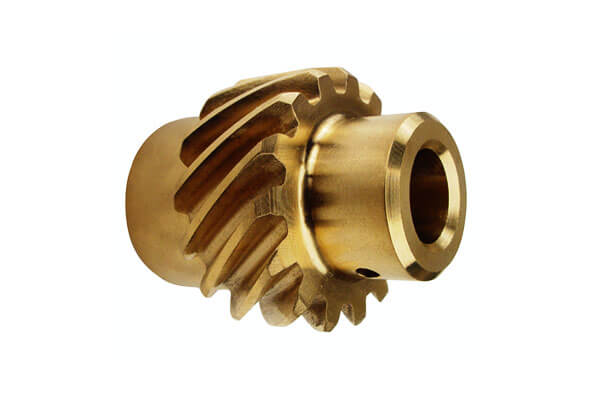
Is é an bealach ceart chun dlús cré-umha a úsáid ná an cóimhiotal cruinn, ní hamháin an focal “cré-umha.”
Tá dlús an-difriúil ag cré-umha imthacaí mar C93200 ó chré-umha alúmanaim mar C95400, agus is féidir leis na difríochtaí sin mais na coda a athrú go hábhartha i ndearadh táirgeachta.
Mar sin ní bhíonn na luachanna sonraí thuas úsáideach ach amháin nuair atá siad ceangailte le huimhir shonrach UNS agus foirm táirge.
Ní mór d'innealtóirí cuimhneamh freisin nach gcinnfidh an dlús feidhmíocht leis féin.
D’fhéadfadh go n-iompródh dhá chré-umha le dlúis chomhchosúla an-difriúil ó thaobh caitheamh, creimthe, machnamhity, nó acmhainn ualaigh.
Mar shampla, Tá C95500 agus C86300 araon thart ar an raon 7.5–7.8 g/cm³, ach úsáidtear iad i nideoga seirbhíse dian éagsúla mar go bhfuil a gcuid ceimicí agus próifílí meicniúla difriúil.
7. Loighic Roghnúcháin: Roghnú an Chré-umha Ceart de réir Dlúis agus Feidhme
Má bhaineann laghdú meáchain, is minic a bhíonn cré-umha alúmanaim cosúil le C95400 tarraingteach mar go suíonn siad ag deireadh níos éadroime an speictrim cré-umha agus iad fós ag tairiscint creimeadh láidir agus feidhmíocht chaitheamh.
Le haghaidh imthacaí tromshaothair nó crua-earraí muirí, féadfaidh an t-innealtóir glacadh le cré-umha níos dlúithe, mar C93200 nó C86300, toisc go bhfuil na sochair seirbhíse níos airde ná an ollphionós.
Más crua-earraí mara dianseirbhíse nó trealamh a bhaineann le lián é an feidhmchlár, cuireann cré-umha nicil-alúmanam ar nós C95500 comhréiteach láidir idir meáchan, láidreacht, agus friotaíocht creimthe.
Mar sin tá an riail roghnúcháin simplí: ná roghnaigh cré-umha de réir dlúis amháin.
Roghnaigh an cóimhiotail a bhfuil a dhlús, láidreacht, Friotaíocht a chaitheamh, friotaíocht creimthe, freisin inmharthanacht, agus machinability le chéile mheaitseáil leis an fheidhm na coda.
Tá dlús cré-umha tábhachtach, ach níl ann ach ais amháin i gcinneadh ábhar il-athraitheach.
8. Dlús Cré-umha vs. Ábhair Iomaíochta
| Ábhar | Grád ionadaí | Dlús (g/cm³) | Dlús (kg/m³) | Dlús (lb/in³) |
| Crone | C86300 cré-umha mangainéise | 7.83 | 7,830 | 0.283 |
| Práis | Prás cartúis C26000 | 8.53 | 8,530 | 0.308 |
| Copar | Copar íon | 8.93 | 8,930 | 0.323 |
| Cruach charbóin | Aisi 1018 | 7.87 | 7,870 | 0.284 |
| Cruach dhosmálta | Aisi 304 | 8.00 | 8,000 | 0.289 |
| Alúmanam cóimhiotal | 6061-T6 | 2.70 | 2,700 | 0.0975 |
| Iarann teilgthe liath | Rang ASTM A48 40 | 7.15 | 7,150 | 0.258 |
| Tíotáiniam cóimhiotal | Ti-6Al-4V (Grád 5) | 4.43 | 4,430 | 0.160 |
| Sár-chóimhiotail atá bunaithe ar nicil | INCÓL 718 | 8.19 | 8,190 | 0.296 |
9. Deireadh
Is fearr a dhéileáiltear le dlús na cré-umha mar a maoin teaghlaigh le raon leathan, ní mar luach seasta amháin.
Réise cóimhiotail ionadaíoch cré-umha ó thart 7.45 g/cm³ i gcré-umha alúmanaim go 9.25 g/cm³ i gcré-umha stáin ard-luaidhe, agus roinnt cré-umhaí coitianta eile ina suí eatarthu.
Léiríonn an scaipeadh sin gur teaghlach de chóimhiotail copair-bhunaithe é cré-umha le córais chóimhiotalaithe éagsúla agus tosaíochtaí seirbhíse éagsúla.
Le haghaidh innealtóirí, tá an ceacht praiticiúil soiléir: Bíonn tionchar ag dlús cré-umha ar mhais, táimhe, seolta, agus cothromaíocht, ach ba chóir é a léiriú i gcónaí taobh le neart, iompar a chaitheamh, friotaíocht creimthe, agus déantúsaíocht.
Ní hé an cré-umha “is fearr” an cré-umha is éadroime nó is troime; is é an cré-umha a luíonn a dhlús don chuid eile den treoir dearaidh.
Ceisteanna Coitianta
An bhfuil cré-umha níos troime ná copar?
Ní i gcónaí. Tá dlús ag copar 8.89 g/cm³, agus athraíonn dlús cré-umha de réir cóimhiotail. Tá roinnt cré-umhaí níos éadroime ná copar, Cé go bhfuil daoine eile, mar C93200, beagán níos dlúithe.
Ciallaíonn dlús níos ísle i gcónaí cré-umha níos fearr?
Níl. D'fhéadfadh dlús níos ísle cabhrú le meáchan a laghdú, ach caithfidh roghnú cré-umha neart a mheas freisin, Friotaíocht a chaitheamh, friotaíocht creimthe, freisin inmharthanacht, agus iompar meaisínithe.
Cén fáth a bhfuil dlús éagsúil den sórt sin ag cóimhiotail chré-umha?
Toisc gur teaghlach de chóimhiotail copair-bhunaithe é cré-umha le córais chóimhiotalaithe éagsúla - stáin, luaidhe, nicil, alúmanam, mangainéise, agus iarann gach aistriú an dlús deiridh agus iompar seirbhíse.