

1. Tabhairt isteach
1.4006 tá a cruach dhosmálta martensitic a shuíonn sa talamh lár praiticiúil idir cruach gnáthcharbóin agus gráid dhosmálta níos resistant creimeadh.
Aithnítear go coitianta é mar X12Cr13, agus déanann go leor tagairtí soláthraithe trasnasc leis Aisi 410 is UNS S41000, cé go dtugann roinnt catalóg foláireamh nach mbíonn sonrúcháin ghaolmhara ar nós 410S nó 410S21 ina gcoibhéis dhíreach i gcónaí.
I bhfocail eile, is grád eolach é a bhfuil féiniúlacht shoiléir thionsclaíoch aige, ach ceann ar chóir é a sheiceáil i gcoinne an chaighdeáin shainiúil agus an choinníll seachadta atá á n-úsáid.
Cad a dhéanann 1.4006 suimiúil nach bhfuil friotaíocht creimeadh uasta, ach a chuid cothromaíocht cruas, láidreacht, machnamhity, snastacht, agus feidhmíocht creimeadh measartha.
Tá sé ferromagnetic, teas-chóireáil, agus in ann dea-airíonna meicniúla tar éis múchadh agus faghartha, agus is é sin an fáth go ndealraíonn sé arís agus arís eile i gcaidéil, comhla, seafaí, feistis, agus comhpháirteanna ginearálta innealtóireachta meicniúla.
2. Cad É 1.4006 Cruach dhosmálta?
1.4006 tá a cruach dhosmálta martensitic grád, a bhaineann go coitianta le X12Cr13 i gcórais ainmniúcháin Eorpacha.
Is ábhar cróimiam é Cruach dhosmálta deartha chun cothromaíocht phraiticiúil a sholáthar Friotaíocht Measartha Creimthe, neart meicniúil maith, freagra maighnéadach, agus hardenability teaschóireála.
I dtéarmaí tionsclaíochta, is cóimhiotal innealtóireachta feidhmiúil é seachas cóimhiotal creimeadh préimhe.
Murab ionann agus steels dhosmálta austenitic mar 304 nó 316, 1.4006 ní bhaineann sé a úsáidí amach go príomha trí fhriotaíocht creimeadh.
Ina áit sin, tagann a luach ón mbealach ar féidir é a bheith cruaite ag cóireáil teasa agus a úsáidtear i gcomhpháirteanna a dteastaíonn neart, Friotaíocht a chaitheamh, agus feidhmíocht chobhsaí i dtimpeallachtaí seirbhíse measartha creimneach.
Dá bhrí sin tá sé thar a bheith ábhartha san innealtóireacht mheicniúil, córais caidéil, comhpháirteanna comhla, seafaí, dúntóirí, agus páirteanna eile ina bhfuil feidhmíocht ualachiompartha chomh tábhachtach le friotaíocht comhshaoil.
Féiniúlacht mhiotaleolaíocht
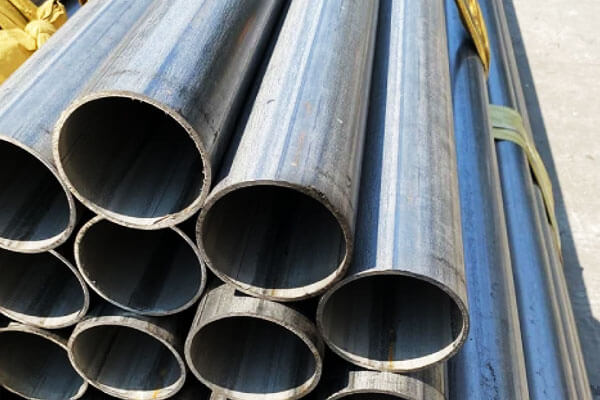
Gné shainitheach na 1.4006 is é struchtúr martensitic. Ciallaíonn sé seo gur féidir an cóimhiotal a chlaochlú trí phróiseáil theirmeach go crua, riocht láidir.
Sa stát annealed, tá sé níos éasca a mheaisíniú agus a fhoirmiú; tar éis múchadh agus faghartha, bíonn sé i bhfad níos láidre agus níos deacra.
Is é an iompar metallurgical seo a dhéanann idirdhealú idir é agus go leor steels dhosmálta eile:
- Steels dosiness austenitic go ginearálta tá siad níos resistant creimeadh agus níos insínte, ach ní cruaite go héasca trí chóireáil teasa.
- Cruach dhosmálta ferritic friotaíocht maith creimeadh a thairiscint i roinnt timpeallachtaí, ach hardenability níos ísle.
- Cruach dhosmálta martensitic, san áireamh 1.4006, a roghnaítear nuair neart agus cruas is riachtanais deartha lárnacha iad.
Gráid choibhéiseacha
1.4006 Aithnítear go domhanda faoi ainmniúcháin éagsúla, idir-inoibritheacht ar fud na dtionscal a chinntiú:
| Caighdeánach | Ainmniú Grád |
| AMHÁIN / DO | 1.4006, X12Cr13 |
| astm/aisi | 410, UNS S41000 |
| An duine | SUS410 |
| Gb | 12CR13 |
Eochairthréithe
Iompar maighnéadach
1.4006 is maighnéadach, atá mar thoradh díreach ar a struchtúr martensitic.
Féadfaidh sé seo a bheith úsáideach in iarratais ina bhfuil freagra maighnéadach inghlactha nó fiú inmhianaithe, agus déanann sé idirdhealú soiléir freisin ar an ngrád ó steels dhosmálta austenitic.
Inchóireáil teasa
Ceann de na príomhchúiseanna a roghnaíonn innealtóirí 1.4006 is gur féidir é a bheith cruaite agus tempered chun cothromaíocht shaincheaptha de neart agus de chruas a bhaint amach.
Ligeann sé seo na hairíonna deiridh a oiriúnú d'fheidhm na coda.
Friotaíocht creimeadh measartha
Tá cróimiam sa ghrád, a sholáthraíonn iompar dhosmálta agus ciseal ocsaíd éighníomhach.
Cén dóigh faoin spéir a ...?, tá a friotaíocht creimeadh measartha seachas gan íoc, mar sin is fearr a oireann do thimpeallachtaí éadrom ionsaitheach seachas dian-nochtadh clóiríd.
machinability maith sa stát bog
Roimh chruachadh, 1.4006 is féidir é a mheaisíniú go héifeachtach. Dá bhrí sin tá sé tarraingteach do chomhpháirteanna beachtais a mhonaraítear i riocht measartha bog agus ansin cóireáilte le teas go dtí airíonna deiridh.
Feidhmíocht atá dírithe ar chaitheamh
Toisc gur féidir é a chruasú, 1.4006 fheidhmíonn go maith i gcodanna faoi réir abrasion, teagmhála sleamhnáin, nó luchtú meicniúil arís agus arís eile, go háirithe i gcás nach bhfuil gá le feidhmíocht iomlán creimeadh-chóimhiotail.
3. Comhdhéanamh Ceimiceach de 1.4006 Cruach dhosmálta
Léiríonn an comhdhéanamh thíos an raon EN/tionscail a fhoilsítear go coitianta le haghaidh 1.4006 / X12Cr13.
D’fhéadfadh miondifríochtaí a bheith le feiceáil trasna na mbileog sonraí ag brath ar fhoirm an táirge agus ar an úsáid atá beartaithe, go háirithe maidir le hábhar sulfair.
| Eilimint | Raon comhdhéanamh tipiciúil (mais %) | Ról metallurgical |
| Carbionsann (C) | 0.08–0.15 | Tacaíonn foirmiú martensite, cré, agus neart tar éis cóireála teasa. |
| Sileacan (Is) | ≤ 1.00 | Cuidíonn sé le déanamh cruach agus dí-ocsaídiú; tionchar freisin neart agus iompar próiseála. |
| Mangainéise (MN) | ≤ 1.00 go dtí 1.50 | Tacaíonn sé le próiseáil agus cuidíonn sé inoibritheacht te a rialú. |
| Fosfar (P) | ≤ 0.020 go dtí 0.040 | Coimeádta íseal chun toughness agus cáilíocht iomlán a chaomhnú. |
Sulfair (S) |
≤ 0.015 go dtí 0.020, le liúntais speisialta i roinnt cineálacha táirgí | Tionchair machinability; sulfair níos ísle is fearr le haghaidh polishability agus roinnt coinníollacha seirbhíse. |
| Cróimiam (Cc) | 11.5–13.5 | Príomhghné dhosmálta; soláthraíonn passivation agus friotaíocht creimeadh measartha. |
| Nicil (Le linn) | ≤ 0.5 go dtí 0.75 | I láthair ach i méideanna beaga; ní leor a dhéanamh ar an austenitic cóimhiotail. |
| Iarann (Fe) | Cothromaigh | Bonn miotal. |
Comhdhéanamh beir leat
1.4006 d'aon ghnó a cruach dhosmálta martensitic lean: go leor cróimiam le haghaidh iompar dhosmálta, dóthain carbóin le haghaidh hardenability, ach níl an oiread sin nicil ann go mbíonn sé ina ghrád austenític.
Is í an cheimic sin a thugann a chothromaíocht shainiúil don chóimhiotal idir fhriotaíocht measartha creimeadh agus neart inchóireáilte le teas.
4. Airíonna fisiceacha agus meicniúla de 1.4006 Cruach dhosmálta
Is figiúirí foilsithe ionadaíocha iad na luachanna maoine thíos. Braitheann siad go mór ar an gcoinníoll seachadta, go háirithe cibé an bhfuil an t-ábhar annealed nó Múchadh agus tempered.
| Maoin | Anúite / riocht bog | Múchadh agus tempered / QDT / QT 650 riocht | Nótaí |
| Neart toraidh (RP0.2) | ≥ 450 MPa i sonraí táirge réitigh-annealaithe | 552–655 MPA, tipiciúil 480 MPA; roinnt liosta sonraí táirge ≥ 450 MPa íosta | Ardaíonn cóireáil teasa neart go hábhartha. |
| Neart teanntachta (Rm) | 650–850 MPa i sonraí táirge réitigh-annealaithe | ≥ 690 MPA, tipiciúil faoi 720 MPA | Athraíonn raon neart de réir foirm an táirge agus trastomhas. |
| Édáileáil | ≥ 15% | ≥ 20% i dtagairt QDT amháin | Braitheann ductility ar riocht teirmeach agus méid an táirge. |
| Laghdú ar an limistéar | ≥ 55% | ≥ 45% | Léiríonn insínteacht brí in ainneoin carachtar martensitic. |
| Cré | suas go dtí thart 220 HB i mbileog sonraí annálaithe amháin | ≤ 22 HRC i riocht QDT | Ardaíonn cruas le hardening; athraíonn luachanna beachta de réir coinníll. |
| Toughness Tionchar | - | ≥ 27 J ag -29°C | Úsáideach le haghaidh comhpháirteanna a éilíonn roinnt toughness íseal-teocht. |
Modal leaisteachas |
215 GPA | 215 GPA | Gan athrú go bunúsach de bharr cóireála teasa sna sonraí caighdeánacha. |
| Dlús | 7.70 kg/dm³ | 7.70 kg/dm³ | Dlús tipiciúil le haghaidh cruach dhosmálta martensitic. |
| Teas ar leith | 460 J/kg · k | 460 J/kg · k | Luach caighdeánach maoine fisiceach ag 20°C. |
| Seoltacht theirmeach | 30 W/m · k | 30 W/m · k | Cabhrach le haghaidh iompraíochtaí áirithe meaisínithe agus aistrithe teasa. |
| Friotaíocht leictreach | 0.60 Ω·mm²/m | 0.60 Ω·mm²/m | Leibhéal cruach dhosmálta tipiciúil martensitic. |
| Magnetizability | Oiriúnach / ferromagnetic | Oiriúnach / ferromagnetic | Tréith shainiúil den ghrád seo. |
| Teocht seirbhíse molta | suas go dtí thart ar 400°C i mbileog innealtóireachta amháin | seachain thart ar 425–525°C mar gheall ar 475 riosca embrittlement | Braitheann teocht na seirbhíse ar an iarratas cruinn agus ar an gcaighdeán. |
5. Cóireáil teasa, Monarú, agus Táthú
1.4006 tá a cruach dhosmálta martensitic teas-chóireáilte, agus sainmhíníonn an fhíric aonair sin an chuid is mó dá iompar próiseála.
Níl a chuid maoine deiridh socraithe ag an gceannach; déantar iad a fhorbairt tríd an mbealach teirmeach a roghnaíonn an táirgeoir nó an déantúsóir.
Cóireáil teasa
Slabhra próisis tipiciúil le haghaidh 1.4006 simplí i bprionsabal ach íogair i gcur i gcrích. Déantar an cruach a austenitized ar dtús, ansin múchadh, agus ar deireadh tempered.
Cuirtear bileoga sonraí i bhfeidhm go coitianta ag anáil timpeall 745–825°C, ag múchadh timpeall 950–1000°C, is faghartha sa raon 680–780°C, cé go mbraitheann an timthriall cruinn ar fhoirm an táirge, méid alt, agus an t-iarmhéid maoine riachtanach.
Is é an príomhphointe ná go bhfreagraíonn an cóimhiotail go láidir le cóireáil teasa, mar sin cinneann an timthriall roghnaithe cruas go díreach, fhosclaíocht, agus iompar tionchair.
Léiriú úsáideach innealtóireachta é sin 1.4006 nach cruach dhosmálta “maoin sheasta” é. Tá sé a cruach dhosmálta inchoigeartaithe maoine.
Mar sin tá sé oiriúnach do chomhpháirteanna ar gá iad a mheaisíniú i stát níos boige agus ansin iad a thiontú go crua, chuid deiridh níos láidre.
Sa riocht múchta agus tempered, léiríonn luachanna foilsithe táirgeacht agus neart teanntachta i bhfad níos airde ná mar atá sna stáit soláthair is boige, ag deimhniú go bhfuil an timthriall teirmeach mar chuid den straitéis deartha, ní hamháin céim chríochnaitheach.
Teilgean
Teilgean 1.4006 is féidir, ach ní hé an gnáthbhealach ceannlíne é don ghrád seo. Is coitianta a bhíonn an cóimhiotal mar bharra nó mar tháirge brionnaithe le haghaidh meaisínithe ina chomhpháirteanna meicniúla.
Nuair a úsáidtear réitigh, tá feidhm fós ag an loighic martensitic cruach dhosmálta chéanna: aonchineálacht cheimiceach, rialú soladú, agus tá cóireáil teasa iar-theilgthe ríthábhachtach.
Toisc 1.4006 Tá sé beartaithe neart úsáideach a fhorbairt trí chlaochlú martensitic, ní mór táirgí teilgthe a bhainistiú go cúramach chun struchtúr garbh a sheachaint, deighilt, nó scaipthe maoine.
Sin é an fáth, go praiticiúil, is gnách cruacha dhosmálta martensitic teilgthe a fhorchoimeád le haghaidh cruthanna comhpháirteanna nuair is mó an éifeachtacht réitigh ná na buntáistí a bhaineann le stoic saoirsithe.
Obair te
Is bealach praiticiúil é oibriú te chun múnlú 1.4006 roimh mheaisínithe deiridh nó cóireáil teasa.
Léiríonn bileoga sonraí le haghaidh foirmeacha táirgí inchomparáide fuinneoga foirmithe te atá lárnaithe go hiondúil i bhfad os cionn an raoin anáil agus faoi bhun an phointe ina mbíonn fadhbanna le foirmiú scála agus le díghrádú airí..
I gceann martensitic 1.4006 bileog sonraí táirge, tugtar an raon foirmithe te mar 1100°C go 800 °C, atá comhsheasmhach leis an ngá atá le plasticity inoibrithe a choimeád agus fanacht taobh istigh d'fhuinneog teirmeach rialaithe.
Ó thaobh déantúsaíochta de, tá oibriú te úsáideach toisc go gceadaíonn sé an struchtúr gránach a scagadh agus céimseata na coda a bhunú roimh chruachan.
Cén dóigh faoin spéir a ...?, ní mór é a láimhseáil ar bhealach níos cúramach ná oibriú te dhosmálta austenític mar go bhfuil steels martensitic níos íogaire do stair theirmeach agus brittleness ina dhiaidh sin mura bhfuil an próiseas meaitseáilte le faghartha cuí.
Fuar ag obair
1.4006 is féidir a bheith fuar freisin, ach níl freagairt an chóimhiotail comhionann le freagairt steels dhosmálta austenític.
Toisc go bhfuil sé martensitic agus teaschóireáil, is minic a úsáidtear fuar-oibriú níos lú mar phríomhbhealach neartú agus níos mó mar oibríocht múnlaithe nó críochnú roimh chóireáil teasa deiridh.
Sa chás go dtugtar isteach dífhoirmiúchán fuar, is féidir leis neart agus cruas a ardú, ach méadaíonn sé fórsaí foirmithe freisin agus féadfaidh sé insínteacht a laghdú má bhrúitear an próiseas rófhada.
Ar an ábhar sin, is fearr déileáil le fuar-obair mar chéim mhúnlaithe rialaithe seachas mar phríomh-mhodh forbartha maoine.
Meaisínithe
Meaisínithe ar cheann de na láidreachtaí is praiticiúla de 1.4006 Cruach dhosmálta.
Déanann roinnt soláthróirí cur síos air mar ghrád a oireann do pháirteanna innealtóireachta meicniúla go beacht toisc gur féidir é a mheaisíniú go héifeachtach i riocht níos boige agus ansin cruaite a dhéanamh níos déanaí..
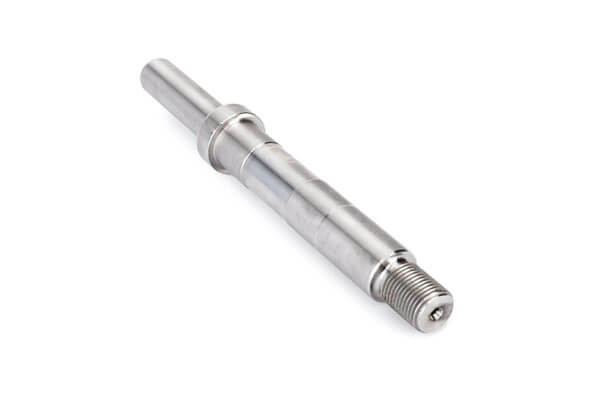
Tá sé seo luachmhar i shafts, páirteanna comhla, feistis, agus comhpháirteanna casta nó meilte eile nuair is ábhar do lamháltais dochta.
Is é an dara buntáiste ná go bhfuil an cóimhiotail ar fáil go minic i stáit seachadta a thacaíonn le meaisínithe roimh chóireáil teasa deiridh.
I dtéarmaí tionsclaíochta, ciallaíonn sé seo gur féidir an bealach déantúsaíochta a eagrú ar mhaithe le héifeachtúlacht costais: meaisín garbh ar dtús, críochnaigh cóireáil teasa sa dara háit, agus ansin gan ach críochnú íosta a dhéanamh más gá.
Níl an buntáiste fíor ach machinability, ach amháin rialú seicheamh déantúsaíochta.
Táthú
Táthú is féidir, ach éilíonn steels dhosmálta martensitic níos mó smachta ná gráid austenitic.
Tugann treoir an tsoláthraí do tháirgí inchomparáide 1.4006/X12Cr13 faoi deara go bhfuil táthú indéanta le modhanna caighdeánacha, ach amháin réamhthéamh sa raon de thart ar 150-300 ° C is annealing nó faghartha iar-weld d'fhéadfadh go mbeadh gá leis an riosca scoilte a laghdú agus sraith maoine níos cobhsaí a athbhunú.
I bhfocail eile, níl cosc ar tháthú, ach tá sé íogair don phróiseas agus ní mór é a phleanáil mar chuid den riocht ábhartha, nach gcaitear leo mar iarmhachnamh.
Tagann an dúshlán táthú as an gclaochlú martensitic.
Má fhuaraíonn an crios a bhfuil tionchar ag an teas air ró-thapa nó mura rialaítear hidrigin agus srianadh, is féidir le struchtúir bhriosca foirmiú agus ardaíonn riosca scoilte.
Sin é an fáth gur fearr le go leor déantúsóirí weldments a choinneáil simplí, úsáid roghnú filler cuí, agus cóireáil teasa iar-weld a chur i bhfeidhm nuair a éilíonn an tseirbhís é.
6. Friotaíocht i gCreimeadh agus Teorainneacha Seirbhíse
Próifíl friotaíochta creimeadh
Tá friotaíocht creimeadh na 1.4006 is fearr cur síos air mar measartha.
Feidhmíonn sé go maith i beagán ionsaitheach, timpeallachtaí neamh-clóiríd cosúil le gallúnach, glantaigh, aigéid orgánacha, agus seirbhís uisce nó gaile, ach níl sé beartaithe le haghaidh nochtadh láidir clóiríd.
Tá friotaíocht maith creimeadh ag an cruach in uisce nuair a bhíonn sé snasta agus tempered, ach amháin ní nuair a bhíonn clóirídí i láthair.
Achoimre ar theorainn seirbhíse
| Gné seirbhíse | Teorainn phraiticiúil / treoir | Innealtóireacht bhrí |
| Timpeallacht creimeadh ginearálta | Measartha creimneach, meáin neamh-clóiríd | Oiriúnach go maith le haghaidh uisce, gail, gallúnach, agus seirbhísí cosúla. |
| Coinníoll dromchla | Snasta / smáta / is fearr saor ó iarmhar | Feabhsaíonn críochnú dromchla go díreach friotaíocht creimeadh. |
| Nochtadh clóiríd | Ní fearr | Is féidir le timpeallachtaí clóiríd corrlach creimthe an chóimhiotail a shárú go tapa. |
| Seirbhís ardaithe-teocht | Thart ar 400–600°C ag brath ar an mbileog agus ar an atmaisféar | Oiriúnach le haghaidh teasa measartha, ní seirbhís ard-teocht dian. |
Baineann staid an dromchla
Faoi 1.4006, ní mionchoigeartú roghnach é riocht an dromchla. Feabhsaíonn dromchla snasta nó honed iompar creimeadh, rud atá tábhachtach go háirithe maidir le trealamh atá faoi lé uisce, gail, nó meáin éadrom ionsaitheach.
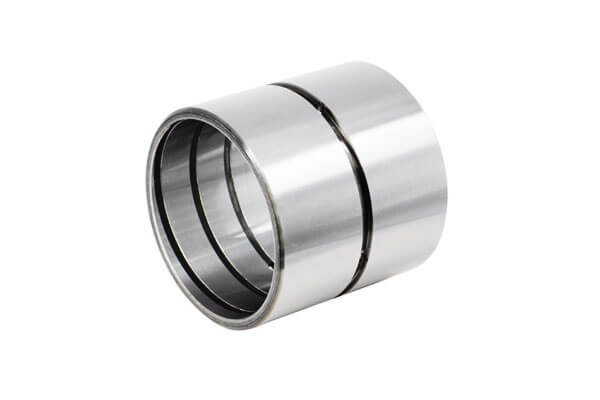
Sin cúis amháin go bhfeictear an grád go minic i seaftaí, comhpháirteanna comhla, agus páirteanna caidéil ina bhfuil cáilíocht an chríochnaithe mar chuid den tsonraíocht fheidhmiúil.
7. Feidhmchláir tipiciúla de 1.4006 Cruach dhosmálta
1.4006 úsáidtear áit feidhmíocht mheicniúil, Friotaíocht Measartha Creimthe, maighnéadas, agus teaschóireáil ábhar níos mó ná cosaint creimthe uasta.
Tá sé coitianta go háirithe i gcodanna a mheaisínítear ar dtús agus a chruaítear níos déanaí.
Comhpháirteanna innealtóireachta meicniúla
Is é seo an croí-réimse iarratais le haghaidh 1.4006. Úsáidtear go minic é le haghaidh páirteanna a gcaithfidh ualach a iompar, seasamh in aghaidh caitheamh, agus iontaofacht tríthoiseach a chothabháil tar éis cóireála teasa.
Cuireann bileoga sonraí síos air mar rud a úsáidtear go príomha in innealtóireacht mheicniúil.
I measc na samplaí tipiciúla:
- seafaí
- fearsaidí
- acastóirí
- tonn
- páirteanna meaisín
- cruinneas comhpháirteanna iompaithe
Crua-earraí caidéil agus comhla
1.4006 úsáidtear go forleathan i tionscal caidéil is innealtóireacht hiodrálach toisc go gcomhcheanglaíonn sé machinability, hardenability, agus friotaíocht creimeadh leordhóthanach le haghaidh seirbhíse measartha ionsaitheach.
Áirítear le comhpháirteanna coitianta:
- caidéal seafaí
- impellers i meáin neamh-dian
- gais comhla
- comhla inmheánach
- codanna hiodrálacha
- feistis agus cúpláin
Uisce a thabhairt do, gail, agus seirbhís phróiseála éadrom
Úsáidtear an grád freisin i gcodanna struchtúracha atá faoi lé uisce nó gal agus i dtrealamh le haghaidh páipéar, teicstíle, agus bia-tionscal timpeallachtaí ina bhfuil an chreimeadh measartha agus cúrsaí glaineachta.
I measc na samplaí:
- páirteanna gaile-teagmhála
- crua-earraí seirbhíse uisce
- comhpháirteanna próiseas éadrom creimneach
- scáileáin agus criathar
- daingneáin thionsclaíocha
Dúntóirí agus páirteanna beaga cruinneas
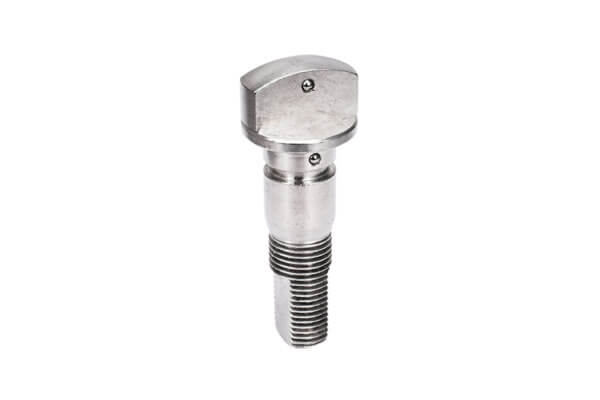
Toisc 1.4006 is féidir iad a chóireáil le teas agus a mheaisíniú go héifeachtach, tá sé oiriúnach le haghaidh boltaí, scriúnna, cnónna, agus comhpháirteanna beaga feistithe.
8. Comparáid le Gráid Dhosmálta Eile
| Gné | 1.4006 | 1.4301 (304) | 1.4404 (316L) | 1.4021 (420) |
| Teaghlaigh dhosmálta / struchtúr | Marthanstánach, cruach ferromagnetic le dea-airíonna meicniúla. | Cruach dhosmálta Austenític le friotaíocht creimeadh den scoth i go leor timpeallachtaí. | Cruach dhosmálta austenitic; tugann ábhar ísealcharbóin friotaíocht maith le creimeadh intergranular sa riocht táthaithe. | Marthanstánach, cruach dhosmálta ferromagnetic; a úsáidtear i riocht cruaite le haghaidh go leor eilimintí tógála agus ceangail. |
| Iompar maighnéadach | Aonchánach / ferromagnetic. | Go bunúsach neamh-mhaighnéadach sa riocht annealed, le roinnt freagra maighnéadach is féidir tar éis obair fuar. | Austenitic agus maighnéadas íseal. | Aonchánach / ferromagnetic. |
Inchóireáil teasa |
Teas-chóireáil; seachadta mar annealed, múchta agus tempered, nó múchta agus dúbailte tempered. | Ní féidir é a chruasú le cóireáil teasa; úsáidtear annealing réiteach ina ionad. | Gan a roghnú le haghaidh hardening; a úsáidtear de ghnáth i riocht réitigh-annealaithe le feidhmíocht táthú den scoth. | Hardenable; Sonraítear coinníollacha QT700 agus QT800. |
| Friotaíocht creimeadh | Go maith i neamh-clóiríd, timpeallachtaí measartha creimneach; PREN faoi 14; feabhsaíonn dromchla snasta friotaíocht. | Ar fheabhas i go leor timpeallachtaí, ach is féidir le polladh clóiríde/creimeadh crevice tarlú agus is féidir scoilteadh creimthe struis a tharlú os cionn 60°C. | Friotaíocht creimeadh an-mhaith; Cuidíonn ábhar ísealcharbóin le friotaíocht a chaomhnú sa riocht táthaithe. | Tá friotaíocht creimeadh níos ísle ná na gráid austenitic coitianta; úsáideach i meáin measartha ionsaitheach, ach ní an rogha is fearr le haghaidh nochtadh clóiríd dian. |
Inmharthanacht / monarú |
Infheicthe, ach tá cúrsaí smachta nós imeachta toisc go bhfuil steels martensitic níos íogaire maidir le cóireáil teasa agus riocht iar-weld. | Feidhmíocht táthú comhleá den scoth; cruaíonn an obair go héasca le linn fuar-oibre. | Iompar táthú den scoth; Cuidíonn ísealcharbóin friotaíocht creimeadh a choinneáil tar éis táthú. | Tá Weldability maith, ach moltar réamhthéamh agus faghartha iar-táthaithe go coitianta le haghaidh na dtorthaí is fearr. |
| Teocht seirbhíse tipiciúil | Suas go dtí thart ar 400 ° C. | Friotaíocht ocsaídiúcháin mhaith i seirbhís uaineach suas le 870 ° C agus seirbhís leanúnach go 925 ° C; ní mholtar úsáid leanúnach ag 425-860 ° C má tá friotaíocht creimeadh uiscí ag teastáil. | Oiriúnach le húsáid suas go dtí thart ar 550 ° C. | Oiriúnach le húsáid suas go dtí thart ar 550–600°C ag brath ar an mbileog sonraí agus comhthéacs an fheidhmchláir. |
Feidhmchláir tipiciúla |
Innealtóireacht mheicniúil, innealtóireacht hiodrálach, caidéil, comhla, feistis, tionscal ceimiceach agus peitriceimiceach, gnéithe maisiúla, comhpháirteanna tí. | Trealamh ginearálta i go leor timpeallachtaí ina bhfuil foirmiúlacht agus friotaíocht creimeadh tábhachtach. | Caidéil, comhla, imthacaí speisialta, beatha, páipéar, ceimiceán, míochaine, agus trealamh atá íogair ó thaobh creimeadh de. | Gluaisteán, peitriliam, peitriceimiceach, trealamh hiodrálach, gléasra, sceanra, lanna, feidhmchláir mhaisiúla agus cistine. |
| Is fearr oiriúnach | Is fearr nuair a bhíonn gá le friotaíocht measartha creimeadh agus neart meicniúil níos airde. | Is fearr nuair a bhíonn friotaíocht creimeadh ginearálta den scoth agus ábhar monaraithe éasca is mó. | Is fearr nuair a bhíonn friotaíocht creimeadh níos fearr ná 304 ag teastáil, go háirithe i seirbhís táthaithe. | Is fearr nuair a chruas, iompar maighnéadach, agus friotaíocht measartha creimeadh na tosaíochtaí. |
9. Deireadh
1.4006 is ábhar innealtóireachta aibí é cruach dhosmálta le ról an-sonrach. Níl sé deartha le bheith ar an cruach dhosmálta is resistant creimeadh, ná an cruach dhosmálta is éasca le breathnú i gcatalóg.
Is é a neart ná go n-oibríonn sé go hiontaofa sna hiarratais a raibh sé beartaithe dóibh: páirteanna éilitheach go meicniúil, timpeallachtaí measartha, agus bealaí táirgthe a bhaineann leas as cóireáil teasa agus solúbthacht meaisínithe.
Breathnaithe i gceart, 1.4006 nach grád comhréitigh é sa chiall maslach.
Tá sé a cruach dhosmálta martensitic saintógtha a bhfuil meascán de maighnéadas, hardenability, machnamhity, agus déanann friotaíocht creimeadh measartha gur réiteach praiticiúil é do raon leathan comhpháirteanna tionsclaíocha.
Ceisteanna Coitianta
An bhfuil 1.4006 cruach dhosmálta maighnéadach?
Tá. Is cruach dhosmálta martensitic é agus tá sé maighnéadach.
An bhfuil 1.4006 cruach dhosmálta inchóireáilte teasa?
Tá. Bíonn tionchar láidir ag múchadh agus faghartha ar a chuid maoine.
An bhfuil 1.4006 cruach dhosmálta resistant creimeadh?
Tá, ach go measartha. Tá sé oiriúnach do thimpeallachtaí éadrom go measartha ionsaitheach, ní seirbhís clóiríd dian.
Cad é an leáphointe de 1.4006 Cruach dhosmálta?
An raon leá de 1.4006 ag 1480–1530°C, beagán níos airde ná cruach carbóin, úsáid a chumasú in iarratais measartha ardteochta (suas go dtí 600 ° C).
An bhfuil 1.4006 níos fearr ná 304 Cruach dhosmálta?
Ní go huilíoch. 304 is fearr le haghaidh friotaíocht creimeadh, in ainneoin go 1.4006 is fearr nuair a chruaitear é, freagra maighnéadach, agus tá feidhmíocht chaitheamh meicniúil níos tábhachtaí.

