1. Esittely
Nykypäivän nopeatempoisessa tuotantoympäristössä, material selection plays a pivotal role in ensuring product quality, luotettavuus, ja suorituskyky.
One critical classification that has stood the test of time is EN steel.
This standardized grading system ensures consistency and clarity across production processes, which is vital in industries such as automotive, rakennus, ja raskaita koneita.
By understanding the evolution, nomenclature, and applications of EN steel,
engineers and manufacturers can optimize material selection, vähentää tuotantokustannuksia, and enhance overall performance.
This article offers a comprehensive exploration of EN steel—from its historical roots to its modern-day applications and future trends—
antaa ammattilaisille oivalluksia, joita tarvitaan tietoisten päätösten tekemiseen materiaalitekniikan alalla.
2. Historical Background and Evolution
EN-teräs juontaa juurensa toisen maailmansodan haasteista. Sinä ajanjaksona, valmistajat kohtasivat hämmennystä, koska käytössä on lukemattomia terässpesifikaatioita.
Tehostaa tuotantoa ja parantaa laatua, British Standards Institute (BSI) muodostivat vakioryhmän 58 teräkset sisään 1941 brittiläisen standardin BS970 mukaisesti.
Tämä aloite, alunperin merkitty teräksillä "EN" (tarkoittaa historiallisesti "hätänumeroa"), asettaa mittapuun materiaalien yhtenäisyydelle ja laadulle kriittisen sodanaikaisen tuotannon aikana.
Ajan myötä, tekniikan kehittyessä ja teollisuuden tarpeiden kehittyessä, BS970 laajeni merkittävästi.
Ohella 1955, standardi sisälsi melkein 200 teräslajit ja otti käyttöön lisäkirjainmerkinnät materiaalien luokittelua varten.
Vaikka monet alkuperäiset 58 arvosanat ovat vanhentuneet, monet EN-teräslajit ovat edelleen käytössä,
jatkuvien päivitysten ja parannuksien ansiosta, jotka vastaavat nykyaikaisia valmistuskäytäntöjä.
Tämä kehitys korostaa järjestelmän mukautumiskykyä ja kestävää merkitystä terästeollisuudessa.
3. Understanding EN Steel Nomenclature and Naming Rules
Hyödyntämään EN-teräksen edut, on ratkaisevan tärkeää ymmärtää sen ainutlaatuinen nimikkeistö.
EN-teräslajit antavat tarkat tiedot materiaalin ominaisuuksista, mikä helpottaa tehokasta viestintää toimitusketjussa.
Basic Naming Conventions
EN-teräslajit on numeroitu hiilipitoisuuden perusteella. Esimerkiksi, FI1 edustaa alhaisinta hiilipitoisuutta, kun taas EN55 osoittaa korkeimman. Yleensä:
- Vähähiilinen (EN1-3): Tunnettu erinomaisesta työstettävyydestä ja muovattavuudesta, ihanteellinen rakennus- ja putkisovelluksiin.
- Keskikokoinen hiili (EN5-16): Tarjoaa tehostettua voimaa, tekee näistä teräksistä soveltuvia takomiseen, autojen komponentit, ja suuret rakenneosat.
- High Carbon (EN19-36): Tarjoaa korkean kulutuskestävyyden ja vetolujuuden, käytetään pääasiassa työkaluissa ja kantavissa sovelluksissa.
Detailed Naming System
Nykyaikaiset EN-teräslaadut noudattavat tyypillisesti kolmen numeron muotoa, joita seuraa kirjain ja kaksi numeroa (ESIM., 230M07 tai 080A15). Tämä yksityiskohtainen järjestelmä välittää:
- 000 -lla 199: Mangaanihiiliteräkset, jossa numero ilmaisee mangaanipitoisuuden (kerrottuna 100).
- 200 -lla 240: Vapaaleikkaavat teräkset, toinen ja kolmas numero osoittavat rikkipitoisuutta (kerrottuna 100).
- 250 -lla 299: Pii-mangaaniteräkset.
- 300 -lla 499: Ruostumattomat teräkset ja lämmönkestävät teräkset.
- 500 -lla 999: Varattu seosteräksille.
Letter Designations
Lisäkirjain EN-merkinnässä antaa lisätietoja:
- Eräs: Osoittaa, että teräs toimitetaan sen kemiallisen koostumuksen mukaan.
- H: Tarkoittaa, että teräs on karkaistua.
- M: Tarkoittaa, että materiaali on valmistettu täyttämään tietyt mekaaniset ominaisuudet.
- S: Määrittää ruostumattomat teräkset.
silloin tällöin, toinen kirjain, kuten "T", on lisätty osoittamaan tiettyä lämpötilaa tai lämpökäsittelyä.
Esimerkiksi, FI1A kuvaa vapaasti leikattavia teräksiä, kuten 11SMn30, kun taas EN3B viittaa tyypillisesti vähähiiliseen teräksen ekvivalenttiin, kuten 1018 tai S235.
4. Classification and Properties of EN Steels
Tässä osassa, analysoimme EN-terästen luokittelua niiden koostumuksen perusteella ja tutkimme ominaisuuksia, jotka tekevät kustakin kategoriasta sopivia tiettyihin sovelluksiin.
Material Categories Based on EN Numbers
EN-teräkset luokitellaan laajasti hiilipitoisuuden ja seosaineiden mukaan.
Tämä luokittelu vaikuttaa suoraan niiden mekaaniseen käyttäytymiseen, Muokkaus, ja suorituskykyä erilaisissa olosuhteissa.
Low Carbon Steels (EN1-3):
- Ominaispiirteet: Nämä teräkset sisältävät minimaalisen hiilipitoisuuden, mikä parantaa niiden taipuisuutta ja helpottaa muotoilua.
- Sovellukset: Laajalti käytetty rakentamisessa, putkisto, ja yleiskäyttöinen valmistus, joissa hyvä muovattavuus ja hitsattavuus ovat tärkeitä.
- Esimerkki: EN1 tunnetaan erinomaisesta työstettävyydestään, tekee siitä ihanteellisen sovelluksiin, jotka vaativat tarkkaa muotoilua minimaalisella muodonmuutoksella.
Medium Carbon Steels (EN5-16):
- Ominaispiirteet: Nämä teräkset löytävät tasapainon lujuuden ja taipuisuuden välillä.
Ne tarjoavat korkeammat veto- ja myötörajat kuin vähähiiliset teräkset, joten ne sopivat sovelluksiin, jotka vaativat parannettua kantavuutta. - Sovellukset: Käytetään yleisesti autojen osissa, taonta, ja suuret rakenneosat, joissa tarvitaan parempaa lujuutta muovattavuutta tinkimättä.
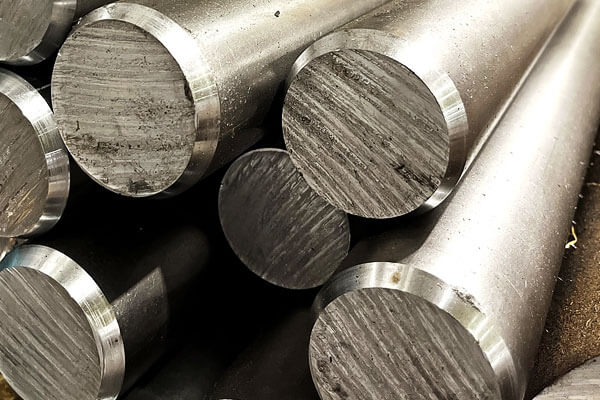
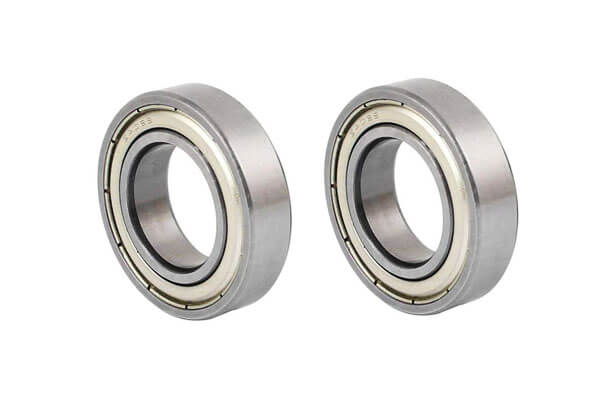
- Esimerkki: Laajina, kuten EN8 tai EN10, valitaan usein hammaspyörille ja akseleille niiden kestävien mekaanisten ominaisuuksien vuoksi..
High Carbon Steels (EN19-36):
- Ominaispiirteet: Lisätty hiilipitoisuus, nämä teräkset tarjoavat merkittävän kovuuden, korkea kulutuskestävyys, ja poikkeuksellinen vetolujuus.
- Sovellukset: Ihanteellinen työkaluille, leikkausvälineet, ja raskaita kuormia kantavia komponentteja, where durability and resistance to abrasion are critical.
- Esimerkki: EN25 is often used in the manufacture of high-strength cutting tools and dies.
Spring Steels (EN40-45):
- Ominaispiirteet: Specially engineered to deliver high elasticity and fatigue resistance, spring steels exhibit excellent energy absorption and recovery capabilities.
- Sovellukset: Essential in the production of mechanical springs, jousitusjärjestelmät, and other components requiring repeated flexing and resilience.
- Esimerkki: EN41 is widely used in the automotive and industrial sectors for its consistent spring performance.
Ruostumattomat teräkset (EN56-58):
- Ominaispiirteet: These grades incorporate significant amounts of chromium and
often other elements to provide superior corrosion resistance while maintaining good mechanical properties. - Sovellukset: Employed in chemical processing, meren-, ja lääketieteelliset teollisuudenalat, where both durability and resistance to environmental degradation are paramount.
- Esimerkki: EN57, comparable to traditional 18/8 ruostumaton teräs, balances corrosion resistance with strength for long-term reliability.
Impact of Alloying Elements on Properties
The properties of EN steels are not solely dictated by their carbon content but also by the presence and proportion of various alloying elements:
- Mangaani: Enhances toughness and hardenability, playing a crucial role in improving the strength of low to medium carbon steels.
- Kromi: Key to achieving excellent oxidation and corrosion resistance, especially in stainless steel grades.
- Pii: Often added to improve castability and strength in silicon-manganese steels.
- Lisäelementit (ESIM., nikkeli, molybdeini): In some stainless and alloy steels, these elements further boost corrosion resistance and overall performance.
These alloying elements work synergistically to tailor the mekaaniset ominaisuudet, korroosionkestävyys, ja muovattavuus of EN steels, ensuring that each grade meets specific application requirements.
Property Impact and Applications
EN steels are engineered to satisfy diverse industry demands. Here are a few examples of how variations in composition influence performance:
- Vahvuus ja sitkeys:
Low carbon steels (EN1-3) offer excellent ductility and ease of forming, making them the ideal choice for large-scale structural applications.
Päinvastoin, high carbon steels (EN19-36) provide superior hardness and wear resistance, which is critical for tools and machinery components subjected to heavy loads. - Korroosionkestävyys:
Stainless steel grades (EN56-58) exhibit robust corrosion resistance, making them indispensable in environments that are chemically aggressive or exposed to moisture.
This ensures longevity in applications ranging from marine hardware to medical devices. - Fatigue and Wear Performance:
Spring steels (EN40-45) are specifically designed to handle cyclic loading and repetitive stress.
Their ability to absorb and release energy without significant degradation makes them a favorite in automotive and industrial applications.
Avaimet takeawayt
- Standardointi:
EN steel classification provides a standardized system that enhances communication and consistency across manufacturers, ensuring reliable performance in the final product. - Räätälöinti:
By understanding the variations in carbon content and alloying elements, engineers can select the appropriate EN steel grade for applications
that demand specific mechanical properties, from high ductility to exceptional wear resistance. - Cost and Performance Optimization:
The detailed EN system allows manufacturers to balance performance requirements
with cost considerations, choosing low, keskikokoinen, or high carbon grades based on the operational demands of the end-use application.
5. Advantages and Limitations of EN Steel Grades
EN-teräslajit tarjoavat standardoidun ja monipuolisen rungon, joka on edistynyt merkittävästi nykyaikaista valmistusta.
Luokittelemalla teräkset hiilipitoisuuden ja seosaineiden perusteella, EN-järjestelmä varmistaa tasaisen laadun ja ennustettavan suorituskyvyn erilaisissa sovelluksissa.
Kuitenkin, kuten mikä tahansa materiaalijärjestelmä, EN-teräksillä on sekä etuja että rajoituksia, jotka insinöörien on otettava huolellisesti huomioon valitessaan materiaaleja projekteihinsä.
Advantages of EN Steel Grades
Standardization and Consistency
- Yhdenmukaisuus valmistajien kesken:
EN-teräslajit tarjoavat yhteisen kielen ja spesifikaation, joka standardoi teräksen ominaisuuksia eri toimittajille.
Tämä yhtenäisyys parantaa viestintää, yksinkertaistaa hankintaa, ja varmistaa, että materiaalit täyttävät samat suorituskykyvaatimukset, alkuperästä riippumatta. - Parannettu laadunvalvonta:
Standardoidut laatuluokat mahdollistavat tiukat laadunvalvontaprosessit.
Manufacturers can rely on established standards such as BS970, ISO, and AECMA, which streamline production and reduce the risk of material variability.
Data from industry surveys indicate that standardization reduces production errors by up to 15%.
Räätälöidyt materiaaliominaisuudet
- Versatility in Performance:
The EN classification system divides steels into distinct categories—low, keskikokoinen, and high carbon steels, along with specialized grades like spring and stainless steels.
This differentiation allows engineers to choose materials that offer the optimal balance between ductility, vahvuus, ja kuluta vastus.
Esimerkiksi, low carbon steels (EN1-3) excel in applications requiring high formability, while high carbon steels (EN19-36) deliver superior hardness for tools and load-bearing structures. - Customizable Alloy Compositions:
By fine-tuning the alloying elements such as manganese, kromi, ja pii, manufacturers can achieve desired performance outcomes.
This customization enhances properties like corrosion resistance and fatigue life, enabling precise material selection for specific industrial applications.
Cost Efficiency and Production Optimization
- Material and Process Efficiency:
Standardization in EN steel grades streamlines material sourcing and processing. Manufacturers achieve cost savings by reducing waste and optimizing production techniques.
Esimerkiksi, the use of medium carbon steels (EN5-16) autoteollisuuden sovelluksissa
has been shown to lower overall production costs by approximately 10–15% due to improved machinability and reduced scrap rates. - Predictable Performance:
The well-defined properties of EN steels help manufacturers predict performance, which in turn minimizes the need for extensive testing and rework.
This predictability accelerates product development cycles and lowers research and development costs.
Limitations of EN Steel Grades
Obsolescence and Evolving Standards
- Outdated Grades:
Some EN steel grades, developed during earlier decades, have become obsolete due to advances in material science.
While many older grades still see use, they may not fully meet the modern demands for higher performance, particularly in high-tech industries. - Continuous Standard Updates:
The dynamic nature of modern manufacturing necessitates frequent updates to standards.
Manufacturers often face challenges adapting to new EN standards, which can lead to compatibility issues with legacy systems.
Trade-Offs Between Mechanical Properties and Manufacturability
- Balancing Strength and Ductility:
While high carbon steels (EN19-36) offer excellent hardness and wear resistance, they often sacrifice ductility and toughness.
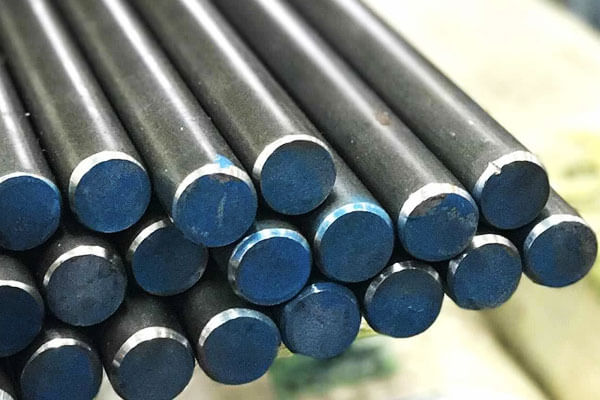
EN36 Alloy Steel Round Bar Engineers must balance these trade-offs, which can complicate material selection for applications requiring both high strength and significant deformation capabilities.
- Surface Finish and Machinability:
Achieving a high-quality surface finish in cast or forged components may require additional processing steps.
Joissain tapauksissa, the coarse grain structure of cast steels leads to a rougher finish that necessitates further machining or polishing, thereby increasing production costs and lead times.
Limitations in Material Customization
- Standardized Compositions:
Although the EN system streamlines production, its standardized compositions may limit the ability to customize properties for niche applications.
Companies seeking to develop highly specialized alloys might find the fixed ranges in EN grades constraining. - Balancing Cost and Performance:
While standardized grades improve cost efficiency, the trade-off between performance and affordability remains a challenge.
Engineers sometimes need to consider alternative, more advanced alloys that offer superior performance but at a higher cost.
6. Future Trends and Developments in EN Steel
The future of EN steel is evolving rapidly as industry demands and technological advancements drive innovation.
Researchers and manufacturers are actively exploring new approaches to enhance the performance, kestävyys, and adaptability of EN steel grades.
Alla, we examine key trends and emerging developments that will shape the future of EN steel.
Edistysmetalliseossuunnittelussa
Modern research in alloy design focuses on optimizing EN steel compositions to achieve superior performance.
Engineers are exploring nano-structured alloys ja hybrid compositions that improve strength, taipuisuus, ja korroosionkestävyys.
Esimerkiksi, integrating nano-scale precipitates can refine the grain structure, ultimately increasing fatigue life and reducing wear.
These innovative alloy designs promise to push EN steel’s capabilities beyond current limitations, making them even more suitable for high-performance applications.
Digital and AI Integration
Manufacturing is embracing digital transformation, and the EN steel sector is no exception.
Manufacturers increasingly use AI-driven process optimization to fine-tune production parameters in real time, reducing defects and enhancing material consistency.
Lisäksi, digital twin technology enables companies to create virtual models of the casting process.
These models help predict performance outcomes under various operating conditions, allowing for proactive adjustments and improved quality control.
Seurauksena, the production of EN steel becomes more efficient and reliable, ultimately lowering costs and boosting competitiveness.
Global Standardization and Regulatory Harmonization
International standardization efforts are underway to ensure that EN steel grades align with modern manufacturing requirements.
Global bodies are working to harmonize EN steel specifications with contemporary standards, such as those set by ISO and ASTM.
This harmonization enhances cross-border trade, facilitates supply chain integration, and ensures that materials meet stringent safety and performance criteria.
As regulatory bodies adapt to new technologies and environmental standards, the EN steel system will continue to evolve, ensuring that it remains relevant and reliable.
Kestävyys ja ympäristövaikutukset
Sustainability is a growing priority in the steel industry.
Manufacturers are investing in energy-efficient production techniques and eco-friendly processes to reduce the carbon footprint associated with steel production.
Recycling initiatives and the use of alternative, renewable energy sources are transforming production practices.
Seurauksena, EN steel manufacturers can achieve significant reductions in energy consumption and waste generation,
aligning with global sustainability goals and appealing to environmentally conscious markets.
Process Innovations and Hybrid Manufacturing
Ongoing innovations in casting technology and process integration are set to revolutionize the production of EN steel.
Hybrid manufacturing, which combines traditional methods with lisäainevalmistus (3D tulostus), enables the creation of complex geometries with near-net shape precision.
This hybrid approach minimizes secondary processing, vähentää materiaalihävikkiä, and allows for rapid prototyping.
Lisäksi, advancements in high-precision casting and digital control systems will enhance overall process consistency,
ensuring that EN steel components meet increasingly stringent performance requirements.
Market Evolution and Future Applications
As industries continue to demand high-performance materials for automotive, ilmailu-, ja teollisuussovellukset, the market for EN steel is projected to grow steadily.
With innovations driving improvements in both material properties and manufacturing efficiency,
EN steel will find expanded applications in emerging sectors such as renewable energy and smart infrastructure.
Companies that invest in advanced technologies and sustainability practices are likely to lead the market, setting new benchmarks for performance and environmental responsibility.
7. Johtopäätös
EN steel remains a cornerstone of modern manufacturing, offering a standardized and versatile material solution that spans diverse industrial applications.
This in-depth analysis has explored its historical evolution, nomenclature, materiaalin ominaisuudet,
ja sovellukset, underscoring the critical role EN steel plays in quality control and production efficiency.
By understanding these key aspects, engineers and manufacturers can make informed decisions that optimize performance and cost-effectiveness.
We invite industry professionals to explore the latest innovations in EN steel and harness its full potential to drive operational excellence.
Embrace advanced materials and modern standards to ensure your products meet the highest performance criteria.
Contact experts in the field today to learn how EN steel can elevate your manufacturing processes.