1. Esittely
Hitsaus on tärkeä prosessi metallin valmistuksessa, tarjoaa kestäviä ja luotettavia yhteyksiä useilla eri aloilla, mukaan lukien autoteollisuus, ilmailu-, elektroniikka, rakennus, ja raskaita koneita.
Monien käytettävissä olevien hitsaustekniikoiden joukossa, pistehitsaus ja siltahitsaus erottuvat erilaisten sovellusten ja etujen ansiosta.
Kuitenkin, nämä kaksi menetelmää palvelevat eri tarkoituksia, making it crucial to understand their fundamental principles, vahvuuksia, rajoitukset, ja parhaan käytön skenaariot.
Tämä artikkeli tarjoaa an perusteellisesti, ammattilainen, ja datalähtöinen vertailu - pistehitsaus vs. takkihitsaus.
Keskustelu kattaa heidän perusperiaatteita, toimivat mekanismit, sovellukset, vaikutuksia materiaalin ominaisuuksiin, edut, ja rajoituksia, as well as explore future technological advancements.
2. Pistehitsauksen ja siltahitsauksen perusperiaatteet
Taustalla olevien perusperiaatteiden ymmärtäminen pistehitsaus vs. takkihitsaus is crucial to appreciating their roles in metal fabrication.
These two welding techniques differ significantly in their mekanismeja, lämmöntuotantomenetelmiä, ja sovellukset, making them suitable for distinct industrial purposes.
2.1 Mikä on pistehitsaus?
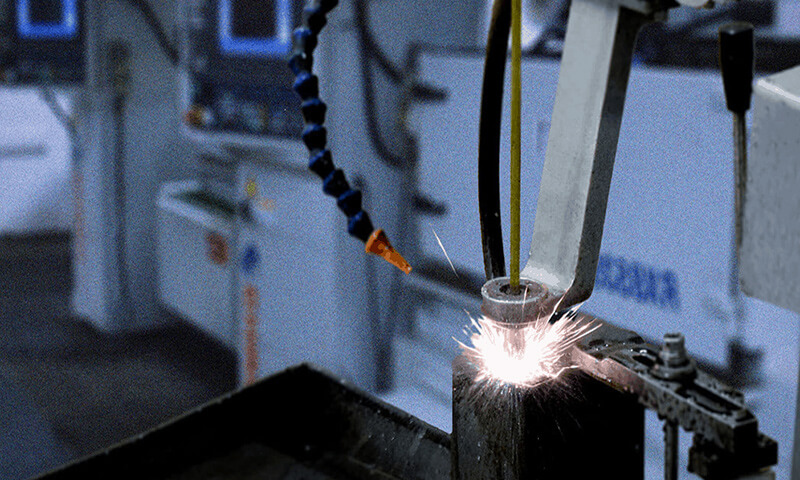
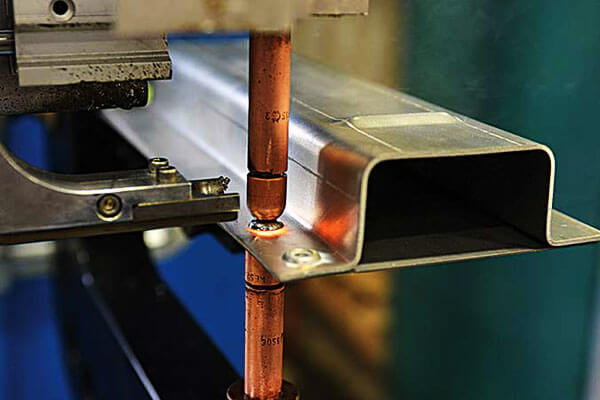
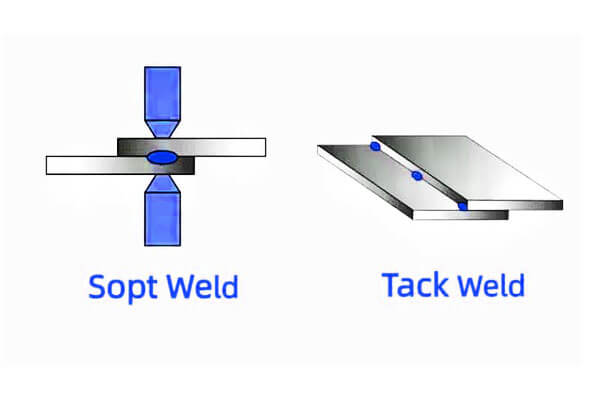
Pistehitsaus on a vastushitsaustekniikka joka hyödyntää paikallinen lämpö ja paine kahden tai useamman metallilevyn sulattamiseen.
Prosessi perustuu sähkövastuslämmitys, where an electric current flows through the workpieces, tuottaa lämpöä johtuen Ohmin laki (V = GO).
Tämä lämpö sulattaa metallin kosketuspisteissä, muodostuminen kiinteä hitsauskimpale jäähtyessään.
Toimintamekanismi
The spot welding process consists of several key steps:
- Elektrodien paikannus:
-
- Copper alloy electrodes clamp the metal sheets together, varmistaa hyvän sähkökontaktin.
- Nykyinen sovellus:
-
- Eräs korkean intensiteetin sähkövirta kulkee elektrodien läpi, lämmön tuottaminen rajapinnassa johtuen sähköinen vastus.
- Se lämpö keskittyy at the joint because the metal sheets have higher resistance than the electrodes.
- Metal Fuusio:
-
- Paikallinen alue sulaa nopeasti, muodostaen a pieni sula hitsauskimpale.
- The applied electrode force prevents excessive metal expansion and maintains proper contact.
- Jäähdytys & Jähmettyminen:
-
- Sähkövirta pysähtyy, and pressure is maintained while the molten metal jähmettyy, muodostaa kestävän hitsausliitoksen.
- Electrode Release:
-
- Elektrodit vedetään sisään, ja hitsattu osa on nyt pysyvästi liimattu.
Pistehitsauksen tärkeimmät ominaisuudet
- Localized Heating: Heat is generated vain hitsausrajapinnassa, vähentää yleistä lämpövääristymää.
- No Filler Material: The welding process does not require additional filler metal, sen tekeminen kustannustehokas.
- Automated and High-Speed: Koko hitsausjakso voi kestää välillä 0.1 -lla 0.5 sekunti, tekee pistehitsauksesta ihanteellisen massatuotantoteollisuudessa.
- Best for Thin Sheets: Most effective for metallien paksuus välillä 0.5 mm ja 3 mm, kuten vähähiilinen teräs, ruostumaton teräs, alumiini, and galvanized metals.
Pistehitsauksen laatuun vaikuttavat tekijät
Several factors determine the quality and strength of a spot weld:
- Nykyinen intensiteetti: Higher current increases heat generation but can also lead to excessive material burning.
- Electrode Force: Proper pressure prevents excessive splatter while ensuring a strong weld.
- Weld Time: Lyhyemmät ajat vähentävät lämpövaikutusvyöhykkeitä, while longer times improve fusion but increase distortion risks.
- Material Conductivity: Korkean johtavuuden metallit (ESIM., alumiini, kupari) vaativat suurempaa virtaa tehokkaiden hitsien saavuttamiseksi.
2.2 What Is Tack Welding?
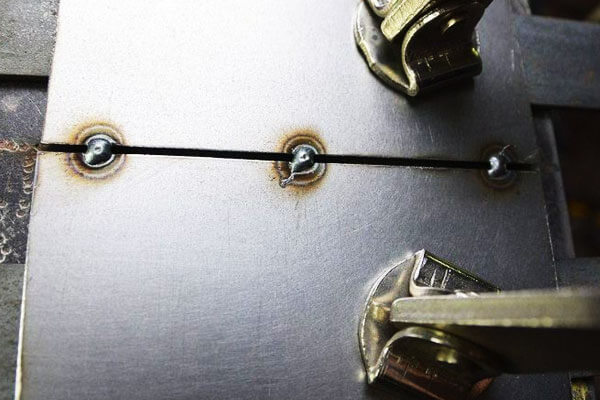
Takkihitsaus on a tilapäinen hitsaustekniikka tapana pidä metalliset työkappaleet paikoillaan ennen lopullista hitsausprosessia.
Se toimii a alustava vaihe oikean kohdistuksen varmistamiseksi, estää vääristymisen, ja ylläpitää vakautta koko hitsaustyön ajan.
Toisin kuin pistehitsaus, siltahitsauksia ei ole suunniteltu kestämään pitkäaikaisia rakenteellisia kuormituksia vaan toimi sen sijaan a ohjaava kehys loppuhitsauksille.
Toimintamekanismi
Takkihitsausprosessi sisältää seuraavat vaiheet:
- Metallin valmistelu:
-
- Pinnat puhdistetaan ruosteen poistamiseksi, öljy, tai epäpuhtauksia, jotka voivat vaikuttaa hitsin laatuun.
- Tack-hitsaussovellus:
-
- Pienet hitsit (tyypillisesti 5-15 mm pituudeltaan) sijoitetaan liitosta pitkin ennalta määrätyin väliajoin.
- Hitsaukset voidaan asettaa erilleen 25-50 mm toisistaan, riippuen materiaalista ja vaaditusta kohdistustarkkuudesta.
- Tarkistetaan kohdistusta:
-
- Tarrahitsaukset varmistavat, että työkappaleet pysyvät paikoillaan vakaa ja oikein sijoitettu before final welding.
- Final Welding Process:
-
- Täydellinen hitsausprosessi (MINULLE, Tig, or stick welding) follows, sulattaa työkappaleet pysyvästi.
Takkihitsauksen tärkeimmät ominaisuudet
- Tasaus & Vakaus: Estää materiaalin liikkumisen ja varmistaa accurate fit-up before full welding.
- Toimii useiden hitsausmenetelmien kanssa: Tämä voidaan suorittaa käyttämällä MINULLE, Tig, puikkohitsaus, or even spot welding.
- Välttämätön suuren mittakaavan valmistuksessa: Käytetty laajasti mm laivanrakennus, ilmailu-, teräsrakenteinen rakenne, ja raskaita koneita.
- Voidaan poistaa tarvittaessa: Tapauksissa, joissa tarvitaan väliaikainen sidos, silmukkahitsaukset voidaan hioa pois ennen lopullista hitsausta.
Types of Tack Welds
- Intermittent Tack Welds:
-
- Pieni, spaced welds sijoitetaan säännöllisin väliajoin liitosta pitkin.
- Sopii käytettäväksi ohuet levyt ja herkät rakenteet.
- Continuous Tack Welds:
-
- Eräs sarja päällekkäisiä hitsejä, tarjoaa vahvempi rakenteellinen eheys.
- Käytetään usein paksummat materiaalit ja korkean jännityksen sovellukset.
Takkihitsauksen laatuun vaikuttavat tekijät
- Arc Length & Lämmön syöttö: Liiallinen lämpö voi johtaa läpipalamiseen, kun taas riittämätön lämpö voi aiheuttaa heikkoja hitsejä.
- Elektrodien paikannus: Oikeat polttimen kulmat ja kulkunopeudet vaikuttavat hitsin lujuuteen.
- Materiaalityyppi & Paksuus: Paksummat materiaalit vaativat enemmän intensive tack welds to prevent shifting.
3. Prosessien ja tekniikoiden vertailu
The effectiveness of pistehitsaus ja siltahitsaus riippuu pitkälti niiden erityispiirteistä prosessit, tekniikoita, and key parameters.
Vaikka molempia käytetään metallien valmistuksessa, niiden menetelmät, materiaalit, ja sovellukset vaihtelevat huomattavasti.
Tämä osa tarjoaa syvällisen vertailun niiden hitsaustekniikoista, critical process factors, and material suitability.
3.1 Spot Welding Process
Elektrodityypit ja materiaalit
Spot welding relies on copper alloy electrodes, which ensure korkea sähkön- ja lämmönjohtavuus samalla minimoiden lämpöhäviön.
Elektrodimateriaalin valinta vaikuttaa merkittävästi hitsin laatu ja kestävyys.
- Yleiset elektrodimateriaalit:
-
- Luokka 1 (Kupari-kadmium tai kupari-nikkeli) – Käytetään alumiinille ja muille erittäin johtaville metalleille.
- Luokka 2 (Kupari-kromi-zirkonium) – Best suited for low-carbon steels ja yleiskäyttöiset sovellukset.
- Luokka 3 (Kupari-volframi tai kupari-molybdeeni) – Käytetään lujissa sovelluksissa, joissa tarvitaan kulutuskestävyyttä.
Elektrodin voiman ja virran ohjaus
- Electrode Force: Varmistaa, että metallilevyt pysyvät asianmukaisessa kosketuksessa liiallisen lämpöhäviön tai materiaalin karkaamisen välttämiseksi.
- Nykyinen intensiteetti: Tyypillisesti 5,000 ja 15,000 ampeeria, materiaalista riippuen.
- Weld Time: Mitattu sisään millisekuntia (tyypillisesti 0,1-0,5 sekuntia) optimaalisen fuusion saavuttamiseksi ilman ylikuumenemista.
Process Steps
- Kiinnitys – Käytetään elektrodeja yhtenäinen voima metallilevyille.
- Nykyinen virtaus – Suuri virta tuottaa paikallista lämpöä rajapinnassa.
- Metal Fuusio – Lämpö sulattaa materiaalin, muodostaen a hitsauskimpale.
- Jäähdytysvaihe – Hitsaus jähmettyy paineen alaisena, varmistaa a vahva metallurginen sidos.
- Electrode Release – Hitsattu osa on nyt kiinteästi liitetty.
Yleiset materiaalit pistehitsaukseen
- Vähähiilinen teräs – Yleisimmin hitsattu johtuen alhainen sähkövastus ja hyvä hitsattavuus.
- Ruostumaton teräs – Vaatii suurempia virtoja johtuen korkea vastus.
- Alumiiniseokset – Haastavampi korkean lämmön- ja sähkönjohtavuuden vuoksi; vaatii tarkkoja virran ja hitsausajan ohjaus.
- Galvanoidut ja pinnoitetut metallit – Muita huomioita sinkkipinnoitteet jotka voivat aiheuttaa kontaminaatioongelmia.
Prosessin nopeus ja tehokkuus
Pistehitsaus on tunnettu siitä nopea toiminta, yksittäisten hitsien kesto alle puoli sekuntia.
Tämä tehokkuus tekee siitä ihanteellisen automatisoidut tuotantolinjat autoteollisuudessa, elektroniikka, ja valmistusteollisuudessa.
3.2 Tack-hitsausprosessi
Types of Tack Welds
Takkihitsaus on a monipuolinen tekniikka joita voidaan mukauttaa erilaisiin materiaalit, liitoskokoonpanot, ja rakenteelliset vaatimukset.
Kiinnityshitsaustyypin valinta riippuu suunniteltu käyttö ja hitsausmenetelmä.
Intermittent Tack Welds
- Pieni, spaced welds levitetään liitosta pitkin.
- Ihanteellinen ohuet levyt ja kevyet rakenteet.
- Käytetty sheet metal fabrication and precision welding applications.
Continuous Tack Welds
- Eräs sarja lähekkäin olevia tai päällekkäisiä hitsejä jotka luovat puolipysyvän sidoksen.
- Tarjoukset parempi rakenteellinen vakaus before final welding.
- Käytetty raskasta valmistusta, laivanrakennus, ja paineastiakokoonpano.
Takkihitsauksen laatuun vaikuttavat parametrit
Useat keskeiset parametrit vaikuttavat tartuntahitsien tehokkuuteen:
- Arc Length:
-
- Liian pitkä: Lisää hapettumista ja vähentää tunkeutumista.
- Liian lyhyt: Aiheuttaa liiallista roiskeita ja mahdollisia hitsausvirheitä.
- Lämmön syöttö & Hitsauksen koko:
-
- Liiallinen kuumuus voi aiheuttaa vääristymistä tai läpipalamista, varsinkin ohuissa materiaaleissa.
- Seurauksena on riittämätön lämpö heikot liimahitsaukset jotka voivat rikkoutua ennen lopullista hitsausta.
- Elektrodien paikannus & Hitsauskulma:
-
- Oikea taskulamppu kulma (tyypillisesti 10-15° pystysuorasta) takaa syvän tunkeutumisen ja vahvan tarttuvuuden.
Yleiset materiaalit siltahitsaukseen
- Teräs (Hiili & Ruostumaton): Käytetty laajasti mm rakennus, ilmailu-, ja laivanrakennus.
- Alumiini & Nikkeliseokset: Vaatii erikoistuneet hitsaustekniikat (TIG/MINÄ) halkeilun estämiseksi.
- Titaani & Erikoismetalliseokset: Käytetty korkean suorituskyvyn teollisuudenaloilla, vaativat tarkka lämmönsäätö.
Prosessin nopeus ja tarkkuus
Takkihitsaus on hitaampi kuin pistehitsaus, mutta se varmistaa linjauksen vakaus ja tarkkuus, mikä on ratkaiseva laajamittaisessa rakenteiden valmistuksessa.
Sitä käytetään usein a alustava vaihe before final welding.
4. Keskeiset erot: Pistehitsaus vs. Tack Weld
| Näkökohta | Pistehitsaus | Tack-hitsaus |
|---|---|---|
| Ensisijainen tarkoitus | Metallilevyjen pysyvä liitos | Väliaikainen asemointi ennen lopullista hitsausta |
| Liittymismekanismi | Lämpöä ja painetta sähkövastuksen kautta | Fuusio kaarihitsauksella (MINULLE, Tig, Tarttua) |
| Leikkauslujuus | Korkea | Kohtuullinen |
| Peel Strength | Matala | Kohtuullinen |
| Kantokyky | Strong under shear stress but weak in tension and peel loads | Tarjoaa alustavan pitovoiman, lopullinen lujuus riippuu täydellisestä hitsistä |
Lämmöntuotanto |
Lokalisoitu, rapid heating (resistance-based) | Laajempi lämpövaikutusalue (kaaripohjainen) |
| Effect on Material | Saattaa aiheuttaa paikallista haurautta | Auttaa hallitsemaan vääristymiä ennen täyttä hitsausta |
| Lämmön vaikutusalue (Hass) | Pieni, keskittynyt | Suurempi, gradual heat spread |
| Materiaalin vääntymisen vaara | Higher for thin metals | Alentaa, auttaa estämään vääntymistä |
| Sähkönjohtavuus | Low resistance at joints, ihanteellinen akulle ja elektroniikalle | Ei optimoitu sähkösovelluksiin |
Process Speed |
Extremely fast (milliseconds per weld) | Hitaammin, vaatii useita kiinnityspisteitä |
| Automaatioon soveltuvuus | Highly automated, käytetään robottien kokoonpanolinjoilla | Mostly manual, joitakin puoliautomaattisia prosesseja |
| Tuotannon tehokkuus | Paras jhk high-speed manufacturing | Paras jhk laajamittainen rakennekokoonpano |
| Labor Cost | Alentaa (due to automation) | Suurempi (manuaalisen hitsauksen takia) |
| Equipment Cost | Korkea (erikoistuneet vastushitsauskoneet) | Alentaa (tavanomaiset kaarihitsauslaitteet) |
| Täyteaine | Ei vaadita | Usein vaaditaan (welding wire, suojakaasu) |
| Yleiset sovellukset | Autoteollisuus, ilmailu-, elektroniikka, battery manufacturing | Laivanrakennus, rakennus, raskaiden koneiden valmistus |
| Kokonaiskustannustehokkuus | Paras jhk ohuiden metallien massatuotanto | Paras jhk pienivolyymillisiin tai rakenteellisiin sovelluksiin |
5. Pistehitsauksen vaikutukset vs. Tack-hitsaus materiaalien ominaisuuksille
Welding techniques play a pivotal role in altering the physical and mechanical properties of materials.
The impact varies significantly between spot welding and tack welding,
with each process influencing material characteristics in different ways due to differences in heat input, jäähdytysnopeudet, and joint formation.
Rakenteelliset ja mekaaniset muutokset
Pistehitsaus:
- Spot welding applies intense heat in a localized area, mikä saa metallin sulamaan ja sulamaan yhteen.
- The rapid cooling results in the formation of a heat-affected zone (Hass) around the weld, jossa raerakenne muuttuu.
- Seuraukset:
-
- Haureus: Tämä lämpö voi johtaa haurastumiseen, making the material more prone to cracking under stress, erityisesti metalleissa, joiden sitkeys on pienempi.
- Vahvuus: Pistehitsaus tarjoaa vahvan leikkauslujuuden, liitos on heikko, kun siihen kohdistuu kuoriutumisvoimia.
Huolellista suunnittelua tarvitaan liitosvaurioiden estämiseksi tällaisissa skenaarioissa.
Tack-hitsaus:
- Takkihitsaukseen sisältyy pienempiä, vähemmän voimakas lämmöntuotto verrattuna pistehitsaukseen, minimoida materiaalin raerakenteen muutos.
- Seuraukset:
-
- Vähentynyt vääristymä: Takkihitsaus minimoi vääntymisriskin loppuhitsauksen aikana kiinnittämällä kappaleet väliaikaisesti.
- Heikot nivelet: Kiinnityshitsausten tilapäinen luonne tarkoittaa, että ne eivät tarjoa täyttä lujuutta, ja ne voivat aiheuttaa jännityskeskittymiä, jos niitä ei seuraa kunnollista täyttä hitsausta.
Vaikutus korroosionkestävyyteen
Pistehitsaus:
- Pistehitsauksen paikallinen lämpö häiritsee usein suojapinnoitteita, kuten galvanoidut kerrokset tai anodisoidut pinnat, johtaa altistumiseen raakametallille.
- Korroosioriskit:
-
- Galvaaninen korroosio: Pistehitsauksista voi tulla galvaanisen korroosion paikkoja, varsinkin kun yhdistetään erilaisia materiaaleja, joiden sähkökemialliset ominaisuudet vaihtelevat.
- Lieventäminen: Hitsauksen jälkeisiä käsittelyjä, kuten passivointia tai lisäpinnoitteita, tarvitaan usein suojaamaan liitos korroosiolta.
Tack-hitsaus:
- Silmähitsaus aiheuttaa yleensä vähemmän häiriöitä suojapinnoitteille verrattuna pistehitsaukseen.
- Korroosioriskit:
-
- Pinnan kontaminaatio: Prosessi vaatii edelleen asianmukaista puhdistusta hapettumis- tai juoksutusjäännöksen syntymisen estämiseksi,
joka voi johtaa korroosioon, jos sitä ei puhdisteta ennen lopullista hitsausta. - Lieventäminen: Pinnan esikäsittely ja hitsauksen jälkeinen puhdistus ovat tärkeitä pitkän aikavälin korroosionkestävyyden varmistamiseksi.
- Pinnan kontaminaatio: Prosessi vaatii edelleen asianmukaista puhdistusta hapettumis- tai juoksutusjäännöksen syntymisen estämiseksi,
Sähkönjohtavuus ja lämmönsiirto
Pistehitsaus:
- Pistehitsaus on erityisen tehokas sovelluksissa, joissa sähkönjohtavuus ja lämmönsiirto ovat tärkeitä.
- Sähkönjohtavuus:
-
- Prosessi luo alhaisen vastuksen liitoksen, tekee siitä ihanteellisen sähkökomponenteille, kuten akun kielekkeet ja piirilevyt.
- Lämpötehokkuus:
-
- Pistehitsauksen paikallinen lämpö varmistaa tehokkaan lämmönjohtavuuden, hyötyvät sovelluksista, jotka vaativat lämmönkestävyyttä tai nopeaa jäähdytystä.
Tack-hitsaus:
- Takkihitsausta ei käytetä ensisijaisesti sähkönjohtavuuden parantamiseen, vaan se toimii enemmän tilapäisenä kohdistusmenetelmänä.
- Sähköisku:
-
- Samaan aikaan siltahitsaukset vakauttavat työkappaleita, ne voivat aiheuttaa vastuspisteitä, jos niitä ei suoriteta oikein, jotka voivat vaikuttaa sähköiseen suorituskykyyn herkissä sovelluksissa.
- Lämmönsiirto:
-
- Lämmöntuotto on yleensä liimahitsauksessa liian pieni vaikuttaakseen merkittävästi materiaalin lämpöominaisuuksiin.
6. Pistehitsauksen edut ja haitat vs. Tack-hitsaus
Molemmat pistehitsaus ja takkihitsaus ovat välttämättömiä prosesseja erilaisissa teollisissa sovelluksissa, varsinkin autoteollisuudessa, ilmailu-, ja valmistussektorit.
Jokainen menetelmä tarjoaa selkeitä etuja ja rajoituksia käsillä olevan tehtävän erityisvaatimusten perusteella.
6.1 Pistehitsauksen edut
Nopea ja tehokas
- Pistehitsaus on uskomattoman nopea prosessi, often taking only a few milliseconds to join materials.
Tämä tekee siitä ihanteellisen suuren määrän tuotanto, kuten autoteollisuudessa. - The speed reduces overall production costs and increases throughput.
Täyteainetta ei tarvita
- Spot welding does not require any filler material, which lowers the cost of materials and eliminates the need for additional components like rods or wires.
- Tämä ominaisuus tekee pistehitsauksesta erittäin hyvän kustannustehokas, varsinkin massatuotannossa.
Automaatioystävällinen
- Pistehitsaus on helppo automatisoida, mikä parantaa johdonmukaisuutta ja alentaa työvoimakustannuksia.
Automatisoituja pistehitsausjärjestelmiä käytetään yleisesti aloilla, joilla vaaditaan suurta tarkkuutta ja toistettavuutta, kuten autonvalmistuksessa.
Minimaalinen jälkikäsittely
- Useimmissa tapauksissa, spot welding requires minimal post-weld processing, koska liitokset ovat usein puhtaita eivätkä vaadi lisämateriaalia, vähentää hitsausprosessin jälkeistä kokonaistyötä.
6.2 Pistehitsauksen haitat
Rajoitettu ohuille materiaaleille
- Pistehitsaus on tehokkain ohuita metallilevyjä, tyypillisesti 0.5 -lla 4 mm paksuus.
Paksuille materiaaleille, lämpö ja paine eivät ehkä riitä luomaan vahvaa hitsiä. - Tämä rajoittaa sen käyttöä aloilla, jotka käsittelevät paksumpia materiaaleja.
Altis heikkoon kuorimissa
- Pistehitsaus tarjoaa vahvan leikkauslujuuden, se on heikko kuorimisvoimien alla.
Joissakin rakennesovelluksissa, joissa liitos voi olla alttiina taivutus- tai irtoamisvoimille, pistehitsatut liitokset voivat epäonnistua. - Nivel ei ole ihanteellinen kuormitus sovelluksia, joissa liitos altistuu suurelle veto- tai kuoriutumisjännitykselle.
Hitsausvirheiden vaara
- Pistehitsaus on erittäin herkkä elektrodien kohdistukselle, materiaalin ominaisuudet, ja prosessiparametreja.
Jos jokin prosessin osa on pois päältä, se voi johtaa hitsausvirheitä, kuten huokoisuus, alittavuus, tai epätäydellinen fuusio. - Elektrodien kuluminen voi myös vaikuttaa hitsin laatuun ajan myötä.
6.3 Takkihitsauksen edut
Tarjoaa vakautta ja kohdistusta
- Tack-hitsaus toimii väliaikaisena toimenpiteenä työkappaleiden kiinnittämiseksi paikoilleen ennen täyttä hitsausta.
Se estää vääntymistä ja vääristymistä, varmistaa, että materiaalit pysyvät oikein kohdistettuina myöhempien hitsaustoimenpiteiden aikana. - This is especially important in applications that require tarkka kohdistus, kuten raskaita koneita tai rakenteellinen valmistus.
Monipuolinen eri materiaalipaksuuksille
- Tack welding can be performed on a wide range of materials, mukaan lukien paksumpia metalleja joita pistehitsaus ei voi käsitellä tehokkaasti.
- Toimii esimerkiksi metallien kanssa teräs, alumiini, ja nikkeliseokset ja sitä voidaan käyttää eri teollisuudenaloilla, -sta rakentamisesta ilmailulle.
Estää lämpövaurioita
- Koska siltahitsaukset käyttävät pienempää lämmöntuottoa kuin täyshitsaus, ne minimoi lämmön aiheuttamat alueet (Hass).
Tämä auttaa estämään materiaalin hajoamisen, erityisesti lämpöherkissä seoksissa ja vähentää mahdollisuuksia vääristymiä tai halkeamia.
Helppo soveltaa
- Prosessi on suoraviivainen ja voidaan tehdä käyttämällä MINULLE, Tig, tai puikkohitsaus, joten se soveltuu erilaisiin tuotantoympäristöihin.
6.4 Takkihitsauksen haitat
Aikaa vievä
- Takkihitsaus vaatii useita vaiheita: jokainen kiinnityssauma on sijoitettava, hitsaus-, ja jäähtynyt. This makes it a slower process compared to spot welding.
- For large-scale projects, this can increase overall production times and result in korkeammat työvoimakustannukset tehokkaampiin hitsausmenetelmiin verrattuna.
Vaatii myöhemmän täyden hitsauksen
- While tack welds hold pieces together temporarily, ne älä tarjoa voimaa välttämätön pysyvälle nivelelle. Siksi, a final, koko hitsausprosessin on seurattava silmukkahitsausta.
- Tämä tarkoittaa, että lisätyötä tarvitaan, which can add to both the cost and time needed for completion.
Saastumisvaara
- The tack weld process can introduce contamination if surfaces are not properly cleaned before welding.
Öljy, lika, or oxidation can lead to poor joint integrity and may require lisäpuhdistus hitsauksen jälkeen vahvojen loppuhitsausten varmistamiseksi. - Tack welds also have a higher risk of defects like porosity or undercut if not executed correctly.
7. Pistehitsauksen teolliset sovellukset vs. Tack-hitsaus
- Autoteollisuus and Aerospace: Spot welding is used for mass production of thin parts, while tack welding ensures proper alignment before final welding.
- Rakennevalmistus & Raskas koneet: Pistehitsaus on ihanteellinen ohuille materiaaleille, kun taas siltahitsaus on välttämätöntä paksummille, more complex assemblies.
- Elektroniikka ja akkujen valmistus: Spot welding is used for electrical connections in battery tabs and circuit boards, kun siltahitsaus pitää komponentit paikoillaan.
- Rakentaminen ja laivanrakennus: Takkihitsauksella on suurempi rooli, especially for steel frameworks and large metal assemblies, while spot welding is limited to lighter materials.
8. Johtopäätös
Molemmat pistehitsaus vs. takkihitsaus ovat tärkeitä metallin valmistuksessa, mutta ne palvelevat eri tarkoituksia.
Pistehitsaus on erinomainen suuri nopeus, automatisoitu tuotanto, kun taas siltahitsaus on välttämätöntä tarkkuus kohdistus ja rakenteellinen eheys.
Jatkuvalla edistyksellä automaatio, AI, ja kestävät hitsaustekniikat, Molemmat menetelmät kehittyvät edelleen vastaamaan nykyajan teollisuuden vaatimuksia.