1. Esittely
Nykypäivän nopeasti kehittyvässä teollisuusmaisemassa, galvanoitu teräs on edelleen yksi tärkeimmistä materiaaleista kestävyyden ja pitkäikäisyyden takaamiseksi lukemattomissa sovelluksissa.
Modernista rakentamisesta ja autoteollisuudesta laivasuunnitteluun ja raskaaseen teollisuustuotantoon,
Galvanoidulla teräksellä on tärkeä rooli teräsosien suojaamisessa korroosiolta ja hajoamiselta.
Tämä artikkeli tarjoaa perusteellisen tutkimuksen galvanoidusta teräksestä useista näkökulmista, mukaan lukien sen valmistusprosessit, materiaalin ominaisuudet, hyöty, rajoitukset, ja tulevaisuuden trendit.
Näitä puolia tutkimalla, insinöörit ja alan ammattilaiset voivat tehdä tietoisia päätöksiä suorituskyvyn optimoimiseksi, vähentää ylläpitokustannuksia, ja saavuttaa pitkän aikavälin luotettavuus.
2. Historiallinen tausta ja evoluutio
Galvanoinnin alkuperä juontaa juurensa varhaisiin teollisiin kokeisiin, joilla pyrittiin torjumaan ruostetta ja pidentämään raudan ja teräksen käyttöikää.
Aluksi, Teräsosien pinnoittamiseen sinkillä käytettiin yksinkertaisia kastomenetelmiä, käytäntö, joka kehittyi merkittävästi 1800- ja 1900-luvuilla.
Tänään, nykyaikaiset galvanointiprosessit – kuten kuumasinkitys ja sähkösinkitys – heijastavat vuosikymmenten innovaatioita ja teknologista kehitystä.
Tärkeimmät virstanpylväät, mukaan lukien sinkitysmenetelmien standardointi kansainvälisissä elimissä, kuten ASTM ja ISO,
ovat tehneet galvanoidusta teräksestä luotettavan ratkaisun ankarissa ja syövyttävissä ympäristöissä.
3. Galvanoidun teräksen valmistusprosessit
Galvanointi muuttaa tavallisen teräksen kestäväksi materiaaliksi, joka kestää kovia ympäristöolosuhteita.
Tämä prosessi sisältää suojaavan sinkkipinnoitteen levittämisen, mikä parantaa merkittävästi teräksen korroosionkestävyyttä ja yleistä käyttöikää.
Modernissa teollisuudessa, valmistajat luottavat edistyneisiin galvanointitekniikoihin tasaisen laadun ja suorituskyvyn saavuttamiseksi.
Alla, tutkimme teräksen galvanoinnin pääprosesseja, mukaan lukien kuumasinkitys, sähkösinkitys,
ja muita uusia menetelmiä, sekä laadunvalvonta ja ympäristönäkökohdat.
Kuumasinkitys
Kuumasinkitys on yksi vakiintuneimmista ja laajimmin käytetyistä teräksen suojausmenetelmistä.
Tässä prosessissa, teräskomponentit upotetaan sulaan sinkkiin tyypillisesti noin 450°C:n lämpötiloissa (842° f).
Tämä upotus muodostaa vahvan metallurgisen sidoksen sinkin ja teräksen välille, tuloksena on pinnoitteen paksuus, joka yleensä vaihtelee 40 -lla 100 mikronit.
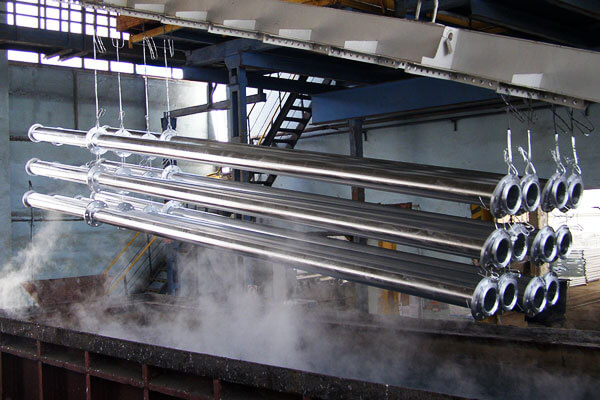
- Process Steps:
Aluksi, teräs puhdistetaan perusteellisesti ja peitataan usein hapolla epäpuhtauksien tai hilseilyn poistamiseksi.
Seuraava, valmistettu teräs upotetaan sulan sinkin kylpyyn kontrolloiduksi ajaksi, antaa sinkin kiinnittyä tasaisesti.
Lopuksi, komponentit vedetään pois ja annetaan jäähtyä, jonka aikana sinkkikerros jähmettyy ja kehittää sille ominaisen kimaltelevan ulkonäön. - Tärkeimmät edut:
Kuumasinkitys tarjoaa erinomaisen korroosiosuojan, jopa vaikeissa olosuhteissa.
Sen vankka pinnoite tarjoaa pitkäkestoisen kestävyyden ja on erityisen kustannustehokas laajamittaisessa tuotannossa.
Tämä menetelmä soveltuu erityisesti rakennussovelluksiin, infrastruktuuri, ja raskaat koneet, joissa lujuus ja pitkäikäisyys ovat tärkeitä.
Sähkösinkitys
Sähkösinkitys, tunnetaan myös galvanointina, käyttää sähkökemiallista prosessia ohuen kerrostamiseen, tasainen sinkkikerros teräspinnalle.
Tämä prosessi tapahtuu elektrolyyttihauteessa ja käyttää ohjattuja sähkövirtoja tarkan laskeutumisen varmistamiseksi.
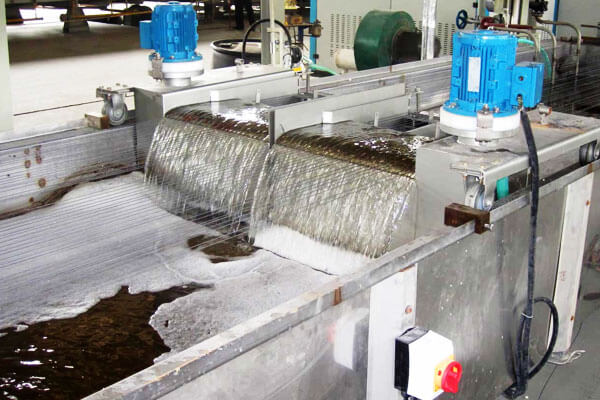
- Process Steps:
Puhdistuksen ja rasvanpoiston jälkeen, teräs käy läpi sähkökemiallisen käsittelyn happopohjaisessa elektrolyyttiliuoksessa.
Sähkövirran vaikutuksen alaisena, sinkki-ionit pelkistyvät ja kerrostuvat pinnalle.
Tuloksena on sileä, esteettisesti miellyttävä pinnoite, joka on tyypillisesti ohuempi kuin kuumasinkimällä valmistettu pinnoite – usein 5 -lla 20 mikronit. - Tärkeimmät edut:
Sähkösinkitysprosessi tuottaa erittäin tasaisen ja kiillotetun pinnan,
joten se on ihanteellinen sovelluksiin, joissa ulkonäkö ja mittatarkkuus ovat tärkeitä, kuten kulutuselektroniikassa ja autojen koripaneeleissa.
Lisäksi, sen pienempi pinnoitepaksuus voi olla edullinen komponenteille, joissa paino on kriittinen tekijä.
Vaihtoehtoiset galvanointimenetelmät
Kuuma- ja sähkösinkityksen lisäksi, useita vaihtoehtoisia menetelmiä on syntynyt tiettyjen valmistustarpeiden täyttämiseksi.
- Shearding:
Tämä prosessi sisältää teräksen kuumentamisen suljetussa rummussa, joka on täytetty sinkkipölyllä, noin 300 °C:n lämpötilassa. (572° f).
Sinkki diffundoituu teräksen pintaan, luoden ohuen, tasainen pinnoite.
Sheardizing on erityisen hyödyllinen pienempien komponenttien tai yhtenäisyyttä vaativien osien kohdalla, korroosionkestävä pinta ilman kuumavesiprosesseille tyypillistä raskasta pinnoitetta. - Jatkuva galvanointi:
Käytetään usein pitkien terästuotteiden valmistuksessa, jatkuva galvanointi levittää teräkseen sinkkipinnoitteen, kun se kulkee telojen läpi jatkuvassa tuotantolinjassa.
Tämä menetelmä yhdistää korkean suorituskyvyn erinomaiseen pinnoitteen tasaisuuteen, joten se sopii sovelluksiin, kuten teräslevyihin ja -nauhoihin.
Laadunvalvonta ja ympäristönäkökohdat
Galvanoidun teräksen laadun varmistaminen on ensiarvoisen tärkeää korkean suorituskyvyn sovelluksissa.
Valmistajat käyttävät erilaisia tarkastustekniikoita, kuten tartuntatestausta, pinnoitteen paksuuden mittaukset,
ja nopeutettuja korroosiokokeita sen varmistamiseksi, että sinkkikerros täyttää tiukat alan standardit (ESIM., ASTM ja ISO).
Lisäksi, nykyaikaiset galvanointiprosessit sisältävät energiatehokkaita teknologioita ja jätteen vähentämistoimenpiteitä.
Esimerkiksi, käytettyjen kemikaalien kierrätys ja uusiutuvien energialähteiden käyttö uuneissa auttavat minimoimaan ympäristöjalanjälkeä.
Kehittyneet ohjausjärjestelmät auttavat myös vähentämään materiaalihukkaa ja optimoimaan energiankulutusta, sopusoinnussa maailmanlaajuisten kestävän kehityksen aloitteiden kanssa.
4. Galvanoidun teräksen materiaali- ja suorituskykyominaisuudet
Galvanoitu teräs erottuu edukseen poikkeuksellisen kestävyyden ansiosta, korroosionkestävyys, ja mekaaninen lujuus, mikä tekee siitä suositun materiaalin useilla teollisuudenaloilla.
Sinkkipinnoite ei ainoastaan suojaa alla olevaa terästä, vaan myös parantaa sen yleistä suorituskykyä.
Tässä osassa, Tutustumme galvanoidun teräksen tärkeimpiin materiaaliominaisuuksiin ja suorituskykyominaisuuksiin,
mukaan lukien sen kemiallinen koostumus, fysikaaliset ominaisuudet, korroosionkestävyys, mekaaninen käyttäytyminen, kestävyys, ja pinnan ulkonäkö.
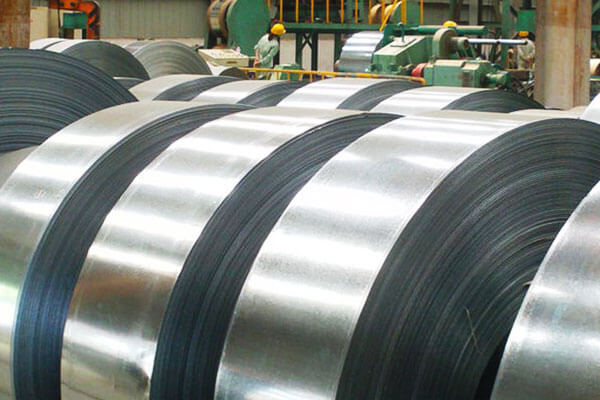
Galvanoidun teräksen kemialliset ominaisuudet
Galvanoidun teräksen kemiallisiin ominaisuuksiin vaikuttaa ensisijaisesti teräsalustan ja sinkkipinnoitteen välinen vuorovaikutus.
Sinkkikerros tarjoaa kaksinkertaisen suojatoiminnon: fyysinen este ympäristöaltistumista vastaan ja suoja-anodi, joka estää teräksen korroosiota.
Pinnoitteen koostumus:
- Uloin kerros koostuu pääasiassa puhtaasta sinkistä (Zn).
- Sisäkerrokset muodostavat sinkki-rautaseosfaasit, kuten gamma (C), delta (D), ja zeta (G) vaiheet, jotka parantavat tarttuvuutta ja kulutuskestävyyttä.
- Lisäosat, kuten alumiini (AL -AL) ja magnesium (Mg) joskus lisätään korroosionkestävyyden parantamiseksi, varsinkin aggressiivisissa ympäristöissä.
Sähkökemiallinen käyttäytyminen:
- Sinkki on sähkökemiallisesti aktiivisempaa kuin rauta, eli se syöpyy ensisijaisesti altistuessaan kosteudelle tai hapelle.
- Tämä uhrautuva suoja estää ruosteen muodostumisen teräsalustalle, vaikka pinnoite olisi vaurioitunut.
Galvanoidun teräksen fyysiset ominaisuudet
Galvanoidulla teräksellä on useita ainutlaatuisia fyysisiä ominaisuuksia sinkkikerroksen läsnäolon vuoksi, mikä vaikuttaa sen tiheyteen, lämpöominaisuudet, ja johtavuus.
- Tiheys:
-
- Galvanoidun teräksen tiheys riippuu pinnoitteen paksuudesta. Puhtaan teräksen tiheys on 7.85 g/cm³, kun taas sinkillä on pienempi tiheys 7.14 g/cm³.
- Galvanoidun teräksen yhdistetty tiheys on hieman pienempi kuin päällystämättömän teräksen, mutta pysyy rakenteellisesti kestävänä.
- Sulamispiste:
-
- Teräs sulaa noin 1,370–1530°C (2,500–2800°F), kun sinkki sulaa klo 419.5° C (787° f).
- Sinkkikerros voi hajota korkeissa lämpötiloissa, sinkitty teräs ei sovellu pitkäaikaiseen altistumiseen äärimmäiselle kuumuudelle.
- Lämmönjohtavuus:
-
- Sinkin lämmönjohtavuus on 116 W/m · k, pienempi kuin teräksellä (50 W/m · k).
- Sinkkikerroksen läsnäolo vaikuttaa hieman lämmönpoistoon, mutta ei merkittävästi vaikuta rakenteelliseen suorituskykyyn.
- Sähkönjohtavuus:
-
- Sinkki on hyvä sähkönjohdin, mutta oksidikerrosten läsnäolo sen pinnalla voi vaikuttaa johtavuuteen.
- Galvanoitua terästä käytetään yleisesti sähkömaadoitussovelluksissa sen korroosionkestävien ominaisuuksien vuoksi.
Korroosionkestävyys
Yksi galvanoidun teräksen merkittävimmistä eduista on sen erinomainen korroosionkestävyys.
Sinkkipinnoite muodostaa suojaavan esteen, joka suojaa alla olevaa terästä kosteudelta, happea, ja syövyttäviä aineita.
- Esteen suojaus:
-
- Sinkkikerros estää fyysisesti syövyttävien aineiden pääsyn teräksen pinnalle.
- Vaikka pinnoite on naarmuuntunut, ympäröivä sinkki tarjoaa jatkuvan suojan uhrautuvan korroosion kautta.
- Uhraussuoja (Galvaaninen vaikutus):
-
- Sinkki on anodista teräkseen nähden, eli se syöpyy ennen kuin teräs.
- Tämä on erityisen hyödyllistä rannikko- ja teollisuusympäristöissä, joissa korkea kosteus ja epäpuhtaudet kiihdyttävät korroosiota.
- Korroosionopeus eri ympäristöissä:
-
- Sisä- kaupunkiympäristöt, galvanoidulla teräksellä on tyypillinen käyttöikä 50+ vuotta.
- Sisä- meriympäristöt, joissa suolaaltistus on korkea, elinikä on 20-25 vuotta, pinnoitteen paksuudesta riippuen.
- Sisä- teolliset asetukset, altistuminen rikkidioksidille (SO₂) ja muut epäpuhtaudet voivat lyhentää elinikää 30-40 vuotta.
Galvanoidun teräksen mekaaniset ominaisuudet
Galvanoidun teräksen mekaaniset ominaisuudet, kuten vetolujuus, taipuisuus, ja iskunkestävyys, määrittää sen soveltuvuuden erilaisiin rakenteellisiin ja teollisiin sovelluksiin.
- Vetolujuus:
-
- Galvanoinnin vaikutus teräksen luontaiseen vetolujuuteen on minimaalinen, joka tyypillisesti vaihtelee 250 MPa 550 MPA, teräslaadusta riippuen.
- Sinkkipinnoite ei heikennä terästä, vaan muodostaa lisäsuojakerroksen.
- Muovattavuus ja muovattavuus:
-
- Galvanoitu teräs säilyttää hyvän taipuisuuden, antaa sen taivuttaa, leimattu, ja muotoiltu erilaisiin muotoihin.
- Kuitenkin, liiallinen taivutus voi aiheuttaa mikrohalkeamia sinkkipinnoitteeseen, altistaa teräksen mahdolliselle korroosiolle.
- Iskunkestävyys:
-
- Sinkki-rautaseoskerrokset parantavat galvanoidun teräksen iskunkestävyyttä, tekee siitä vähemmän alttiita pinnan kulumiselle ja vaurioille.
- Tämä ominaisuus on erityisen hyödyllinen sovelluksissa, jotka vaativat suurta mekaanista kestävyyttä, kuten suojakaiteet, rakenteelliset palkit, ja teollisuuskoneet.
Kestävyys ja pitkäikäisyys
Galvanoitu teräs tunnetaan pitkästä käyttöiästä, joten se on ihanteellinen valinta sovelluksiin, jotka vaativat vähän huoltoa.
- Elinikä eri olosuhteissa:
-
- Pinnoitteen paksuudella on ratkaiseva rooli pitkäikäisyyden määrittämisessä.
- Eräs 5-10 μm sähkösinkitty pinnoite kestää 5-15 vuotta, kun taas 50-100 μm kuumasinkitty pinnoite kestää 30-70 vuotta, altistusolosuhteista riippuen.
- Säänkestävyys:
-
- Sinkkikerros suojaa tehokkaasti UV-säteilyltä, kosteutta, ja saasteet, varmistaa pitkän aikavälin suorituskyvyn ulkosovelluksissa.
- Itsensä parantava kyky:
-
- Sinkkipinnoite voi parantaa pieniä naarmuja hapettumisen kautta, jossa sinkki reagoi kosteuden kanssa muodostaen suojaavan patinan, joka estää lisäkorroosiota.
Pinnan ulkonäkö
Galvanoidun teräksen pintakäsittely vaihtelee käytetyn galvanointitavan mukaan.
- Kuumasinkitty teräs:
-
- Ominaisuudet karkea, kiillotettu pinta näkyvillä kiteytyskuvioilla.
- Soveltuu rakenteellisiin sovelluksiin, mutta saattaa vaatia lisäviimeistelyä esteettisistä syistä.
- Sähkösinkitty teräs:
-
- On sileä, yhtenäinen ulkonäkö mattapintaisella tai kiiltävällä pinnalla.
- Käytetään usein kulutustuotteissa, autojen komponentit, ja elektroniikka.
- Jauhemaalattu tai maalattu galvanoitu teräs:
-
- Joillekin galvanoiduille terästuotteille tehdään lisäpintakäsittelyjä ulkonäön parantamiseksi ja korroosionkestävyyden lisäämiseksi.
5. Galvanoidun teräksen edut
Galvanoitu teräs, joka on terästä, joka on päällystetty sinkkikerroksella korroosion estämiseksi, tarjoaa lukuisia etuja eri sovelluksissa.
Tässä ovat tärkeimmät edut, jotka tekevät galvanoidusta teräksestä ensisijaisen valinnan rakentamisessa, valmistus, ja muilla teollisuudenaloilla:
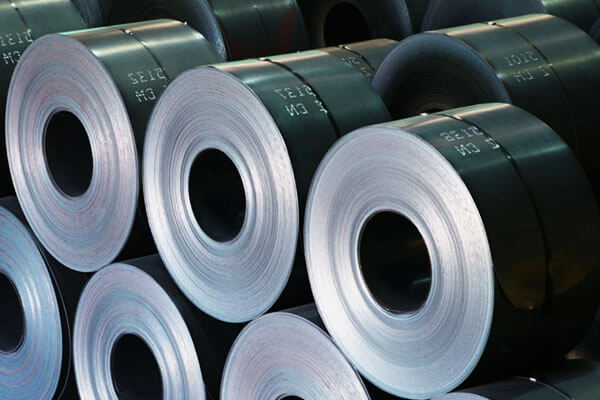
Korroosionkestävyys
- Galvanoidun teräksen tärkein etu on sen parempi korroosionkestävyys.
Sinkkipinnoite toimii esteenä teräksen ja ympäristötekijöiden, kuten kosteuden, välillä, happea, ja suolat, hidastaa ruostumisprosessia merkittävästi.
Pitkäikäisyys
- Ylivoimaisen korroosionkestävyyden ansiosta, galvanoitu teräs tarjoaa pidemmän käyttöiän rakenteille ja komponenteille verrattuna käsittelemättömään teräkseen.
Tämä pitkäikäisyys vähentää toistuvan huollon ja vaihdon tarvetta, tekee siitä kustannustehokkaan ratkaisun ajan mittaan.
Kestävyys
- Galvanoitu teräs on erittäin kestävää ja kestää mekaanisia vaurioita paremmin kuin monet muut materiaalit.
Se säilyttää vahvuutensa ja eheytensä ankarissa olosuhteissa, mukaan lukien äärimmäiset sääolosuhteet ja fyysinen stressi.
Alhainen huolto
- Kun se on asennettu, galvanoitu teräs vaatii vain vähän huoltoa.
Sen suojaava sinkkikerros eliminoi maalauksen tai lisäpintakäsittelyn tarpeen, vähentää ylläpitoon liittyviä juoksevia kustannuksia ja vaivaa.
Kustannustehokkuus
- Vaikka galvanoidun teräksen alkuperäinen hinta saattaa olla korkeampi kuin tavallisen teräksen, Vähemmän huollon ja pidennetyn käyttöiän aiheuttamat pitkän aikavälin säästöt ovat usein suuremmat kuin nämä ennakkokustannukset.
Lisäksi, galvanoidun teräksen kestävyys tarkoittaa vähemmän materiaalihukkaa ja alhaisempia elinkaarikustannuksia.
Monipuolisuus
- Galvanoitua terästä voidaan käyttää monenlaisiin sovelluksiin, pienistä laitteistotuotteista suuriin rakenneosiin.
Sen soveltuvuus tekee siitä sopivan useille eri aloille, mukaan lukien rakentaminen, autoteollisuus, maatalous, ja uusiutuvan energian aloilla.
Kestävyys
- Galvanointi on ympäristöystävällinen prosessi, koska sinkki on luonnossa esiintyvä alkuaine ja sitä voidaan kierrättää toistuvasti menettämättä kemiallisia tai fysikaalisia ominaisuuksiaan.
Galvanoidun teräksen käyttö tukee kestäviä käytäntöjä pidentämällä tuotteiden käyttöikää ja vähentämällä uusien raaka-aineiden tarvetta.
Esteettinen vetoomus
- Kiiltävä, Vasta galvanoidun teräksen sileä viimeistely voi lisätä houkuttelevan ulkonäön projekteihin, joissa estetiikalla on merkitystä.
Niille, jotka haluavat erilaista ilmettä, galvanoidut teräspinnat voidaan myös helposti maalata tai pulverimaalata.
Aikatehokkuus
- Galvanointi on suhteellisen nopea prosessi verrattuna useiden maalikerrosten tai muiden suojapinnoitteiden levittämiseen.
Tämä tehokkuus voi johtaa nopeampiin projektien valmistumisaikoihin ja valmistajien nopeampaan läpimenoon.
6 Galvanoidun teräksen rajoitukset ja haasteet
Pinnoitteen hajoaminen
Pitkällä aikavälillä, sinkkipinnoite saattaa kulua tai lohkeilla, erityisesti erittäin syövyttävissä ympäristöissä.
Tämä heikkeneminen voi vaarantaa suojaavia etuja, jos sitä ei ylläpidetä säännöllisesti.
Esteettiset rajoitukset
Kuumasinkitys tarjoaa erinomaisen suojan, sen tyypillinen kiilto viimeistely ei välttämättä täytä esteettisiä vaatimuksia tietyissä kuluttajasovelluksissa.
Vaikka sähkösinkitys tarjoaa tasaisemman lopputuloksen, se tarjoaa tyypillisesti ohuemman pinnoitteen.
Ympäristö- ja terveysnäkökohdat
Galvanointiprosessit sisältävät korkeita lämpötiloja ja kemikaalien käyttöä, jotka aiheuttavat ympäristö- ja turvallisuusongelmia.
Valmistajien on otettava käyttöön tehokkaat jätehuolto- ja päästöjenhallintajärjestelmät ympäristövaikutusten minimoimiseksi.
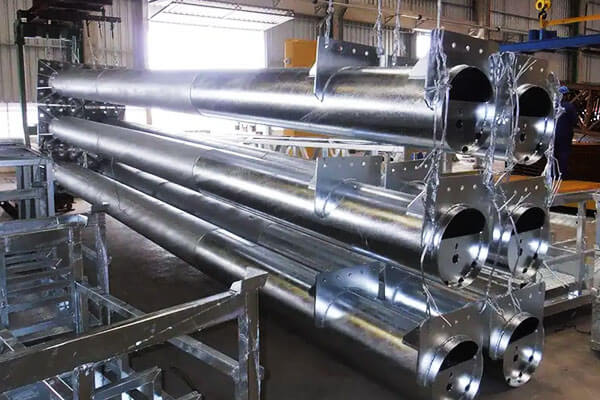
Kustannusvaikutukset
Suuren tarkkuuden tai pienen volyymin sovelluksissa, galvanoinnin lisäkustannukset eivät välttämättä aina ole perusteltuja.
Insinöörien on punnittava pidennetyn kestävyyden etuja lisääntyneisiin tuotantokustannuksiin, varsinkin kun vaihtoehtoisia korroosiosuojausmenetelmiä on saatavilla.
7. Hakemukset eri toimialoilla
Rakentaminen ja infrastruktuuri
Galvanoitu teräs on peruselementti rakennusrakenteissa, sillat, ja vahvistustaangot.
Sen kestävyys ja korroosionkestävyys takaavat, että infrastruktuuri pysyy vankana ja luotettavana vuosikymmeniä, jopa huonoissa sääolosuhteissa.
Autoteollisuus
Vuonna autoteollisuus alalla, Koripaneeleissa käytetään galvanoitua terästä, runkokomponentit, ja alavaunut.
Sen kestävyys tiesuolien ja ympäristön altistumisen aiheuttamaa korroosiota vastaan auttaa pidentämään ajoneuvon osien käyttöikää ja vähentämään huoltokustannuksia.
Meri- ja offshore-sovellukset
Se meren- ympäristö aiheuttaa merkittäviä korroosiohaasteita.
Galvanoidulla teräksellä on tärkeä rooli laivanrakennuksessa ja offshore-rakenteissa, jossa sen kyky kestää suolaisen veden korroosiota ja ankarat meriolosuhteet takaavat pitkän aikavälin suorituskyvyn.
Teollisuuskoneet ja laitteet
Raskaat teollisuuden koneet hyötyvät galvanoidun teräksen pitkäikäisyydestä ja vähän huoltoa vaativista ominaisuuksista.
Komponentit, kuten rakenteelliset tuet, varastosäiliöt, ja kuljetinjärjestelmät käyttävät galvanoitua terästä varmistamaan turvallisen ja tehokkaan toiminnan jatkuvassa rasituksessa.
Maatalous- ja yleishyödyllinen infrastruktuuri
Galvanoitua terästä käytetään maatalouskoneissa, käyttöpylväät, ja muut infrastruktuurielementit.
Sen kustannustehokkuus ja kestävyys tekevät siitä ihanteellisen ulkokäyttöön, jossa altistuminen elementeille on jatkuvaa.
8. Galvanoitu teräs vs. Tavallinen teräs: Kattava vertailu
Teräs on yksi eniten käytetyistä materiaaleista rakentamisessa, valmistus, autoteollisuus, ja teollisuussovellukset.
Kuitenkin, kaikki teräs ei ole samanlaista – vaikka tavallista terästä (tunnetaan myös hiiliteräksenä) on vahva ja monipuolinen, galvanoitua terästä tarjoaa paremman korroosionkestävyyden ja pitkäikäisyyden.
Materiaalin koostumus ja suojaominaisuudet
Galvanoitu teräs
Galvanoitu teräs koostuu a hiiliteräksinen ydin päällystetty kerros sinkkiä kuumasinkityksen tai sähkösinkityksen avulla. Sinkkipinnoitteella on kaksi keskeistä tarkoitusta:
- Esteen suojaus: Sinkki muodostaa fyysisen suojan, joka estää kosteuden ja syövyttävien aineiden pääsyn teräkseen.
- Uhraussuoja: Jos pinnoite on vaurioitunut, sinkki syöpyy ensin, estää alla olevan teräksen hapettumisen.
Tavallinen teräs
Tavallista terästä, usein kutsutaan pehmeä teräs tai hiiliteräs, koostuu pääasiassa rautaa ja hiiltä joissa on pieniä määriä seosaineita, kuten mangaania ja fosforia.
Kuitenkin, koska siitä puuttuu suojakerros, se on erittäin herkkä hapettumista ja ruostetta altistuessaan ilmalle ja kosteudelle.
Korroosionkestävyys ja ympäristön kestävyys
| Omaisuus | Galvanoitu teräs | Tavallinen teräs |
|---|---|---|
| Ruosteenkestävyys | Erinomainen – sinkkipinnoite estää hapettumista. | Huono – ruostuu altistuessaan ilmalle ja kosteudelle. |
| Elinikä ulkoolosuhteissa | 30-70 vuotta, riippuen ympäristöstä ja pinnoitteen paksuudesta. | 5-20 vuotta, vaativat säännöllistä huoltoa. |
| Suorituskyky meri-/teollisuusympäristöissä | Korkea suolaveden kestävyys, kemikaalit, ja saasteet. | Nopea korroosio ilman suojakäsittelyjä. |
Lujuus ja mekaaniset ominaisuudet
| Omaisuus | Galvanoitu teräs | Tavallinen teräs |
|---|---|---|
| Vetolujuus | Hieman pienentynyt sinkkikerroksen vuoksi, mutta silti vahva. | Tyypillisesti suurempi raakavetolujuus. |
| Taipuisuus | Tavallista terästä matalampi hauraan sinkkipinnoitteen vuoksi. | Muovaisempi, mahdollistaa helpomman taivutuksen ja muotoilun. |
| Hitsaus | Vaatii erityisiä varotoimia sinkkihöyryjen vuoksi. | Helpompi hitsata, mutta tarvitsee ruostesuojauksen hitsauksen jälkeen. |
| Konettavuus | Hieman kovempi pinnoitteen ansiosta, mutta silti työstettävä. | Helpompi työstää ja muotoilla. |
Esteettiset ja pinnan viimeistelyerot
| Tekijä | Galvanoitu teräs | Tavallinen teräs |
|---|---|---|
| Esiintyminen | Mattaharmaa, jossa kiilto tai sileä pinta. | Tummanharmaa tai sinertävä univormulla, raaka ulkonäkö. |
| Maalausvaatimukset | Voidaan maalata, mutta vaatii erityisiä pohjamaaleja. | Voidaan maalata helposti, mutta tarvitsee ruosteenestoaineita. |
| Tekstuurin vaihtelu | Pinta voi olla karkea tai epäsäännöllinen galvanisoinnin vuoksi. | Tasaisempi viimeistely, valmistusprosessista riippuen. |
Kustannusten vertailu ja taloudelliset näkökohdat
| Kustannustekijä | Galvanoitu teräs | Tavallinen teräs |
|---|---|---|
| Alkuperäiset materiaalikustannukset | Korkeampi sinkkipinnoitteen ansiosta. | Pienemmät ennakkokustannukset. |
| Pitkän aikavälin kustannukset | Alempi vähäisen huollon vuoksi. | Korkeampi säännöllisen ruostekäsittelyn ansiosta, maalaus, ja korjaukset. |
| Koko elinkaarikustannukset | Kustannustehokkaampi ajan myötä. | Voi tulla kalliiksi huollon ja vaihdon myötä. |
Galvanoidun teräksen yleiset sovellukset vs. Tavallinen teräs
| Sovellussektori | Galvanoidun teräksen käyttötarkoitukset | Säännöllinen teräksen käyttö |
|---|---|---|
| Rakennus | Kattotyöt, aidat, rakenteelliset palkit, sillat. | Rakenteelliset puitteet, vahvistustaangot, palkit. |
| Autoteollisuus | Autojen rungot, alavaunut, polttoainesäiliöt. | Kehykset, moottorin komponentit, runkopaneelit (pinnoitettuna). |
| Teollisuuslaitteet | Putket, varastosäiliöt, koneiden osat. | Raskaat koneet, vaihde, akselit. |
| Meri- ja offshore | Laivan komponentit, telakat, öljynporauslautat. | Rajoitettu huonon korroosionkestävyyden vuoksi. |
| Maatalous | Navetat, siilot, kastelujärjestelmät. | Laitteet, usein huoltoa vaativat koneen osat. |
9. Johtopäätös
Galvanoidulla teräksellä on keskeinen rooli nykyaikaisessa teollisuudessa tarjoamalla vertaansa vailla olevaa korroosiosuojaa, kustannustehokkuus, ja parannettu rakenteellinen eheys.
Tämä kattava analyysi on tutkinut sen historiallista kehitystä, valmistusprosessit, materiaalin ominaisuudet, ja sovelluksia eri aloilla.
Vaikka haasteita, kuten pinnoitteen hajoaminen ja ympäristövaikutukset, on edelleen,
jatkuvat innovaatiot ja digitaaliset edistysaskeleet lupaavat edelleen optimoida galvanoidun teräksen suorituskykyä.
Ymmärtämällä nämä monitahoiset näkökohdat, insinöörit ja alan ammattilaiset voivat tehdä tietoisia päätöksiä,
varmistaa, että niiden materiaalivalikoima ei ainoastaan täytä suorituskykyvaatimuksia, vaan edistää myös pitkän aikavälin kestävyyttä ja kustannussäästöjä.
Jos etsit korkealaatuisia galvanoituja terästuotteita, valinta Tämä on täydellinen päätös valmistustarpeisiisi.