1. Esittely
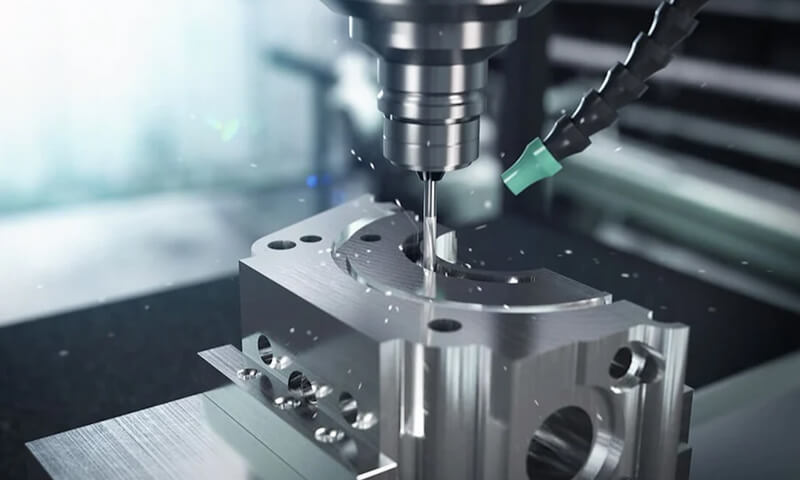
Annealing is a lämmönkäsittely process designed to modify the physical and sometimes chemical properties of a material, thereby improving its workability.
Historiallisesti, early metallurgists used annealing to soften metals after forging, and over time,
the process has evolved into a sophisticated technique used in diverse industries such as automotive, ilmailu-, elektroniikka, ja valmistus.
Erityisesti, annealing not only enhances ductility and reduces residual stresses but also refines the grain structure, leading to improved machinability and overall performance.
In today’s competitive industrial landscape, mastering annealing is crucial for optimizing material performance.
This article examines annealing from scientific, käsitellä, design, taloudellinen, ympäristön kannalta, ja tulevaisuuteen suuntautuneet näkökulmat, ensuring a holistic understanding of its role in modern material engineering.
2. Fundamentals of Annealing
Definition and Purpose
Sen ytimessä, annealing involves heating a material to a specific temperature, holding it for a set period, and then cooling it at a controlled rate.
This process provides the energy needed for atoms within the material’s microstructure to migrate and rearrange.
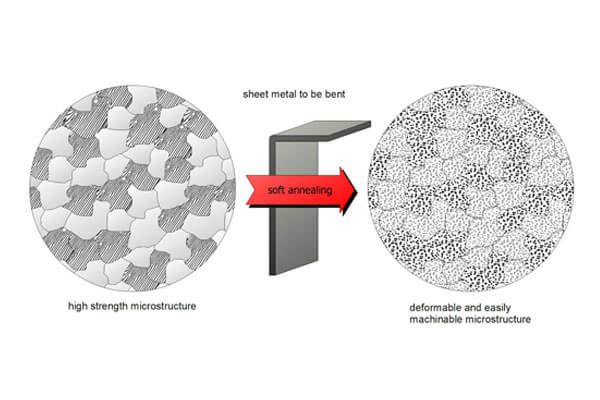
Siten, dislocations and internal stresses are reduced, and new, strain-free grains form, which restores ductility and decreases hardness.
Key objectives include:
- Enhancing Ductility: Allowing metals to be more easily formed or machined.
- Relieving Residual Stress: Preventing warping and cracking in final products.
- Refining Grain Structure: Optimizing the microstructure for improved mechanical properties.
Thermodynamic and Kinetic Principles
Annealing operates on fundamental thermodynamic and kinetic principles. When a metal is heated, its atoms gain kinetic energy and begin to migrate.
This migration reduces the overall free energy by eliminating dislocations and imperfections.
Esimerkiksi, teräksessä, the process can transform hardened martensite into a more ductile ferrite-pearlite mixture.
Data indicate that proper annealing can lower hardness by up to 30%, thereby significantly improving machinability.
Lisäksi, the kinetics of phase transformations during annealing are controlled by temperature and time.
The process is optimized by balancing the heating rate, soak time, and cooling rate to achieve the desired microstructural transformation without unwanted grain growth.
3. Types of Annealing
Annealing processes vary widely, each designed to achieve specific material properties.
By tailoring heating and cooling cycles, manufacturers can optimize metal performance for diverse applications.
Alla, we detail the primary types of annealing, highlighting their objectives, prosessit, ja tyypillisiä sovelluksia.
Full Annealing
Tarkoitus: To restore maximum ductility and reduce hardness in ferrous alloys, particularly hypoeutectoid steels.
Käsitellä:
- Lämpötila: Elevated to 850–950 ° C (ESIM., 925°C for AISI 1020 teräs) to fully austenitize the material.
- Pidä aika: Maintained for 1– 4 tuntia to ensure uniform phase transformation.
- Jäähdytys: Hitaasti jäähdytys (20–50°C/h) in a furnace or insulated box to promote coarse grain formation.
Sovellukset: - Autoteollisuus: Wrought steel components (ESIM., rungon osat) for enhanced formability.
- Valmistus: Pre-treatment for forging and machining operations.
Tiedot: Reduces steel hardness by 40–50% (ESIM., -sta 250 HBW:lle 120 HBW) and improves ductility to 25–30% elongation (ASTM E8/E9).
Stressiä lievittävä hehkutus
Tarkoitus: Eliminate residual stresses from machining, hitsaus, or cold working.
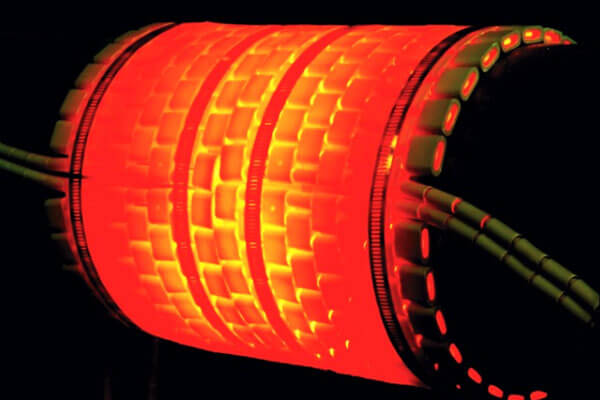
Käsitellä:
- Lämpötila: 500-650 °C (ESIM., 600°C for aluminum alloys, 520°C for stainless steel).
- Pidä aika: 1–2 hours at temperature.
- Jäähdytys: Air-cooled or furnace-cooled to ambient temperature.
Sovellukset: - Ilmailu-: Welded aircraft frames (ESIM., Boeing 787 fuselage joints) vääristymien estämiseksi.
- Öljy & Kaasu: Pipelines and pressure vessels (ESIM., API 5L X65 steel).
Tiedot: Reduces residual stresses by 30–50%, minimizing distortion risks (ASME kattila & Paineastian koodi).
Spheroidizing Annealing
Tarkoitus: Convert carbides into spherical particles to enhance machinability and toughness in high-carbon steels.
Käsitellä:
- Lämpötila: 700–750°C (below the lower critical temperature).
- Pidä aika: 10–24 hours for carbide spheroidization.
- Jäähdytys: Slow furnace cooling to avoid re-formation of lamellar structures.
Sovellukset: - Työkalu: Nopea teräs (ESIM., M2 tool steel) for drill bits and dies.
- Autoteollisuus: Spring steel (ESIM., SAE 5160) for suspension components.
Tiedot: Saavuttaa 90% spheroidization efficiency, vähentää koneistusaikaa 20–30% (ASM Handbook, Tilavuus 4).
Isothermal Annealing
Tarkoitus: Minimize distortion in complex geometries by controlling phase transformations.
Käsitellä:
- Lämpötila: 900–950 ° C (above upper critical temperature) for austenitization.
- Intermediate Hold: 700–750°C puolesta 2– 4 tuntia to enable pearlite formation.
Sovellukset: - Ilmailu-: Turbiiniterät (ESIM., Kattaa 718) requiring dimensional stability.
- Energia: Nuclear reactor components (ESIM., zirconium alloys).
Tiedot: Reduces dimensional distortion by jopa 80% compared to conventional annealing (Journal of Materials Processing Technology, 2021).
Normalisointi
Tarkoitus: Refine grain structure for improved toughness and strength in carbon and alloy steels.
Käsitellä:
- Lämpötila: 200–300°C above the upper critical temperature (ESIM., 950° C 4140 teräs).
- Jäähdytys: Air-cooled to ambient temperature.
Sovellukset: - Rakennus: Structural steel beams (ESIM., ASTM A36).
- Koneet: Gear shafts (ESIM., SAE 4140) for balanced strength and ductility.
Tiedot: Saavuttaa hienorakeinen mikrorakenne jonka vetolujuus on 600-800 MPa (ISO 630:2018).
Ratkaisu
Tarkoitus: Dissolve alloying elements into a homogeneous austenitic matrix in stainless steels and nickel-based alloys.
Käsitellä:
- Lämpötila: 1,050-1150°C for full austenitization.
- Sammutus: Rapid cooling in water or oil to prevent phase decomposition.
Sovellukset: - Lääketieteellinen: Implant-grade austenitic stainless steel (ESIM., ASTM F138).
- Kemikaali-: Lämmönvaihtimet (ESIM., 316Ruostumaton teräs).
Tiedot: Varmistaa 99.9% phase homogeneity, critical for corrosion resistance (NACE MR0175/ISO 15156).
Recrystallization Annealing
Tarkoitus: Soften cold-worked metals by forming strain-free grains.
Käsitellä:
- Lämpötila: 450-650 °C (ESIM., 550°C for aluminum, 400°C for copper).
- Pidä aika: 1–3 hours to allow recrystallization.
Sovellukset: - Elektroniikka: Copper wires (ESIM., transformer windings with 100% IACS conductivity).
- Pakkaus: Aluminum cans (ESIM., AA 3003 metalliseos).
Tiedot: Restores conductivity to 95–100% IACS in copper (Kansainvälinen hehkutetun kuparin standardi).
Subcritical Annealing
Tarkoitus: Reduce hardness in low-carbon steels without phase transformation.
Käsitellä:
- Lämpötila: 600–700 ° C (below lower critical temperature).
- Pidä aika: 1–2 hours to relieve residual stresses.
Sovellukset: - Autoteollisuus: Cold-rolled mild steel (ESIM., SAE 1008) for automotive panels.
- Laitteisto: Spring steel (ESIM., SAE 1050) for minimal distortion.
Tiedot: Saavuttaa HBW hardness reduction of 20–25% (ASTM A370).
Process Annealing
Tarkoitus: Restore ductility in metals after intermediate cold working steps.
Käsitellä:
- Lämpötila: 200–400°C (ESIM., 300°C for brass, 250°C for stainless steel).
- Jäähdytys: Air-cooled or furnace-cooled.
Sovellukset: - Elektroniikka: Copper PCB traces (ESIM., 5G antenna components).
- LVI: Copper tubing (ESIM., ASTM B280).
Tiedot: Enhances formability by 30–40%, enabling tighter bending radii (Copper Development Association).
Bright Annealing
Tarkoitus: Prevent oxidation and decarburization in high-purity applications.
Käsitellä:
- Tunnelma: Vety (H2) or inert gas (N₂/Ar) at ≤10 ppm oxygen.
- Lämpötila: 800–1000°C (ESIM., 900°C for stainless steel strips).
Sovellukset: - Ilmailu-: Titaaniseokset (ESIM., Ti-6Al-4V) for turbine blades.
- Autoteollisuus: Stainless steel exhaust systems (ESIM., Kattaa 625).
Tiedot: Saavuttaa 99.9% surface purity, critical for corrosion resistance (SAE J1708).
Flash Annealing
Tarkoitus: Rapid surface modification for localized property enhancement.
Käsitellä:
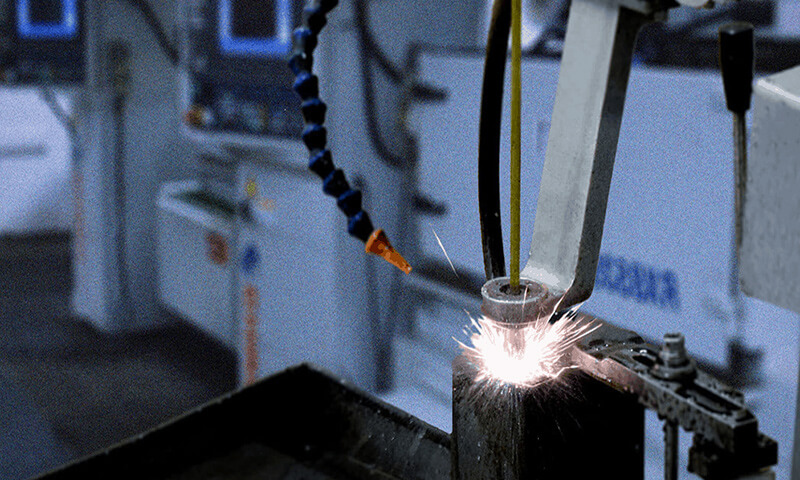
- Heat Source: High-intensity flames or lasers (ESIM., 1,200°C peak temperature).
- Pidä aika: Seconds to milliseconds for precise surface hardening.
Sovellukset: - Valmistus: Gear teeth (ESIM., tapauskarkaistu 8620 teräs).
Tiedot: Increases surface hardness by 50–70 % (ESIM., -sta 30 HRC to 50 HRC) (Surface Engineering Journal).
Continuous Annealing
Tarkoitus: High-volume treatment for sheet metals in automotive and construction.
Käsitellä:
- Line Speed: 10-50 m/I with controlled atmosphere (ESIM., reducing gas).
- Zones: Lämmitys, soaking, jäähdytys, and coiling.
Sovellukset: - Autoteollisuus: Steel body panels (ESIM., 1,000-ton press lines for Tesla Model Y).
- Rakennus: Zinc-coated roofing sheets (ESIM., GI 0.5mm).
Tiedot: Prosessit 10–20 million tons of steel annually, vähentämällä romun määrää 15–20 % (World Steel Association).
4. Annealing Process and Techniques
The annealing process consists of three primary stages: lämmitys, soaking, ja jäähdytys.
Each stage is carefully controlled to achieve the desired material properties, ensuring uniformity and consistency in microstructural transformations.

Various annealing techniques exist, tailored to different materials and industrial applications.
Pre-Annealing Preparation
Before annealing, proper preparation ensures optimal results. Tämä sisältää:
✔ Material Cleaning & Tarkastus:
- Poistaa pinnan epäpuhtaudet (oksidit, rasva, asteikko) that may affect heat transfer.
- Conducts microstructural analysis to determine pre-existing defects.
✔ Pre-Treatment Methods:
- Pintalingling: Uses acidic solutions to clean metal surfaces before heat treatment.
- Mekaaninen kiillotus: Removes oxidation layers to enhance uniform heating.
Esimerkki:
Ilmailuteollisuudessa, titanium components undergo rigorous pre-cleaning to prevent oxidation during annealing in a vacuum furnace.
Heating Phase
The heating phase gradually raises the material’s temperature to the target annealing range. Proper control prevents thermal shock and distortion.
Keskeiset tekijät:
Furnace Selection:
- Batch Furnaces: Used for large-scale industrial annealing of steel and aluminum sheets.
- Continuous Furnaces: Ideal for high-speed production lines.
- Vacuum Furnaces: Prevent oxidation and ensure high purity in aerospace and electronics industries.
Typical Heating Temperature Ranges:
- Teräs:600-900°C depending on alloy type.
- Kupari:300-500°C for softening and stress relief.
- Alumiini:350-450 °C to refine grain structure.
Heating Rate Considerations:
- Slow heating: Reduces thermal gradients and prevents cracking.
- Rapid heating: Used in some applications to improve efficiency while avoiding grain coarsening.
Tapaustutkimus:
For stainless steel medical implants, vacuum annealing at 800–950 ° C minimizes oxidation while improving corrosion resistance.
Soaking Phase (Holding at Target Temperature)
Soaking ensures uniform temperature distribution, allowing the metal’s internal structure to fully transform.
Factors Affecting Soaking Time:
🕒 Materiaalin paksuus & Koostumus:
- Thicker materials require longer soaking times for uniform heat penetration.
🕒 Microstructural Refinement Goals:
- For stress relief annealing, soaking may last 1–2 hours.
- For full annealing, materials may require several hours to achieve complete recrystallization.
Esimerkki:
In diffusion annealing for high-carbon steels, holding at 1050-1200°C puolesta 10–20 hours eliminates segregation and enhances homogeneity.
Cooling Phase
The cooling phase determines the final microstructure and mechanical properties. Different cooling methods influence hardness, raerakenne, and stress relief.
Cooling Techniques & Their Effects:
Furnace Cooling (Slow Cooling):
- Material remains in the furnace as it gradually cools.
- Produces soft microstructures with maximum ductility.
- Käytetään full annealing of steels and cast iron.
Air Cooling (Moderate Cooling):
- Reduces hardness while maintaining moderate strength.
- Yleinen sisällä stressiä lievittävä hehkutus of welded structures.
Sammutus (Nopea jäähdytys):
- Käytetty isothermal annealing to transform austenite into softer microstructures.
- Involves cooling in oil, vettä, or air at controlled rates.
Controlled-Atmosphere Cooling:
- Inert gas (argon, typpi) prevents oxidation and discoloration.
- Essential in high-precision industries like semiconductors and aerospace.
Comparison of Cooling Methods:
| Jäähdytysmenetelmä | Jäähdytysnopeus | Effect on Material | Common Application |
|---|---|---|---|
| Furnace Cooling | Very Slow | Maximum ductility, coarse grains | Full annealing of steel |
| Air Cooling | Kohtuullinen | Tasapainoinen lujuus ja taipuisuus | Stress relief annealing |
| Water/Oil Quenching | Nopeasti | Fine microstructure, higher hardness | Isothermal annealing |
| Controlled Atmosphere | Muuttuva | Oxidation-free surface | Ilmailu- & Elektroniikka |
5. Effects of Annealing on Material Properties
Annealing significantly influences the internal structure and performance of materials, making it a critical process in metallurgy and materials science.
By carefully controlling heating, soaking, and cooling phases, it enhances ductility, reduces hardness, jalostaa raerakennetta, and improves electrical and thermal properties.
This section explores these effects in a structured and detailed manner.
Microstructural Transformations
Annealing alters the internal structure of materials through three key mechanisms:
- Uudelleenkiteytyminen: Uusi, strain-free grains form, replacing deformed ones, which restores ductility and reduces work hardening.
- Grain Growth: Extended soaking times allow grains to grow, balancing strength and flexibility.
- Phase Transformation: Changes in phase composition occur, such as martensite transforming into ferrite and pearlite in steel, optimizing strength and ductility.
Esimerkki:
Cold-worked steel can experience up to a 30% reduction in hardness hehkutuksen jälkeen, significantly improving its formability.
Mechanical Property Enhancements
Annealing enhances the mechanical properties of metals in several ways:
Lisääntynyt taipuisuus & Sitkeys
- Metals become less brittle, reducing the risk of fractures.
- Some materials exhibit a 20-30% increase in elongation before fracture after annealing.
Residual Stress Reduction
- Relieves internal stresses caused by welding, valu, and cold working.
- Reduces the likelihood of warping, halkeilu, and premature failure.
Optimized Hardness
- Softens materials for easier machining, taivutus, ja muodostaminen.
- Steel hardness may decrease by 30-40%, reducing tool wear and manufacturing costs.
Effects on Machinability & Muokkaus
Annealing improves machinability by softening metals, making them easier to cut, porata, ja muoto.
Reduced Tool Wear: Lower hardness extends tool lifespan and reduces maintenance costs.
Easier Forming: Metals become more flexible, allowing deeper drawing and more complex shapes.
Parempi pinnan viimeistely: Smoother microstructures result in improved surface quality after machining.
Sähköinen & Thermal Property Enhancements
Annealing refines the crystal lattice structure, reducing defects and improving conductivity.
⚡ Higher Electrical Conductivity:
- Eliminates grain boundary obstacles, improving electron flow.
- Copper can achieve a 10-15% increase in conductivity hehkutuksen jälkeen.
🔥 Parantunut lämmönjohtavuus:
- Enables better heat dissipation in applications like heat exchangers.
- Essential for high-performance electronic and aerospace components.
Industry Use:
Semiconductor manufacturers rely on thin-film annealing to enhance silicon wafer conductivity and minimize defects.
6. Advantages and Disadvantages of Annealing
Edut
- Restores Ductility:
Annealing reverses work hardening, making metals easier to form and machine. - Relieves Residual Stresses:
By eliminating internal stresses, annealing reduces the risk of warping and cracking. - Improves Machinability:
The softened, uniform microstructure enhances cutting efficiency and prolongs tool life. - Optimizes Electrical Conductivity:
Restored crystalline structures can lead to improved electrical and magnetic properties. - Customizable Grain Structure:
Tailor the process parameters to achieve desired grain sizes and phase distributions, directly influencing mechanical properties.
Haitat
- Time-Intensive:
Annealing processes can take several hours to over 24 tuntia, which may slow production cycles. - High Energy Consumption:
The energy required for controlled heating and cooling can be significant, impacting operational costs. - Prosessin herkkyys:
Achieving optimal results requires precise control over temperature, aika, ja jäähdytysnopeudet. - Risk of Over-Annealing:
Excessive grain growth may lead to a reduction in material strength if not properly managed.
7. Applications of Annealing
Annealing is a versatile heat treatment process with applications across industries, enabling materials to achieve optimal mechanical, lämpö-, and electrical properties.
Below is an in-depth exploration of its critical roles in key sectors:
Ilmailu-
- Tarkoitus: Enhance strength, vähentää haurautta, and eliminate residual stresses in lightweight alloys.
- Materiaalit:
-
- Titaaniseokset (ESIM., Ti-6Al-4V): Annealing improves ductility and fatigue resistance for turbine blades and airframes.
- Nikkelipohjaiset superseokset (ESIM., Kattaa 718): Used in jet engine components, annealing ensures uniform microstructure for high-temperature performance.
Autojen valmistus
- Tarkoitus: Optimize formability, kovuus, and corrosion resistance for mass-produced components.
- Materiaalit:
-
- Luja teräs (HSS): Annealing softens HSS for stamping car body panels (ESIM., ultra-high-strength steel in Tesla’s Model S).
- Ruostumaton teräs: Annealing improves weldability in exhaust systems and fuel tanks.
Elektroniikka ja puolijohteet
- Tarkoitus: Refine semiconductor properties and improve electrical conductivity.
- Materiaalit:
-
- Silicon Wafers: Annealing removes defects and enhances crystalline quality for microchip fabrication (ESIM., Intel’s 3D XPoint memory).
- Copper Interconnects: Annealing increases conductivity in printed circuit boards (Piirilevy) and wiring.
- Kehittyneet tekniikat:
-
- Rapid Thermal Annealing (RTA): Used in semiconductor manufacturing to minimize thermal budget.
Rakentaminen ja infrastruktuuri
- Tarkoitus: Improve durability, korroosionkestävyys, and workability for large-scale projects.
- Materiaalit:
-
- Copper Pipes: Annealing ensures flexibility and corrosion resistance in plumbing systems (ESIM., annealed copper tubing in green buildings).
- Alumiiniseokset: Annealed aluminum is used in building facades and window frames for enhanced formability.
- Esimerkki: The Burj Khalifa uses annealed aluminum cladding for its lightweight, corrosion-resistant exterior.
Energia-ala
- Tarkoitus: Enhance material performance in extreme environments.
- Sovellukset:
-
- Ydinreaktorit: Annealed zirconium alloys (ESIM., Zircaloy-4) for fuel rods resist radiation-induced embrittlement.
- Aurinkopaneelit: Annealed silicon cells improve photovoltaic efficiency (ESIM., First Solar’s thin-film modules).
- Tuuliturbiinit: Annealed steel and composites for blades withstand cyclic stress and fatigue.
Lääkinnälliset laitteet
- Tarkoitus: Achieve biocompatibility, joustavuus, and sterilization tolerance.
- Materiaalit:
-
- Ruostumaton teräs: Annealed for surgical instruments (ESIM., scalpels and forceps) to balance hardness and flexibility.
- Titanium Implants: Annealing reduces surface defects and improves biocompatibility in hip replacements.
Consumer Goods and Jewelry
- Tarkoitus: Enhance malleability for intricate designs and surface finish.
- Materiaalit:
-
- Gold and Silver: Annealing softens precious metals for jewelry fabrication (ESIM., Tiffany & Co.’s handcrafted pieces).
- Copper Cookware: Annealed copper improves thermal conductivity and formability for even heat distribution.
Nousevat sovellukset
- Lisäaineiden valmistus (3D tulostus):
-
- Annealing 3D-printed metals (ESIM., Kattaa) to eliminate internal stresses and improve mechanical properties.
- Hydrogen Fuel Cells:
-
- Annealed platinum-group alloys for catalysts in fuel cell membranes.
- Flexible Electronics:
-
- Annealing of graphene and polymers for wearable sensors and flexible displays.
Toimialan standardit ja vaatimustenmukaisuus
- ASTM International:
-
- ASTM A262 for corrosion testing of annealed stainless steel.
- ASTM F138 for titanium alloy (Ti-6Al-4V) in medical devices.
- ISO-standardit:
-
- ISO 679 for annealing of copper and copper alloys.
8. Johtopäätös
Annealing is a transformative heat treatment process that fundamentally enhances the mechanical and physical properties of metals and alloys.
Through controlled heating and cooling, annealing restores ductility, vähentää sisäisiä rasituksia, and refines the microstructure, thereby improving machinability and performance.
This article has provided a comprehensive, multi-dimensional analysis of annealing, covering its scientific principles, process techniques, material effects, teollisuussovellus, ja tulevaisuuden trendit.
In an era where precision engineering and sustainability are paramount, advancements in annealing technology,
such as digital process control, alternative heating methods, and eco-friendly practices—are set to further optimize material performance and reduce environmental impact.
As industries continue to innovate and evolve, mastering the annealing process remains critical for ensuring product quality, toiminnan tehokkuutta, and long-term competitiveness in the global market.