1. Esittely
4140 teräs on vähän seostettua kromi-molybdeeniterästä.
Se tarjoaa erinomaisen voiman yhdistelmän, sitkeys, ja kuluta vastus, joten se on ihanteellinen ehdokas vaativiin teollisiin sovelluksiin.
Tämä artikkeli tutkii 4140 seosterästä useista teknisistä näkökulmista, mukaan lukien sen kemiallinen koostumus, mekaaninen käyttäytyminen, lämpökäsittelyvaste, konettavuus, korroosion suorituskyky, ja yleisiin käyttötarkoituksiin.
2. Kemiallinen koostumus 4140 Seosteräs
Ainutlaatuinen suorituskyky 4140 seosterästä on peräisin sen huolellisesti valvotusta kemiallisesta koostumuksesta:
| Elementti | Paino % | Rooli teräsominaisuuksissa |
|---|---|---|
| Hiili (C) | 0.38–0,43 | Parantaa lujuutta ja kovettuvuutta |
| Kromi (Cr) | 0.8–1.1 | Parantaa kovuutta, kulumiskestävyys, ja korroosiota |
| Mangaani (Mn) | 0.75–1.0 | Lisää sitkeyttä ja hapettumista |
| Molybdeini (MO) | 0.15-0,25 | Parantaa virumisvastusta ja kovettumisen syvyyttä |
| Pii (Ja) | 0.15-0,35 | Lisää voimaa, parantaa hieman sitkeyttä |
| Fosfori (P) | ≤ 0.035 | Yleensä minimoidaan haurauden vähentämiseksi |
| Rikki (S) | ≤ 0.04 | Lisätty työstettävyyden vuoksi, mutta se voi vähentää sitkeyttä |
Verrattuna vastaaviin seoksiin, kuten 4130 (vähemmän hiiltä) ja 4340 (korkeampi nikkeli), 4140 tasapainottaa lujuutta ja työstettävyyttä, mikä tekee siitä käytännöllisen ja kustannustehokkaan ratkaisun moniin rakenteellisiin sovelluksiin.

3. Fyysiset ominaisuudet 4140 Teräs
| Omaisuus | Arvo | Yksikkö | Muistiinpanot |
|---|---|---|---|
| Tiheys | 7.85 | g/cm³ | Tyypillinen niukkaseosteisille teräksille |
| Joustavuusmoduuli (E) | ~205 | GPA | Jäykkyys jännityksessä ja puristuksessa |
| Leikkausmoduuli (G) | ~ 80 | GPA | Hyödyllinen vääntösovelluksissa |
| Poissonin suhde | 0.27–0.30 | - | Poikittaisvenymän suhde aksiaaliseen jännitykseen |
| Lämmönjohtavuus | 42.6 | W/m · k | At 100 ° C; laskee hieman korkeammissa lämpötiloissa |
| Erityinen lämpökapasiteetti | 475 | J/kg · k | Suunnilleen huoneenlämmössä |
| Sähkövastus | 205 | nΩ·m (nanoohmimittarit) | Korkeampi kuin puhdas rauta; alhainen johtavuus kupariin verrattuna |
| Lämpölaajenemiskerroin | ~12.0 | µm/m·K (20-100°C astetta) | Tärkeää suunniteltaessa lämpökiertoa tai mittavakautta |
| Sulamispiste | 1416–1471 | ° C | Kapeampi valikoima seosaineiden ansiosta |
4. Mekaaniset ominaisuudet 4140 Teräs
Aisi 4140 on monipuolinen kromi-molybdeeniseosteräs, joka tunnetaan erinomaisesta mekaanisesta lujuudestaan, sitkeys, ja väsymysresistenssi.
Nämä 4140 teräksen ominaisuudet voivat vaihdella merkittävästi niiden lämpökäsittelyolosuhteiden mukaan (ESIM., hehkutettu, normalisoitu, sammutettu, tai karkaistu).
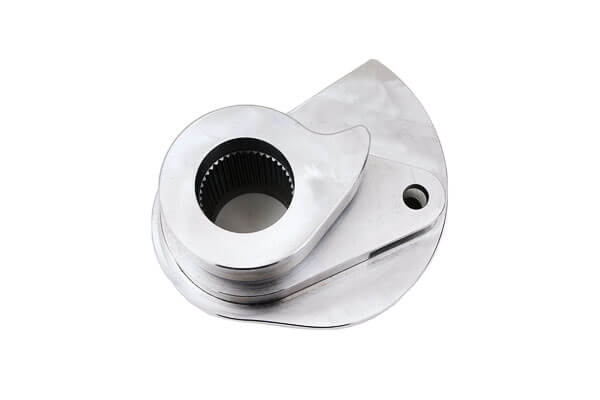
Mekaanisten ominaisuuksien taulukko
| Omaisuus | Hehkutettu | Sammunut & Karkaistu (Q -&T) | Yksikkö | Muistiinpanot |
|---|---|---|---|---|
| Tuottolujuus | ~655 MPa | Jopa 1,600 MPA | MPA (Megapascals) | Q -&T parantaa voimaa merkittävästi |
| ~95 ksi | ~232 ksi | ksi (keisarillinen) | ||
| Vetolujuus | 850-1000 MPa | 1,000-1100 MPa | MPA | Tyypillinen vaihteluväli erilaisten lämpökäsittelyjen jälkeen |
| 123-145 ksi | 145-160 ksi | ksi | ||
| Pidennys tauolla | 25–30% | 12–18 % | % | Parempi sitkeys hehkutetussa tilassa |
| Pinta -alan väheneminen | ~50 % | ~45 % | % | Muovattavuuden ja muovattavuuden osoitin |
| Kovuus (Rockwell C) | 18–28 HRC | Jopa 50-55 HRC | HRC | Hyvin reagoiva karkaisuun ja karkaisuun |
| Charpy V-lovinen sitkeys | >54 J - (hehkutettu) | 20–35 J (Q -&T korkealla kovuudella) | Joulea | Suorituskyky iskukuormitussovelluksissa |
| Väsymyslujuus (Kestävyysraja) | ~420 MPa | Jopa 700 MPA | MPA | Riippuu pinnan viimeistelystä ja kuormausjaksoista |
| Joustavuusmoduuli (E) | ~205 GPa | - | GPA | Jäykkyys pysyy vakiona kaikissa olosuhteissa |
5. Lämpökäsittelykäyttäytyminen 4140 Seosteräs
Aisi 4140 seosteräs on erittäin herkkä erilaisiin lämpökäsittelyprosesseihin, mahdollistaa sen, että se saavuttaa laajan kirjon mekaanisia ominaisuuksia, jotka on räätälöity tiettyihin suunnittelusovelluksiin.
Sen kromi- ja molybdeenipitoisuus lisää sen kovettuvuutta, joten se soveltuu erityisen hyvin karkaisu- ja karkaisutoimintoihin.
Yleiset lämpökäsittelyprosessit
| Käsitellä | Tyypillinen lämpötila-alue (° C) | Tarkoitus |
|---|---|---|
| Hehkutus | 760-790 °C | Tarkentaa viljarakennetta, pehmentää terästä, parantaa konettavuutta |
| Normalisointi | 870-900°C | Lisää yhtenäisyyttä, tarkentaa rakennetta, parantaa mekaanista konsistenssia |
| Sammutus | ~845-875°C, sen jälkeen öljy/vesi/polymeeri sammutus | Tuottaa martensiittisen rakenteen korkean kovuuden ja lujuuden saavuttamiseksi |
| Karkaisu | 400-650 °C (jälkisammutus) | Säätää kovuutta, lievittää sisäistä stressiä, parantaa taipuisuutta & sitkeys |
| Itäinen karkaisu | Sammuta 260-400°C, säilytä muutokseen asti | Muodostaa bainiittisen rakenteen, vähentää vääristymiä, tasapainottaa lujuutta ja sitkeyttä |
6. Koneistettavuus ja valmistus 4140 Teräs
Konettavuus
Materiaali 4140 teräksen työstettävyys hehkutetussa tilassaan on kohtalainen, ja se muuttuu haastavammaksi kovuuden kasvaessa.
Hehkutetussa tilassa (tyypillisesti noin 18-22 HRC), se voidaan työstää pikateräs- tai kovametallityökaluilla, tuottaa hyvän pintakäsittelyn ja hyväksyttävän työkalun käyttöiän.
Kuitenkin, kun teräs on karkaistu ja karkaistu korkeammalle kovuustasolle (kuten 30-50 HRC), sen työstettävyys heikkenee.

Tässä vaiheessa, kovametallityökalut, pienemmät leikkausnopeudet, ja jäykät koneen asetukset ovat välttämättömiä työkalujen kulumisen ja osien vääristymisen välttämiseksi.
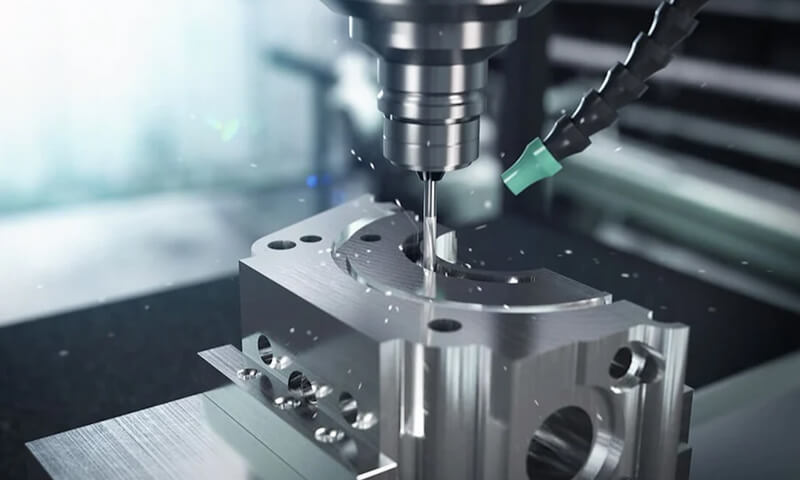
Puolesta CNC: n kääntyminen, jyrsintä, tai poraustoimenpiteitä, oikeiden jäähdytysmenetelmien käyttö – erityisesti tulvajäähdytysneste – auttaa haihduttamaan lämpöä ja parantamaan lastujen poistumista.
Poraa kovemmin 4140 osat vaativat usein koboltti- tai kovametallikärkisiä työkaluja, kun taas karkaistujen osien kierteitys voi hyötyä kierteiden jyrsimisestä tai muotoilukierteistä tavanomaisten leikkauskierteiden sijaan.
Hitsaus
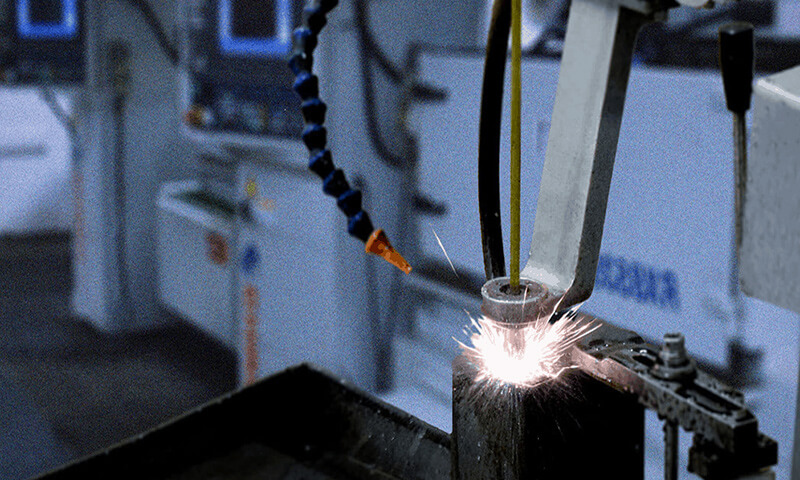
Hitsaus 4140 teräs vaatii varovaisuutta korkean karkenevuuden ja halkeiluvaaran vuoksi.
Näiden riskien vähentämiseksi, työkappaleen esilämmitys – tyypillisesti 200–400°C paksuudesta riippuen – on erittäin suositeltavaa.
Passojen välisen lämpötilan pitäminen noin 200–300 °C auttaa estämään lämpöshokkia ja vedyn aiheuttamaa halkeilua.
Hitsauksen jälkeen, komponentin jännityksenpoisto noin 600–650 °C:ssa auttaa palauttamaan sitkeyden ja vähentämään jäännösjännitystä.
Vähävetyisiä elektrodeja, kuten E8018-B2 tai ER80S-D2, käytetään tyypillisesti täyteaineina yhteensopivuuden varmistamiseksi ja huokoisuuden vähentämiseksi..
Kriittisissä sovelluksissa, hitsin jälkeinen lämpökäsittely (PWHT) on välttämätöntä hitsatun alueen eheyden ja sitkeyden ylläpitämiseksi.
Kylmä- ja kuumamuovaus
4140 seosterästä voidaan kylmämuokata sen hehkutetussa tilassa, vaikka sen korkeampi lujuus verrattuna vähähiiliseen teräkseen rajoittaa sen sitkeyttä.
Kylmämuovausprosessit, kuten veto ja taivuttaminen, ovat mahdollisia, mutta vaativat suurempia voimia ja voivat aiheuttaa jäännösjännityksiä, jotka edellyttävät myöhempää lämpökäsittelyä.
Kuuma työskentely, mukaan lukien taonta ja kuumavalssaus, on edullisempi teräkselle 4140.
Ihanteellinen taontalämpötila-alue on 900–1200 °C, materiaalin ollessa tyypillisesti viimeistelty yli 850 °C:ssa.
Kuumamuovauksen jälkeen, normalisointia tai hehkutusta suositellaan raerakenteen jalostamiseksi ja teräksen valmistelemiseksi lopullista työstöä tai lämpökäsittelyä varten.
7. Korroosionkestävyys 4140 Teräs
Kun taas 4140 seosteräs loistaa mekaanisen lujuuden suhteen, siitä puuttuu luontainen korroosionkestävyys.
Kosteissa tai merellisissä ympäristöissä, se hapettuu helposti, ellei sitä ole suojattu. Tätä vastaan, pintakäsittelyt, esim:
- Nitroiva pinnan kovettumiseen ja hapettumisenkestävyyteen
- Musta oksidipinnoite kevyeen korroosiosuojaukseen
- Galvanointi tai maalaus ympäristöissä, joissa on korkea kosteus
8. Yhteiset lomakkeet ja standardit
4140 seosterästä on saatavana useissa kaupallisissa muodoissa erilaisiin teollisiin sovelluksiin.
Sen saatavuus eri muodoissa, yhdistettynä sen erinomaisiin mekaanisiin ominaisuuksiin ja lämpökäsittelyn monipuolisuuteen, tekee siitä suositun valinnan sekä vakio- että mittatilauskomponenteissa.
Yleiset muodot 4140 Teräs
Manufacturers and fabricators can obtain 4140 steel in numerous forms, depending on the intended use and required processing:

- Pyöreät tangot: Commonly used for shafts, nastat, vaihde, ja kiinnittimet, round bars are one of the most frequently supplied forms of steel 4140 due to their versatility in machining and heat treatment.
- Flat Bars and Plates: Ideal for tooling, wear components, and structural parts requiring large surface contact areas.
These forms are also suitable for flame cutting or water jet processing. - Forged Rings and Discs: Used in high-strength rotating machinery such as bearing races, kytkimet, ja laipat.
- Hollow Bars and Tubes: Preferred in applications demanding weight reduction while maintaining strength, such as hydraulic cylinders and pressure-containing parts.
- Blocks and Billets: Suitable for custom machining and large forged components. Näitä käytetään tyypillisesti meistien valmistuksessa ja raskaan teollisuuden laitteissa.
Toimialan standardit ja nimitykset 4140 Teräs
| Normaali organisaatio | Nimitys | Alue/maa | Kuvaus |
|---|---|---|---|
| ASTM | ASTM A29 | Yhdysvallat | Yleiset tiedot kuumamuokatuille hiili- ja seosteräksille |
| ASTM | ASTM A322 | Yhdysvallat | Mekaanisissa sovelluksissa käytettävien seosterästankojen erittely |
| ASTM | ASTM A519 | Yhdysvallat | Erittely saumattomille hiili- ja seosteräksisille mekaanisille putkille |
SAE |
SAE 4140 | Yhdysvallat | Kromi-molybdeeni niukkaseosteinen teräs auto- ja tekniikan sovelluksiin |
| Aisi | Aisi 4140 | Yhdysvallat | Yleisesti käytetty nimitys linjassa SAE:n kanssa 4140 |
| Sisä- / -Sta | 1.7225 / 42CrMo4 | Eurooppa / Saksa | Eurooppalainen vastine EN:llä 10083 karkaisu- ja karkaisuteräksiin |
| Hän | SCM440 | Japani | Japanilainen vastine erittäin lujalle seosteräkselle |
| GB | 42CrMo | Kiina | Kiinalainen vastine, jolla on samanlaiset mekaaniset ominaisuudet |
9. Soveltaa jtk 4140 Seosteräs
Teräs 4140 on suosittu materiaali lujuutta vaativissa sovelluksissa, sitkeys, ja kulutuskestävyys väsymyksen ja iskukuormituksen alaisena:
- Autoteollisuus: vaihde, kampiakselit, raidetangot, akselit
- Ilmailu-: laskutelineiden komponentit, toimilaitteet
- Öljy & Kaasu: porakaulukset, hydrauliset murtumisosat
- Valmistus: karat, kuoli, muotit, työkalun pidikkeet
Tapaustutkimus: Vertailevassa väsymystestissä, terästä 4140 Q -&T-vaihdeakseli esitelty 10x the lifespan of a similar design made from mild steel, highlighting its long-term value.
10. Edut ja rajoitukset 4140 Seosteräs
Edut:
- Korkea vahvuudesta painoon ratio for structural applications
- Erinomainen kulumiskestävyys after hardening
- Versatile heat treatment response
- Readily available in multiple forms and standards
Rajoitukset:
- Not suitable for syövyttäviä ympäristöjä without surface protection
- Vaatii careful welding practices to avoid cracking
- Korkeammat kustannukset and complexity than plain carbon steels
11. Johtopäätös
4140 alloy steel offers a compelling blend of mechanical strength, sitkeys, ja kuluta vastus, making it indispensable in performance-critical engineering applications.
When properly heat-treated and protected, it delivers exceptional service life under demanding operating conditions.
Olipa kyseessä ilmailu, energia, or tooling components, materiaali 4140 steel remains one of the most trusted and capable materials in modern manufacturing.
Engineers who understand its behavior and processing requirements can fully harness its potential.
Tämä on täydellinen valinta valmistustarpeisiisi, jos tarvitset korkealaatuista 4140 steel parts.