1. መግቢያ
UNS C95500 በዘመናዊ ምህንድስና ውስጥ በጣም አስፈላጊ ከሆኑት የኒኬል አልሙኒየም ነሐስ አንዱ ነው ምክንያቱም ከፍተኛ ጥንካሬን ያጣምራል, በጣም ጥሩ የዝገት መቋቋም, ጥሩ የመልበስ አፈፃፀም, እና በከባድ አካባቢዎች ውስጥ ጠንካራ የአገልግሎት አስተማማኝነት.
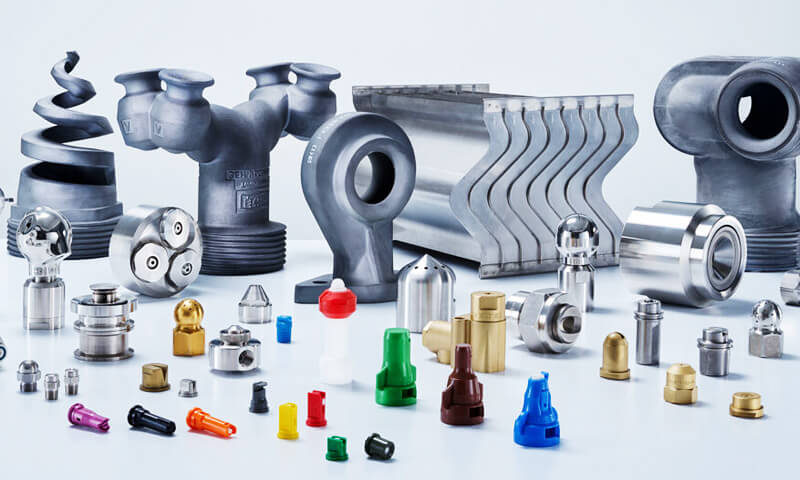
በባህር ሃርድዌር ውስጥ በሰፊው ጥቅም ላይ ይውላል, ቫልቭ አካላት, ተሸካሚዎች, ቡሽንግ, ጊርስ, የአውሮፕላን ክፍሎች, እና ሌሎች ተራ የመዳብ ውህዶች በቂ ያልሆኑባቸው መተግበሪያዎች.
ውህዱ ከፍ ባለ የሙቀት መጠን ጠቃሚ ጥንካሬን ጠብቆ ለማቆየት እና በባህር ውሃ እና በሌሎች ጠበኛ ሚዲያዎች ውስጥ ጥሩ ስራን ለመስራት ታዋቂ ነው።.
C95500 በተለይ አስደሳች የሚያደርገው “ነጠላ ዓላማ” ቅይጥ አለመሆኑ ነው።.
የሲስተም ቅይጥ ነው።: መሐንዲሱ ለዝገት እያመቻቸ እንደሆነ ላይ በመመስረት ዋጋው በተለየ መንገድ ይታያል, ይለብሱ, የግፊት ጥብቅነት, መዋቅራዊ ጭነት, ወይም የሙቀት መረጋጋት.
2. UNS C95500 ኒኬል አሉሚኒየም ነሐስ ምንድን ነው??
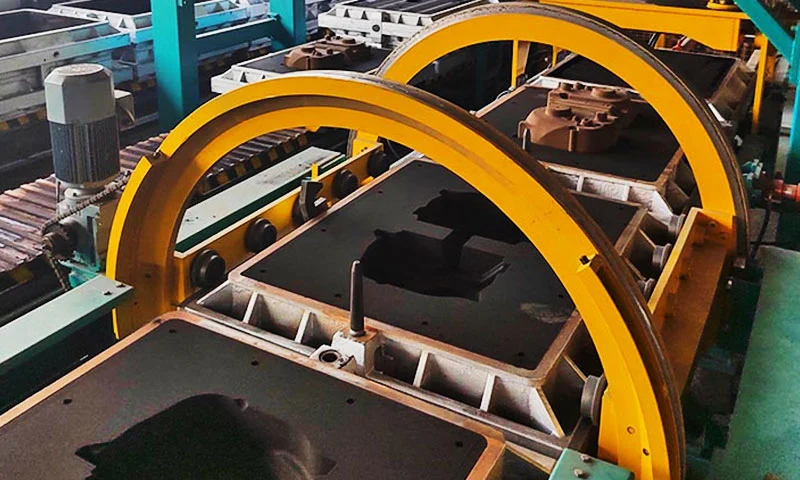
UNS C95500 የ ኒኬል አልሙኒየም ውሰድ ነሐስ በመዳብ-አሉሚኒየም-ብረት-ኒኬል ቤተሰብ ውስጥ.
በተለይ ለፍላጎት አገልግሎት የተነደፈ ነው። ጥንካሬ, የመቋቋም ችሎታ ይለብሱ, የዝገት መቋቋም, እና ጥንካሬ በተናጥል ከማመቻቸት ይልቅ በአንድ ቅይጥ ውስጥ ሚዛናዊ መሆን አለበት.
በተግባር, ይህ C95500 ለባህር ሃርድዌር ጥቅም ላይ በሚውሉ ከፍተኛ አፈጻጸም ባላቸው መዋቅራዊ ነሐስ ቡድን ውስጥ ያስቀምጣል።, ቫልቭ አካላት, ቡሽንግ, ጊርስ, እና ሌሎች ከባድ-አገልግሎት ክፍሎች.
እንደ ነፃ-ማሽን ብራስ ወይም አጠቃላይ ዓላማ ነሐስ በተለየ, C95500 ለምቾት አልተመረጠም.
የተመረጠው የብረታ ብረት ዲዛይኑ በኃይለኛ አካባቢዎች ውስጥ ጭነት-ተሸካሚ አፈፃፀምን ስለሚደግፍ ነው።, በተለይም የባህር ውሃ የት, ተንሸራታች ልብስ, እና ረጅም የአገልግሎት ሕይወት ሁሉም የንድፍ አጭር አካል ናቸው.
ቅይጥ ማንነት
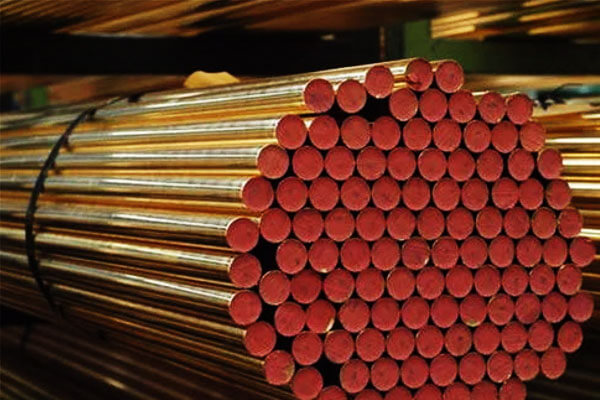
C95500 የ C95000–C95999 የመዳብ-አሉሚኒየም-ብረት እና የመዳብ-አሉሚኒየም-ብረት-ኒኬል ቅይጥ ቤተሰብ.
የኒኬል አልሙኒየም ነሐስ ከተራ ናስ እና ከቆርቆሮ ነሐስ ስለሚለይ ያ የቤተሰብ ምደባ አስፈላጊ ነው።:
የቅይጥ ስርዓቱ በአሉሚኒየም ዙሪያ እንደ ዋናው የማጠናከሪያ አካል ነው, ጥንካሬን ለማሻሻል ብረት እና ኒኬል በመጨመር, መዋቅር ቁጥጥር, እና የአገልግሎት አፈፃፀም.
በመግለጫ ውሎች, C95500 የ የአሉሚኒየም ነሐስ ውሰድ ከተሰራ ቅይጥ ይልቅ.
ያም ማለት የተለመደው የምህንድስና ሚናው ውስብስብ ቅርፅን እና ከፍተኛ አፈፃፀምን እንደ-ካስት ወይም በሙቀት-መታከም ሁኔታ ማቅረብ ነው።, ንብረቶችን ለማግኘት በማንከባለል ወይም በመሳል ላይ ከመተማመን ይልቅ.
የኬሚካል ስብጥር
በ ASTM B505/B505M-23 መሠረት የኬሚካል ቅንብር
| ንጥረ ነገር | C95500 ቅንብር |
| ኩ | 78.0% ደቂቃ. |
| ፌ | 3.0-5.0% |
| ውስጥ | 3.0-5.5% |
| አል | 10.0-11.5% |
| Mn | እስከ 3.5% |
| የተሰየሙ-ንጥረ ነገሮች ጠቅላላ | 99.5% ደቂቃ. |
3. የዩኤንኤስ C95500 አካላዊ ባህሪዎች
| አካላዊ / ተግባራዊ ንብረት | ሜትሪክ ክፍል | ኢምፔሪያል ክፍል |
| ጥግግት | 7.53 ግ/ሴሜ³ | 0.272 ፓውንድ/በ³ |
| የተወሰነ የስበት ኃይል | 7.53 | 7.53 |
| የኤሌክትሪክ ንክኪነት | 8% IACS | 8% IACS |
| የሙቀት መቆጣጠሪያ | 41.9 ወ/ኤም·ኬ | 24.2 Btu/ስኩዌር ጫማ/ሰዓት/°ፋ |
| የሙቀት መስፋፋት Coefficient | 15.5 × 10⁻⁶ / ° ሴ | 9 × 10⁻⁶ /°ፋ |
| የተወሰነ የሙቀት አቅም | 419 ጄ/ኪ | 0.1 Btu/lb·°F |
| የመለጠጥ ሞጁል | 110 ጂፒኤ | 16,000 ksi |
| የPoisson ጥምርታ | 0.32 | 0.32 |
| መግነጢሳዊ መተላለፊያ, እንደ ጣውላ | 1.32 | 1.32 |
| መግነጢሳዊ መተላለፊያ, TQ50 ቁጣ | 1.2 | 1.2 |
| የማቅለጫ ነጥብ, ፈሳሽ | 1054° ሴ | 1930°ኤፍ |
| የማቅለጫ ነጥብ, ጠንካራ | 1038° ሴ | 1900°ኤፍ |
4. የዩኤንኤስ C95500 መካኒካል ባህሪዎች
UNS C95500 የ ከፍተኛ ጥንካሬ ኒኬል አልሙኒየም ነሐስ የማን ሜካኒካል አፈፃፀም ብዙውን ጊዜ በሁለት የታተሙ ሁኔታዎች ይገመገማል: መስፈርቱ ቀጣይነት ያለው-C95500 ሁኔታ እና በሙቀት የተሰራ C95500HT ሁኔታ.
ከታች ያሉት እሴቶች ለASTM B505/B505M-23 የምርት ቅጾች ሪፖርት የተደረጉ የክፍል-ሙቀት ንብረቶች ናቸው.
ቀጣይነት ያለው Cast C95500 ሜካኒካል ባህሪዎች
| ንብረት | ሜትሪክ ክፍል | ኢምፔሪያል ክፍል |
| የመለጠጥ ጥንካሬ, ደቂቃ. | 655 MPa | 95 ksi |
| ጥንካሬን በ 0.5% ቅጥያ, ደቂቃ. | 290 MPa | 42 ksi |
| ውስጥ ማራዘም 2 ውስጥ. (50 ሚ.ሜ), ደቂቃ. | 10% | 10% |
| የብራይኔል ጥንካሬ, ዓይነተኛ | 208 HBW | 208 HBW |
የሙቀት-የታከመ C95500HT ሜካኒካል ባህሪያት
| ንብረት | ሜትሪክ ክፍል | ኢምፔሪያል ክፍል |
| የመለጠጥ ጥንካሬ, ደቂቃ. | 758 MPa | 110 ksi |
| ጥንካሬን በ 0.5% ቅጥያ, ደቂቃ. | 427 MPa | 62 ksi |
| ውስጥ ማራዘም 2 ውስጥ. (50 ሚ.ሜ), ደቂቃ. | 8% | 8% |
| የብራይኔል ጥንካሬ, ዓይነተኛ | 228 HBW | 228 HBW |
5. የዝገት መቋቋም
የዝገት ታሪክ C95500 በስፋት ጥቅም ላይ ከዋለባቸው ዋና ዋና ምክንያቶች አንዱ ነው።. ቅይጥ በተደጋጋሚ ተለይቶ ይታወቃል በጣም ጥሩ የዝገት መቋቋም, ውስጥ ጨምሮ የባህር ውሃ እና የባህር አከባቢዎች.
በተጨማሪም የባህር ውሃን ለሚጠቀሙ መሳሪያዎች ያገለግላል, የእኔ ውሃ ጎምዛዛ, ኦክሳይድ ያልሆኑ አሲዶች, የኢንዱስትሪ ሂደት ፈሳሾች, የፍሳሽ-ህክምና መተግበሪያዎች, እና የባህር ሃርድዌር.
ይህ አስፈላጊ የሆነው “አይዛባም” ብቻ አይደለም። ይልቁንም, C95500 ያልተለመደ ዋጋ ያለው ጥምረት ያቀርባል: የዝገት መቋቋም እና የመልበስ መቋቋም እና ጥንካሬ.
በባህር ውሃ ውስጥ, ብዙ ቁሳቁሶች በአጠቃላይ ዝገት ይወድቃሉ, ቁስሉ, የአፈር መሸርሸር, ወይም ሐሜት. C95500 ማራኪ ነው ምክንያቱም ብዙዎቹን እነዚያን የውድቀት ሁነታዎች በአንድ ጊዜ ስለሚያስተናግድ ነው።,
ለዚህም ነው በፓምፕ እና በቫልቭ አካላት ውስጥ የሚታየው, ቡሽንግ, ዘንጎች, ከፕሮፔለር ጋር የተያያዘ አገልግሎት, እና በጣም የተጫነ የባህር ሃርድዌር.
ይህ የብዝሃ-ሜካኒዝም ተቃውሞ የአሉሚኒየም ስም ዋና አካል ነው።.
በሚያስፈልገው አገልግሎት, በጣም ዋጋ ያላቸው ቁሳቁሶች በአንድ ገለልተኛ ንብረት ላይ የተሻሉ አይደሉም, ነገር ግን በተለያዩ የብልሽት ዘዴዎች ላይ ተረጋግተው የሚቆዩት።. C95500 የዚያ መርህ የመማሪያ መጽሐፍ ምሳሌ ነው።.
6. የማምረት እይታ
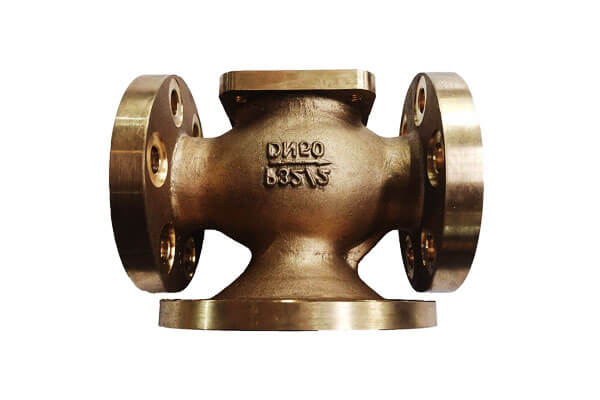
በመውሰድ ላይ: ጠንካራ ቅይጥ, ይቅር ባይ ግን አይደለም።
UNS C95500 በመሠረቱ የመውሰድ ቅይጥ ነው።, እና የሂደቱ ባህሪ ያንን ማንነት ያንፀባርቃል.
የታተመ የመውሰድ መረጃ ዝቅተኛ የመውሰድ ውጤት እንዳለው ይገልፃል።, ከፍተኛ የመርሳት ዝንባሌ, መካከለኛ ፈሳሽነት, መካከለኛ የጋዝ ዝንባሌ, እና ከፍተኛ የማጠናከሪያ መቀነስ.
ያ ጥምረት በጣም ግልጽ የሆነ የምህንድስና ታሪክ ይናገራል: C95500 ከፍተኛ አፈጻጸም ያላቸውን ቀረጻዎችን ማምረት ይችላል።, ነገር ግን በሥርዓት የተሞላ የቅልጥ ልምምድ ይጠይቃል, የድምፅ ንጣፍ እና መነሳት ንድፍ, እና ኦክሳይድ እና አመጋገብን በጥንቃቄ መቆጣጠር.
C95500 በካስትቲንግ ልምምድ ውስጥ በጣም ሁለገብ ነው።, ግን ይቅር ማለት አይደለም.
በጥሩ ሁኔታ ይሰራል አሸዋ, shell ል, ሴራሚክ, ኢን ment ስትሜንት, ቋሚ ሻጋታ, ቀጣይነት ያለው, እና ሴንትሪፉጋል መውሰድ, ሆኖም እነዚህ መንገዶች እያንዳንዱ መንገድ አመጋገብን በጥንቃቄ መቆጣጠርን ይጠይቃል, የኦክሳይድ አስተዳደር, እና የማጠናከሪያ ባህሪ.
አጭር የማቀዝቀዝ ክልል የድምፅ ቀረጻዎችን ይደግፋል, ነገር ግን ፋውንዴሽኑ መበስበስን በንቃት ሲከላከል ብቻ ነው, የመቀነስ ጉድለቶች, እና ከጋዝ ጋር የተያያዙ ጉዳዮች.
ለዚህም ነው C95500 ቀላል ሳይሆን ፕሪሚየም የመውሰድ ነሐስ ተብሎ የሚወሰደው።.
ማሽነሪ: ሙሉ በሙሉ ማሽነሪ, ግን ነፃ-መቁረጥ አይደለም
C95500 ማሽነሪ ነው።, ነገር ግን ነፃ-ማሽን የመዳብ ቅይጥ አይደለም.
የታተመው የማሽን ችሎታ ደረጃ ነው። 50, ከቀላል መቁረጫ ክፍል ይልቅ በመካከለኛ-ማሽነሪነት ምድብ ውስጥ ያስቀመጠው.
ቅይጥ ወደ ማምረት ይቀናቸዋል የተጠማዘዘ መንጋ, እና የታተመው የኢንጂነሪንግ መመሪያ ይህ መሳሪያን መጨናነቅ እና በከፊል በመገጣጠም እና በመቀደድ የገጽታ ጉድለቶችን እንደሚፈጥር ያስጠነቅቃል።, በተለይም በቦር ማሽነሪ ወቅት.
በዚህ ምክንያት, ደረቅ መቁረጥ, ቺፕ መቆጣጠሪያ, እና የመገልገያ ስልት በነጻ መቁረጫ ናስ ውስጥ ከሚሰጡት የበለጠ አስፈላጊ ነው.
ጠቃሚ የማቀነባበሪያ ልዩነት ከባድ ማሽነሪ ቀድሞውኑ ሲሠራ ነው።, ሀ ዝቅተኛ የሙቀት መጠን ያለው የጭንቀት እፎይታ በ 350 ° ሴ ቢያንስ ለአንድ ሰአት ከመጨረሻው ማሽን በፊት ይመከራል.
ይህ በዋናነት ቅይጥ ለመቁረጥ ቀላል ማድረግ አይደለም; በቀሪው-ውጥረት የሚመራ የተዛባ ስጋትን በመቀነስ እና የመጨረሻውን የመጠን መረጋጋትን ማሻሻል ነው።.
በሌላ አነጋገር, C95500 በብቃት ሊሰራ ይችላል።, ነገር ግን የሂደቱን ዲሲፕሊን የሚጠይቅ እንደ መዋቅራዊ ነሐስ መቅረብ አለበት, እንደ ለስላሳ ሱቅ ናስ አይደለም.
ብየዳ: በተወሰኑ ዘዴዎች ውስጥ ይቻላል, ግን በአጠቃላይ ቀላል አይደለም
በኒኬል አልሙኒየም ነሐስ ውስጥ የመገጣጠም ባህሪ በአሉሚኒየም የበለፀገ ተከላካይ ፊልም ላይ በተፈጥሮው ላይ በሚፈጠረው ተከላካይ ላይ በእጅጉ ተጽእኖ ይኖረዋል..
በዚያ ኦክሳይድ ንብርብር ምክንያት, መሸጥ, ብራዙ, እና ኦክስጅን-አሲሊን ብየዳ በአጠቃላይ አይመከርም ለእነዚህ ውህዶች እንደ ዋና መጋጠሚያ መንገዶች.
በምህንድስና መመሪያው ውስጥ ተለይተው የሚታወቁት ይበልጥ ተገቢ የሆኑ የመገጣጠም ሂደቶች ናቸው TIG/GTAW, MIG/GMAW, MMA, የኤሌክትሮን ጨረር ብየዳ, እና ሰበቃ ብየዳ.
ለC95500 የታተመ የፈጠራ መረጃም ይመድባል እንደ አይመከርም ኦክሲሲሲሊን ብየዳ, እያለ ጋዝ የተከለለ ቅስት ብየዳ እና የተሸፈነ የብረት ቅስት ብየዳ ተስማሚ ተብለው ተዘርዝረዋል.
ይህ ልዩነት አስፈላጊ ነው: C95500 "በየትኛውም ቦታ" ቅይጥ አይደለም, ግን ደግሞ የማይበገር አይደለም.
ሂደቱ ከኦክሳይድ ባህሪ ጋር ሲመረጥ በተሳካ ሁኔታ መቀላቀል ይቻላል, የሙቀት ግቤት, እና የጋራ ንድፍ በአእምሮ ውስጥ.
ወሳኝ ለሆኑ ክፍሎች, የብየዳ ሂደት ብቃት እና የሙቀት ተጽዕኖ ዞኖች ትክክለኛ ቁጥጥር አስፈላጊ ናቸው ምክንያቱም ቅይጥ ንብረት ሚዛን በውስጡ ጥቃቅን ጋር በቅርበት የተሳሰረ ነው..
የሙቀት ሕክምና: ለአፈጻጸም የሚሆን ዋና ሌቨር
የሙቀት ሕክምና C95500 በፍላጎት አገልግሎት ውስጥ በሰፊው ጥቅም ላይ ከዋለ በጣም አስፈላጊ ከሆኑ ምክንያቶች አንዱ ነው።.
ቅይጥ በ ውስጥ ሊሰራ ይችላል ማጥፋት-እና-ቁጣ ዑደት ይጨምራል የማረጋገጫ ጥንካሬ, የመጨረሻው የግዳጅ ጥንካሬ, ተጽዕኖ ጥንካሬ, እና ጥንካሬ, ductility በትንሹ በማሻሻል ላይ ሳለ.
ለCuAl10Fe5Ni5-አይነት ኒኬል አልሙኒየም ነሐስ, የታተመው መመሪያ ማሞቂያን ይገልፃል 900-950 ° ሴ, ስለ መያዝ አንድ ሰዓት, ውሃ የሚያረካ, እና ከዚያም ላይ tempering 600-650 ° ሴ ለሁለት ሰዓታት ያህል.
ይህ ቅደም ተከተል ጠቃሚ ጥንካሬን በሚጠብቅበት ጊዜ ጥንካሬን በእጅጉ ይጨምራል.
ይኸው መመሪያ አንድ ጠቃሚ ተግባራዊ ገደብም ይጠቅሳል: በማሞቅ እና በማጥፋት ዑደት ውስጥ ውስብስብ ቅርጾች ሊዛቡ ይችላሉ, ስለዚህ ክፍል ጂኦሜትሪ, የእቶን አቅም, እና የሙቀት ሕክምና ከመመረጡ በፊት የሴክሽን ውፍረት ሁሉም ግምት ውስጥ መግባት አለባቸው.
በሌላ አነጋገር, የሙቀት ሕክምና ኃይለኛ የአፈፃፀም መሳሪያ ነው, ግን ነፃ አይደለም. የንድፍ ዲዛይኑ የሙቀት ዑደትን መቋቋም በሚችልበት ጊዜ ብቻ የአሎይ ሜካኒካል ፖስታን ያሻሽላል.
7. የዩኤንኤስ C95500 ጥቅሞች እና ጉዳቶች
ዋና ጥቅሞች
ጠቃሚ ductility ጋር ከፍተኛ ጥንካሬ.
ለባህር ውሃ እና ለጥቃት ሚዲያዎች በጣም ጥሩ መቋቋም.
ጠንካራ አለባበስ እና ፀረ-ጋሊንግ አፈፃፀም.
ጥሩ የሙቀት-ሙቀት ችሎታ.
ነጠብጣብ ያልሆነ እና መግነጢሳዊ ያልሆነ
ዋና ጉዳቶች
ከፍተኛ የመጀመሪያ ወጪ
ማሽነሪ ማድረግ ይቻላል, ግን ቀላል አይደለም.
መውሰድ ቴክኒካል የሚጠይቅ ነው።.
ብየዳ ሂደት-ትብ ነው.
የኤሌክትሪክ ንክኪነት ዝቅተኛ ነው.
8. የዩኤንኤስ C95500 መተግበሪያዎች
የባህር ኃይል እና የባህር ማዶ ሃርድዌር
C95500 ለባህር አገልግሎት በጣም ከተመሰረቱ ቁሳቁሶች ውስጥ አንዱ ነው, ምክንያቱም የባህር ውሃ ዝገት መቋቋምን ያጣምራል, ጥንካሬ, እና የመቋቋም ችሎታ ይለብሱ.
ውስጥ ጥቅም ላይ ይውላል የባህር ውሃ ቱቦዎች እና የቫልቭ ስርዓቶች, የባህር ሃርድዌር, ከፕሮፕለር ጋር የተያያዙ አካላት, ይፈለፈላል, መጋጠሚያዎች, ማኅተሞች, እና ሌሎች የመርከብ ሰሌዳ መሳሪያዎች.
የቅይጥ ቤተሰቡ ለባህር ውሃ አያያዝ ተስማሚነት በባህር ኃይል እና በባህር ኃይል ምህንድስና ለረጅም ጊዜ ለዘለቀው መልካም ስም ትልቅ ምክንያት ነው.
ቫልቭ, ፓምፕ, እና የፍሰት መቆጣጠሪያ አካላት
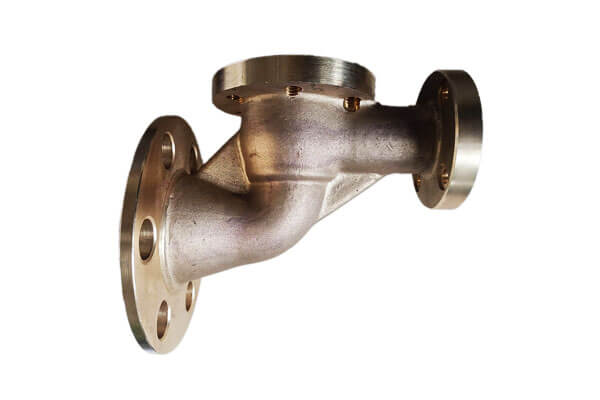
ቅይጥ በስፋት ጥቅም ላይ ይውላል የቫልቭ አካላት, ቫልቭ መቀመጫዎች, የቫልቭ መመሪያዎች, ቫልቭ አካላት, የፓምፕ ፈሳሽ ያበቃል, እጢዎች, የሳጥን ፍሬዎች መሙላት, እና የማተሚያ flanges.
እነዚህ አፕሊኬሽኖች ከዝገት የመቋቋም ውህደት ይጠቀማሉ, የመቋቋም ችሎታ ይለብሱ, እና ሜካኒካዊ ጥንካሬ, በተለይም ውሃ የት, ሂደት ፈሳሾች, ወይም መለስተኛ ጠበኛ ኬሚካሎች አሉ።.
ተሸካሚዎች, ቡሽንግ, እና ክፍሎች ይልበሱ
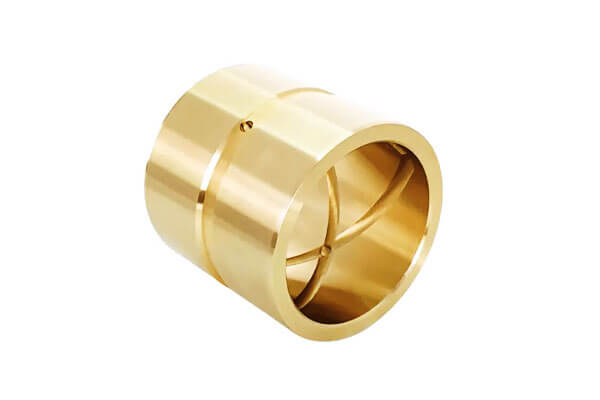
C95500 በተደጋጋሚ የሚመረጠው ለ ተሸካሚዎች, ቡሽንግ, ሳህኖች ይለብሱ, ፒስተን መመሪያዎች, እና የማሽን ክፍሎች ምክንያቱም በተንሸራታች ግንኙነት እና በከባድ ጭነት ውስጥ በደንብ ይሰራል.
የመልበስ መቋቋም እና ጥንካሬው ላዩን በሚጎዳበት ቦታ ተስማሚ ያደርገዋል, ማዘን, ወይም አስጨናቂ ልብሶች አሳሳቢ ናቸው.
Gears እና የኃይል-ማስተላለፊያ ክፍሎች
ቅይጥ በ ውስጥ ጥቅም ላይ ይውላል ጊርስ, ትሎች, ትል መንኮራኩሮች, እና ተዛማጅ ማስተላለፊያ አካላት.
እነዚህ ክፍሎች የግንኙነት ጭንቀትን የሚቋቋም ቁሳቁስ ያስፈልጋቸዋል, የመጠን መረጋጋትን መጠበቅ, እና ለረጅም ጊዜ የአገልግሎት ክፍተቶች ማልበስን ይቃወሙ. የ C95500 ሜካኒካዊ ሚዛን ለእንደዚህ ዓይነቱ ግዴታ ተግባራዊ ምርጫ ያደርገዋል.
የኢንዱስትሪ ሂደት እና ከባድ አገልግሎት መሳሪያዎች
ቅይጥ በ ውስጥ ጥቅም ላይ ይውላል የቃሚ መሳሪያዎች, የፍሳሽ ህክምና መተግበሪያዎች, ሙቅ ወፍጮ መመሪያዎች, እና የኢንዱስትሪ ሃርድዌር.
እነዚህ አጠቃቀሞች ቅይጥ የሚበላሹ ሚዲያዎችን የመትረፍ ችሎታን ያንፀባርቃሉ, ሜካኒካዊ ጭነት, እና ተደጋጋሚ የአገልግሎት ብስክሌት.
በኢንዱስትሪ ሁኔታዎች ውስጥ, ያ ጥምረት የጥገና ክፍተቶችን ሊቀንስ እና አስተማማኝነትን ሊያሻሽል ይችላል.
ኤሌክትሪክ እና ልዩ ሃርድዌር
ምንም እንኳን C95500 የኤሌክትሪክ-ኮንዳክቲቭ ቅይጥ ባይሆንም, አሁንም በአንዳንድ ውስጥ ይታያል የኤሌክትሪክ ሃርድዌር እና ልዩ ክፍሎች መዋቅራዊ አስተማማኝነት, የዝገት መቋቋም, እና የመልበስ ባህሪ ከኮንዳክሽን የበለጠ አስፈላጊ ናቸው.
በ ውስጥም ጥቅም ላይ ይውላል የፒያኖ ቁልፎች እና የሙዚቃ መሳሪያዎች, የቅይጥ ሜካኒካዊ መረጋጋት እና የማምረት አቅም ጠቃሚ የሆኑበት.
9. ማጠቃለያ
ዩኤስ ሲ95500 ኒኬል አልሙኒየም ነሐስ ከፍተኛ ዋጋ ያለው የምህንድስና ቅይጥ ነው, ምክንያቱም ብዙውን ጊዜ አንድ ላይ ለማግኘት አስቸጋሪ የሆኑትን ባህሪያት ያጣምራል.:
ከፍተኛ ጥንካሬ, በጣም ጥሩ የዝገት መቋቋም, ጠንካራ የመልበስ መቋቋም, ጥሩ ጥንካሬ, እና በሰፊ የሙቀት ክልል ውስጥ የአገልግሎት አገልግሎት.
የእሱ ኬሚስትሪ በጥንቃቄ የተስተካከለ ነው, የመውሰድ ባህሪው የሚጠይቅ ነገር ግን ሊተዳደር የሚችል ነው።, እና የሙቀት-ህክምናው ምላሽ ዲዛይነሮች በሚያስፈልግበት ጊዜ ተጨማሪ የአፈፃፀም ማንሻ ይሰጣቸዋል.
በተግባራዊ ሁኔታ, C95500 እንደ ከባድ አገልግሎት ቅይጥ በደንብ ተረድቷል።.
የውድቀት ሁነታዎች የተቀላቀሉበት እና ይቅር የማይሉበት - የባህር ውሃ በጣም አስገዳጅ ነው, የሚንቀሳቀስ ጭነት, ተንሸራታች ግንኙነት, የግፊት ግዴታ, እና የረጅም ጊዜ የሜካኒካል አገልግሎት.
ለዚህም ነው በምህንድስና ልምምድ ውስጥ በጣም የተከበሩ የኒኬል አልሙኒየም ነሐስ አንዱ ሆኖ የሚቀረው.
የሚጠየቁ ጥያቄዎች
C95500 የመውሰድ ቅይጥ ወይም የተሰራ ቅይጥ ነው።?
C95500 በዋናነት እንደ ሀ alloding ን መጣል, ቀጣይነት ያለው ቀረጻን በሚሸፍኑ የታተሙ ማጣቀሻዎች, የአሸዋ ጣራ, ሴንትሪፉጋል ውሰድ, እና ትክክለኛ የመውሰድ ቅጾች.
C95500 በባህር ውሃ ውስጥ ጥሩ ነው።?
አዎ. በተደጋጋሚ ተለይቶ ይታወቃል በጣም ጥሩ የዝገት መቋቋም, ጨምሮ የጨው ውሃ መቋቋም, በባህር ሃርድዌር እና በቫልቭ ሲስተም ውስጥ ጥቅም ላይ ከሚውሉት ዋና ዋና ምክንያቶች አንዱ ነው።.
C95500 በሙቀት ሊታከም ይችላል?
አዎ. የታተመው የምህንድስና መመሪያ ሁለቱንም እንደ-ካስት እና በሙቀት-የታከመ አፈጻጸም ለC95500 ያሳያል, በሙቀት ሕክምና ተጨማሪ ጥንካሬን ይጨምራል.
C95500 ለማሽን ቀላል ነው።?
ማሽነሪ ነው።, ግን ነፃ-ማሽን አይደለም. የማሽን አቅም ደረጃው ነው። 50, ስለዚህ ቀላል ከመቁረጥ ይልቅ መጠነኛ-ማሽነሪ ቅይጥ ነው.
ከተለመደው ነሐስ በላይ የ C95500 ዋና ጥቅም ምንድነው??
ዋነኛው ጠቀሜታው ጥምረት ነው ከፍተኛ ጥንካሬ, በጣም ጥሩ የዝገት መቋቋም, እና የመቋቋም ችሎታ ይለብሱ, በተለይም በባህር ውስጥ ወይም በኢንዱስትሪ አካባቢዎች ውስጥ.