
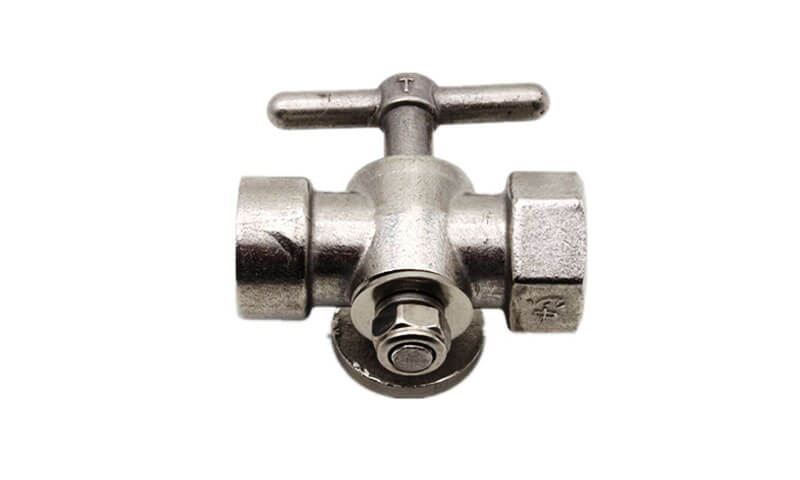
መግቢያ
ከፍተኛ ሙቀትን የሚቋቋም ከማይዝግ ብረት የተሰራ ቦይለር ክፍሎች በጣም ከሚያስፈልጉት የኢንዱስትሪ የሙቀት ምህንድስና ዞኖች ውስጥ ይቀመጣሉ.
የቦይለር ሃርድዌር ለዘለቄታው ከፍተኛ ሙቀት ተጋልጧል, ሳይክል የሙቀት ጭነት, የሚቃጠሉ ምርቶች, ኦክሳይድ, እና በአንዳንድ ሁኔታዎች ሾልኮ-የተዳደረ የአካል መበላሸት.
ከፍተኛ ሙቀት ያለው አይዝጌ ብረት ስለ ከላይ ለአገልግሎት የተነደፈ ነው። 550° ሴ / 1020°ኤፍ, የጭካኔ ጥንካሬ ዋና የንድፍ ምክንያት እና ከፍተኛ ሙቀት ያለው ዝገት የቁሳቁስ ምርጫን መቆጣጠር የሚጀምርበት ገዥ አካል ነው።.
የሲሊካ ሶል ኢንቨስትመንት መውሰድ በተለይም እዚህ ጠቃሚ ነው ምክንያቱም የቦይለር ክፍሎች ብዙውን ጊዜ ውስብስብ ጂኦሜትሪ ያጣምራሉ, ጥብቅ ልኬቶች መስፈርቶች, እና ለስላሳ አስፈላጊነት, ጉድለት የሚቆጣጠሩ ንጣፎች.
የጠፋ የሰም ኢንቨስትመንት ቀረጻ በስፋት ይታወቃል እጅግ በጣም ጥሩ የሆነ ትክክለኛነት, ለስላሳ ሽፋኖች, እና ውስብስብ ቅርጾችን የማራባት ችሎታ, በሲሊካ-ጄል ላይ የተመረኮዙ የሼል ስርዓቶች ትክክለኛ የሴራሚክ ሻጋታ ለመገንባት በተለምዶ ጥሩ ዚርኮን እና ግራኑላር ሙሌት ንብርብሮችን ይጠቀማሉ።.
1. ከፍተኛ-ሙቀትን የሚቋቋም አይዝጌ ብረት ቦይለር ክፍሎች ምንድን ናቸው።
ከፍተኛ ሙቀትን የሚቋቋም ከማይዝግ ብረት የተሰራ ቦይለር ክፍሎች በቦይለር ስርዓቶች የሙቀት እምብርት ውስጥ ለመስራት የተነደፉ መዋቅራዊ እና ተግባራዊ የብረት ክፍሎች ናቸው,
ዘላቂ የሙቀት መጋለጥን የሚቋቋሙበት, የሙቀት በሽታ ብስክሌት, ኦክሳይድ የጭስ ማውጫ ጋዝ, የሚበላሹ አመድ ዝርያዎች, እና ሜካኒካዊ ጭነት በተመሳሳይ ጊዜ.
በክፍል-ሙቀት መሳሪያዎች ውስጥ ጥቅም ላይ የሚውሉ ተራ የማይዝግ ክፍሎች አይደሉም; የቁሳቁስ ውድቀት በሚመራበት ዞን ውስጥ ለአገልግሎት የተነደፉ ናቸው ማሽኮርመም, ኦክሳይድ, የሙቀት አሰጣጥ ድካም, እና ዝገት መመሳሰል.
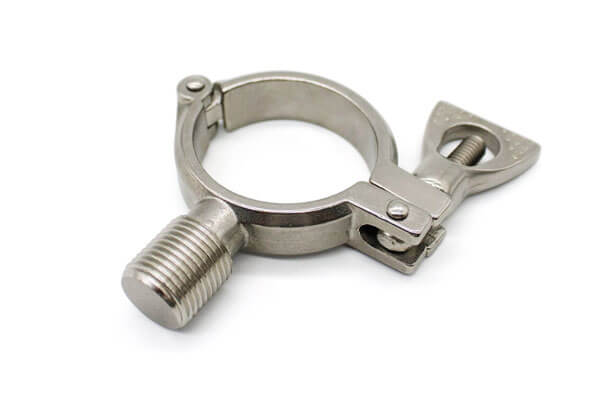
የተለመዱ ክፍሎች ምድቦች
በቦይለር ስርዓቶች ውስጥ, እነዚህ ክፍሎች ብዙውን ጊዜ በሦስት ትላልቅ ቡድኖች ይከፈላሉ:
ኮር ተሸካሚ ክፍሎች
እነዚህም ያካትታሉ superheater ይደግፋል, ቱቦ ማንጠልጠያ, የእቶን ክፈፎች, ቅንፎች, እና እገዳ ሃርድዌር.
የእነሱ ዋና ሚና ሜካኒካል ነው: በከፍተኛ ሙቀት ውስጥ የመጠን መረጋጋትን ሲጠብቁ የማይንቀሳቀስ ጭነት ለረጅም ጊዜ መሸከም አለባቸው.
በእነዚህ ቦታዎች ላይ, ክፍሉ ለቀጣይ የሙቀት ጭንቀት እና ቀስ በቀስ የመለወጥ ኃይሎች ሊጋለጥ ይችላል.
ፈሳሽ- እና ለቃጠሎ የተጋለጡ ክፍሎች
እነዚህም ያካትታሉ በርነር nozzles, የአየር ሽፋኖች, የግራንት አሞሌዎች, ነበልባል የሚመሩ ክፍሎች, እና ለሙቀት የተጋለጡ እቃዎች.
ክፍሎቹ በቀጥታ ስለሚተገበሩ የሥራ አካባቢያቸው አብዛኛውን ጊዜ የበለጠ ከባድ ነው ከፍተኛ ሙቀት ነበልባል, በፍጥነት የሚንቀሳቀስ የጭስ ማውጫ ጋዝ, erosive ቅንጣቶች, እና የሚበላሹ የቃጠሎ ምርቶች.
የጭስ ማውጫ መንገድ ክፍሎች
እነዚህም ያካትታሉ የጭስ ማውጫ መከላከያዎች, ከፍተኛ-ሙቀትን የሚከላከሉ መስመሮች, ግራ መጋባት, እና ሰርጥ-መመሪያ ክፍሎች.
ዋናው ፈተናቸው ሙቀት ብቻ አይደለም, ነገር ግን በተደጋጋሚ የሙቀት መጠን መለዋወጥ, በቀዝቃዛ ዞኖች ውስጥ የኮንደንስ ስጋት, እና ለረጅም ጊዜ የሚበላሹ ጋዞች እና አመድ ክምችቶች.
የቦይለር አከባቢዎች አንድ ወጥ አይደሉም
የቦይለር ክፍሎች እንደ ቦይለር ዓይነት እና በቦሌው ውስጥ ባለው ዞን መመረጥ አለባቸው:
- የድንጋይ ከሰል ማሞቂያዎች የፊት ሰልፋይድ ዝገት, አመድ መሸርሸር, እና ቅንጣት መቃኘት.
- በጋዝ የሚሠሩ ማሞቂያዎች በከፍተኛ ሙቀት ኦክሳይድ እና በሙቀት ብስክሌት የተያዙ ናቸው.
- ባዮማስ እና የቆሻሻ ማቃጠያ ማሞቂያዎች በአልካሊ-ሜታል እና በክሎራይድ ጥቃት ምክንያት ብዙ ጊዜ በጣም ከባድ ናቸው.
- ቆሻሻ-ሙቀት ማሞቂያዎች ተደጋጋሚ የሙቀት ድንጋጤ እና ተለዋዋጭ የጋዝ ቅንብርን ሊያካትት ይችላል።.
ለዚህም ነው የቦይለር ክፍል በቀላሉ “ከፍተኛ ሙቀት ያለው አይዝጌ ብረት” ያልሆነው።
ሀ ነው። አካባቢ-ተኮር ከፍተኛ-ሙቀት አካል በአገልግሎት ዞኑ ትክክለኛ የኬሚካላዊ እና የሙቀት መገለጫ የሚመራ ቁሳቁስ ምርጫ.
2. ለምን ከፍተኛ-ሙቀትን የሚቋቋም የማይዝግ ብረት በቦይለር አገልግሎት ውስጥ ጥቅም ላይ ይውላል
ከፍተኛ ሙቀትን የሚቋቋም አይዝጌ አረብ ብረቶች በቦይለር አገልግሎት ውስጥ ጥቅም ላይ ይውላሉ, ምክንያቱም የኦክሳይድ መቋቋምን ያጣምራሉ, የዝገት መቋቋም, የሚያደናቅፍ መቋቋም, የሙቀት ድካም መቻቻል, እና በአንድ ቅይጥ ሥርዓት ውስጥ weldability.
ተራ መዋቅራዊ ብረቶች በቤት ሙቀት ውስጥ ሸክሞችን ሊሸከሙ ይችላሉ, ነገር ግን ብዙውን ጊዜ ለረጅም ጊዜ ከፍተኛ ሙቀት ባለው ቦይለር ኦፕሬሽን ሲጋለጡ ተመሳሳይ መረጋጋትን መጠበቅ አይችሉም.

ከፍተኛ-ሙቀት ኦክሳይድ መቋቋም
ከፍ ባለ የሙቀት መጠን, ብዙ ብረቶች በፍጥነት ሚዛን ይፈጥራሉ እና የሴክሽን ውፍረት ያጣሉ.
ከፍተኛ ሙቀት ያለው አይዝጌ አረብ ብረቶች ይህን በመመሥረት ይቃወማሉ ጥቅጥቅ ያለ እና የተረጋጋ ክሮሚየም-የበለፀገ ኦክሳይድ ፊልም ኦክሳይድን የሚቀንስ እና ከስር ያለውን ማትሪክስ የሚከላከል.
ይህ በተለይ በቦይለር ዞኖች ውስጥ በጣም አስፈላጊ ነው:
- ወለሉ ያለማቋረጥ ይሞቃል,
- የጋዝ ፍጥነት ከፍተኛ ነው,
- እና የኦክሳይድ መጥፋት ከግላዊ ሳይሆን ከጊዜ ወደ ጊዜ እየጨመረ ሊሄድ ይችላል።.
በተግባር, ኦክሳይድ መቋቋም ለቦይለር ሃርድዌር የመጀመሪያው የበር ጠባቂ ንብረት ነው።.
አንድ ክፍል የገጽታውን ትክክለኛነት መጠበቅ ካልቻለ, የሜካኒካል አቋሙን ለረጅም ጊዜ መጠበቅ አይችልም.
በበርካታ ቦይለር ኬሚስትሪ ላይ የዝገት መቋቋም
የቦይለር አከባቢዎች እንደ ነዳጅ ዓይነት በኬሚካላዊ ሁኔታ ይለያያሉ.
- ውስጥ የድንጋይ ከሰል-ማመንጫዎች ስርዓቶች, የሰልፈር ተሸካሚ ዝርያዎች እና አመድ መሸርሸር ዋና ዋና አደጋዎች ናቸው።.
- ውስጥ ጋዝ-ማመንጫዎች ስርዓቶች, ኦክሳይድ የበለጠ የበላይ ነው።.
- ውስጥ ባዮማስ እና የቆሻሻ ማቃጠል ስርዓቶች, የአልካላይን ብረቶች እና ክሎራይዶች በጣም ኃይለኛ ሊሆኑ ይችላሉ.
ከፍተኛ ሙቀትን የሚቋቋም አይዝጌ አረብ ብረቶች ጥቅም ላይ የሚውሉት ከካርቦን አረብ ብረት በተሻለ ከእነዚህ የተለያዩ የዝገት ዘዴዎች ጋር ሊጣጣሙ ስለሚችሉ ነው..
ቁሳዊ ቤተሰብ ከዝገት ነፃ አይደለም, ነገር ግን ለከፍተኛ ሙቀት ቦይለር ሁኔታዎች በጣም ጠንካራ የመከላከያ ፖስታ ያቀርባል.
የረዥም ጊዜ ጭነት ስር ዘልቆ የመቋቋም
ብዙ የቦይለር ክፍሎች በድንገት ስብራት አይሳኩም. ወድቀዋል ማሽኮርመም, በከፍተኛ ሙቀት ውስጥ በተከታታይ ጭነት ውስጥ ቀስ ብሎ መበላሸት ማለት ነው.
ይህ በተለይ ለድጋፎች ጠቃሚ ነው, ማንጠልጠያ, እና መዋቅራዊ ክፈፎች የራሳቸውን የጅምላ እና የአገልግሎት ጭነት ለረጅም ጊዜ መሸከም አለባቸው.
ከፍተኛ ሙቀትን የሚቋቋም አይዝጌ አረብ ብረቶች ጥቅም ላይ የሚውሉት በተመሳሳይ የሙቀት ክልል ውስጥ ካሉ ተራ ብረቶች የበለጠ ቅርፅን እና የመሸከም አቅምን ስለሚጠብቁ ነው ።.
ይህ ለቦይለር ሃርድዌር ዋና መስፈርት ነው።, አማራጭ ጥቅም አይደለም.
የሙቀት በሽታ የመቋቋም ችሎታ
ማሞቂያዎች በተደጋጋሚ በማሞቅ እና በማቀዝቀዝ ዑደት ውስጥ ይሰራሉ.
እነዚህ የሙቀት ዑደቶች መስፋፋትን ያመጣሉ, እፅዋት, እና ውስጣዊ ውጥረት. ቁሱ ያንን ተደጋጋሚ እንቅስቃሴ መታገስ ካልቻለ, በጊዜ ሂደት ስንጥቆች ይፈጠራሉ።.
ከፍተኛ ሙቀት ያለው አይዝጌ አረብ ብረቶች የሚመረጡት የተሻለ የመቋቋም ችሎታ ስላላቸው ነው:
- የሙቀት ድንጋጤ,
- ሳይክሊክ የጭንቀት ክምችት,
- ስንጥቅ ስርጭት,
- እና የረጅም ጊዜ መዛባት.
ለዚህም ነው ቁሱ በተደጋጋሚ የጅምር-ማቆሚያ ቀዶ ጥገና ወይም መደበኛ ያልሆነ የጭነት ብስክሌት ለሚያደርጉ አካላት የሚመረጠው ለዚህ ነው.
በአገልግሎት ውስጥ ልኬት መረጋጋት
ለቦይለር ክፍል, የመጠን መረጋጋት የምርት ጉዳይ ብቻ አይደለም. የአገልግሎት መስፈርት ነው።.
ክፍሉ ቢወዛወዝ, መታጠፍ, ወይም በሙቀት ብስክሌት ከቦታው ይርቃል, የመገጣጠም ትክክለኛነት እና የአሠራር አስተማማኝነት ይቀንሳል.
ከፍተኛ ሙቀትን የሚቋቋም አይዝጌ አረብ ብረቶች አስፈላጊውን ጂኦሜትሪ ለመጠበቅ ይረዳሉ:
- ማኅተሞች,
- ይደግፋል,
- ተስማሚ,
- እና የጋዝ ፍሰት መመሪያ.
ጥቅጥቅ ያለ መዋቅር እና የአገልግሎት ዘላቂነት
የታመቀ ውስጣዊ መዋቅር እና ለስላሳ, የተረጋጋ ወለል በቦይለር አገልግሎት ውስጥ በጣም ጠቃሚ ናቸው ምክንያቱም ስለሚቀንሱ:
- ጉድለት እድገት,
- አመድ ማከማቸት,
- የአፈር መሸርሸር መጥፋት,
- እና የአካባቢ ሙቅ ቦታ ምስረታ.
ለዚህም ነው ከፍተኛ ሙቀት ያለው አይዝጌ ብረት ብዙውን ጊዜ የሚመረጠው ለኬሚስትሪ ብቻ አይደለም, ነገር ግን ለካስቲንግ ጥራት እና ለድህረ-ሂደት አይነት ሊደግፍ ይችላል.
3. የውክልና ደረጃዎች እና የተለመዱ የቦይለር-ክፍል ሚናዎች
| ደረጃ | ጥቃቅን መዋቅር ቤተሰብ | ከፍተኛ-ሙቀት አቀማመጥ | የተለመዱ የቦይለር-ክፍል ሚናዎች |
| 304ኤች | ኦስቲኒክ | ከፍተኛ የካርበን ስሪት 304; በላይ ስለ ግፊት-ዕቃ አገልግሎት የሚመከር 525° ሴ, እና ከፍ ያለ የሙቀት ጥንካሬ በሚያስፈልግበት ቦታ ተስማሚ. | የግፊት ማቆያ ቦይለር ክፍሎች, ትኩስ የእንፋሎት ቧንቧዎች, ዕቃ-ቅጥ ቦይለር ሃርድዌር, ከፍ ያለ የሙቀት-አማቂዎች እና መለዋወጫዎች. |
| 321ኤች | ቲታኒየም-የተረጋጋ ኦስቲኒቲክ | ደረጃ 321/321H በከፍተኛ ሙቀት ክልል ውስጥ እስከ ገደማ ድረስ ጥቅም ላይ ይውላል 900° ሴ; 321H ከፍተኛ ሙቅ ጥንካሬ ያለው እና ለከፍተኛ ሙቀት መዋቅራዊ አፕሊኬሽኖች የታሰበ ነው. | የሱፐር ማሞቂያ ድጋፎች, በተበየደው ሙቅ-ዞን ቅንፍ, የእንፋሎት ጎን መዋቅራዊ ክፍሎች, ፍሰት, እና ከፍተኛ ሙቀት ያላቸው አባሪዎች. |
| 347ኤች | ኒዮቢየም-የተረጋጋ ኦስቲኒቲክ | ከፍተኛ የሙቀት ደረጃ ለንቃተ-ህሊና በጣም ጥሩ የመቋቋም እና ጠንካራ የሙቀት-ሙቀት ችሎታ።; በሙቀት አገልግሎት መሳሪያዎች እና የግፊት ክፍሎች ውስጥ በብዛት ጥቅም ላይ ይውላል. | የጨረር ሱፐር ማሞቂያዎች, ቦይለር ቱቦዎች, ከፍተኛ ግፊት ያለው የእንፋሎት ቧንቧ, የሱፐር ማሞቂያ ራስጌዎች, የቤት ውስጥ ክፍሎች, የእንፋሎት ቧንቧዎች, እና ተዛማጅ ሙቅ ቦይለር ስብሰባዎች. |
309ኤስ / 309ኤች |
ኦስቲኒክ | 309S/309H ከላይ ለአገልግሎት የተነደፉ ናቸው። 550° ሴ እና ከፍተኛ የሙቀት መጠን ዝገት እና ሸርተቴ ዋና አሳሳቢ በሆኑበት ቦታ ጥቅም ላይ ይውላሉ. | የምድጃ መሳሪያዎች, ባፍል ሳህኖች, የጨው ማሰሮዎች, ቫልቮች, ፍሰት, እና ቦይለር-ጎን ትኩስ ሃርድዌር. |
| 310ኤስ | ኦስቲኒክ | በጣም ጥሩ የኦክሳይድ መቋቋም, በቀላል ዑደት ሁኔታዎች ውስጥ ጥሩ አፈፃፀም, እና ምርጥ እስከ ስለ ተቀጠረ 1050° ሴ. | የእንፋሎት ቅርጫት, ቴርሞዌልስ, ቫልቮች, ፍሰት, እቶን ሃርድዌር, እና ሌሎች ከፍተኛ ሙቀት ያለው ቦይለር-ዞን ክፍሎች. |
253ኤም.ኤ |
ማይክሮ-አሎይድ ኦስቲኒቲክ | እጅግ በጣም ጥሩ ኦክሳይድ እና በሳይክል ሁኔታዎች ውስጥ የሚንሸራተት መቋቋም, ምርጥ እስከ ስለ ተቀጠረ 1150° ሴ. | አንፀባራቂ ቱቦዎች, የቧንቧ መከላከያዎች, ቫልቮች, ፍሰት, የማስፋፊያ-ቤሎው ዞኖች, እና ሌሎች ከባድ የሙቀት-ዞን ቦይለር ወይም የምድጃ ክፍሎች. |
| ቴርማ 4724 / ተዛማጅ ferritic ከፍተኛ-ሙቀት ደረጃዎች | ፌሪቲክ | የፌሪቲክ ከፍተኛ ሙቀት ያላቸው ብረቶች በዋናነት ሰልፈርን ለያዙ ሙቅ ጋዞች እና ዝቅተኛ የመሸከምና የመጫን አገልግሎት ላይ ይውላሉ።. | የሙቀት ቦይለር ክፍሎች, በርነር nozzles, ቴርሞዌልስ, ፍርግርግ, እና እቶን-አጠገብ ሃርድዌር በሰልፈር አየር ውስጥ. |
4. ሲሊካ የሊፍ ኢንቨስትመንት መወርወር: መሰረታዊ ሜካኒዝም እና የሙሉ ሂደት ልዩ ቁጥጥር
ሲሊካ ሶል ናኖ-ሚዛን የሲሊኮን ዳይኦክሳይድ ኮሎይድል ቅንጣቶችን ያቀፈ በውሃ ላይ የተመሠረተ ማያያዣ ነው።.
ከውሃ ብርጭቆ እና ከኤቲል ሲሊቲክ ማያያዣዎች የተለየ, ጎጂ የሆኑ የኬሚካል ቆሻሻዎችን ሳያስተዋውቅ በክፍል ሙቀት ውስጥ በተፈጥሮ ይድናል.
በከፍተኛ ሙቀት ከተጠበሰ በኋላ, የሴራሚክ ዛጎል በጣም ጥሩ የእሳት መከላከያን ይይዛል, የሙቀት ድንጋጤ መቋቋም እና ኬሚካላዊ አለመመጣጠን,
ከፍተኛ ሙቀትን የሚቋቋም አይዝጌ ብረት ከከፍተኛ የሙቀት መጠን እና ጥብቅ የንጽህና መስፈርቶች ጋር በትክክል የሚዛመድ.
አጠቃላይ የምርት ሂደቱ በሰባት ዋና ሂደቶች የተከፈለ ነው, ለቦይለር አካላት ባህሪያት በታለመ ቁጥጥር.
4.1 የሰም ጥለት ማምረቻ እና ሞጁል መገጣጠም።
መካከለኛ የሙቀት መጠን ሰም ለሰም ዘይቤዎች የሚመረጠው በከፍተኛ መጠን ባለው መረጋጋት ምክንያት ነው።.
ከፍተኛ-ሙቀትን የሚቋቋም አይዝጌ ብረት ትልቁን መስመራዊ መቀነስ ግምት ውስጥ ማስገባት, የታለመ የመቀነስ አበል በሻጋታ ንድፍ ውስጥ የተጠበቀ ነው።.
እንደ ባለብዙ-ቀዳዳ የአየር ሽፋኖች እና የተስተካከሉ ንጣፎች ላሉ ውስብስብ አወቃቀሮች, የመሰብሰቢያ ክፍተቶችን ለማስወገድ የተቀናጁ የሰም ቅጦች ይቀበላሉ.
የውስጥ አረፋዎችን ለማስወገድ ሁሉም የሰም ቅጦች ሙሉ ቁጥጥር ይደረግባቸዋል, ይህም porosity casting ለመከላከል የመጀመሪያው መስመር ነው.
የሰም ጥለት መቧደን በኋላ, የጌቲንግ ሲስተም በባለሙያ የተነደፈ ነው።:
ቀልጦ ከፍተኛ-ሙቀትን የሚቋቋም አይዝጌ ብረት ደካማ ፈሳሽነት, ታች ማፍሰስ እና ደረጃ ሯጮች ጉዲፈቻ ናቸው, ተከታታይ ማጠናከሪያን ለመገንዘብ ከተነጠቁ መወጣጫዎች እና ጥቀርሻ ወጥመዶች ጋር የተዛመደ, ለስላሳ ሻጋታ መሙላትን ያረጋግጡ, እና ስሎግ እና ጋዝ ውጤታማ በሆነ መንገድ ይለያሉ.
ይህ ንድፍ የመቀነስ ክፍተቶችን ያስወግዳል, ለቦይለር ደህንነት ክፍሎች ገዳይ የሆኑ የ porosity እና slag inclusions.
4.2 የሴራሚክ ሼል መስራት (ዋና ሂደት)
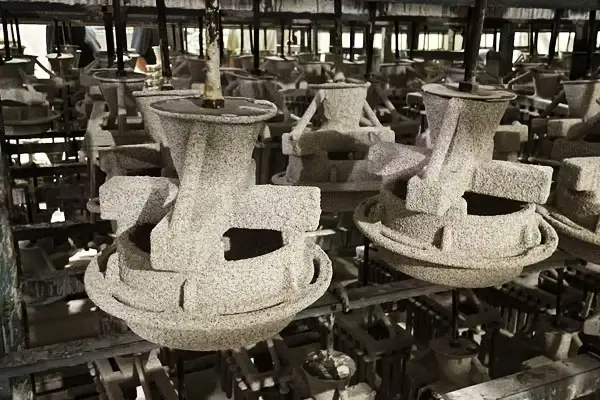
የሼል መስራት የቦታ ጥራት እና የመጠን ትክክለኛነትን ለመወሰን ቁልፉ ነው።. ዛጎሉ የተገነባው በተደራራቢ መዋቅር ውስጥ በተለያየ የማጣቀሻ ቁሳቁሶች ነው:
- የፊት ቀሚስ: ከፍተኛ-ንፅህና የዚርኮን ዱቄት + ሲሊካ SOLLARE, ከ 80-100 ሜሽ ዚርኮን አሸዋ ጋር ተጣምሯል.
የዚርኮን ቁሳቁስ ከፍተኛ የሙቀት መጠን በሚፈስበት ጊዜ የብረት ዘልቆ እንዳይገባ እና የገጽታ አሸዋ እንዳይጣበቅ ይከላከላል።. - የሽግግር ንብርብር: የሼል መጥፋትን ለማስቀረት በንብርብሮች መካከል የመተሳሰሪያ ጥንካሬን ያሻሽላል.
- የመጠባበቂያ ንብርብር: መዋቅራዊ ጥንካሬን እያረጋገጠ አጠቃላይ የቁሳቁስ ወጪን ለመቀነስ በዝቅተኛ ዋጋ የኳርትዝ አሸዋ ይጠቀማል.
የሼል ሽፋኖች ጠቅላላ ቁጥር 8-12 ነው; ትልቅ ወፍራም-ግድግዳ ያለው ቦይለር ክፍሎች በላይ ያስፈልጋቸዋል 12 ንብርብሮች.
የማድረቅ አካባቢው በ 18-25 ዲግሪ ሴንቲግሬድ ውስጥ ጥብቅ ቁጥጥር ይደረግበታል እና አንጻራዊ እርጥበት ከ 40% - 60% ነው..
ዩኒፎርም ቀስ ብሎ መድረቅ የውስጣዊ ውጥረት ትኩረትን ይከላከላል, የሼል መሰንጠቅ እና የብልሽት ጉድለቶች.
ጠቅላላው ሂደት በሲሊካ ሶል ውስጥ በተፈጥሯዊ አየር መድረቅ ላይ የተመሰረተ ነው, ከቀሪው የአልካላይን ንጥረ ነገሮች ጋር, በከፍተኛ ሙቀት ውስጥ ከፍተኛ ሙቀት የሚቋቋም የማይዝግ ብረት intergranular ዝገት እንዳይፈጠር.
4.3 ዴቫክስ, የሼል መጥበስ እና ቅድመ-ሙቀት
- ዴቫክስ: ከፍተኛ-ግፊት የእንፋሎት መበስበስ (150-170 ° ሴ የእንፋሎት ማንቆርቆሪያ) ማደጎ ነው።, እና ክፍት ነበልባል መበስበስ በጥብቅ የተከለከለ ነው።.
የሚቀረው ሰም በመውሰጃው ወለል ላይ የካርቦን መነሳት ያስከትላል, ከፍተኛ ሙቀትን የሚቋቋም ብረት ከፍተኛ የሙቀት መጠንን እና የዝገት መቋቋምን በእጅጉ ይቀንሳል.
ከዲዋክስ በኋላ, በቅርፊቱ ውስጥ ያለው የተረፈ ሰም በደንብ ይጸዳል. - ከፍተኛ ሙቀት ማብሰል: ዛጎሉ ኦርጋኒክ ቁስ እና እርጥበትን ሙሉ በሙሉ ለማስወገድ በ 850-950 ዲግሪ ሴንቲ ግሬድ ውስጥ ለረጅም ጊዜ ይቃጠላል., የሴራሚክ አወቃቀሩን ያጥፉ, እና የሼል አየር መስፋፋትን እና ከፍተኛ የሙቀት መጠንን ያሻሽሉ.
- ከመፍሰሱ በፊት ቀድመው ማሞቅ: በቀለጠ ብረት እና በቅርፊቱ መካከል ያለውን የሙቀት ልዩነት ለማጥበብ ዛጎሉ እስከ 300-600 ° ሴ ድረስ ይሞቃል.
ይህ መለኪያ ቀዝቃዛ መዘጋት እና ቀጭን ግድግዳ ክፍሎችን በተሳሳተ መንገድ እንዳይሰራ ይከላከላል, እና የሼል መሰባበርን ለማስወገድ የሙቀት ድንጋጤን ይቀንሳል.
4.4 ማቅለጥ እና ማፍሰስ
የቀለጠ ብረት በመካከለኛ ድግግሞሽ ኢንዳክሽን እቶን ይቀልጣል.
የሃይድሮጅን ይዘትን ለመቆጣጠር ውህድ ዲኦክሳይድ እና የፍሳሽ ማስወገጃ ሂደቶች ይተገበራሉ 2 PPM, በሃይድሮጂን ምክንያት የሚፈጠረውን ፖሮሲስን ማስወገድ.
የኦስቲኒቲክ ከፍተኛ ሙቀትን የሚቋቋም አይዝጌ ብረት የሚፈስበት የሙቀት መጠን በ 1580-1640 ° ሴ ቁጥጥር ይደረግበታል., ከተለመደው አይዝጌ ብረት በጣም ከፍ ያለ ነው.
የስበት ኃይል ማፍሰስ ዋናው ዘዴ ነው; እጅግ በጣም ቀጭን-ግድግዳ ውስብስብ ክፍሎች የጋዝ መጨናነቅን የበለጠ ለመቀነስ የቫኩም ማፍሰስን ይቀበላሉ.
የሚንከባለል እና የአየር መጨናነቅን ለማስወገድ የማፍሰሱ ፍጥነት ተረጋግቶ ይቆያል.
4.5 ማቀዝቀዝ, የሼል ማስወገጃ እና ድህረ-ሂደት
ቀረጻዎች በዝግታ ፍጥነት በተፈጥሮ ይቀዘቅዛሉ; በፍጥነት ማቀዝቀዝ የተከለከለ ነው, ከፍተኛ ቀሪ ጭንቀትን ስለሚፈጥር እና የሙቀት ስንጥቆችን ስለሚፈጥር.
ወደ ክፍል ሙቀት ከቀዘቀዘ በኋላ, የሜካኒካል ሼል ማስወገጃ እና የአሸዋ ማጽዳት ይከናወናሉ.
የክትትል ሂደቶች የ riser መቁረጥን ያካትታሉ, ላይ ላዩን መፍጨት, የተቀናጀ የሙቀት ሕክምና, ትንበያ ምርመራ, የተጣጣሙ ወለሎች ትክክለኛነት ማሽነሪ, የተኩስ ፍንዳታ እና የኬሚካል ማለፊያ.
ከነሱ መካከል, የሙቀት ሕክምና የመጨረሻውን ከፍተኛ ሙቀት የመውሰድ ሂደትን ለማመቻቸት ወሳኝ ሂደት ነው.
5. ለምን የሲሊካ ሶል ኢንቬስትመንት መውሰድ ከቦይለር ሃርድዌር ጋር ይስማማል።
ሲሊካ ሶል ኢንቨስትመንት መውሰድ ለማምረት ስለሚችል ለቦይለር ሃርድዌር ጠንካራ ግጥሚያ ነው። ውስብስብ, ከፍተኛ ትክክለኛነት, ለስላሳ-ገጽታ ክፍሎች ለከፍተኛ ሙቀት አይዝጌ አረብ ብረቶች በደንብ ተስማሚ ናቸው.
የቦይለር ክፍሎች ብዙውን ጊዜ በተለመደው ማሽነሪ በብቃት ለመስራት አስቸጋሪ የሆኑ የጂኦሜትሪክ ባህሪዎች አሏቸው, እና የሲሊካ ሶል መንገድ ችግሩን ለመፍታት ይረዳል.

ለተወሳሰበ ቦይለር ጂኦሜትሪ የቅርቡ-የተጣራ ቅርጽ ትክክለኛነት
የሲሊካ ሶል መዋዕለ ንዋይ ማፍሰስ በተለይም ክፍሉ ውስብስብ ጂኦሜትሪ ሲኖረው በጣም ጠቃሚ ነው, ቀጭን ግድግዳዎች, የጎድን አጥንቶች, ፍሰት, የድጋፍ ዞኖች, ወይም ከጠንካራ አክሲዮን ለማሽን ውድ የሆኑ የበይነገጽ ባህሪያት.
ሂደቱ ዝርዝር ቅርጽን በቀጥታ ማባዛት ይችላል, የማሽን ክምችትን የሚቀንስ, የቁሳቁስ ቆሻሻ, እና የሁለተኛ ደረጃ ስራዎች ብዛት.
ለከፍተኛ ሙቀት አገልግሎት የተሻለ የወለል አጨራረስ
የቦይለር ክፍሎች ለስላሳ ወለል ይጠቀማሉ ምክንያቱም ሻካራነት አመድ ማቆየትን ያፋጥናል።, erosive መልበስ, እና የጭንቀት ትኩረት.
የሲሊካ ሶል መንገድ ከሻጋታ ሻጋታ ሂደቶች የበለጠ ጥሩ የመነሻ ገጽን ይሰጣል, ይህም casting ይበልጥ የሚበረክት አገልግሎት መሠረት እና አጨራረስ አሁንም ያስፈልጋል ቦታ የተሻለ የማሽን መሠረት ይሰጣል.
ከፍተኛ-ሙቀትን የሚቋቋም ከማይዝግ ብረትን ጋር ጠንካራ ግጥሚያ
ከፍተኛ ሙቀት ያለው የማይዝግ ደረጃዎች ሁሉም ተመሳሳይ አይደሉም, ግን የተረጋጋ ጂኦሜትሪ እና ቁጥጥር የሚደረግበት ሂደት ፍላጎትን ይጋራሉ።.
የሲሊካ ሶል መጣል ለዚህ በጣም ተስማሚ ነው ምክንያቱም ለወሳኝ ቦይለር አካላት አስፈላጊውን ትክክለኛ ማጠናከሪያ በመደገፍ የቅይጥ ዝርዝር ቅርፅን ጠብቆ ማቆየት ይችላል ።.
ስለዚህ ሂደቱ በቀላሉ የመውሰድ ዘዴ አይደለም; የቅይጥ ምህንድስና ዓላማን ለመጠበቅ መንገድ ነው.
የተቀነሰ የማሽን ሸክም።
ለቦይለር ሃርድዌር, ክፍሎቹ ብዙ ጊዜ ትልቅ ስለሆኑ ማሽነሪ ውድ ሊሆን ይችላል, ውስብስብ, እና ከፍተኛ ሙቀት-ተከላካይ አይዝጌ አረብ ብረቶች ሁልጊዜ ለመቁረጥ በጣም ቀላል ያልሆኑ ቁሳቁሶች የተሰሩ ናቸው.
የአቅራቢያ ኢንቬስትመንት መውሰድ የሚፈለገውን የአክሲዮን ማስወገድ መጠን ይቀንሳል እና ከባዶ ወደ ተጠናቀቀ አካል ከመውሰድ መንገዱን ያሳጥራል።.
ያ በተለይ ብዙ የታሸጉ ፊቶች ወይም የድጋፍ መገናኛዎች ላላቸው ክፍሎች ጠቃሚ ነው።.
ለግል ብጁ እና መካከለኛ መጠን ምርት ተስማሚ
የቦይለር መሳሪያዎች በተደጋጋሚ የተበጁ ናቸው. የተለያዩ የእፅዋት አቀማመጦች, የተለያዩ የሙቀት ዞኖች, እና የተለያዩ ነዳጆች ብዙውን ጊዜ የተለያየ ክፍል ጂኦሜትሪ ያስፈልጋቸዋል.
የሲሊካ ሶል ኢንቬስትመንት ቀረጻ ለእንደዚህ ዓይነቱ ምርት በጣም ተስማሚ ነው, ምክንያቱም መጠነ-ሰፊ መሳሪያዎችን ወይም ከመጠን በላይ በእጅ ማምረት ሳያስገድድ የተጣጣሙ ክፍሎችን ይደግፋል..
ለወሳኝ መገናኛዎች የተሻለ ወጥነት
ብዙ ቦይለር castings ብቻውን ክፍሎች አይደሉም; ከቧንቧዎች ጋር መያያዝ አለባቸው, ክፈፎች, ፍሰት, ማያያዣዎች, ወይም የድጋፍ መዋቅሮች.
የሲሊካ ሶል መጣል ትክክለኛነት ለታማኝ ስብስብ የሚያስፈልገውን የበይነገጽ ወጥነት ለመጠበቅ ይረዳል.
ይህ በተለይ ክፍሉ በሞቃት ዞን ውስጥ በሚቀመጥበት ጊዜ አስፈላጊ ነው, ይህም ማንኛውም ተስማሚ ስህተት የሙቀት መጠኑ እየጨመረ ሲሄድ የበለጠ ከባድ ይሆናል.
በጂኦሜትሪ የሚመራ ዳግም ሥራ ዝቅተኛ ስጋት
ምክንያቱም ሂደቱ ንድፉን በታማኝነት ማባዛት ይችላል, የማስተካከያ መፍጨት አስፈላጊነት አነስተኛ ነው።, ብየዳ, ወይም ከመጣል በኋላ እንደገና በመቅረጽ ላይ.
ይህ እንደገና የመሥራት አደጋን ይቀንሳል, የቁሳቁስን ታማኝነት ይጠብቃል, እና የመጠን ልዩነትን በቁጥጥር ስር ለማድረግ ይረዳል.
6. ቁልፍ የቴክኒክ መስፈርቶች
ከፍተኛ-ሙቀት ኦክሳይድ መቋቋም
ለቦይለር ሃርድዌር, የመጀመሪያው ቴክኒካል ገደብ ጥንካሬ ብቻ አይደለም ነገር ግን ለረጅም ጊዜ የሙቀት መጋለጥ የተረጋጋ ቦታን የማቆየት ችሎታ ነው.
ቅይጥ መፈጠር እና ጥቅጥቅ ያለ ማቆየት አለበት።, ተጨማሪ ኦክሳይድን የሚቀንስ የማጣበቂያ ኦክሳይድ ልኬት, መለካት, እና ክፍል መጥፋት.
በቦይለር ግዴታ ውስጥ, በጣም በፍጥነት ኦክሳይድ ያለው ቁሳቁስ ውፍረት ይቀንሳል, የአካል ብቃት ማጣት, እና በመጨረሻም የክፍል-ሙቀት ጥንካሬው ተቀባይነት ያለው ቢመስልም ተግባሩን ያጣል.
በቋሚ ጭነት ውስጥ ዘልቆ የመቋቋም ችሎታ
ብዙ የቦይለር ክፍሎች ለአጭር ጊዜ ሙቀት አይጋለጡም።; በሞቃት ወቅት ለረጅም ጊዜ ይሠራሉ, የማይንቀሳቀስ ጭነት. ይህ ያደርገዋል የሚያደናቅፍ መቋቋም ወሳኝ መስፈርት.
ይደግፋል, ማንጠልጠያ, ቅንፎች, ክፈፎች, እና ሸክም የሚሸከሙት እቃዎች ቀስ በቀስ የፕላስቲክ መበላሸትን መቃወም አለባቸው, ድጋፍ ጂኦሜትሪ, እና የማተሚያ ቦታዎች በጊዜ ሂደት ተረጋግተው ይቆያሉ.
ማሽቆልቆሉ ካልተቆጣጠረ, ክፍሉ ወዲያውኑ ሊሰበር አይችልም, ግን ቀስ በቀስ ከመቻቻል ወጥቶ ስርዓቱን ያበላሻል.
የሙቀት በሽታ የመቋቋም ችሎታ
ማሞቂያዎች በተደጋጋሚ በማሞቅ እና በማቀዝቀዝ ዑደት ውስጥ ይሰራሉ, እና እነዚያ ዑደቶች በክፍሉ አካል እና በጂኦሜትሪክ ሽግግር ላይ ተለዋጭ ጭንቀት ይፈጥራሉ.
ስለዚህ ቀረጻው የጎድን አጥንት ሳይሰነጠቅ የሙቀት መስፋፋትን እና መኮማተርን መታገስ አለበት።, አለቆች, መጫኛዎች, ወይም ክፍል ይለወጣል.
ይህ መስፈርት በተለይ በብስክሌት አገልግሎት ውስጥ ላሉ ክፍሎች አስፈላጊ ነው።, የብልሽት ሁነታ ብዙውን ጊዜ አንድ ትልቅ የሙቀት ክስተት ሳይሆን የበርካታ ትናንሽ ሰዎች ክምችት ነው።.
የመልቲሚዲያ ዝገት መቋቋም
የቦይለር አከባቢዎች እንደ ነዳጅ እና የአሠራር ሁኔታ በኬሚካላዊ ሁኔታ ይለያያሉ።.
የድንጋይ ከሰል ማገዶ አገልግሎት የሰልፈር ተሸካሚ ዝርያዎችን እና አመድ መሸርሸርን ያመጣል, ጋዝ-ማመንጨት አገልግሎት በከፍተኛ ሙቀት oxidation የሚገዛ ነው, እና ባዮማስ ወይም የቆሻሻ ማቃጠል ስርዓቶች የአልካላይን እና የክሎራይድ ጥቃትን ሊያካትቱ ይችላሉ።.
ቁሱ ለትክክለኛው የኬሚካላዊ አገዛዝ መመረጥ አለበት, ለአጠቃላይ “ትኩስ አገልግሎት” መለያ አይደለም።.
የተሳሳተ ግሬድ ጥቅም ላይ ከዋለ ከኦክሳይድ የሚተርፍ ቦይለር ቅይጥ አሁንም ለክሎራይድ ወይም ለአልካሊ-ሀብታም አመድ ተጋላጭ ሊሆን ይችላል።.
በሚሠራበት የሙቀት መጠን ልኬት መረጋጋት
ቀረጻው በሙቀት ብስክሌት ውስጥ ጂኦሜትሪውን መጠበቅ አለበት።. የልኬት መረጋጋት የማምረቻ ግብ ብቻ አይደለም; የአገልግሎት መስፈርት ነው።.
የተዛባ ፍንዳታ, የተዛባ ድጋፍ, ወይም የተለወጠ የመገኛ ቦታ የመሰብሰቢያ ትክክለኛነትን ሊቀንስ ይችላል።, የባሰ ፍሰት ባህሪ, ወይም የአካባቢ ውጥረት ትኩረትን ይፍጠሩ.
ቅይጥ እና casting ሂደት ስለዚህ የተረጋጋ ጥቃቅን እና ዝቅተኛ የተዛባ ዝንባሌ መደገፍ አለባቸው.
ጥቅጥቅ ያለ ውስጣዊ ድምጽ እና ዝቅተኛ የገጽታ ሸካራነት
የቦይለር ክፍል በተቻለ መጠን ከውስጥ ፖሮሲስ ነፃ መሆን አለበት።, የመቀነስ ትኩረት, እና አመድን ሊይዝ ወይም የአፈር መሸርሸርን ሊያፋጥን የሚችል የገጽታ ሸካራነት.
ጥቅጥቅ ያለ ውስጣዊ መዋቅር የመጫን አቅምን እና ስንጥቅ መቋቋምን ያሻሽላል, ለስላሳ ሽፋን አመድ መጣበቅን ይቀንሳል እና የአካባቢያዊ ፍሰትን የማጣራት አዝማሚያ ይቀንሳል.
በከፍተኛ የሙቀት አገልግሎት ውስጥ, የገጽታ ጥራት ለመዋቢያነት አይደለም; በጥንካሬው ላይ በቀጥታ ይነካል.
Weldability እና መጠገን
ብዙ ቦይለር ክፍሎች በተበየደው ስብሰባዎች ውስጥ የተዋሃዱ ናቸው ወይም የመስክ ጥገና ያስፈልጋቸዋል.
ያ ማለት ቅይጥ በአገልግሎት ላይ ብቻ ማከናወን የለበትም, ነገር ግን ለማምረት ተግባራዊ ሆኖ ይቆያል, መቀላቀል, እና ጥገና.
ከፍተኛ ሙቀትን የሚቋቋም የማይዝግ ግሬድ ጠንካራ ነው ነገር ግን በጨርቃጨርቅ ውስጥ ሊሰራ የማይችል ብዙውን ጊዜ ደካማ የስርዓት ምርጫ ነው።, ምንም እንኳን የሙቀት ባህሪያቱ ማራኪ ቢሆኑም.
7. የተለመዱ የመውሰድ ጉድለቶች: የስር መንስኤዎች እና የታለሙ የመከላከያ እርምጃዎች
ከፍተኛ ሙቀትን የሚቋቋም አይዝጌ ብረት በአካላዊ ባህሪያት የተገደበ (ከፍተኛ መቀነስ, ደካማ ፈሳሽነት) እና የሲሊካ ሶል ሽፋን ባህሪያት, በምርት ውስጥ ብዙ የተለመዱ ጉድለቶች ሊከሰቱ ይችላሉ.
ከቦይለር ኦፕሬሽን ደህንነት መስፈርቶች ጋር ተጣምሮ, መንስኤዎቹ እና መፍትሄዎች እንደሚከተለው ይመደባሉ:
Porosity እና Blowholes
ክስተት: ላይ ላዩን ወይም ውስጥ castings ላይ ለስላሳ ክብ ቀዳዳዎች.
መንስኤዎች: በቂ ያልሆነ የሼል መጥበስ, ያልተሟላ የቀለጠ ብረት ማራገፍ, በማፍሰስ ጊዜ አየር መጨናነቅ.
መፍትሄዎች: የሼል የማብሰያ ጊዜን ያራዝሙ, ቁልፍ በሆኑ ቦታዎች ላይ የጭስ ማውጫ ቀዳዳዎችን ይጨምሩ, እና ለቀለጠው ብረት የቫኩም ማጣሪያን ያዙ.
Shrinkage Cavity እና Micro-Porosity
ክስተት: በወፍራም ግድግዳ ክፍሎች ውስጥ ያሉ ክፍተቶች.
መንስኤዎች: ምክንያታዊ ያልሆነ የማጠናከሪያ ቅደም ተከተል, በቂ ያልሆነ riser አቅም, ከመጠን በላይ የመፍሰስ ሙቀት.
መፍትሄዎች: ተከታታይ ማጠናከሪያን እውን ለማድረግ የጌቲንግ እና መወጣጫ ስርዓትን ያመቻቹ, ገለልተኛ መወጣጫዎችን ይጠቀሙ, እና የሙቀት መጠንን በጥብቅ ይቆጣጠሩ.
ቀዝቃዛ መዝጋት እና Misrun
ክስተት: በቀጭኑ ግድግዳዎች አቀማመጥ ላይ ያልተሟላ መሙላት እና ደካማ ውህደት.
መንስኤዎች: የቀለጠ ብረት ደካማ ፈሳሽነት, በቂ ያልሆነ የሼል ቅድመ-ሙቀት ሙቀት.
መፍትሄዎች: የሼል ቅድመ ማሞቂያ ሙቀትን በአግባቡ ያሳድጉ እና የሻጋታ መሙላትን ለማፋጠን የሯጭ መዋቅርን ያመቻቹ.
የብረት ዘልቆ መግባት (የአሸዋ መለጠፊያ)
ክስተት: ጠንካራ የአሸዋ ንብርብር ከመጣል ወለል ጋር ተጣብቋል.
መንስኤዎች: የገጽታ refractory ቁሳቁሶች እና በቂ ያልሆነ የፊት ሽፋን ንብርብሮች ዝቅተኛ refractoriness.
መፍትሄዎች: ለፊት ኮት ሙሉ የዚርኮን ዱቄት ይጠቀሙ እና የፊት ኮት ንብርብሮችን ቁጥር ይጨምሩ.
ትኩስ ስንጥቆች እና ኢንተርግራንላር ስንጥቆች
ክስተት: በእህል ድንበሮች ላይ የመስመር ስንጥቆች.
መንስኤዎች: ከፍተኛ-ሙቀትን የሚቋቋም ብረት ትልቅ የመቀነስ ጭንቀት, ከመጠን በላይ የሰልፈር እና የፎስፈረስ ቆሻሻዎች, የ castings ፈጣን ማቀዝቀዝ.
መፍትሄዎች: የንጽሕና ይዘትን በጥብቅ ይቆጣጠሩ, በሻጋታ ንድፍ ውስጥ የመቀነስ አበል ይቆጥቡ, እና ከተፈሰሰ በኋላ ቀስ ብሎ ማቀዝቀዝ ይተግብሩ.
ካርቦን ማንሳት
ክስተት: በማትሪክስ ውስጥ ከመጠን በላይ የካርቦን ይዘት, ጠንካራነት.
መንስኤዎች: በሼል ውስጥ ያልተሟላ መበስበስ እና ቀሪ ኦርጋኒክ ቁስ.
መፍትሄዎች: የእንፋሎት መበስበስን ሂደት ያጠናክሩ እና ከፍተኛ ሙቀት ያለው የሼል ጥብስ ያሻሽሉ።.
የሼል መሰንጠቅ እና ማጥፋት
ክስተት: በሚበስልበት ወይም በሚፈስበት ጊዜ የሼል ጉዳት.
መንስኤዎች: ያልተስተካከለ መድረቅ እና ያልተመጣጠነ ውስጣዊ ውጥረት.
መፍትሄዎች: የቅርፊቱን ጥራት ለማረጋጋት አውቶማቲክ ቋሚ የሙቀት መጠን እና እርጥበት ማድረቂያ መስመሮችን ይቀበሉ.
8. በባህላዊ ቦይለር አካል የማምረት ሂደቶች ላይ የንፅፅር ጥቅሞች
የሲሊካ ሶል መዋዕለ ንዋይ ማፍሰስ በቦይለር-ክፍል ማምረቻ ውስጥ ጎልቶ ይታያል ምክንያቱም ከፍተኛ መጠን ያለው ትክክለኛነትን ያጣምራል።, እጅግ በጣም ጥሩ የገጽታ ጥራት, የላቀ የብረታ ብረት ንጽሕና, እና ጠንካራ ቅርፅን የመፍጠር ችሎታ.
| የግምገማ ልኬት | ሲሊካ የሊፍ ኢንቨስትመንት መወርወር | የውሃ ብርጭቆ ኢንቨስትመንት መወርወር | ሬንጅ አሸዋ መውሰድ |
| ልኬት ትክክለኛነት | ሲቲ4-ሲቲ6, ከፍተኛ ትክክለኛነት | ሲቲ7-ሲቲ8, ሰፊ መቻቻል | ዝቅተኛ ትክክለኛነት, የግድግዳ ውፍረት ብዙውን ጊዜ ያልተስተካከለ |
| የመሬት መንቀጥቀጥ | R 3.2-6.3 μm, ለስላሳ ሽፋን | ራ 12.5 μm ወይም ከዚያ በላይ, በአንጻራዊ ሁኔታ ሻካራ | ከባድ የአሸዋ ተጣባቂ እና ጥቅጥቅ ያለ መሬት |
| Shell ል / የሻጋታ ኬሚካላዊ ባህሪ | በኬሚካል የተረጋጋ እና ዝቅተኛ የብክለት አደጋ | ቀሪዎቹ የሶዲየም ጨዎች የዝገት መቋቋምን ሊጎዱ ይችላሉ። | ሬንጅ መበስበስ ጎጂ ጋዝ ሊያመነጭ ይችላል |
| ውስብስብ መዋቅር መፈጠር | ለቀጭ-ግድግዳ በጣም ጥሩ, ባለብዙ-ቀዳዳ, እና የተስተካከሉ ክፍሎች | እጅግ በጣም ቀጭን ወይም በጣም ውስብስብ ለሆኑ አወቃቀሮች የተገደበ | ውስብስብ የውስጥ ክፍተቶች አስቸጋሪ |
የውስጥ ጉድለት ዝንባሌ |
ዝቅተኛ ጉድለት መጠን, ጥቅጥቅ ያለ መዋቅር | ከፍ ያለ የመቀነስ እና የ porosity ዝንባሌ | ወደ ማሽቆልቆል እና ወደ porosity ጠንካራ ዝንባሌ |
| ከሂደቱ በኋላ የስራ ጫና | ቅርብ-የተጣራ ቅርፅ, አነስተኛ መፍጨት እና ማሽነሪ | ብዙ ጊዜ ከባድ መፍጨት ያስፈልጋል | ትልቅ የማሽን አበል ያስፈልጋል |
| ከፍተኛ-ሙቀትን ከሚቋቋም አይዝጌ ብረት ጋር ይጣጣሙ | ምርጥ ግጥሚያ; የቅይጥ አፈጻጸምን በደንብ ይጠብቃል | የሼል ኬሚስትሪ በደንብ ቁጥጥር ካልተደረገበት ከፍተኛ ሙቀት ያለው የዝገት መቋቋምን ሊቀንስ ይችላል | ከትክክለኛነት ጋር ደካማ ተኳሃኝነት ከፍተኛ-ሙቀትን መቋቋም የሚችሉ ክፍሎች |
9. ማጠቃለያ
ሙቀትን የሚቋቋም አይዝጌ ብረት በሲሊካ ሶል መዋዕለ ንዋይ ማፍሰስ በኩል የተሰሩ የቦይለር ክፍሎች በቴክኒካል አስፈላጊ ቦታን ይይዛሉ: ከቦይለር በጣም ከሚቀጡ የሙቀት ዞኖች መትረፍ ያለባቸው ትክክለኛ ሃርድዌር ናቸው።.
የቁሳቁስ ቤተሰቡ የተመረጠ ነው ምክንያቱም ከፍተኛ ሙቀት ያለው አገልግሎት ስለ ከላይ 550° ሴ የአስተዳዳሪ ውድቀት ሁነታዎችን ወደ መንሸራተት ይለውጣል, ኦክሳይድ, እና የሙቀት ድካም,
የሲሊካ-ሶል የመውሰጃ መንገድ የሚመረጠው ውስብስብ ማምረት ስለሚችል ነው, ለስላሳ, በቅርቡ-የተጣራ ቅርጽ ያላቸው ክፍሎች በጥሩ መለኪያ ቁጥጥር.
ለስኬት ቁልፉ ውህደት ነው።. ትክክለኛው ከፍተኛ-ሙቀትን የሚቋቋም የማይዝግ ደረጃ, ትክክለኛው የሼል ስርዓት, ትክክለኛው የመውሰድ ንድፍ, እና ትክክለኛው የፍተሻ እቅድ ሁሉም ወደ አንድ አቅጣጫ መጠቆም አለበት.
የቦይለር ኢንዱስትሪ ወደ ትልቅ አቅም ቀጣይነት ያለው ልማት ጋር, ከፍተኛ መለኪያዎች እና ዝቅተኛ የኃይል ፍጆታ,
የማሰብ ችሎታ እና ቅይጥ ቁሳዊ ማሻሻያ ቴክኖሎጂ ሂደት ጋር ተዳምሮ, ከፍተኛ ሙቀትን የሚቋቋም ከማይዝግ ብረት የተሰራ የሲሊካ ሶል ኢንቬስትሜንት የትግበራ ወሰን የበለጠ ይስፋፋል.
ኢንዱስትሪው የምርት ወጪ ማነቆዎችን ያለማቋረጥ ማለፍ አለበት።, ትልቅ-ክፍል የማምረት እና የምርት ዑደት,
ቦይለር የሚደግፍ ክፍል የማኑፋክቸሪንግ ቴክኖሎጂ አጠቃላይ ማሻሻያ ለማሽከርከር እና የኃይል መሣሪያዎች ደህንነቱ የተጠበቀ እና ቀልጣፋ ክወና አስተዋጽኦ ለማድረግ..
DEZE ከፍተኛ ሙቀትን የሚቋቋም የማይዝግ ብረት ቦይለር ክፍሎችን የሚያመርት ፋውንዴሪ ነው።
ይህ ከፍተኛ የሙቀት መጠን ያለው አገልግሎት ለመጠየቅ ትክክለኛ-ምህንድስና ቦይለር ክፍሎችን ያቀርባል, የላቀ የሲሊካ ሶል ኢንቬስትሜንት መውሰድን ከጠንካራ የብረታ ብረት ቁጥጥር እና የምርት እውቀት ጋር በማጣመር.
በቁሳዊ ምርጫ ውስጥ ጠንካራ ችሎታዎች, የስርዓተ-ጥለት እድገት, shell ል ህንፃ, ትክክለኛነት መውሰድ, የሙቀት ሕክምና, ማሽነሪ, እና የመነሻ ማጠናቀቂያ,
ይህ ከማይዝግ ብረት የተሰራ ቦይለር ክፍሎችን እጅግ በጣም ጥሩ የመጠን ትክክለኛነት ያመርታል።, ጥቅጥቅ ያለ ውስጣዊ መዋቅር, ለስላሳ ወለል ጥራት, እና የተረጋጋ አፈጻጸም ከፍ ባለ የሙቀት-ሙቀት እና ብስባሽ የስራ ሁኔታዎች.
ከፕሮቶታይፕ ልማት እስከ አነስተኛ-ባች ማበጀት እና መጠነ ሰፊ ምርት, ይህ ውስብስብ ጂኦሜትሪዎችን ይደግፋል, አስተማማኝ ተደጋጋሚነት, ፈጣን ማዞሪያ, እና ለወሳኝ ቦይለር አፕሊኬሽኖች የማይለዋወጥ ጥራት.
የሚጠየቁ ጥያቄዎች
ለምን ቦይለር ክፍሎች ሲሊካ ሶል ኢንቨስትመንት casting ይጠቀሙ?
ምክንያቱም ከፍተኛ መጠን ያለው ትክክለኛነት ያቀርባል, ለስላሳ ሽፋኖች, እና ቦይለር ሃርድዌር ብዙውን ጊዜ የሚፈልገውን ውስብስብ ቅርጾችን የማራባት ችሎታ.
ከፍተኛ ሙቀት መቋቋም ለሚችሉ ቦይለር ክፍሎች የትኞቹ የማይዝግ ደረጃዎች በጣም አስፈላጊ ናቸው?
የተለመዱ ከፍተኛ-ሙቀት ምርጫዎች 304H ያካትታሉ, 321ኤች, 347ኤች, 310ኤስ, እና 253MA, እንደ የአገልግሎት ሙቀት እና የሳይክል ክብደት.
ምን ቦይለር ክፍሎች በተለምዶ በዚህ መንገድ ይጣላል?
የተለመዱ ምሳሌዎች የቦይለር መያዣዎችን ያካትታሉ, ቫልቮች, ፍሰት, መግጠሚያዎች, ቴርሞዌልስ, ባፍል ሳህኖች, እና በከፍተኛ ሙቀት ዞኖች ውስጥ ሃርድዌርን ይደግፉ.
310S ሁልጊዜ ከ 347H የተሻለ ነው።?
አይ. 310ኤስ ለበለጠ ከባድ ኦክሳይድ እና ከፍተኛ የሙቀት መጠን መጋለጥ የተሻለ ነው።, 347H ብዙውን ጊዜ በ 550-600 ዲግሪ ሴንቲግሬድ ክልል ውስጥ ለረጅም ጊዜ የሚንሸራተቱ መቋቋም የተሻለ ነው..

