1. መግቢያ
ብረት በዓለም ላይ በብዛት ጥቅም ላይ ከሚውሉ የምህንድስና ቁሳቁሶች አንዱ ነው።, እና መጠኑ እንዴት እንደሚመረጥ የሚቆጣጠሩት በጣም አስፈላጊ ከሆኑ አካላዊ ባህሪያት አንዱ ነው, የተነደፈ, ተካሄደ, እና ተተግብሯል.
ጥግግት በጅምላ ላይ ተጽዕኖ ያሳድራል, መቸገር, የመጓጓዣ ወጪ, መዋቅራዊ ጭነት, አያያዝ ባህሪ, እና በምርቱ የሕይወት ዑደት ላይ እንኳን የኃይል ፍጆታ.
በዚህ ምክንያት, የአረብ ብረት ጥንካሬ ቀላል የካታሎግ እሴት አይደለም. የመሠረት ንድፍ መለኪያ ነው.
2. በቁሳቁስ ምህንድስና ውስጥ ጥግግት ማለት ምን ማለት ነው።
በቁሳቁስ ምህንድስና, ጥግግት በአንድ የተወሰነ የቁሳቁስ መጠን ውስጥ ምን ያህል መጠን እንደሚገኝ ይገልጻል.
አንድ ቁሳቁስ በአቶሚክ እና በማክሮስኮፒክ ደረጃ ላይ ምን ያህል “ታመቀ” እንደሆነ ለኢንጂነሮች ስለሚናገር በጣም መሠረታዊ ከሆኑ አካላዊ ባህሪዎች ውስጥ አንዱ ነው።.
በአንጻራዊነት ትልቅ መጠን ያለው ነገር በአንጻራዊ ሁኔታ ትንሽ ቦታ ላይ ስለታሸገ እንደ ብረት ያለ ቁሳቁስ ከባድ እና ጠንካራ ስሜት ይሰማዋል, ለዚህም ነው በአንፃራዊነት ከፍተኛ ጥንካሬ ያለው.
ግንኙነቱ በመሠረታዊ እኩልታ ይገለጻል:
ጥግግት = ቅዳሴ / መጠን
ወይም, በምሳሌያዊ መልክ:
ρ = ሜትር / ቪ
የት:
- አር = ጥግግት
- ኤም = የጅምላ
- ቪ = የድምጽ መጠን
ትፍገት በብዛት የሚለካው በመሳሰሉት ክፍሎች ነው። ግ/ሴሜ³ ወይም ኪግ/ሜ³ በሜትሪክ ስርዓት ውስጥ, እና ፓውንድ/በ³ ወይም ፓውንድ/ft³ በንጉሠ ነገሥት ክፍሎች ውስጥ.
የምህንድስና እይታ, density አንድ የተጠናከረ ንብረት. ይህ ማለት የቁሳቁስ መጠን ስለሚቀየር ብቻ እሴቱ አይለወጥም ማለት ነው።.
አንድ ትንሽ ብረት እና ትልቅ የብረት ሳህን ተመሳሳይ እፍጋት አላቸው, ምንም እንኳን የእነሱ ብዛት በጣም የተለያየ ቢሆንም. የሚለወጠው የቁሳቁስ አጠቃላይ መጠን ነው።, አይደለም ጥግግት ራሱ.
ለዚህ ነው እፍጋቱ በንድፍ እና በቁሳቁስ ምርጫ ውስጥ በጣም አስፈላጊ የሆነው.
ክብደትን ይነካል, መቸገር, የመጓጓዣ ወጪ, መዋቅራዊ ጭነት, እና አጠቃላይ ውጤታማነት, ነገር ግን የክፍሉ መጠን ምንም ይሁን ምን የተረጋጋ ቁሳዊ ባህሪይ ሆኖ ይቆያል.
3. የተለመደው የብረት ጥግግት ክልል
አብዛኛዎቹ ግልጽ የካርበን እና ዝቅተኛ-ቅይጥ ብረቶች በክልል ውስጥ ጥግግት አላቸው 7.75 ወደ 8.05 ግ/ሴሜ³, ጋር 7.85 ግ/ሴሜ³ ብዙውን ጊዜ እንደ ተለምዷዊ የማጣቀሻ እሴት ጥቅም ላይ ይውላል. በ SI ውሎች, ይህ በግምት ነው። 7,850 ኪግ/ሜ³.
ይህ ዋጋ ሁለንተናዊ አይደለም. የተለያዩ የአረብ ብረት ደረጃዎች በትንሹ ይለያያሉ ምክንያቱም ቅይጥ ንጥረ ነገሮች, ደረጃ ጥንቅር, እና ሂደት ታሪክ ሁሉም ጥግግት ላይ ተጽዕኖ.
አይዝጌ ብረቶች, ለምሳሌ, እንደ ስብጥር ላይ በመመስረት ከተለመደው የካርቦን-አረብ ብረት ማጣቀሻ ትንሽ በላይ ወይም በታች ሊወድቅ ይችላል።.

4. የአረብ ብረት ውፍረት ለምን ይለያያል
ብረት አንድ ነጠላ ቁሳቁስ አይደለም. በብረት ላይ የተመሰረቱ ውህዶች ቤተሰብ ነው, እና በስብስብ እና መዋቅር ላይ በመመርኮዝ የክብደት ለውጦች.
የካርቦን ይዘት
ካርቦን በትንሽ መጠን ስለሚገኝ የካርቦን ይዘት በመጠኑ እፍጋት ላይ ተጽእኖ ይኖረዋል. ቢሆንም, አሁንም ቢሆን በክፍል መካከል ልዩነት እንዲኖር አስተዋጽኦ ያደርጋል.
በአብዛኛዎቹ ተግባራዊ ሁኔታዎች, የካርቦን ይዘት የክብደት ልዩነት ዋና ነጂ አይደለም።, ነገር ግን የአጠቃላይ ቅንብር ሚዛን አካል ነው.
ንጥረ ነገሮችን ማሰማራት
ቅይጥ ንጥረ ነገሮች እንደ አቶሚክ ብዛታቸው እና ትኩረታቸው መጠን መጠኑን ከፍ ሊያደርጉ ወይም ሊያነሱ ይችላሉ።.
እንደ ክሮሚየም ያሉ ንጥረ ነገሮች, ኒኬል, ማንጋኒዝ, ሞሊብዲነም, ቫናዲየም, እና tungsten የመጨረሻውን ቅይጥ ጥግግት ይለውጣል.
በማያያዝ, ለምሳሌ, ኒኬል እና ክሮሚየም ጥግግት በትንሹ ወደላይ ወይም ወደ ታች ከካርቦን ብረት አንፃር ሊቀይሩ ይችላሉ።.
ጥቃቅን መዋቅር
የአረብ ብረት እፍጋት እንዲሁ በደረጃ አወቃቀር በስውር ሊለያይ ይችላል።. ነጂዎች, ኦስቲኔት, ማርቴንሲት, እና bainite ሁሉም አቶሞች በተመሳሳይ መንገድ አያሽጉም።.
ልዩነቶቹ በአብዛኛው ትንሽ ናቸው, ነገር ግን በትክክለኛ ምህንድስና ውስጥ አስፈላጊ ሊሆኑ ይችላሉ.
የሙቀት መጠን እና ደረጃ ሁኔታ
እፍጋቱ በሙቀት መጠን ይለወጣል. ብረት ሲሞቅ, ይስፋፋል, እና መጠኑ ይቀንሳል.
ይህ በመውሰድ ላይ ጠቃሚ ነው።, ማስመሰል, የሙቀት ሕክምና, እና ከፍተኛ የሙቀት አገልግሎት አገልግሎት. ከፍ ባለ የሙቀት መጠን, ብረት ለተመሳሳይ ክብደት ትንሽ ተጨማሪ መጠን ይይዛል.
5. የጋራ ብረት ቤተሰቦች ጥግግት
ለ ወጥነት, የ የተለመዱ ደረጃዎች ውስጥ ይገለጻሉ። U.S. የቅጥ ስያሜዎች እንደ አዩ / ሰሃብ, ASTM, እና በብዛት ጥቅም ላይ የዋሉ የንግድ አቻዎች.
ከታች ያሉት እሴቶች የምህንድስና ንጽጽር እና የቁሳቁስ ምርጫ ጥቅም ላይ የሚውሉ የክፍል-ሙቀት እፍጋቶች ናቸው።.
የካርቦን ብረት እፍጋት
የካርቦን ብረት በአንጻራዊ ሁኔታ ዝቅተኛ አጠቃላይ ቅይጥ ይዘት ያለው የብረት-ካርቦን ቅይጥ ቤተሰብ ነው።.
መጠኑ በትንሹ በትንሹ ይለያያል-, መካከለኛ-, እና ከፍተኛ የካርቦን ደረጃዎች, ነገር ግን አዝማሚያው አሁንም በዲዛይን ስራ ላይ ጠቃሚ ነው: የካርቦን ይዘት ሲጨምር, ጥግግት በጣም በትንሹ ይቀንሳል.
| የአረብ ብረት ምድብ | የተለመዱ ደረጃዎች | ጥግግት (ግ/ሴሜ³) | ጥግግት (ኪግ/ሜ³) | ጥግግት (ፓውንድ/በ³) |
| ዝቅተኛ የካርቦን ብረት | ኤአይኤስአይ 1010, ኤአይኤስአይ 1018, ኤአይኤስአይ 1020 | 7.85 | 7850 | 0.2836 |
| መካከለኛ-የካርቦን ብረት | ኤአይኤስአይ 1045, ኤአይኤስአይ 1050, ኤአይኤስአይ 1055 | 7.84 | 7840 | 0.2832 |
| ከፍተኛ የካርቦን ብረት | ኤአይኤስአይ 1080, ኤአይኤስአይ 1090, ኤአይኤስአይ 1095 | 7.83 | 7830 | 0.2828 |
ከፍተኛ-ጥንካሬ ዝቅተኛ-ቅይጥ መዋቅራዊ ብረት (HSLA) ጥግግት
የ HSLA ብረቶች በትንሽ ማንጋኒዝ ተጨማሪዎች ይጠናከራሉ, ክሮምሚየም, ሞሊብዲነም, ኒዮቢየም, ቫናዲየም, ወይም ተዛማጅ አካላት.
መጠናቸው ከተለመደው የካርቦን ብረት ጋር በጣም ቅርብ ነው, ስለዚህ የንድፍ ልዩነት የሚመጣው ከክብደት ይልቅ ጥንካሬ እና ጥንካሬ ነው.
| የአረብ ብረት ምድብ | የተለመዱ ደረጃዎች | ጥግግት (ግ/ሴሜ³) | ጥግግት (ኪግ/ሜ³) | ጥግግት (ፓውንድ/በ³) |
| አጠቃላይ HSLA ብረት | ASTM A572 ግራ 50, ASTM A992, ASTM A588 | 7.85 | 7850 | 0.2836 |
| Wear-የሚቋቋም HSLA ብረት | አር 400, አር 450, አር 500 | 7.82 | 7820 | 0.2825 |
| Cr-Mo ግፊት / መዋቅራዊ ብረት | ኤአይኤስአይ 4130, ኤአይኤስአይ 4140, ኤአይኤስአይ 8640 | 7.86 | 7860 | 0.2839 |
| የአየር ሁኔታ መዋቅራዊ ብረት | ASTM A588, ASTM A242 | 7.84 | 7840 | 0.2832 |
አይዝጌ ብረት እፍጋት
አይዝጌ ብረቶች በሜታሎግራፊ መዋቅር ይመደባሉ. መጠናቸው በ chromium ተጽዕኖ ይደረግበታል, ኒኬል, ሞሊብዲነም, እና ሌሎች ቅይጥ ንጥረ ነገሮች.
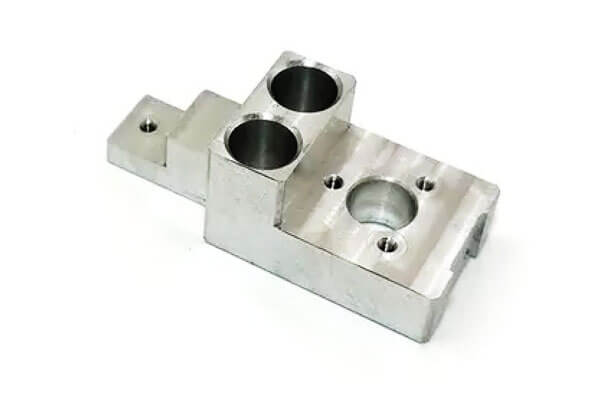
ከማይዝግ ብረት ቤተሰቦች መካከል, austenitic የማይዝግ ብረት በአጠቃላይ ከፍተኛው ጥግግት አለው.
| የአረብ ብረት ምድብ | የተለመዱ ደረጃዎች | ጥግግት (ግ/ሴሜ³) | ጥግግት (ኪግ/ሜ³) | ጥግግት (ፓውንድ/በ³) |
| ኦስቲኒቲክ አይዝጌ ብረት | ኤአይኤስአይ 304, አዩ 304l | 7.93 | 7930 | 0.2865 |
| ኦስቲኒቲክ አይዝጌ ብረት | ኤአይኤስአይ 316, አዩ 316L | 7.98 | 7980 | 0.2883 |
| ከፍተኛ-ሙቀት Austenitic SS | አዩ 310 ዎቹ | 7.98 | 7980 | 0.2883 |
| Ferritic የማይዝግ ብረት | ኤአይኤስአይ 430, ኤአይኤስአይ 409 | 7.75 | 7750 | 0.2799 |
| ማርቴንሲቲክ አይዝጌ ብረት | ኤአይኤስአይ 410, ኤአይኤስአይ 420, ኤአይኤስአይ 431 | 7.80 | 7800 | 0.2817 |
| Duplex የማይዝግ ብረት | የአሜሪካ S32205 (2205), የአሜሪካ S32750 (2507) | 7.81 | 7810 | 0.2820 |
የመሳሪያ ብረት እና ከፍተኛ ፍጥነት ያለው የብረት እፍጋት
የመሳሪያ ብረቶች እና ከፍተኛ ፍጥነት ያላቸው ብረቶች ብዙውን ጊዜ ከፍተኛ መጠን ያለው tungsten ይይዛሉ, ክሮምሚየም, ቫናዲየም, እና ኮባልት.
እነዚህ ቅይጥ ንጥረ ነገሮች ከተለመዱት ብረቶች አንፃር ጥንካሬን ይጨምራሉ, በተለይም በከፍተኛ ፍጥነት እና ኮባል-ተሸካሚ ደረጃዎች.
| የአረብ ብረት ምድብ | የተለመዱ ደረጃዎች | ጥግግት (ግ/ሴሜ³) | ጥግግት (ኪግ/ሜ³) | ጥግግት (ፓውንድ/በ³) |
| የካርቦን መሳሪያ ብረት | AISI T7, AISI T8, AISI T12 | 7.83 | 7830 | 0.2828 |
| ዝቅተኛ-ቅይጥ Die ብረት | AISI P20, AISI H13, AISI D2 | 7.85 | 7850 | 0.2836 |
| ከፍተኛ ፍጥነት ያለው ብረት | AISI M2, AISI M35, AISI M42 | 8.15 | 8150 | 0.2942 |
| ኮባልት ተሸካሚ ኤች.ኤስ.ኤስ | AISI T15, HS18-1-2-10 | 8.20 | 8200 | 0.2960 |
ልዩ ተግባራዊ የብረት እፍጋት
ልዩ ተግባራዊ ብረቶች ለተወሰኑ የአገልግሎት ሁኔታዎች እንደ ነፃ ማሽነሪ ይዘጋጃሉ, ሙቀትን መቋቋም, ከፍተኛ መጠን ያለው, ወይም ዝቅተኛ እፍጋት.
የእነሱ ጥግግት ከመደበኛ ብረቶች በተለየ መልኩ ሊለያይ ይችላል ምክንያቱም ቅይጥ ዲዛይኑ ለአጠቃላይ ዓላማ መዋቅራዊ አጠቃቀም ሳይሆን ለአንድ ተግባር የተመቻቸ ነው..
| የአረብ ብረት ምድብ | የተለመዱ ደረጃዎች | ጥግግት (ግ/ሴሜ³) | ጥግግት (ኪግ/ሜ³) | ጥግግት (ፓውንድ/በ³) |
| የሚመራ ነጻ-መቁረጥ ብረት | አዩ 12L14, ኤአይኤስአይ 1215 | 7.97 | 7970 | 0.2879 |
| ከፍተኛ-Chromium ሙቀትን የሚቋቋም ብረት | ኤአይኤስአይ 309, አዩ 310 ዎቹ, ኤአይኤስአይ 446 | 7.90 | 7900 | 0.2854 |
| ኒኬል-ቤዝ ሙቀትን የሚቋቋም ቅይጥ ብረት | ኢንኮሎይ 800, ኢንኮሎይ 800H | 8.06 | 8060 | 0.2910 |
| ዝቅተኛ- density ብርሃን መዋቅራዊ ብረት | ልዩ ዝቅተኛ-ጥቅጥቅ ቅይጥ ብረት ደረጃዎች | 7.70 | 7700 | 0.2781 |
| ባለከፍተኛ- density counterweight ብረት | Tungsten-alloy counterweight የአረብ ብረት ደረጃዎች | 8.30 | 8300 | 0.2996 |
6. ጥግግት በንድፍ እና በማምረት ላይ እንዴት እንደሚነካ
ጥግግት የላብራቶሪ መለኪያ ብቻ አይደለም።. የምህንድስና ውሳኔዎችን በቀጥታ ይቀርጻል.

ክብደት እና መዋቅራዊ ጭነት
በጣም ግልጽ የሆነው የክብደት ተጽእኖ ክብደት ነው. የብረት ምሰሶ, ፍሬም, ወይም ማቀፊያው አብዛኛውን ጊዜ ከተመጣጣኝ የአሉሚኒየም ንድፍ የበለጠ ይመዝናል.
ይህ በመጓጓዣ ውስጥ ኪሳራ ሊሆን ይችላል, ኤሮስፔስ, ሮቦቲክስ, ወይም ተንቀሳቃሽ ስርዓቶች. ቢሆንም, ከፍተኛው ክብደት መረጋጋት በሚኖርበት ጊዜ ጥቅም ሊሆን ይችላል።, እርጥበታማነት, ወይም inertia ይፈለጋል.
ግትርነት-ወደ-ክብደት ሚዛን
አረብ ብረት ጥቅጥቅ ያለ ነው, ግን ደግሞ ግትር ነው. በብዙ መተግበሪያዎች ውስጥ, መሐንዲሶች ከፍተኛ ክብደት ይቀበላሉ ምክንያቱም ብረት ለተመሳሳይ መዋቅራዊ አፈፃፀም አነስተኛ መስቀለኛ ክፍሎችን ይፈቅዳል.
በሌላ አነጋገር, እፍጋቱ ብቻ ብረት ቀልጣፋ መሆኑን አይወስንም።. አረብ ብረት በድምጽ ሊከብድ ይችላል, ግን አሁንም በክፍል ዋጋ በአፈፃፀም ውጤታማ ሊሆን ይችላል።.
የመጓጓዣ እና የኢነርጂ ውጤታማነት
በተሽከርካሪዎች ውስጥ, ማሽነሪ, እና የሚንቀሳቀሱ መሳሪያዎች, ጥግግት የነዳጅ ኢኮኖሚ ላይ ተጽዕኖ, ማፋጠን, ብሬኪንግ, እና የመጫን አቅም.
የጅምላ ቅነሳ ቀጥተኛ የአሠራር ጥቅሞችን በሚያስገኝበት ጊዜ ዝቅተኛ-ጥቅጥቅ ያሉ ቁሳቁሶች ብዙውን ጊዜ ይመረጣሉ. አሁንም, አረብ ብረት ኢኮኖሚያዊ እና መዋቅራዊ አስተማማኝነት ስላለው የተለመደ ሆኖ ይቆያል.
የማሽን እና የማምረት ግምት
የአረብ ብረት እፍጋት እንዲሁ በአምራችነት አያያዝ ላይ ተጽዕኖ ያሳድራል።, የእቃ መጫኛ ንድፍ, የመሳሪያ ጭነት, እና በከፊል መጠቀሚያ.
በጣም ከባድ የሆኑ ክፍሎች ለመንቀሳቀስ እና ለመንቀሳቀስ አስቸጋሪ ናቸው, ነገር ግን ግትርነታቸው ብዙውን ጊዜ በማሽን ወይም በመገጣጠም ወቅት ይረዳል. መጠኑ በአንዳንድ የማሽን መዋቅሮች ውስጥ የንዝረት እርጥበታማነትን ማሻሻል ይችላል።.
ንቃተ-ህሊና እና ተለዋዋጭ ባህሪ
በሚሽከረከሩ ስርዓቶች ውስጥ, ጥግግት inertia ቅጽበት ላይ ተጽዕኖ. ጥቅጥቅ ያለ ብረት ሮተር, ማርሽ, ወይም ዲስክ የበለጠ የኪነቲክ ሃይል ያከማቻል እና የፍጥነት ለውጦችን ከቀላል ቁሳቁስ በበለጠ ይቋቋማል.
በመተግበሪያው ላይ በመመስረት ያ ጠቃሚ ወይም ችግር ያለበት ሊሆን ይችላል።.
7. ሁለንተናዊ አለመግባባቶች
አንደኛ, ማከም 7.85 g/cm³ ለሁሉም የአረብ ብረት ደረጃዎች እንደ ቋሚ ጥግግት ከፍተኛ የካርቦን ብረት ክብደት ከመጠን በላይ ግምትን ያስከትላል, ከማይዝግ ብረት የተሰራውን ክብደት በሚቀንስበት ጊዜ.
ሁለተኛ, ግራ የሚያጋባ የንድፈ እፍጋት ከጅምላ እፍጋት ጋር, የሲሚንዲን ብረትን የብክለት ጉድለትን ችላ በማለት እና ወደ የተሳሳተ ጭነት ንድፍ ይመራሉ;
ሶስተኛ, ለከፍተኛ ሙቀት ቦይለር የአረብ ብረት ክፍሎች የሙቀት-ነክ እፍጋት ለውጦችን ችላ ማለት.
8. እንደ የፍርድ አመልካች የተፈጥሮ ጥግግት ገደቦች
ምንም እንኳን ጥግግት ለብረት አፈጻጸም ግምገማ አስፈላጊ ማጣቀሻ ቢሆንም, እንደ ነጠላ የማጣሪያ መስፈርት መጠቀም አይቻልም: ከፍተኛ ጥንካሬ ከፍተኛ ጥራት ካለው ብረት ጋር እኩል አይደለም.
ከመጠን በላይ በከባድ ቅይጥ ንጥረ ነገሮች ምክንያት የሚፈጠረው ከመጠን በላይ ከፍ ያለ ውፍረት የአረብ ብረትን ጥንካሬ እና ቅዝቃዜን ሊቀንስ ይችላል።; ዝቅተኛ ጥግግት ቀላል ክብደት ያለው ቅይጥ ብረት ቀላል ክብደት ግቦችን ለማሳካት ከፊል ግትርነት ሊሠዋ ይችላል።.
በምህንድስና ልምምድ, ጥግግት ከጠንካራነት ጋር መመሳሰል አለበት, ጥንካሬ, የዝገት መቋቋም እና የሙቀት መቋቋም አጠቃላይ የቁሳቁስ ምርጫ.
9. ጥግግት ከሌሎች የምህንድስና ቁሶች ጋር ማነፃፀር
አረብ ብረት ከሌሎች የተለመዱ የምህንድስና ቁሳቁሶች ጋር ሲወዳደር ለመረዳት ቀላል ይሆናል.
| ቁሳቁስ | ዓይነተኛ ልፋት (ግ/ሴሜ³) | ዓይነተኛ ልፋት (ኪግ/ሜ³) | ዓይነተኛ ልፋት (ፓውንድ/በ³) | የምህንድስና ትርጓሜ |
| ማግኒዥየም ቅይጥ | 1.70-1.85 | 1700-1850 | 0.061-0.067 | እጅግ በጣም ብርሃን, ግን ዝቅተኛ ጥንካሬ እና ጥንካሬ |
| የአሉሚኒየም ቅይጥ | 2.65-2.80 | 2650-2800 | 0.096-0.101 | በጣም ቀላል, ለክብደት-ነክ ንድፎች በስፋት ጥቅም ላይ የዋለ |
| ቲታኒየም ቅይጥ | 4.40-4.60 | 4400-4600 | 0.159-0.166 | ከአረብ ብረት ይልቅ ቀለል ያለ, ግን በአንድ ክፍል ክብደት በጣም ጠንካራ |
| ብረት ውሰድ | 6.90-7.30 | 6900-7300 | 0.249-0.264 | ከብረት ትንሽ ጥቅጥቅ ያለ, ግን የበለጠ ተሰባሪ |
| የካርቦን ብረት | 7.75-7.85 | 7750-7850 | 0.280-0.284 | መደበኛ ጥቅጥቅ ያለ መዋቅራዊ ቁሳቁስ |
አይዝጌ ብረት |
7.70-8.00 | 7700-8000 | 0.278-0.289 | ከካርቦን ብረት ጋር ተመሳሳይ ወይም ትንሽ ጥቅጥቅ ያለ |
| መዳብ | 8.85-8.95 | 8850-8950 | 0.320-0.323 | ከአረብ ብረት የበለጠ ከባድ, በጣም ጥሩ conductivity |
| ናስ | 8.40-8.75 | 8400-8750 | 0.304-0.316 | ከባድ ግን ሁለገብ, ጥሩ ገጽታ እና የማሽን ችሎታ |
| የኒኬል ቅይጥ | 8.20-8.90 | 8200-8900 | 0.296-0.321 | ጥቅጥቅ ያለ, ከፍተኛ ሙቀት ወይም የዝገት አፈፃፀም አስፈላጊ በሚሆንበት ጊዜ ጥቅም ላይ ይውላል |
| ቱንግስተን | 19.0-19.3 | 19000-19300 | 0.686-0.697 | እጅግ በጣም ጥቅጥቅ ያለ, በ counterweights ውስጥ ጥቅም ላይ ይውላል, መከላከያ, እና ከፍተኛ-ጥቅጥቅ ያሉ መተግበሪያዎች |
10. ማጠቃለያ
የአረብ ብረት ጥንካሬ በተለምዶ ዙሪያ ነው 7.85 ግ/ሴሜ³, ነገር ግን ትክክለኛው ዋጋ እንደ ቅይጥ ቤተሰብ ይለያያል, የማይክሮ-ልማት, እና የሙቀት መጠን.
ይበልጥ አስፈላጊ, ጥግግት የተናጠል ንብረት አይደለም።. ከጥንካሬ ጋር ይገናኛል።, ግትርነት, ወጪ, የዝገት መቋቋም, ማምረት, እና የአገልግሎት አፈፃፀም.
አረብ ብረት በጣም አስፈላጊ ከሆኑት የኢንጂነሪንግ ቁሶች ውስጥ አንዱ ሆኖ ይቆያል ምክንያቱም መጠኑ በመካከለኛ ደረጃ ላይ ስለሚቀመጥ: ጥብቅነትን ለማቅረብ በቂ ክብደት, መረጋጋት, እና የጅምላ ጥንካሬ, የግንባታ እና ኢንዱስትሪን ለመቆጣጠር በቂ ኢኮኖሚያዊ እና ሁለገብ.
ለዲዛይነሮች, የብረት እፍጋትን መረዳት ማለት አጠቃላይ ስርዓቱን እንዴት እንደሚነካ መረዳት ማለት ነው።, ከማምረት እና ከማጓጓዝ ወደ ሥራ እና የህይወት ዑደት ወጪ.
የሚጠየቁ ጥያቄዎች
ብረት ለምን በጣም ጥቅጥቅ ያለ ነው??
ምክንያቱም በብረት ላይ የተመሰረተ ቅይጥ በጥብቅ የታሸገ የአቶሚክ መዋቅር እና በአንጻራዊነት ከባድ ቅይጥ ንጥረ ነገሮች ከቀላል ብረቶች ጋር ሲነጻጸር.
እፍጋቱ የአረብ ብረትን ጥንካሬ ይነካል?
በቀጥታ አይደለም. ጥንካሬ እና ጥንካሬ የተለያዩ ባህሪያት ናቸው, ምንም እንኳን ሁለቱም የንድፍ ውሳኔዎች ላይ ተጽዕኖ ያሳድራሉ.
ዝቅተኛ ውፍረት ያለው ብረት ሁልጊዜ የተሻለ ነው?
አይ. ዝቅተኛ ውፍረት ክብደትን ለመቀነስ ይረዳል, ነገር ግን ምርጡ ቁሳቁስ በጥንካሬው ላይ የተመሰረተ ነው, ግትርነት, ወጪ, የዝገት መቋቋም, እና የመተግበሪያ ፍላጎቶች.
ብረት ከአሉሚኒየም ጋር እንዴት እንደሚወዳደር?
አረብ ብረት በጣም ጥቅጥቅ ያለ እና ብዙውን ጊዜ በጅምላ አጠቃቀም የበለጠ ጠንካራ ነው።, አሉሚኒየም በጣም ቀላል እና ክብደት-ነክ ለሆኑ ዲዛይኖች የተሻለ ነው።.
የሙቀት መጠኑ የአረብ ብረትን መጠን ይለውጣል?
አዎ. የሙቀት መጠኑ እየጨመረ ሲሄድ, ብረት ይስፋፋል እና መጠኑ በትንሹ ይቀንሳል.