
1. መግቢያ
ቲታኒየም የሚገመተው ቀላሉ ብረት ስለሆነ አይደለም።, ነገር ግን መጠነኛ እፍጋትን ከወትሮው በተለየ ምቹ የሆነ የጥንካሬ ሚዛን ስለሚያጣምር, የዝገት መቋቋም, የሙቀት መረጋጋት, እና ባዮኬሚካላዊነት.
በአየር ላይ, የኬሚካል ማቀነባበሪያ, የባህር ምህንድስና, የሕክምና ተከላዎች, እና ከፍተኛ አፈፃፀም ማምረት, ቲታኒየም ስልታዊ ቦታን ይይዛል ምክንያቱም ጥንካሬው ጥንካሬን ሳያጠፋ ቀልጣፋ ዲዛይን ስለሚደግፍ.
ቲታኒየም በስፋት ጥቅም ላይ የዋለው ለምን እንደሆነ ለመረዳት, አንድ ሰው በክብደቱ መጀመር አለበት. ጥግግት አታላይ ቀላል ንብረት ነው።: በአንድ ክፍል ውስጥ የጅምላ መጠን ነው.
ገና በቁሳቁስ ሳይንስ, ክብደትን ይቆጣጠራል, መቸገር, የመጓጓዣ ውጤታማነት, የማሸጊያ ቅልጥፍና, እና ብዙውን ጊዜ የአንድ አካል ወይም ስርዓት አጠቃላይ ወጪ አፈፃፀም እኩልታ.
ለቲታኒየም, ጥግግት አካላዊ ቋሚ ብቻ አይደለም።; የምህንድስና ማንነቱን የሚገልጽ አካል ነው።.
2. የታይታኒየም ጥግግት ምንድን ነው??
ጥግግት በአንድ ክፍል መጠን የቁሳቁስ ብዛት ነው።, በተለምዶ በ ውስጥ ይገለጻል ግ/ሴሜ³ ወይም ኪግ/ሜ³.
እንደ መሰረታዊ አካላዊ ንብረት, ከአቶሚክ ክብደት ጋር በቅርበት የተሳሰረ ነው።, ክሪስታል መዋቅር, እና የአቶሚክ ማሸግ ውጤታማነት.
በጉዳዩ ላይ ቲታኒየም, ጥግግት በማንኛውም ሁኔታ ውስጥ ፍጹም ቋሚ ቁጥር አይደለም; ይልቁንም, ቁሱ በንግድ ንፁህ ወይም ቅይጥ እንደሆነ በመጠኑ ይለያያል, የትኛውን ደረጃ ይይዛል, እና እንዴት እንደተሰራ.
እንደዚያም ሆኖ, ቲታኒየም በተከታታይ ከሌሎች የምህንድስና ብረቶች በሚለየው ጠባብ ክልል ውስጥ ይወድቃል.
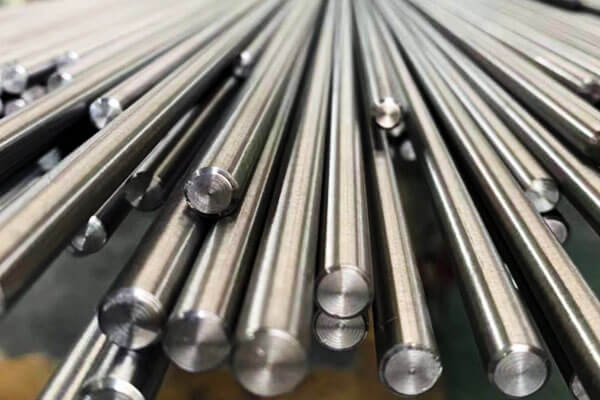
በ የክፍል ሙቀት (20° ሴ, 293 ኬ), ለንግድ ንጹህ ቲታኒየም (ሲፒ-ቲ)-በጣም የተለመደው ያልተደባለቀ የታይታኒየም ቅርጽ - በአጠቃላይ መጠኑ በግምት በግምት ይወሰዳል 4.51 ግ/ሴሜ³, ወይም 4,510 ኪግ/ሜ³.
ይህ ዋጋ በኢንጂነሪንግ ልምምድ ውስጥ በሰፊው ተቀባይነት ያለው እና በመሳሰሉት ድርጅቶች በሚሰጡ ደረጃዎች እና ዝርዝር መግለጫዎች የተደገፈ ነው ASTM እና አይኤስኦ.
በተግባራዊ ሁኔታ, CP-Ti አብዛኛውን ጊዜ በክፍል ይመደባል, ከ ደረጃ 1 ወደ ደረጃ 4, በዋናነት በቆሻሻ ይዘት ላይ የተመሰረተ, በመጠን እና በአፈፃፀም ላይ ትንሽ ግን ሊለካ የሚችል ልዩነቶችን ሊያስከትል ይችላል።.
መካከል መለየት አስፈላጊ ነው የንድፈ እፍጋት እና ትክክለኛ እፍጋት:
- የንድፈ እፍጋት ከቲታኒየም አቶሚክ ክብደት የተሰላውን ተስማሚ እሴት ያመለክታል (47.867 ግ/ሞል) እና ክሪስታል ላቲስ መለኪያዎች, ፍጹም እንደሆነ በመገመት, እንከን የለሽ ክሪስታል ያለ ቀዳዳ, ርኩስ, ወይም መዋቅራዊ ጉድለቶች.
ለንጹህ ቲታኒየም, ይህ ዋጋ ነው 4.506 ግ/ሴሜ³. - ትክክለኛው ጥግግት በእውነተኛ እቃዎች የሚለካውን እፍጋት ያመለክታል. ምክንያቱም እውነተኛ ቲታኒየም ፍጹም ተስማሚ አይደለም, የሚለካው እፍጋቱ ከቲዎሬቲካል እሴቱ ትንሽ ሊያፈነግጥ ይችላል።, በተለምዶ ስለ ±1–2%.
እንዲህ ያሉት ልዩነቶች ከፖሮሲስ ሊነሱ ይችላሉ, የመቀነስ ጉድለቶች, እንደ ኦክሲጅን ያሉ የመሃል ክፍሎችን ይከታተሉ, ናይትሮጅን, እና ካርቦን, ወይም በሚቀነባበርበት ጊዜ የገቡ ጥቃቅን ለውጦች.
3. ጥግግት ላይ ተጽዕኖ የሚያሳድሩ ምክንያቶች
የታይታኒየም ጥግግት ብዙውን ጊዜ እንደ ነጠላ እሴት ይጠቀሳል, ነገር ግን በእውነተኛ ቁሶች ውስጥ በበርካታ ተያያዥ ምክንያቶች ተጽዕኖ ይደረግበታል.

የኬሚካል ቅንብር
ጥግግት ላይ ተጽዕኖ በጣም ቀጥተኛ ምክንያት ነው ቅንብር. የተጣራ ቲታኒየም አንድ ጥግግት አለው, ነገር ግን የታይታኒየም ውህዶች አያደርጉም.
ቅይጥ ንጥረ ነገሮች ሲጨመሩ, መጠኑ እንደ አቶሚክ ብዛት እና እንደ እነዚህ ንጥረ ነገሮች ትኩረት ይለወጣል.
እንደ ቀላል ክብደት ተጨማሪዎች አሉሚኒየም መጠኑን በትንሹ ሊቀንስ ይችላል።, እንደ ከባድ ንጥረ ነገሮች ቫናዲየም, ሞሊብዲነም, ብረት, ወይም ኒኬል ሊጨምር ይችላል.
በተግባር, ውጤቱ ብዙውን ጊዜ መጠነኛ ነው።, ነገር ግን በትክክለኛ ምህንድስና ውስጥ እዚህ ግባ የሚባል አይደለም. በዚህ ምክንያት, በቅርበት የተያያዙ የቲታኒየም ደረጃዎች እንኳን ትንሽ የመጠን ልዩነት ሊያሳዩ ይችላሉ.
ለንግድ ንፁህ ቲታኒየም እንዲሁ እንደ መከታተያ ያሉ የመሃል ክፍሎችን ይይዛል ኦክስጅን, ናይትሮጅን, ካርቦን, እና ሃይድሮጂን, ጥንካሬን እና ductilityን የበለጠ በጠንካራ ሁኔታ ላይ ተጽዕኖ በሚያሳርፍበት ጊዜ ጥግግትን በትንሹ ሊለውጥ ይችላል።.
ክሪስታል መዋቅር እና ደረጃ ሁኔታ
ቲታኒየም በደረጃ ላይ የተመሰረተ ባህሪን ያሳያል. በክፍል ሙቀት ውስጥ, ውስጥ ነው። የአልፋ ደረጃ (hcp), ከፍ ባለ የሙቀት መጠን ወደ የቅድመ-ይሁንታ ደረጃ (ቢሲሲ).
ምክንያቱም ጥግግት በአቶሚክ ማሸግ እና ከላቲስ ክፍተት ላይ ስለሚወሰን, የደረጃ ሽግግር መጠኑን በትንሹ ሊለውጠው ይችላል።.
የሙቀት መስፋፋት የኢንተርአቶሚክ ክፍተትን ስለሚጨምር የሙቀት መጠኑ አስፈላጊ ነው።. ቲታኒየም ሲሞቅ, መጠኑ ይስፋፋል ፣ ጅምላ በቋሚነት ይቆያል, ስለዚህ ጥግግት ይቀንሳል.
ስለዚህም, ጥግግት በሁሉም ሙቀቶች ላይ በጥብቅ የተስተካከለ አይደለም; በተወሰነ የሙቀት ሁኔታ ውስጥ ብቻ የተረጋጋ ነው.
Porosity እና የውስጥ ጉድለቶች
ለትክክለኛው የተመረቱ ክፍሎች, porosity ትክክለኛው ጥግግት ላይ ተጽዕኖ ከሚያሳድሩ በጣም አስፈላጊ ነገሮች አንዱ ነው።.
ባዶዎች, ማይክሮክራኮች, የመርከብ ቀዳዳዎች, እና ያልተሟሉ የመዋሃድ ዞኖች የአንድን ክፍል ውጤታማ ጥግግት ይቀንሳሉ ምክንያቱም አንዳንድ ግልጽ ድምጾች ምንም ጠንካራ ነገር የላቸውም።.
ይህ ጉዳይ በተለይ በ ውስጥ ጠቃሚ ነው:
- ዱቄት ብረት,
- ተጨማሪ ማምረት,
- የ cast ምርቶች,
- እና የተጣደፉ የታይታኒየም ክፍሎች.
አንድ አካል በኬሚካላዊ ቲታኒየም ሊሆን ይችላል ነገር ግን በውስጣዊ ክፍተቶች ምክንያት ከቲዎሬቲካል እሴት ያነሰ የጅምላ እፍጋት ያሳያል.
እንደ ሂደቶች ትኩስ ኢ.ሲ.ሲ. (ሂፕ) ብዙውን ጊዜ የሆድ ድርቀትን ለመቀነስ እና የሚለካውን ጥግግት ሙሉ በሙሉ ወደ ተጠናከረ የታይታኒየም መጠጋጋት ለማንቀሳቀስ ያገለግላሉ።.
የሂደት ታሪክ
የማምረት መንገድ በተለካ ጥግግት ላይ ትርጉም ያለው ተጽእኖ አለው።. ማስመሰል, ማንከባለል, ማስወጣት, የሙቀት ሕክምና, እና ተጨማሪ ማምረት ሁሉም በጥቃቅን መዋቅር እና ጉድለት ስርጭት ላይ ተጽዕኖ ያሳድራሉ.
እነዚህ ሂደቶች የታይታኒየም ውስጣዊ የአቶሚክ ጥንካሬን በመሠረታዊነት አይለውጡም, ላይ ተጽዕኖ ሊያሳድሩ ይችላሉ ውጤታማ እፍጋት የተጠናቀቀውን ምርት ብስባሽነት በመለወጥ, የደረጃ ሚዛን, እና ተመሳሳይነት.
ለምሳሌ:
- truarunity Titanum ብዙውን ጊዜ አንድ ወጥ የሆነ ውፍረት ያሳያል,
- የታይታኒየም መጣል ከመቀነስ ጋር የተያያዙ ክፍተቶችን ሊይዝ ይችላል።,
- እና 3ዲ-የታተመ ቲታኒየም ድህረ-ሂደት ካልተካሄደ በስተቀር ቀሪውን ማይክሮፖሮሲስ ሊይዝ ይችላል።.
የመለኪያ ሁኔታዎች
በመጨረሻ, የተዘገበው ጥግግት የሚወሰነው በ የሚለካባቸው ሁኔታዎች.
የሙቀት መጠን, ግፊት, ናሙና ጂኦሜትሪ, እና የመለኪያ ዘዴ ሁሉም አስፈላጊ ናቸው.
ሙሉ በሙሉ ጥቅጥቅ ያለ ናሙና በመጠቀም በክፍል ሙቀት የሚለካ የጥቅጥቅ እሴት በተቦረቦረ ክፍል ላይ ወይም ከፍ ባለ የሙቀት መጠን ካለው ትንሽ ይለያል።.
በዚህ ምክንያት, ጥግግት ሁል ጊዜ ከሙከራ አውድ ጋር አብሮ መተርጎም አለበት።.
4. የንጹህ ቲታኒየም ጥግግት vs. ቲታኒየም ቅይጥ
የተጣራ የታይታኒየም እና የታይታኒየም ውህዶች በዋናነት በአጻጻፍ ይለያያሉ, ይህ ደግሞ ጥግግት ላይ ተጽዕኖ.
ለንግድ ንፁህ ቲታኒየም ብዙውን ጊዜ በምህንድስና ማጣቀሻዎች ውስጥ የተጠቀሰው የመነሻ ጥግግት አለው።, ንጥረ ነገሮች በአቶሚክ ብዛታቸው እና ትኩረታቸው ላይ በመመስረት ዋጋቸውን በትንሹ ወደ ላይ ወይም ወደ ታች ሲቀይሩ.
| ቁሳቁስ | የጋራ ደረጃ / ስያሜ | ጥግግት (ግ/ሴሜ³) | ኪግ/ሜ³ | ፓውንድ/በ³ | ማስታወሻዎች |
| ለንግድ ንፁህ ቲታኒየም | ደረጃ 1 | 4.51 | 4,510 | 0.163 | ከፍተኛው ንፅህና ሲፒ ቲታኒየም, በጣም ጥሩ ፎርማሊቲ |
| ለንግድ ንፁህ ቲታኒየም | ደረጃ 2 | 4.51 | 4,510 | 0.163 | በብዛት ጥቅም ላይ የዋለው ሲፒ ቲታኒየም ደረጃ |
| ለንግድ ንፁህ ቲታኒየም | ደረጃ 3 | 4.51 | 4,510 | 0.163 | ከግሬድ የበለጠ ጥንካሬ 2 |
| ለንግድ ንፁህ ቲታኒየም | ደረጃ 4 | 4.51 | 4,510 | 0.163 | በጣም ጠንካራው የሲፒ ቲታኒየም ደረጃ |
| ቲታኒየም ቅይጥ | ደረጃ 5 / ቲ-6 አል-4 ቪ | 4.43 | 4,430 | 0.160 | በጣም የተለመደው የታይታኒየም ቅይጥ; የኤሮስፔስ ደረጃ |
| ቲታኒየም ቅይጥ | ደረጃ 6 / ቲ-5አል-2.5Sn | 4.48 | 4,480 | 0.162 | ጥሩ የሙቀት-ሙቀት አፈፃፀም |
| ቲታኒየም ቅይጥ | ደረጃ 7 / የ-0.15ፒዲ | 4.51 | 4,510 | 0.163 | የተሻሻለ የዝገት መቋቋም |
ቲታኒየም ቅይጥ |
ደረጃ 9 / ቲ-3አል-2.5 ቪ | 4.48 | 4,480 | 0.162 | በቧንቧ እና ቀላል ክብደት ያላቸው መዋቅሮች ውስጥ የተለመደ |
| ቲታኒየም ቅይጥ | ደረጃ 10 / Ti-5Al-5V-5Mo-3Cr | 4.70 | 4,700 | 0.170 | ከፍተኛ-ጥንካሬ ቤታ ቅይጥ |
| ቲታኒየም ቅይጥ | ደረጃ 11 / የ-0.15ፒዲ | 4.51 | 4,510 | 0.163 | ከሲፒ ቲታኒየም ጋር ተመሳሳይ እፍጋት, የተሻሻለ የዝገት መቋቋም |
| ቲታኒየም ቅይጥ | ደረጃ 12 / የ-0.3ሞ-0.8ውስጥ | 4.50 | 4,500 | 0.163 | ጥሩ የዝገት መቋቋም, በኬሚካል አገልግሎት ውስጥ በስፋት ጥቅም ላይ የዋለ |
| ቲታኒየም ቅይጥ | ደረጃ 13 / ቲ-3አል-0.2ቪ-0.1ውስጥ | 4.48 | 4,480 | 0.162 | በአየር እና በግፊት ትግበራዎች ውስጥ ጥቅም ላይ ይውላል |
| ቲታኒየም ቅይጥ | ደረጃ 14 / ቲ-6 አል-4 ቪ-0.5ፌ-0.5ኩ | 4.45 | 4,450 | 0.161 | የተጠናከረ የቲ-6አል-4 ቪ ተለዋጭ |
| ቲታኒየም ቅይጥ | ደረጃ 15 / የ-0.2ፒዲ | 4.51 | 4,510 | 0.163 | ፓላዲየም የያዘው ዝገት የሚቋቋም ቅይጥ |
ቲታኒየም ቅይጥ |
ደረጃ 16 / የ-0.04ፒዲ | 4.51 | 4,510 | 0.163 | የታችኛው ፒዲ ይዘት, ጥፋተኛ መቋቋም የሚችል |
| ቲታኒየም ቅይጥ | ደረጃ 17 / የ-0.06ፒዲ | 4.51 | 4,510 | 0.163 | ለጥቃት አከባቢዎች ዝገትን የሚቋቋም ቅይጥ |
| ቲታኒየም ቅይጥ | ደረጃ 18 / ቲ-3አል-2.5 ቪ-0.05ፒዲ | 4.47 | 4,470 | 0.161 | የተሻሻለ የዝገት መቋቋም እና ቱቦዎች አጠቃቀም |
| ቲታኒየም ቅይጥ | ደረጃ 19 / Ti-3Al-8V-6Cr-4Mo-4Zr | 4.78 | 4,780 | 0.173 | እጅግ በጣም ከፍተኛ-ጥንካሬ ቤታ ቅይጥ |
| ቲታኒየም ቅይጥ | ደረጃ 20 / ቲ-6አል-2Sn-4Zr-2ሞ-0.1እና | 4.56 | 4,560 | 0.165 | ከፍተኛ-ሙቀት የኤሮስፔስ ቅይጥ |
| ቲታኒየም ቅይጥ | ደረጃ 21 / Ti-7Al-2Sn-2Zr-2Mo-0.2እና | 4.53 | 4,530 | 0.164 | የላቀ ከፍተኛ ሙቀት ቅይጥ |
| ቲታኒየም ቅይጥ | ደረጃ 23 / ቲ-6 አል-4 ቪ ኤሊ | 4.43 | 4,430 | 0.160 | ለሕክምና ተከላዎች ተጨማሪ-ዝቅተኛ የመሃል ስሪት |
ቲታኒየም ቅይጥ |
ቤታ ሲ / Ti-3Al-8V-6Cr-4Mo-4Zr | 4.78 | 4,780 | 0.173 | ከግሬድ ጋር ተመሳሳይ ጥግግት ቤተሰብ 19 |
| ቲታኒየም ቅይጥ | ቲ-6አል-2Nb-1ታ-0.8ሞ | 4.60 | 4,600 | 0.166 | ከፍተኛ አፈጻጸም ያለው የኤሮስፔስ ቅይጥ |
| ቲታኒየም ቅይጥ | ቲ-10ቪ-2ፌ-3አል | 4.66 | 4,660 | 0.168 | ከፍተኛ-ጥንካሬ ቅርብ-ቤታ ቅይጥ |
| ቲታኒየም ቅይጥ | Ti-15V-3Cr-3Sn-3Al | 4.79 | 4,790 | 0.173 | ከፍ ያለ ጥግግት ያለው ሊሰራ የሚችል ቤታ ቅይጥ |
| ቲታኒየም ቅይጥ | Ti-5Al-5Mo-5V-3Cr | 4.73 | 4,730 | 0.171 | ከፍተኛ-ጥንካሬ ቤታ ቅይጥ |
| ቲታኒየም ቅይጥ | ቲ-6አል-6V-2Sn | 4.60 | 4,600 | 0.166 | ኤሮስፔስ-ተኮር አልፋ-ቤታ ቅይጥ |
5. በኢንዱስትሪ አፕሊኬሽኖች ውስጥ የታይታኒየም ጥግግት ተግባራዊ ጠቀሜታ
የታይታኒየም ጥግግት በቁሳቁስ የእጅ መጽሃፍ ውስጥ የተዘረዘረ የቁጥር ንብረት ብቻ አይደለም።; ይህ ብረት ከፍተኛ ዋጋ ላላቸው ኢንዱስትሪዎች አስፈላጊ ከሆነበት ዋና ምክንያቶች አንዱ ነው።.

ኤሮስፔስ: በከፍተኛ መዋቅራዊ ታማኝነት ክብደት መቀነስ
ኤሮስፔስ ምህንድስና ምናልባት የቲታኒየም ጥግግት ለምን እንደሚያስፈልግ በጣም ግልፅ ማሳያ ነው።.
በአውሮፕላኖች እና በጠፈር መንኮራኩሮች ውስጥ, እያንዳንዱ ኪሎግራም ለነዳጅ ፍጆታ ውጤት አለው, የመጫኛ አቅም, የበረራ አፈጻጸም, እና የሥራ ማስኬጃ ወጪ.
ቲታኒየም አስገዳጅ ስምምነትን ያቀርባል: ከብረት በጣም ቀላል ነው, ነገር ግን የሚፈለጉትን የሜካኒካዊ ሸክሞችን እና የሙቀት መለዋወጦችን ለመቋቋም የሚያስችል ጠንካራ.
በዚህ ምክንያት, ቲታኒየም እና ውህዶች በሰፊው ጥቅም ላይ ይውላሉ:
- የአየር ክፈፍ አካላት,
- የሞተር አወቃቀሮች,
- መጭመቂያ ቅጠሎች እና መያዣዎች,
- ማያያዣዎች,
- ማረፊያ ማርሽ ክፍሎች,
- እና መዋቅራዊ ቅንፎች.
በአውሮፕላን ንድፍ ውስጥ, የታይታኒየም ዋጋ “ብርሃን” መሆን ብቻ አይደለም።,” ነገር ግን ከፍተኛ በማቅረብ ላይ ጥንካሬ-እስከ ክብደት ውድር.
በበረራ-ወሳኝ ስርዓቶች ውስጥ የሚፈለጉትን የደህንነት ህዳጎች በመጠበቅ የክብደት መጠኑ ኃይለኛ ክብደትን ማመቻቸትን ይደግፋል።.
የባህር ዳርቻ እና የባህር ኃይል ምህንድስና: ክብደትን የሚቋቋም ግን ዝገት-ወሳኝ አካባቢ
ውስጥ የባህር ውስጥ እና የባህር ዳርቻ አካባቢዎች, የዝገት መቋቋም ብዙውን ጊዜ ከፍፁም ብርሃን የበለጠ አስፈላጊ ነው።.
የባህር ውሃ, ክሎራይቶች, እና እርጥበት አዘል ከባቢ አየር የተለመዱ ብረቶች እና ሌሎች ብዙ ብረቶች በፍጥነት ሊያበላሹ ይችላሉ.
የታይታኒየም ፓሲቭ ኦክሳይድ ፊልም ለዝገት ልዩ የመቋቋም ችሎታ ይሰጠዋል, ለሙቀት መለዋወጫዎች ተመራጭ እንዲሆን ማድረግ, የባህር ውሃ ቧንቧዎች, የጨዋማ ዘዴዎች, የከርሰ ምድር ሃርድዌር, እና የባህር ዳርቻ መሳሪያዎች.
እዚህ, የታይታኒየም መጠነኛ እፍጋት መዋቅራዊ ጭነትን በመቀነስ ተጨማሪ እሴትን ያበረክታል።.
ምንም እንኳን የክብደት መቀነስ ሁልጊዜ በባህር ውስጥ ስርዓቶች ውስጥ ዋናው ንድፍ ነጂ አይደለም, ቀላል ዝገት የሚቋቋም ቁሳቁስ መጫኑን ቀላል ያደርገዋል, የድጋፍ መስፈርቶችን ይቀንሱ, እና የረጅም ጊዜ አስተማማኝነትን ያሻሽሉ.
የኬሚካል ማቀነባበሪያ: በአጥቂ ሚዲያ ውስጥ ዘላቂ መዋቅሮች
የኬሚካል ተክሎች ብዙውን ጊዜ አሲዶችን በሚያካትቱ በጣም ኃይለኛ በሆኑ አካባቢዎች ይሠራሉ, ክሎራይቶች, ኦክሲዳይተሮች, እና ከፍ ያሉ የሙቀት መጠን.
እንደዚህ ባሉ ቅንብሮች ውስጥ, ቲታኒየም ጥቅም ላይ የሚውለው ከብዙ አማራጭ ብረቶች ይልቅ ዝገትን ስለሚቋቋም ነው.
እፍጋት አስፈላጊ ይሆናል ምክንያቱም ታንኮች, መርከቦች, የቧንቧ መስመር ዝርጋታ, እና የሙቀት-መለዋወጫ መሳሪያዎች ከተነፃፃሪ የብረት አሠራሮች ዝቅተኛ በሆነ መጠን ሊነደፉ ይችላሉ, በተለይም የዝገት ድጎማዎች ግምት ውስጥ ሲገቡ.
ባዮሜዲካል መተግበሪያዎች: ጥንካሬ, ማጽናኛ, እና ተኳኋኝነት
ቲታኒየም በኦርቶፔዲክ ተከላዎች ውስጥ ዋነኛው ቁሳቁስ ነው።, የጥርስ መትከል, የሰው ሰራሽ አካላት, እና የቀዶ ጥገና ሃርድዌር.
በሕክምና አጠቃቀም, ጥግግት በሁለቱም የሜካኒካዊ ባህሪ እና የታካሚ ልምድ ላይ ተጽእኖ ያሳድራል. በጣም ጥቅጥቅ ያለ ቁሳቁስ ሳያስፈልግ ከባድ ወይም ከባድ ሊሰማው ይችላል።, በጣም ቀላል የሆነ ደግሞ ለሸክም አፕሊኬሽኖች የሚያስፈልገው ጥንካሬ ላይኖረው ይችላል።.
ቲታኒየም ጥሩ መካከለኛ ቦታን ያቀርባል. ጥንካሬው ዘላቂ የሆነ የሜካኒካዊ ድጋፍ ለመስጠት በቂ ነው, በተተከሉ ወይም ውጫዊ መሳሪያዎች ውስጥ ከመጠን በላይ ክብደትን ለማስወገድ በቂ ዝቅተኛ.
ከባዮኬሚካዊነት እና ከዝገት መቋቋም ጋር ተጣምሮ, ይህ ቲታኒየም በተለይ እንደ ሸክም በሚሸከሙ የሕክምና ሥርዓቶች ውስጥ ጠቃሚ ያደርገዋል:
- ሂፕ ግንድ,
- የአጥንት ሳህኖች,
- የአከርካሪ ማስተካከያ መሳሪያዎች,
- የጥርስ ሥሮች እና መቆንጠጫዎች,
- እና የሰው ሰራሽ ማያያዣዎች.
ከፍተኛ አፈጻጸም ያለው መጓጓዣ እና ተንቀሳቃሽነት
ከአውሮፕላኑ ውጭ, ቲታኒየም ከፍተኛ አፈጻጸም ባላቸው የመጓጓዣ ዘዴዎች ውስጥ እየጨመረ መጥቷል, የእሽቅድምድም ተሽከርካሪዎችን ጨምሮ, ብስክሌቶች, እና ፕሪሚየም አውቶሞቲቭ ክፍሎች.
በእነዚህ መስኮች, ጥግግት በቀጥታ ፍጥነትን ይነካል, አያያዝ, የንዝረት ምላሽ, እና አካል ድካም ሕይወት.
ቲታኒየም ለመሳሰሉት እቃዎች ይመረጣል:
- የጭስ ማውጫ ስርዓቶች,
- የእገዳ ክፍሎች,
- ሃርድዌር ማገናኘት,
- ቫልቮች እና ምንጮች,
- እና ቀላል ክብደት ያላቸው መዋቅራዊ እቃዎች.
ምንም እንኳን ቲታኒየም ከአሉሚኒየም ወይም ከአረብ ብረት የበለጠ ውድ ነው, የጅምላ ቅነሳ ከከፍተኛ መካኒካል አስተማማኝነት እና የሙቀት መቋቋም አቅም ጋር የተጣመረ መሆን ያለበት የእሱ ጥግግት በተለይ ማራኪ ያደርገዋል.
የኢንዱስትሪ ዲዛይን እና ፕሪሚየም የሸማቾች ምርቶች
የታይታኒየም ጥግግት በሸማቾች ምርቶች ውስጥ የንግድ እና የልምድ ዋጋም አለው።.
ሰዓቶች, የዓይን እይታ ክፈፎች, የስፖርት መሳሪያዎች, እና ከፍተኛ-ደረጃ ሃርድዌር ብዙውን ጊዜ ቲታኒየም ይጠቀማሉ, ምክንያቱም ከባድ ሳይሆኑ ጠንካራ ስሜት ይሰማቸዋል.
ይህ የመዳሰስ ጥራት አስፈላጊ ነው: በጣም ቀላል የሆነ አካል ርካሽ ወይም ደካማ ሊመስል ይችላል።, ከመጠን በላይ ክብደት ያለው አካል ሸክም ሊሰማው ይችላል.
በዚህ ዐውደ-ጽሑፍ, የታይታኒየም መጠነኛ እፍጋት ለትክክለኛነት ግንዛቤ አስተዋፅኦ ያደርጋል, ዘላቂነት, እና ጥራት.
ቲታኒየም ከአፈፃፀም ጋር ብቻ የተቆራኘበት አንዱ ምክንያት ይህ ነው።, ነገር ግን ከፕሪሚየም ንድፍ ጋር.
የታይታኒየም ጥግግት ሰፋ ያለ ምህንድስና ትርጉም
የቲታኒየም ጥግግት ተግባራዊ ጠቀሜታ በፅንሰ-ሃሳቡ በኩል በደንብ ተረድቷል። የተወሰነ አፈጻጸም. መሐንዲሶች በተናጥል እፍጋቱን እምብዛም አይገመግሙም።.
ይልቁንም, ምን ያህል ጥንካሬን ይጠይቃሉ, ግትርነት, የዝገት መቋቋም, እና ዘላቂነት በአንድ ክፍል ክብደት ሊገኝ ይችላል. በታይታኒየም ማዕቀፍ ውስጥ በተለየ ሁኔታ በጥሩ ሁኔታ ይሠራል.
የክብደቱ መጠን መዋቅራዊ ንጥረ ነገሮችን ለማቅረብ በቂ ነው, ነገር ግን በብረት እና በኒኬል ውህዶች ላይ ከፍተኛ የክብደት ቁጠባዎችን ለማቅረብ ዝቅተኛ.
ያ ሚዛን ቲታኒየም ከመጠን በላይ የጅምላ ቅጣቶችን ሳይጨምር ከፍተኛ አስተማማኝነትን የሚያቀርብበት ምቹ የዲዛይን መስኮት ይፈጥራል.
6. ንፅፅር ትንታኔ: ቲታኒየም vs. ሌሎች የተለመዱ ብረቶች
ከዚህ በታች ያለው ሰንጠረዥ ቲታኒየምን ከብዙ በስፋት ጥቅም ላይ ከሚውሉ ብረቶች ጋር ያወዳድራል። የተለመደው የክፍል-ሙቀት እፍጋት እሴቶች.
ልወጣዎቹ መደበኛውን ግንኙነት ይከተላሉ 1 ግ/ሴሜ³ = 1000 ኪግ/ሜ³ = 0.03613 ፓውንድ/በ³.
| ቁሳቁስ | ጥግግት (ግ/ሴሜ³) | ጥግግት (ኪግ/ሜ³) | ጥግግት (ፓውንድ/በ³) |
| ቲታኒየም | 4.51 | 4,510 | 0.163 |
| አሉሚኒየም | 2.70 | 2,700 | 0.098 |
| ማግኒዥየም | 1.74 | 1,740 | 0.063 |
| የካርቦን ብረት | 7.85 | 7,850 | 0.284 |
| አይዝጌ ብረት | 7.48-8.00 | 7,480-8,000 | 0.270-0.289 |
| መዳብ | 8.79 | 8,790 | 0.317 |
| ኒኬል | 8.90 | 8,900 | 0.322 |
| ዚንክ | 7.12 | 7,120 | 0.257 |
| መራ | 11.35 | 11,350 | 0.410 |
7. ማጠቃለያ
የታይታኒየም ጥንካሬ, በተለምዶ እንደ 4.51 ግ/ሴሜ³, ከሰፊው የኢንዱስትሪ እሴቱ በስተጀርባ ካሉት በጣም አስፈላጊ ባህሪዎች አንዱ ነው።.
በራሱ, ከተለመዱት መዋቅራዊ ብረቶች ጋር ሲነጻጸር ቁጥሩ በመጠኑ ዝቅተኛ ነው; ቢሆንም, እውነተኛ ጠቀሜታው የሚገለጠው በዐውደ-ጽሑፍ ሲታዩ ነው።.
ቲታኒየም ይህንን ምቹ እፍጋት ከከፍተኛ ጥንካሬ ጋር ያጣምራል።, ጠንካራ አጥፊነት መቋቋም, በጣም ጥሩ የድካም አፈፃፀም, እና አስፈላጊ በሆኑ አካባቢዎች ውስጥ አስተማማኝ አገልግሎት.
ያ ጥምረት ክብደት መቀነስ ረጅም ጊዜ ወይም ደህንነትን በማይጎዳባቸው መተግበሪያዎች ላይ ልዩ ውጤታማ ያደርገዋል.
ስለዚህ ቲታኒየም በደንብ የተረዳው በፍፁም “ቀላል ብረት” አይደለም።, ግን እንደ ሀ ከፍተኛ አፈጻጸም ያለው ብረት ለየት ያለ ጠቃሚ የጅምላ እና የችሎታ ሚዛን. መጠኑ መካከለኛ ነው።; ዋጋው ልዩ ነው።.
የሚጠየቁ ጥያቄዎች
የታይታኒየም ጥግግት ምንድን ነው??
በክፍል ሙቀት ውስጥ የንፁህ ቲታኒየም ጥግግት በግምት ነው 4.51 ግ/ሴሜ³, ወይም 4,510 ኪግ/ሜ³, ይህም ጋር እኩል ነው 0.163 ፓውንድ/በ³
ቲታኒየም ከብረት ይልቅ ቀላል ነው?
አዎ. ቲታኒየም ከብረት በጣም ቀላል ነው. የተለመደው ብረት ስለ ጥግግት አለው 7.85 ግ/ሴሜ³, ቲታኒየም ስለ ሳለ 4.51 ግ/ሴሜ³
ቲታኒየም ከአሉሚኒየም ቀላል ነው።?
አይ. አሉሚኒየም ከቲታኒየም ቀላል ነው. የአሉሚኒየም ጥግግት ስለ ነው 2.70 ግ/ሴሜ³, ከቲታኒየም ጋር ሲነጻጸር 4.51 ግ/ሴሜ³
ለምን ታይትኒየም ከአሉሚኒየም ጥቅጥቅ ያለ ከሆነ ቀላል ክብደት ያለው ብረት ነው?
ቲታኒየም እንደ ብረት ካሉ ጠንካራ መዋቅራዊ ብረቶች ጋር ሲነጻጸር እንደ ቀላል ክብደት ይቆጠራል, ኒኬል, እና መዳብ. ዋጋው በእሱ ውስጥ ነው ጥንካሬ-እስከ ክብደት ውድር
የታይታኒየም እፍጋት በሙቀት ይቀየራል??
አዎ. የሙቀት መጠኑ እየጨመረ ሲሄድ, ቲታኒየም ይስፋፋል እና መጠኑ በትንሹ ይቀንሳል.
ቲታኒየም ከፍ ባለ የሙቀት መጠን ደረጃ ለውጥ ያደርጋል, አወቃቀሩን እና እፍጋቱን የበለጠ ይነካል.
ቲታኒየም ከማግኒዚየም የበለጠ ጥቅጥቅ ያለ ነው?
አዎ. ቲታኒየም ከማግኒዚየም የበለጠ ጥቅጥቅ ያለ ነው. ማግኒዥየም ስለ ጥግግት አለው 1.74 ግ/ሴሜ³, ቲታኒየም ስለ ሳለ 4.51 ግ/ሴሜ³

