1. መግቢያ
Bronze castings remain a foundation material class across marine, ጉልበት, የኢንዱስትሪ, and heritage-engineering sectors because they combine የዝገት መቋቋም, አፈፃፀምን ይልበሱ, galling resistance and good castability.
“Bronze” is a broad family (መዳብ + elements other than zinc), not a single alloy — and the choice of bronze grade and casting method directly controls component life, maintenance costs and manufacturability.
This article surveys the most common bronze grades used in casting, explains why they are chosen, presents representative data, and provides practical guidance for specification and selection.
2. What is cast bronze?
Cast bronze denotes a family of copper-based alloys formulated for production by casting (for example sand, ኢን ment ስትሜንት, ሞተም, or centrifugal casting) and solidified into near-net-shape components.
Traditionally, “bronze” implied copper-tin alloys (tin bronzes), but modern practice embraces other principal alloying systems — notably የአሉሚኒኒየም ብሮዝስ, silicon bronzes, phosphor (ቆርቆሮ) ነሐስ, and leaded (መሸከም) ነሐስ — each engineered for specific metallurgical and service requirements.
Relevant product and casting requirements are set out in industry standards (ለምሳሌ, common specifications for cast copper alloys) and in national standards used for procurement and quality assurance.
Core characteristics of cast bronze
The widespread adoption of bronze in casting stems from its unique combination of properties, which are superior to many other cast metals (ለምሳሌ., የብረት ብረት, cast aluminum) in specific scenarios.
Key core characteristics include:
እጅግ በጣም ጥሩ Castability:
Bronze has a low melting point (typically 900–1100℃, lower than steel and cast iron) and good fluidity in the molten state, enabling it to fill complex mold cavities with high dimensional accuracy.
Most bronze grades can be cast into thin-walled components (minimum wall thickness 2–3 mm) and intricate shapes (ለምሳሌ., የማርሽ ጥርሶች, የቫልቭ አካላት) without defects such as shrinkage, porosity, ወይም ከቅዝቃዛ ዝጋዎች.
የላቀ መልበስ የመቋቋም ችሎታ:
ጠንካራ ጣልቃ-አልባ ደረጃዎች መኖር (ለምሳሌ., Cu₃Sn in tin bronze, Al₂Cu in aluminum bronze) and the alloy’s inherent ductility result in excellent wear resistance,
making cast bronze ideal for friction components (ለምሳሌ., ተሸካሚዎች, ቡሽንግ, ጊርስ) that operate under high load and low speed.
ጥሩ የረንዳ መቋቋም:
Bronze forms a dense, adherent oxide film on its surface, providing protection against atmospheric, aqueous, እና ኬሚካዊ ቁርጥራጭ.
Different grades exhibit varying corrosion resistance—for example, aluminum bronze is highly resistant to marine corrosion, while lead bronze is suitable for acidic environments.
ሚዛናዊ ሜካኒካል ባህሪዎች:
Cast bronze grades range from ductile, low-strength varieties (ለምሳሌ., leaded tin bronze) to high-strength, wear-resistant alloys (ለምሳሌ., አሉሚኒየም ነሐስ),
with tensile strength ranging from 200 MPa ወደ 800 MPa and elongation from 5% ወደ 40%.
ጥሩ ማሽኖች:
Most cast bronze grades (especially leaded bronze) have excellent machinability, allowing for easy turning, መፍጨት, ቁፋሮ, and polishing to achieve high surface finish (RA ≤ 0.8 μm) እና የማቀላጠጥ ትክክለኛነት.
3. Common Cast Bronze Grades: Detailed Analysis
Bronze grades are mainly based on የአትሮች ደረጃዎች, with GB/T and ISO specifications providing equivalent classifications.
These grades are categorized according to the main alloying element: ቆርቆሮ, አሉሚኒየም, ሲሊከን, መምራት, እና ኒኬል.
Each category offers distinct ሜካኒካል, ዝገት, and casting characteristics, tailored for different industrial applications.
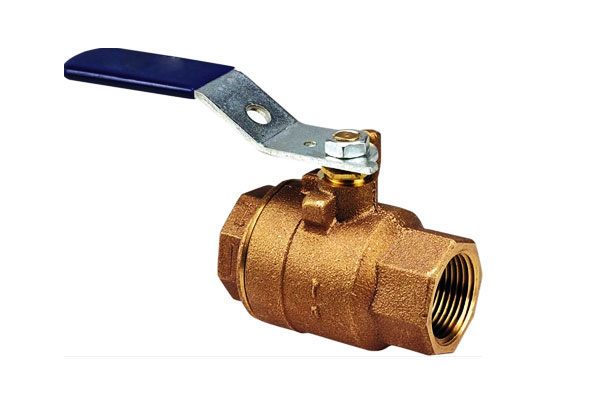
ቆርቆሮ ነሐስ (Cu–Sn Alloys): Traditional and Versatile
Tin bronze is the oldest and most widely used cast bronze, ጋር tin as the primary alloying element. እሱ(ቆርቆሮ) ማሻሻል መቋቋሚያ, የመቋቋም ችሎታ ይለብሱ, እና የዝገት መቋቋም, while copper provides ትብብር እና ጠንካራነት.
Tin content typically ranges 5–15 wt%- -lower tin (5–8%) enhances ductility, እያለ higher tin (10-15%) increases hardness and wear resistance.
የተለመዱ ደረጃዎች: ASTM B22 (C90300, C90500), GB / t 1176 (ZCuSn5Pb5Zn5, ZCuSn10Pb1), አይኤስኦ 4281 (CuSn6, CuSn10).
Key Tin Bronze Grades for Casting
ZCuSn5Pb5Zn5 (GB / t 1176) / C90300 (ASTM B22)
- የኬሚካል ቅንብር (WT%): Cu 84–86, Sn 4–6, Pb 4–6, Zn 4–6, Impurities ≤0.5
- Metallurgical Characteristics: Hypoeutectic α-Cu + ኤዲሲክ (α-Cu + Cu₃Sn); Pb and Zn improve የማሽን ችሎታ, Sn enhances የመቋቋም ችሎታ ይለብሱ
- ሜካኒካል ንብረቶች (As Cast): Tensile ≥200 MPa, Yield ≥90 MPa, Elongation ≥10%, Hardness ≥60 HB
- የዝገት መቋቋም: Good atmospheric and freshwater resistance; moderate seawater/acidic resistance
- መረጋጋት: እጅግ በጣም ጥሩ ፈሳሽነት; suitable for sand and investment casting of medium-complexity parts
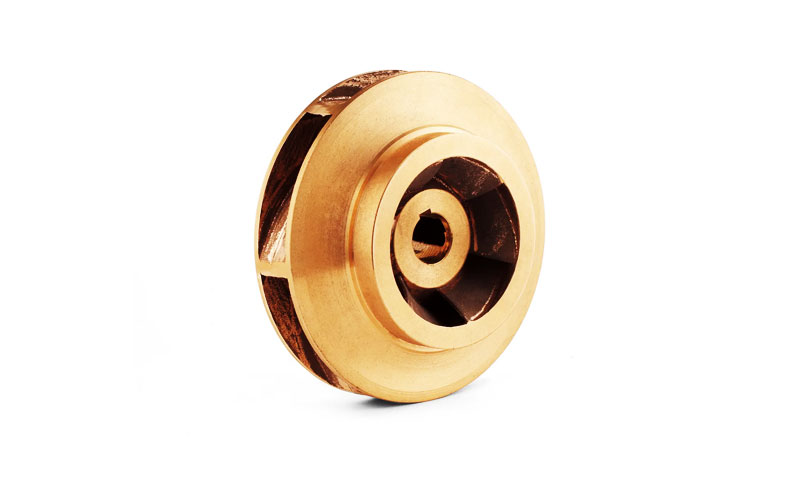
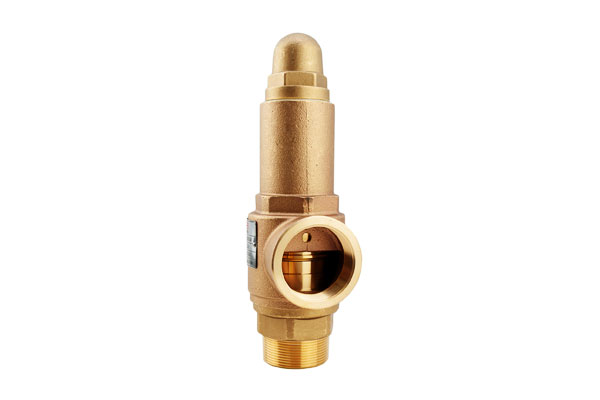
- የተለመዱ መተግበሪያዎች: ተሸካሚዎች, ቡሽንግ, ጊርስ, የቫልቭ አካላት, ፓምፕ ኢነርፖሎች, ጌጣጌጦች
ZCuSn10Pb1 (GB / t 1176) / C90500 (ASTM B22)
- የኬሚካል ቅንብር (WT%): Cu 88–90, Sn 9–11, Pb 0.5–1.5, Impurities ≤0.5
- Metallurgical Characteristics: Near-eutectic α-Cu + fine Cu₃Sn precipitates; higher Sn improves hardness and wear resistance, Pb improves የማሽን ችሎታ
- ሜካኒካል ንብረቶች (As Cast): Tensile ≥240 MPa, Yield ≥100 MPa, Elongation ≥8%, Hardness ≥70 HB
- የዝገት መቋቋም: Superior to ZCuSn5Pb5Zn5; resistant to seawater, የእንፋሎት, እና መለስተኛ ኬሚካሎች
- መረጋጋት: ጥሩ ፈሳሽነት; suitable for high-precision thin-walled castings
- የተለመዱ መተግበሪያዎች: High-load bearings, worm gears, marine pump components, steam valves, precision automotive/marine parts
አሉሚኒየም ነሐስ (Cu–Al Alloys): High Strength and Corrosion-Resistant
Aluminum bronze contains 5–12% Al, መፍጠር hard intermetallics (Al₂Cu, Cu₃Al) that enhance ጥንካሬ, ጥንካሬ, እና የዝገት መቋቋም.
በጣም ጥሩ ለ የባህር ውስጥ, ከፍተኛ የሙቀት መጠን, and wear-intensive environments.
የተለመዱ ደረጃዎች: አስት B 148 (ሲ95400, C95500), GB / t 1176 (ZCAL10FE3, ZCuAl10Fe5Ni5), አይኤስኦ 4281 (CuAl10Fe3, CuAl10Ni5Fe4).
Key Aluminum Bronze Grades for Casting
ZCAL10FE3 (GB / t 1176) / ሲ95400 (አስት B 148)
- የኬሚካል ቅንብር (WT%): Cu 86–89, Al 9–11, Fe 2–4, Impurities ≤0.5
- Metallurgical Characteristics: Two-phase α + ለ; Fe forms Fe–Al intermetallics; β → α + γ₂ transformation produces ጠንካራ, wear-resistant microstructure
- ሜካኒካል ንብረቶች (As Cast): Tensile ≥500 MPa, Yield ≥200 MPa, Elongation ≥15%, Hardness ≥150 HB
- የዝገት መቋቋም: Excellent in seawater, marine atmospheres, አሲዶች; surface Al₂O₃ film protects against oxidation
- መረጋጋት: ጥሩ; requires 1100–1150°C; suitable for sand, ኢን ment ስትሜንት, centrifugal casting of large parts
- የተለመዱ መተግበሪያዎች: Marine propellers, የመርከብ እቃዎች, offshore components, ፓምፕ ሰፈር, wear-resistant gears
ZCuAl10Fe5Ni5 (GB / t 1176) / C95500 (አስት B 148)
- የኬሚካል ቅንብር (WT%): Cu 76–81, Al 9–11, Fe 4–6, Ni 4–6, Impurities ≤0.5
- Metallurgical Characteristics: Multi-phase α + ለ + Fe–Al + Ni–Al intermetallics; Ni improves ጥንካሬ, ጥንካሬ, የዝገት መቋቋም
- ሜካኒካል ንብረቶች (As Cast): Tensile ≥600 MPa, Yield ≥250 MPa, Elongation ≥12%, Hardness ≥180 HB
- የዝገት መቋቋም: Superior to ZCuAl10Fe3; excellent seawater, የእንፋሎት, እና የኬሚካል መቋቋም
- መረጋጋት: ጥሩ; suitable for large, high-strength complex components
- የተለመዱ መተግበሪያዎች: Large marine propellers, የባህር ዳርቻ ዘይት & gas equipment, ከፍተኛ ግፊት ቫል ves ች, heavy-duty gearboxes
የሲሊኮን ነሐስ (Cu–Si Alloys): High Ductility and Electrical Conductivity
Silicon bronze contains 1–4% Si, መባ እጅግ በጣም ጥሩ ትብብር, የዝገት መቋቋም, እና የኤሌክትሪክ ንክኪነት (30–40% IACS). ተስማሚ ኤሌክትሪክ, የባህር ውስጥ, እና የጌጣጌጥ መተግበሪያዎች.
የተለመዱ ደረጃዎች: ASTM B22 (C65500, C65800), GB / t 1176 (ZCuSi3Mn1, ZCuSi10P1), አይኤስኦ 4281 (CuSi3Mn, CuSi10P).
Key Silicon Bronze Grades for Casting
ZCuSi3Mn1 (GB / t 1176) / C65500 (ASTM B22)
- የኬሚካል ቅንብር (WT%): Cu 94–96, Si 2.5–3.5, Mn 0.5–1.5, Impurities ≤0.5
- Metallurgical Characteristics: Hypoeutectic α-Cu + fine Si; Mn refines grains, ጥንካሬን ያሻሽላል
- ሜካኒካል ንብረቶች (As Cast): Tensile ≥280 MPa, Yield ≥110 MPa, Elongation ≥20%, Hardness ≥80 HB
- የዝገት መቋቋም: Good in atmospheric, ጨዋማ ውሃ, መለስተኛ ኬሚካሎች
- መረጋጋት: በጣም ጥሩ; suitable for complex-shaped, high-ductility components
- የተለመዱ መተግበሪያዎች: የኤሌክትሪክ ማገናኛዎች, ይቀይራል, ጌጣጌጦች, የባህር ሃርድዌር, ትናንሽ ዘንግ
ZCuSi10P1 (GB / t 1176) / C65800 (ASTM B22)
- የኬሚካል ቅንብር (WT%): Cu 88–90, Si 9–11, P 0.2–0.4, Impurities ≤0.5
- Metallurgical Characteristics: Near-eutectic α-Cu + እና; P enhances መቋቋሚያ, microstructure refinement
- ሜካኒካል ንብረቶች (As Cast): Tensile ≥350 MPa, Yield ≥140 MPa, Elongation ≥12%, Hardness ≥100 HB
- የዝገት መቋቋም: Superior to ZCuSi3Mn1; resistant to seawater, የእንፋሎት, አሲዶች
- መረጋጋት: ጥሩ; suitable for thin-walled, ቅድመ-ቅጥር ውጤቶች
- የተለመዱ መተግበሪያዎች: ቫልቮች, ፓምፖች, የባህር ክፍሎች, የኤሌክትሪክ ተርሚናል, precision automotive/electronic parts
Lead Bronze (Cu–Sn–Pb Alloys): Excellent Machinability and Lubricity
Lead bronze contains 5–20% Pb and 2–10% Sn. Pb exists as discrete particles ማጎልበት የማሽን ችሎታ, ቅባትነት, እና የመቋቋም ችሎታ ይለብሱ.
ተስማሚ ተሸካሚዎች, ቡሽንግ, and low-friction components.
የተለመዱ ደረጃዎች: ASTM B22 (C93200, C93700), GB / t 1176 (ZCuSn10Pb5, ZCuSn5Pb15Zn5), አይኤስኦ 4281 (CuSn10Pb5, CuSn5Pb15Zn5).
Key Lead Bronze Grades for Casting
ZCuSn10Pb5 (GB / t 1176) / C93200 (ASTM B22)
- የኬሚካል ቅንብር (WT%): Cu 83–85, Sn 9–11, Pb 4–6, Impurities ≤0.5
- Metallurgical Characteristics: Hypoeutectic α-Cu + Cu₃Sn + Pb particles; Pb reduces friction
- ሜካኒካል ንብረቶች (As Cast): Tensile ≥220 MPa, Yield ≥100 MPa, Elongation ≥8%, Hardness ≥65 HB
- የዝገት መቋቋም: Good atmospheric and freshwater; moderate seawater/acidic resistance
- መረጋጋት: እጅግ በጣም ጥሩ ፈሳሽነት; suitable for small/medium, highly machinable components
- የተለመዱ መተግበሪያዎች: ተሸካሚዎች, ቡሽንግ, ጊርስ, worm wheels, ፓምፕ አካላት
ZCuSn5Pb15Zn5 (GB / t 1176) / C93700 (ASTM B22)
- የኬሚካል ቅንብር (WT%): Cu 73–75, Sn 4–6, Pb 14–16, Zn 4–6, Impurities ≤0.5
- Metallurgical Characteristics: Hypoeutectic α-Cu + Cu₃Sn + PB + Zn-rich phases; high Pb improves የማሽን ችሎታ
- ሜካኒካል ንብረቶች (As Cast): Tensile ≥180 MPa, Yield ≥80 MPa, Elongation ≥5%, Hardness ≥55 HB
- የዝገት መቋቋም: መጠነኛ; suitable for dry/lubricated environments
- መረጋጋት: እጅግ በጣም ጥሩ ፈሳሽነት; suitable for complex parts needing extensive machining
- የተለመዱ መተግበሪያዎች: ቫልቭ አካላት, gear hubs, low-load bushings, ጌጣጌጦች
Nickel Bronze (Cu–Ni Alloys): Superior Corrosion Resistance and Toughness
Nickel bronze (cupronickel) ይዟል 10–30% Ni. Ni improves የዝገት መቋቋም, ጥንካሬ, እና ከፍተኛ የሙቀት መጠን መረጋጋት.
ተስማሚ ለ marine and high-temperature applications, resisting seawater and biofouling.
የተለመዱ ደረጃዎች: አስት B 148 (C96200, C96400), GB / t 1176 (ZCuNi10Fe1Mn1, ZCuNi30Fe1Mn1), አይኤስኦ 4281 (CuNi10Fe1Mn, CuNi30Fe1Mn).
Key Nickel Bronze Grades for Casting
ZCuNi10Fe1Mn1 (GB / t 1176) / C96200 (አስት B 148)
- የኬሚካል ቅንብር (WT%): Cu 86–88, Ni 9–11, Fe 0.5–1.5, Mn 0.5–1.5, Impurities ≤0.5
- Metallurgical Characteristics: Single α-Cu solid solution; Fe and Mn refine grains, improve strength
- ሜካኒካል ንብረቶች (As Cast): Tensile ≥350 MPa, Yield ≥150 MPa, Elongation ≥20%, Hardness ≥100 HB
- የዝገት መቋቋም: Excellent in seawater, marine atmospheres, ባዮሎጂ; suitable for long-term marine service
- መረጋጋት: ጥሩ ፈሳሽነት; suitable for sand and investment casting of marine components
- የተለመዱ መተግበሪያዎች: የባህር ኃይል ቫል ves ች, ፓምፕ ሰፈር, ship hull fittings, offshore platform components
ZCuNi30Fe1Mn1 (GB / t 1176) / C96400 (አስት B 148)
- የኬሚካል ቅንብር (WT%): Cu 67–69, Ni 29–31, Fe 0.5–1.5, Mn 0.5–1.5, Impurities ≤0.5
- Metallurgical Characteristics: Single α-Cu solid solution; higher Ni improves corrosion and thermal stability
- ሜካኒካል ንብረቶች (As Cast): Tensile ≥400 MPa, Yield ≥180 MPa, Elongation ≥18%, Hardness ≥120 HB
- የዝገት መቋቋም: Superior to C96200; excellent resistance to seawater, high-temperature steam, እና ጠበኛ ኬሚካሎች
- መረጋጋት: ጥሩ ፈሳሽነት; suitable for large, ዝገት-ተከላካይ ክፍሎች
- የተለመዱ መተግበሪያዎች: Large marine propellers, የባህር ዳርቻ ዘይት & gas equipment, high-temperature valves, የኬሚካል ማቀነባበሪያ መሳሪያዎች
4. Casting Processes of Cast Bronze
Casting method is one of the single most important design decisions for a bronze component.
The process controls internal soundness, የማይክሮ-ልማት, achievable geometry, ላዩን ማጠናቀቅ, ልኬት መቻቻል, cost and the post-casting work required (የሙቀት ሕክምና, ማሽነሪ, ኤንዲቲ).
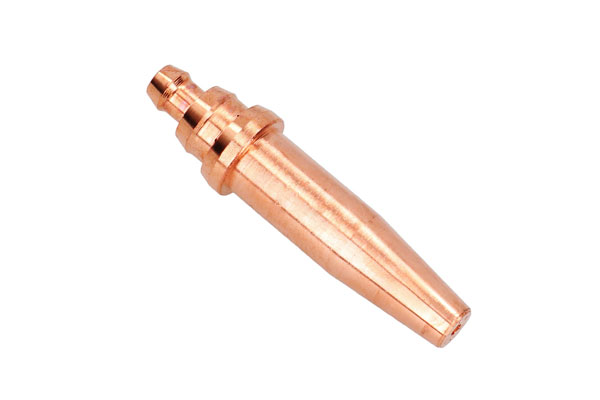
የአሸዋ መጣል (green-sand / resin bonded)
ምንድን ነው: Molten bronze is poured into a sand mold (loose or chemically bonded).
ጥንካሬዎች: ዝቅተኛ የመሳሪያ ወጪ, flexible for large and complex shapes, economical for small-to-medium production volumes and large parts (ፓምፕ አካላት, የቫልቭ ሂሳቦች).
ገደቦች: Rougher surface finish, wider dimensional tolerances, greater risk of gas and shrinkage porosity if gating/feeding is not optimised.
Typical surface finish & መቻቻል: RA ≈ 6-25 μm (depending on sand grade); tolerances commonly ± 0.5-3 ሚሜ for medium-size features (section and geometry dependent).
ምርጥ ለ: Large aluminum-bronze pump casings, leaded bearing sleeves, structural hardware.
ቁልፍ መቆጣጠሪያዎች: clean melt (fluxing/degassing), ቁጥጥር የሚደረግበት የማሽኮርመም ሙቀት (ፈሳሽ + 30–150 °C as a general guideline), well-designed gating/riser system for directional solidification, mold/box venting to avoid gas entrapment.
ሴንቲግፊጋል ጣውላ (ተዘዋዋሪ)
ምንድን ነው: Molten metal is poured into a rotating mold; centrifugal force distributes metal and promotes directional solidification from the outside in. Common for tubular and annular parts (አስመጪዎች, እጅጌዎች, ማያያዣዎች).
ጥንካሬዎች: ከፍተኛ መጠን ያለው, ዝቅተኛ ብልሽቶች, favourable directional solidification (good feeding), excellent mechanical properties and surface finish for cylindrical geometries. Excellent choice for aluminum bronzes and high-integrity wear parts.
ገደቦች: Geometry limited to axisymmetric components or segments; tooling cost moderate.
Typical surface finish & መቻቻል: RA ≈ 1-6 μm; tighter radial concentric tolerances vs sand cast.
ምርጥ ለ: ገለፃዎች, ቡሽንግ, እጅጌዎች, pump liners—especially አሉሚኒየም ነሐስ (ለምሳሌ., ሲ95400).
ቁልፍ መቆጣጠሪያዎች: rotation speed and pour rate control, mold preheat to specified temperature to avoid cold shuts, use of filters and degassing to reduce inclusions, careful control of pouring temperature to avoid slag entrapment.
ኢንቨስትመንት መውሰድ (የጠፋ ሰም)
ምንድን ነው: A wax pattern is coated with refractory slurry; after burnout the cavity is filled with molten bronze.
ጥንካሬዎች: እጅግ በጣም ጥሩ ወለል, thin-wall capability, fine detail and close dimensional tolerance—ideal for small, ውስብስብ ክፍሎች, architectural fittings, precision valve components and small impellers.
ገደቦች: Higher unit cost for low volumes (but economical at medium volumes for complex parts); wax tooling and ceramic shell lead times.
Typical surface finish & መቻቻል: RA ≈ 0.4-1.6 μm ሊደረስበት የሚችል; tolerances commonly ±0.05–0.5 mm በመጠን ላይ በመመስረት.
ምርጥ ለ: Phosphor and silicon bronze precision castings, small decorative or hydraulic components.
ቁልፍ መቆጣጠሪያዎች: clean pattern and shell preparation, controlled burnout to avoid shell cracking, optimized pour temperature to match shell chemistry, post-cast stress relief.
Permanent-mold (gravity die) and low-pressure casting
ምንድን ነው: Molten bronze is poured (የስበት ኃይል) or forced (ዝቅተኛ ግፊት) into a metal mold (permanent steel or graphite dies).
ጥንካሬዎች: Good surface finish and repeatability, relatively fast cycle times for medium volumes, better mechanical properties than sand casting due to faster cooling and refined microstructure.
ገደቦች: Mold cost and limited geometry complexity (draft angles and parting lines required). Not as flexible for large, አንድ-ውጭ ክፍሎች.
Typical surface finish & መቻቻል: RA ≈ 1.6-6.3 μm; tolerances tighter than sand casting, ብዙ ጊዜ ± 0.1-0.5 ሚሜ depending on feature size.
ምርጥ ለ: Medium-volume runs of repeatable parts where improved microstructure is desired (some bushings, መኖሪያ ቤቶች).
ቁልፍ መቆጣጠሪያዎች: mold temperature control, coating selection to control heat extraction and avoid adherence, ሻጋታ ማሽከርከር.
5. Heat Treatment and Surface Protection of Cast Bronze
This section describes the purposeful thermal processing and surface-engineering options that foundries and designers use to stabilise microstructure, tune mechanical behaviour, and extend service life of cast bronze components.
የሙቀት ሕክምና
Many bronze grades are fit for service in the as-cast condition and require no hardening treatment.
የሆነ ሆኖ, controlled thermal cycles are used routinely to (ሀ) relieve residual stresses induced by solidification and machining, (ለ) homogenise chemical segregation and refine microstructure, እና (ሐ) raise strength or toughness where the alloy chemistry permits.
The principal heat-treatment objectives and typical practices are summarised below.
Stress-relief anneal (routine for most castings).
- ዓላማ: reduce casting and machining stresses, minimise distortion during subsequent machining and reduce the risk of stress-corrosion/ cracking in service.
- Typical practice: heat to a moderate temperature (ብዙ ጊዜ ~250–450 °C depending on alloy and section thickness), hold for a time proportional to section size, then cool slowly.
This is a low-risk operation recommended for nearly all bronze castings prior to heavy machining.
Full anneal / homogenisation (improve ductility and remove segregation).
- ዓላማ: soften the casting, coarsen and spheroidise brittle phases, and homogenise interdendritic segregation resulting from slow solidification.
- Typical practice: anneal temperatures vary with family — commonly in the ~400–700 °C band for many tin/lead and phosphor bronzes; aluminium bronzes often require higher solutionising temperatures (see below).
Cooling is usually controlled (furnace or air cool) per alloy guidance.
የመፍትሄ ሕክምና + Quachch (used selectively, principally for some aluminium and nickel bronzes).
- ዓላማ: dissolve segregation and soluble intermetallics formed during solidification, producing a more uniform microstructure that can then be aged or tempered to develop improved strength/toughness.
- Typical practice: for certain aluminium bronzes, solution heat treatment is performed at elevated temperatures (commonly in the ~850–950 °C range for many Cu–Al alloys), በፍጥነት ማቀዝቀዝ (water or forced air) to retain a supersaturated matrix.
Exact temperatures and quench mediums depend on alloy chemistry and section size.
Age hardening / መበሳጨት (በሚተገበርበት ቦታ).
- ዓላማ: develop precipitation or ordering reactions that increase yield and tensile strength (some aluminium bronzes and specialised copper-nickel bronzes respond to ageing).
- Typical practice: after solutionising and quenching, an intermediate ageing/tempering step at ~ 200-500 ° ሴ for a defined time is used to approach the desired strength/ductility balance.
The ageing window and response are highly alloy-specific.
የመከላከያ ጥበቃ
Bronze alloys typically develop adherent oxide films that confer baseline corrosion resistance, but exposure to aggressive media (chloride-bearing seawater, acidic process streams, የእሳት አደጋዎች) often demands additional surface engineering.
The objective can be aesthetic (preserve finish), preventive (delay onset of active corrosion) or functional (improve wear, ግጭትን ይቀንሱ).
- ስሜታዊነት: Treating the surface with nitric acid or citric acid to thicken the oxide film, የቆርቆሮ መቋቋም ማጎልበት.
This method is commonly used for aluminum bronze and nickel bronze components. - ኤሌክትሮላይንግ: Applying a thin layer of noble metal (ለምሳሌ., ክሮም, ኒኬል) to the surface to improve corrosion resistance and aesthetics.
This method is used for decorative castings and high-corrosion-resistance components. - Painting/Coating: Applying an epoxy or polyurethane coating to shield the bronze from corrosive media. This method is used for outdoor and chemical processing components.
- ትኩስ-ፉርሽሽንግ: Applying a layer of zinc to the surface to improve corrosion resistance. This method is used for large bronze components (ለምሳሌ., የባህር ውስጥ እቃዎች) በአስቸጋሪ አካባቢዎች.
6. Selection Criteria for Common Cast Bronze Grades
When selecting a bronze grade for casting, rank the following factors and then narrow to families/grades that match:
- Service environment: የባህር ውሃ, ትኩስ ውሃ, አሲዶች, alkaline, ሃይድሮካርቦኖች. (Seawater → aluminum bronze; acids → high-nickel bronzes or special alloys.)
- Mechanical demands: static load, fatigue cycles, impact — aluminum bronzes for high load; phosphor bronzes for fatigue/spring behavior.
- Tribology: sliding speed, ቅባት, counterface material — leaded bearing bronzes for conformability; aluminum bronzes for high load and abrasive service.
- Casting process constraints: achievable density, tolerance and shape complexity.
- የማሽን ችሎታ & secondary operations: leaded bronzes for easy machining; phosphor bronzes for moderate machining; aluminum bronzes for heavier machining and heat treatment.
- Regulatory/health concerns: leaded alloys present environmental/health considerations; disposal and worker protection must be planned.
- ወጪ & lifecycle: include not only material cost but expected life extension, downtime and maintenance costs.
7. Pros and Cons of Common Cast Bronze Grades
አሉሚኒየም ነሐስ (C95400 family)
ጥቅም: በጣም ከፍተኛ ጥንካሬ, excellent seawater/cavitation/erosion resistance, ጥሩ የመልበስ መቋቋም.
Cons: የበለጠ ውድ, ከባድ ወደ ማሽን, requires good foundry practice to avoid segregation.
ፎስፎርር ነሐስ (C51000 family)
ጥቅም: Good wear and fatigue resistance, ጥሩ የማሽን ችሎታ (ዘመድ), good corrosion resistance in many environments.
Cons: Not as strong as high-Al bronzes for heavy wear; tin content can raise cost.
Silicon bronze
ጥቅም: ጥሩ የዝገት መቋቋም, ductility and finish; excellent for investment castings.
Cons: Lower strength than aluminum bronzes; less suitable for heavy wear.
Leaded / bearing bronzes (C93200 family)
ጥቅም: በጣም ጥሩ የማሽን ችሎታ, good embedability and conformability for bearings.
Cons: Lead content raises environmental/health issues; lower strength and elevated-temperature limits.
Specialty bronzes
ጥቅም: Tailored solutions for aggressive chemistries or elevated temperatures.
Cons: ከፍ ያለ ወጪ, less standardized; require careful supplier qualification.
8. Industry Applications of Cast Bronze
Examples where cast bronzes provide unique value:
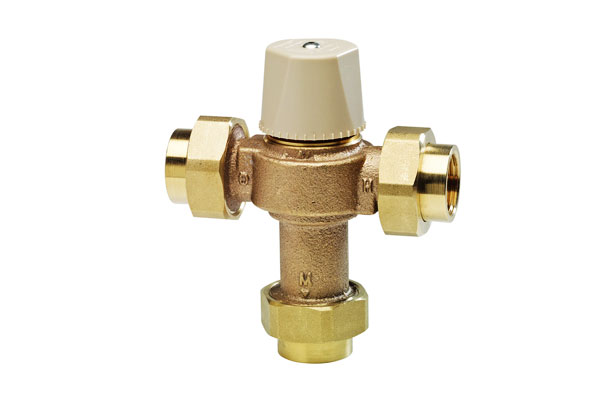
- የባህር ኃይል / የባህር ዳርቻ: ፓምፕ ኢነርፖሎች, propeller components, sea valves (የአሉሚኒኒየም ብሮዝስ).
- ኃይል & ጉልበት: ተርባይን ማኅተሞች, ተሸካሚዎች, ቫልቭ ክፍሎች (phosphor and aluminum bronzes).
- ፔትሮኬሚካል / ኬሚካል: wetted components, heat-exchanger fittings (silicon and special bronzes).
- የኢንዱስትሪ ማሽን: ቡሽንግ, ሳህኖች ይለብሱ, heavy-duty sleeves (bearing bronzes and aluminum bronzes).
- Heritage / አርክቴክቸር: decorative castings and statuary (silicon and phosphor bronzes).
- አውቶሞቲቭ / motorsport: small precision components in vintage or specialist applications (phosphor or silicon bronzes).
9. መደምደሚያዎች
Common cast ነሐስ ደረጃዎች, including tin bronze, አሉሚኒየም ነሐስ, ሲሊኮን ነሐስ, እርሳስ ነሐስ, and nickel bronze, are versatile materials with unique properties tailored to diverse casting applications.
Each grade has distinct chemical composition, የብረት ባህርይ, casting performance, and corrosion behavior, making them suitable for specific service environments—from general industrial machinery to harsh marine and chemical applications.
The key to successful bronze casting lies in selecting the right grade based on application requirements, optimizing casting processes to minimize defects, and implementing appropriate heat treatment and surface protection measures to extend service life.
While bronze has higher upfront costs than cast iron and cast aluminum, its long service life, excellent performance, and high recyclability make it a cost-effective and sustainable choice in the long run.
የሚጠየቁ ጥያቄዎች
What is the strongest cast bronze for heavy load and wear?
High-aluminum bronzes (typified by UNS ሲ95400 ቤተሰብ) combine high tensile strength (typical cast ranges ~400–800 MPa) እና ጥንካሬ (~120–250 HB) with excellent erosion and cavitation resistance,
making them the preferred choice for heavy-duty pump impellers and seawater service.
Which bronze grade is best for plain bearings?
Leaded bearing bronzes (ለምሳሌ., UNS C93200 ቤተሰብ) or specific phosphor bronze bearing alloys are optimized for embedability, conformability and lubricant retention.
They offer good machinability and acceptable strength for journal bearings in lubricated systems.
Do bronze castings normally need heat treatment?
Many bronze castings are adequate in the as-cast condition after stress relief.
ቢሆንም, targeted heat treatments (ውጥረት-እፎይታ anneal, homogenisation, or for some aluminum bronzes solution + ageing) are used when improved ductility, homogenised chemistry or higher strength is required.
Follow alloy-specific guidance.
How do I reduce porosity and shrinkage in bronze castings?
Use clean melt practice (ፍሰት, ዲዳድ, ሴራሚክ ፍሰት), design gating and risering for directional solidification, control pouring superheat,
consider centrifugal casting for tubular parts, and include appropriate chills or insulation to control solidification paths.
Are aluminum bronzes better in seawater than phosphor bronzes?
Yes — aluminum bronzes develop a stable alumina surface film and are generally more resistant to seawater corrosion, cavitation and erosion than tin/phosphor bronzes, so they are preferred for marine hardware and pump components.
Can cast bronzes be welded and repaired?
Many can, but practices differ by family. Aluminum bronzes usually require correct filler metals, preheat and post-weld heat treatment to avoid cracking and preserve corrosion resistance.
Phosphor and silicon bronzes weld more readily. Always use qualified welding procedures and trial repairs.
Are bronze castings recyclable?
አዎ. የመዳብ-መሠረት ቅይጥ (including bronzes) are highly recyclable; scrap returns significant alloying value and recycling is common in responsible foundry supply chains.
Track recycled content and tramp elements if composition control is critical.